WildCare Oklahoma Bat and Chimney Swift Rehabilitation Facility
WildCare Oklahoma Bat & Chimney Swift Rehabilitation Facility
WildCare Oklahoma Bat & Chimney Swift Rehabilitation Facility
Noble, OK
Construction In-Progress: Anticipated Completion May 2026
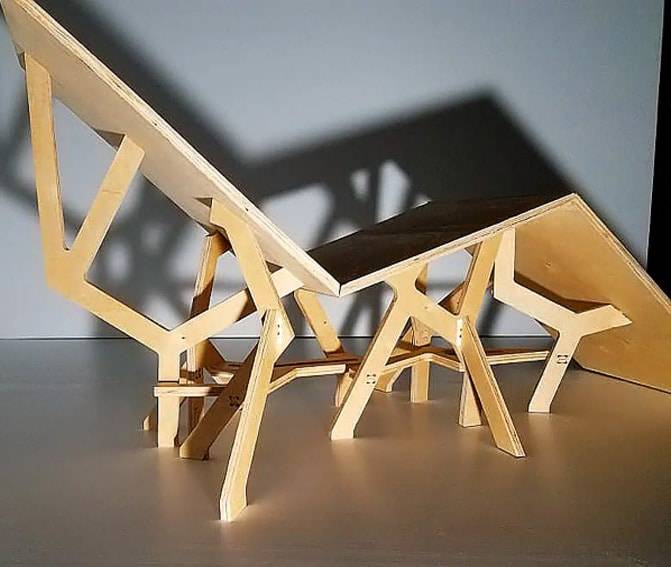
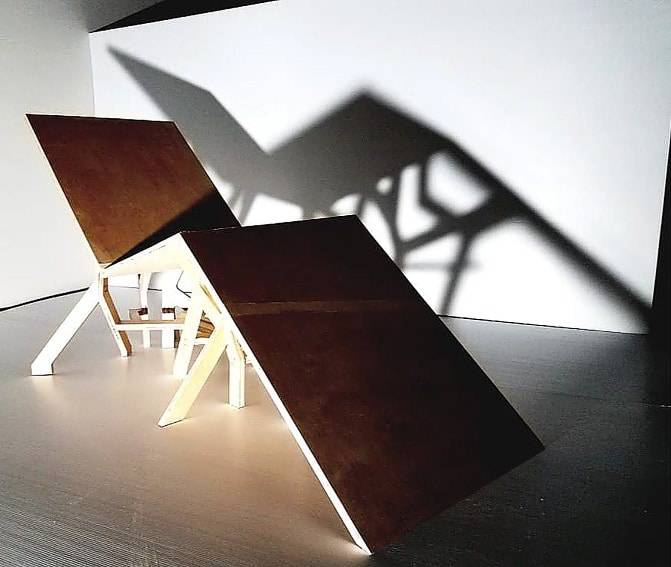
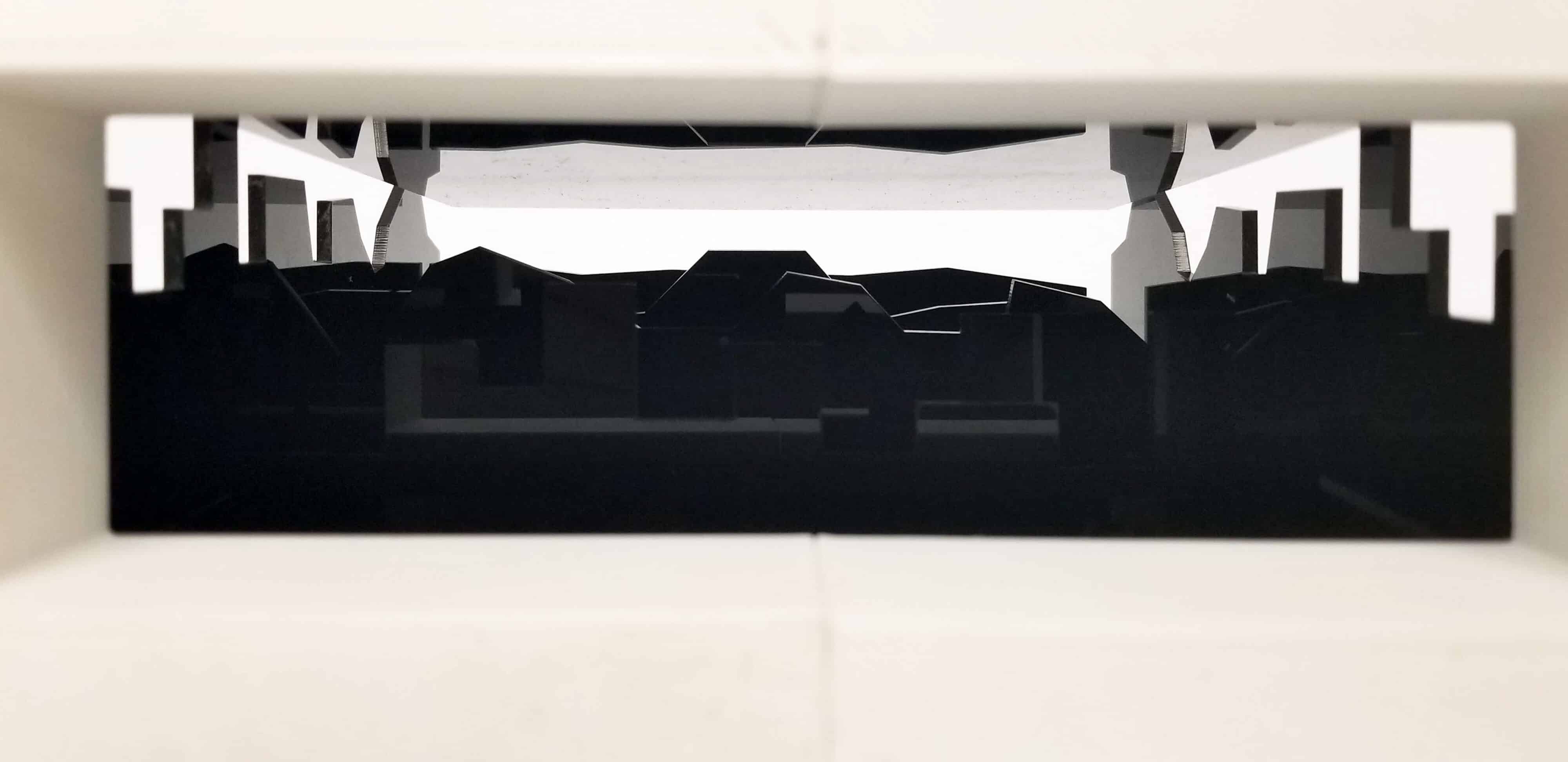
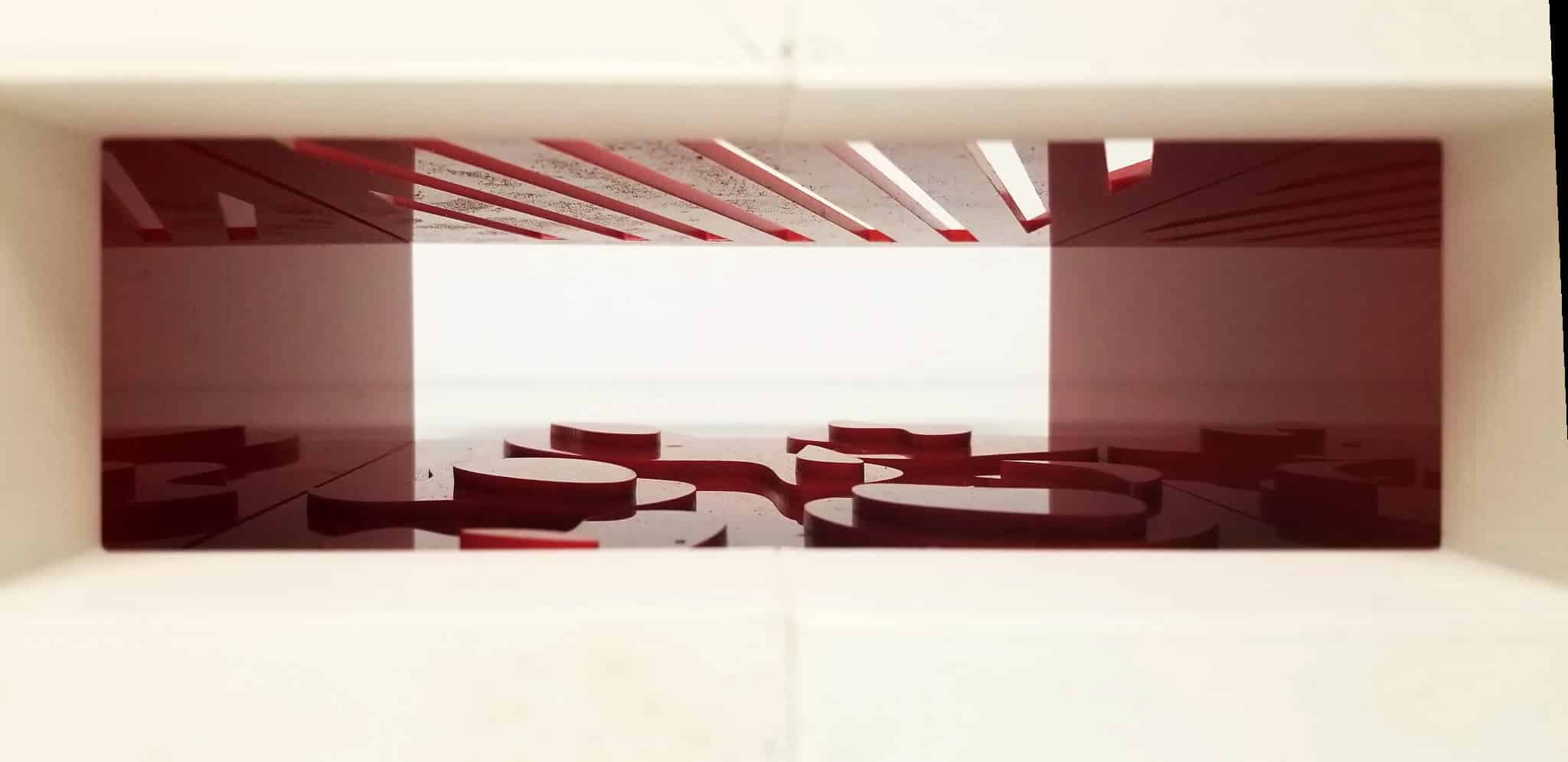
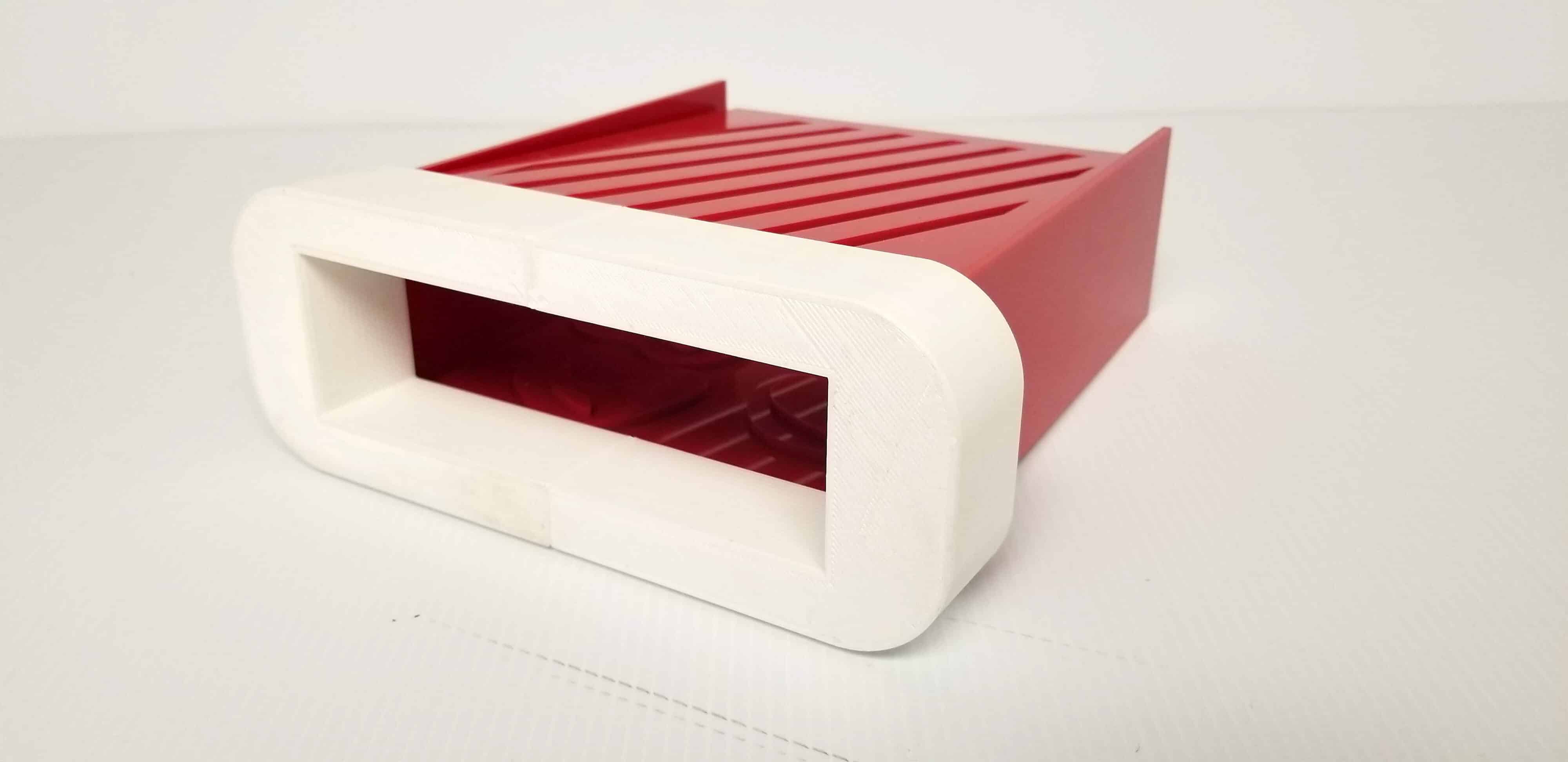
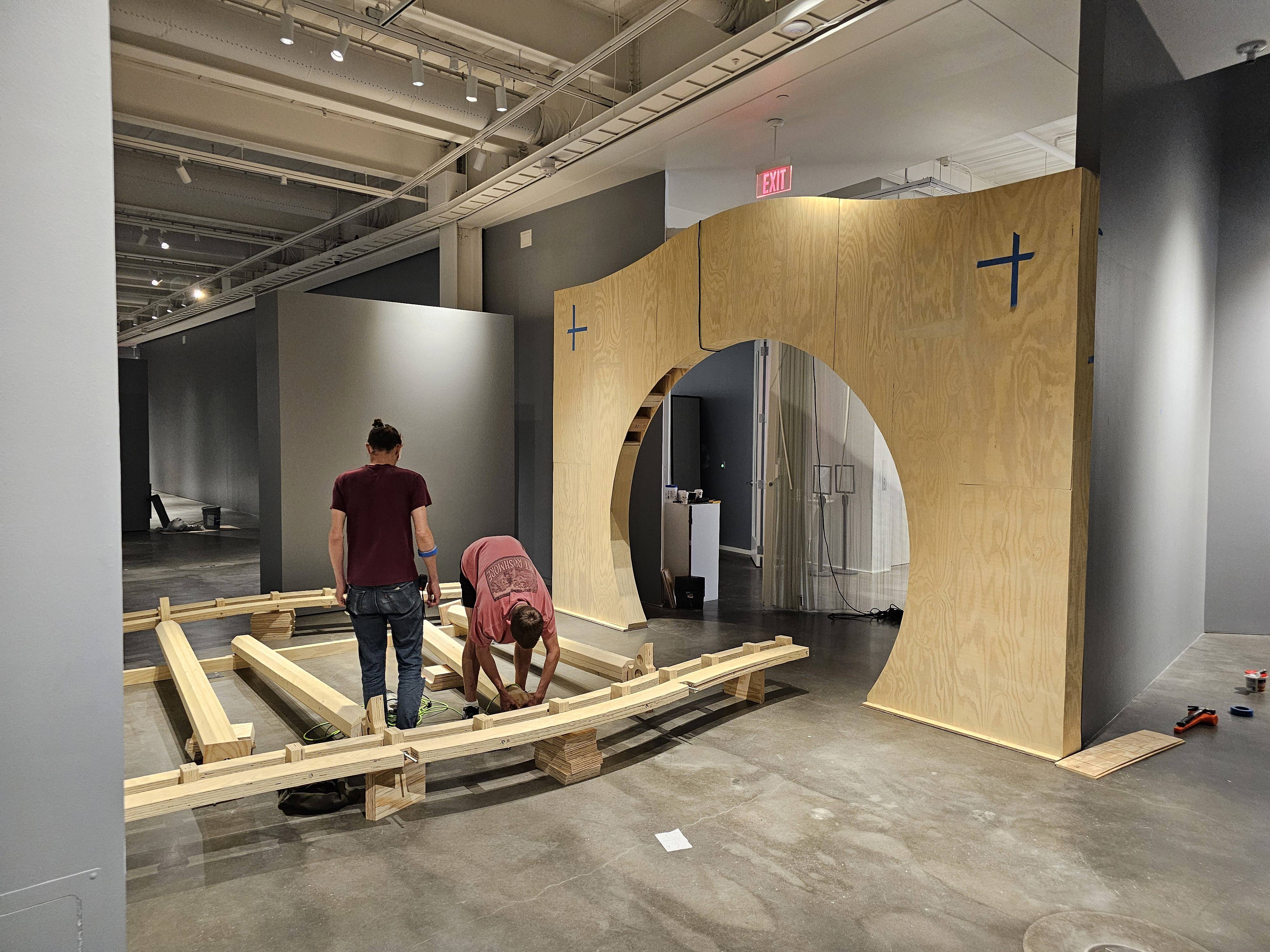
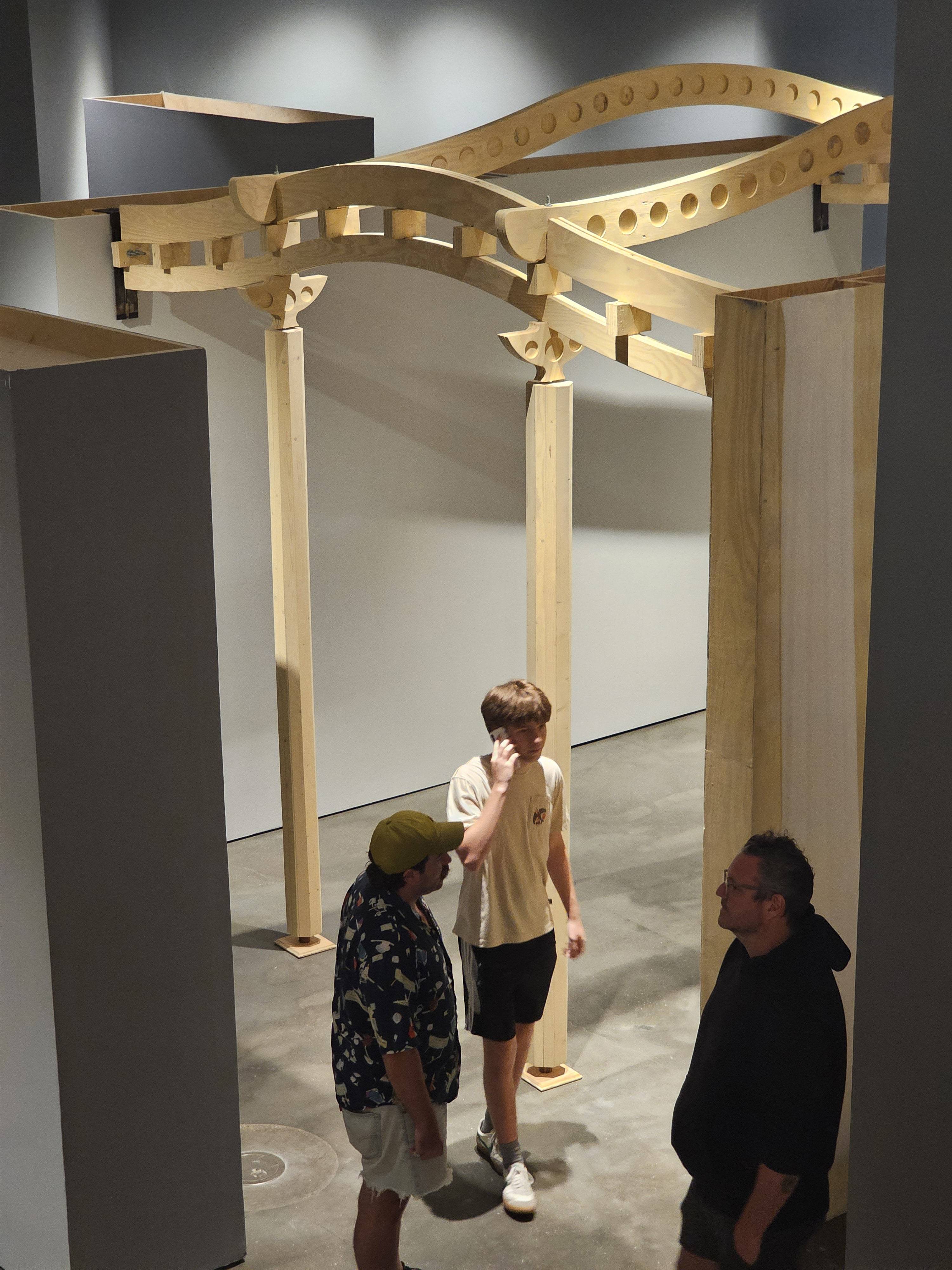
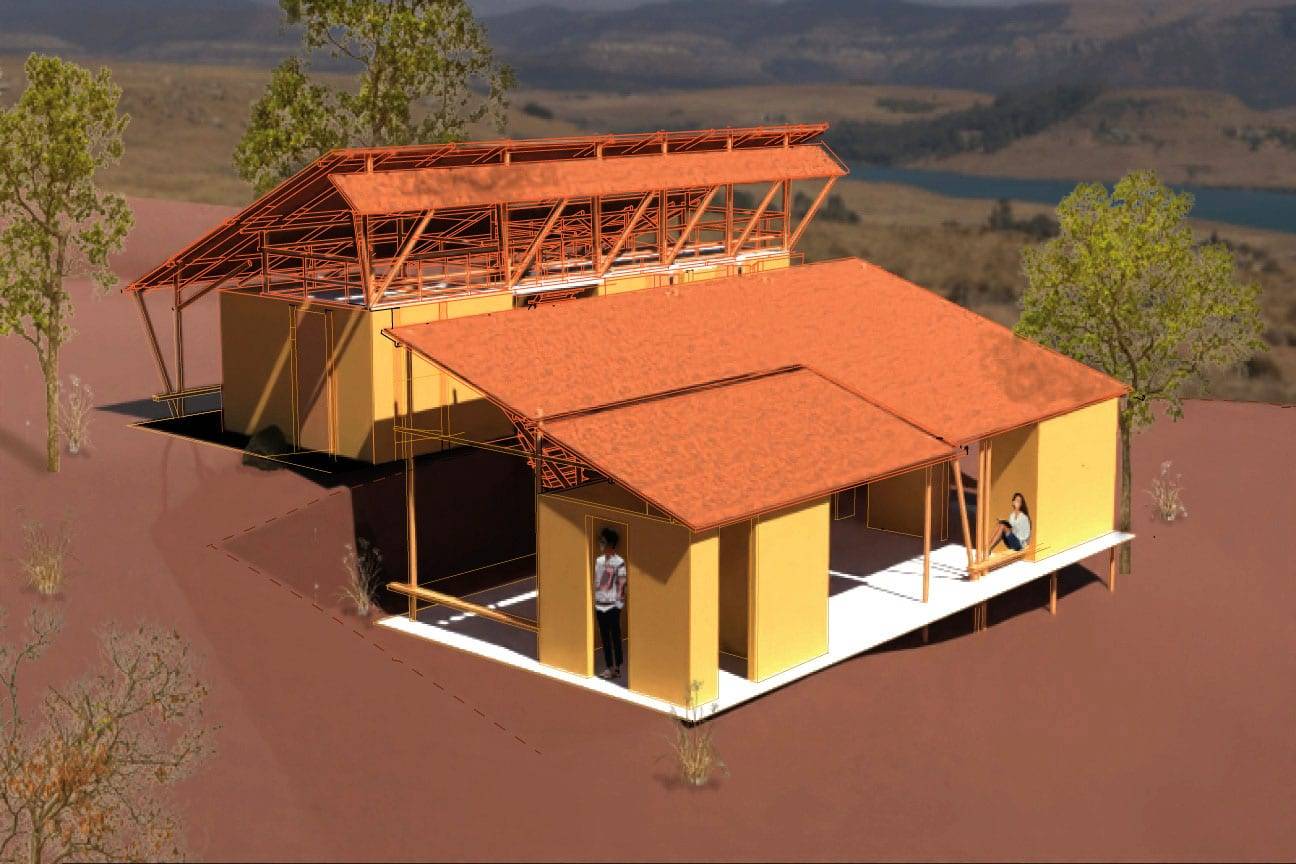
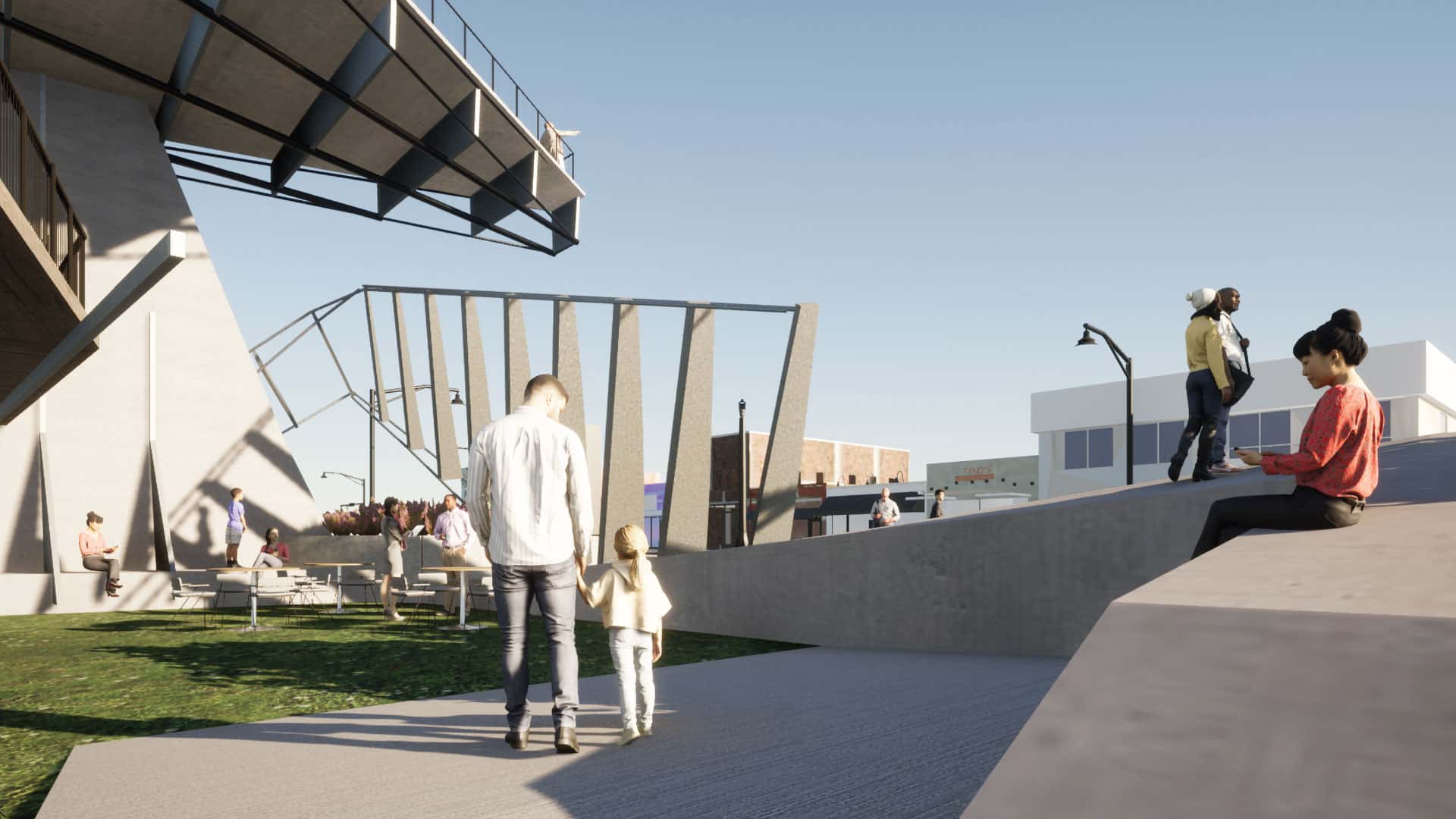
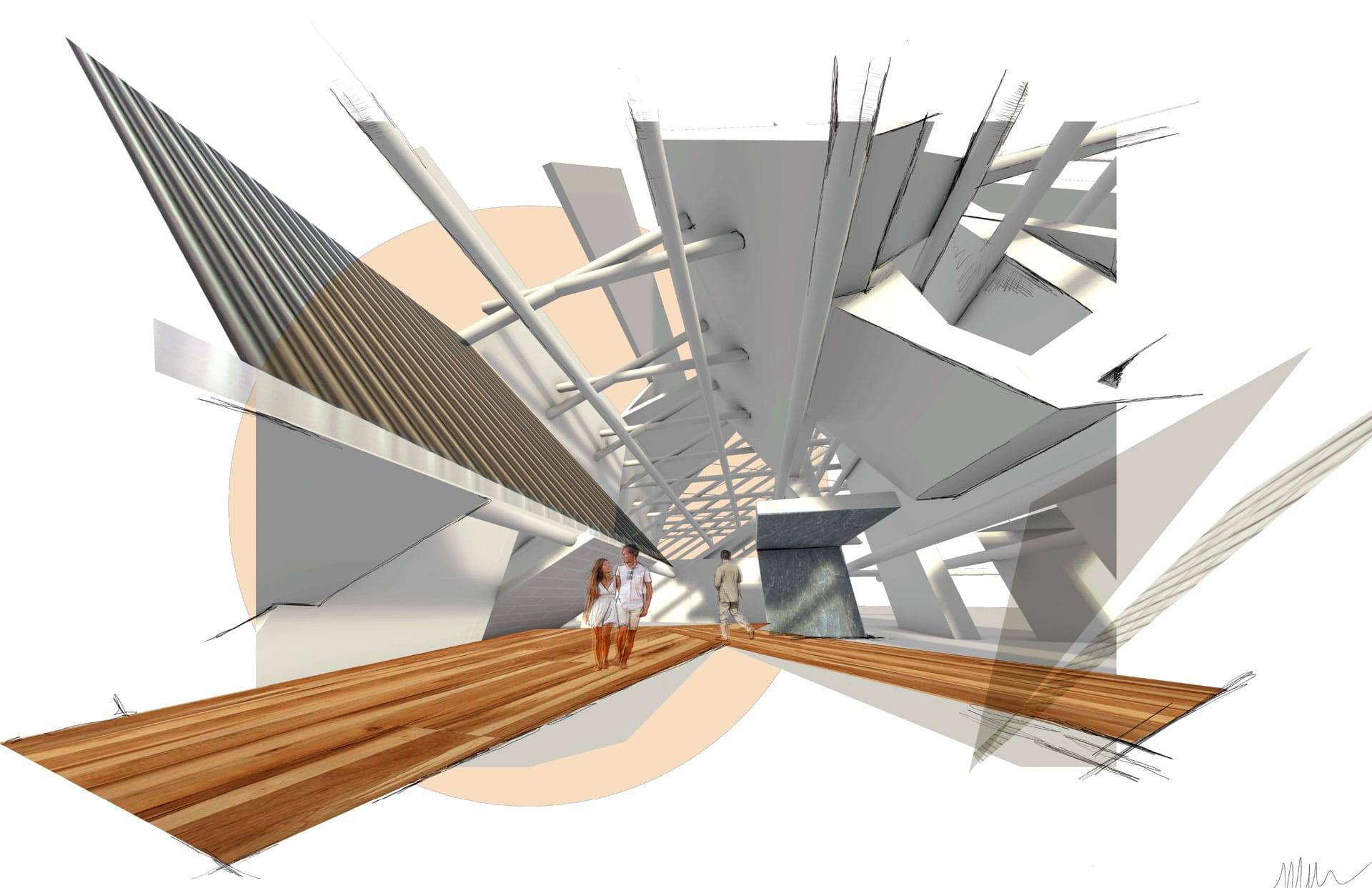
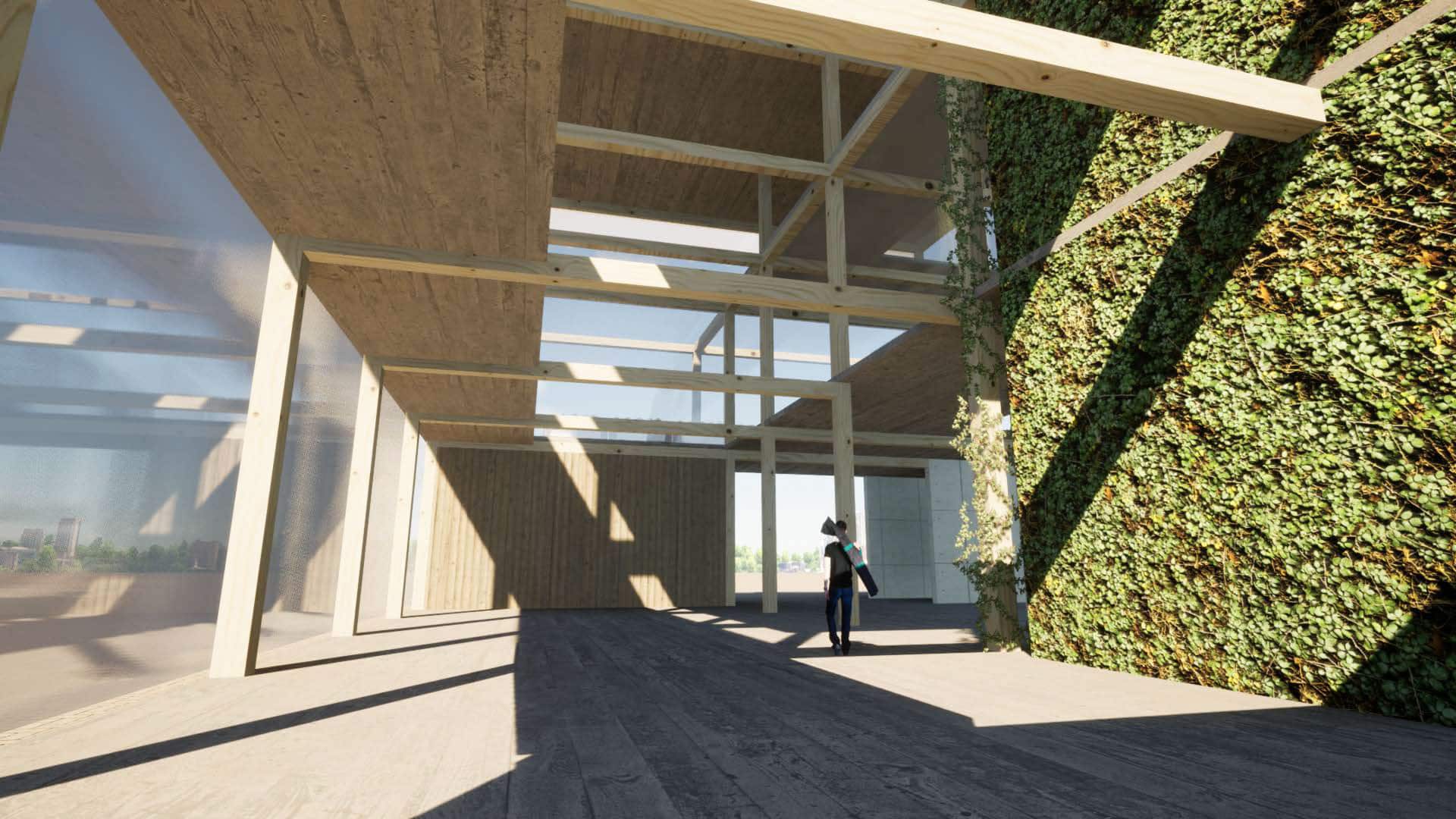
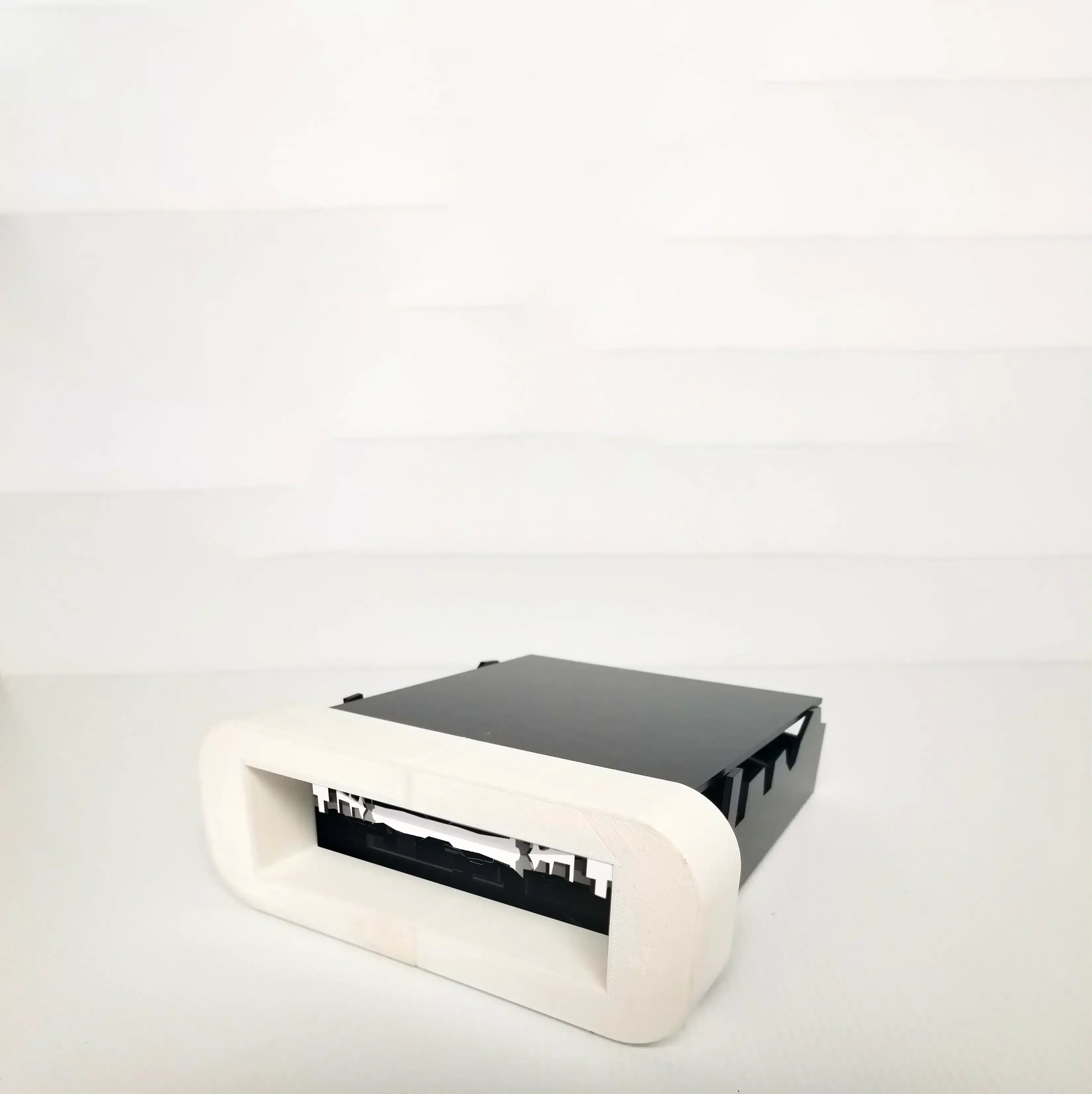
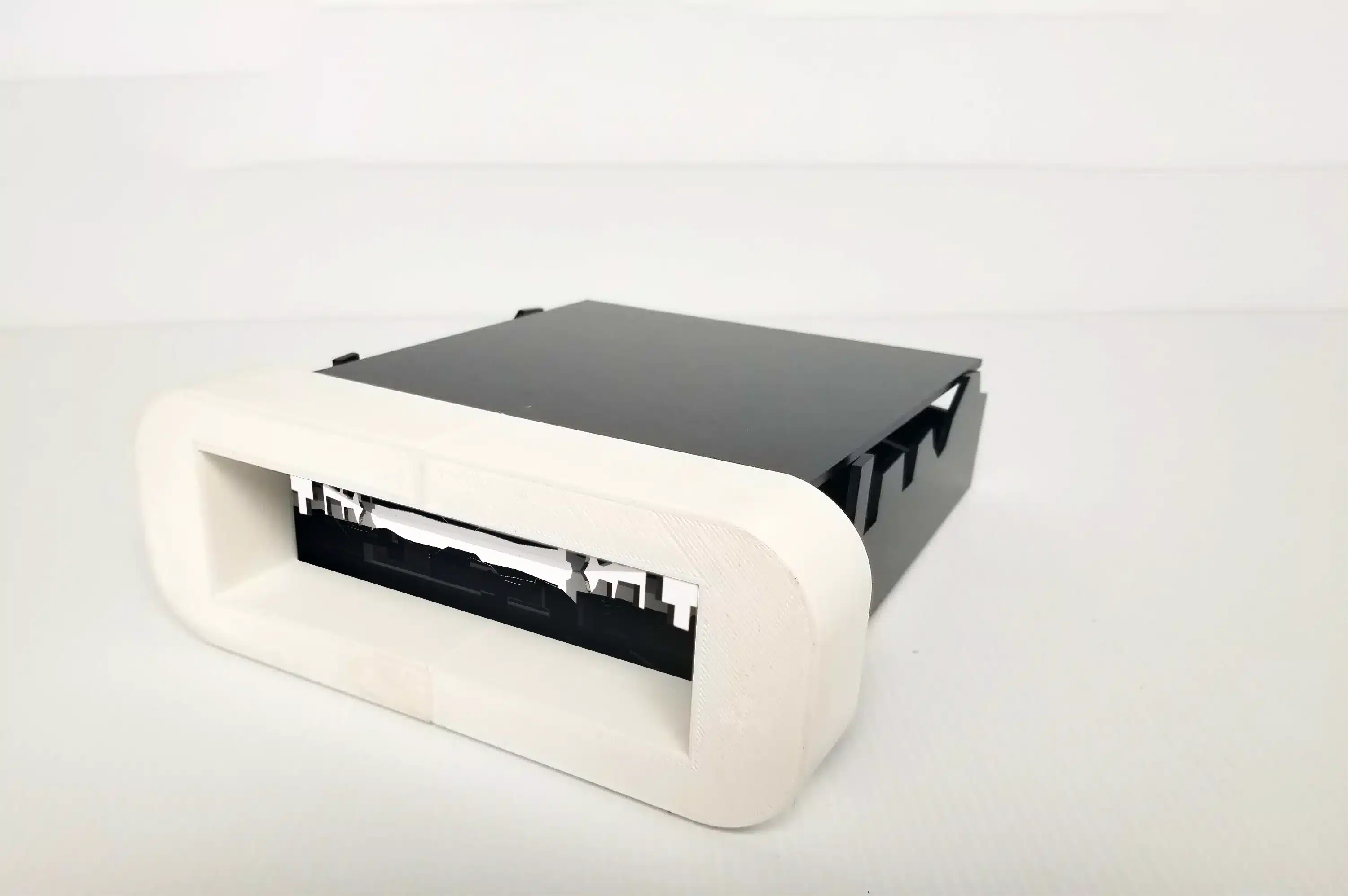
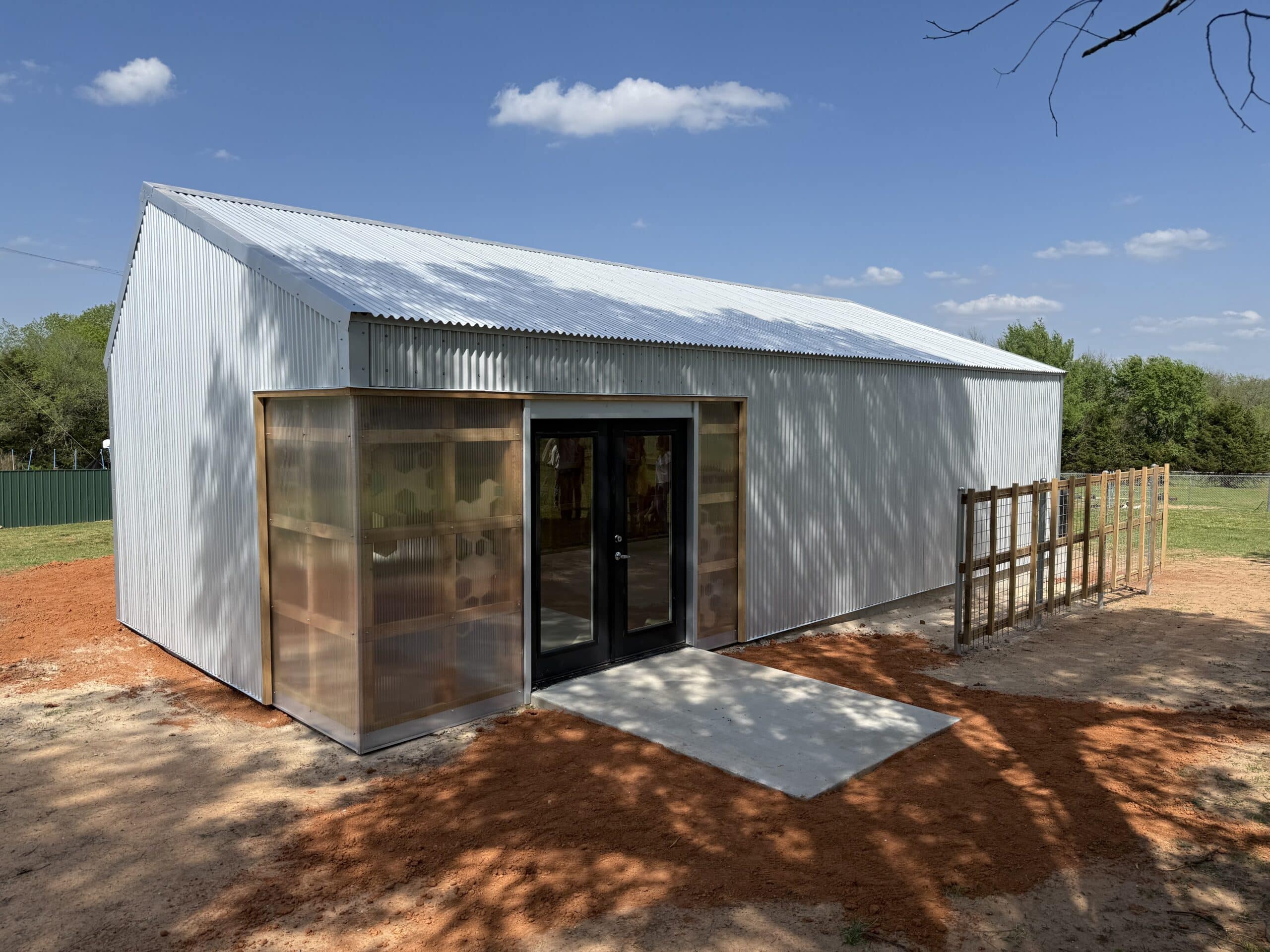
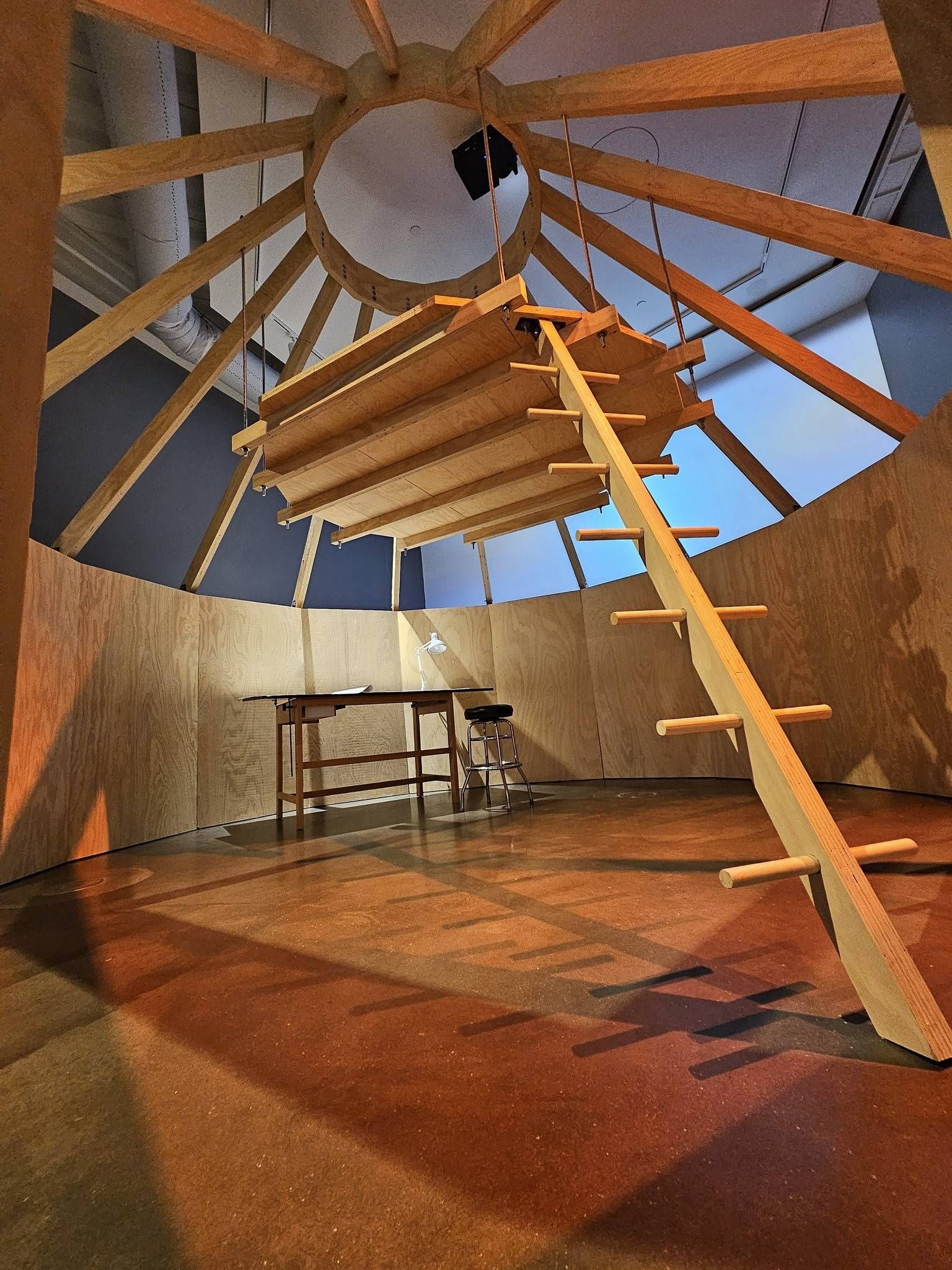
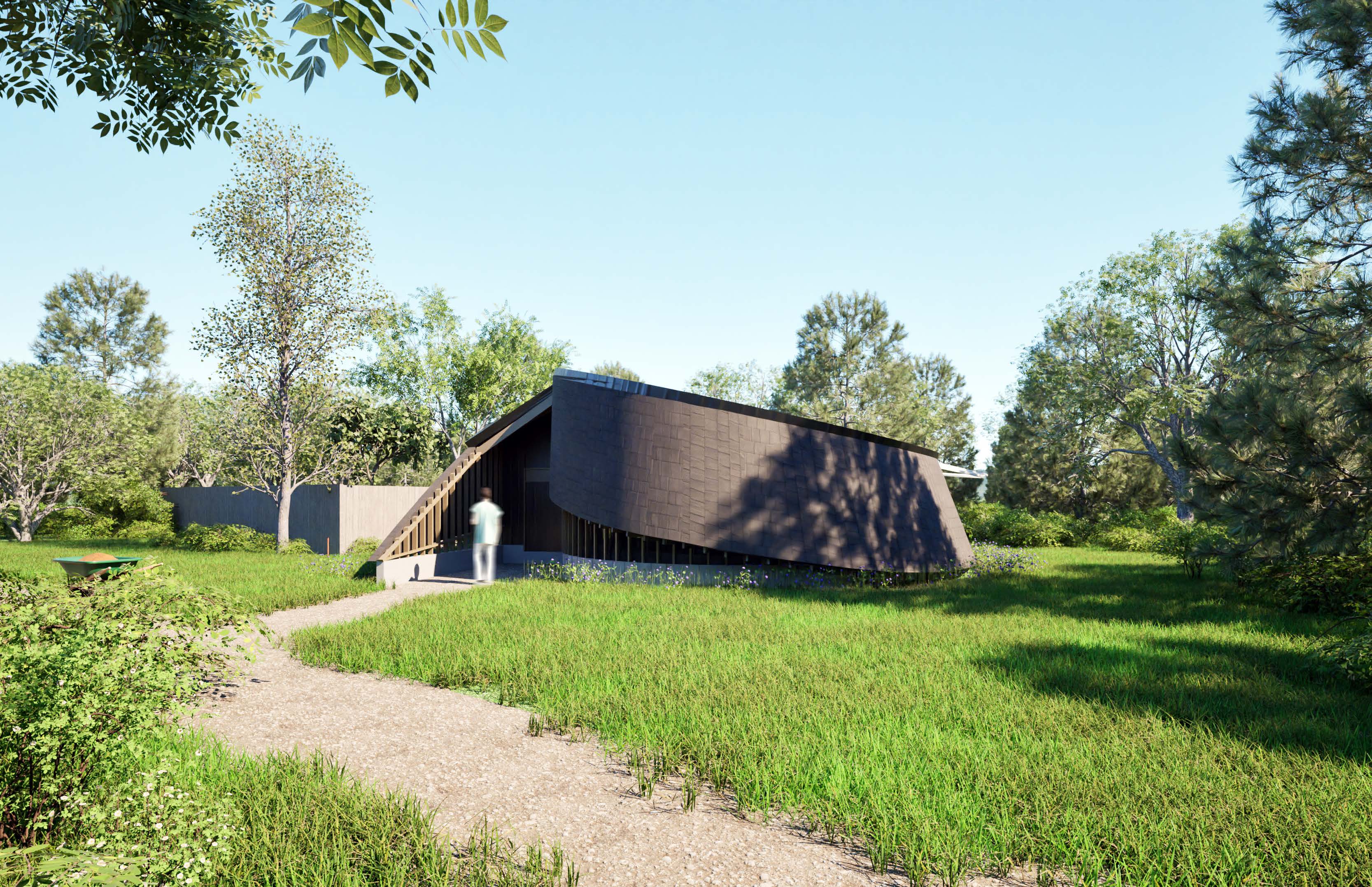
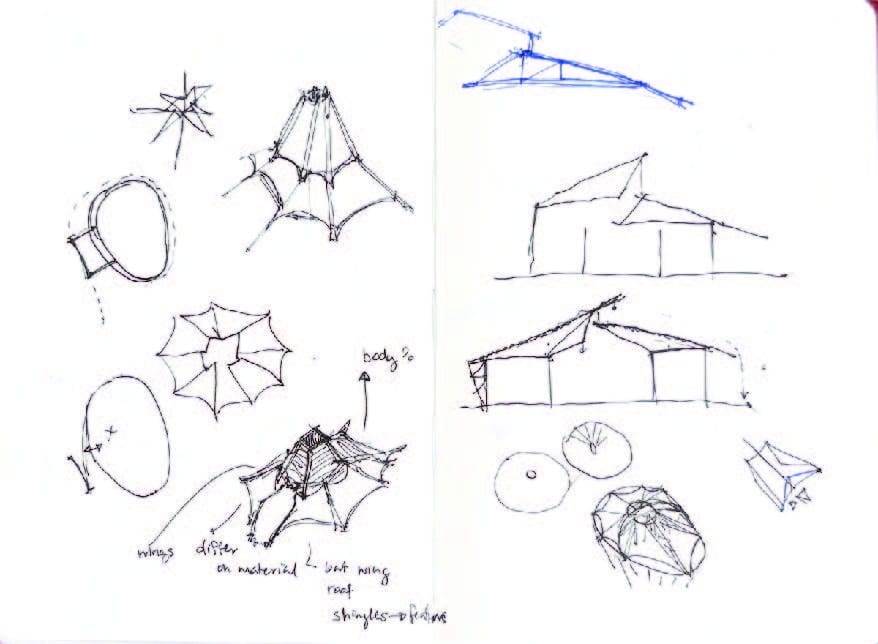
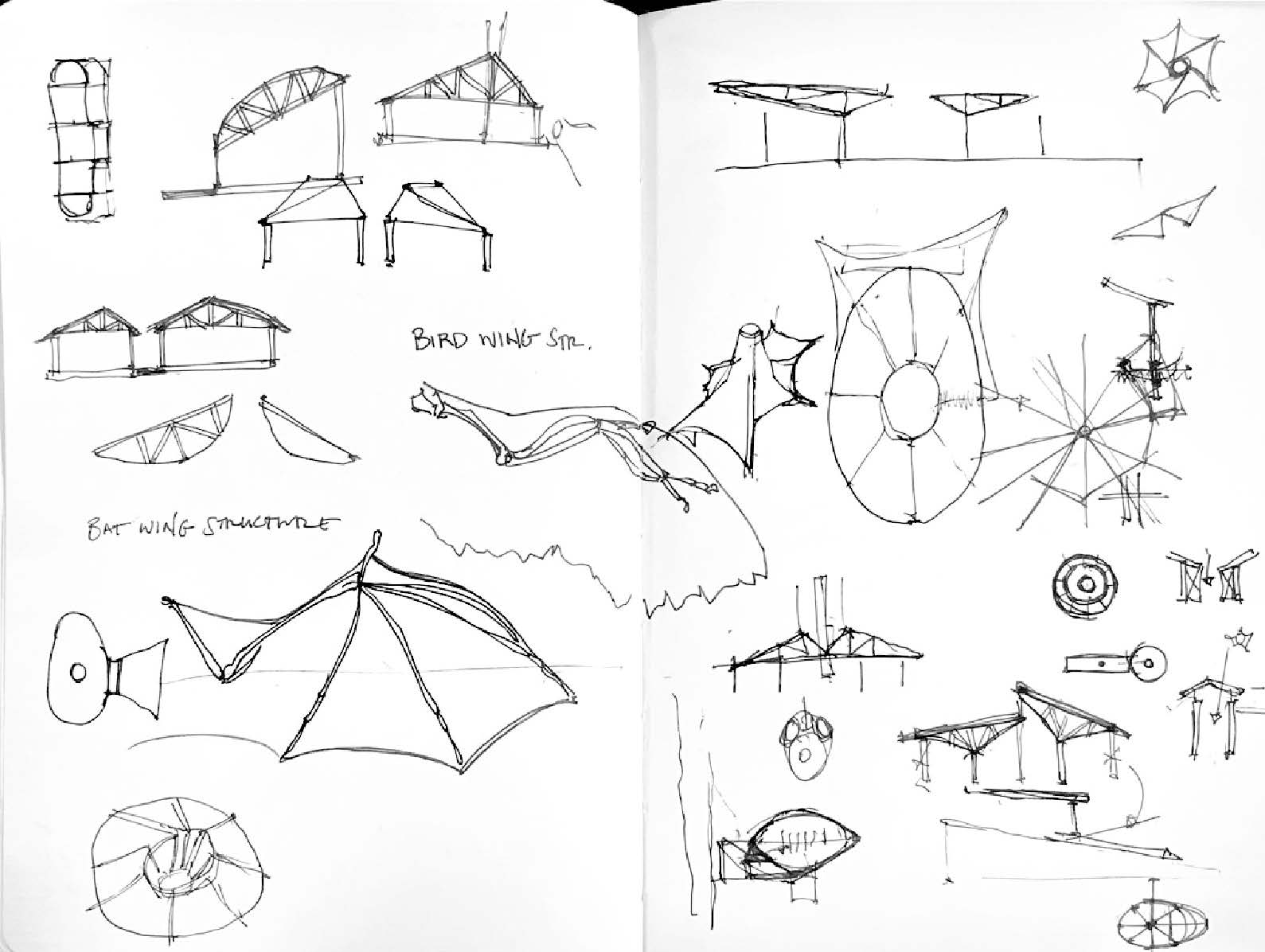
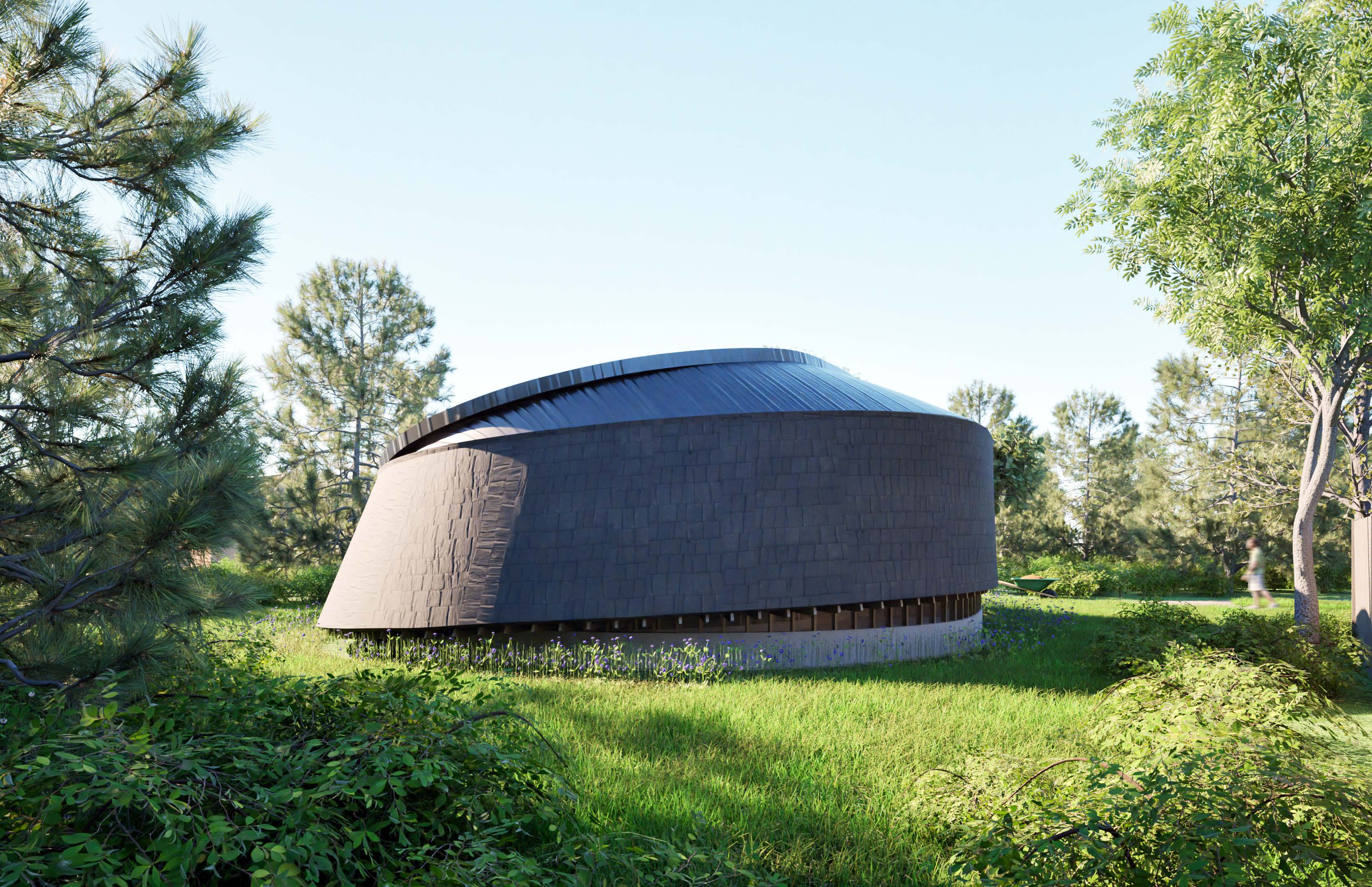
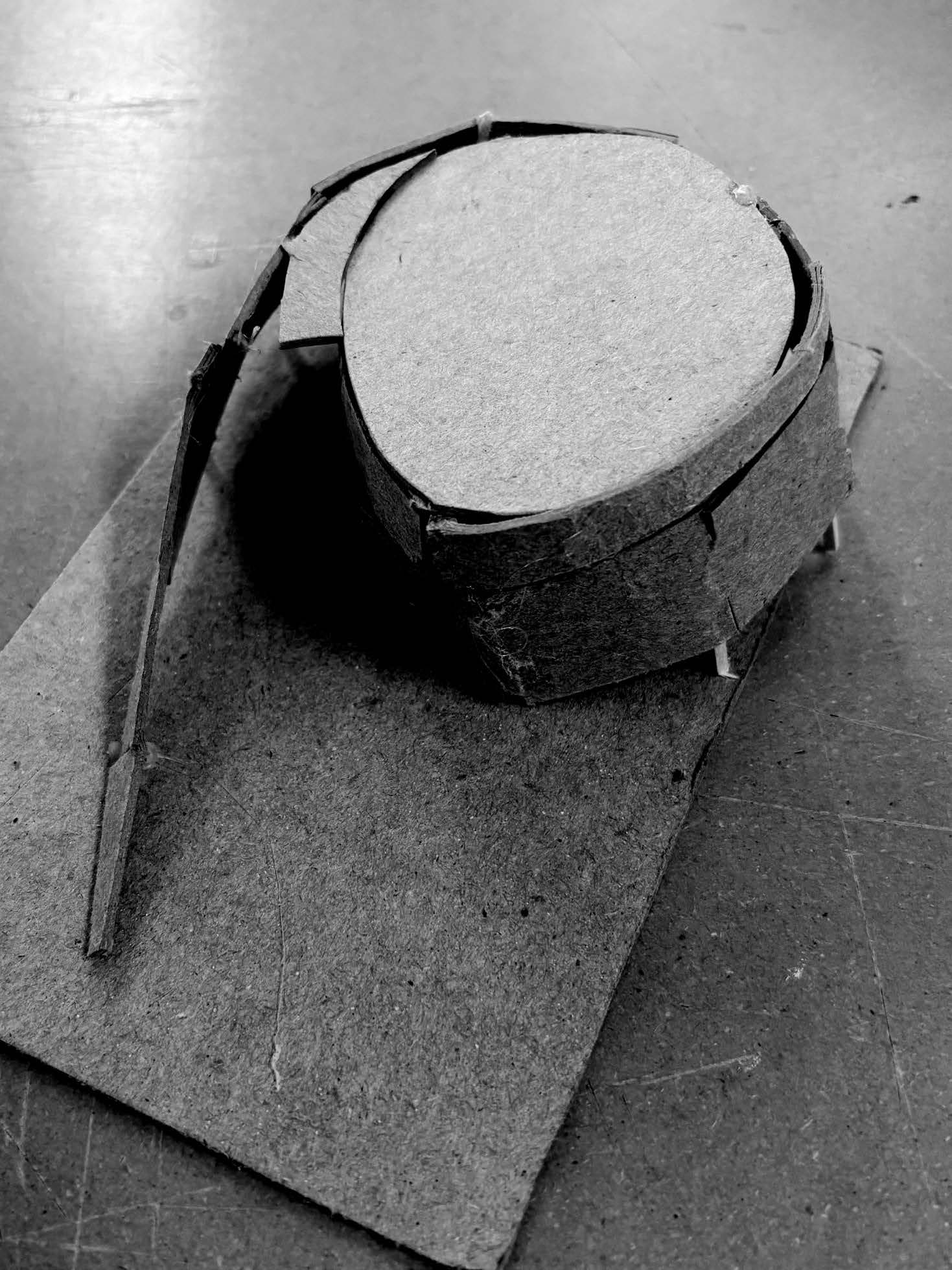
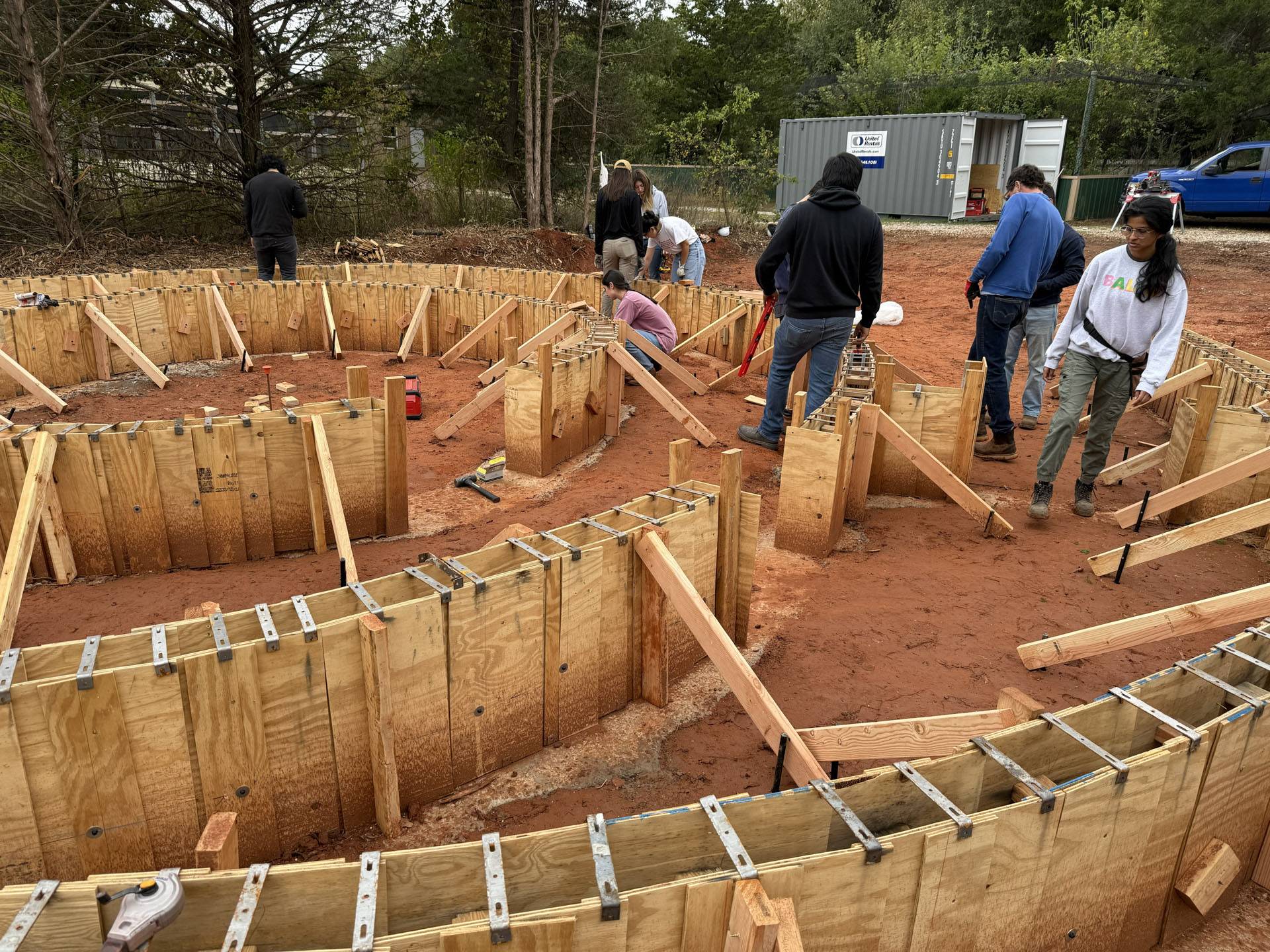
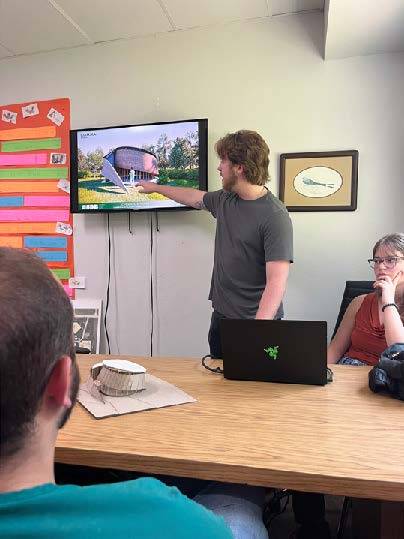
The WildCare Oklahoma Bat and Chimney Swift Rehabilitation Facility is the 2025–26 project of the American School Design Build studio at the University of Oklahoma Gibbs College of Architecture. Created in partnership with WildCare Oklahoma, the state’s leading wildlife rehabilitation organization, the project embodies ASDB’s mission to merge design, ecology, and construction. Officially titled C.O.M.M.A. — Conservation of Oklahoma’s Mammals and Migratory Avians, the facility is the first in the nation to serve both bats and chimney swifts within a single structure. Its spiral form, drawn from the curve of a wing, reflects protection and movement while fostering natural light, air, and habitat flow.
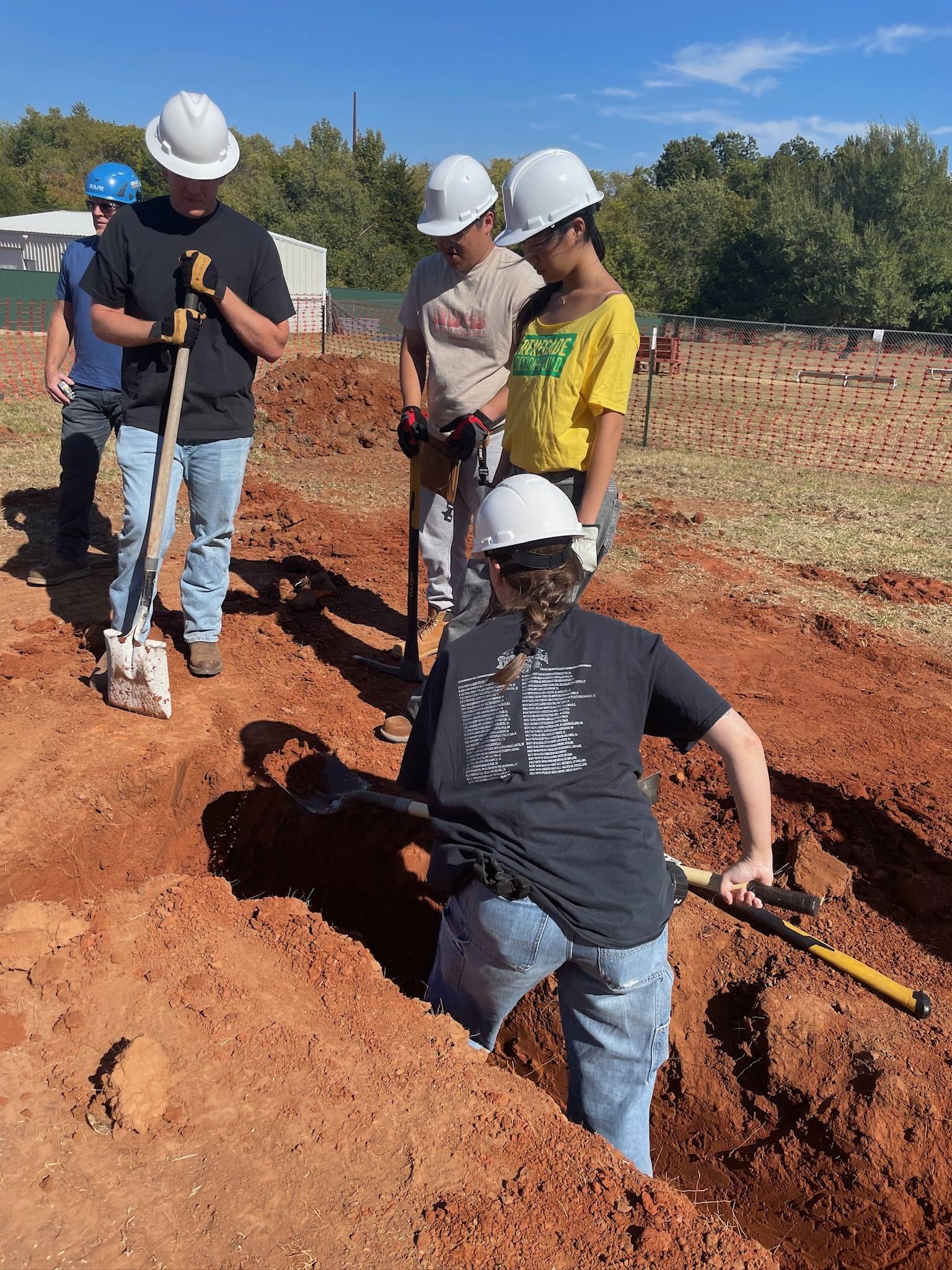
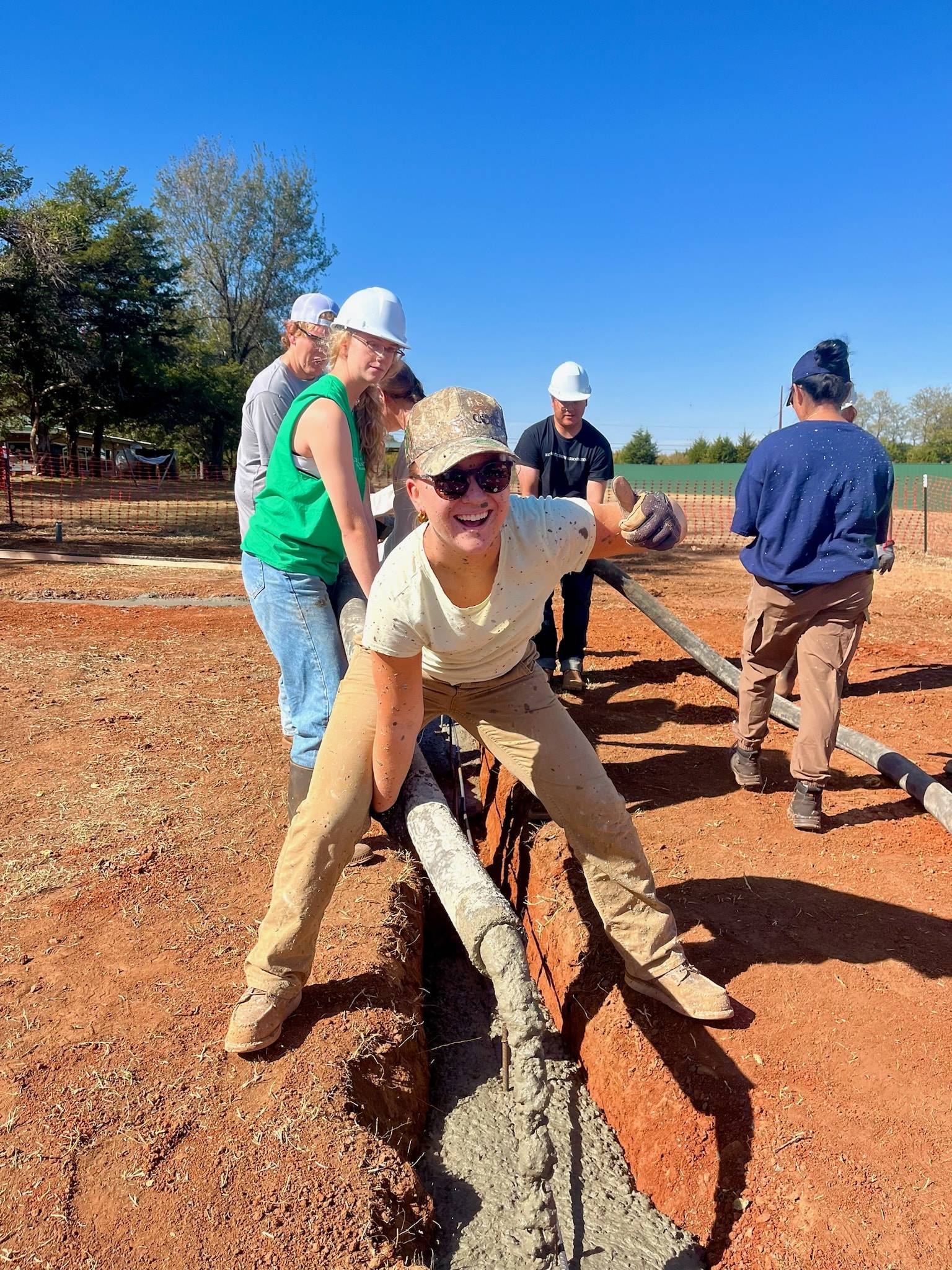
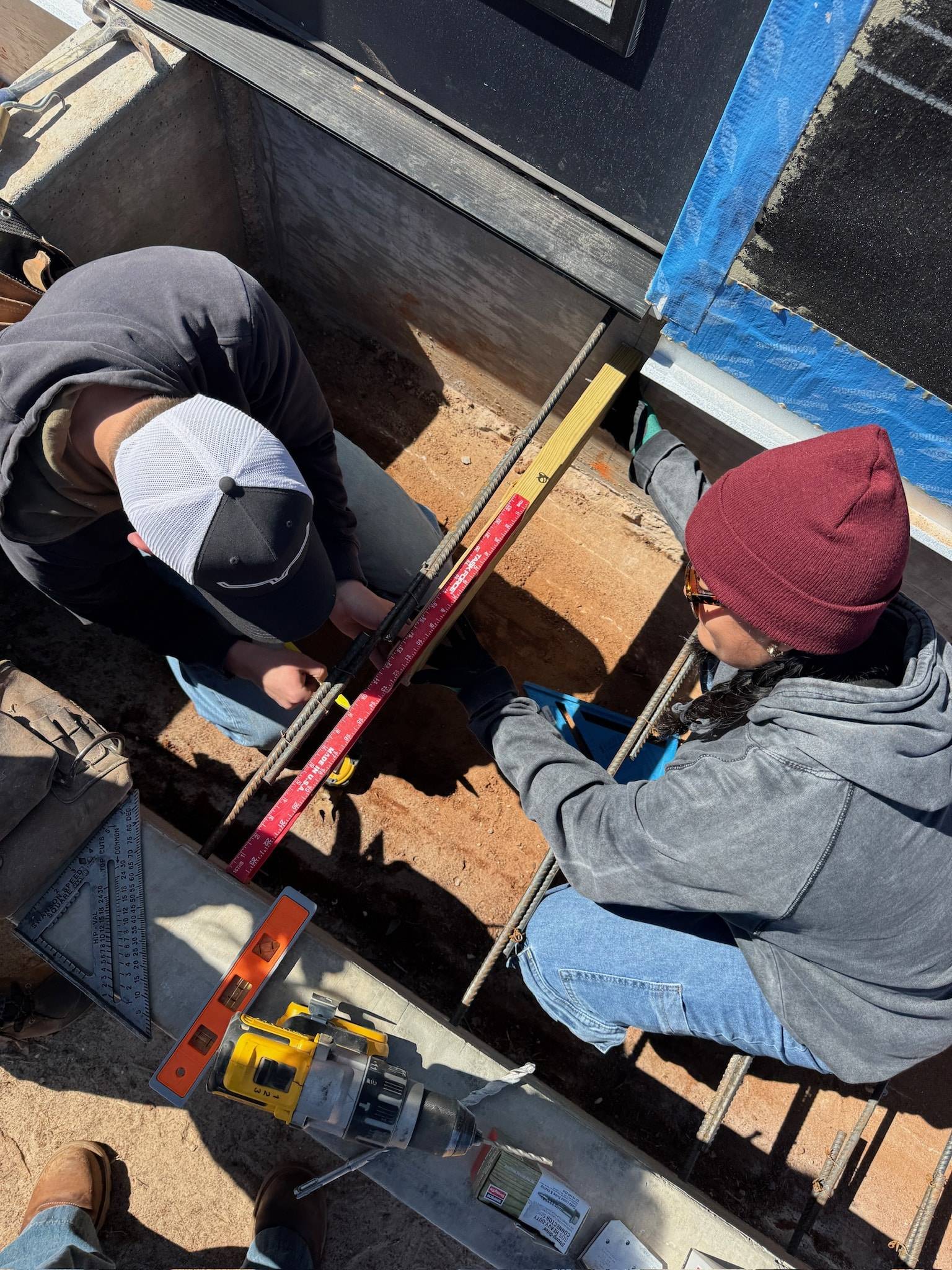
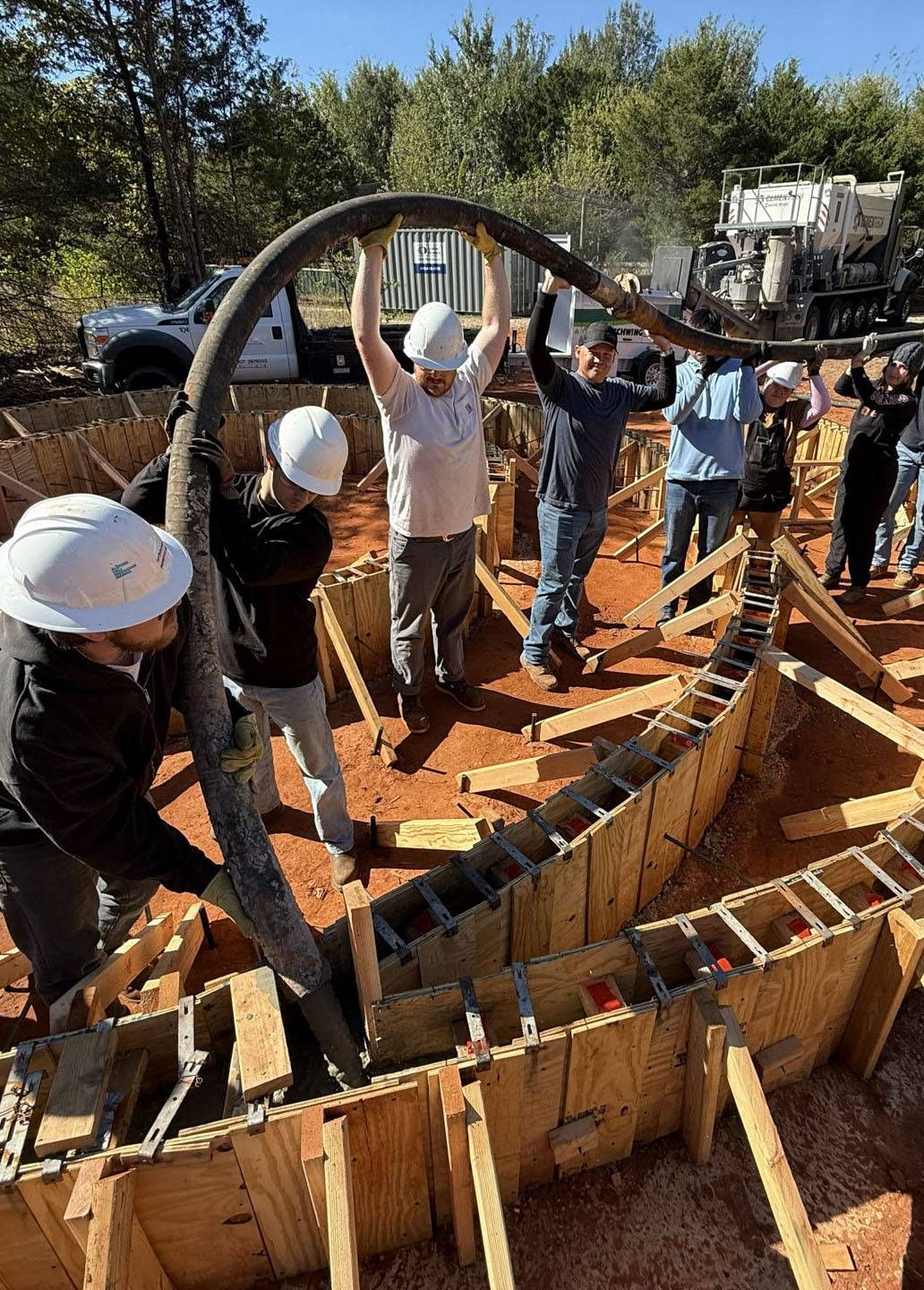
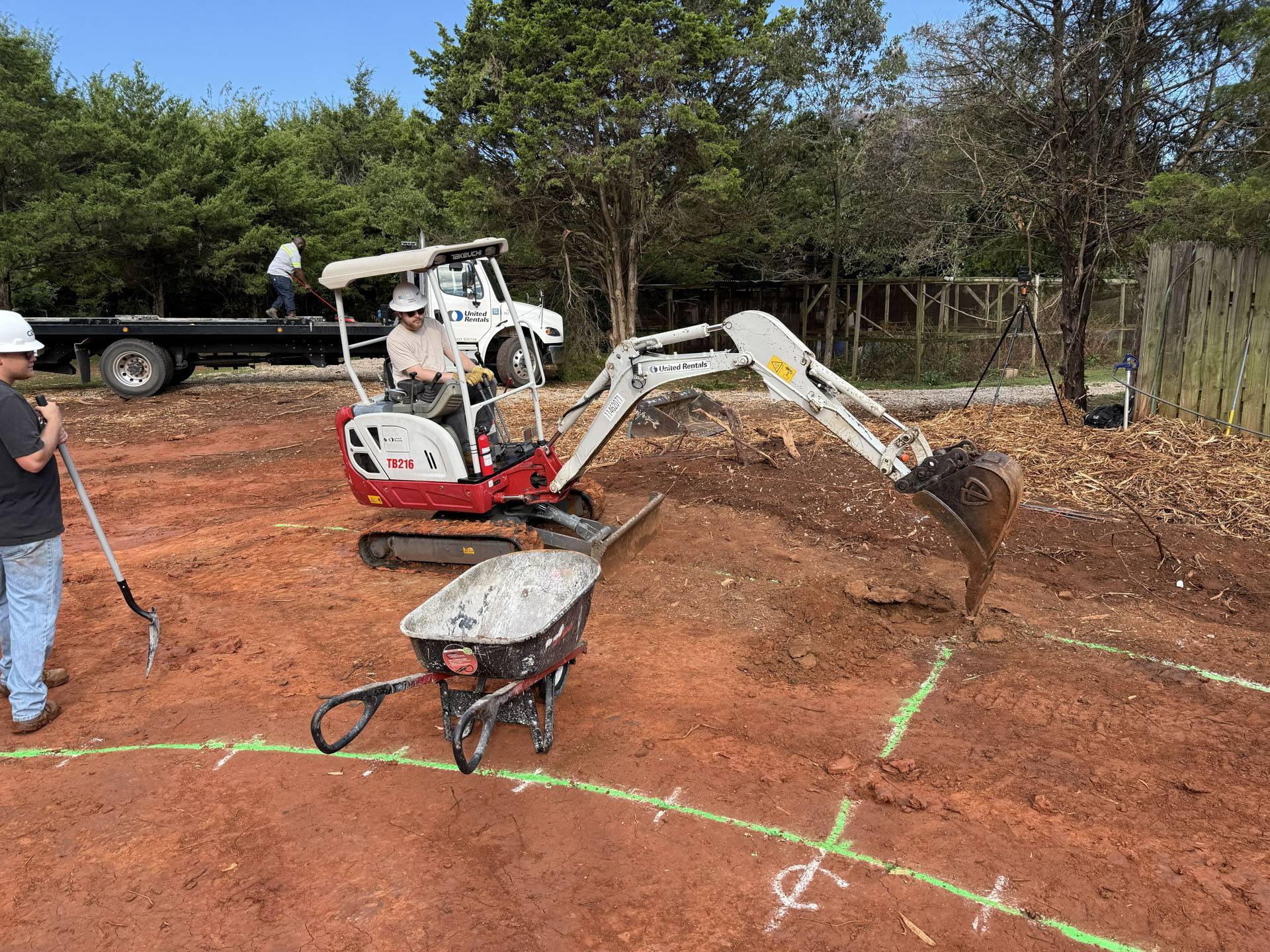
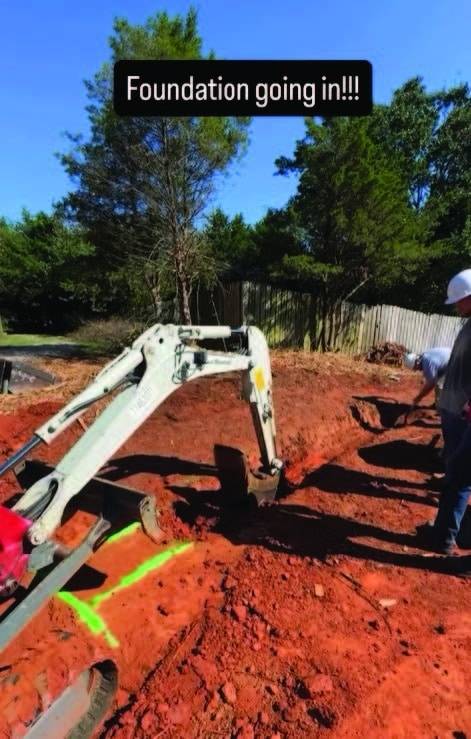
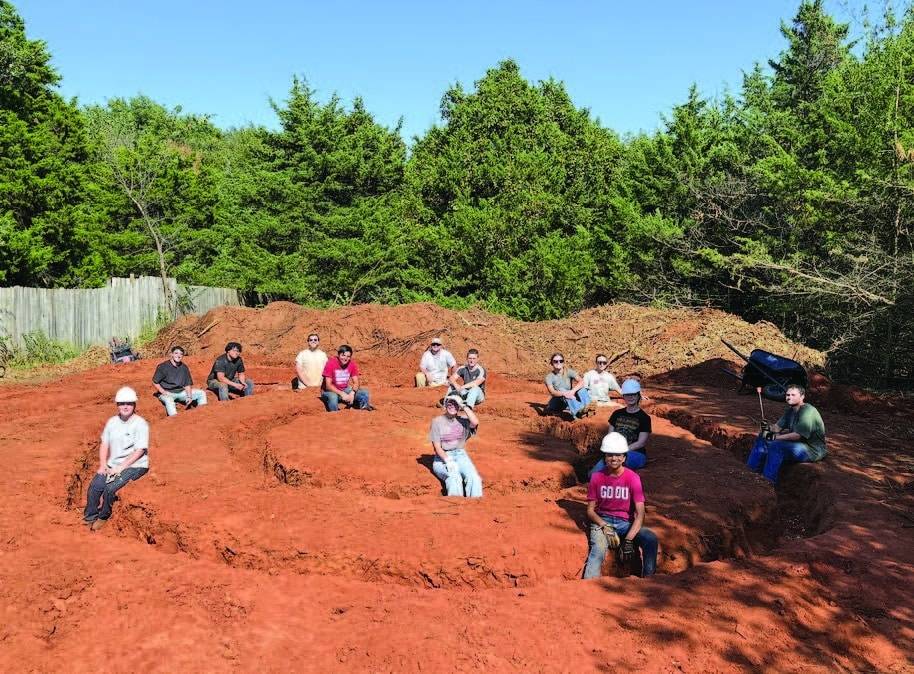
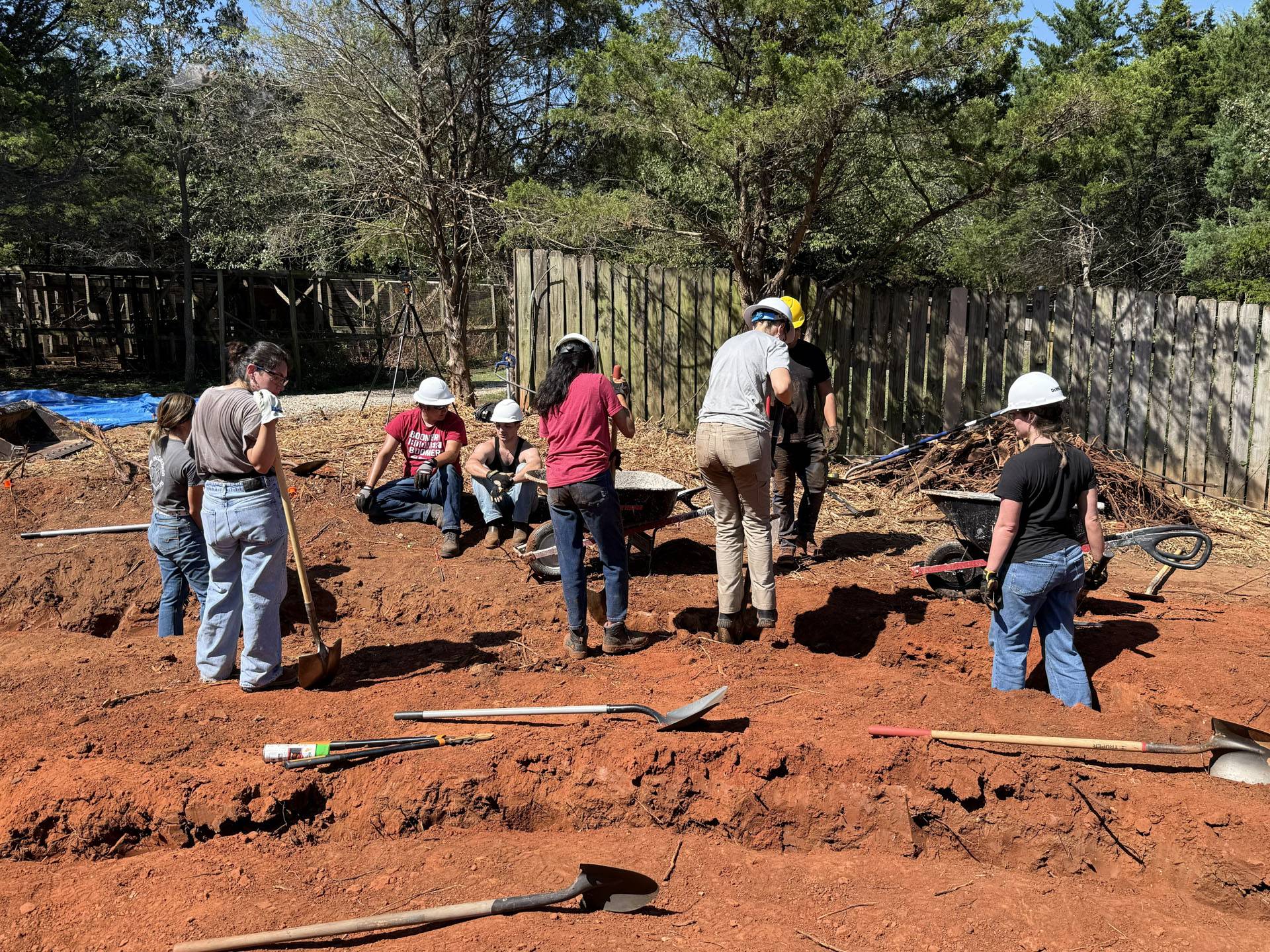
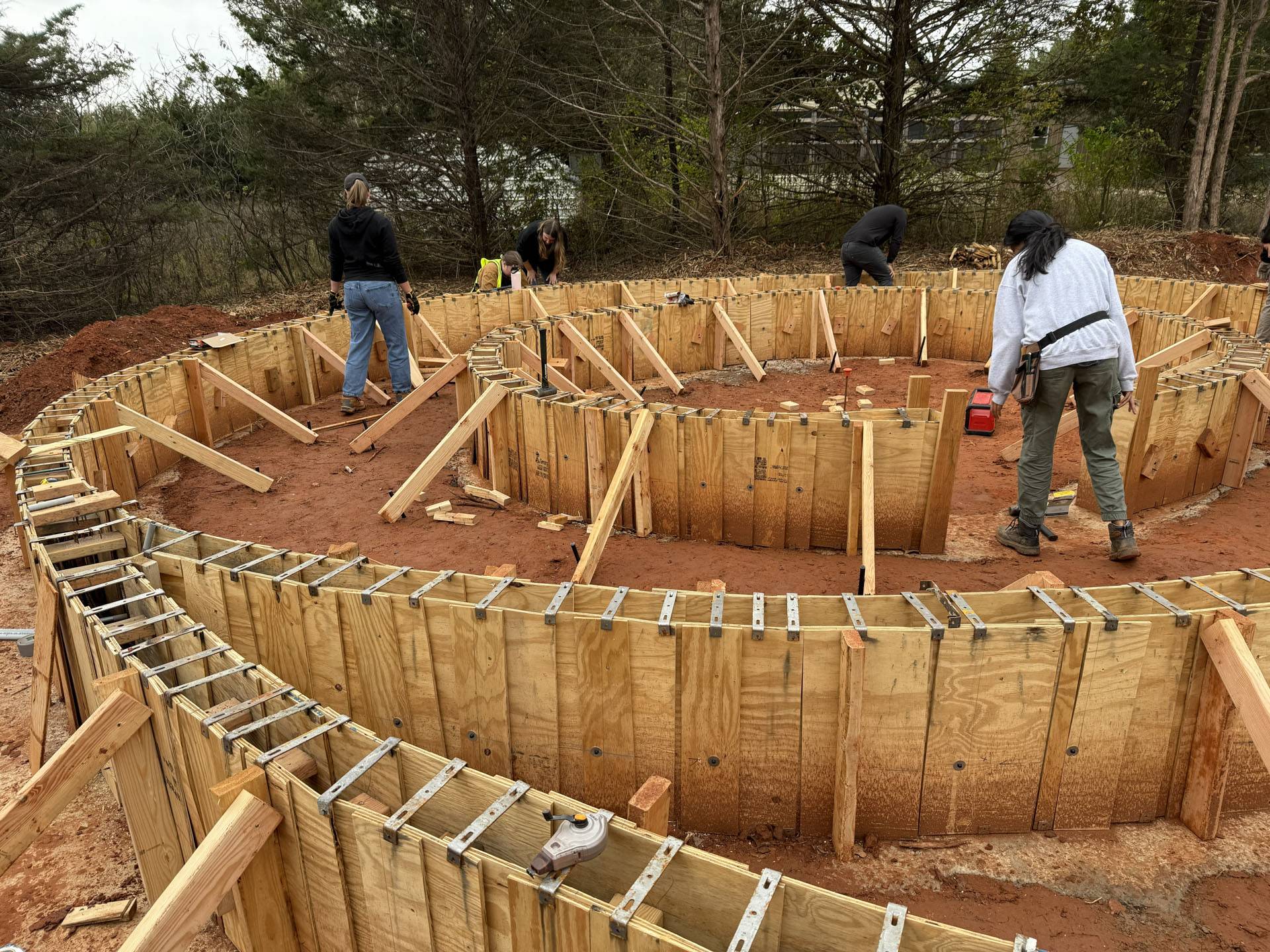
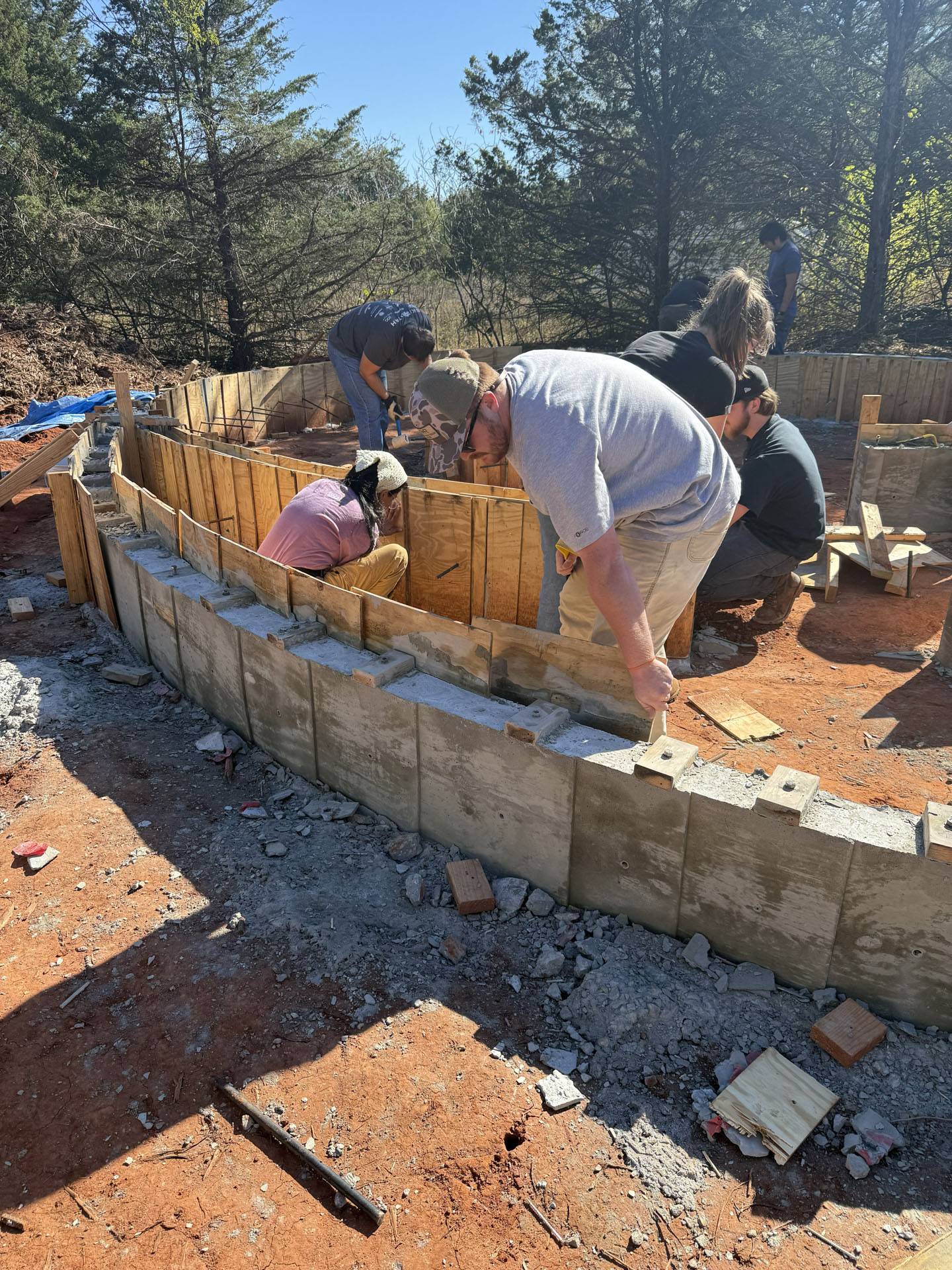
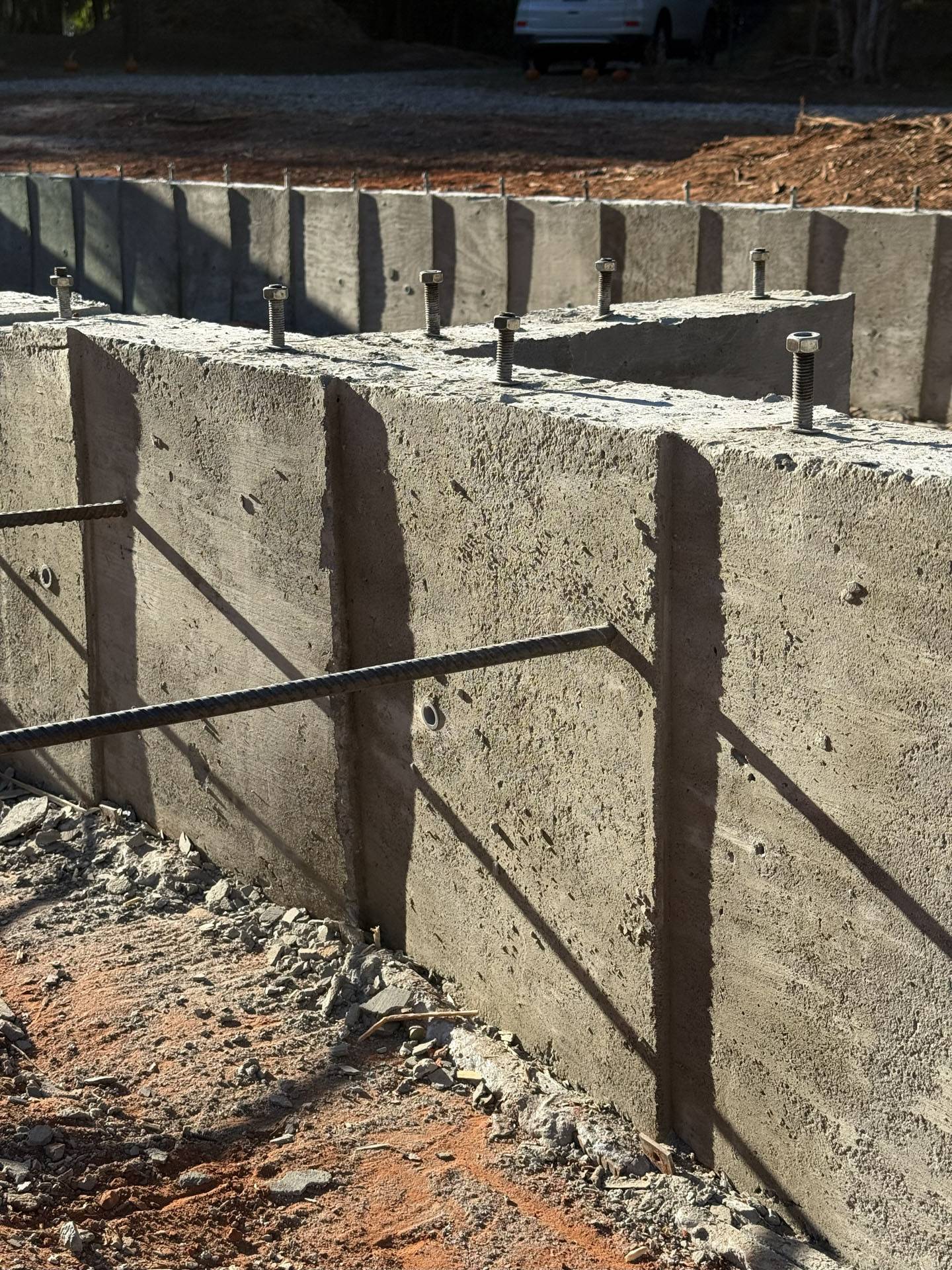
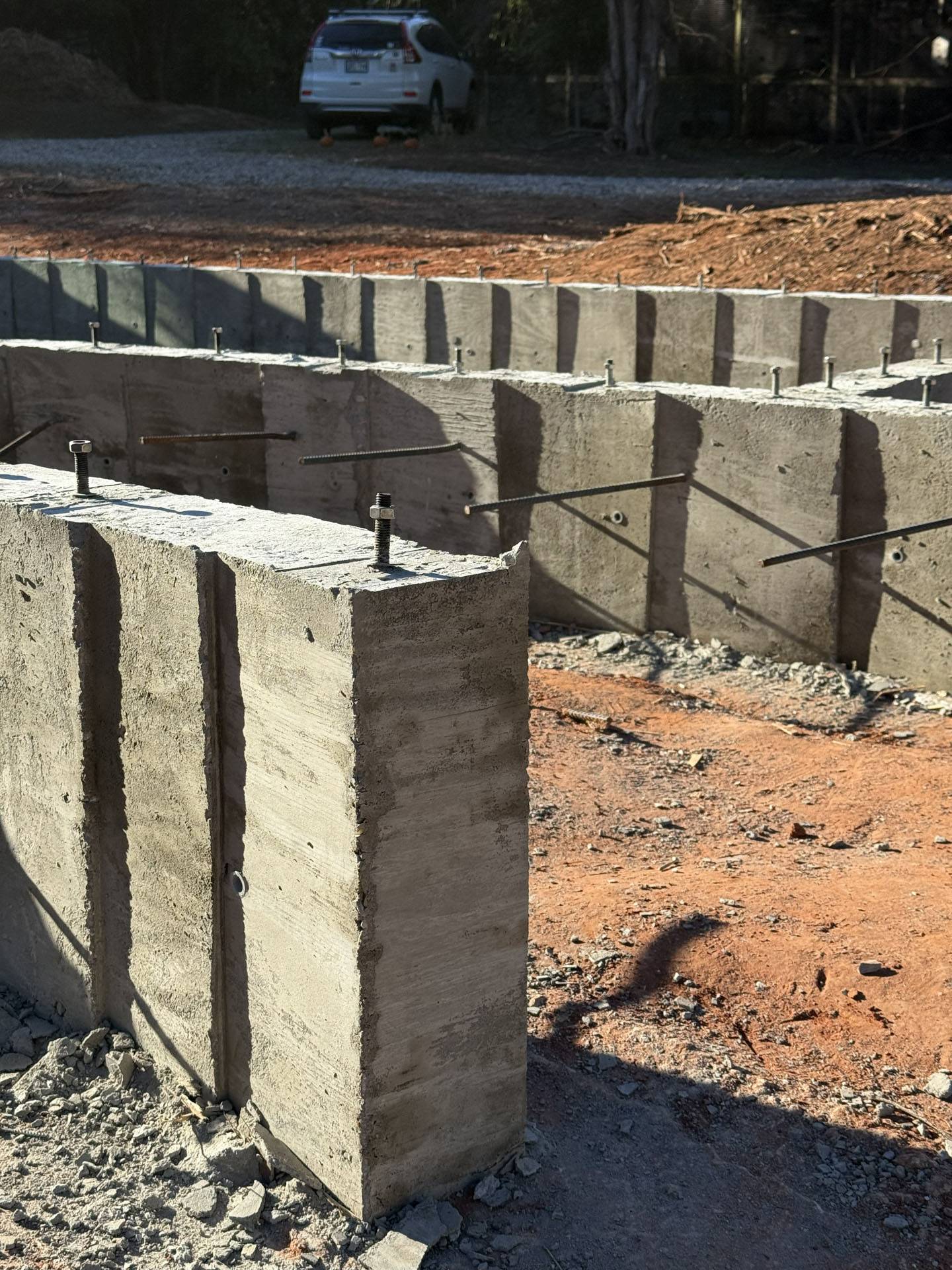
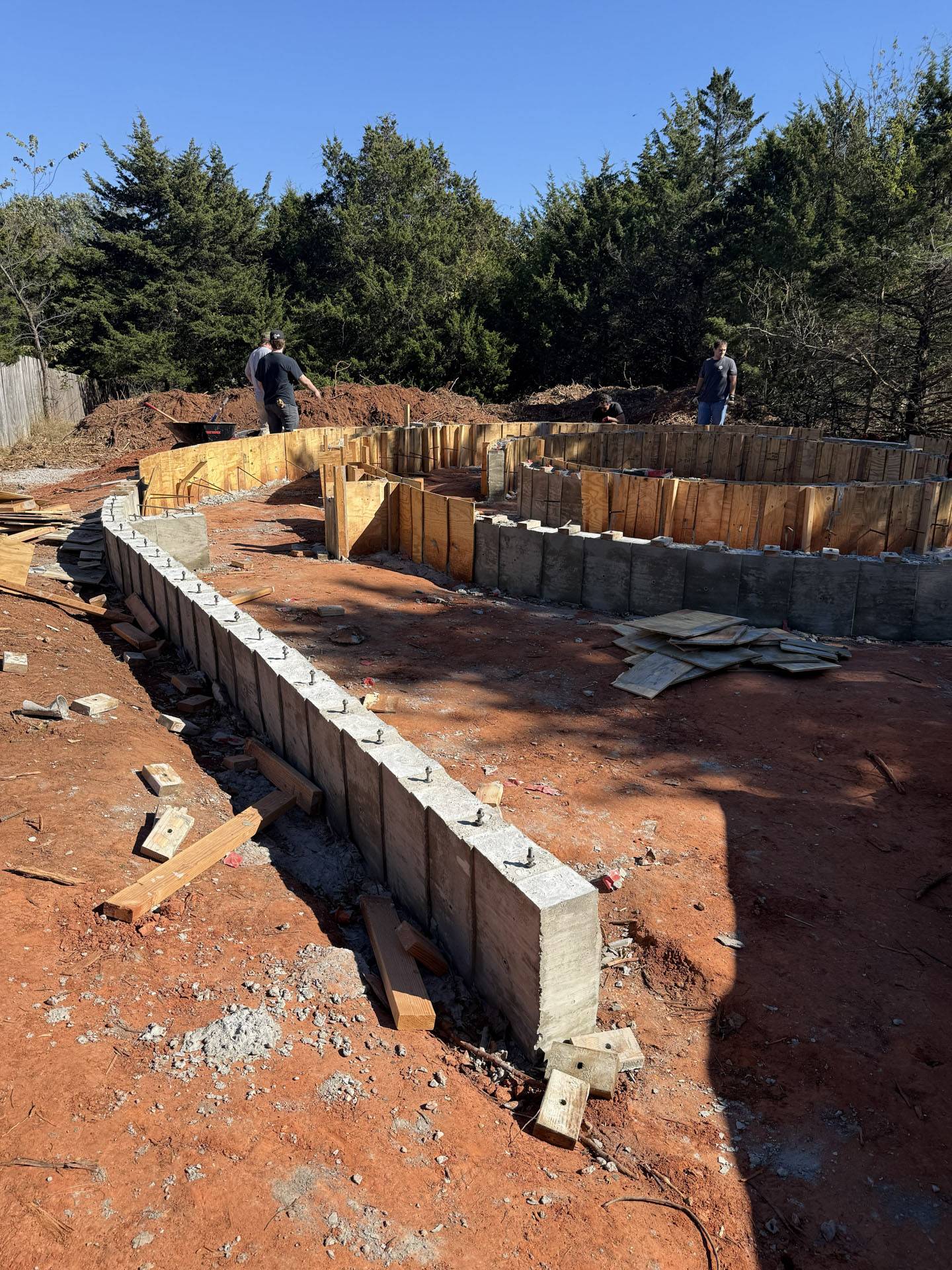
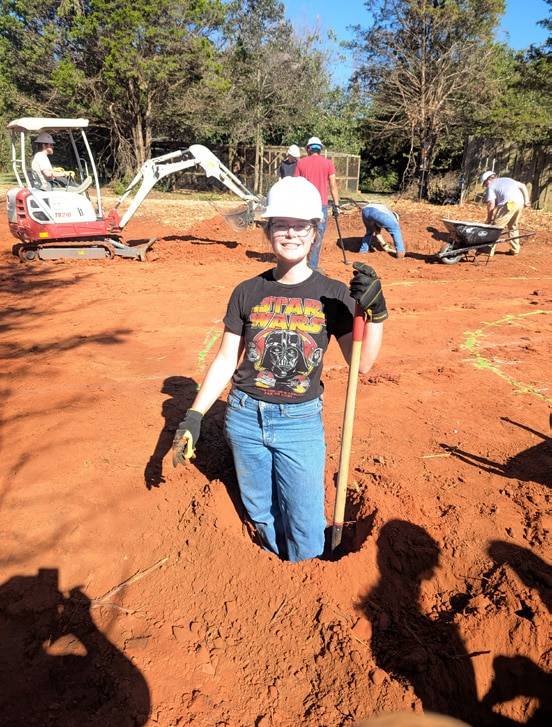
Now at mid-construction, the team has completed earthwork, footings, and a custom cast stem wall, establishing the foundation for framing and enclosure. This wall, formed through layered dimensional boards, produces a sculpted concrete surface that captures light and depth. The fall phase has transformed the site into a hands-on lab for material innovation and precision building. As construction moves into spring, students will raise the framing and roof, bringing the project closer to completion as the nation’s first dual-integrated bat and chimney swift rehabilitation facility.
Design Intent
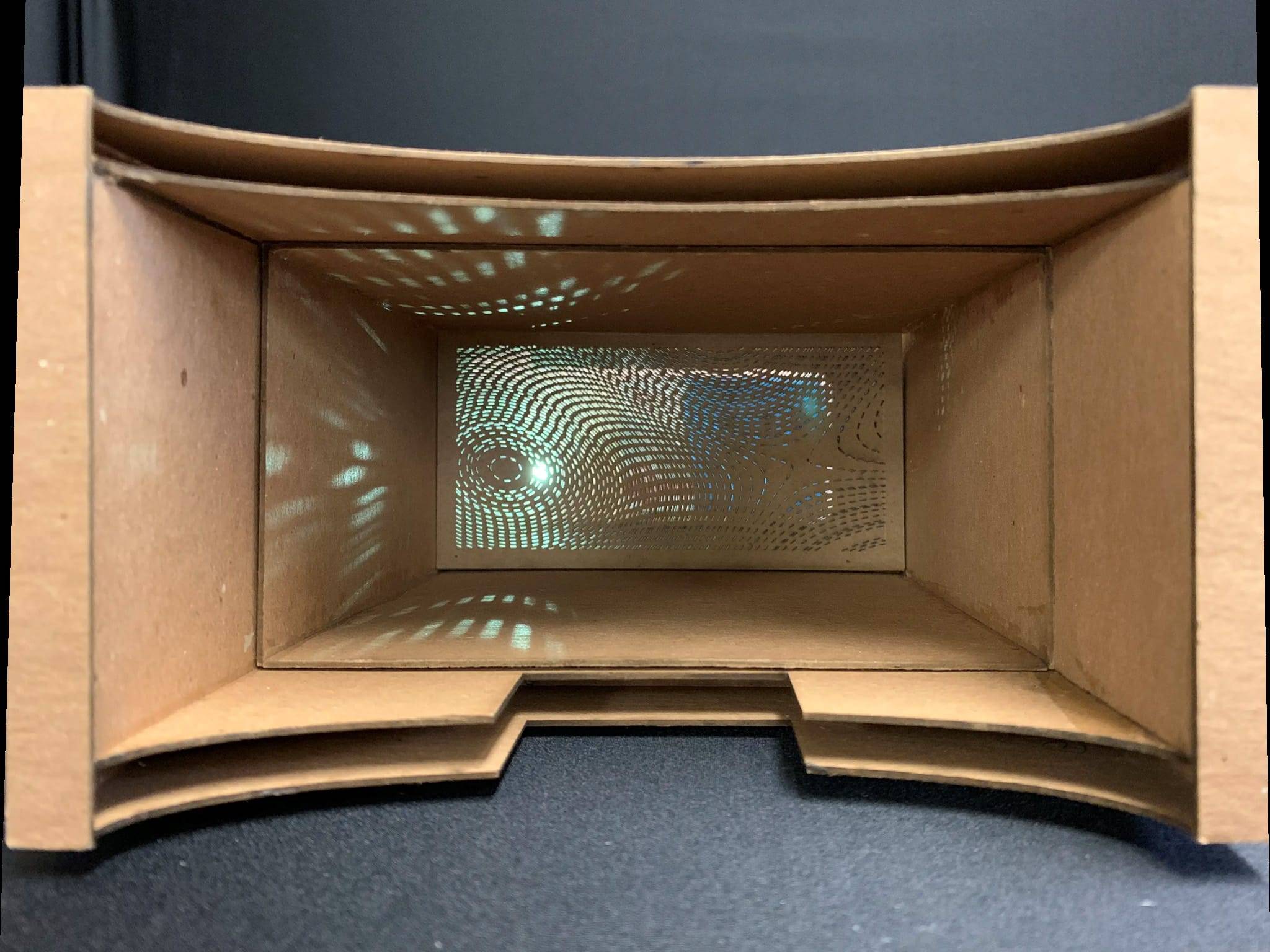
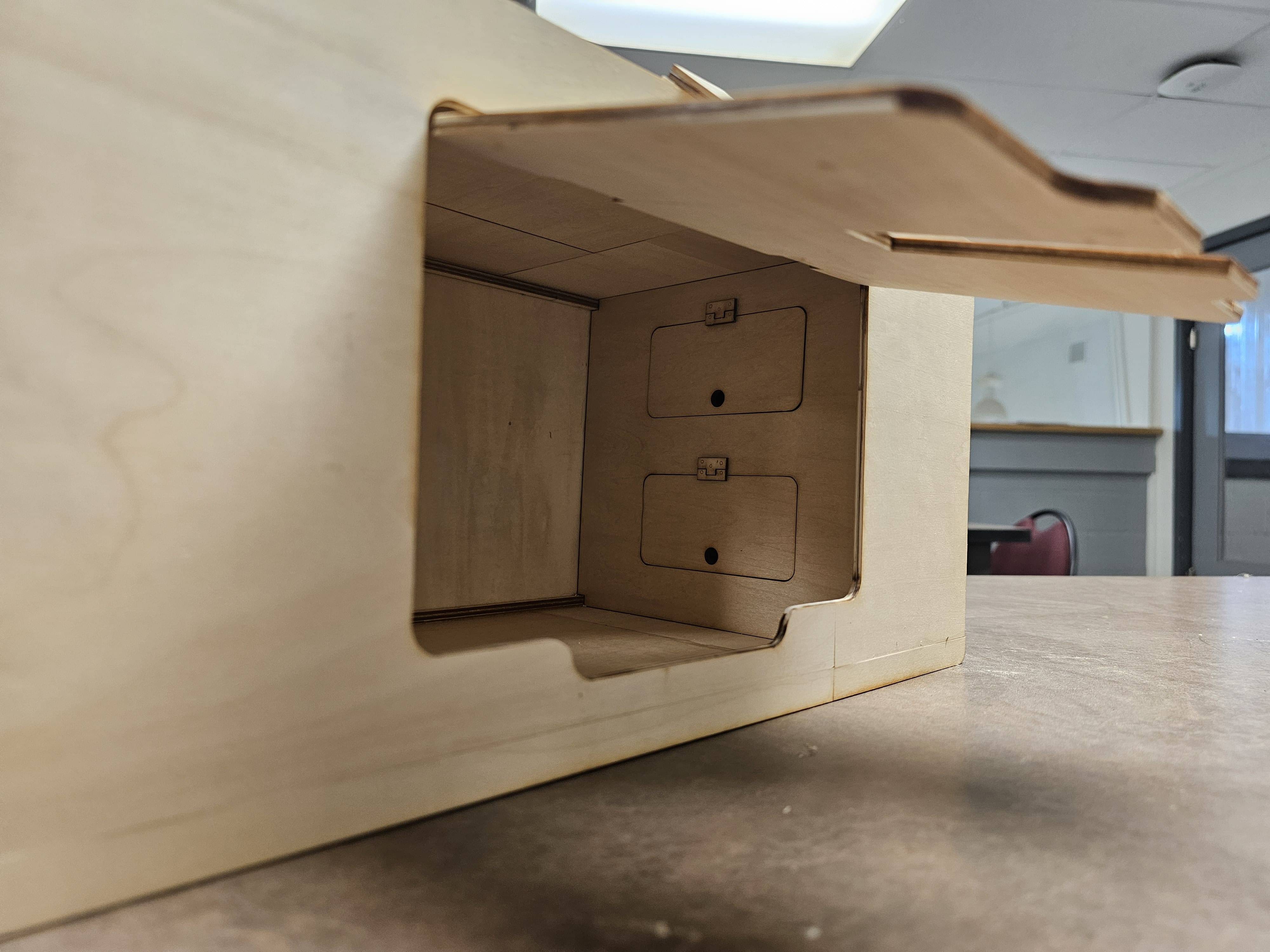
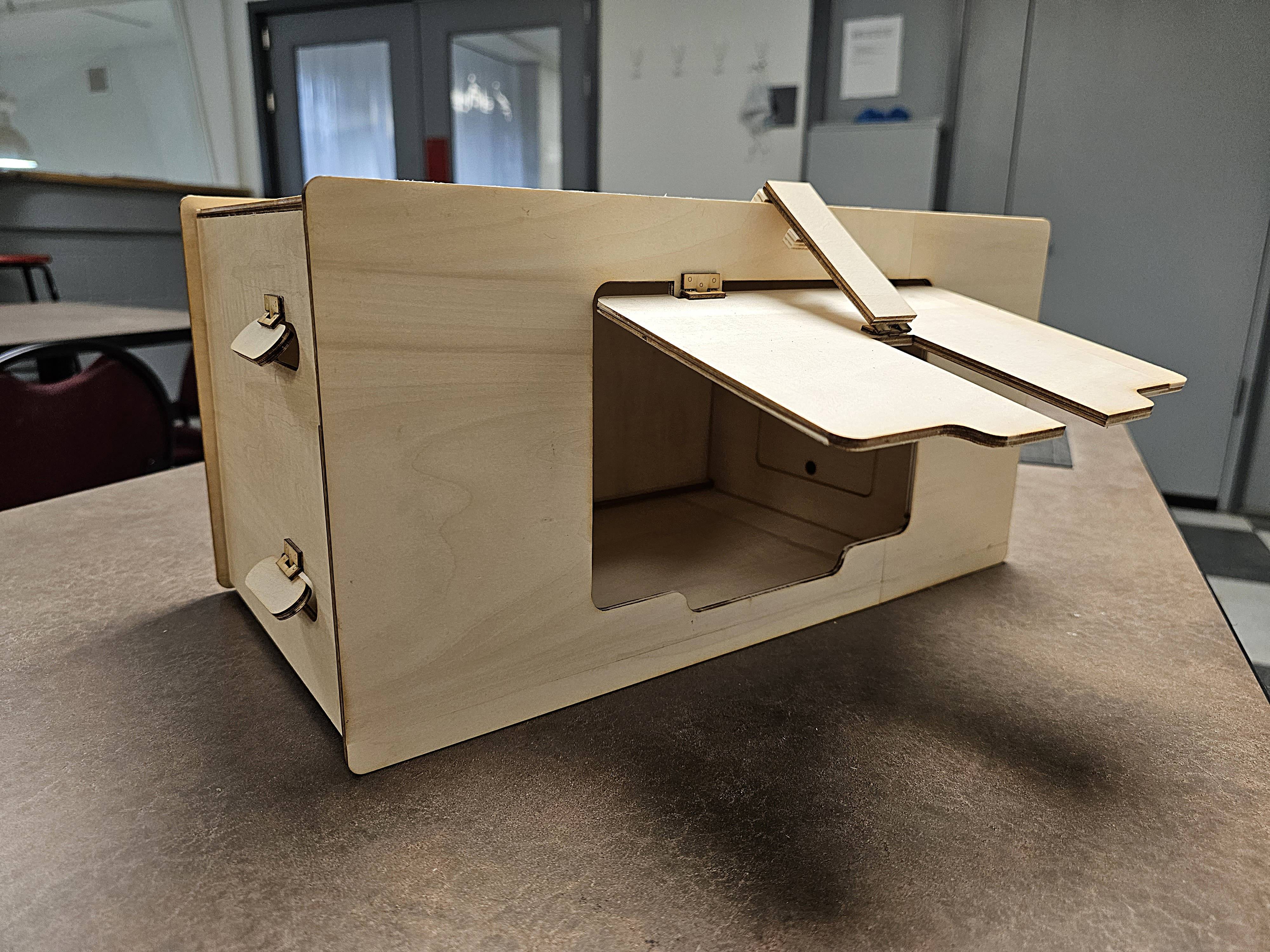
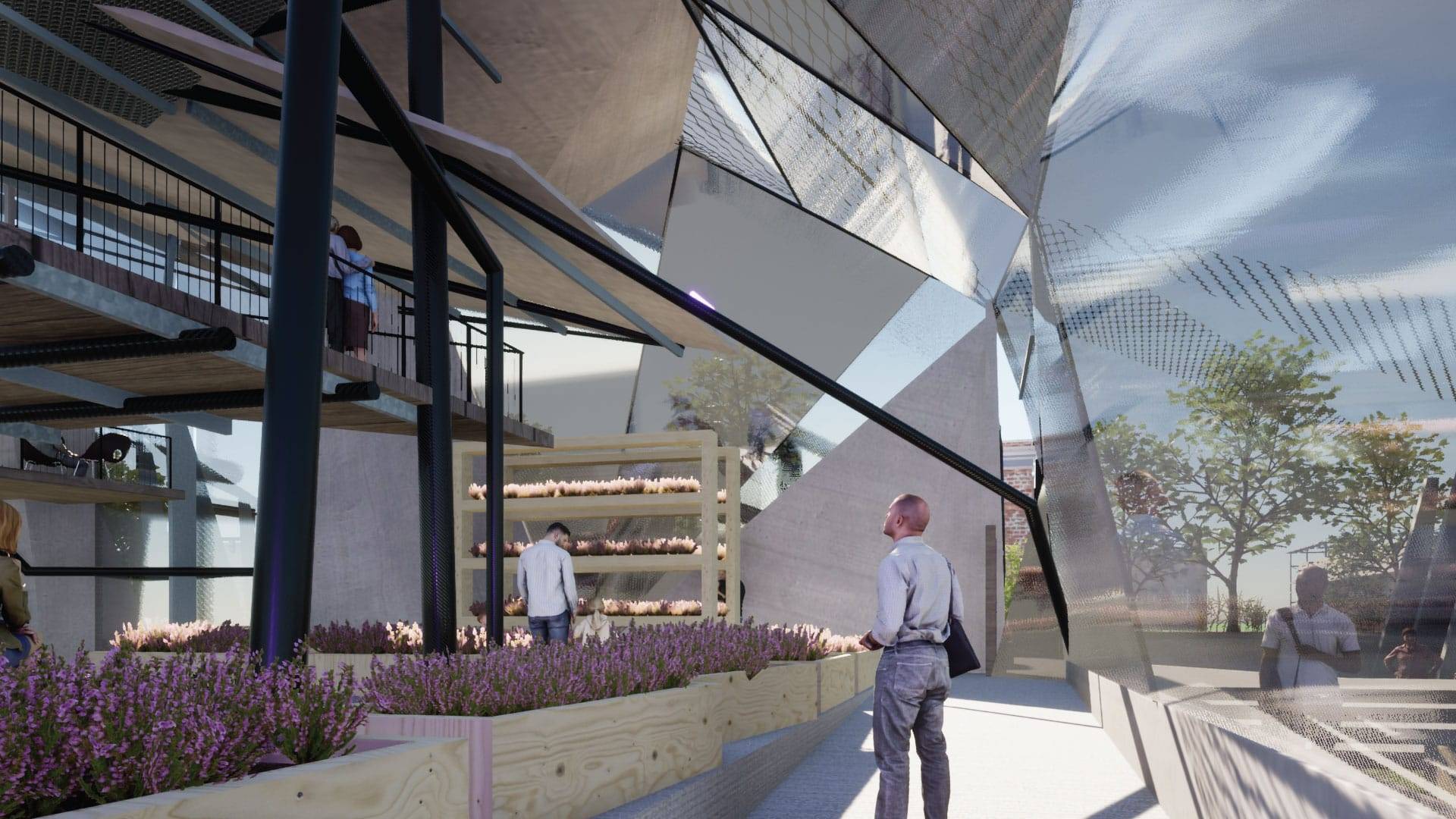
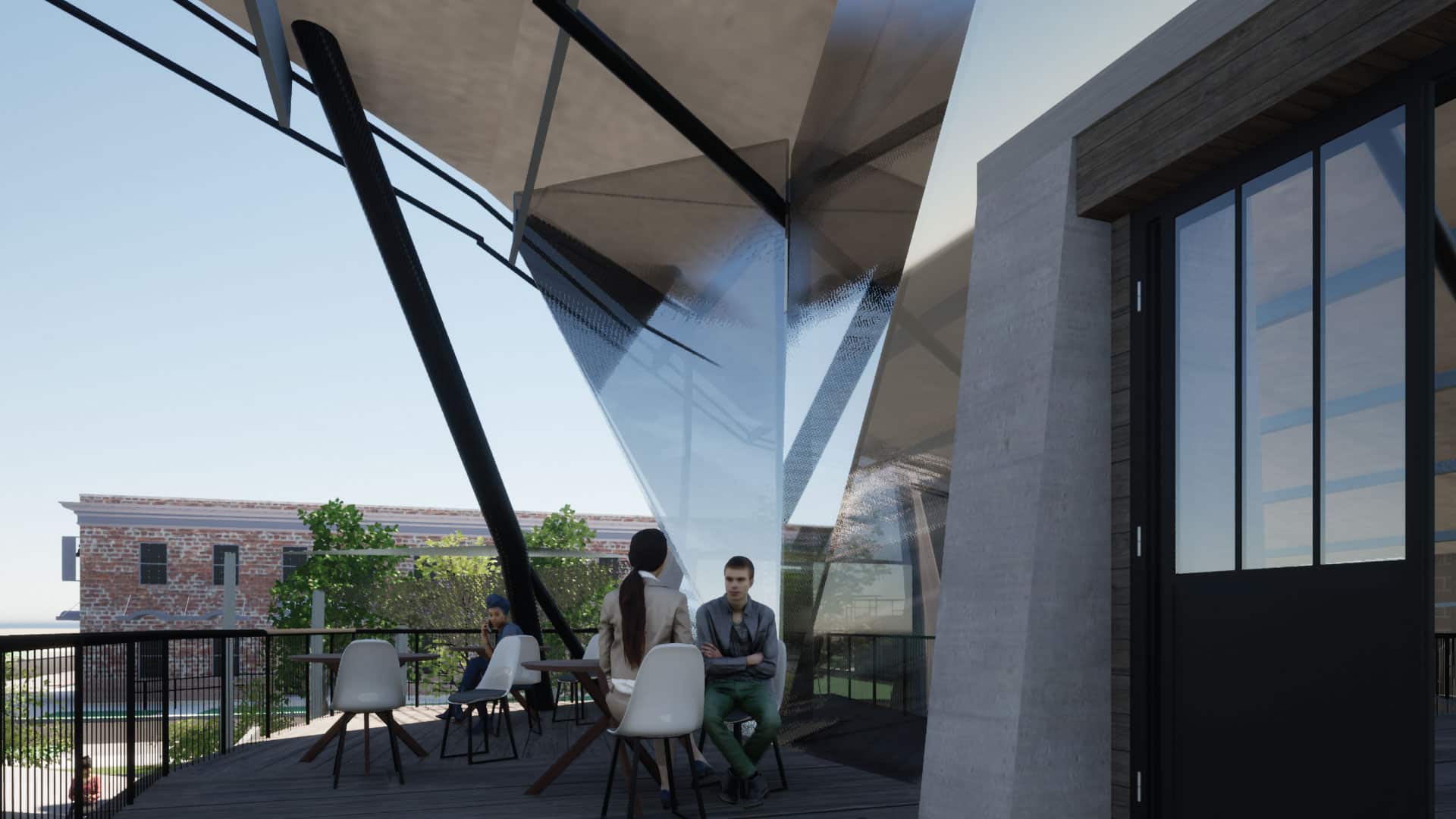
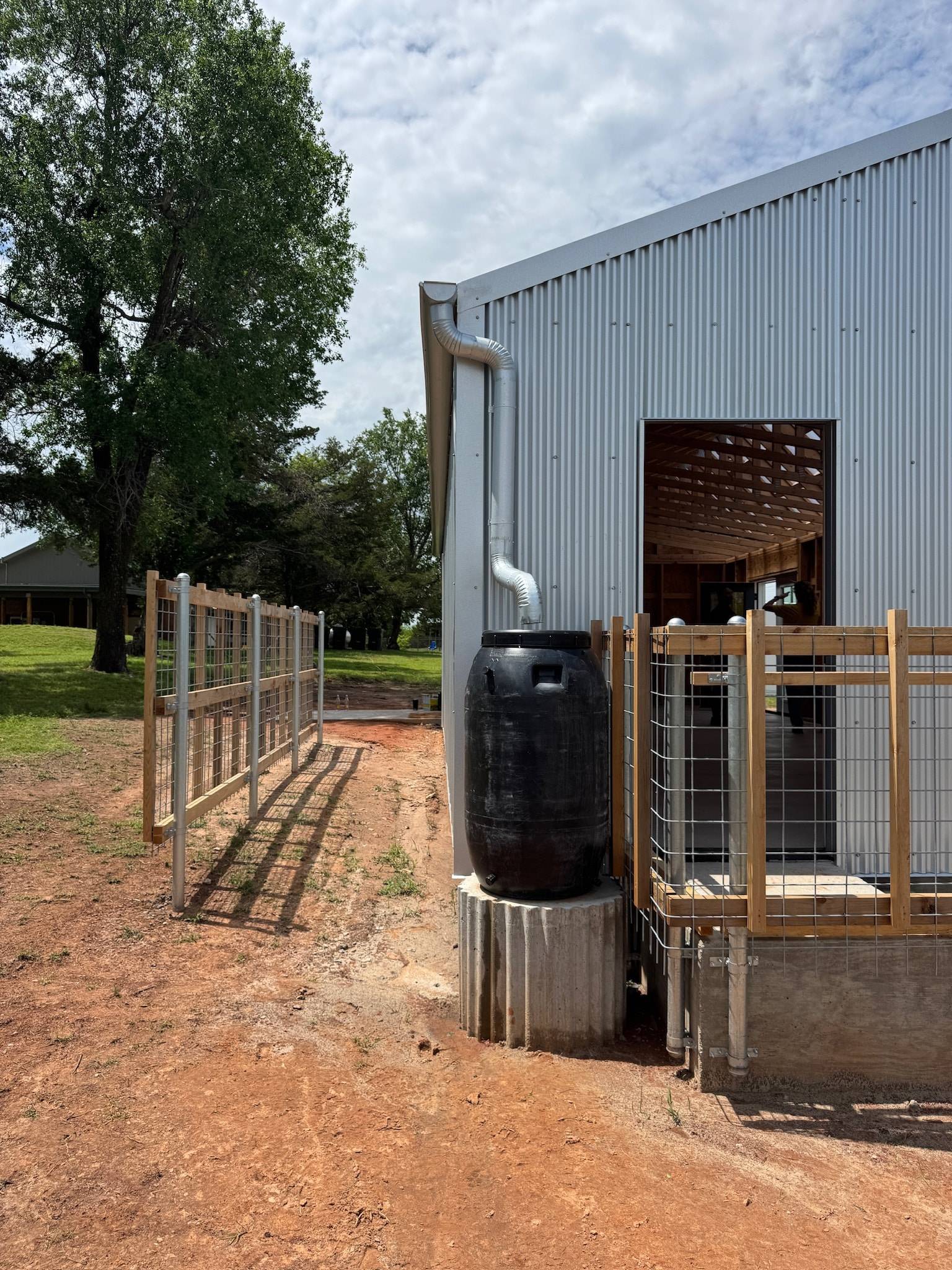
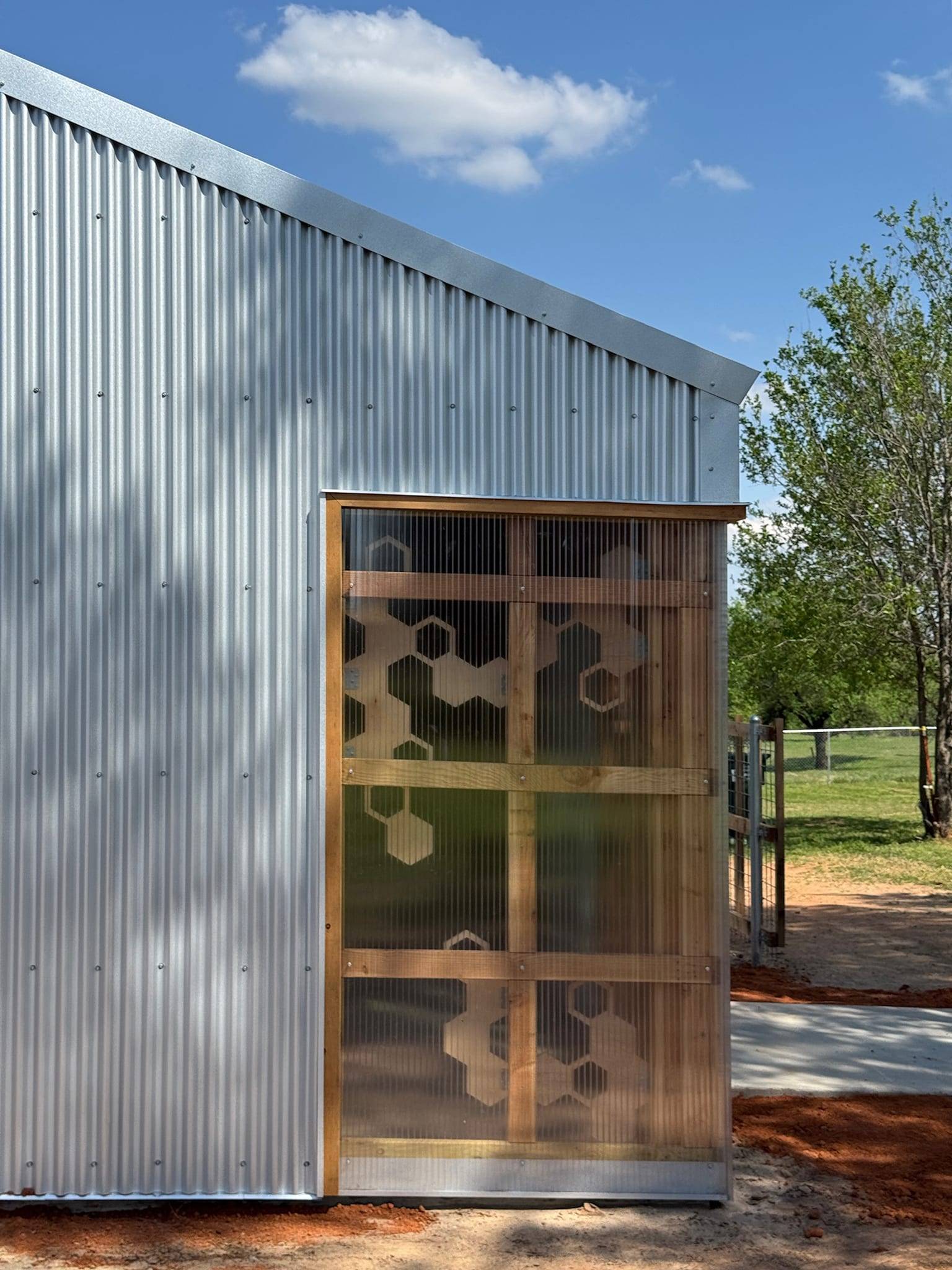
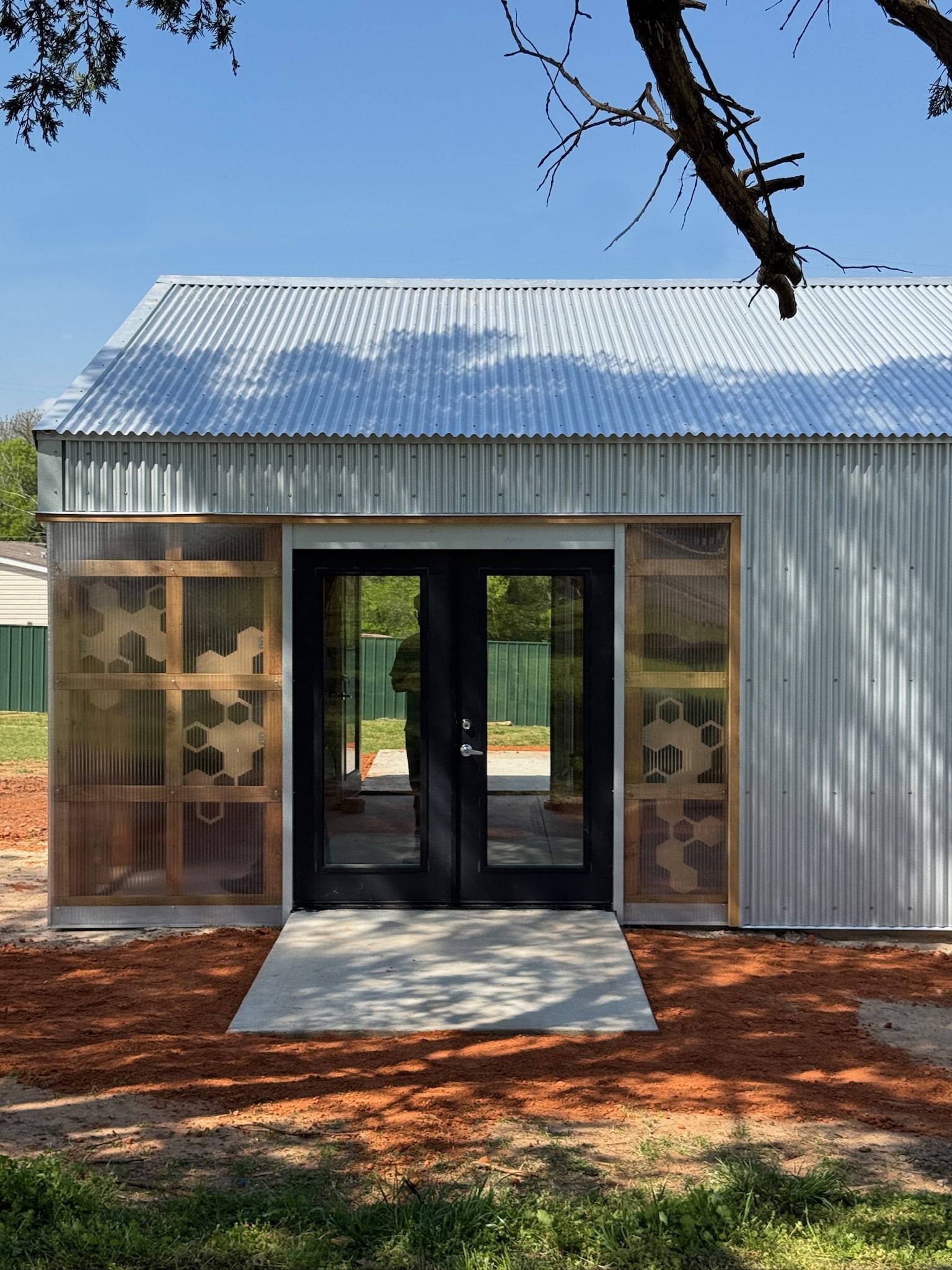
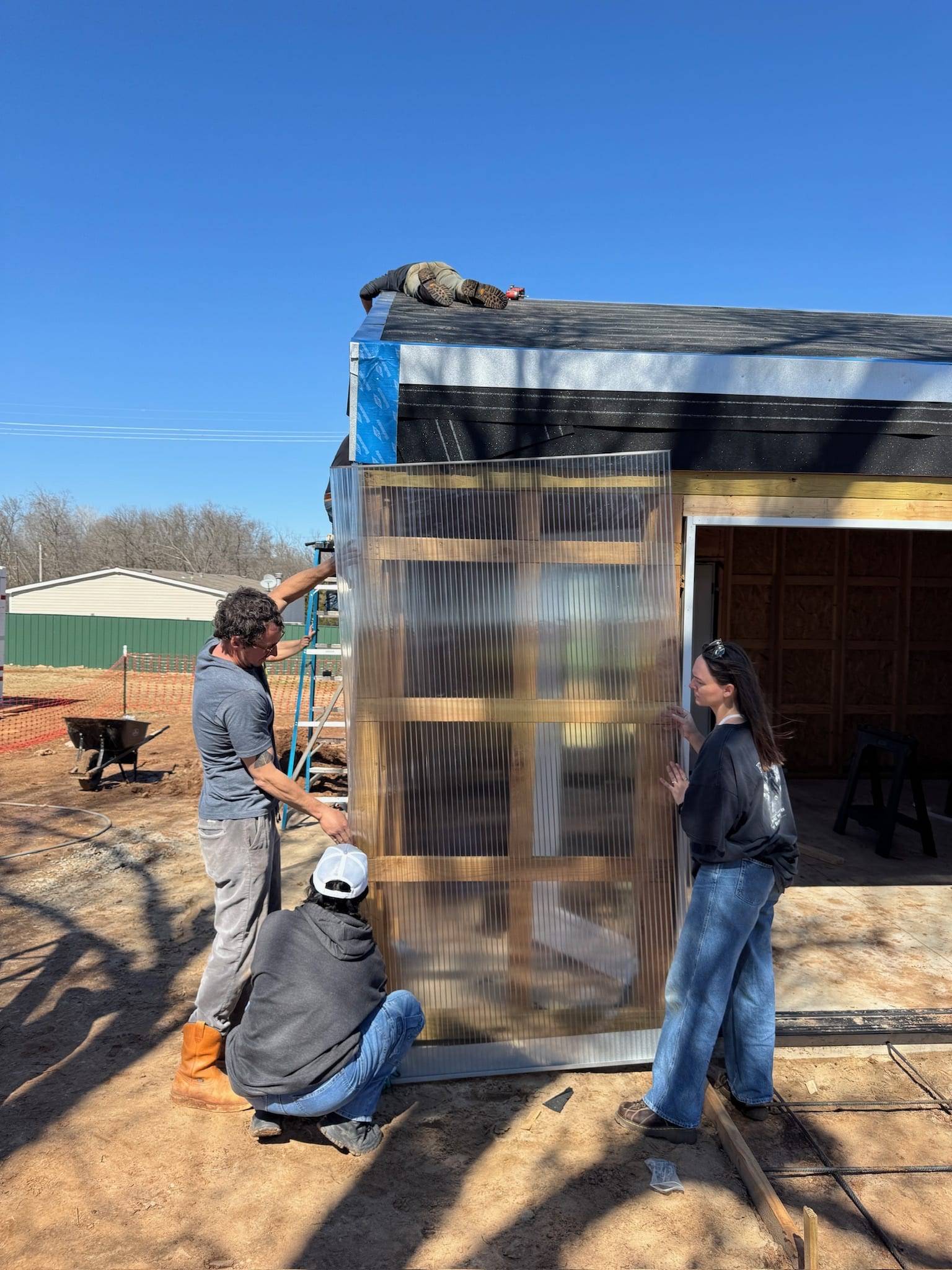
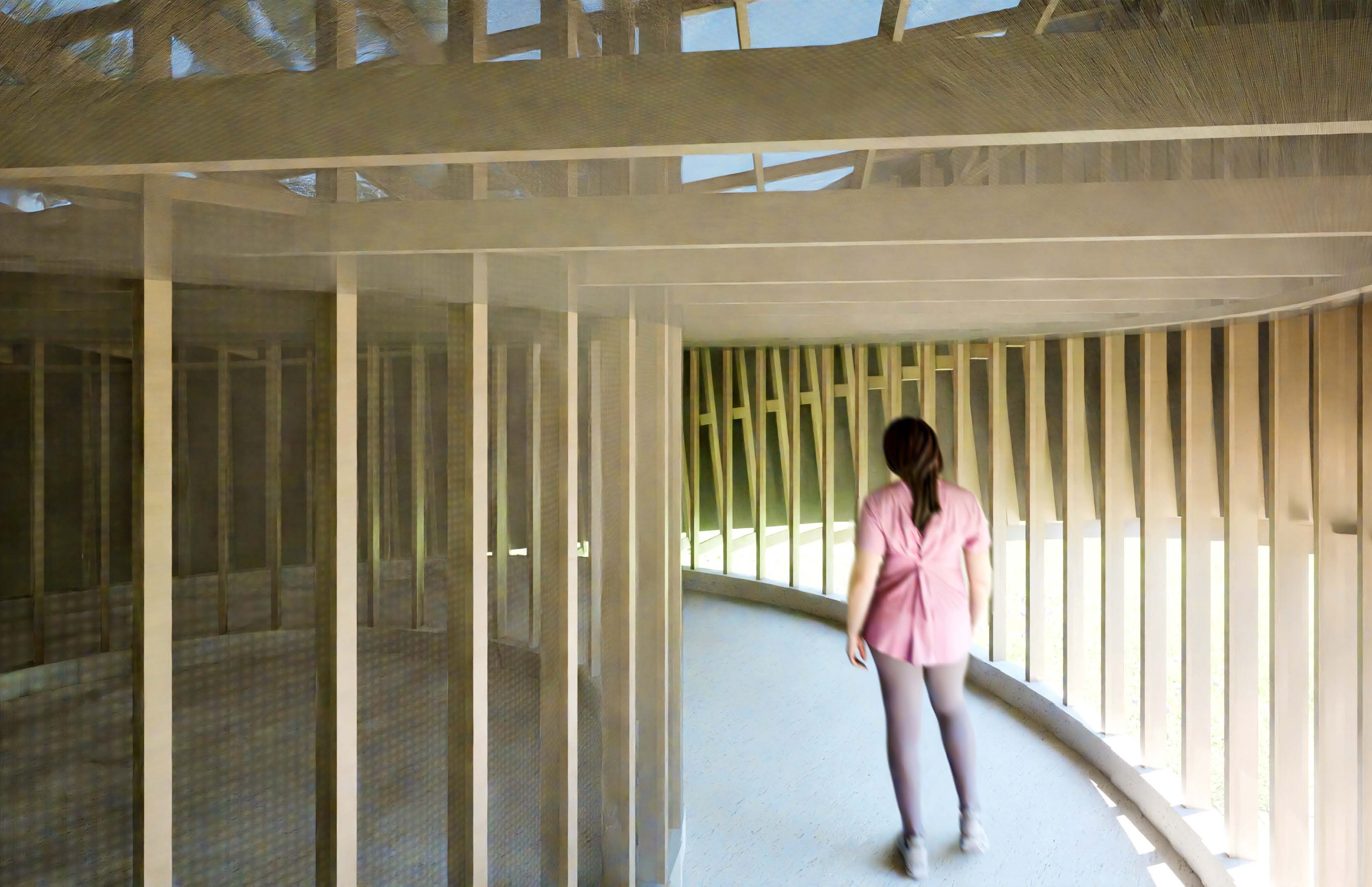
The architecture operates as both refuge and research instrument. Within its spiral geometry, polycarbonate panels, synthetic cedar shingles, and finely woven mesh compose a breathable enclosure tailored to the needs of migratory and nocturnal species.
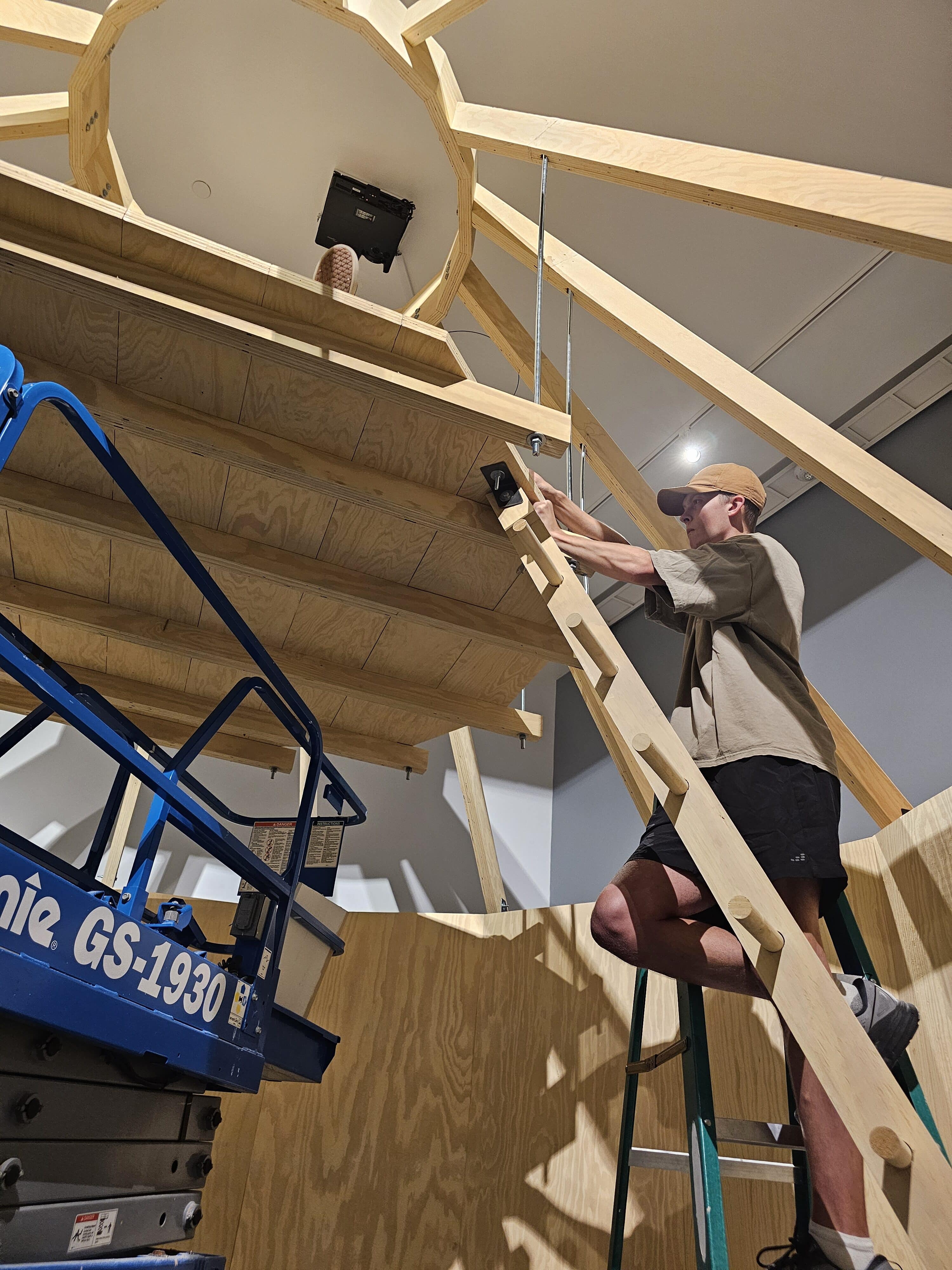
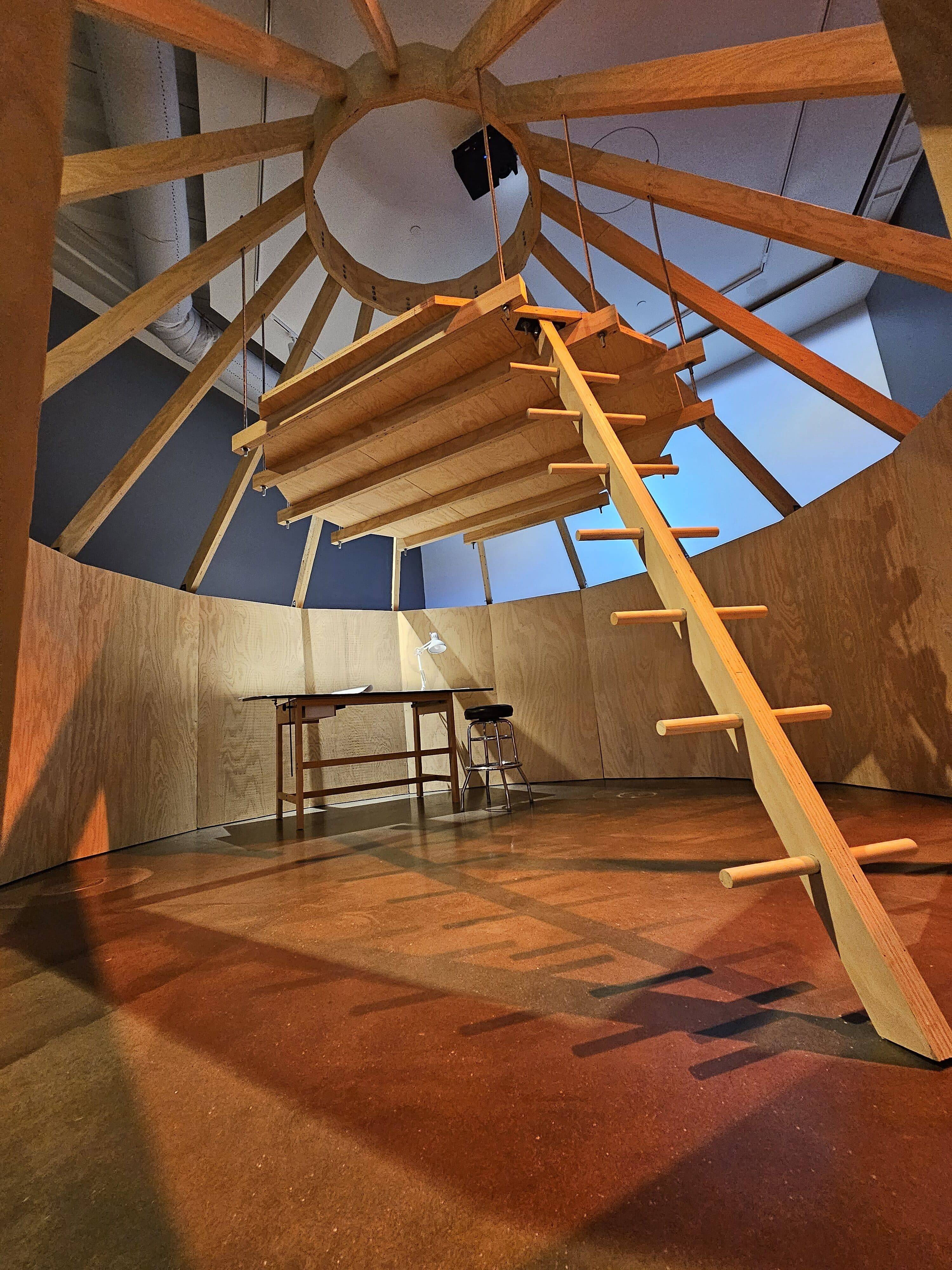
Programmatically, the building is divided into three interlocking volumes — a vestibule for human access and monitoring, a bat enclosure calibrated for shade and quiet airflow, and a chimney swift tower defined by height and natural light gradients. Together, these spaces establish a living laboratory for rehabilitation and education, blending form and function through an ethos of care as design logic.
Project Data
Project Title: WildCare Oklahoma Bat and Chimney Swift Rehabilitation Facility
Location: Noble, Oklahoma
Semester/Year: Fall 2025 – Spring 2026
Anticipated Completion: May 2026
Client Presentation & Open House: May 2026
Primary client: WildCare Oklahoma, a nonprofit wildlife rehabilitation center serving over 7,500 animals annually.
Student Participation
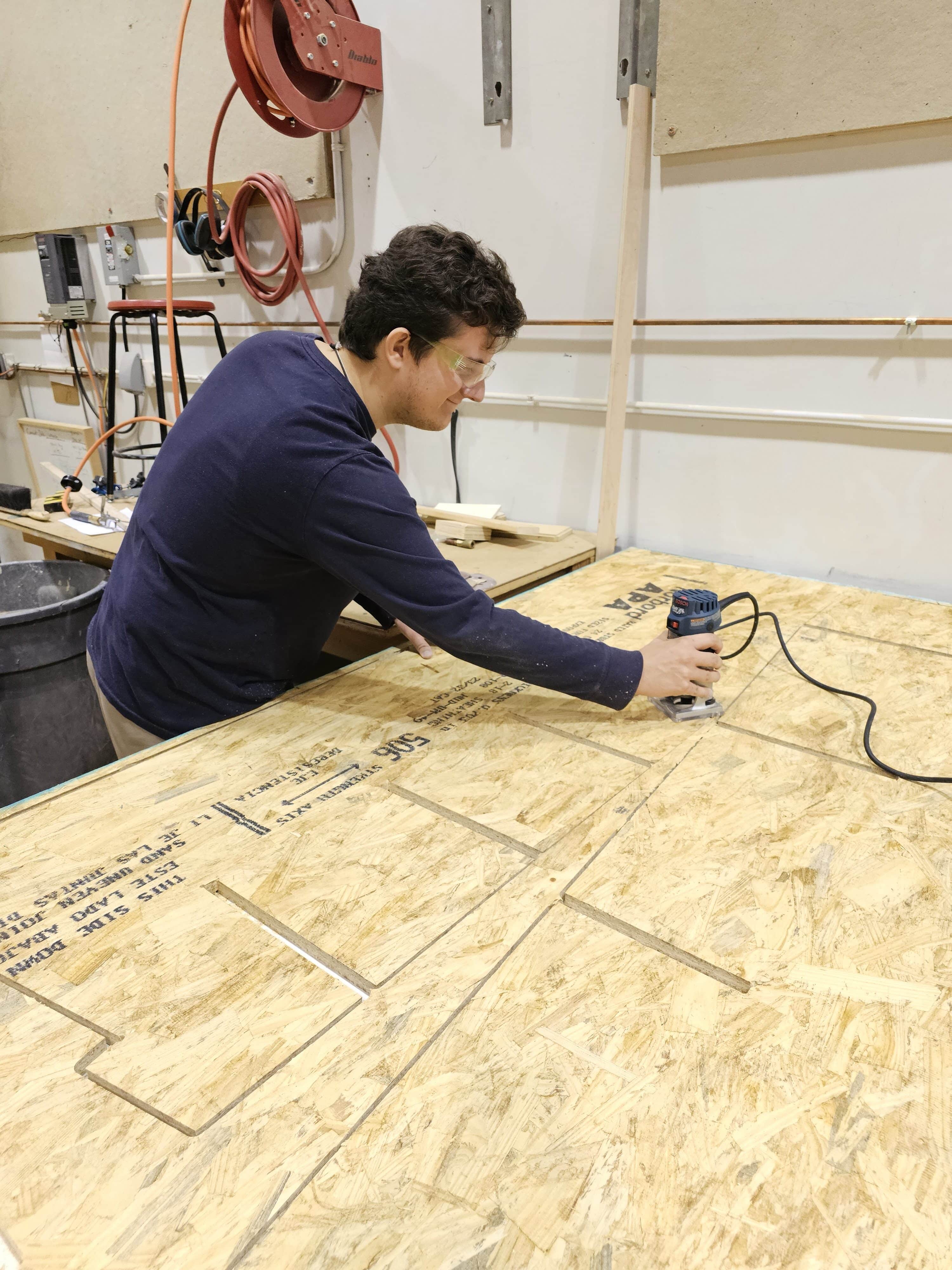
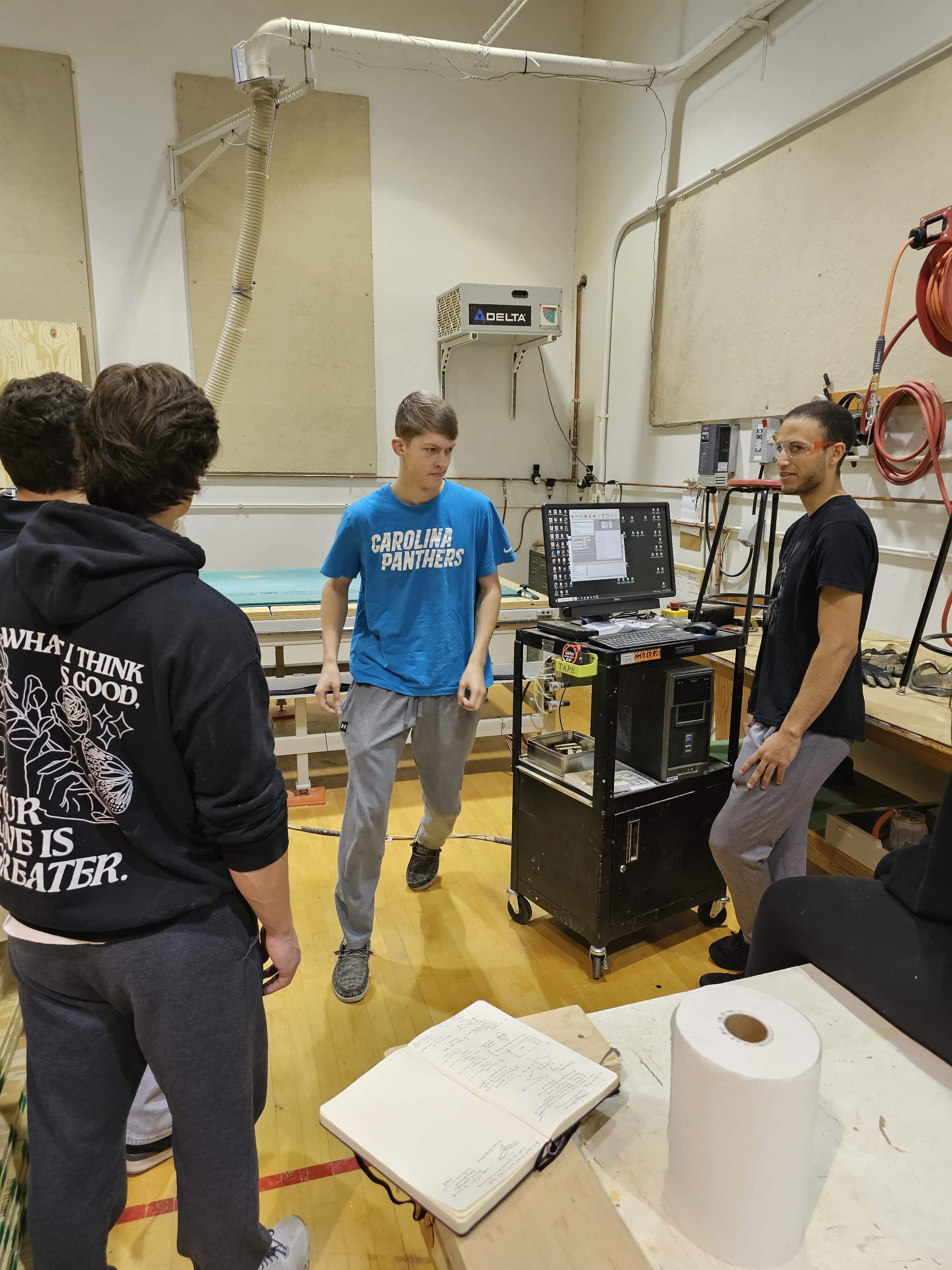
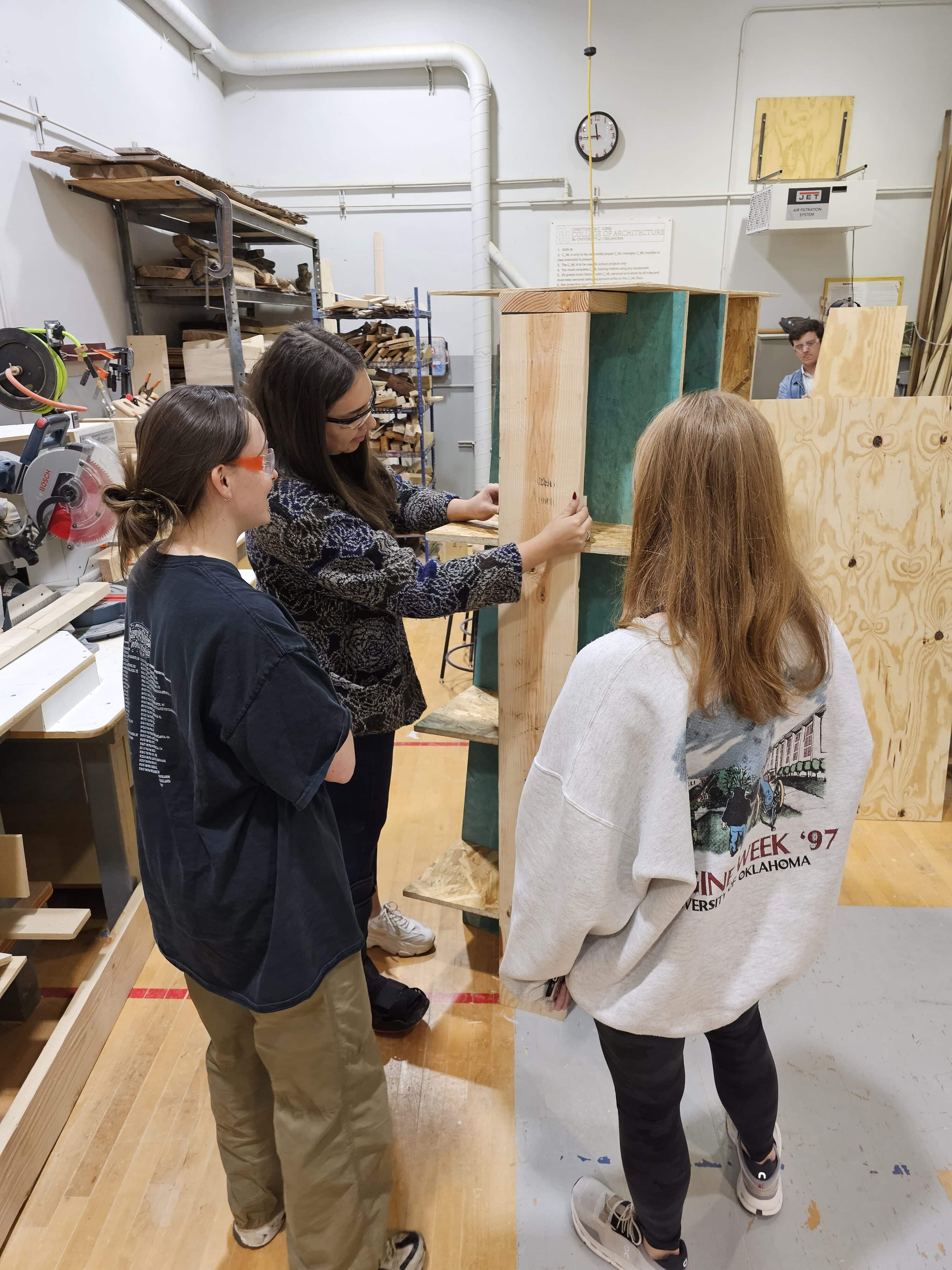
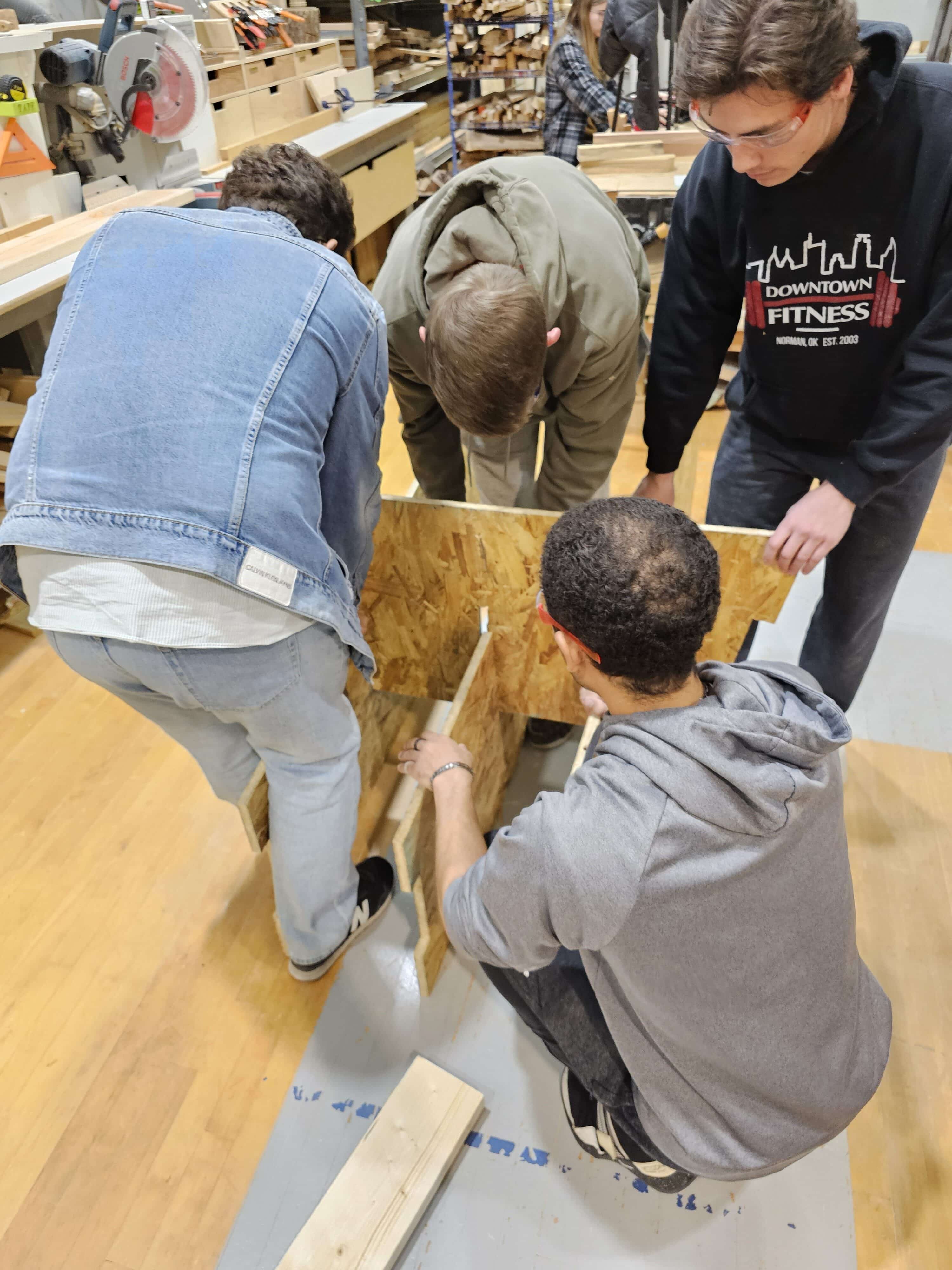
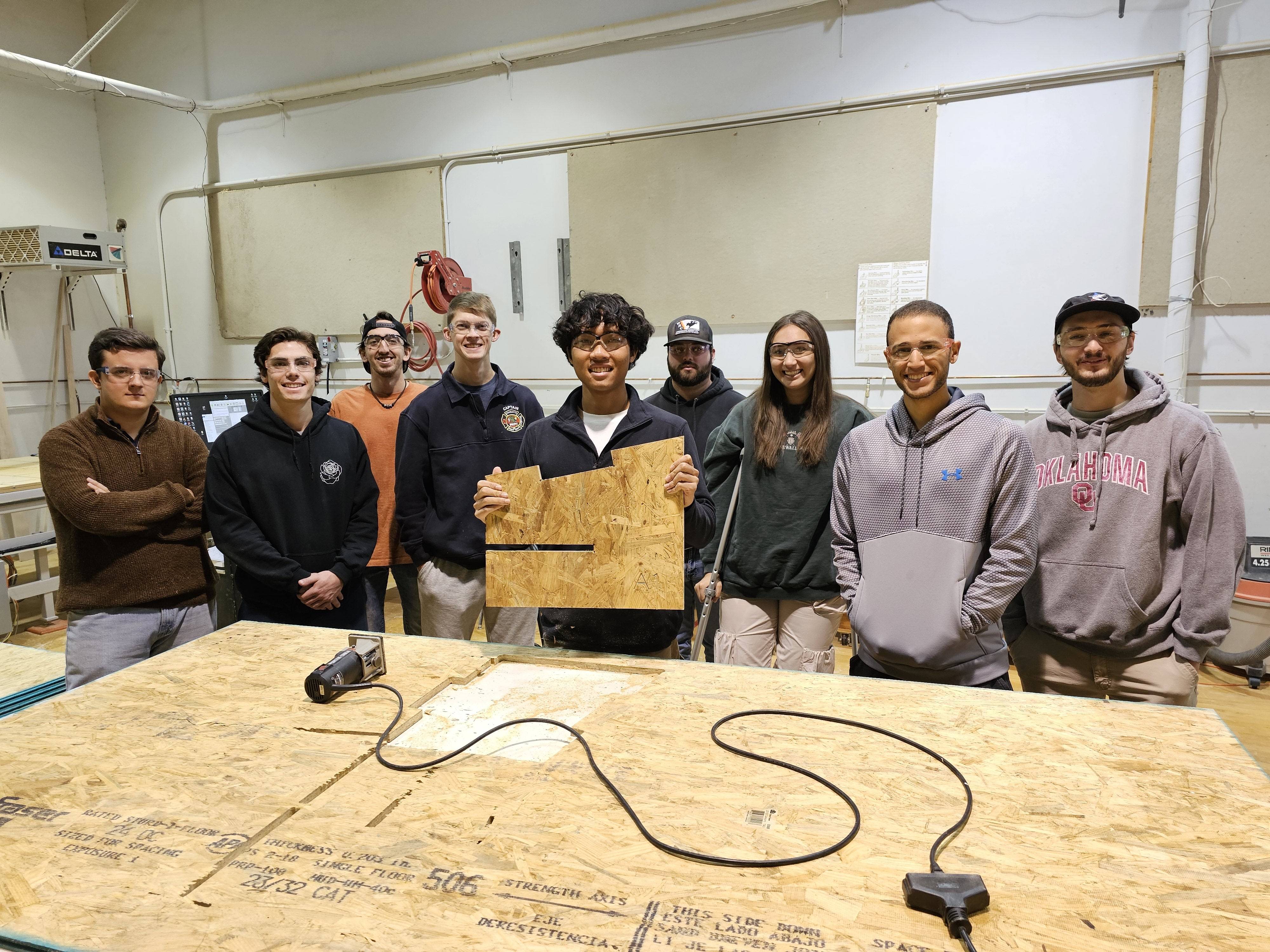
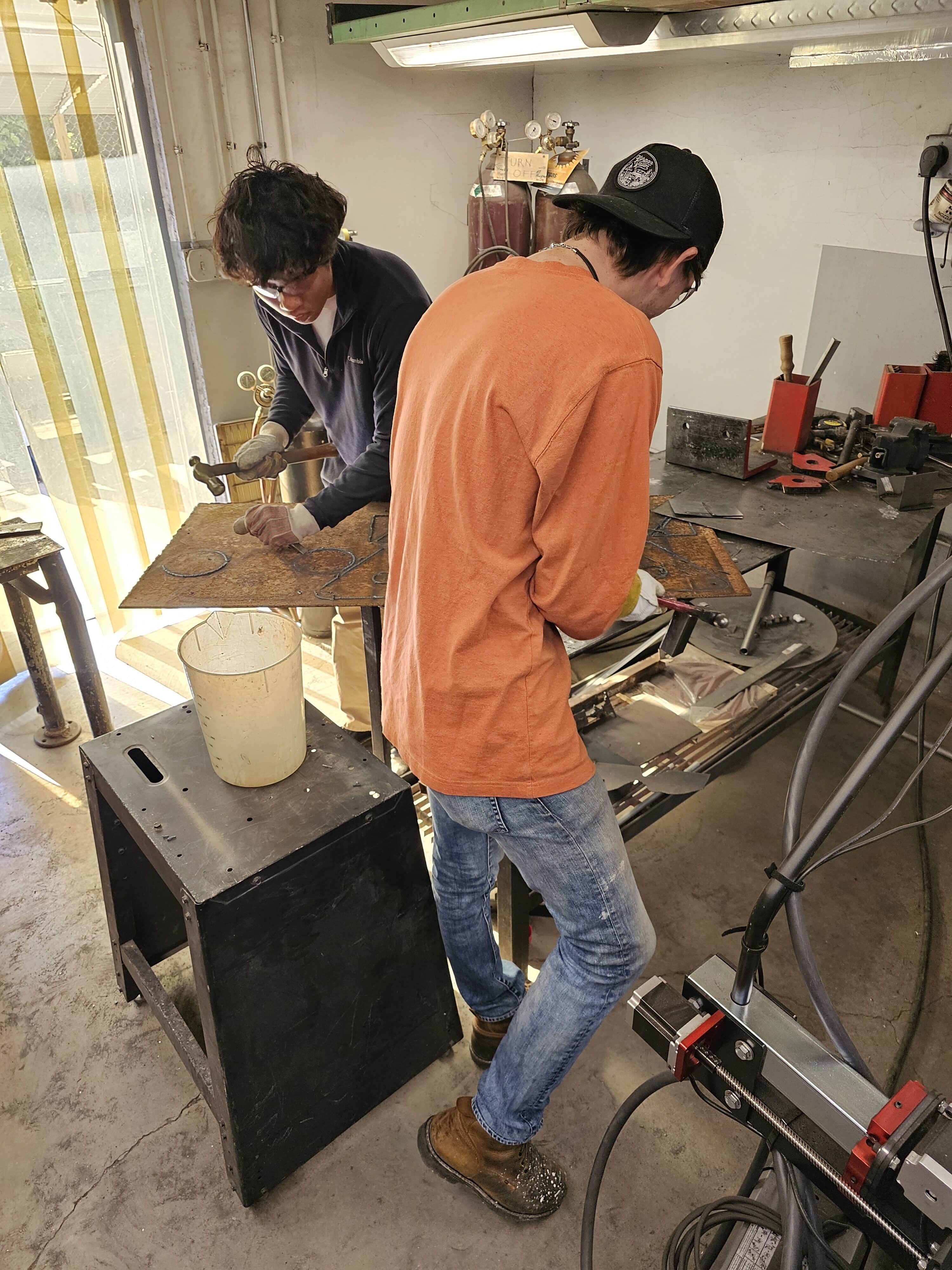
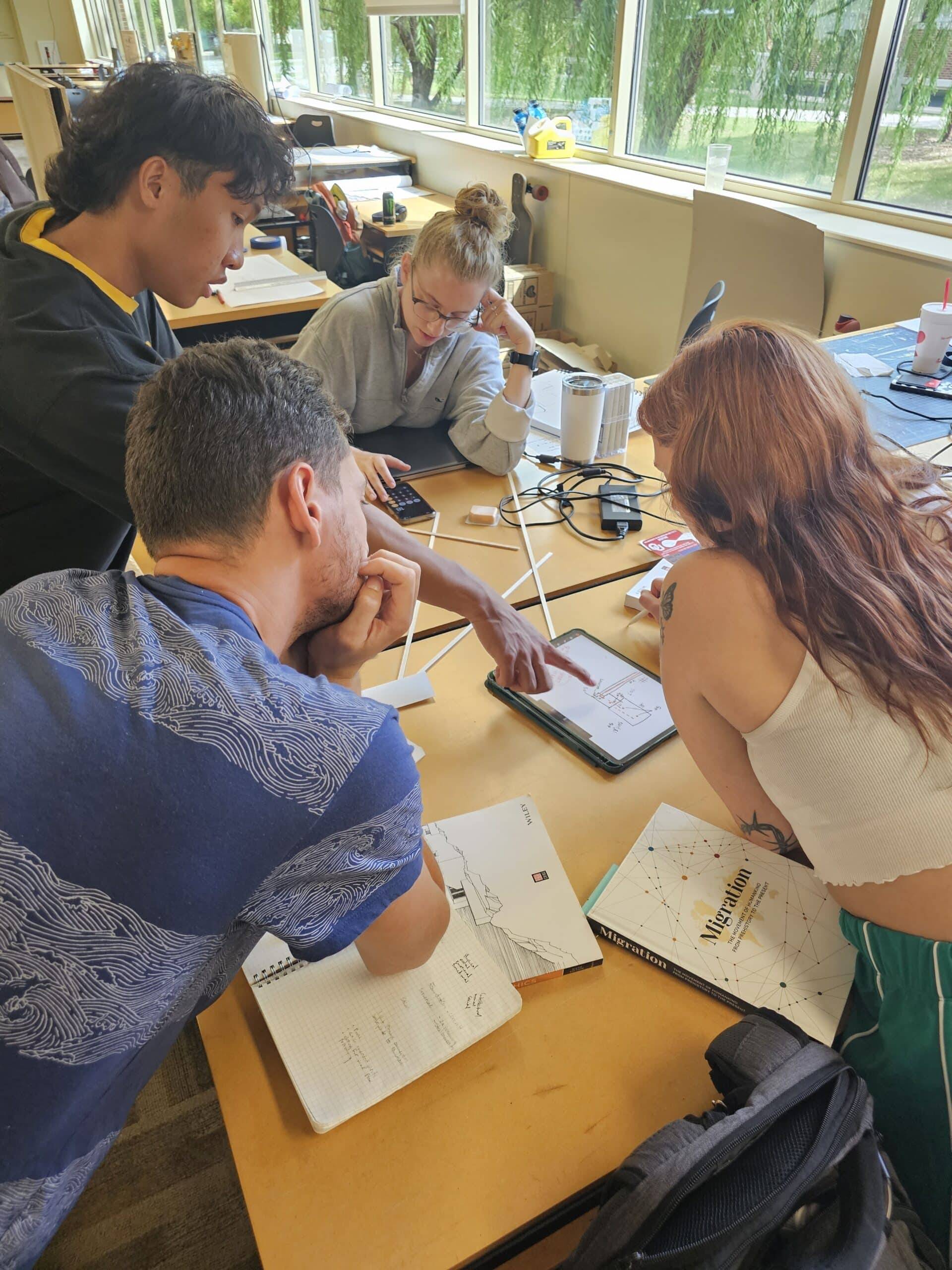
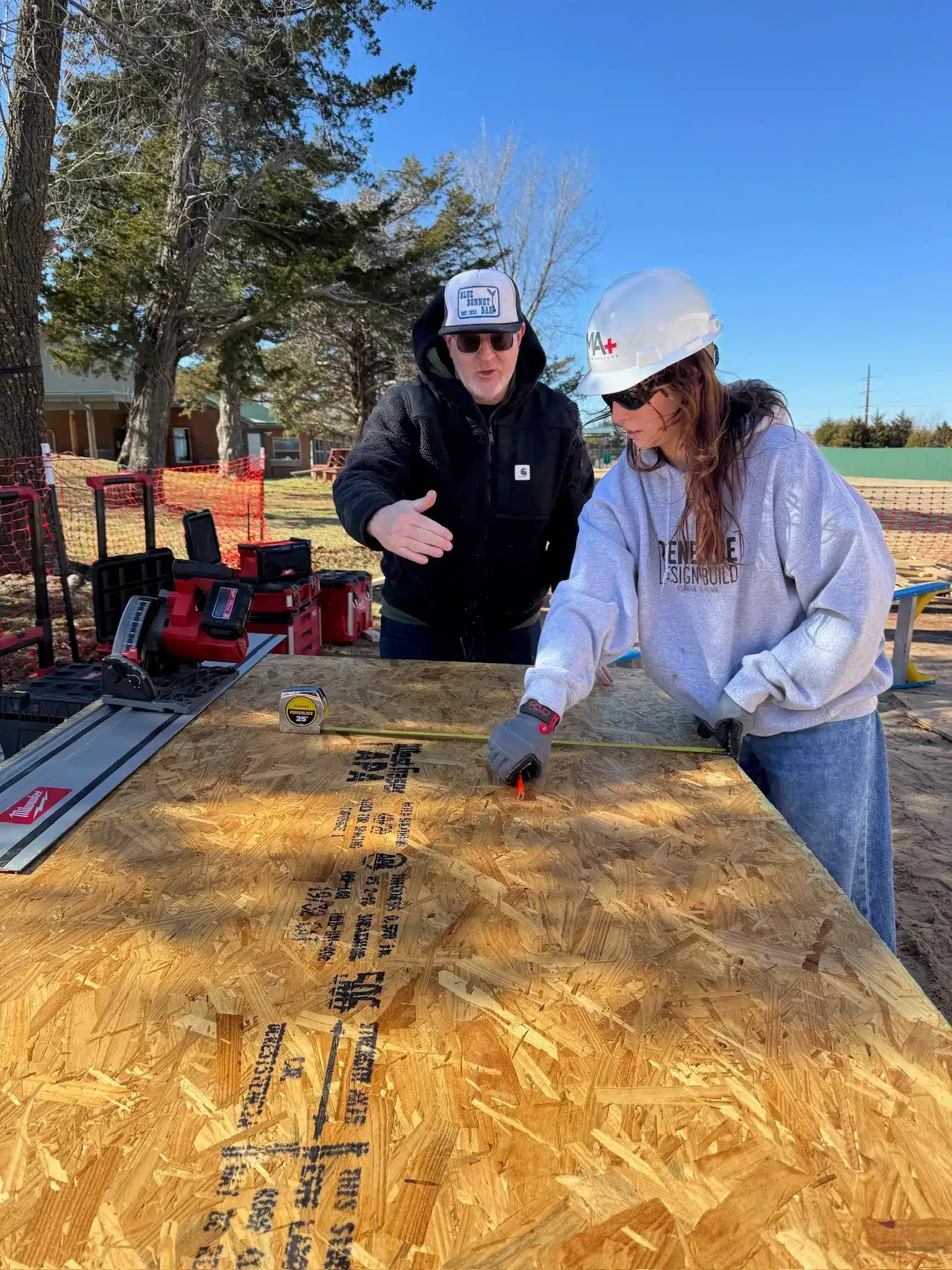
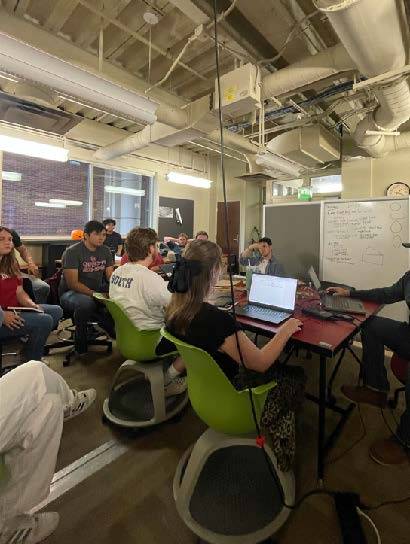
13 undergraduate architecture students in a 6-credit design–build studio, and 5 undergraduate construction science students in a 3-credit design-build seminar, combining Architecture and Construction Science programs. Students collaborated across all project phases—from concept modeling and material testing to full-scale fabrication and construction documentation. All participants earned academic credit under faculty supervision; no unpaid labor.
Project Type: Full-scale design–build habitat and rehabilitation structure; ecological design and construction pedagogy; experimental formwork and material research.
Duration: Two semesters, including site analysis, structural and environmental design, 3D modeling, foundation and stem wall fabrication, framing, and enclosure construction culminating in client handoff and open house.
Material Innovation and Craft
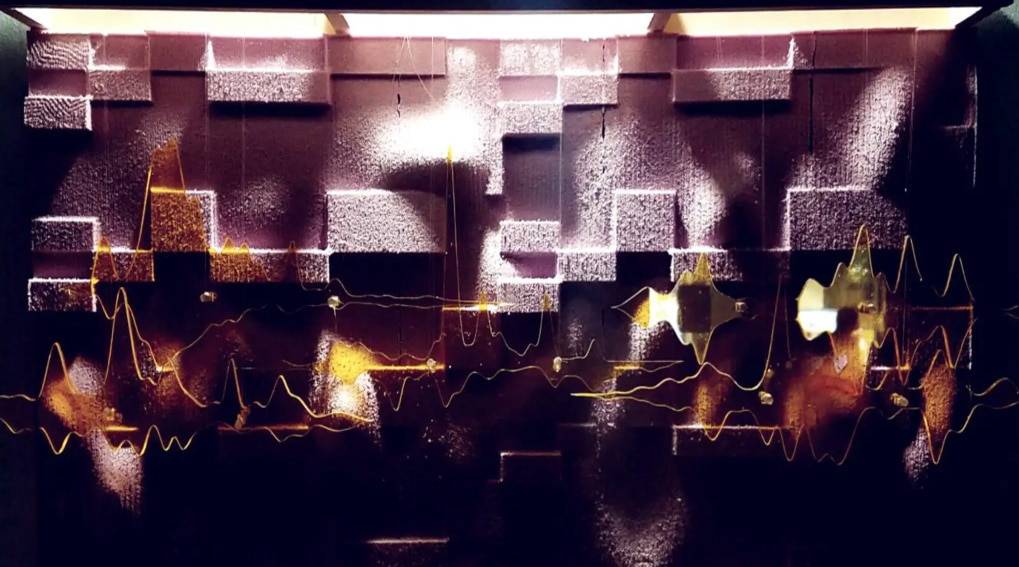
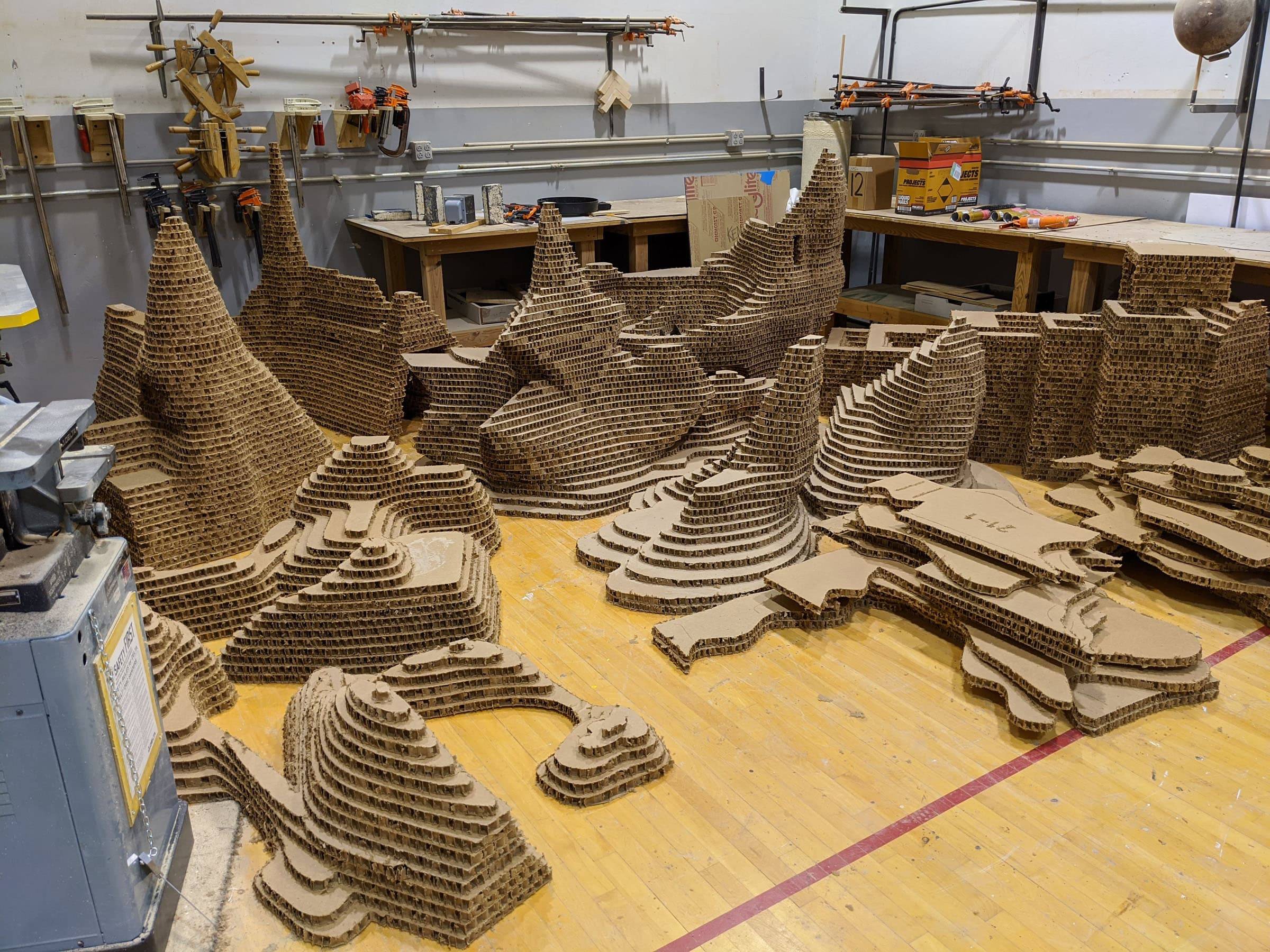
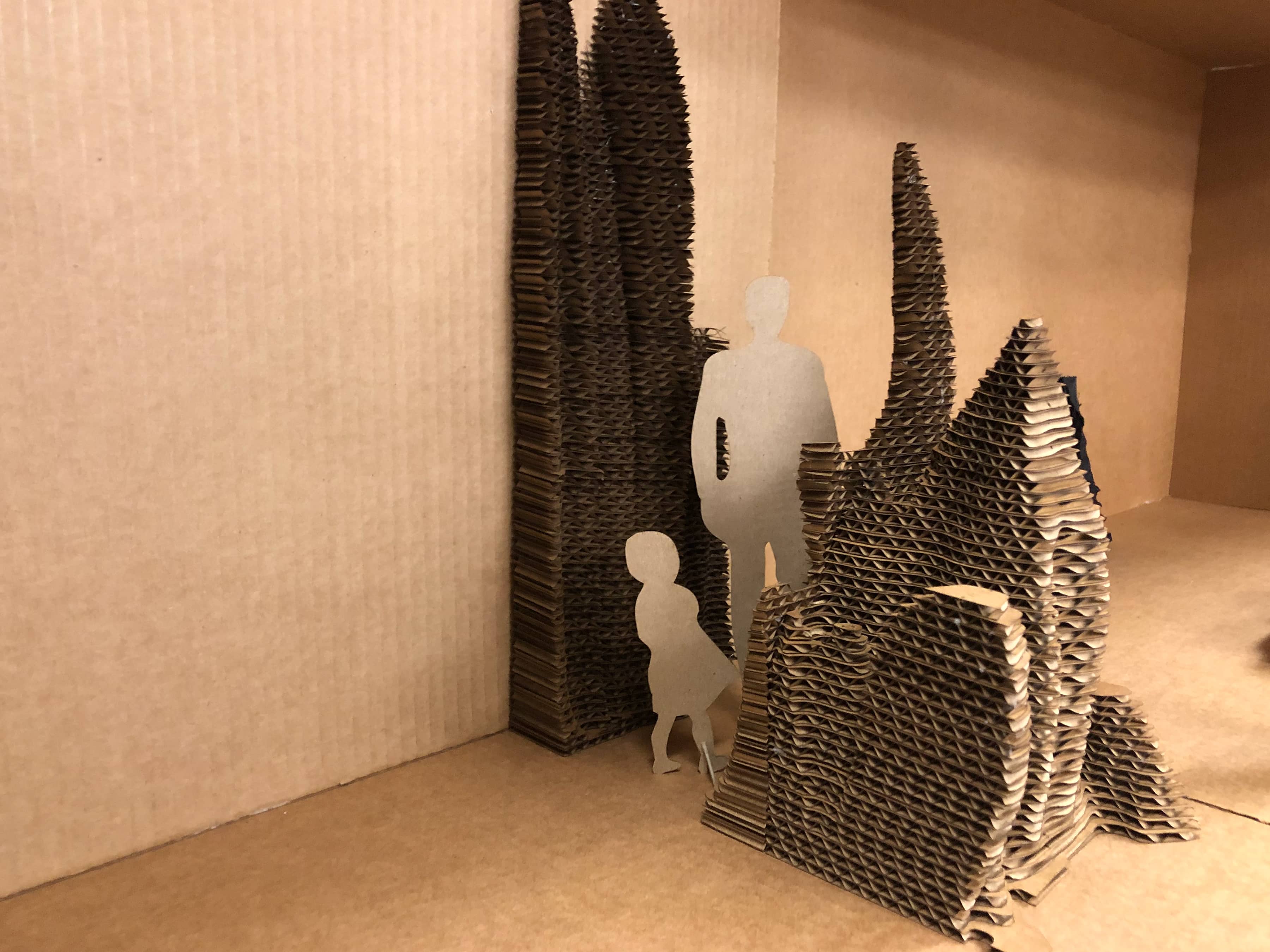
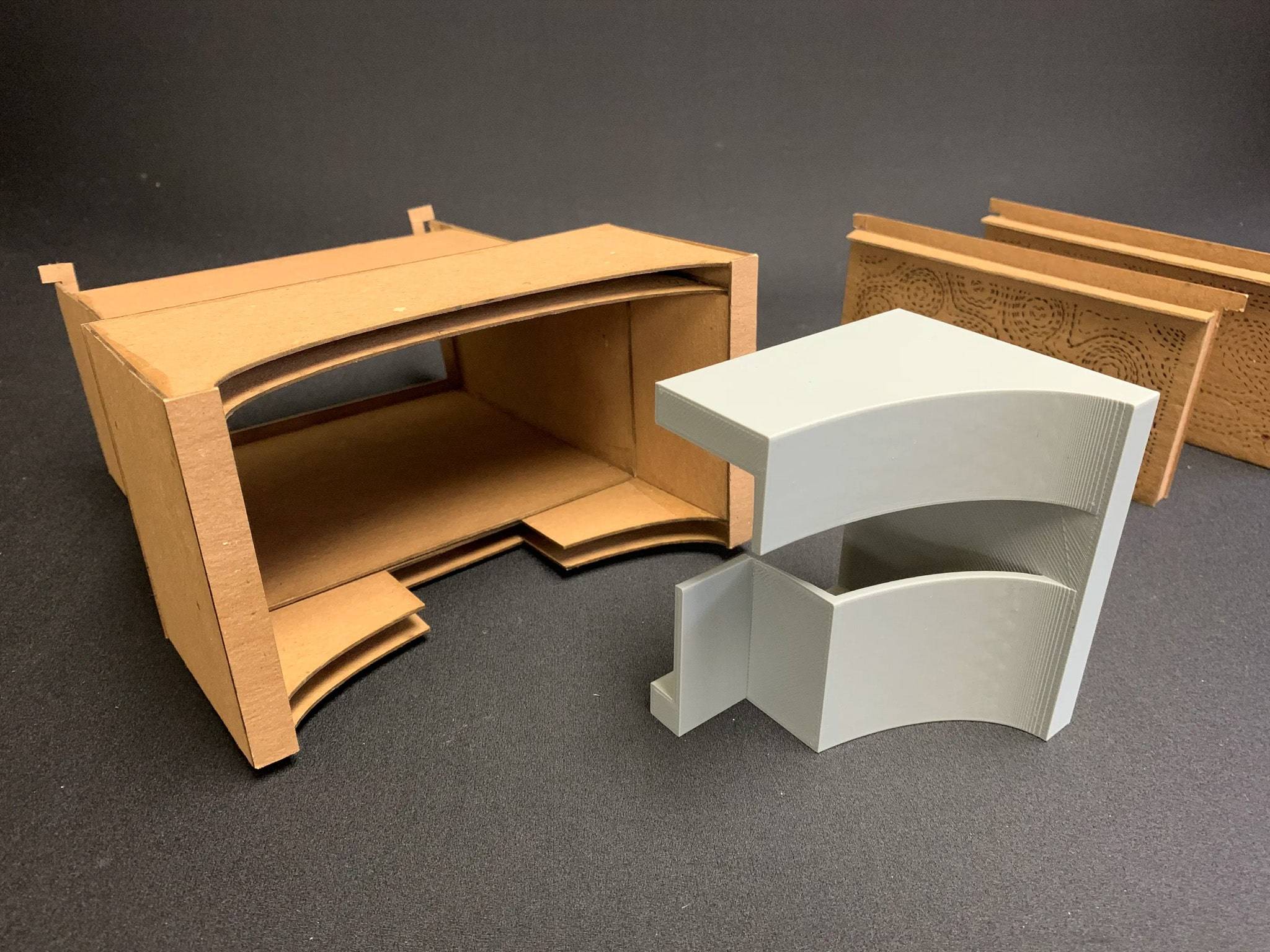
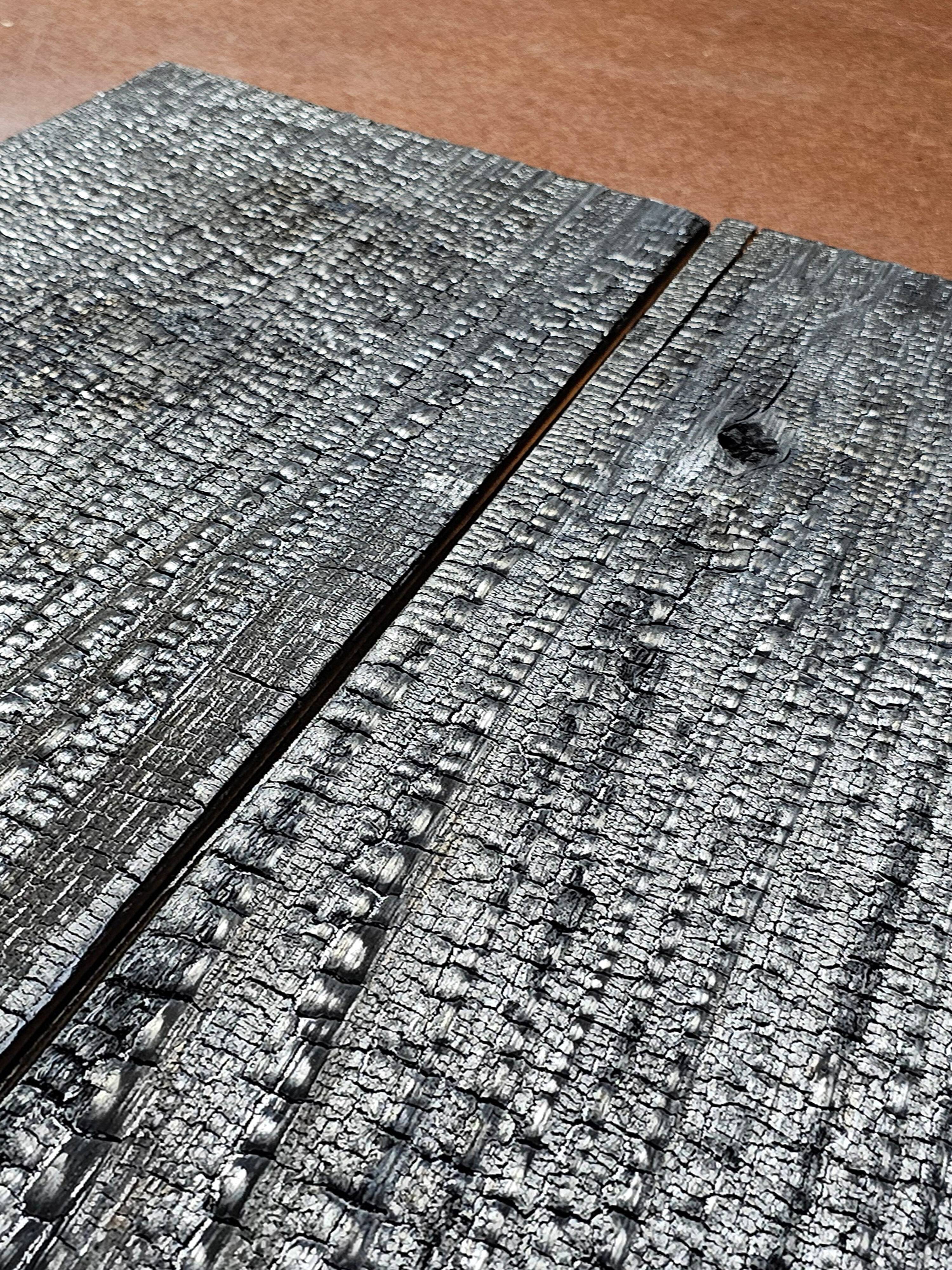
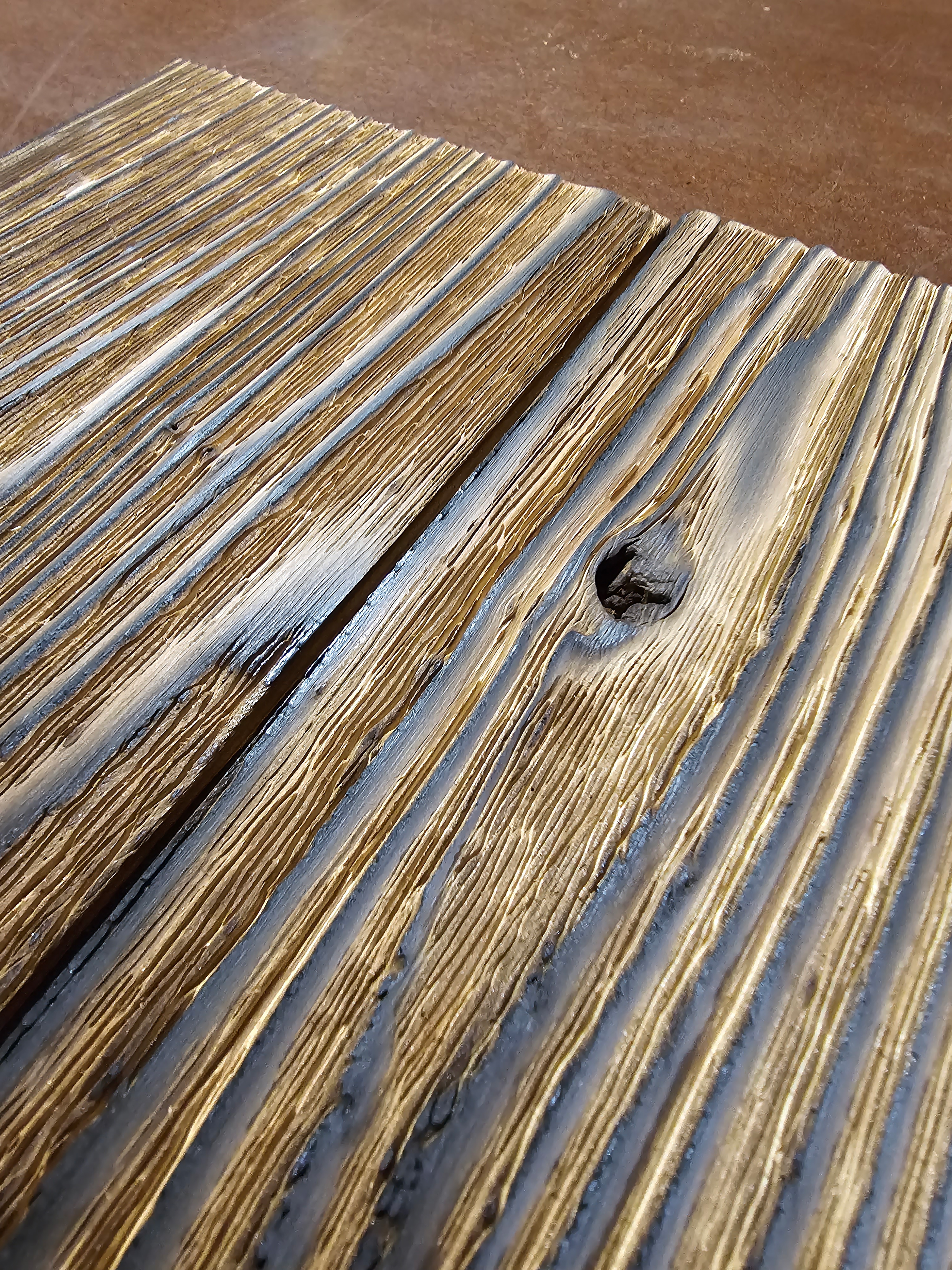
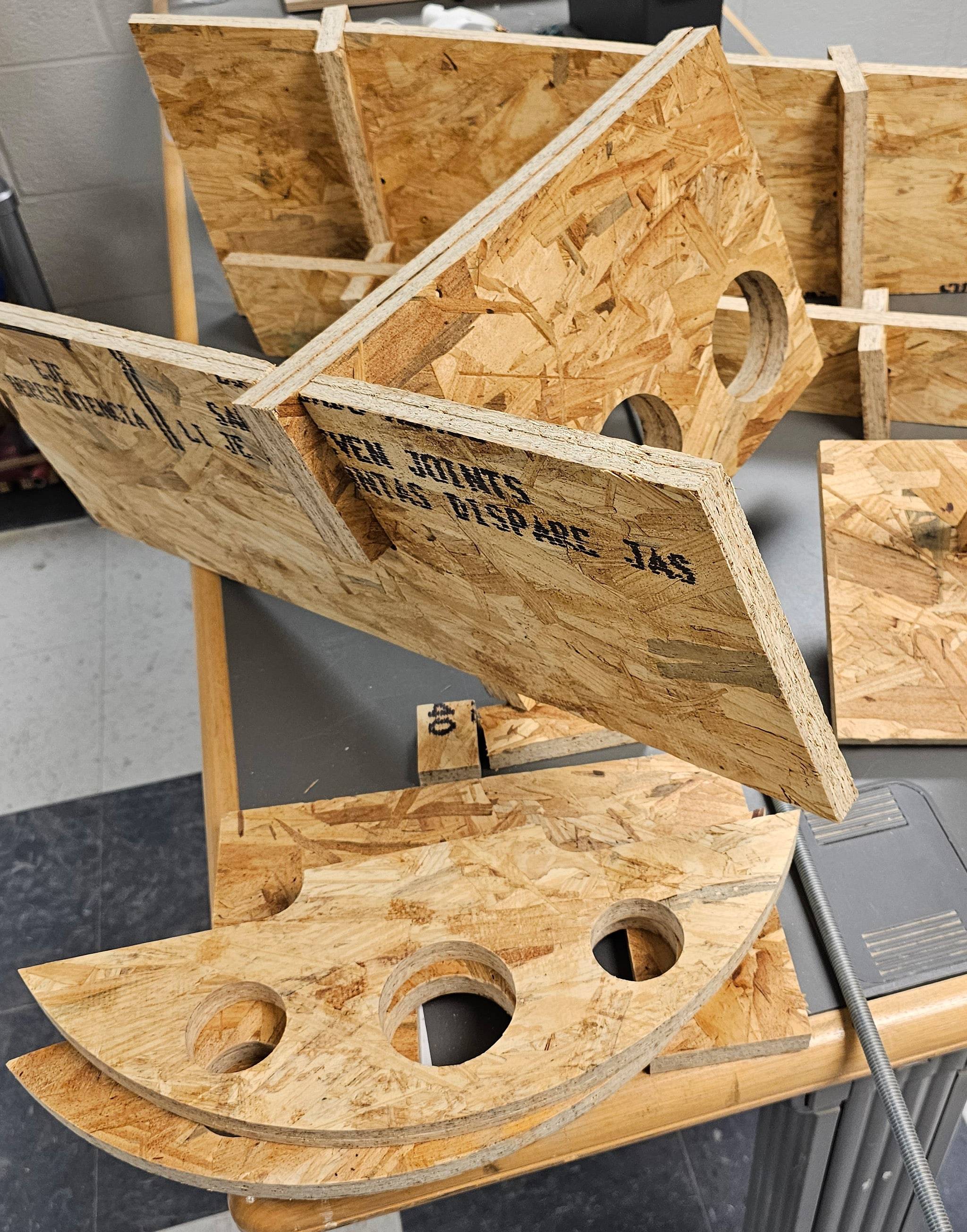
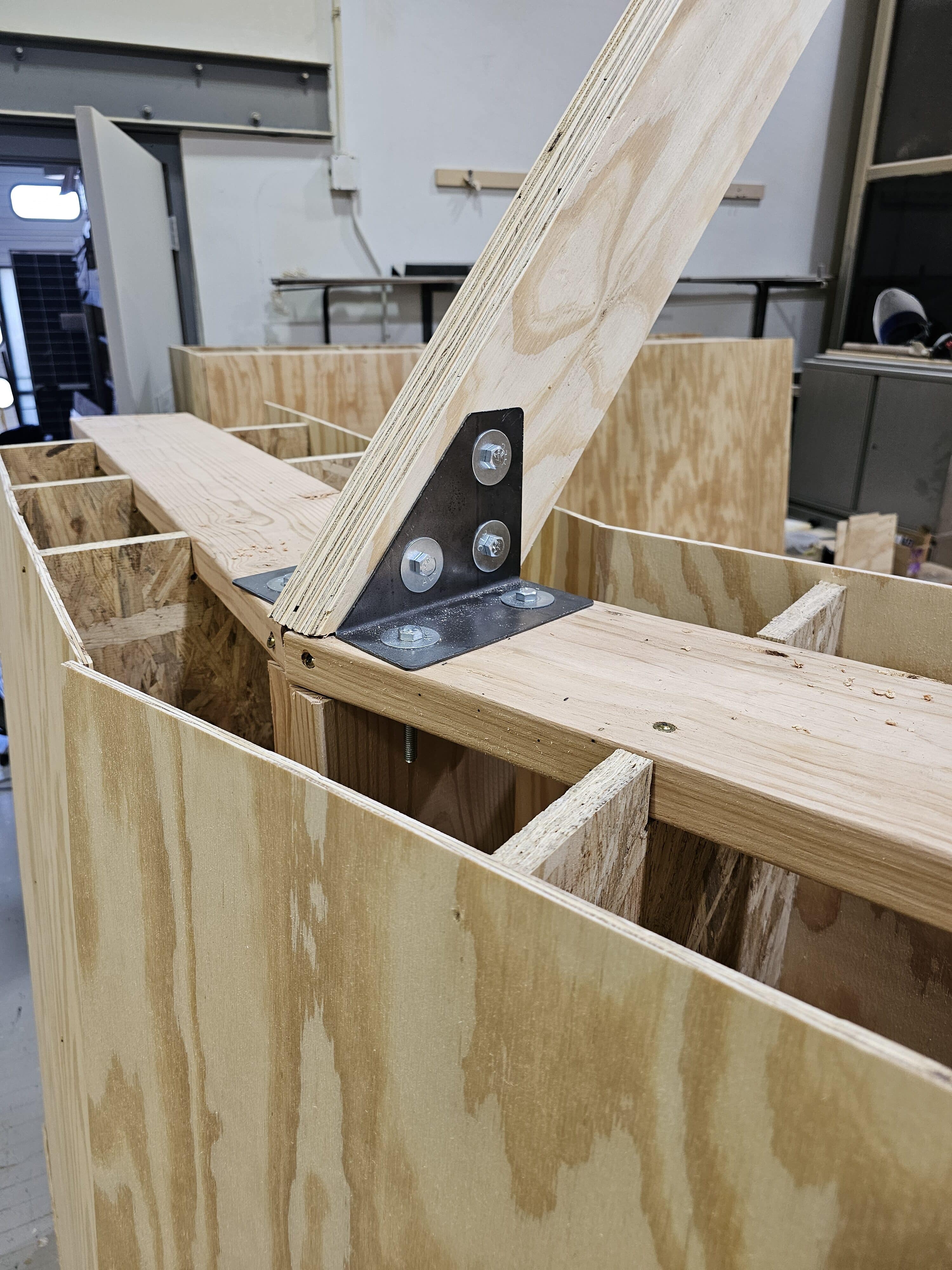
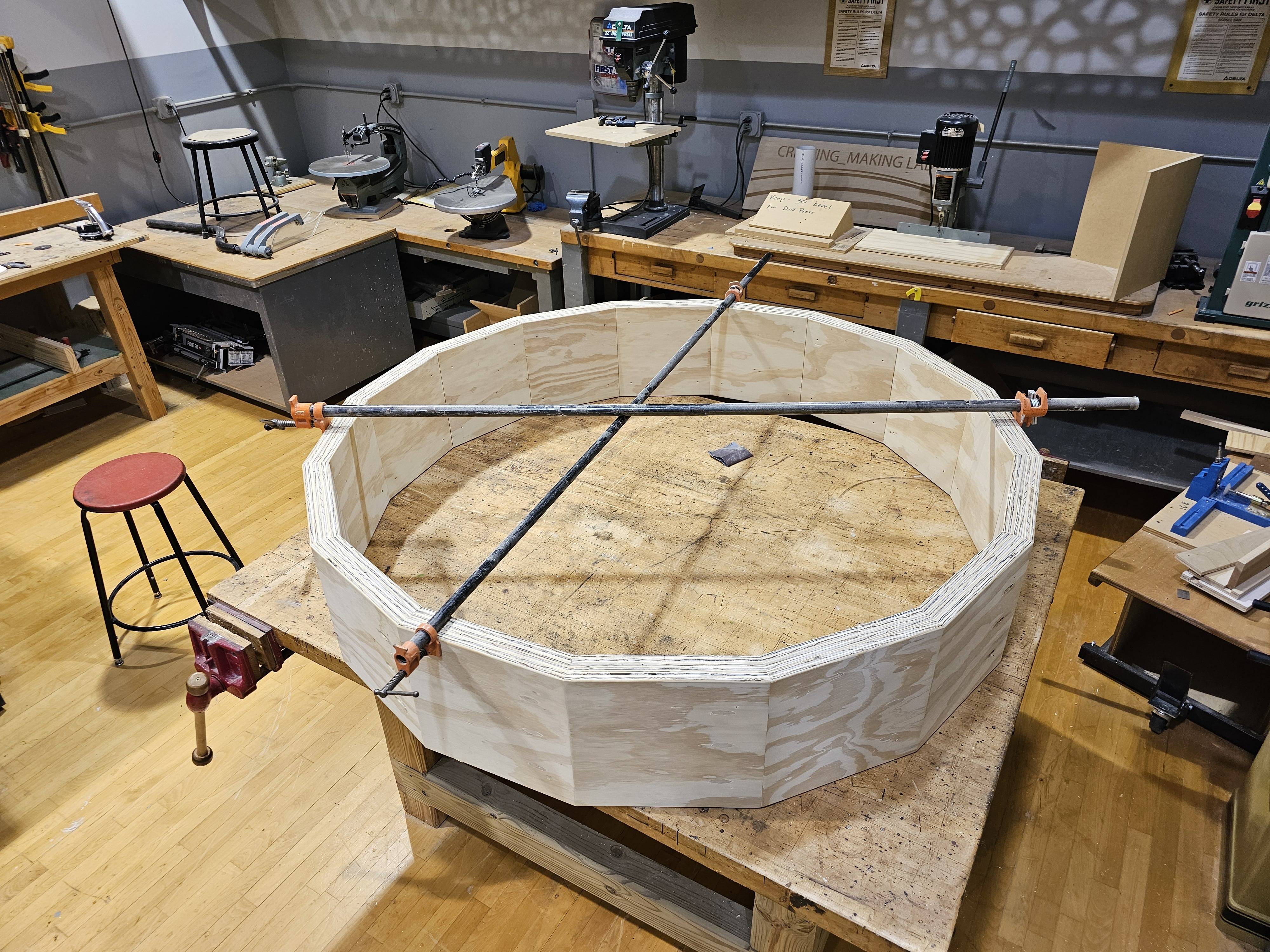
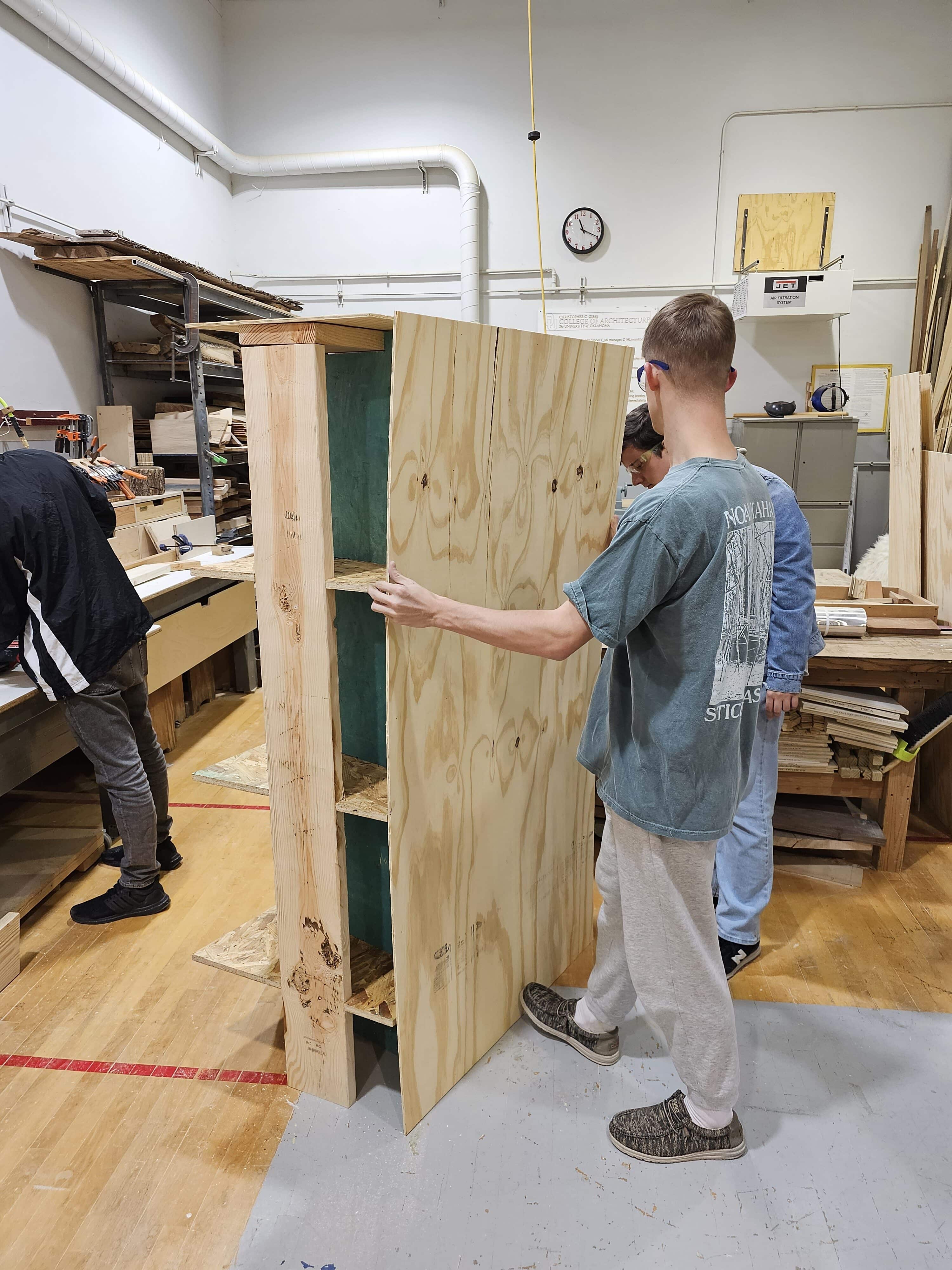
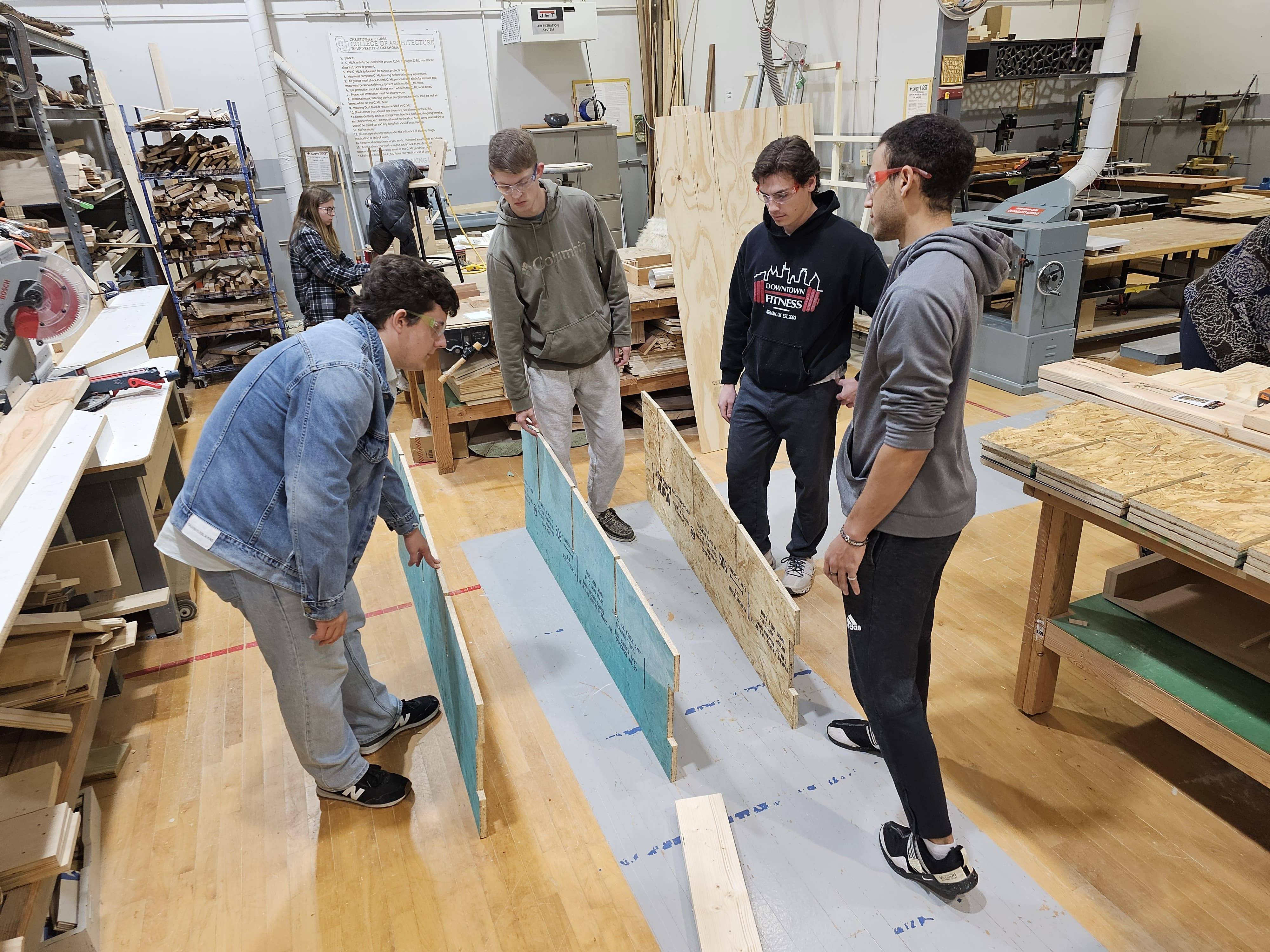
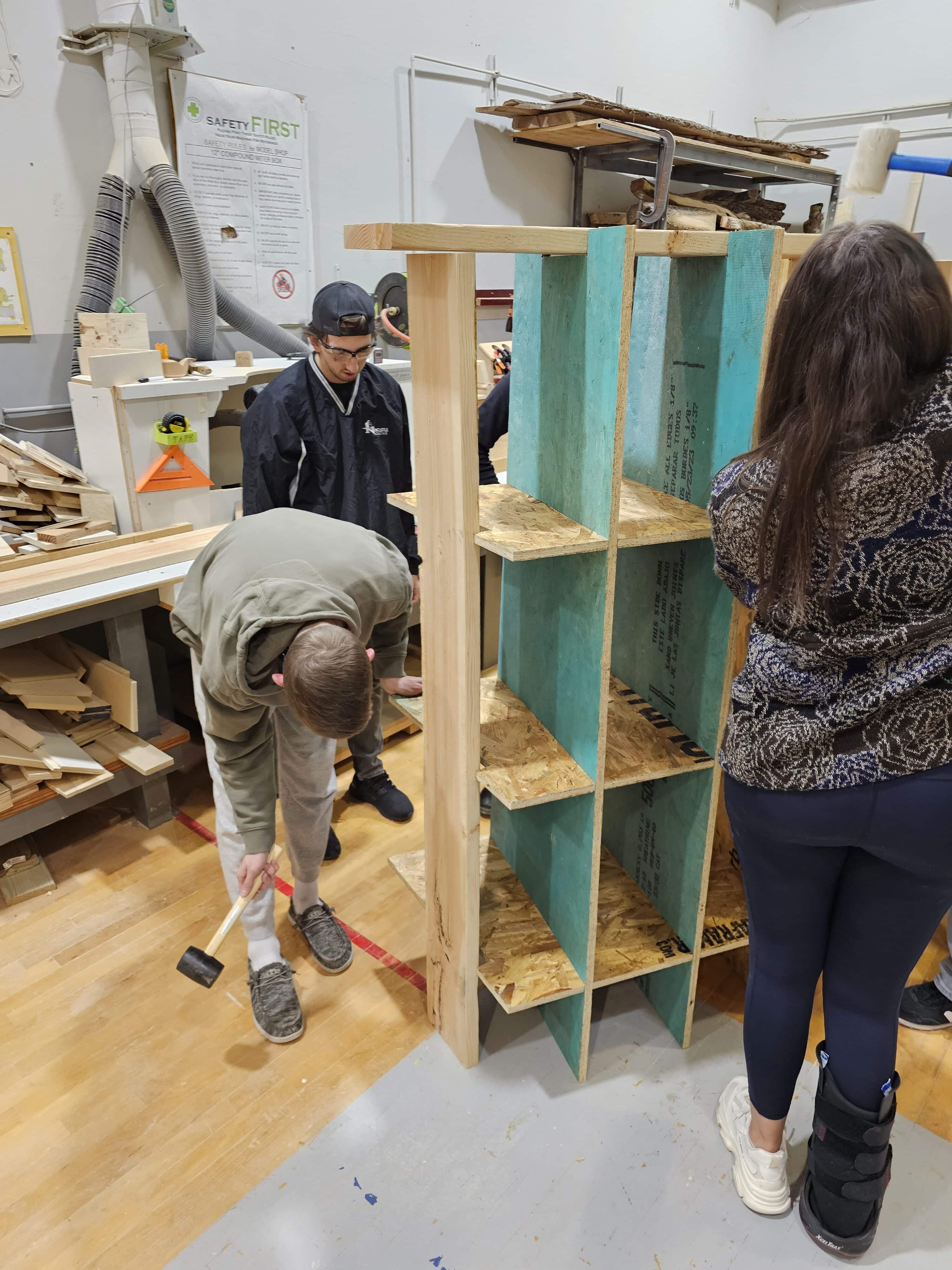
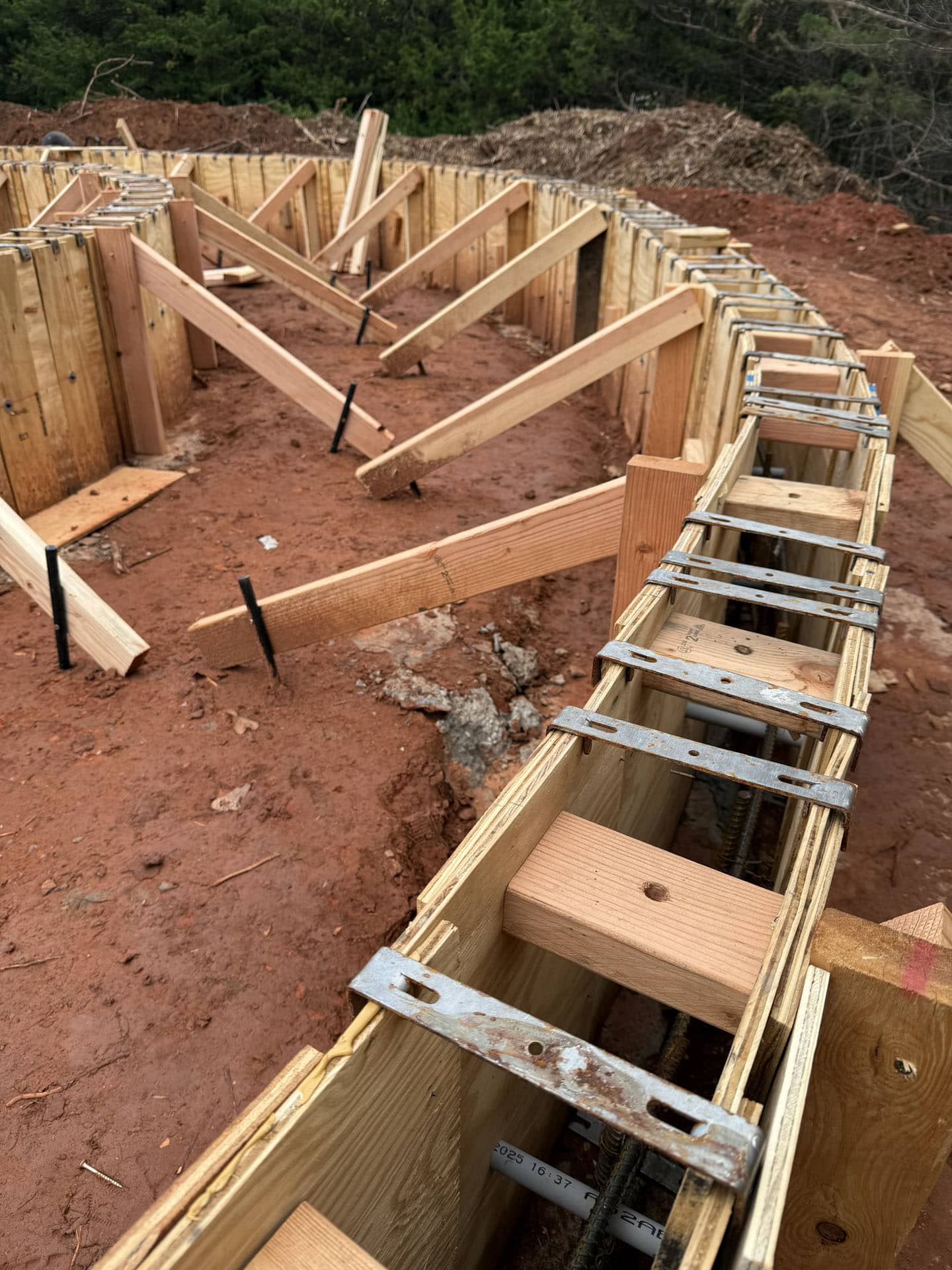
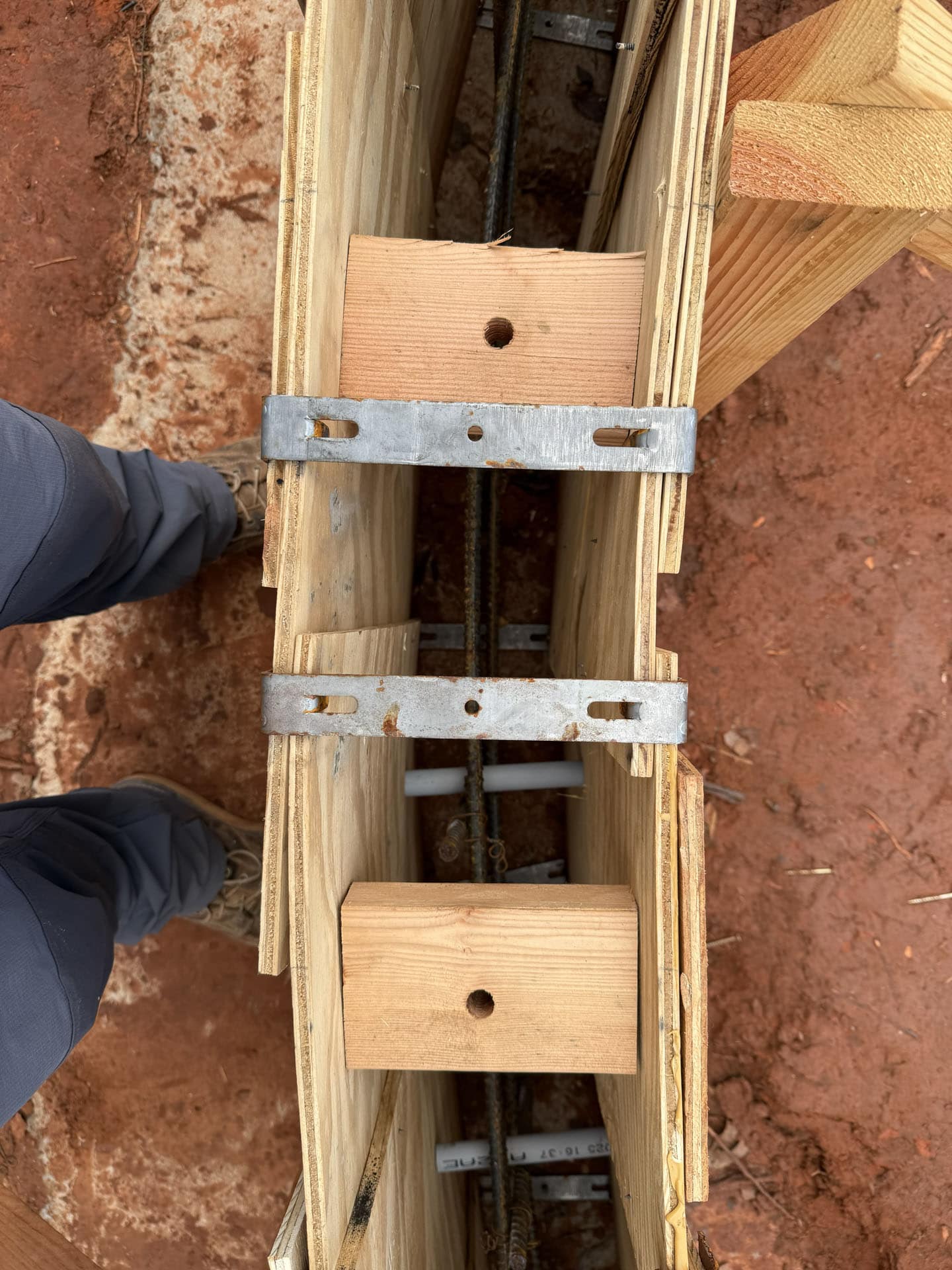
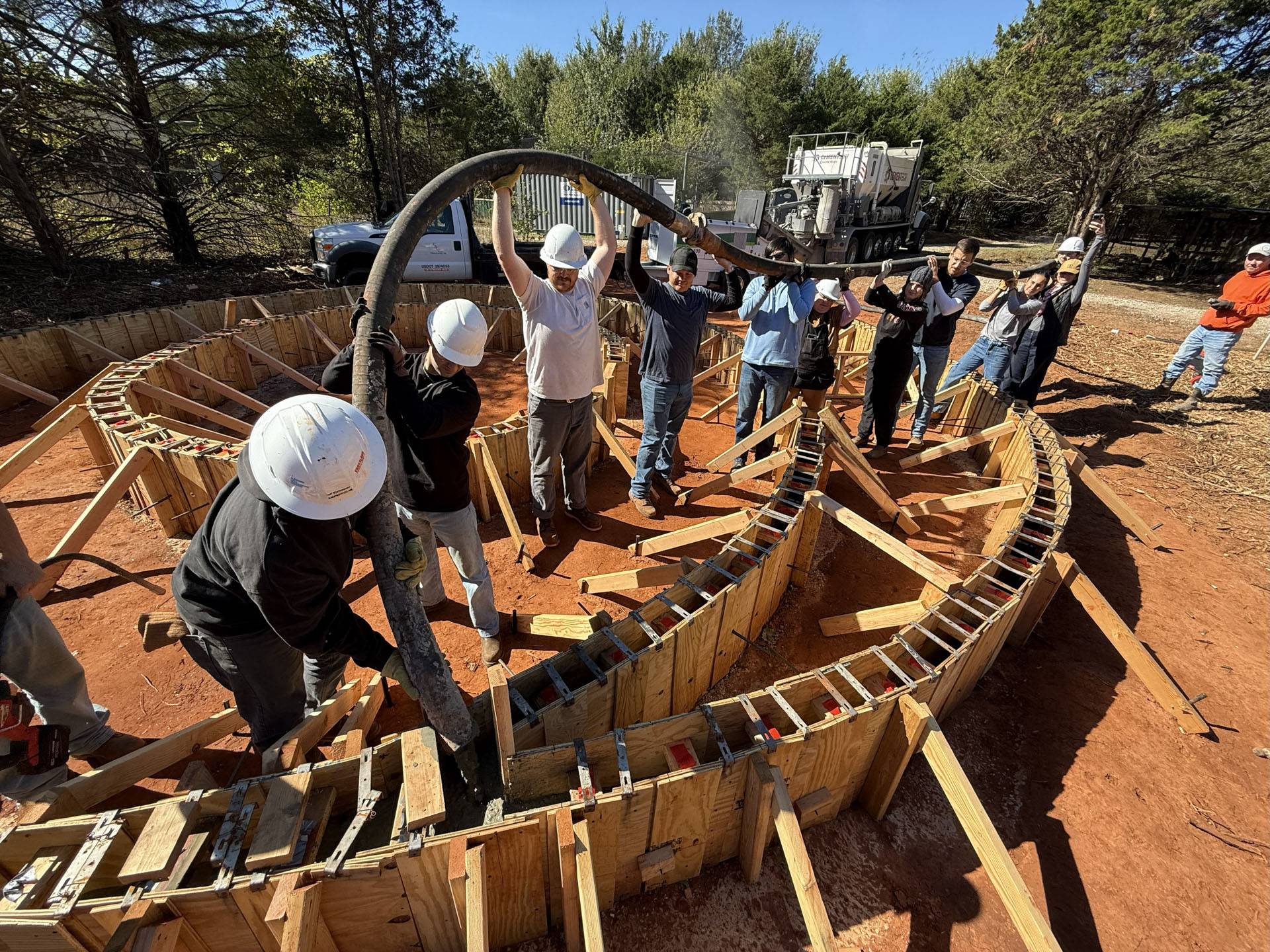
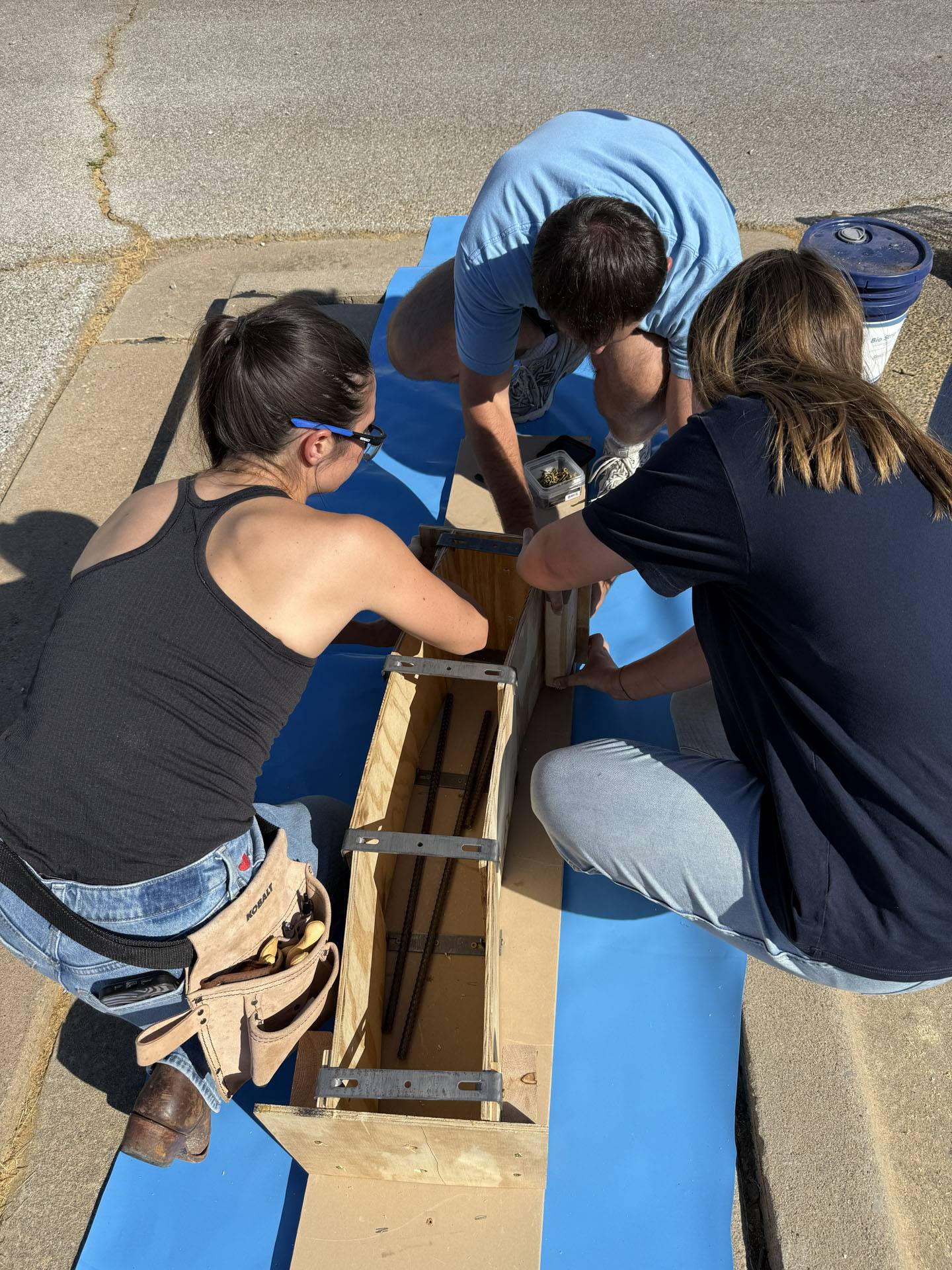
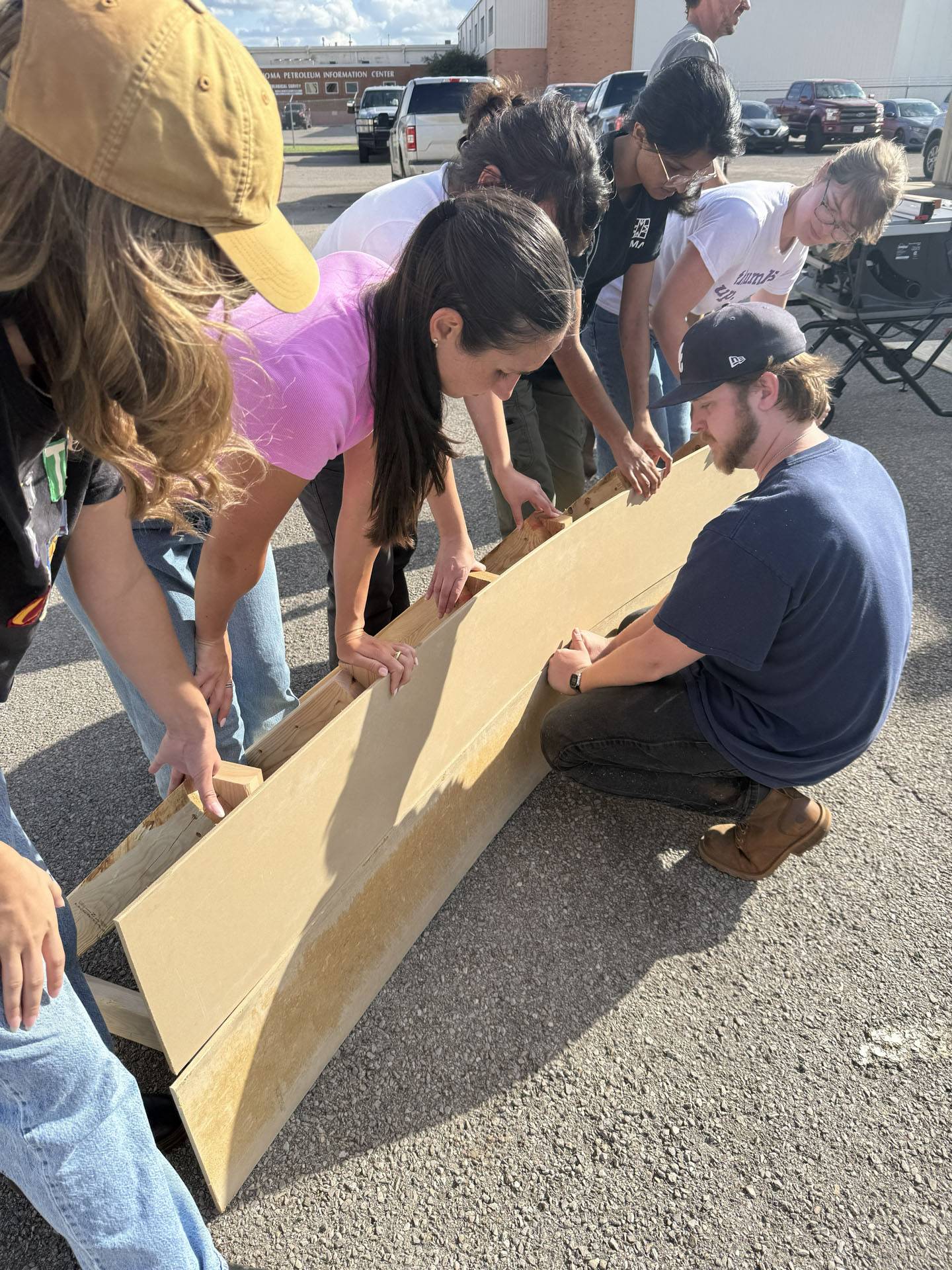
A defining feature of the project is its experimental stem wall system, developed through full-scale mock-ups and iterative on-site fabrication. Rather than relying on conventional flat formwork, the design team employed layered dimensional boards with variable offsets to cast a wall that captures light, shadow, and texture across its surface. The result is a three-dimensional concrete facade that reads as both structure and ornament — an architectural record of the building process itself.
Each segment of formwork was hand-fitted, producing subtle shifts in depth that give the wall a tactile rhythm echoing the natural stone formations and stratified soils of Oklahoma. The embedded J-hooks, rebar ties, and reinforcement boards were meticulously placed to ensure both strength and aesthetic precision.
This approach transformed the foundation phase into a design research exercise, exploring how construction logic and aesthetic expression can converge through material intelligence. The wall now stands as a crafted threshold — grounding the future enclosure while marking a pedagogical milestone in ASDB’s ongoing exploration of fabrication as research.
Construction Progress (Fall 2025)
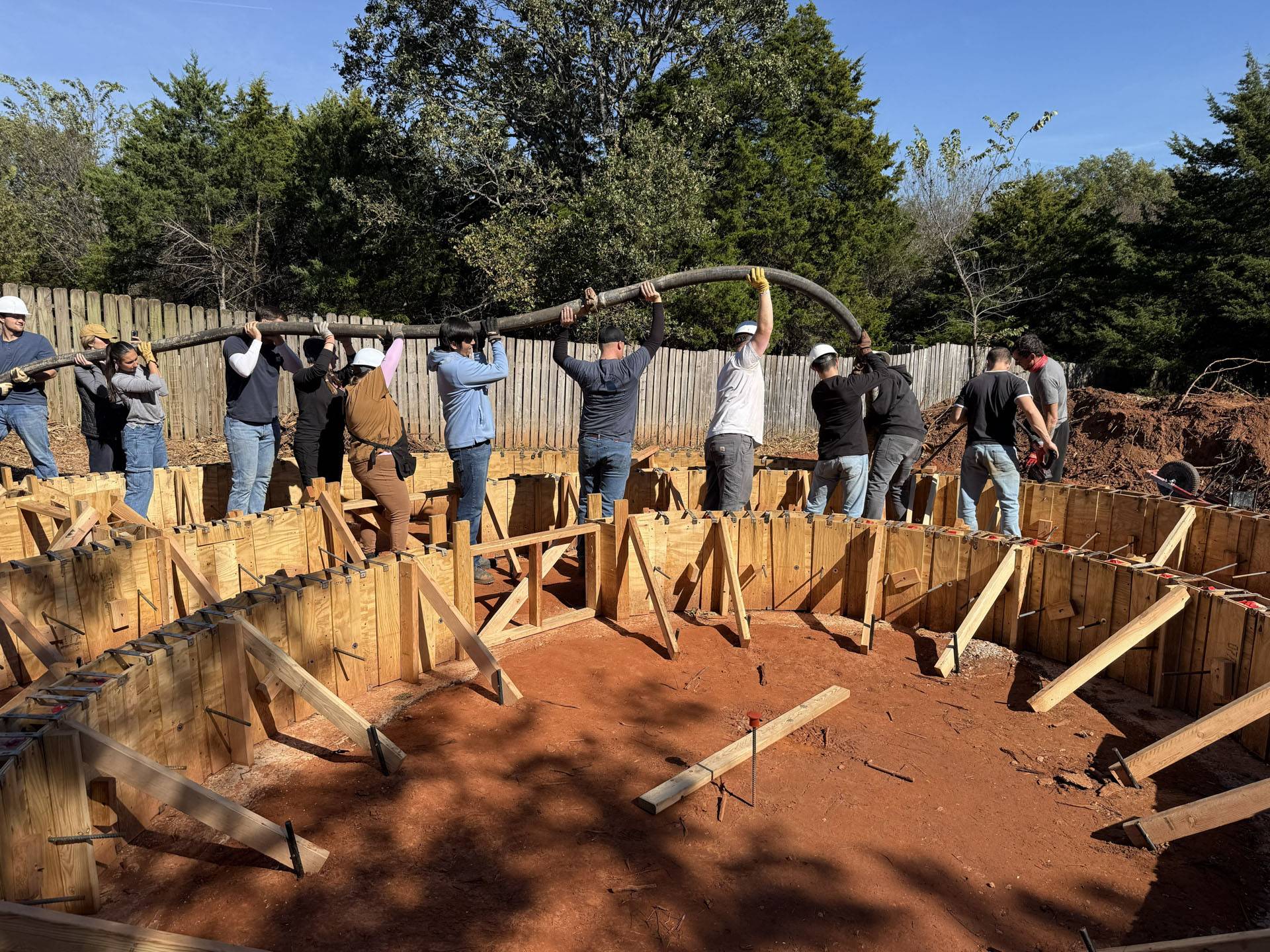
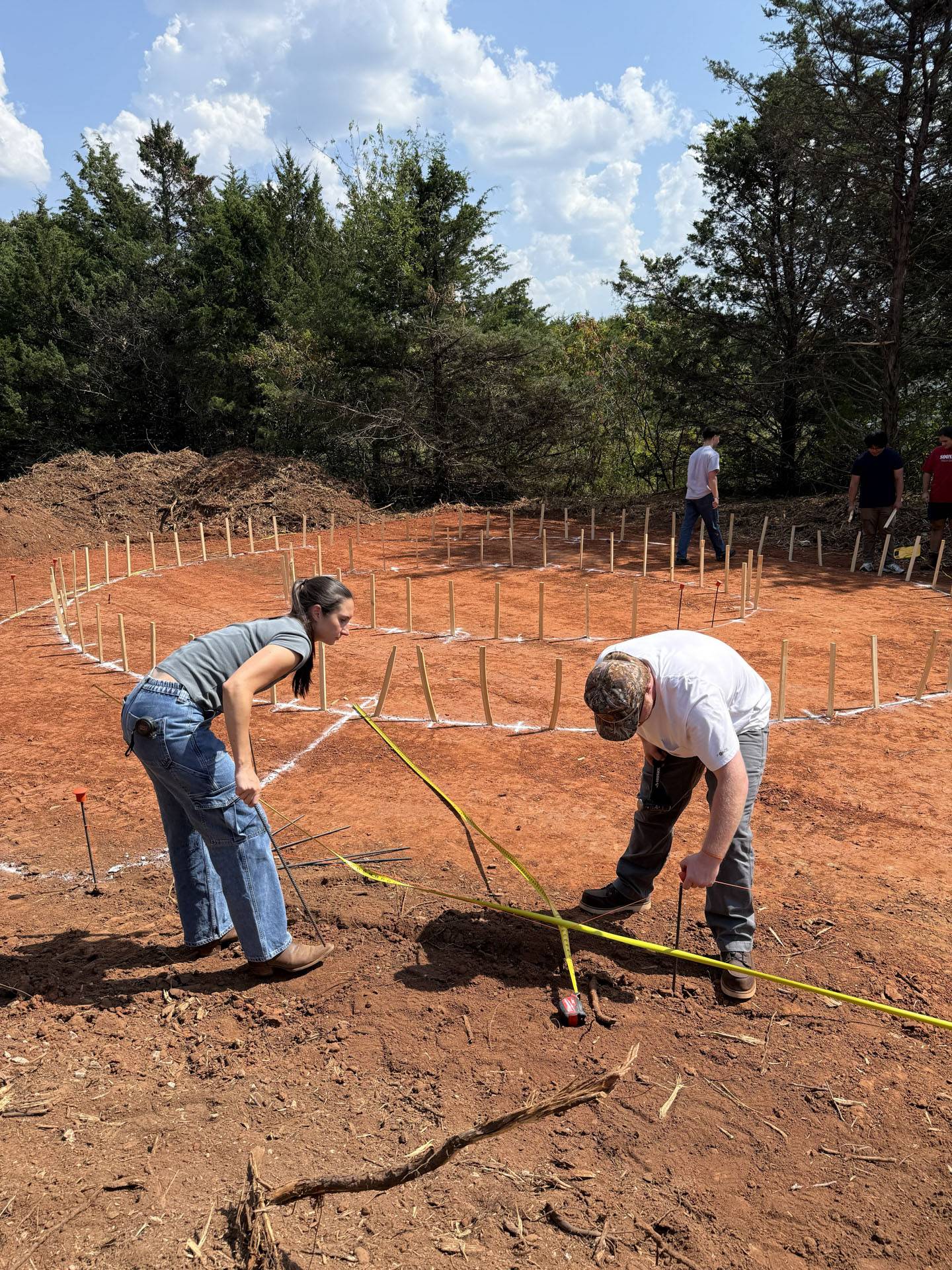
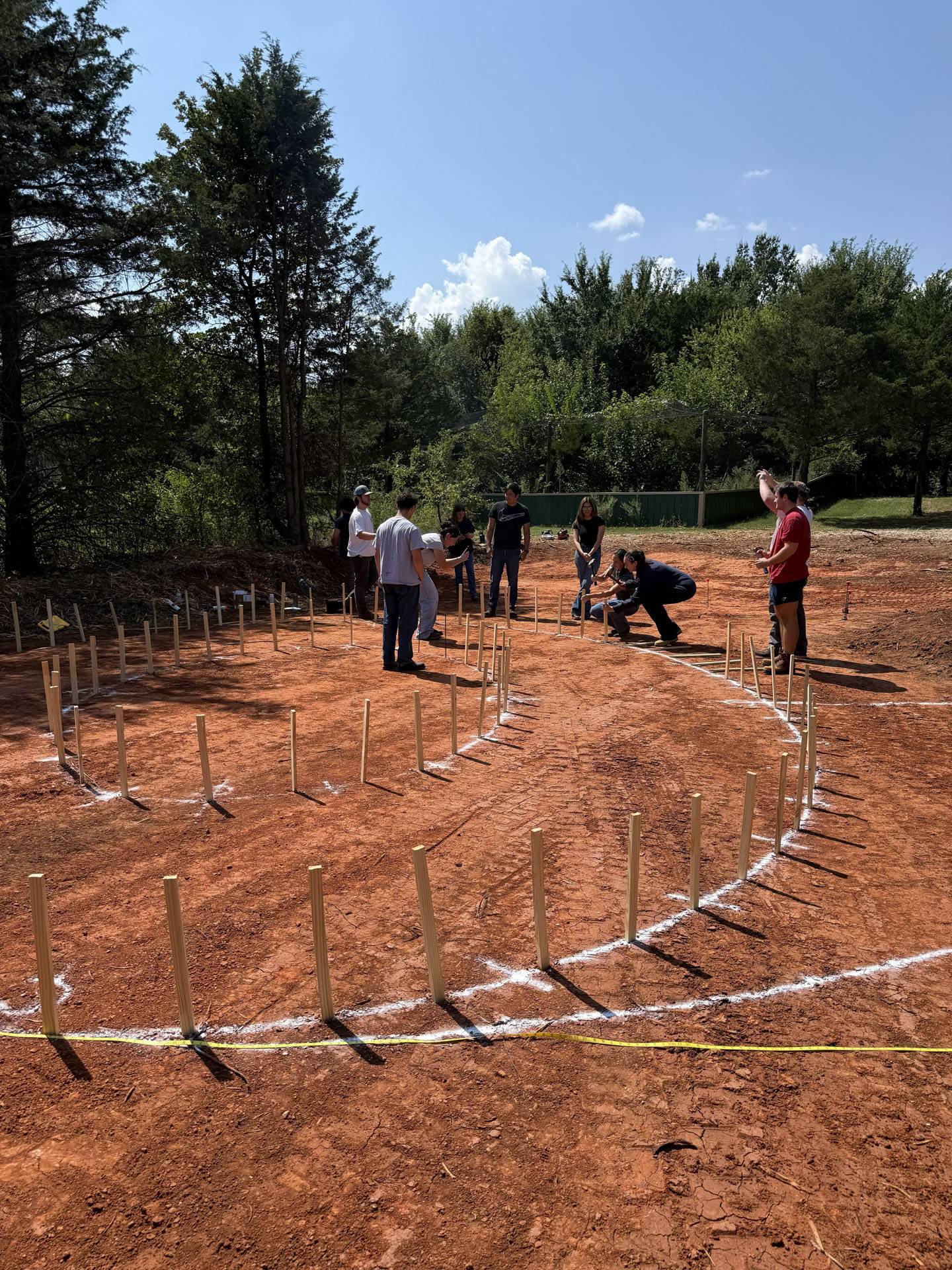
The fall semester focused on site preparation, rebar layout, and concrete work. Teams collaborated across architecture and construction science to execute precise foundation detailing, culminating in the pour of the multi-layered stem wall that defines the building’s base geometry. These foundational experiments in dimension and texture allowed students to test advanced techniques in forming, bracing, and sequencing while developing a deep understanding of tolerance and craft.
This first phase established the groundwork for the next stage of vertical construction, setting both physical and conceptual footing for the project’s continuation in Spring 2026.
Next Phase (Spring 2026)
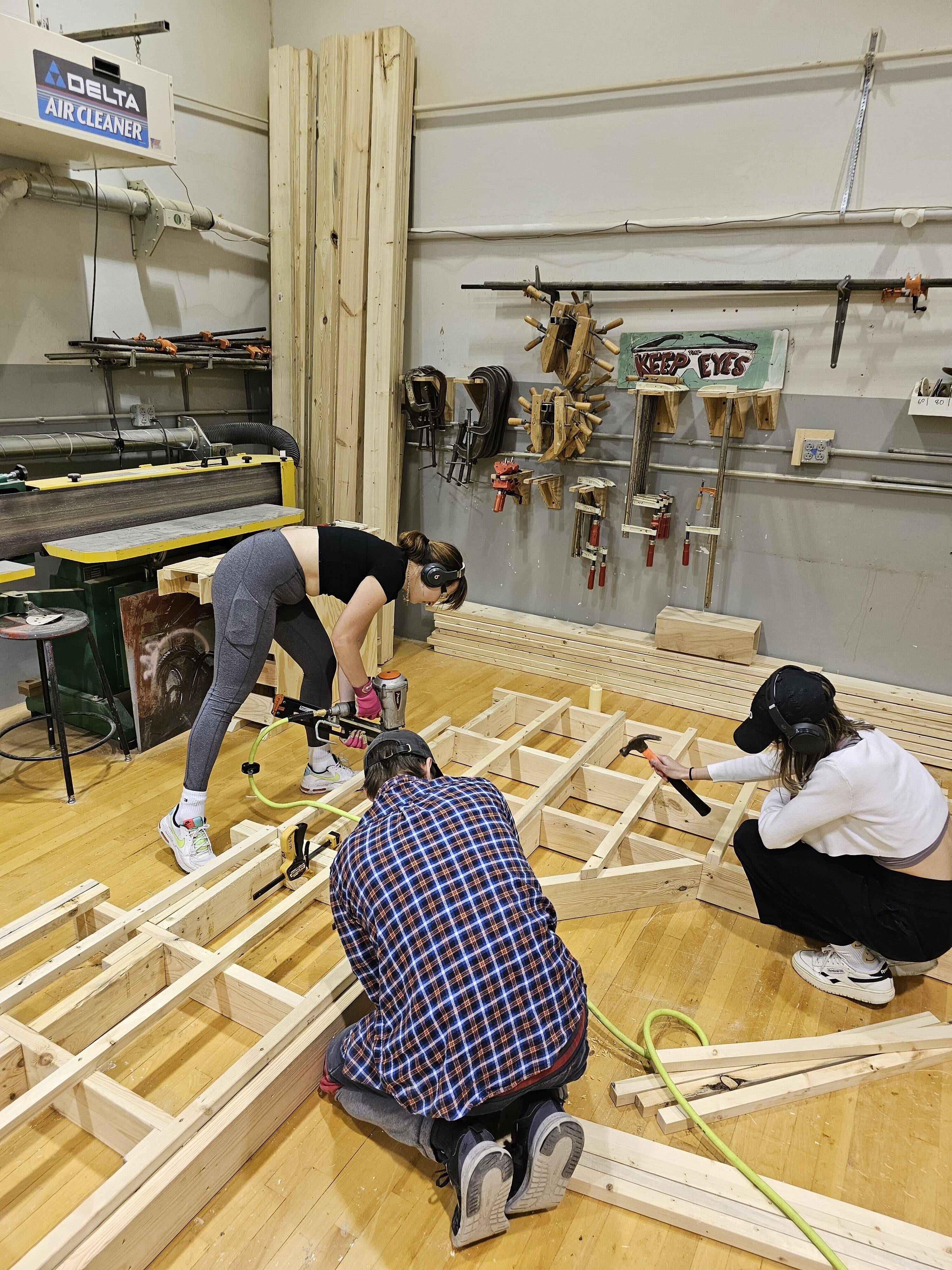
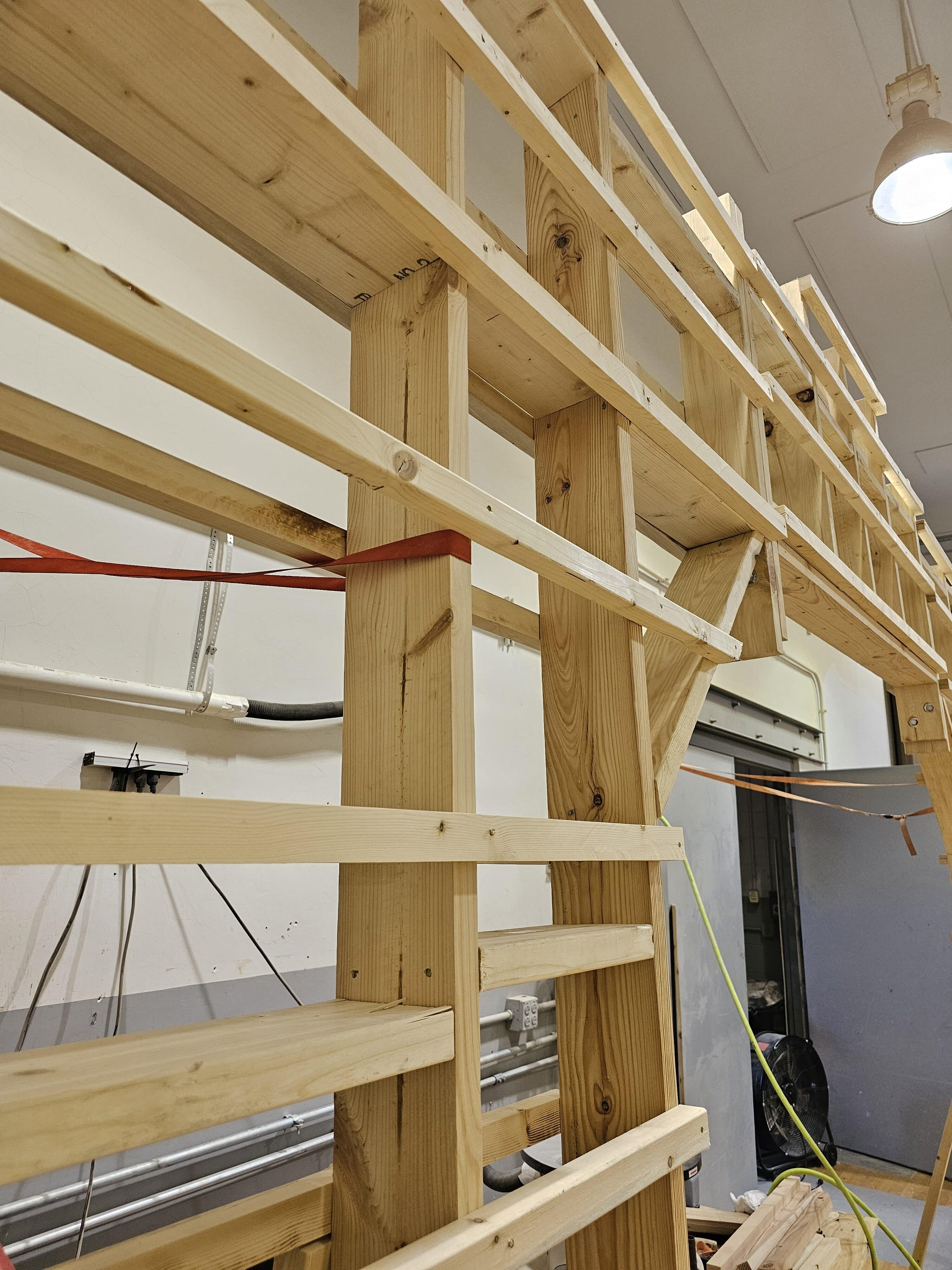
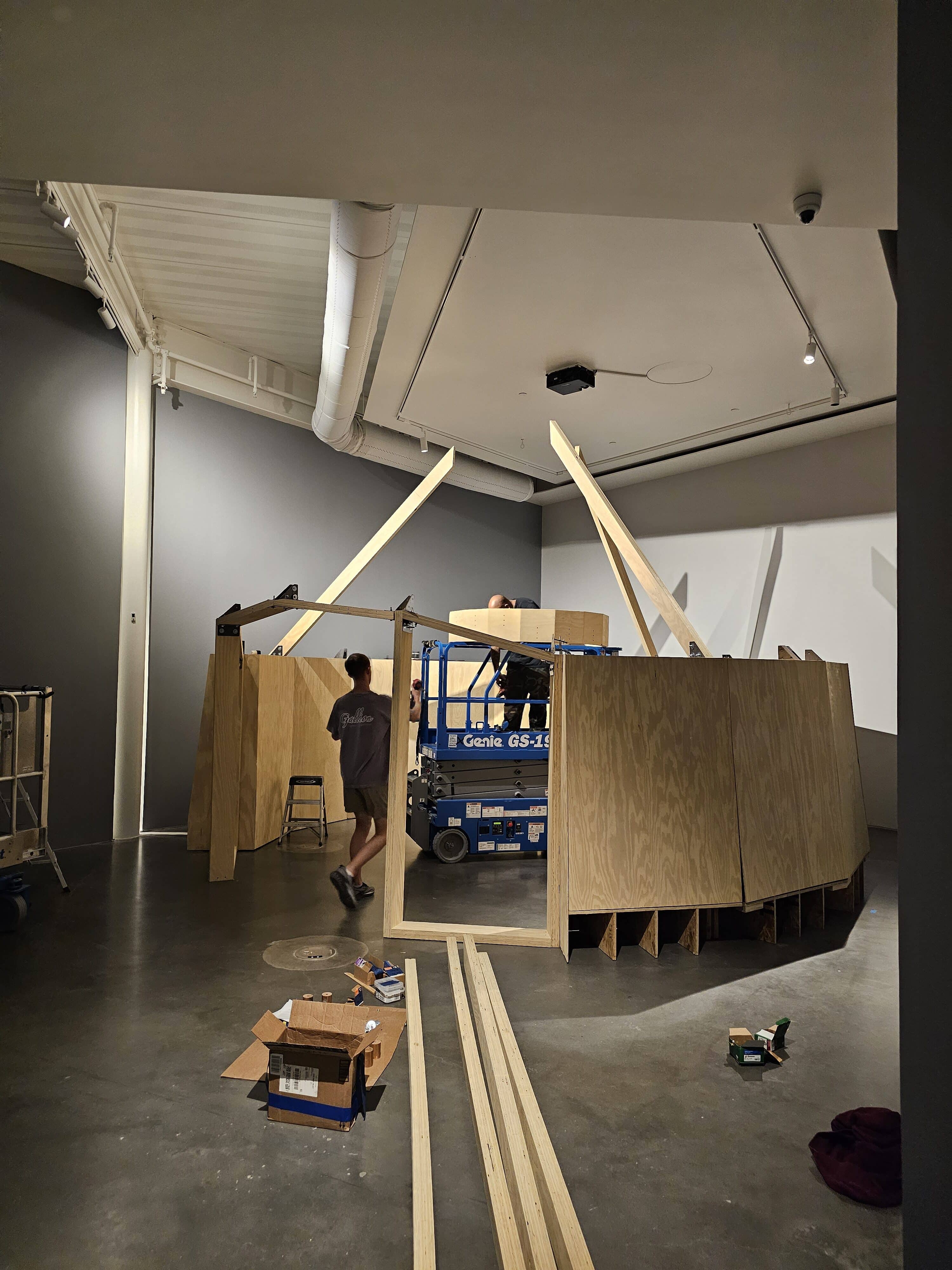
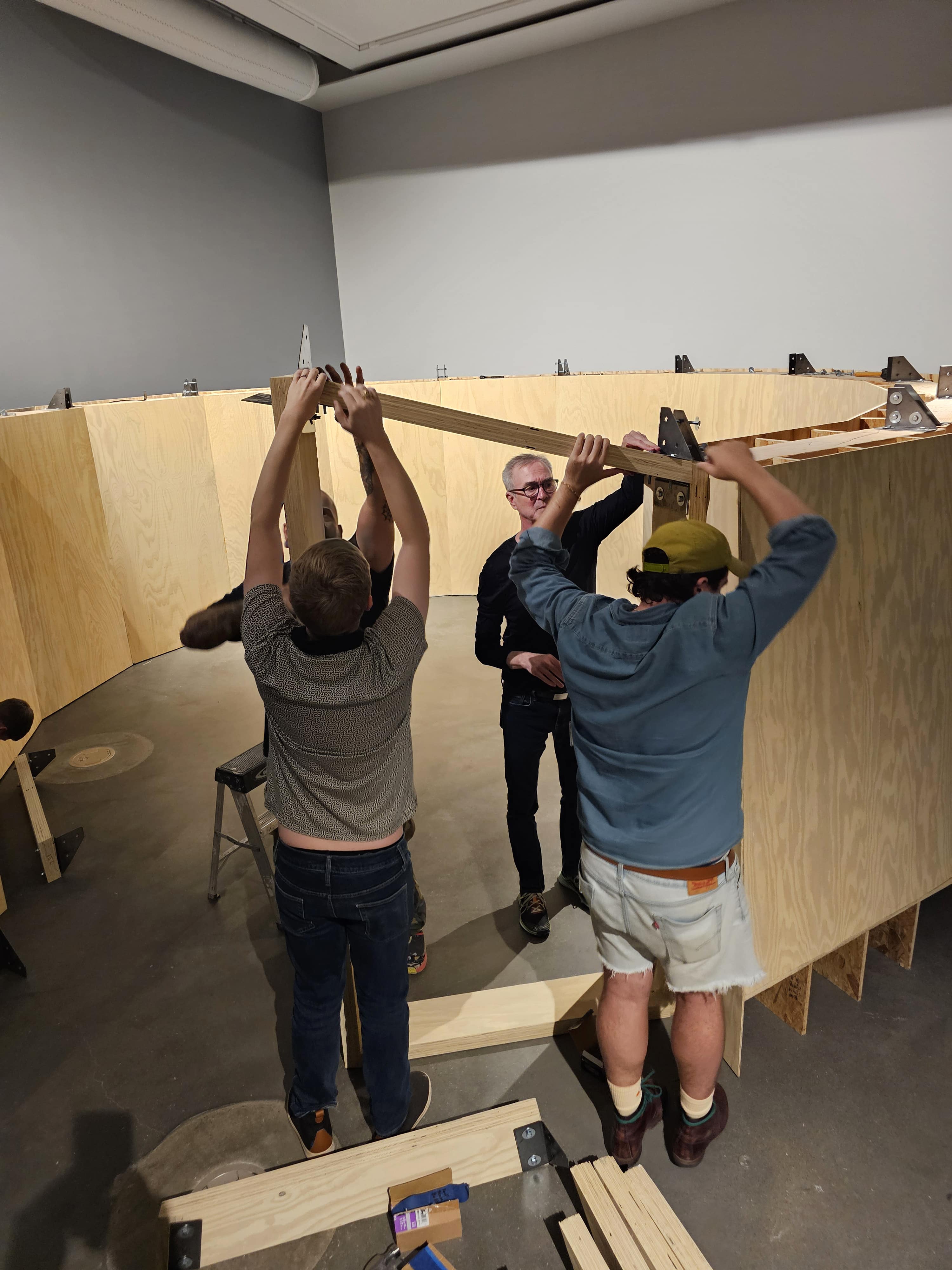
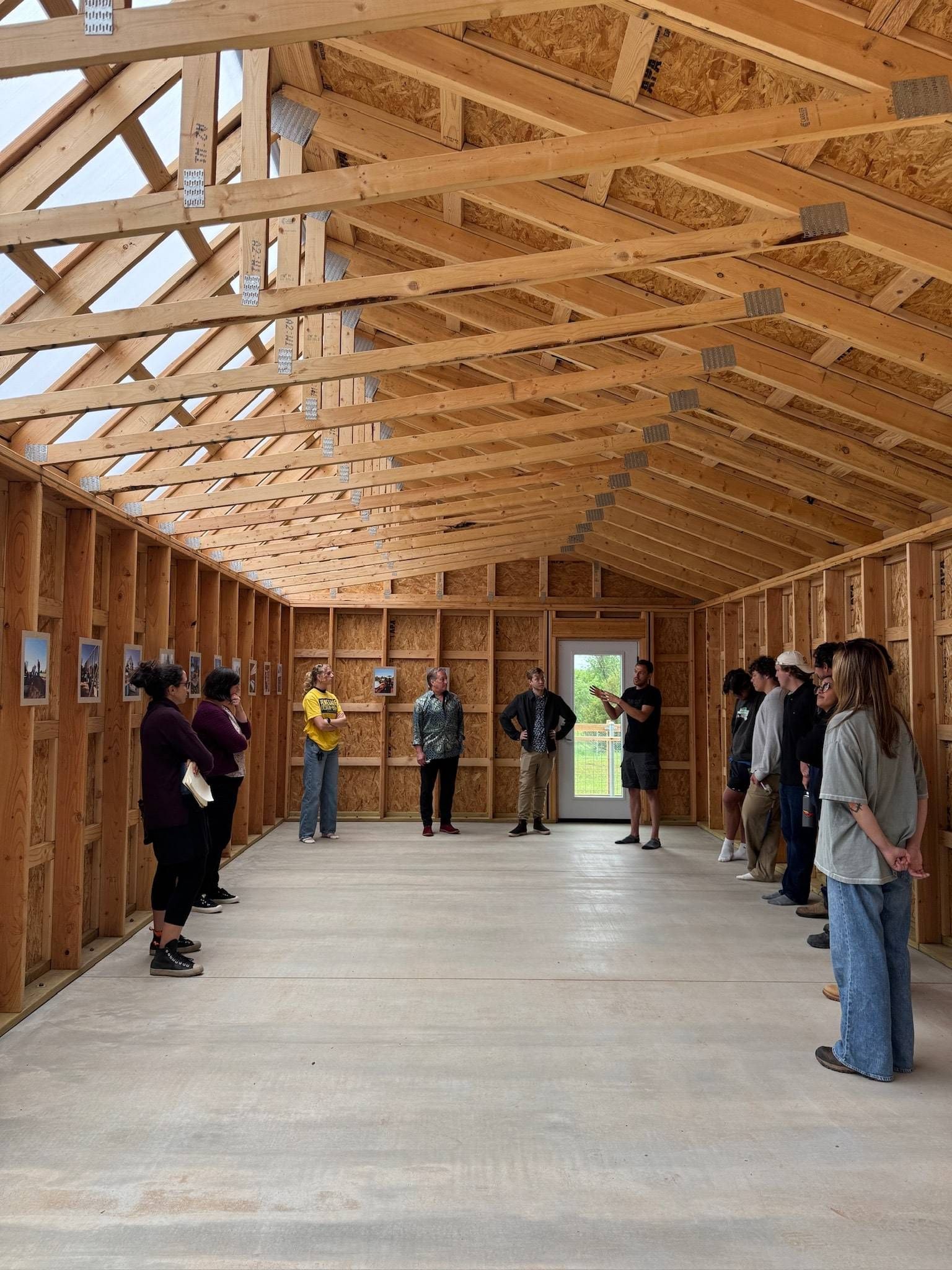
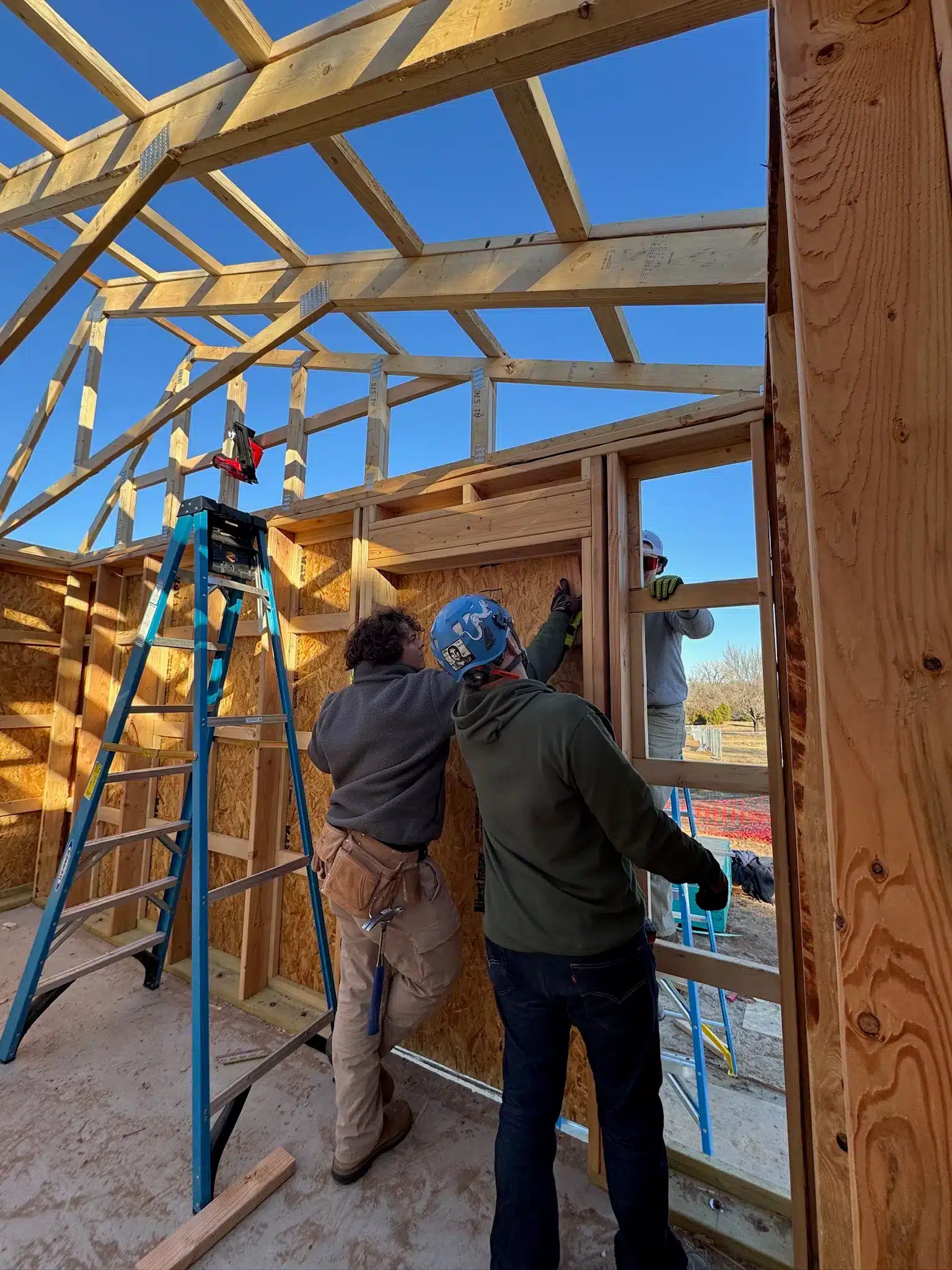
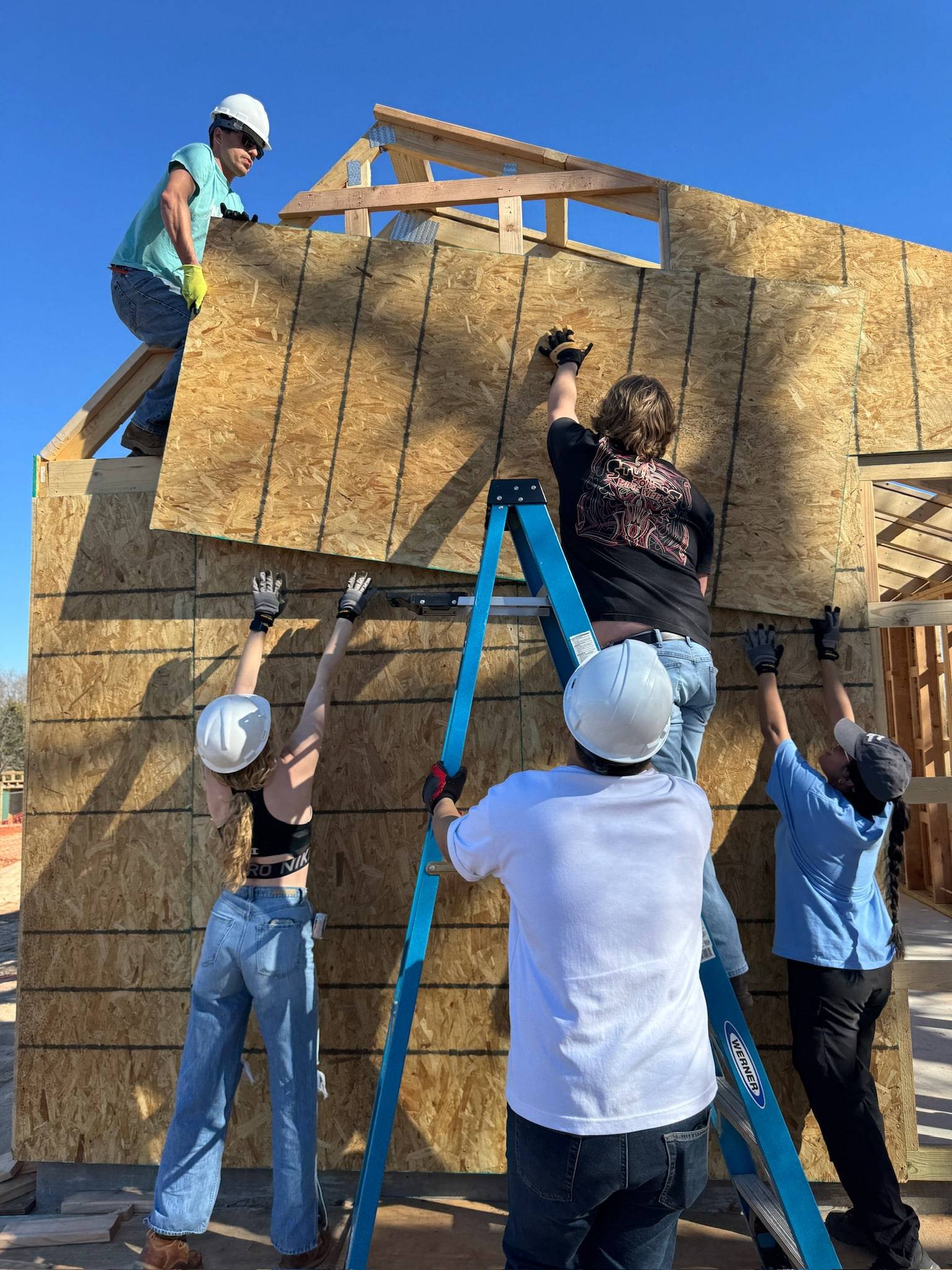
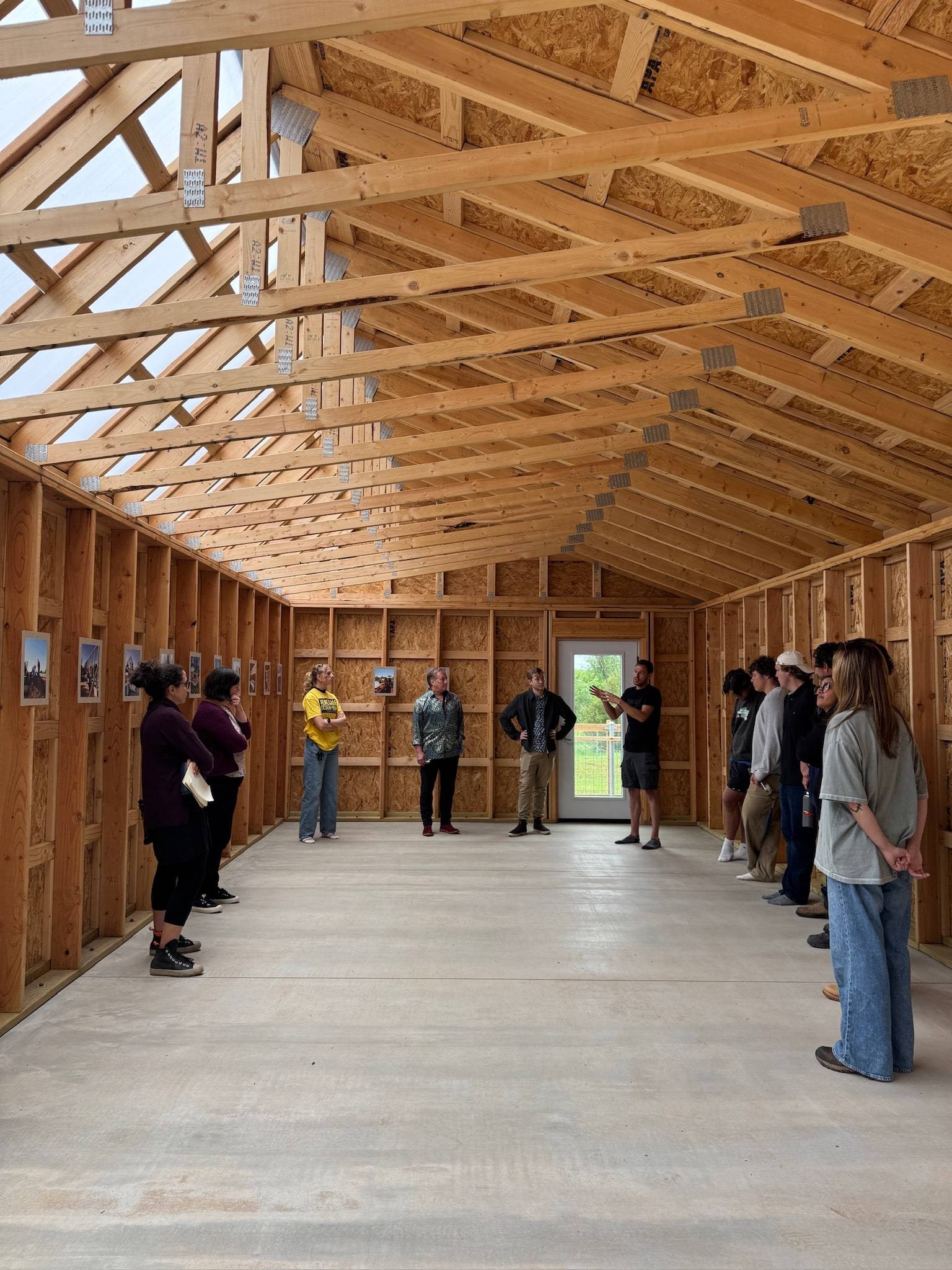
The 2026 spring semester will advance into framing, roof structure, and enclosure. Students will erect the curved framing system, integrate Brava synthetic cedar shingles, and install polycarbonate roof panels to achieve a translucent, lightweight shell responsive to daylight and climate.
The emphasis will remain on precision, sequencing, and sustainable assembly, leading to final enclosure, site grading, and habitat integration before the Spring 2026 Open House at WildCare.
Educational Impact
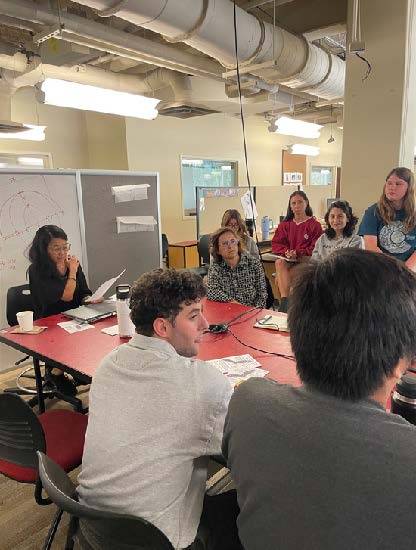
This project exemplifies ASDB’s Design Together, Build Together ethos, bringing architecture and construction science students into direct collaboration with a living client and ecosystem. Each phase of construction becomes an educational instrument, teaching craft, coordination, and empathy through making.
The partnership with WildCare transforms the design-build process into an act of service, building not only for community use but for the coexistence of species. It embodies ASDB’s broader belief that architecture can be both habitat and healer, a convergence of environmental responsibility, technical rigor, and human compassion.
Timeline Snapshot
-
September 2025: Site clearing and foundation layout
-
October 2025: Rebar, formwork, and dimensional stem wall pour
-
November 2025: Slab preparation and surface refinement
-
January–March 2026: Framing and roof assembly
-
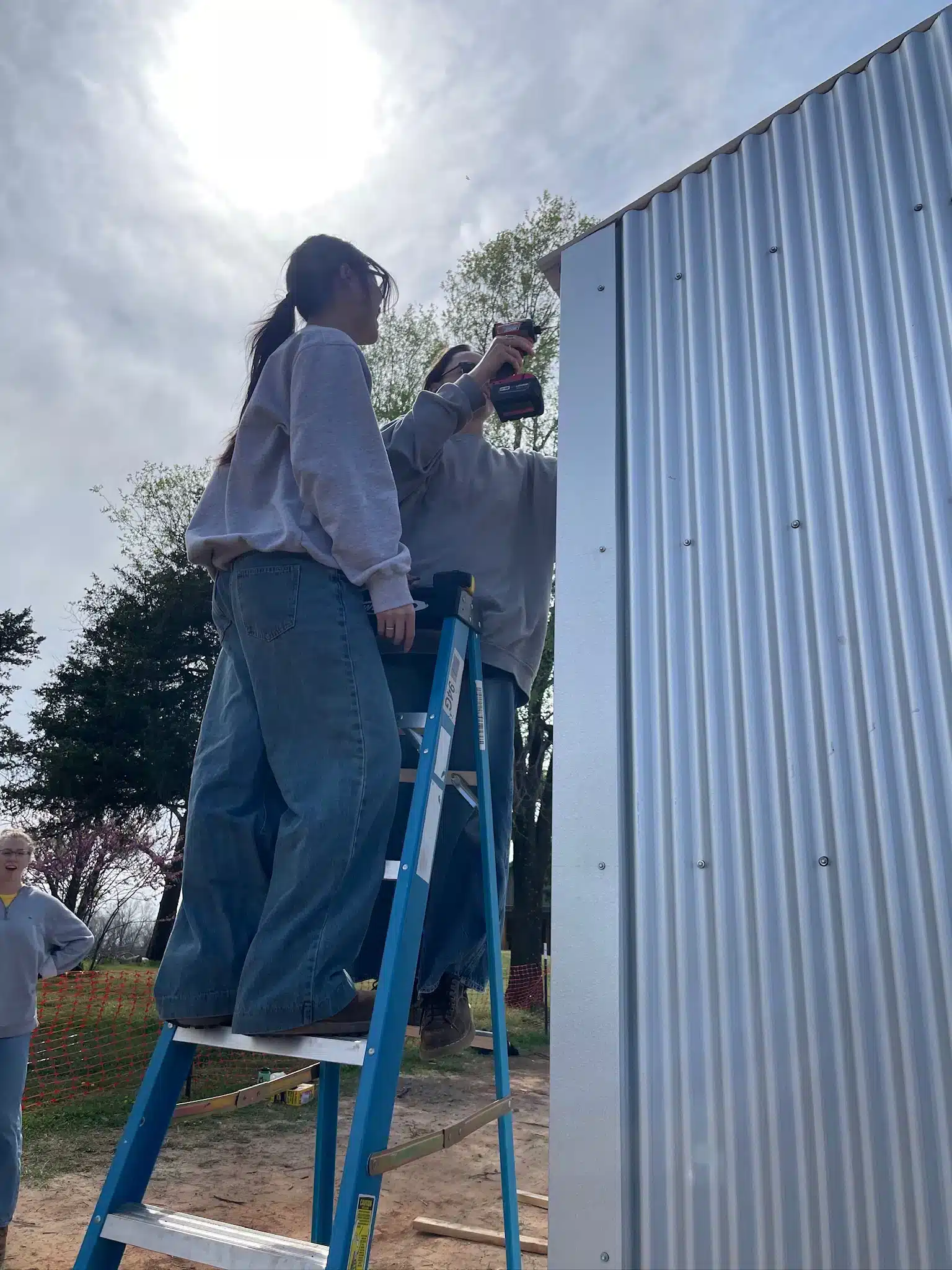
April 2026: Enclosure, mesh systems, and finishes
-
May 2026: Final site work and open house presentation