ARCH 4970/5970
Gibbs Collective Creating Seminar
Envisioning Space is a cross-disciplinary seminar exploring how architecture, art, and technology converge through digital fabrication, computation, and immersive media. Students investigate how data, light, and material behavior inform the design of spatial environments and artifacts that move fluidly between digital modeling and physical construction. Each project begins as a conceptual study in mapping, perception, or environmental response, evolving through generative design, prototyping, and fabrication into tangible works that test the boundaries of material expression.
The course cultivates fluency across digital tools and fabrication workflows, challenging students to transform information into experience. Projects span architecture, industrial design, and installation, producing hybrid outcomes that exist as both visualization and built artifact. Emphasis is placed on precision, experimentation, and reflection, encouraging students to see making as both an analytical process and a creative act. By merging conceptual inquiry with technological rigor, Envisioning Space positions design as a means of discovery—where craft, computation, and imagination meet to redefine how we perceive and construct space.
ARCH 4970/5970
Gibbs Collective Creating Seminar
Envisioning Space is a cross-disciplinary seminar exploring how architecture, art, and technology converge through digital fabrication, computation, and immersive media. Students investigate how data, light, and material behavior inform the design of spatial environments and artifacts that move fluidly between digital modeling and physical construction. Each project begins as a conceptual study in mapping, perception, or environmental response, evolving through generative design, prototyping, and fabrication into tangible works that test the boundaries of material expression.
The course cultivates fluency across digital tools and fabrication workflows, challenging students to transform information into experience. Projects span architecture, industrial design, and installation, producing hybrid outcomes that exist as both visualization and built artifact. Emphasis is placed on precision, experimentation, and reflection, encouraging students to see making as both an analytical process and a creative act. By merging conceptual inquiry with technological rigor, Envisioning Space positions design as a means of discovery—where craft, computation, and imagination meet to redefine how we perceive and construct space.
Envisioning Space is an advanced digital design and fabrication seminar that examines how spatial ideas are conceived, represented, and constructed across physical and digital environments. The course challenges students to rethink architectural process through experimentation and technology, merging art, design, and fabrication into an integrated creative practice. Students explore how perception, data, and cultural context can inform the production of new spatial forms and immersive experiences. Through conceptual modeling, algorithmic design, and prototyping, they investigate the translation of information into material and sensory outcomes. The seminar encourages risk-taking and curiosity, positioning digital tools not as endpoints but as instruments for discovery and creative transformation.
The seminar develops both conceptual and technical fluency by bridging theory, computation, and making. Students learn to integrate parametric modeling, generative scripting, and data-driven design strategies into iterative design processes. Environmental, cultural, or perceptual data become design inputs that shape both material and formal outcomes. Digital geometries are translated into realized artifacts through advanced fabrication workflows, including CNC milling, laser cutting, and 3D printing. Throughout the semester, students learn to synthesize design thinking and craft, developing work that is conceptually grounded and technically refined. The course also emphasizes the ability to present and critique design through high-quality visualizations, physical prototypes, and interactive documentation. These objectives establish a foundation for independent inquiry, giving students the confidence to approach emerging technologies as active collaborators in their creative process.
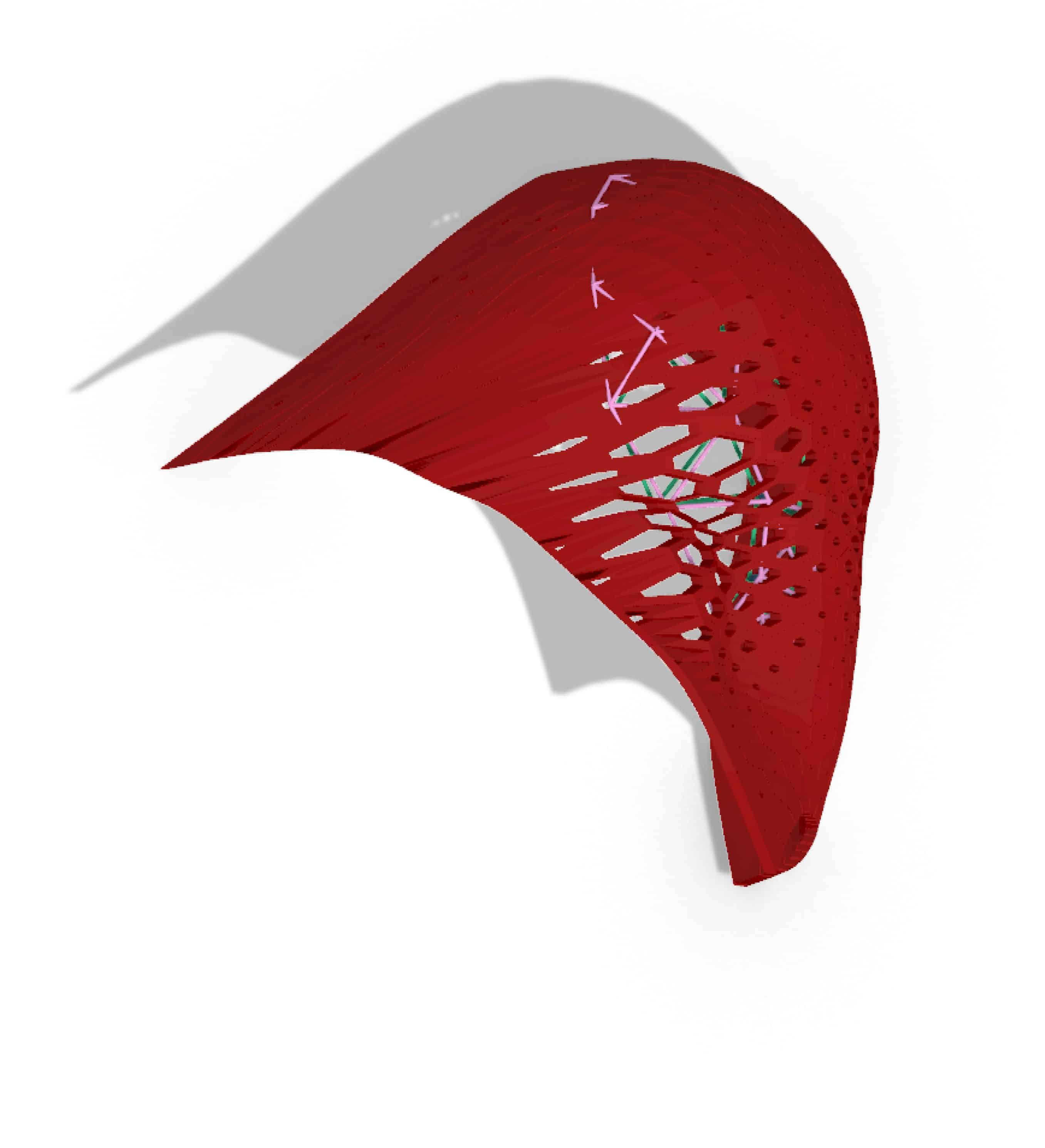
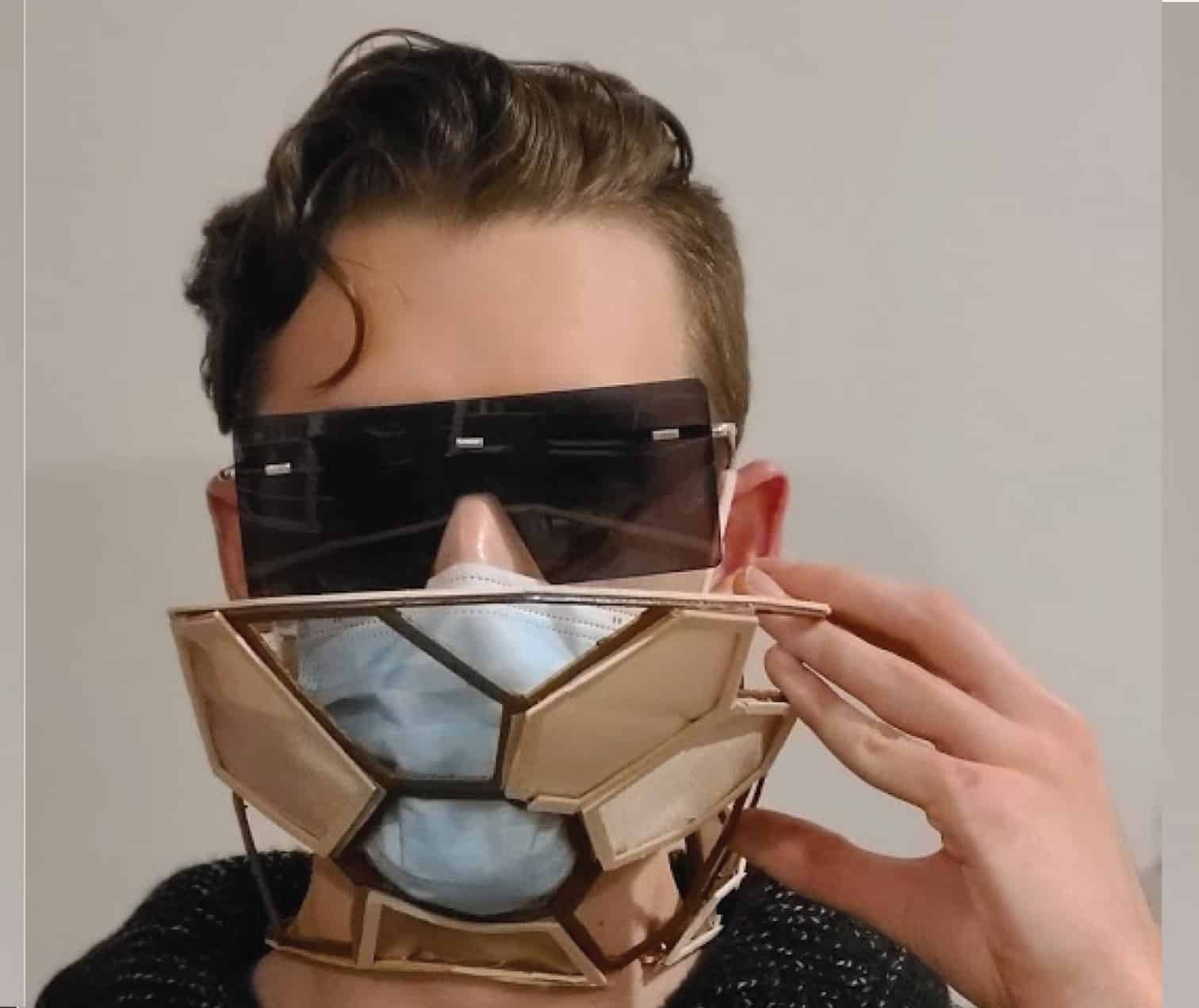
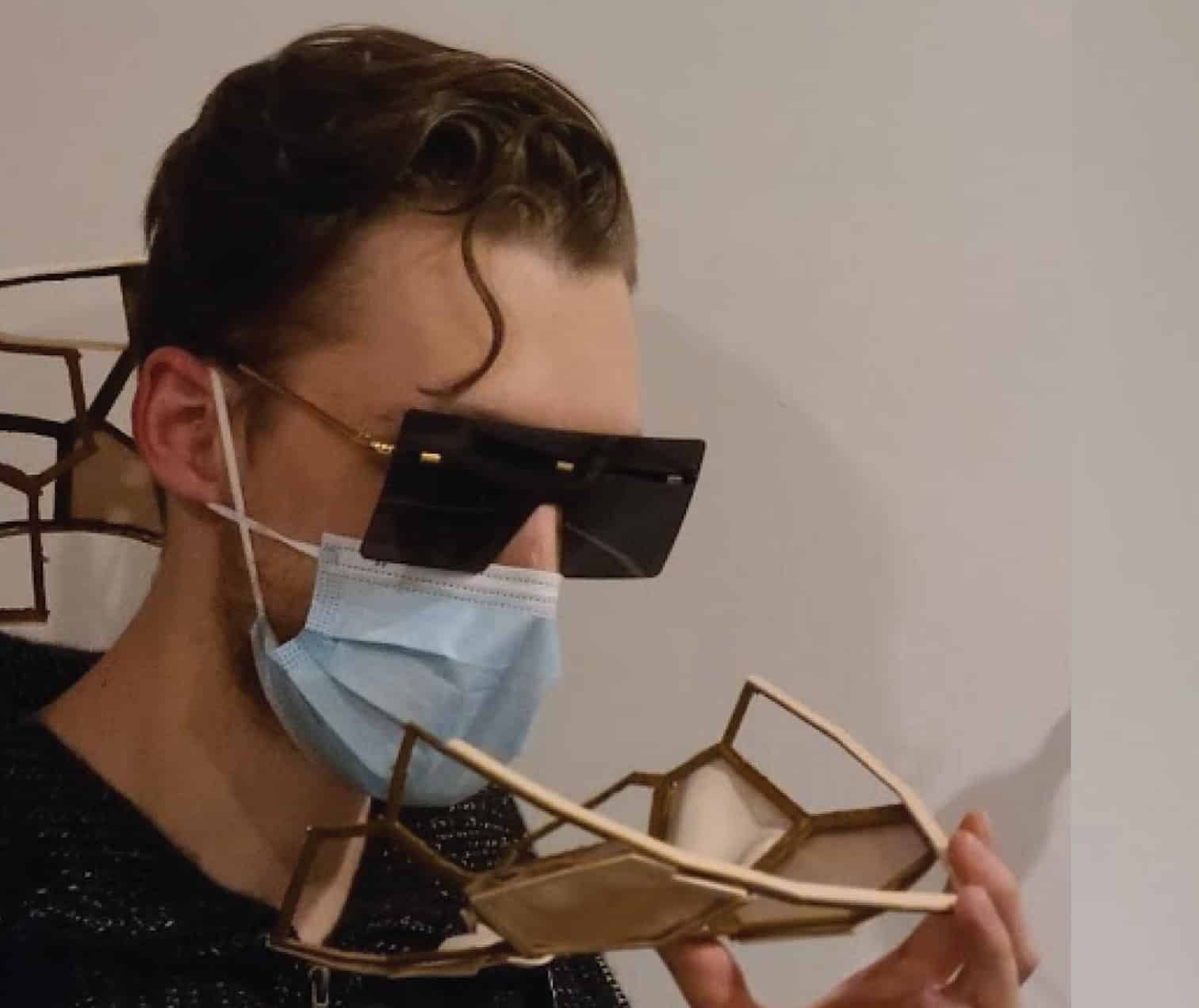
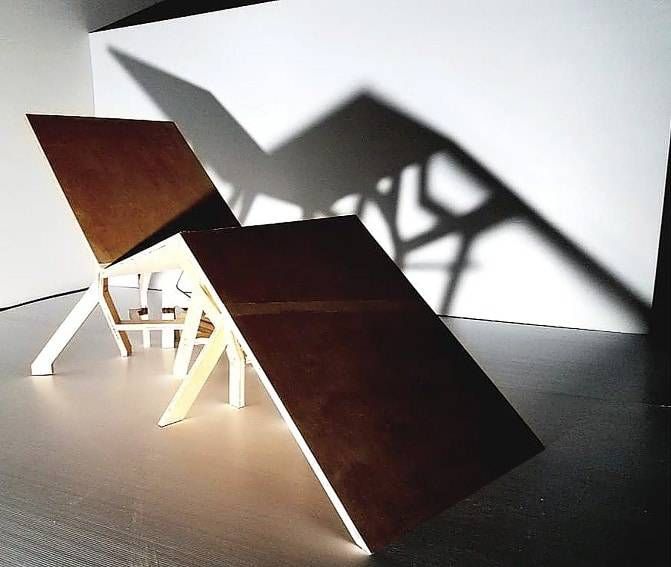
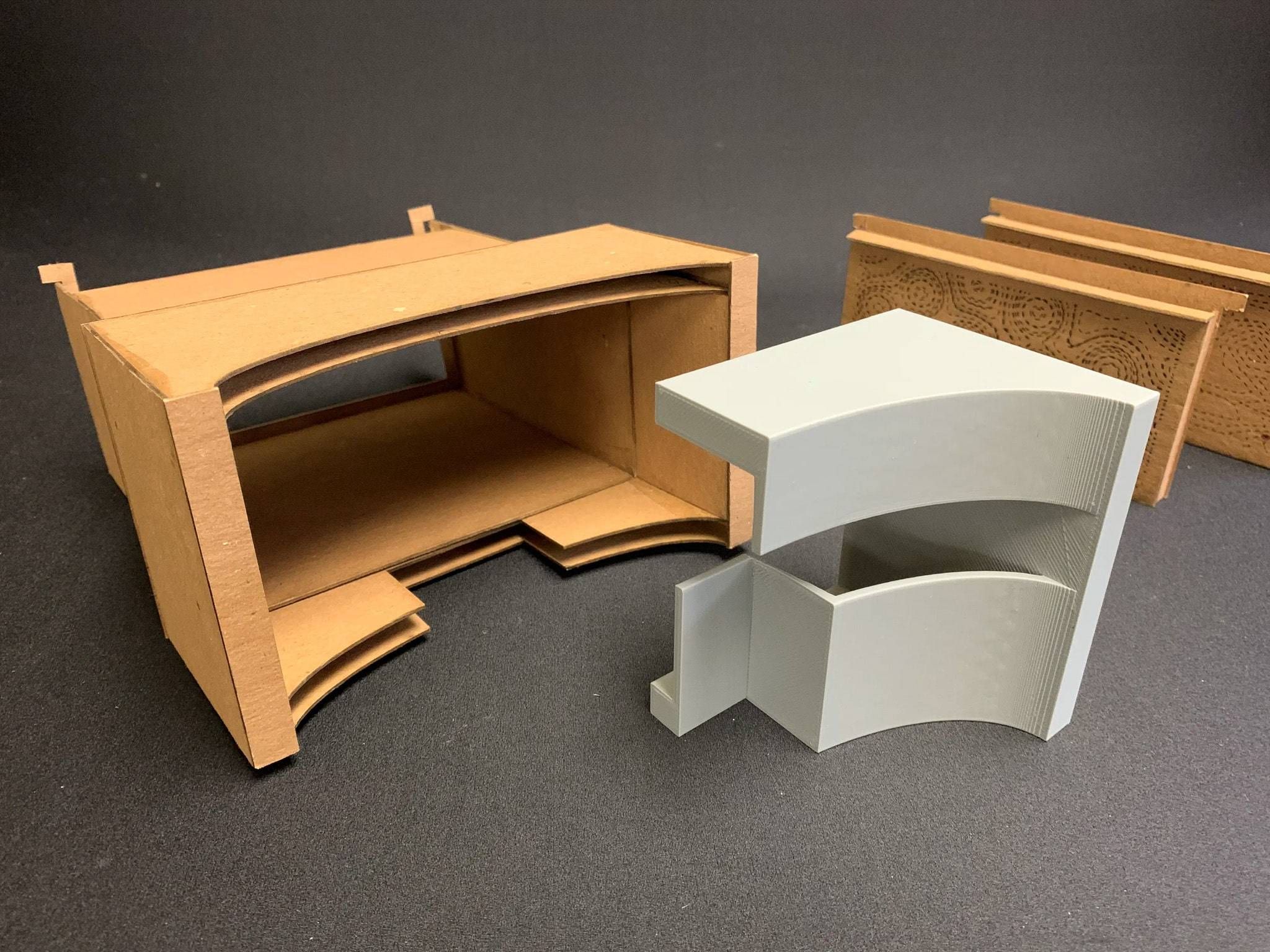
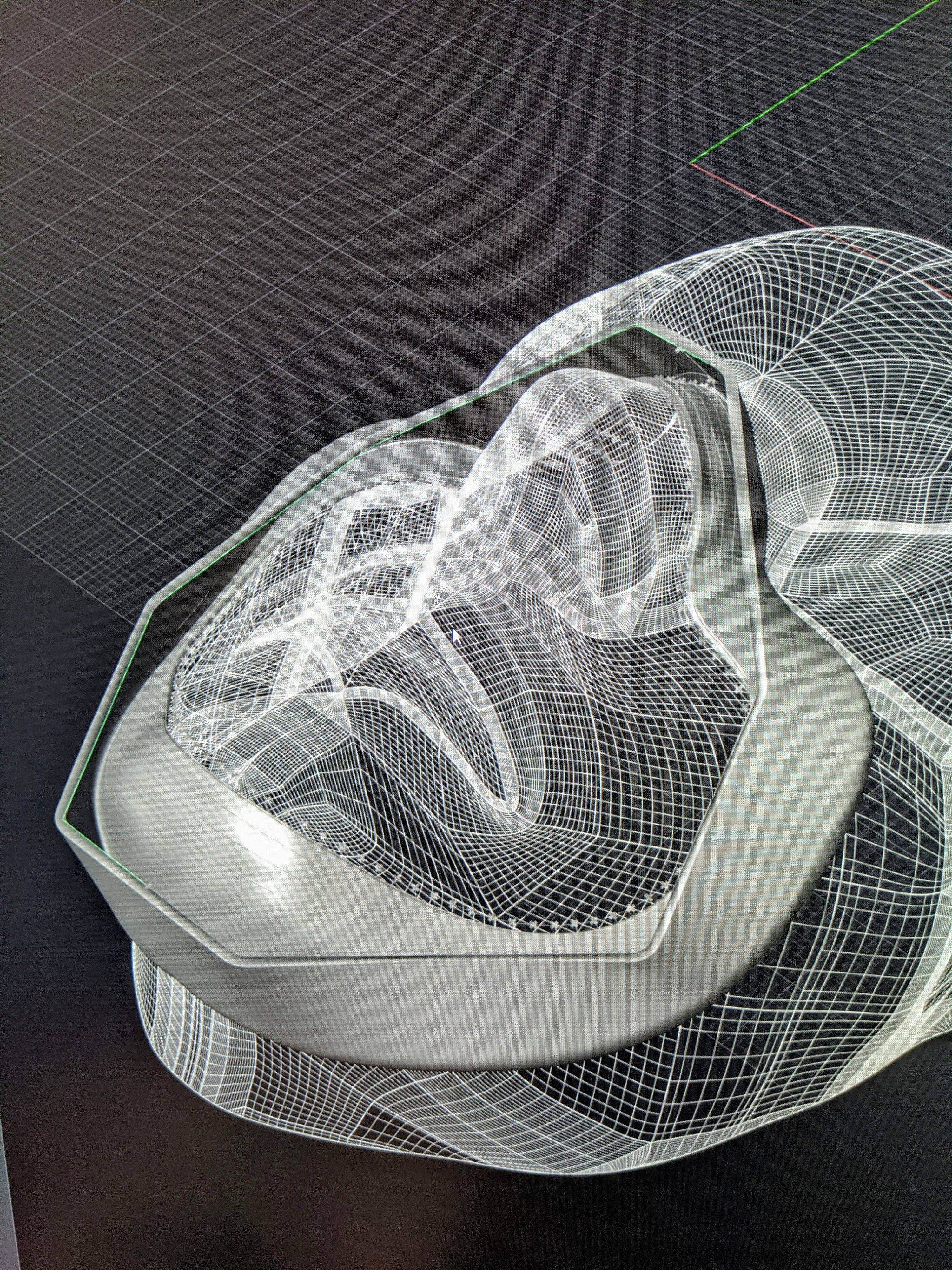
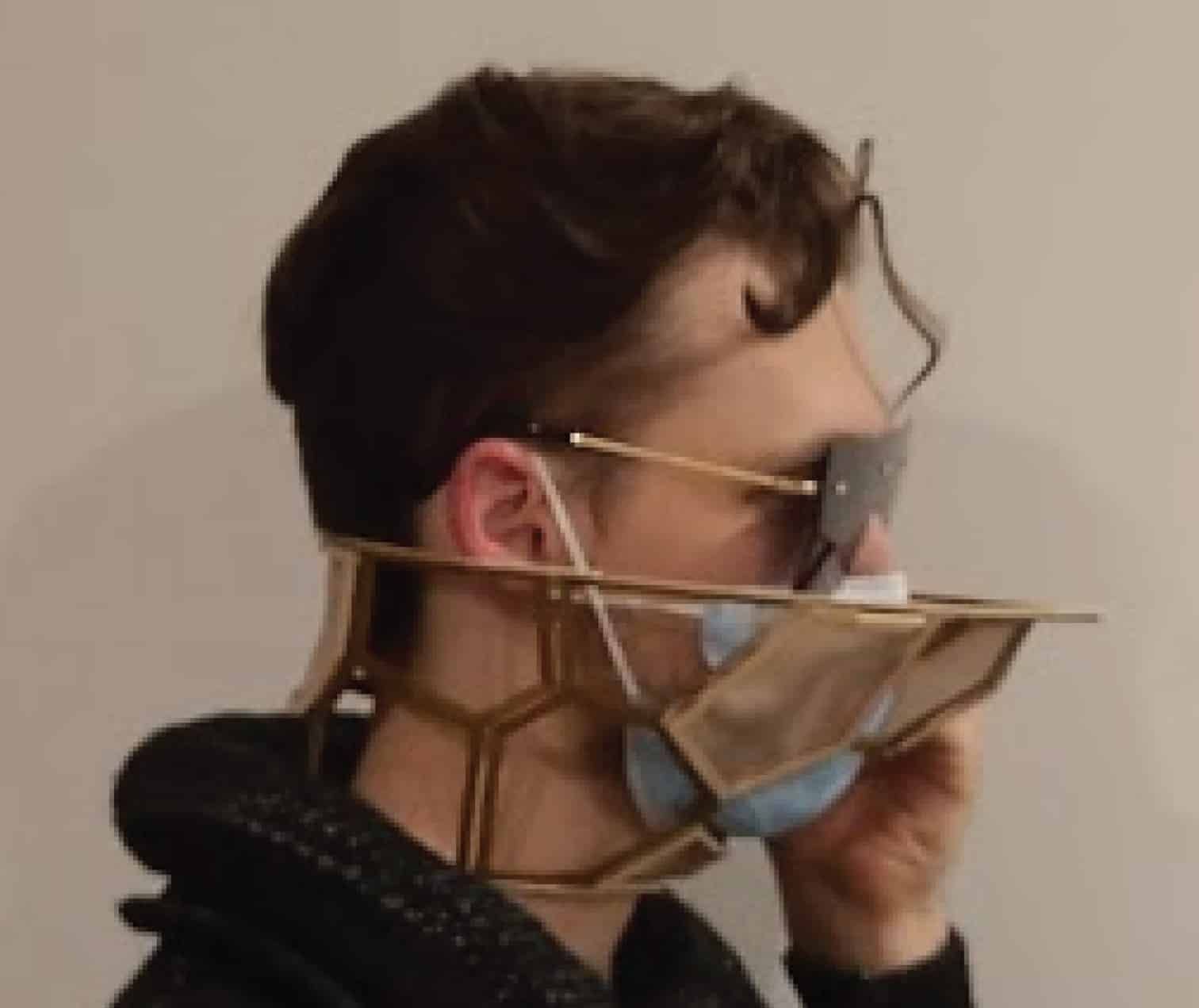
Each semester, students produce a series of projects that combine digital precision with physical experimentation. Assignments progress from conceptual frameworks—such as perception, mapping, and data visualization—to realized forms that merge computation, structure, and material behavior. Past projects include Wearable Architecture, Informed Systems: Data-Driven Surfaces, and Mobile Medical Clinic for the Wichita Housing Authority. These exercises integrate environmental or bodily data with fabrication workflows, resulting in hybrid artifacts that cross the boundaries of architecture, product design, and installation. Students are encouraged to develop their own conceptual approach while engaging with technical and cultural questions. Projects culminate in physical prototypes fabricated in the Creating_Making Lab, often incorporating generative modeling, pattern development, or responsive surface geometries. The outcomes of this course are frequently experimental, sometimes unconventional, but always grounded in process, craft, and precision.
This seminar operates through a series of topic-based modules that rotate each academic year. Each topic introduces a unique lens for exploring computation, fabrication, and perception while reinforcing the seminar’s central goal: to translate data, experience, and material intelligence into spatial form.
Focus: Perception, data, and representation — mapping sensory and environmental phenomena through computational and physical techniques.
Projects:
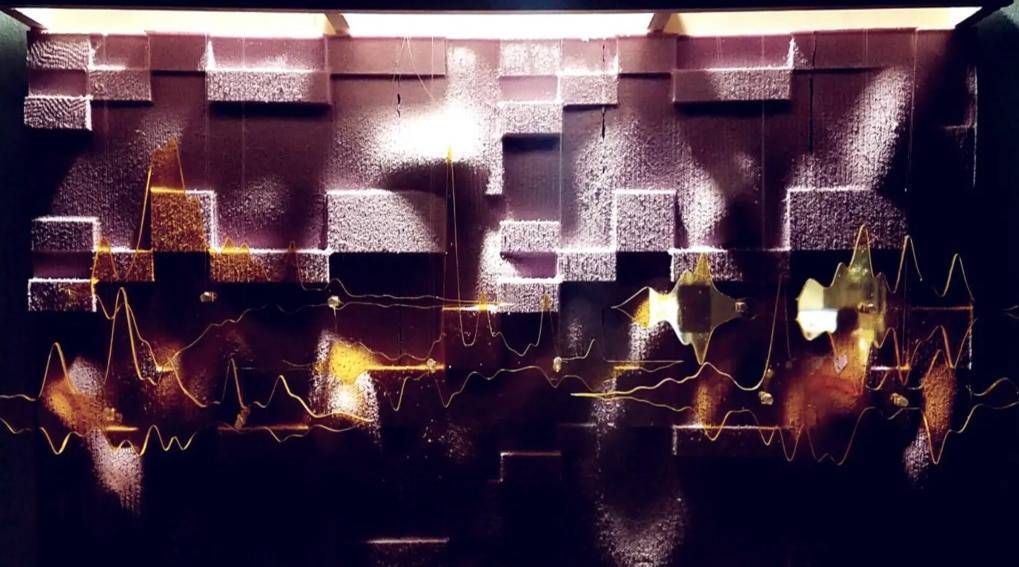
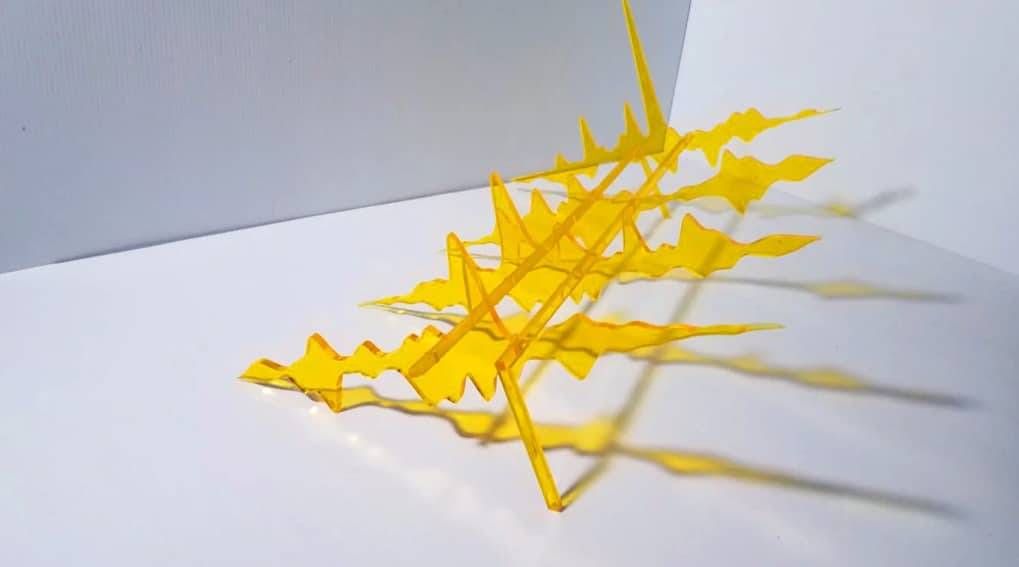
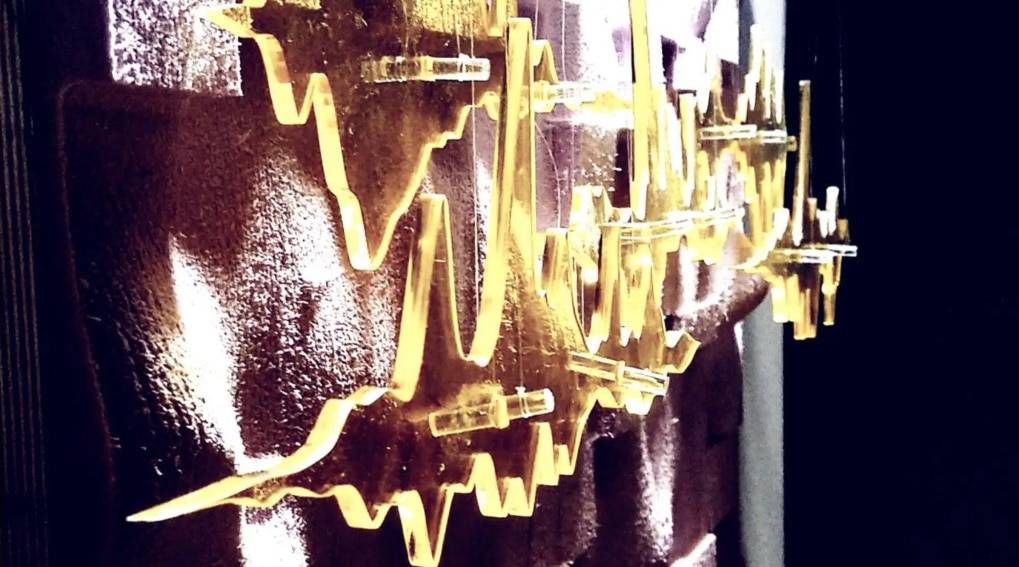
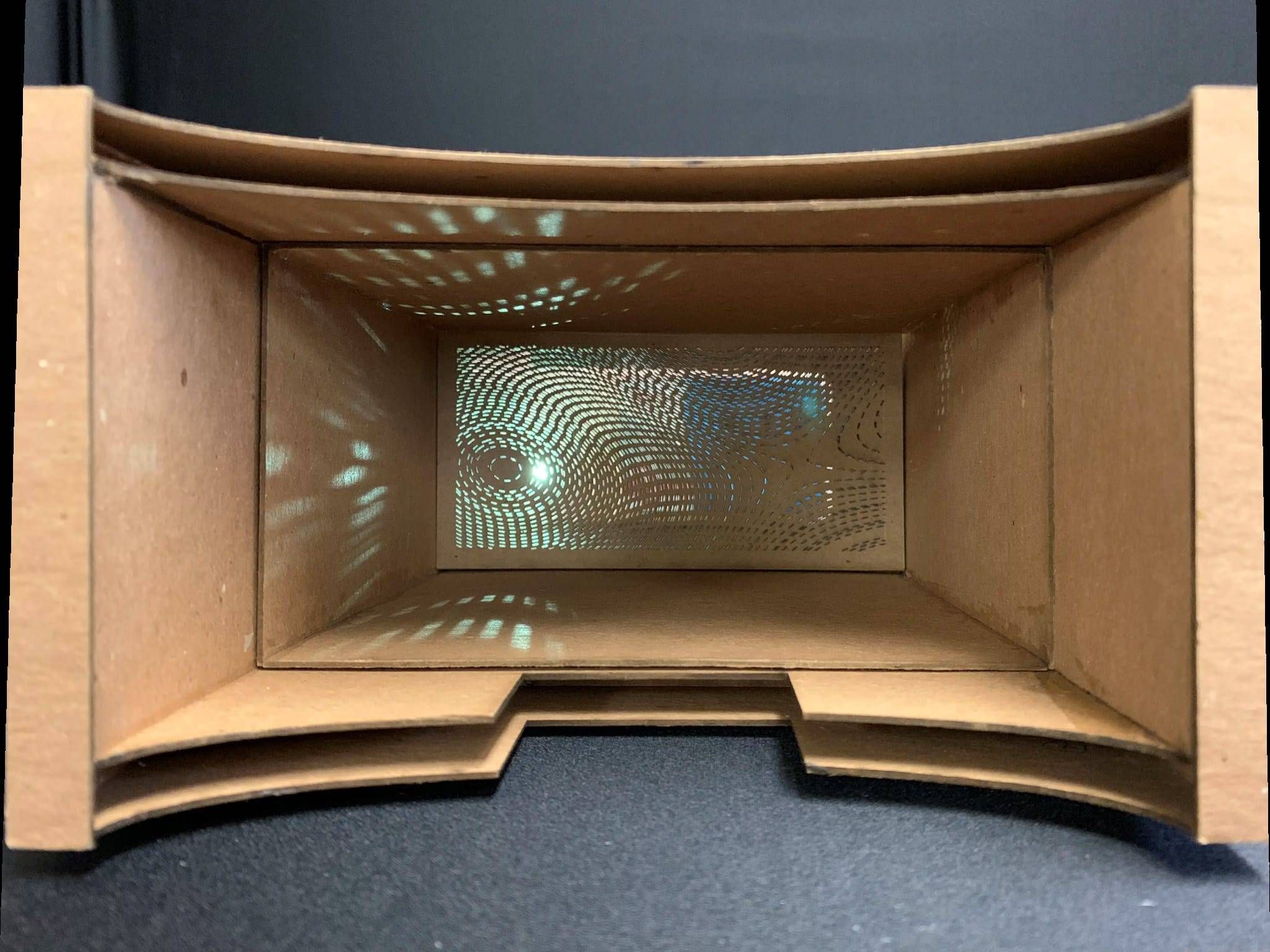
Visualizing the Sounds of an Arrangement — translating sound into spatial and graphic form through data collection and parametric modeling.
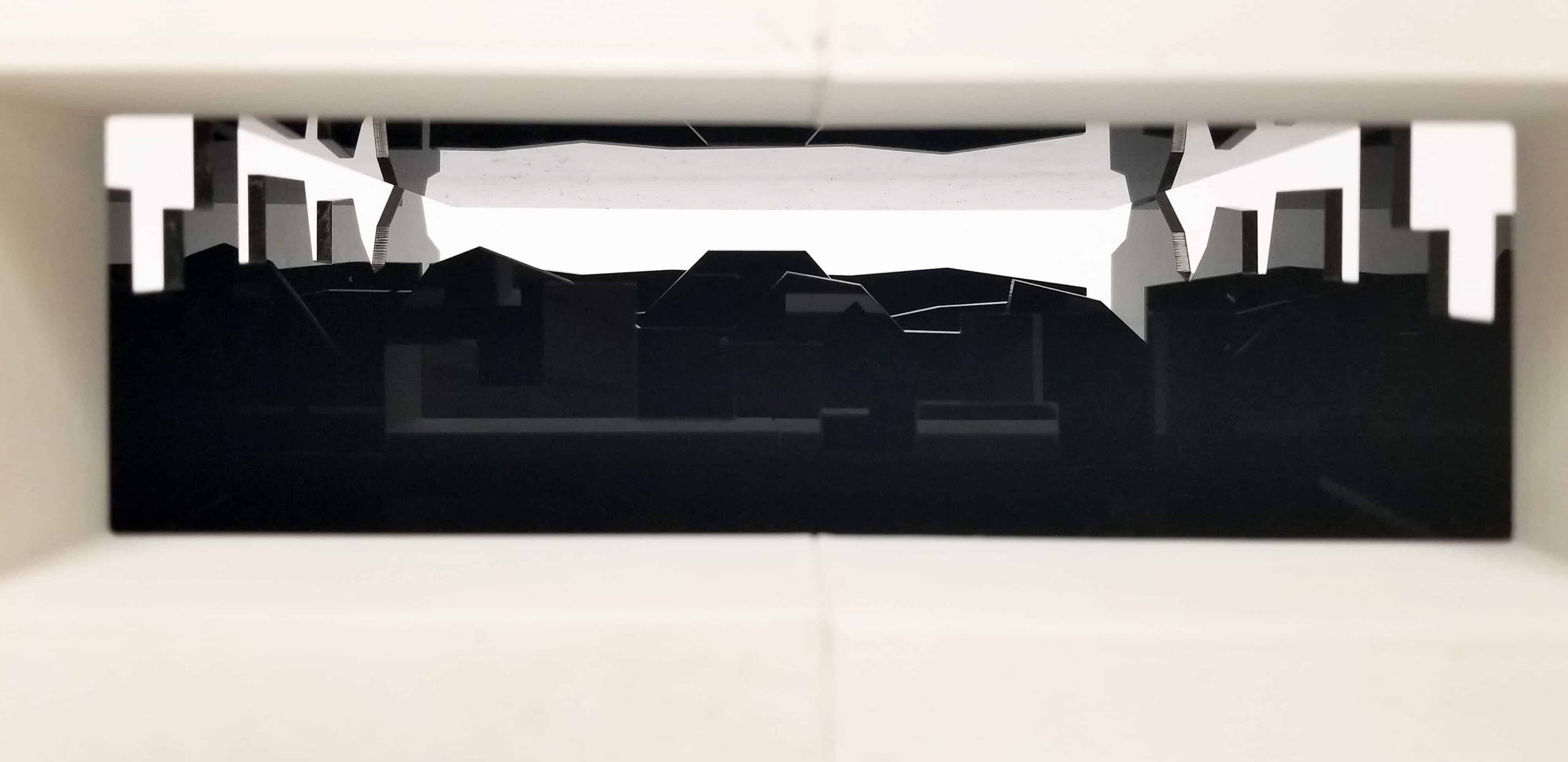
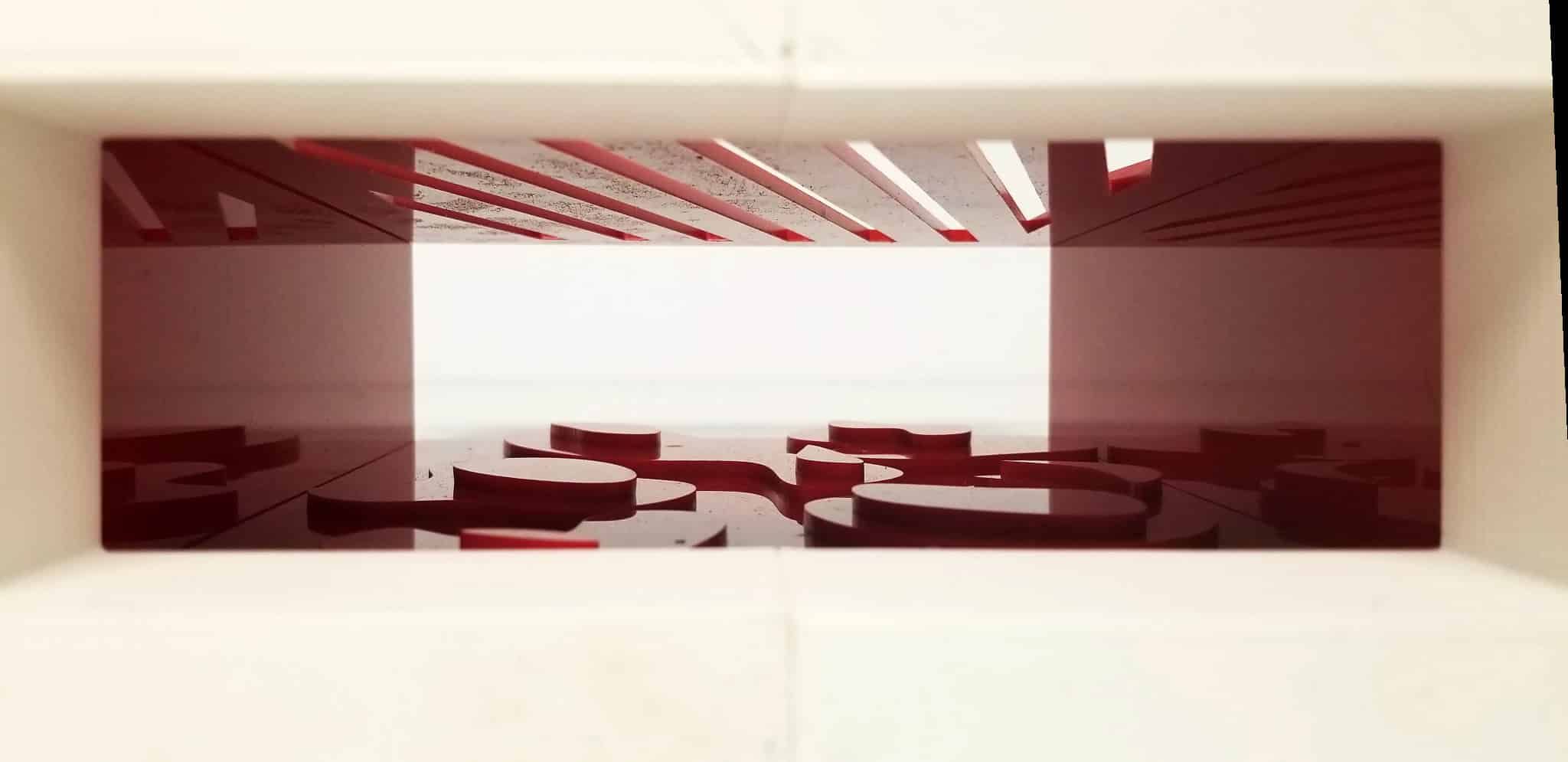
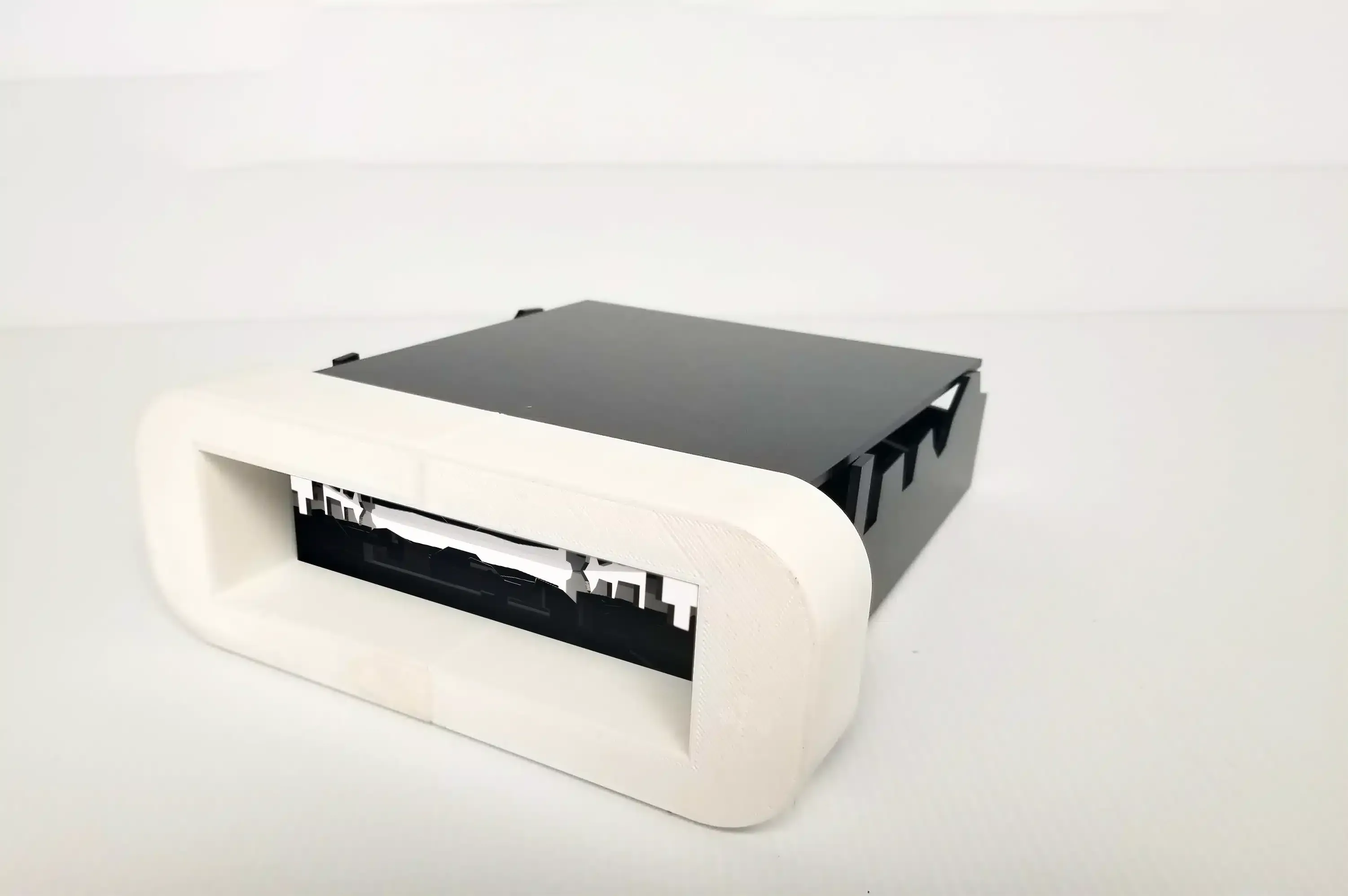
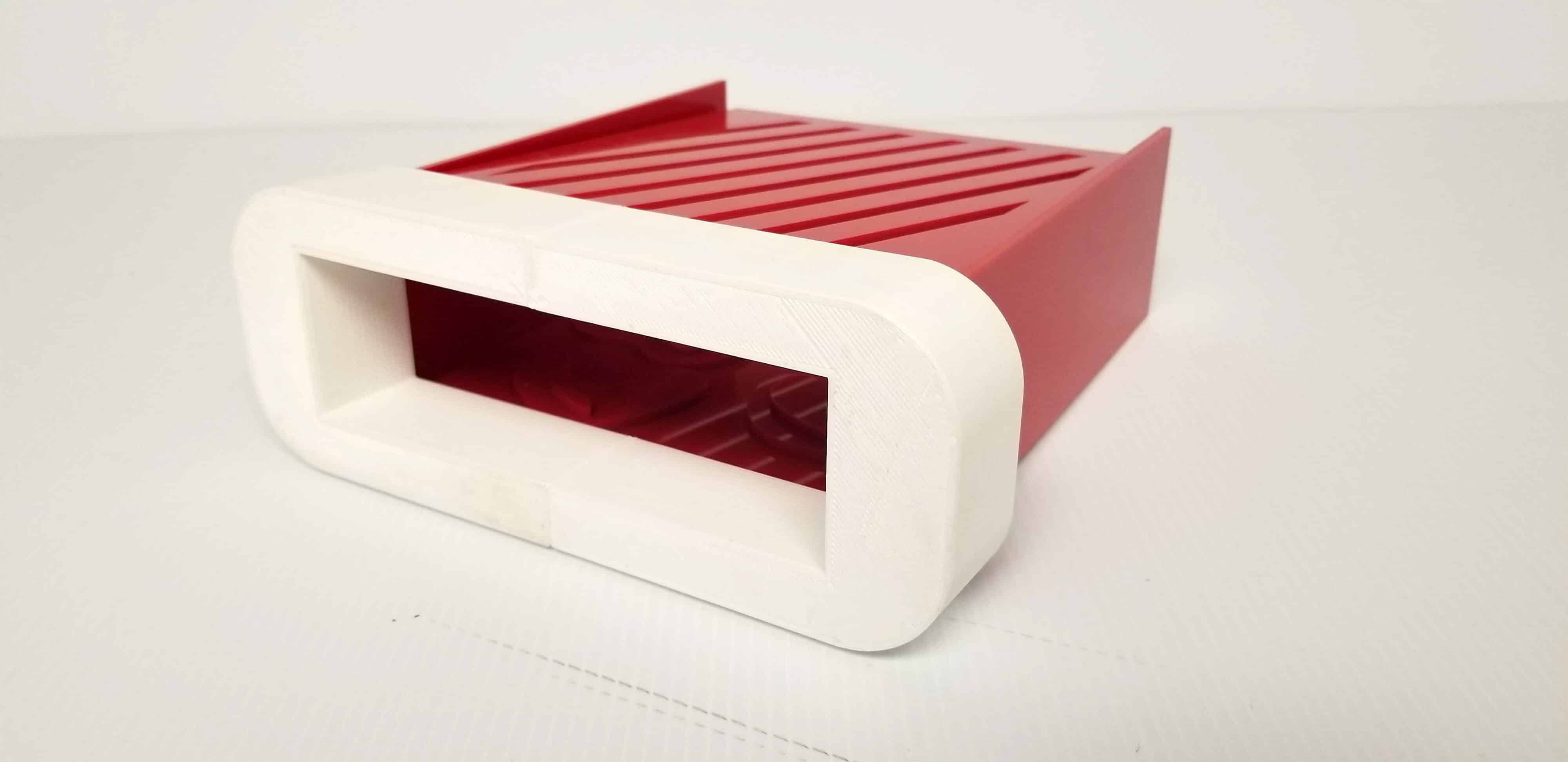
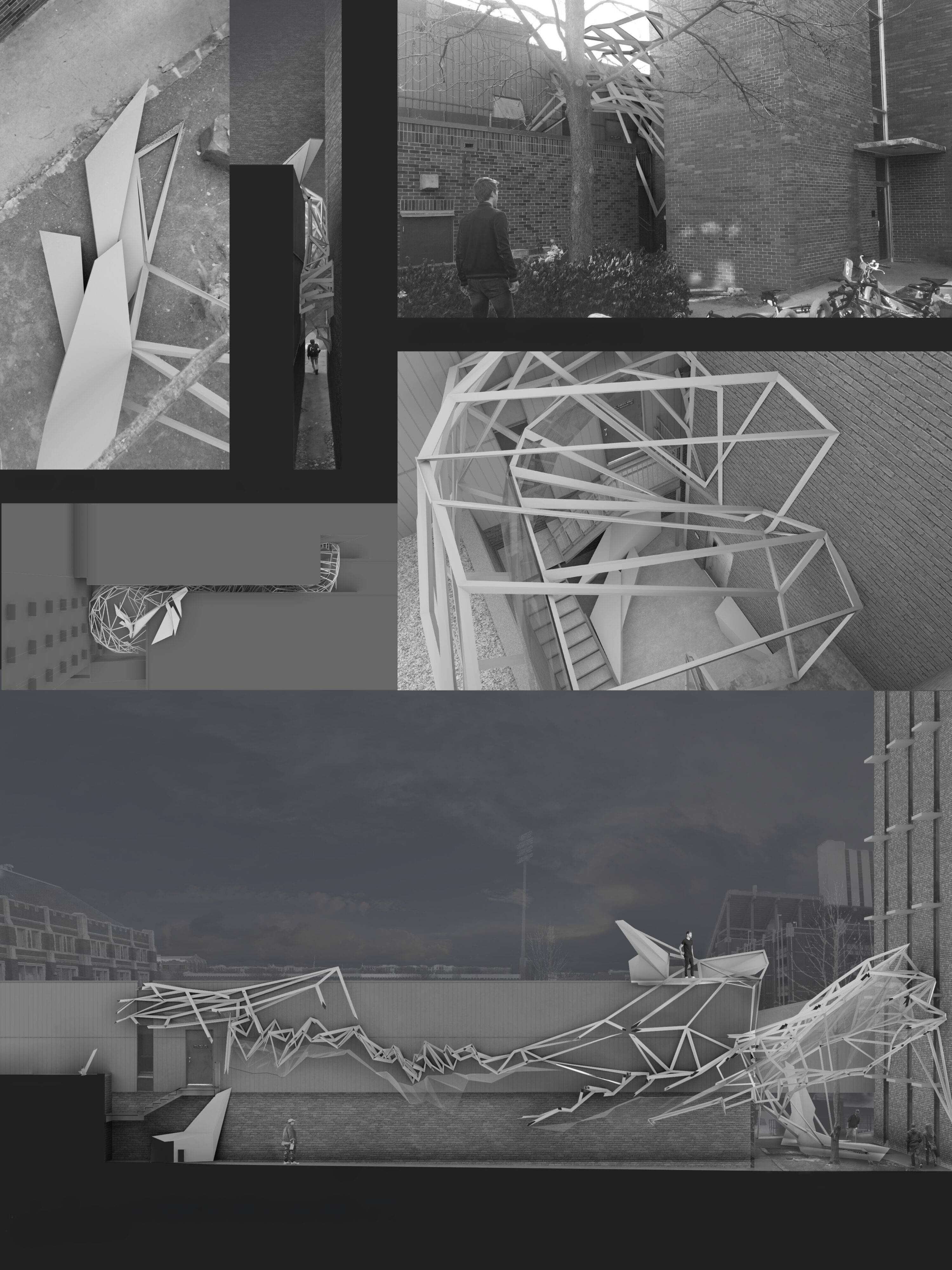
Framing a Sense of Place — exploring representation, perspective, and contextual framing as design drivers for spatial artifacts.
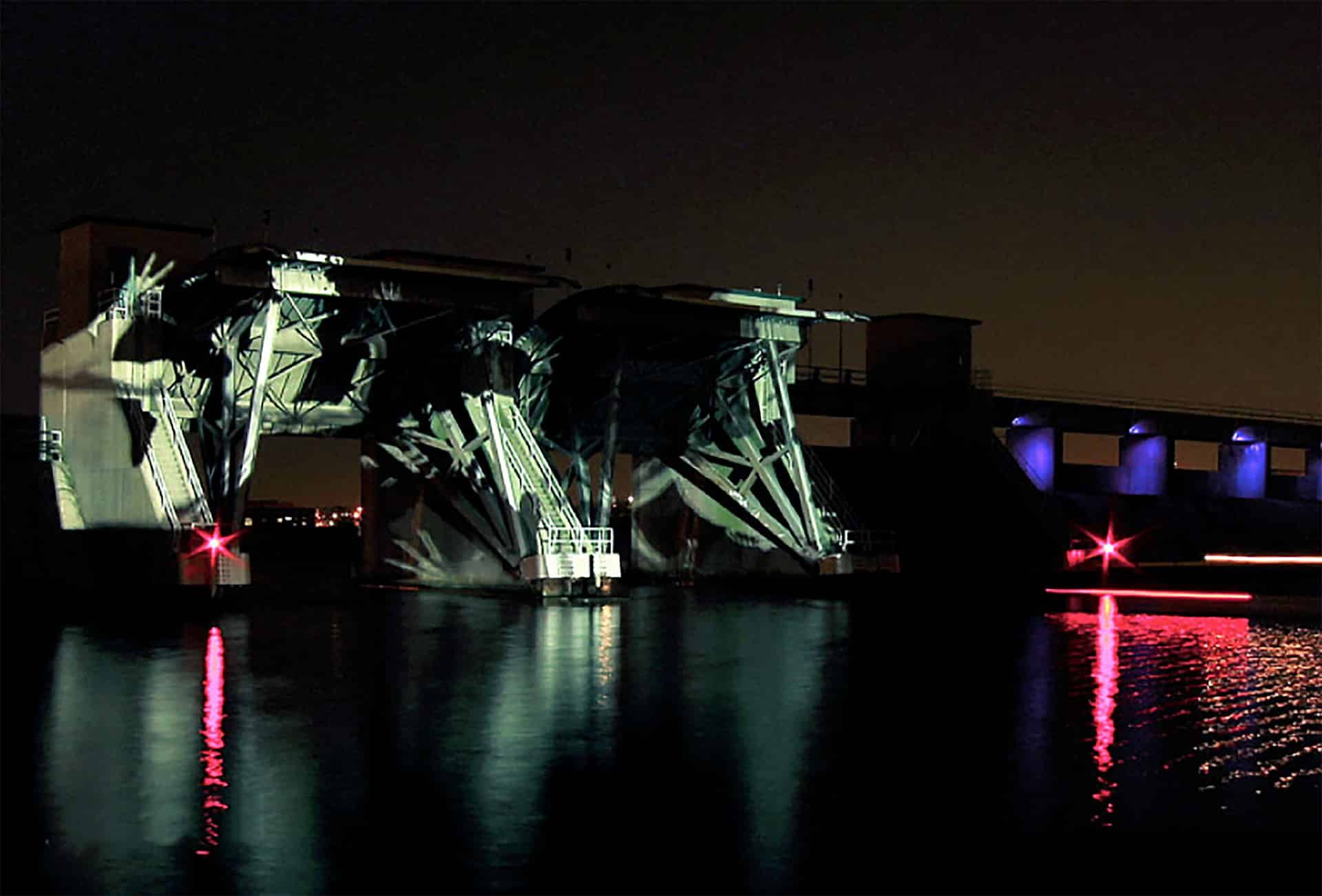
Augmentation of a Performance — developing installations that respond to movement, performance, or environmental input.
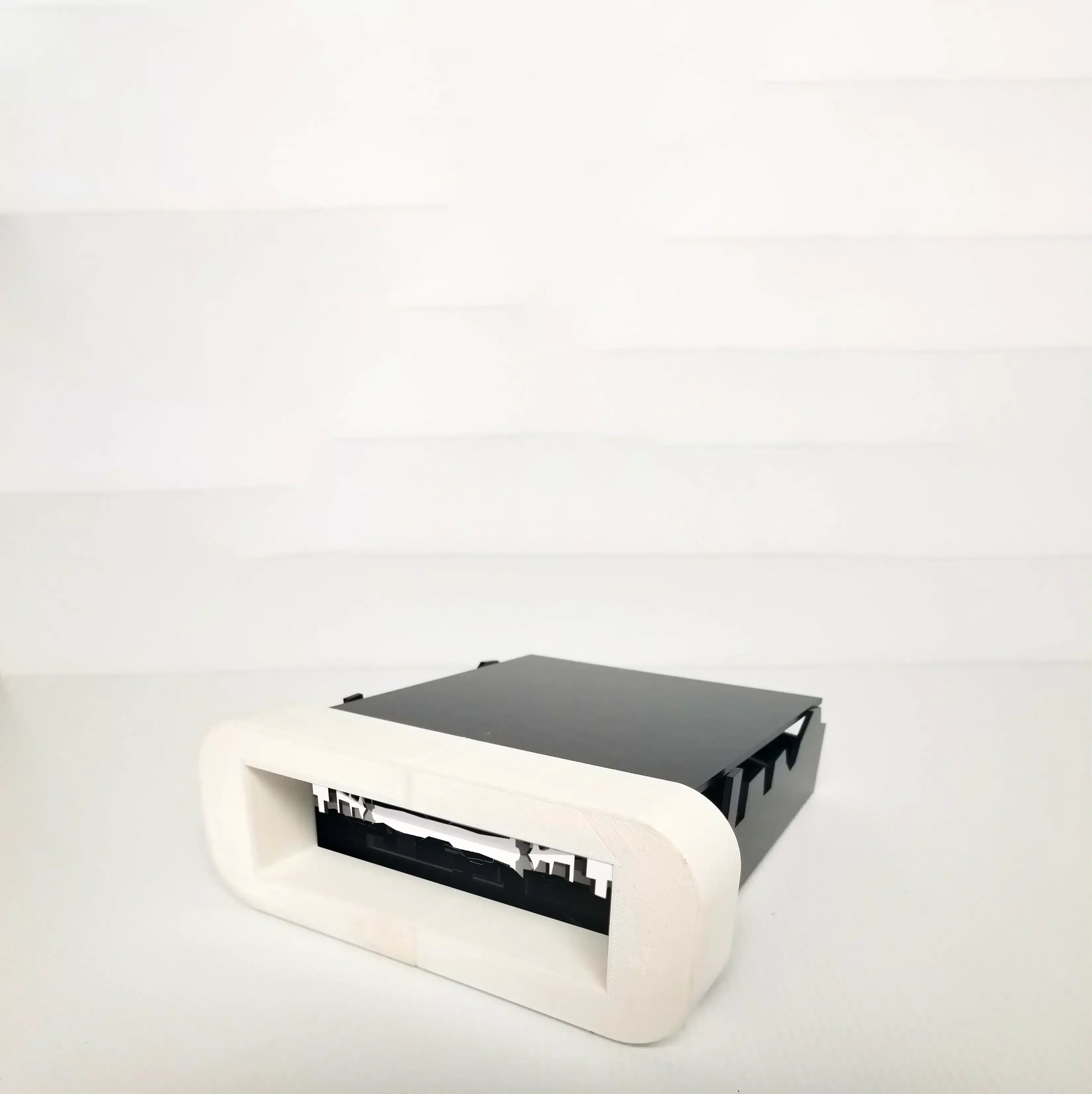
Presenting a Pause — creating spatial moments of reflection and stillness through material layering, light, and scale.
Tools & Methods: Rhino, Grasshopper, Processing, Python, data mapping, CNC milling, 3D printing, laser cutting.
Outcome: Data-informed installations and models combining environmental mapping, sensory design, and digital fabrication.
Focus: Generative fabrication and computational design — using scripting and digital workflows to drive physical production.
Projects:
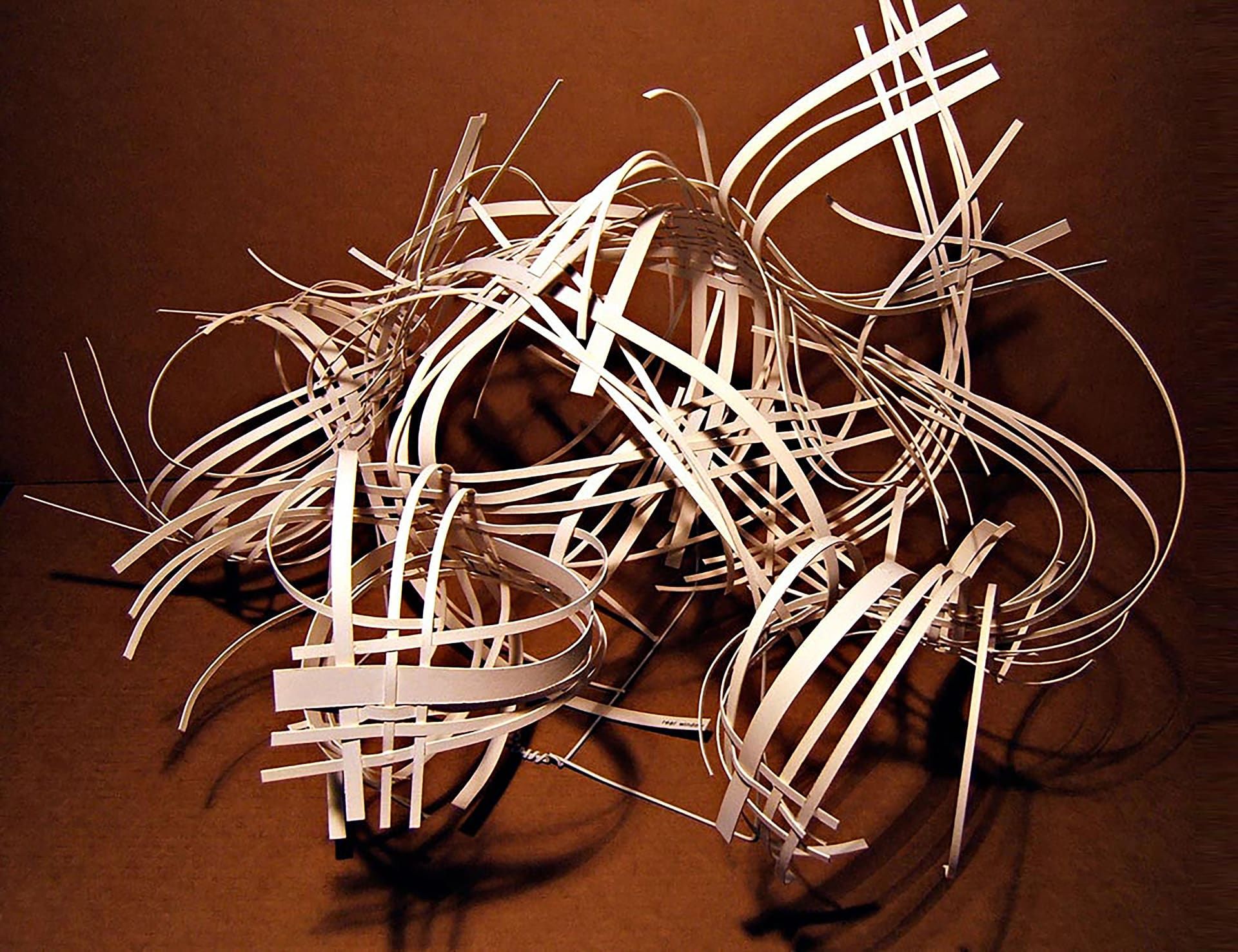
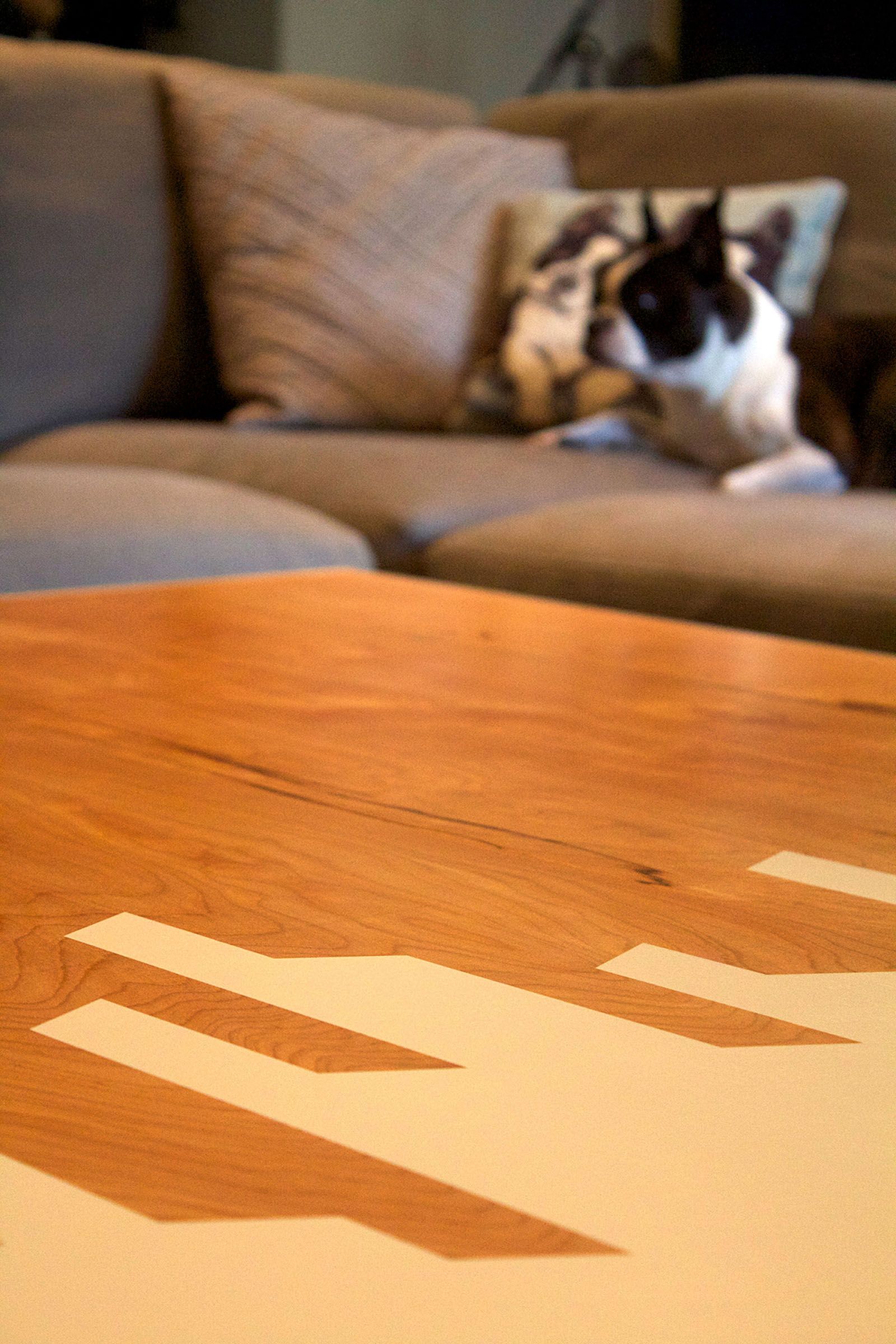
Coplanar Threading — examining planar relationships through digital modeling and layered construction.
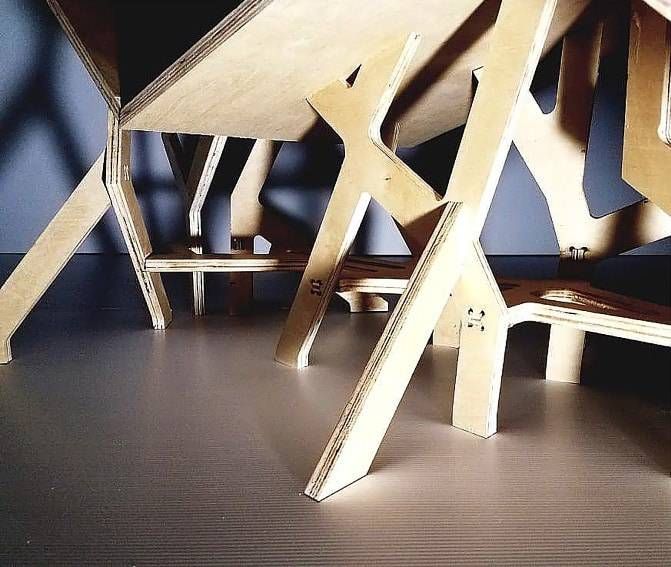
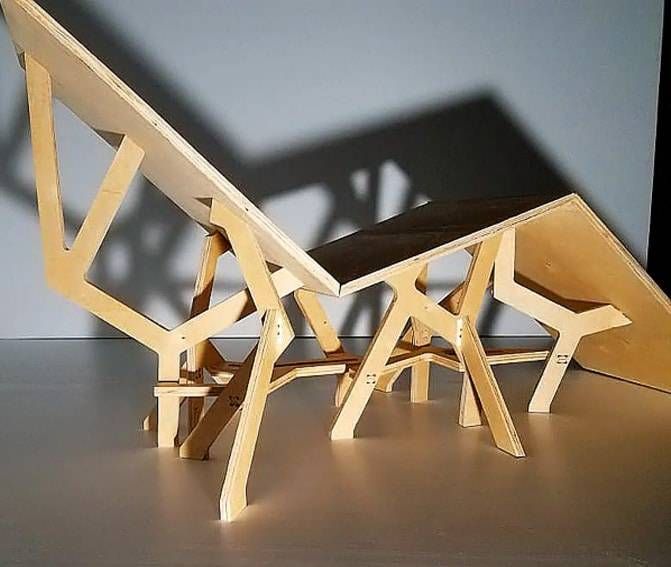
Constructive Geometries — studying the assembly logic of geometric systems and digital joinery.
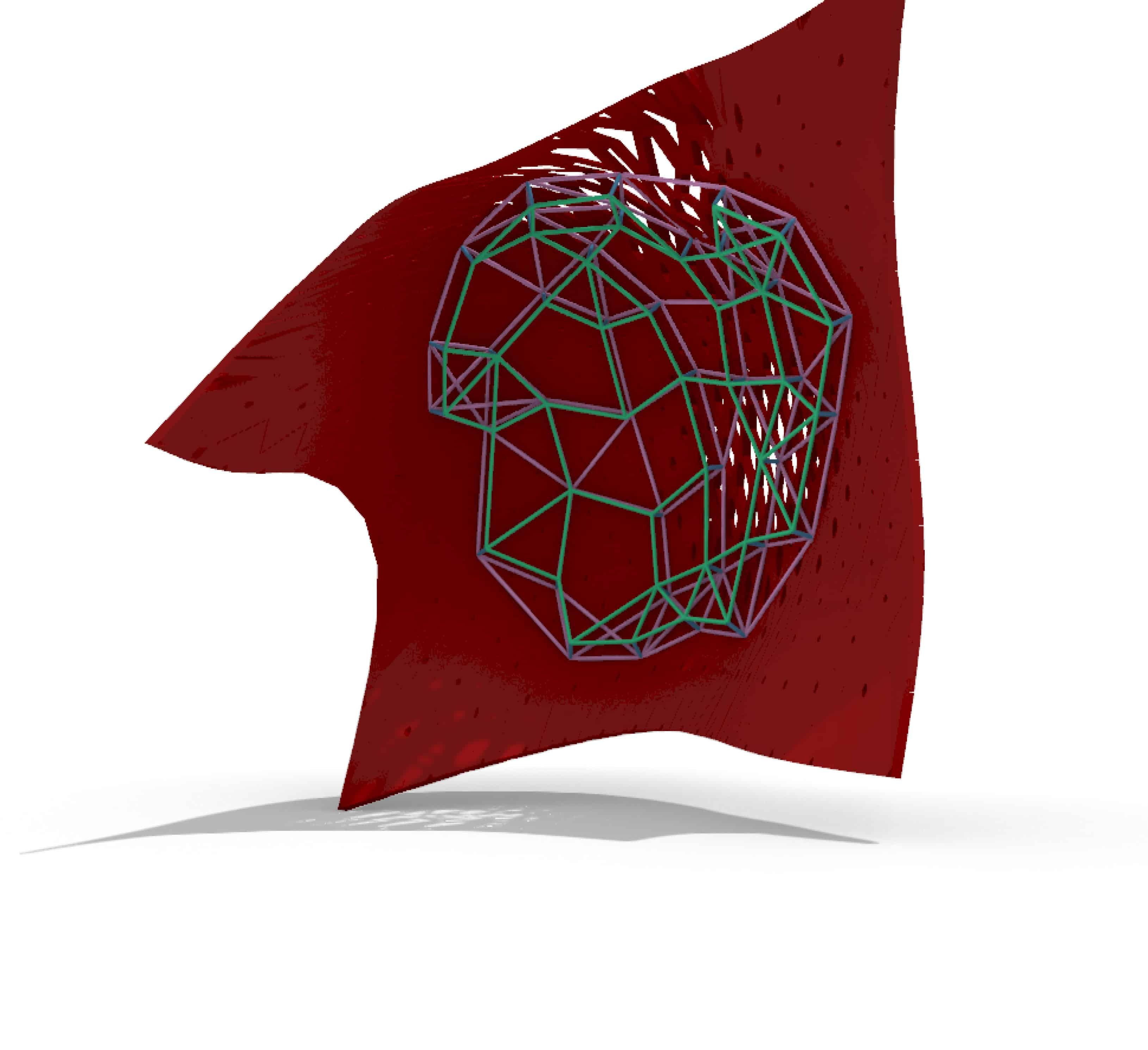
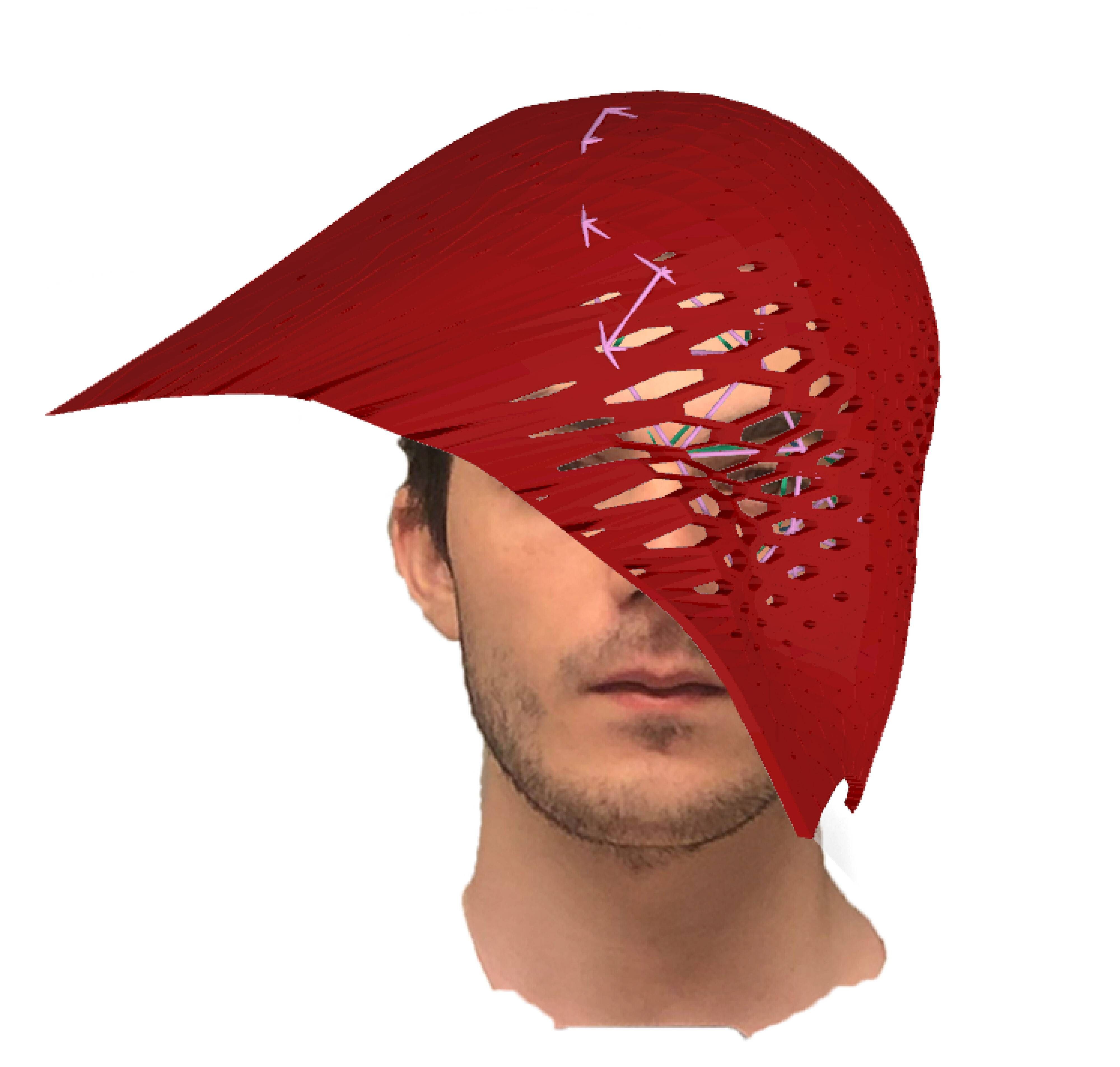
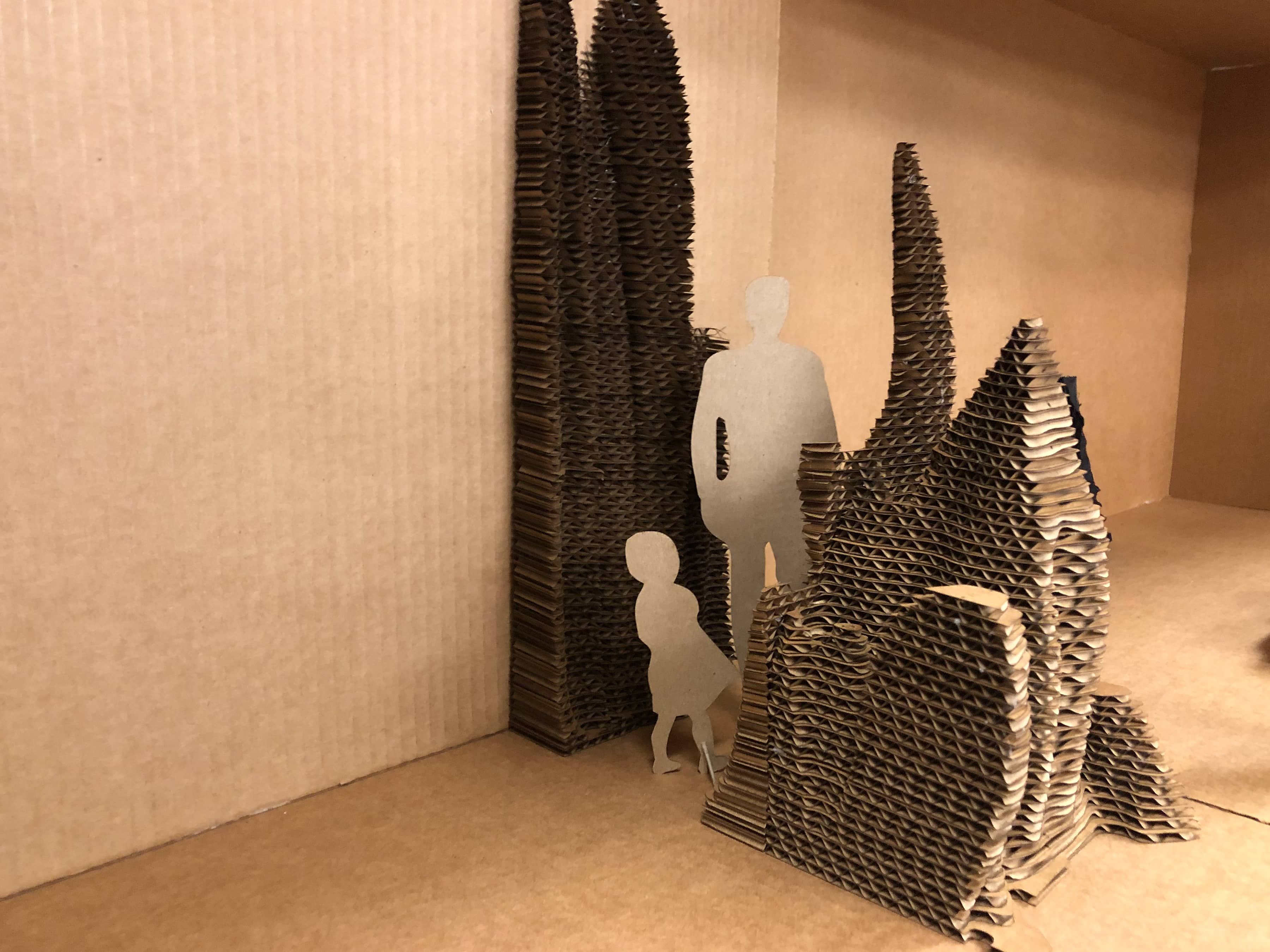
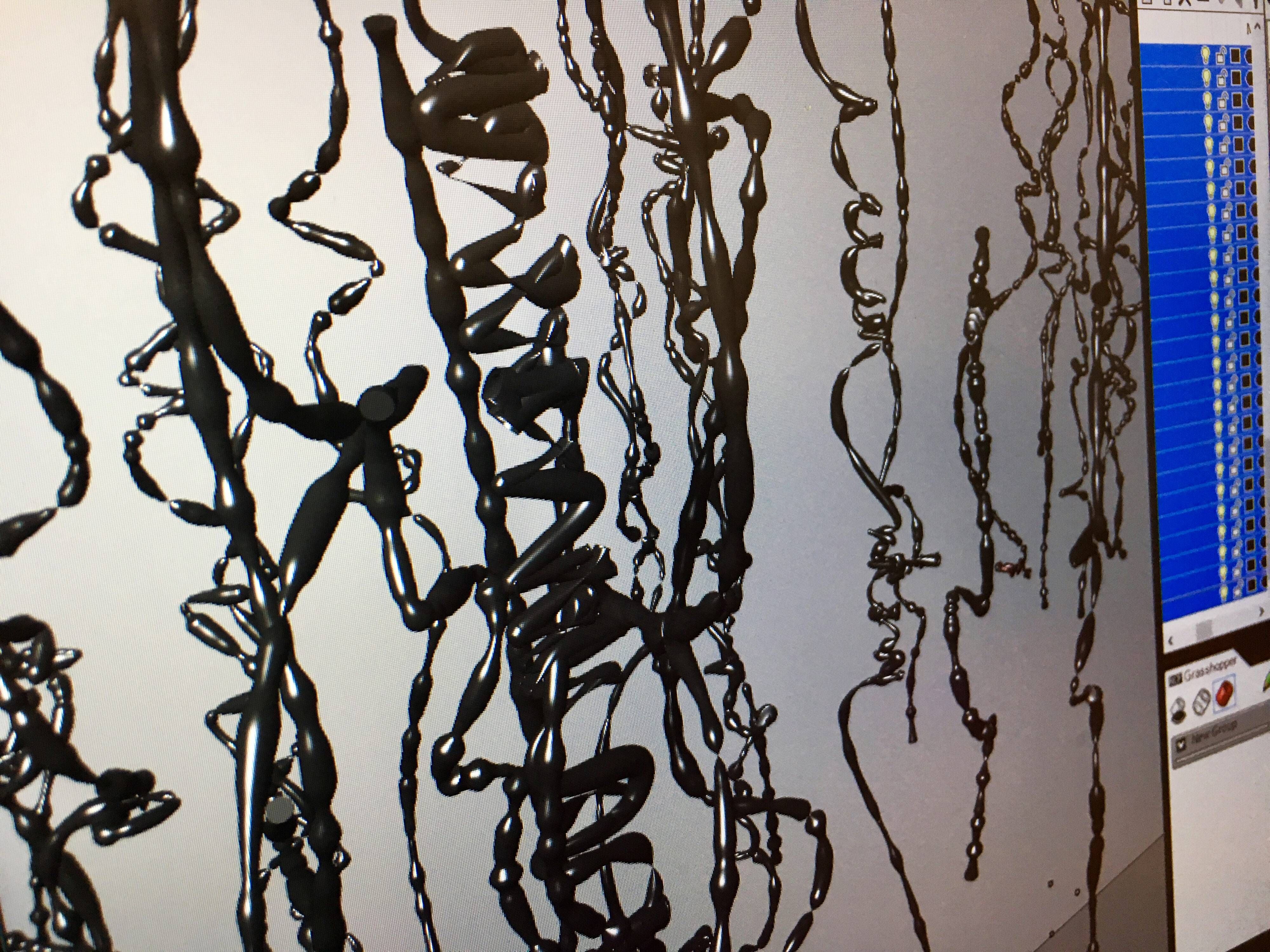
Informed Systems: Data-Driven Surfaces — designing adaptive surfaces derived from environmental or user-generated datasets.
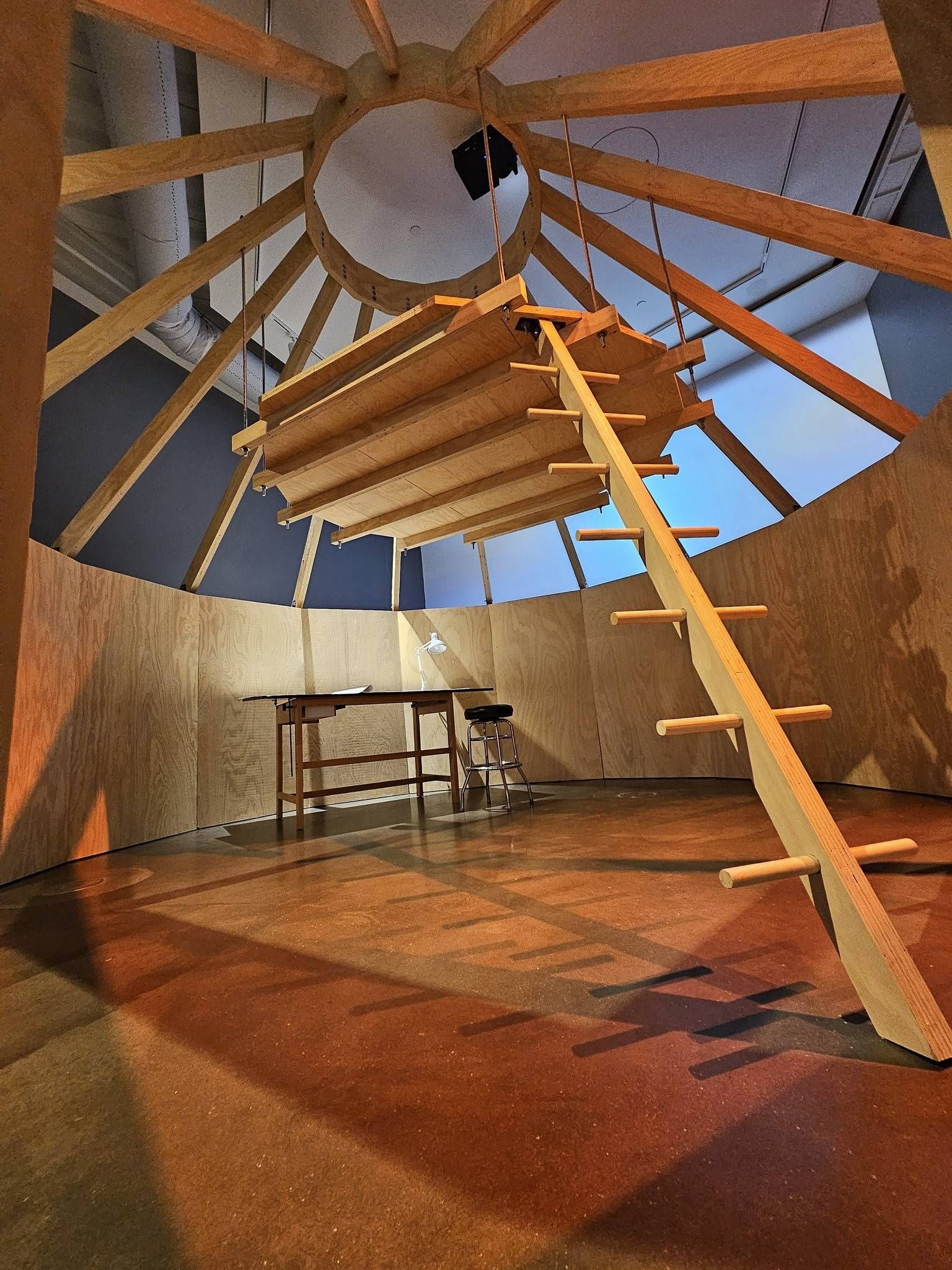
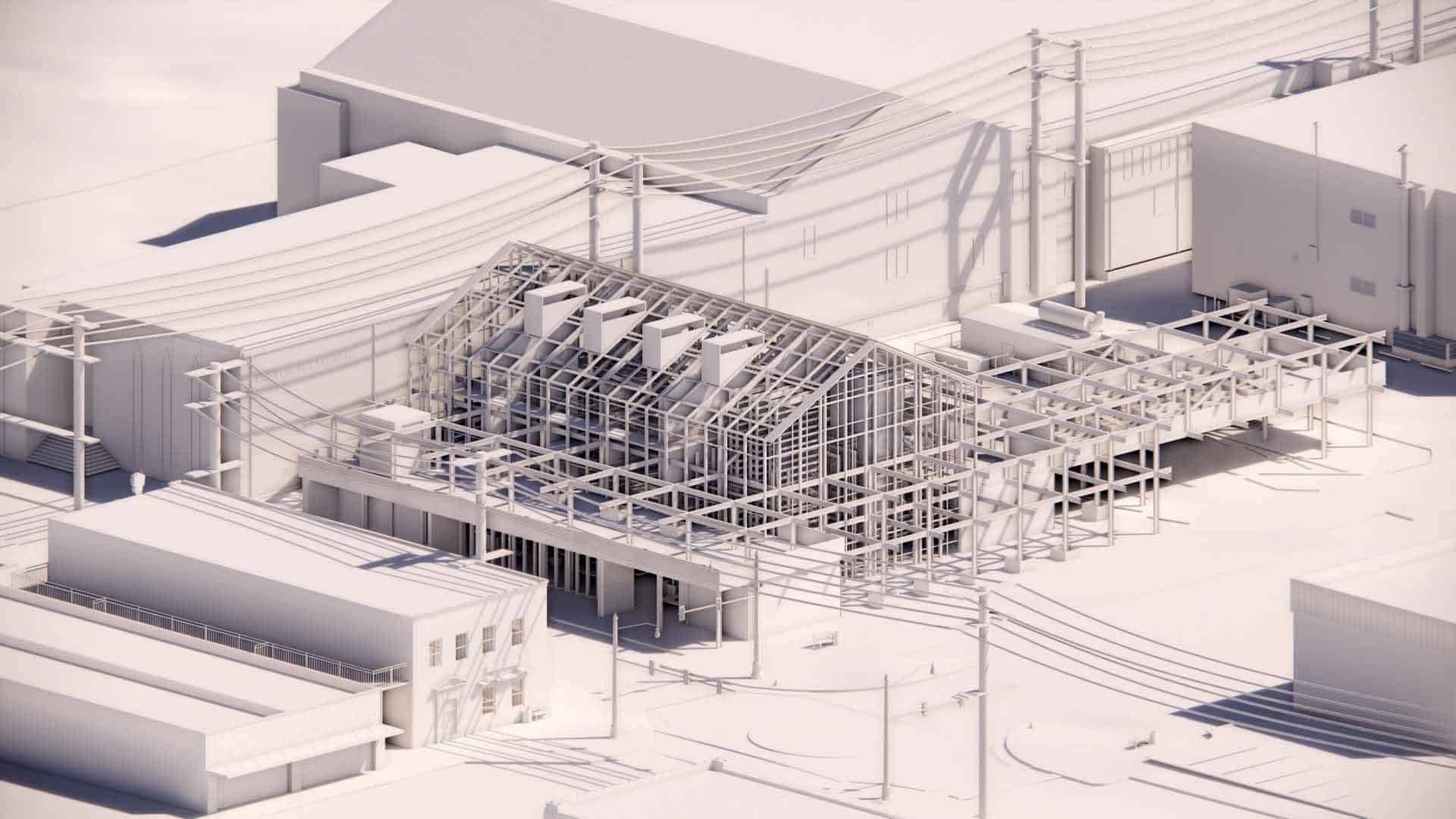
Renegades Exhibition Family Zone — developing digital design components for the Renegades: Bruce Goff and the American School exhibition.
Tools & Methods: Rhino, Grasshopper, Python, algorithmic modeling, CNC milling, fabrication workflows, exhibition design.
Outcome: Complex digital-to-fabrication pipelines exploring how parametric design translates into architectural and exhibition contexts.
Focus: Digital prototyping and hybrid representation — expanding architectural thinking into data-driven design, environmental systems, and mobility.
Projects:
Wearable Architecture: Mapping and Fabrication — designing small-scale architectural systems that interact with the body and environment.
Informed Systems: Data-Driven Surfaces — developing digital surfaces responsive to environmental or behavioral datasets.
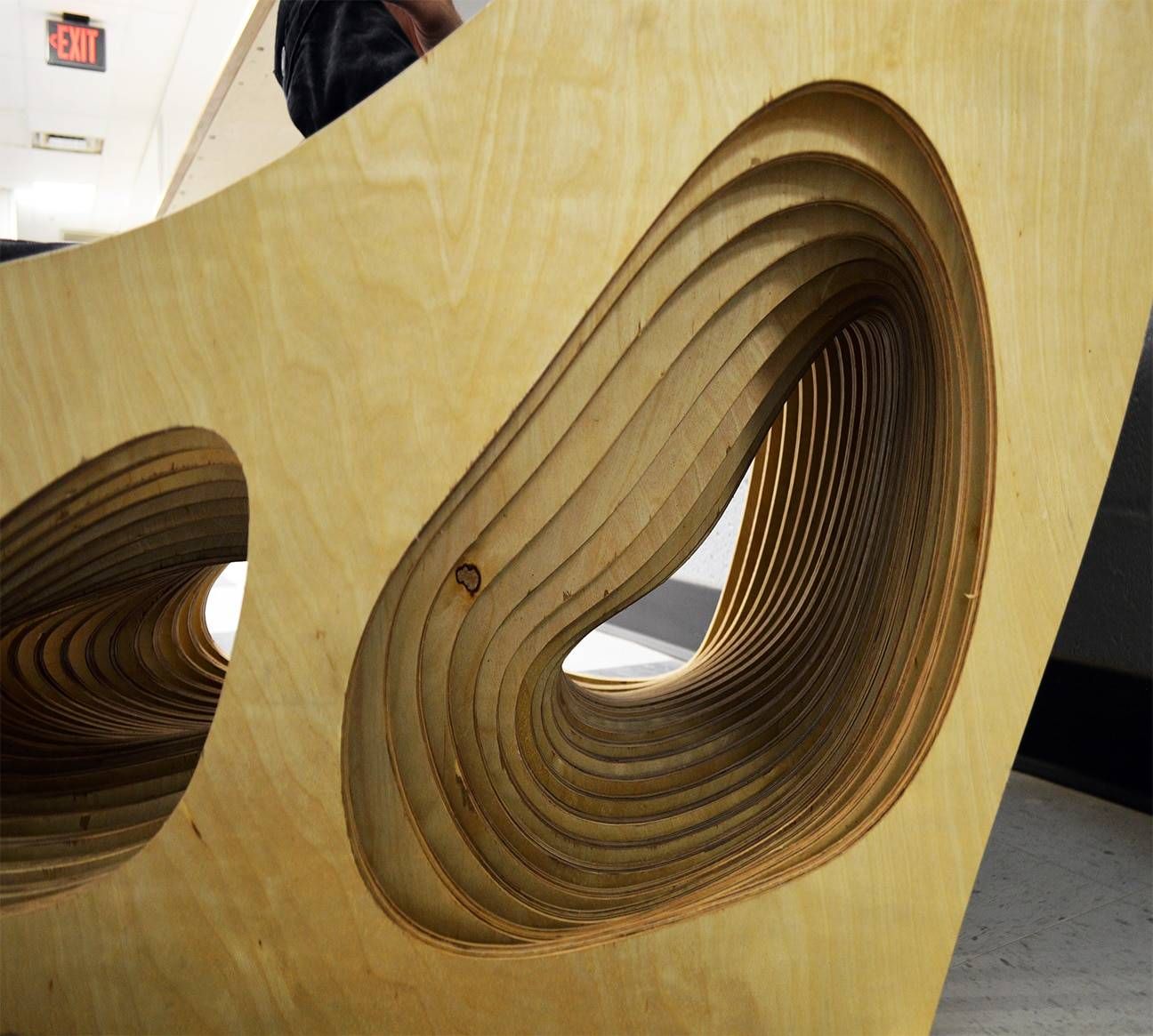
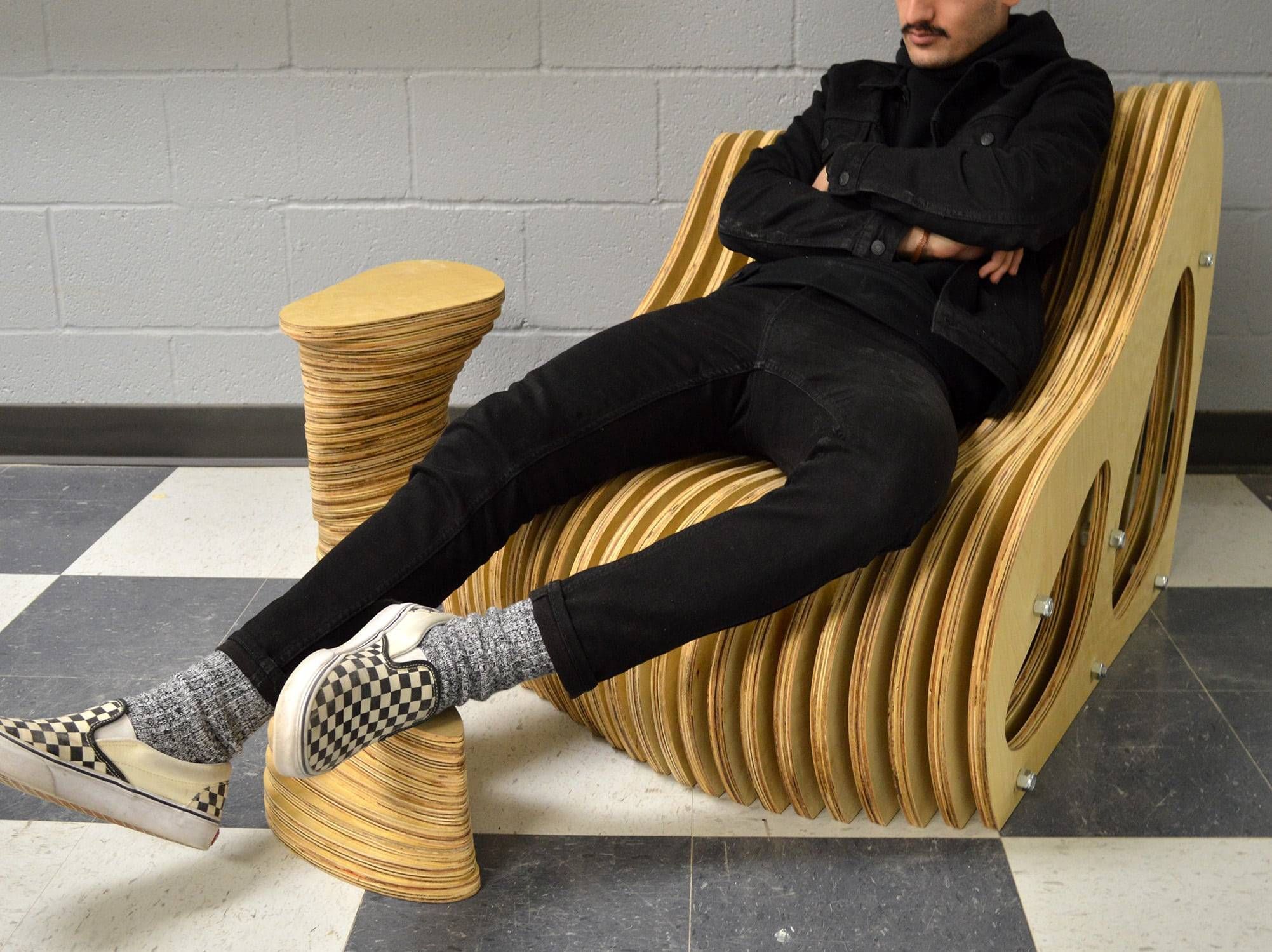
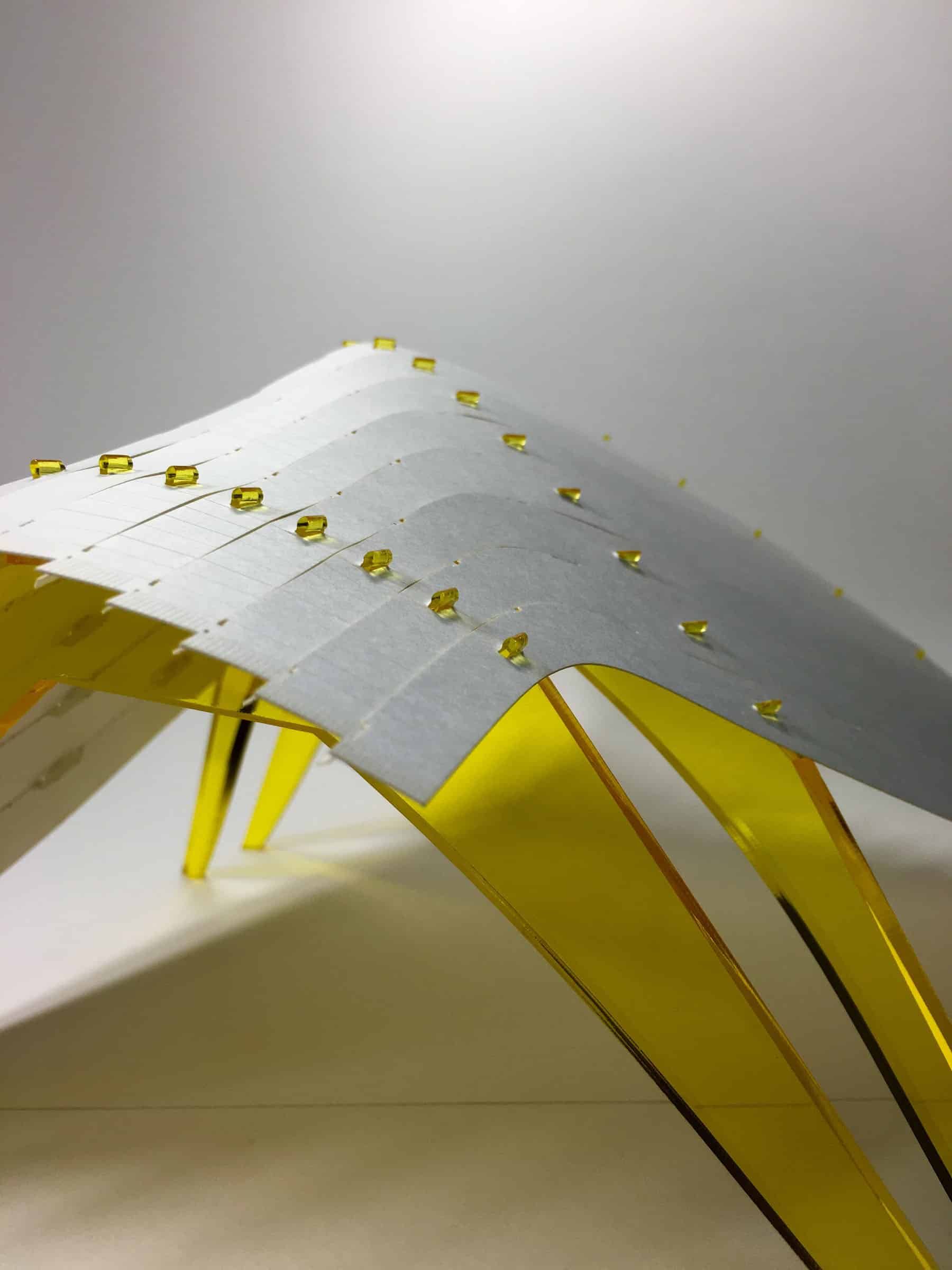
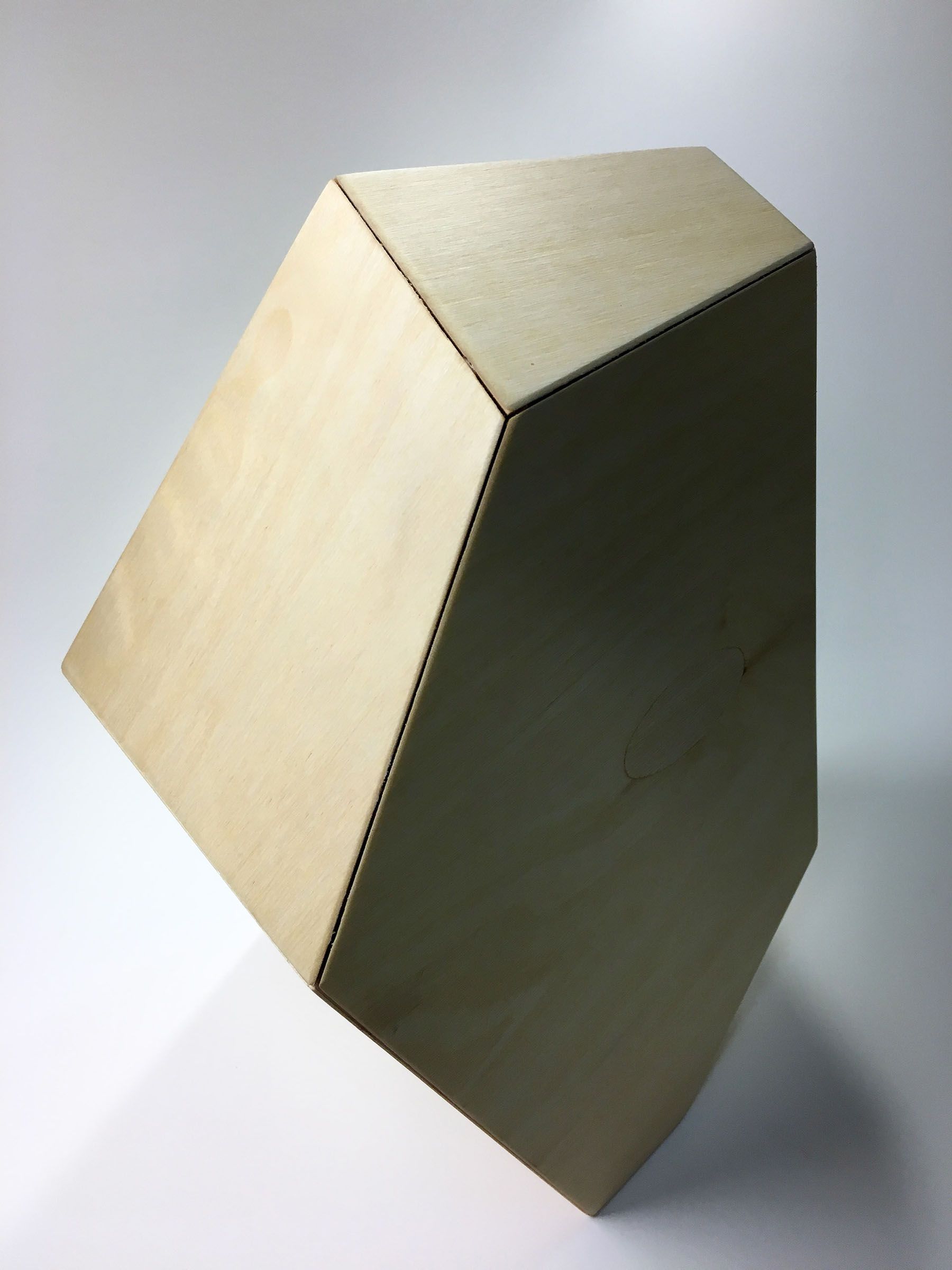
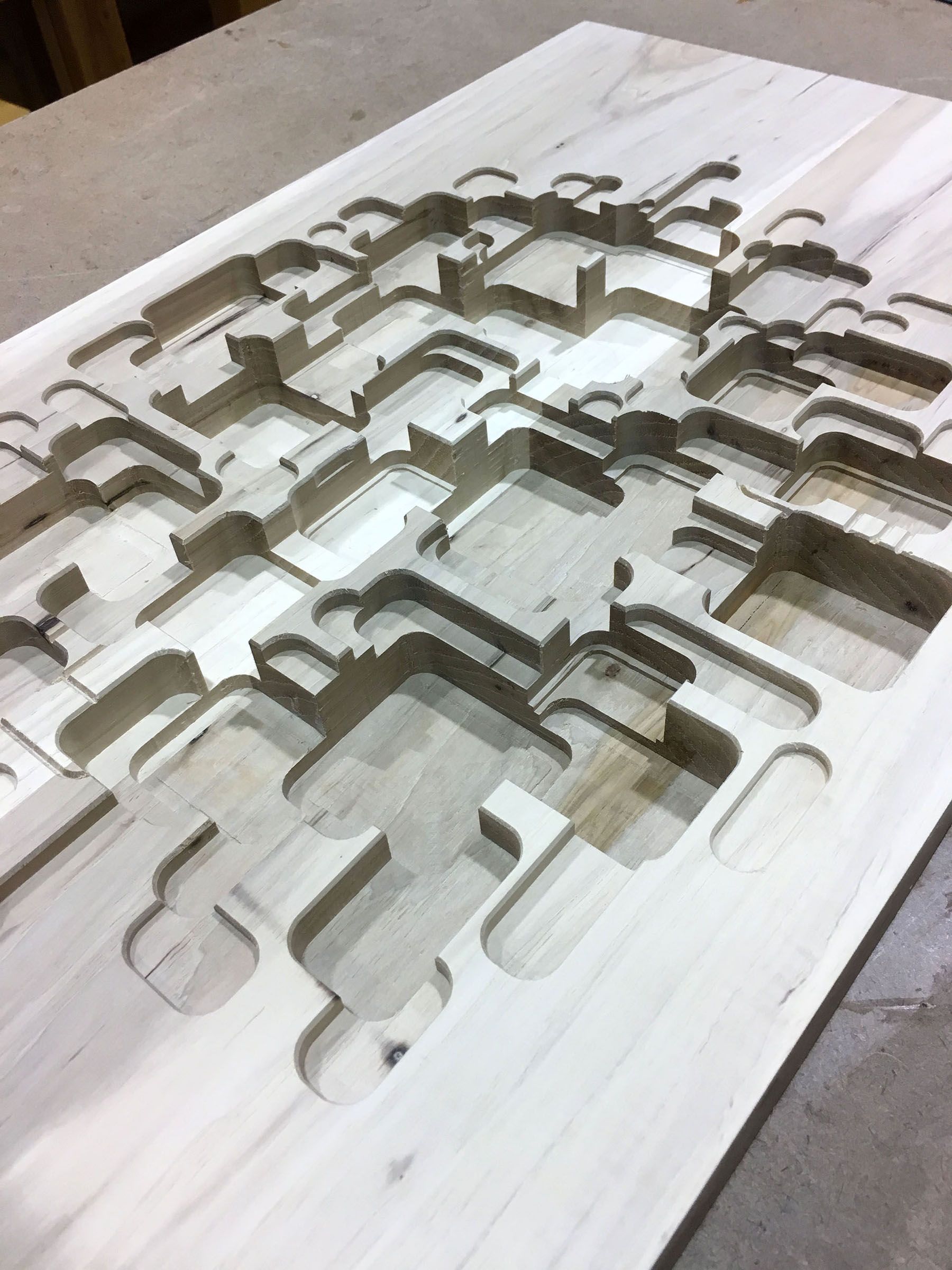
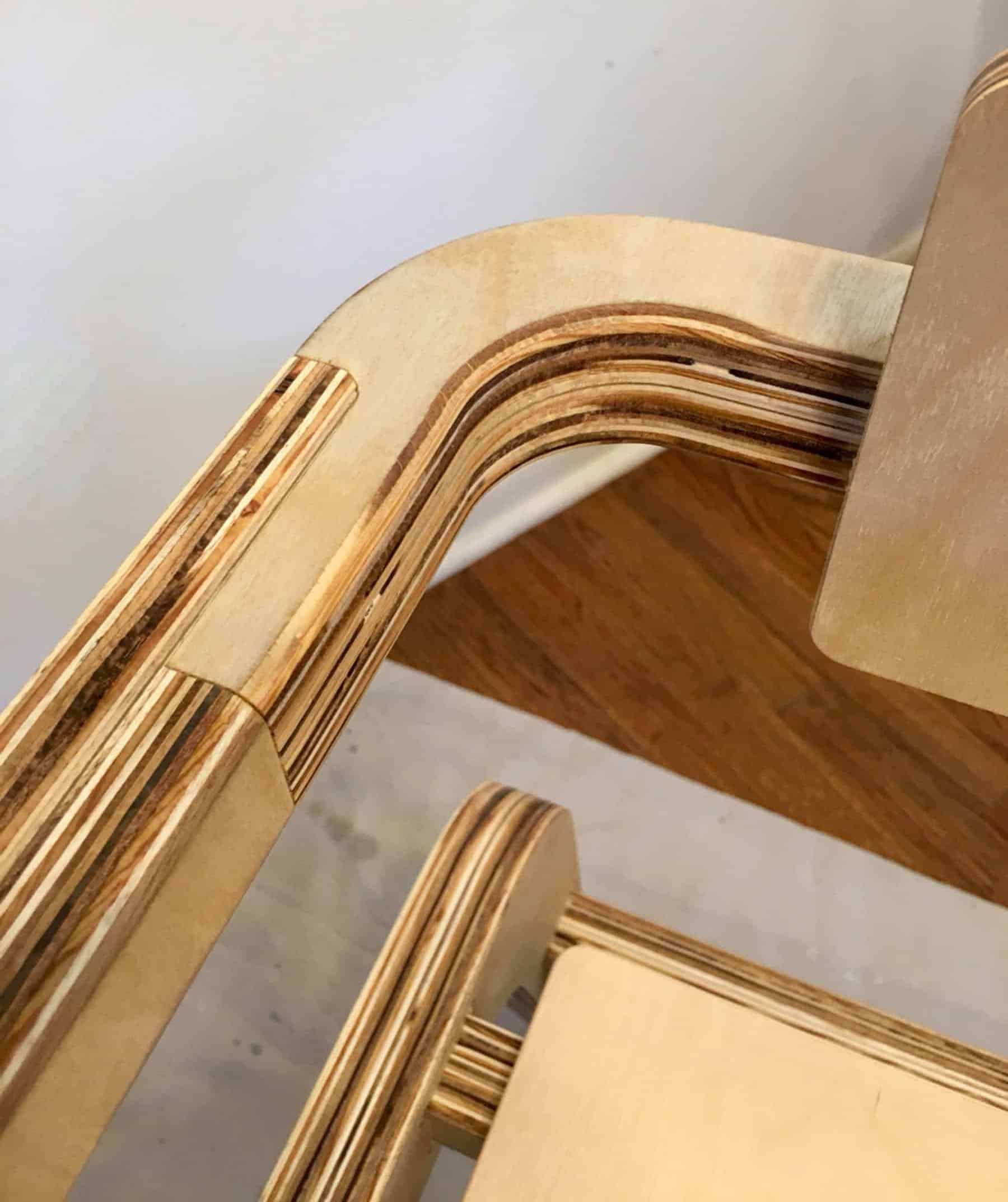
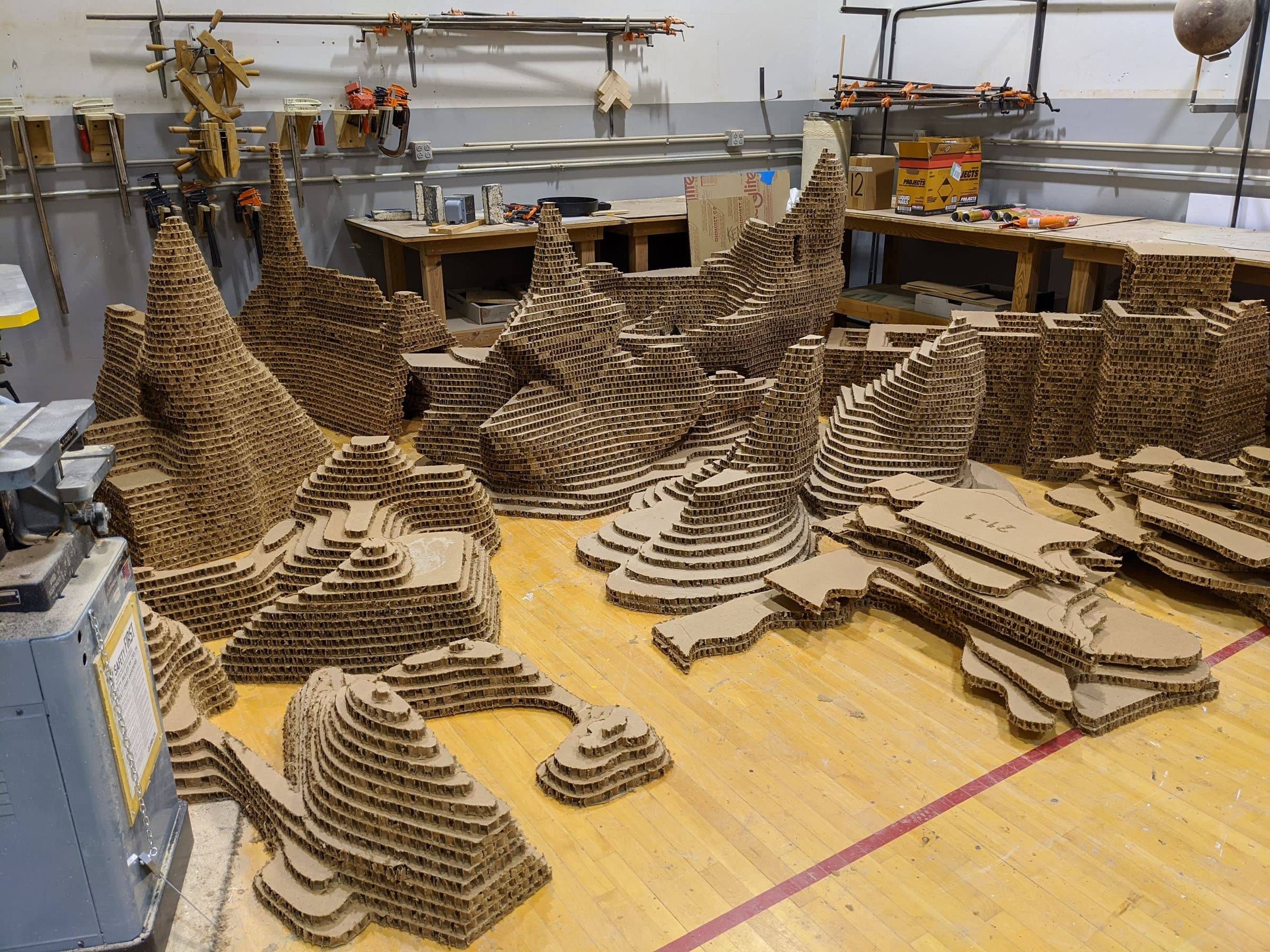
Sectional Assemblies: Laminar Constructs — exploring the intersection of computational geometry, material performance, and fabrication logic through a fully modeled design-build prototype.
Tools & Methods: Rhino, Grasshopper, Python scripting, data visualization, 3D printing, CNC workflows, virtual critique platforms (remote semester).
Outcome: Computationally driven projects combining environmental analysis, digital fabrication, and socially responsive design.
Each Envisioning Space cycle builds on the others, allowing students to engage computation, fabrication, and data through multiple design perspectives. Whether visualizing phenomena, fabricating complex geometries, or modeling adaptive systems, the seminar situates digital tools as a means for discovery, experimentation, and the creation of new spatial logics.
The intent of Envisioning Space is to cultivate critical design thinking through hands-on exploration and the integration of computational logic. The course builds on the idea that space can be both measured and imagined—an outcome of data, perception, and material transformation. Students develop the ability to move fluidly between digital abstraction and physical fabrication, understanding how systems and context influence form. Through this dual lens, Envisioning Space encourages students to ask how architecture, art, and technology intersect to represent and reimagine the world around us. By merging digital tools with analog craft, the course positions design as a bridge between physical experience and virtual expression. Students leave the seminar with a broadened perspective of architecture as an evolving practice capable of addressing material, social, and environmental complexity.
Envisioning Space blends studio culture with seminar-driven discussion, workshops, and critiques. The course structure alternates between technical instruction, conceptual conversation, and fabrication practice. Readings from Arturo Tedeschi, Lisa Iwamoto, Neil Leach, and Achim Menges provide theoretical grounding in computational design and digital materiality, situating the seminar within a broader architectural discourse. Technical sessions introduce advanced methods in Rhino, Grasshopper, and Python scripting, while fabrication workshops focus on precision, craft, and iterative testing. The seminar emphasizes learning through making, encouraging students to test ideas at multiple scales and levels of complexity. Critiques and peer dialogue play a central role, fostering an environment where process, experimentation, and execution carry equal weight. Collaboration is also emphasized, framing design as a shared act of exploration that benefits from collective intelligence and open exchange.
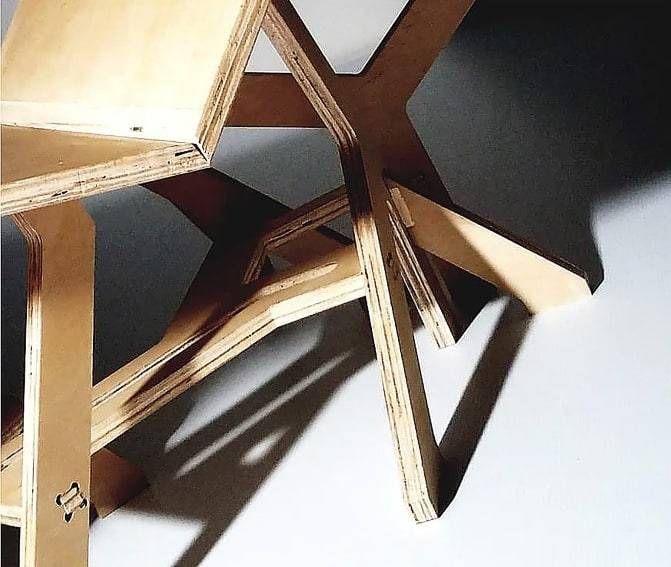
Students work across analog and digital platforms using Rhino, Grasshopper, Python, and a range of digital fabrication techniques. Projects often combine algorithmic modeling with physical production through CNC routing, 3D printing, and laser cutting. Students also explore data acquisition, environmental mapping, and visualization as generative design tools. The course encourages them to view technology critically—as an extension of thought rather than a substitute for design intuition. Emphasis is placed on refining craft, managing digital complexity, and understanding fabrication as both a technical and conceptual process. Through hands-on experimentation, students develop a hybrid skill set that merges computation, precision, and creative authorship, enabling them to move seamlessly between design intent and realized form.
By the end of the course, students gain advanced fluency in computational and fabrication workflows, producing work that bridges architecture, industrial design, and immersive media. The resulting projects demonstrate a deep understanding of how information, material, and culture intersect to generate new spatial experiences. Through this process, students cultivate both technical mastery and conceptual independence, learning to use digital tools not only for precision but as instruments of speculation and critique.
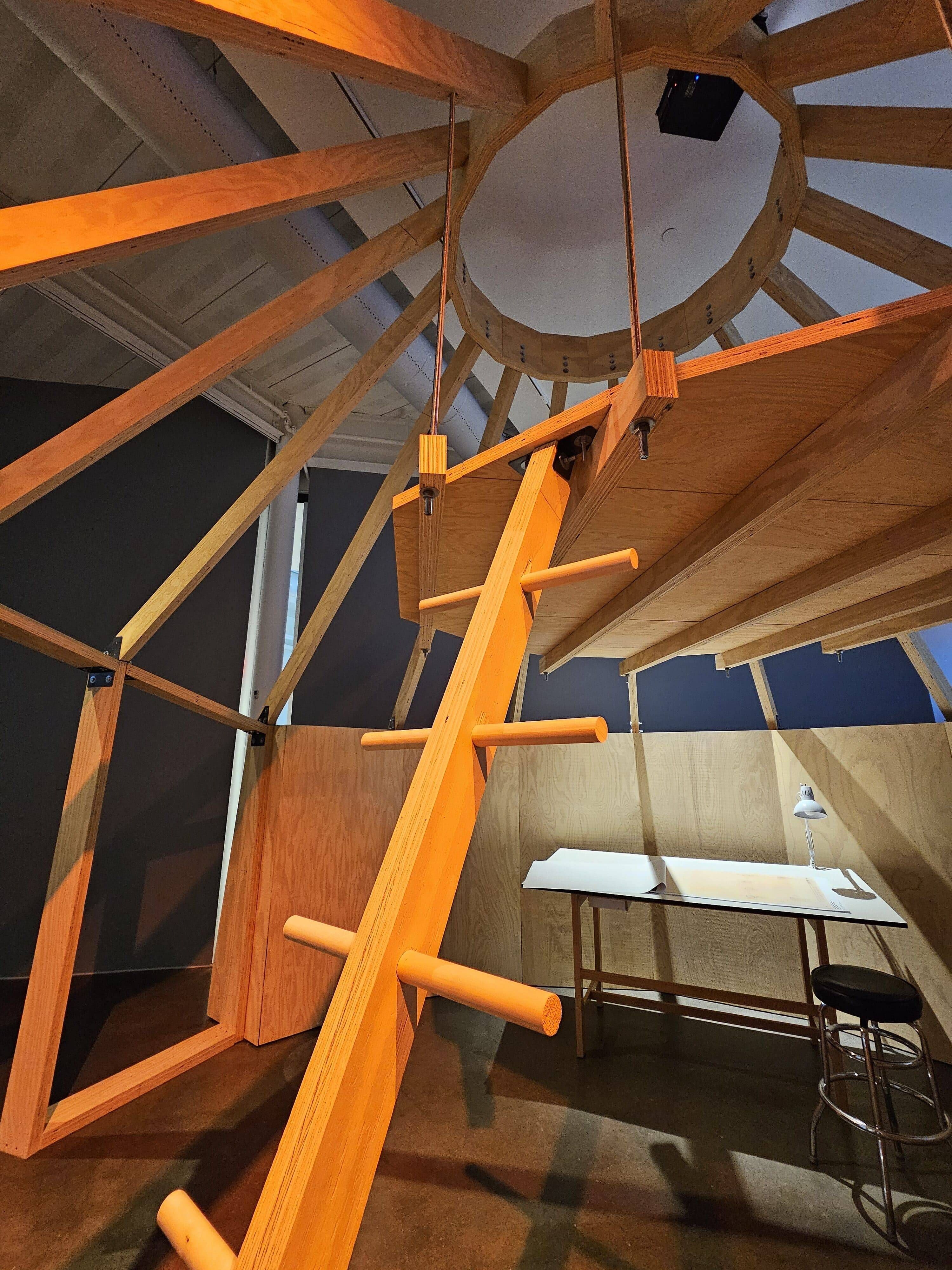
The seminar instills an understanding that design operates across multiple scales and mediums—from the fabrication of an artifact to the simulation of a spatial environment. Students leave with the ability to articulate how geometry, data, and material processes contribute to architectural thinking, and how those same principles can extend to adjacent fields such as installation art, product design, and interactive media. Projects often culminate in complex hybrid outputs that exist simultaneously as digital visualizations, physical prototypes, and immersive experiences, reflecting the increasingly interdisciplinary nature of design practice.
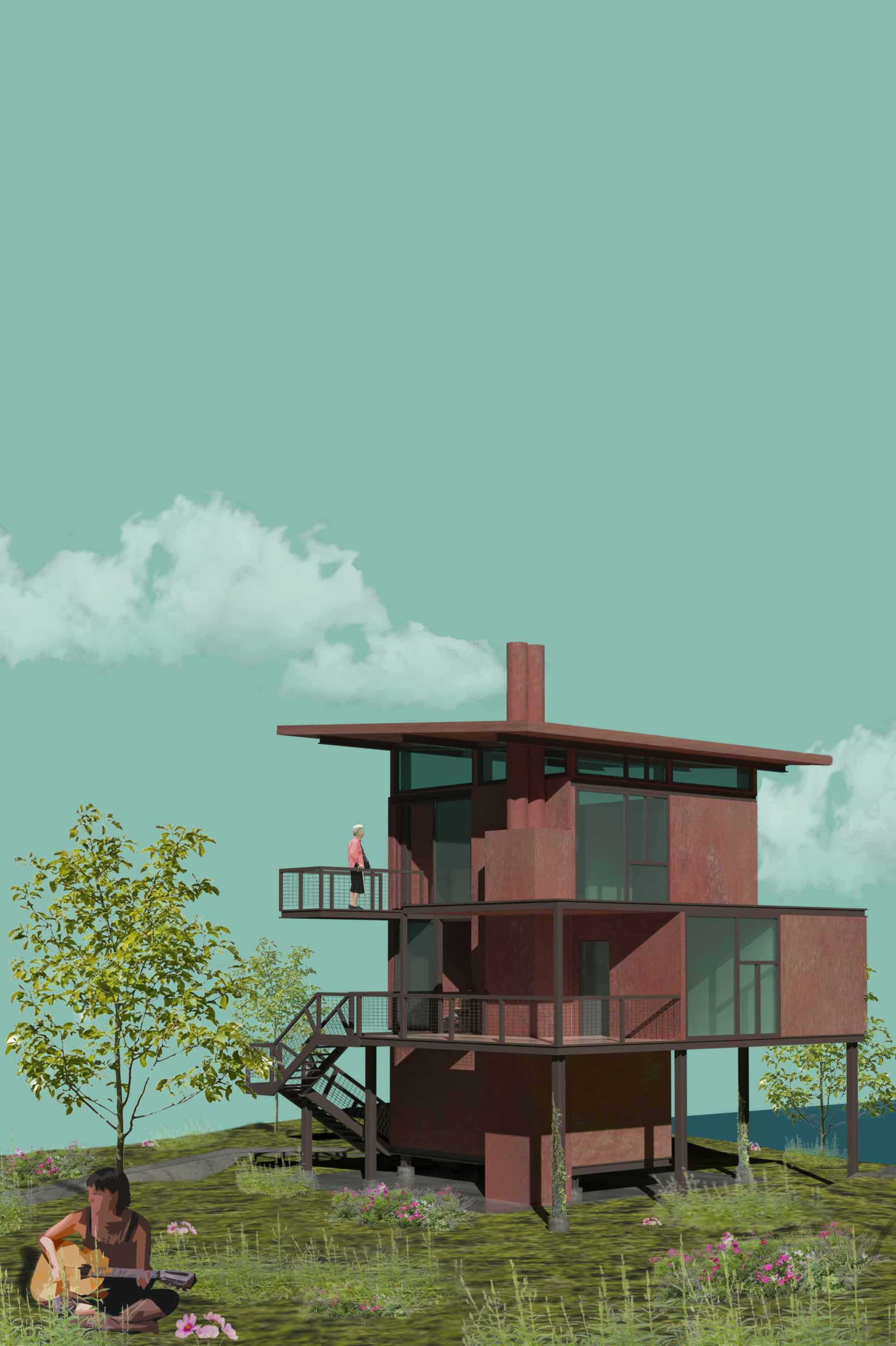
Throughout the semester, students are encouraged to document their processes rigorously, maintaining blogs, digital portfolios, or visual journals that record the evolution of their ideas. This habit of reflection reinforces the value of iteration and the capacity to communicate complex ideas clearly through visual and written formats. Graduates of Envisioning Space emerge with a versatile design sensibility, a strong technical foundation, and a nuanced understanding of how making can be both analytical and poetic. The skills developed in this seminar prepare them to contribute to evolving areas of architecture, design, and technology where innovation depends on the seamless integration of craft, computation, and imagination.