Computational Design and Material Systems
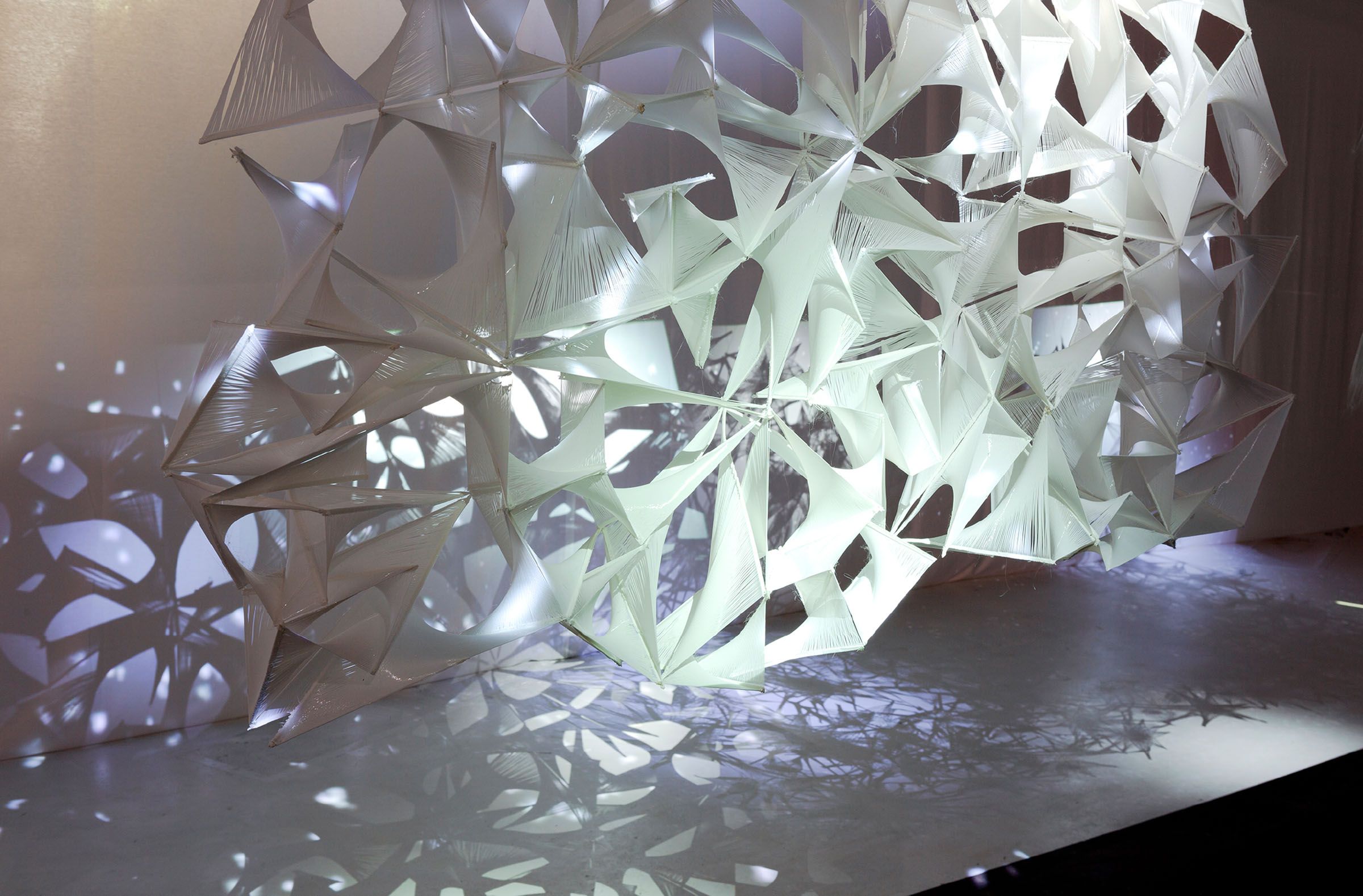
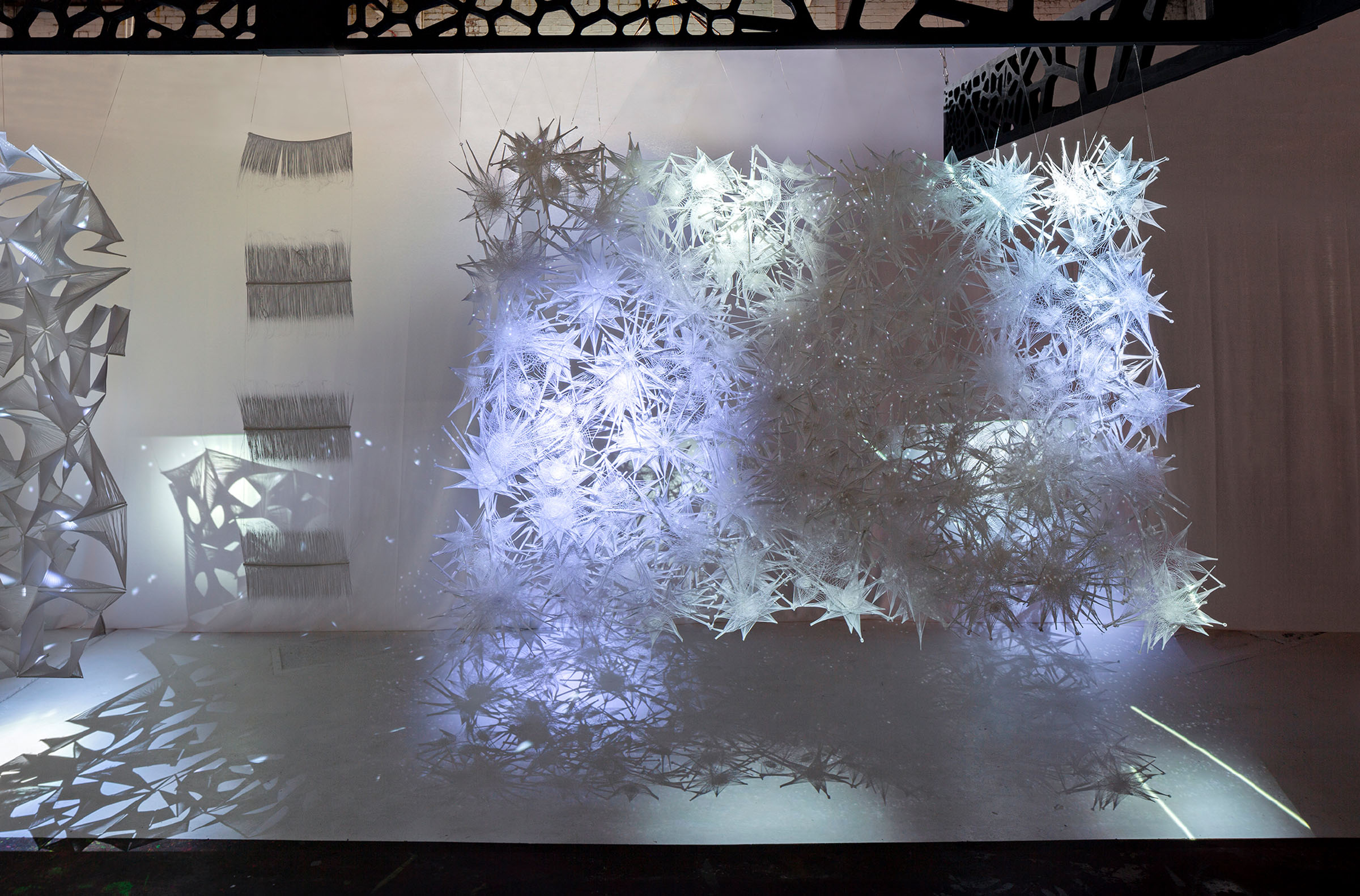
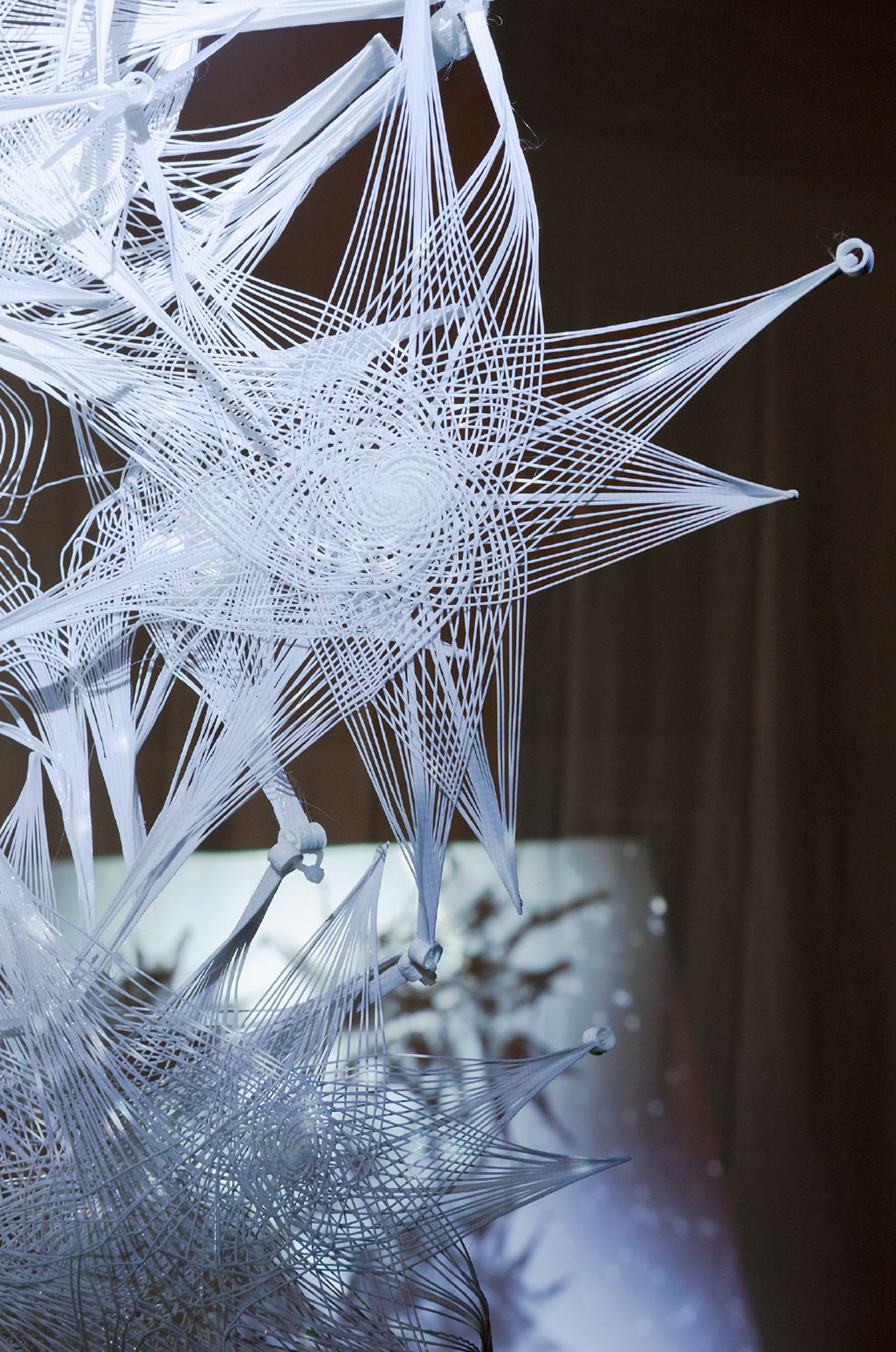
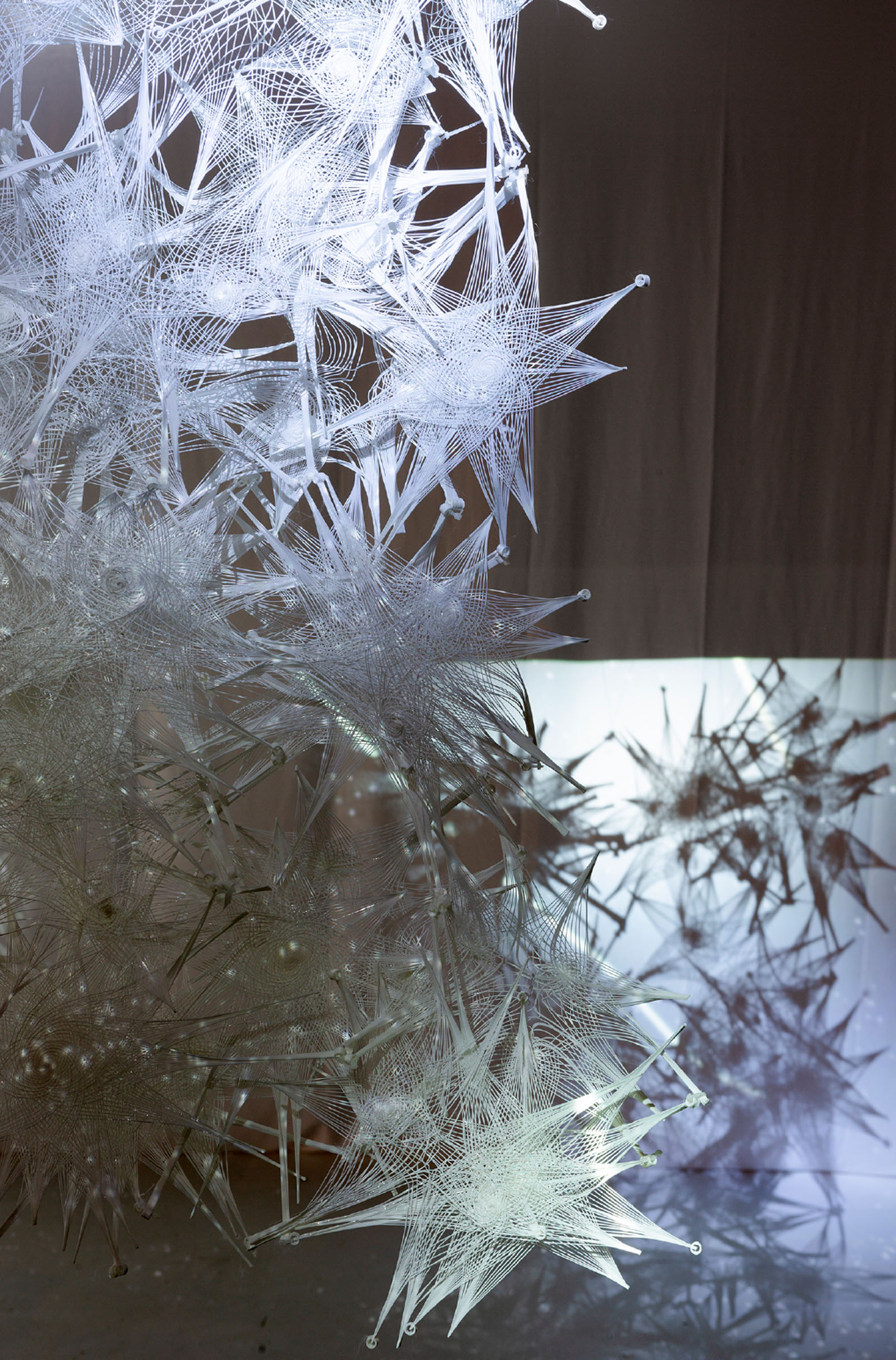
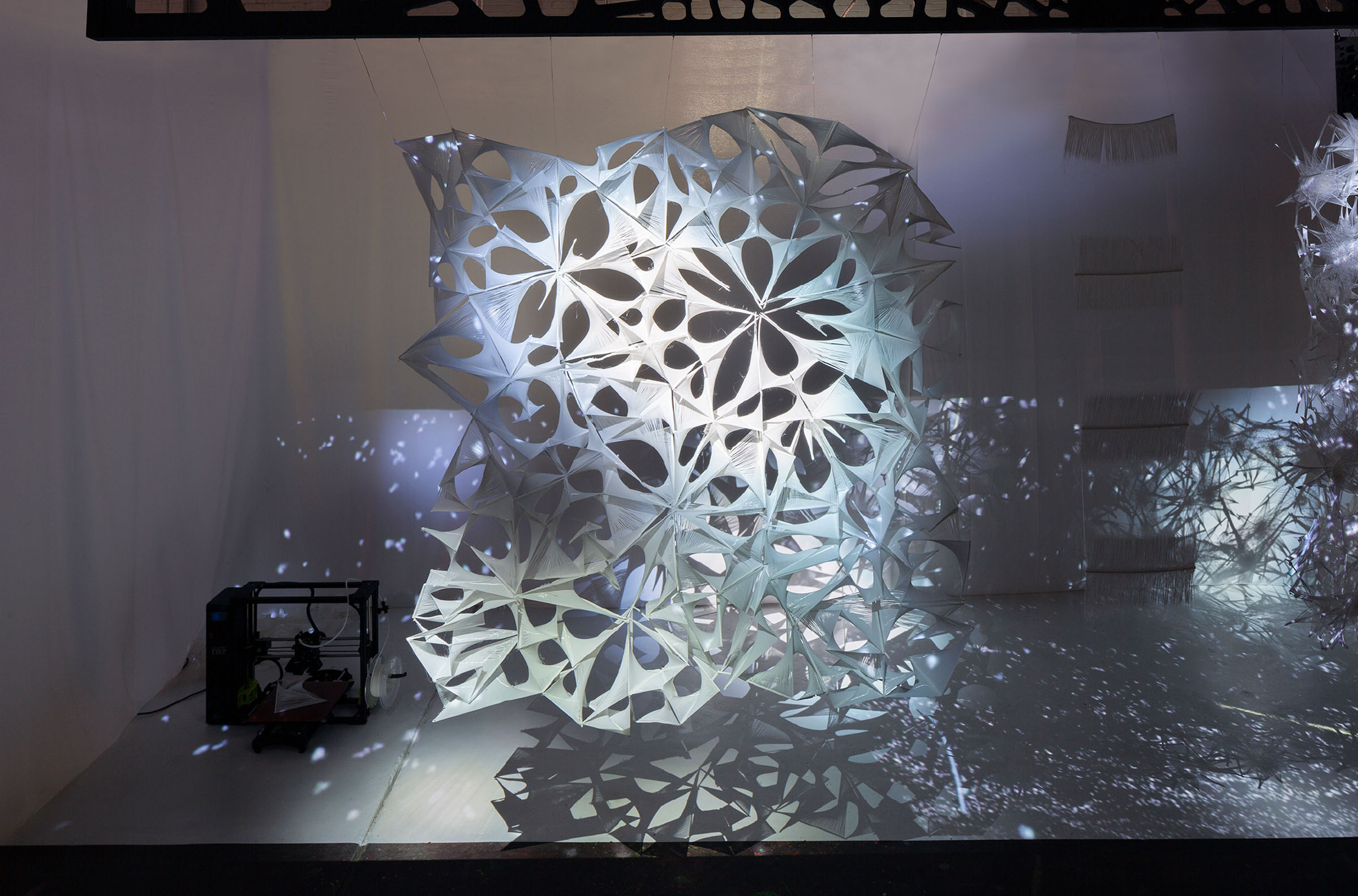
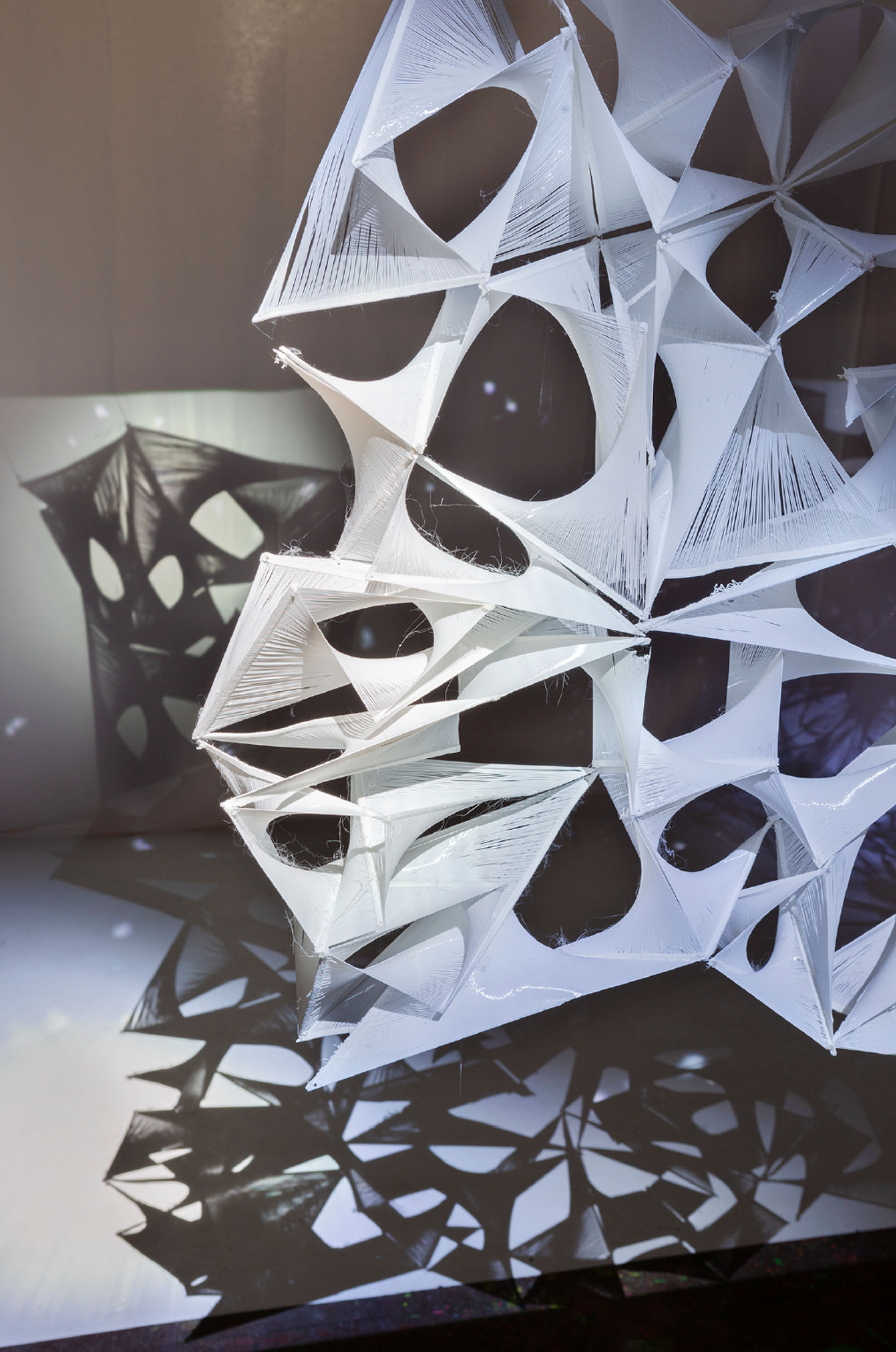
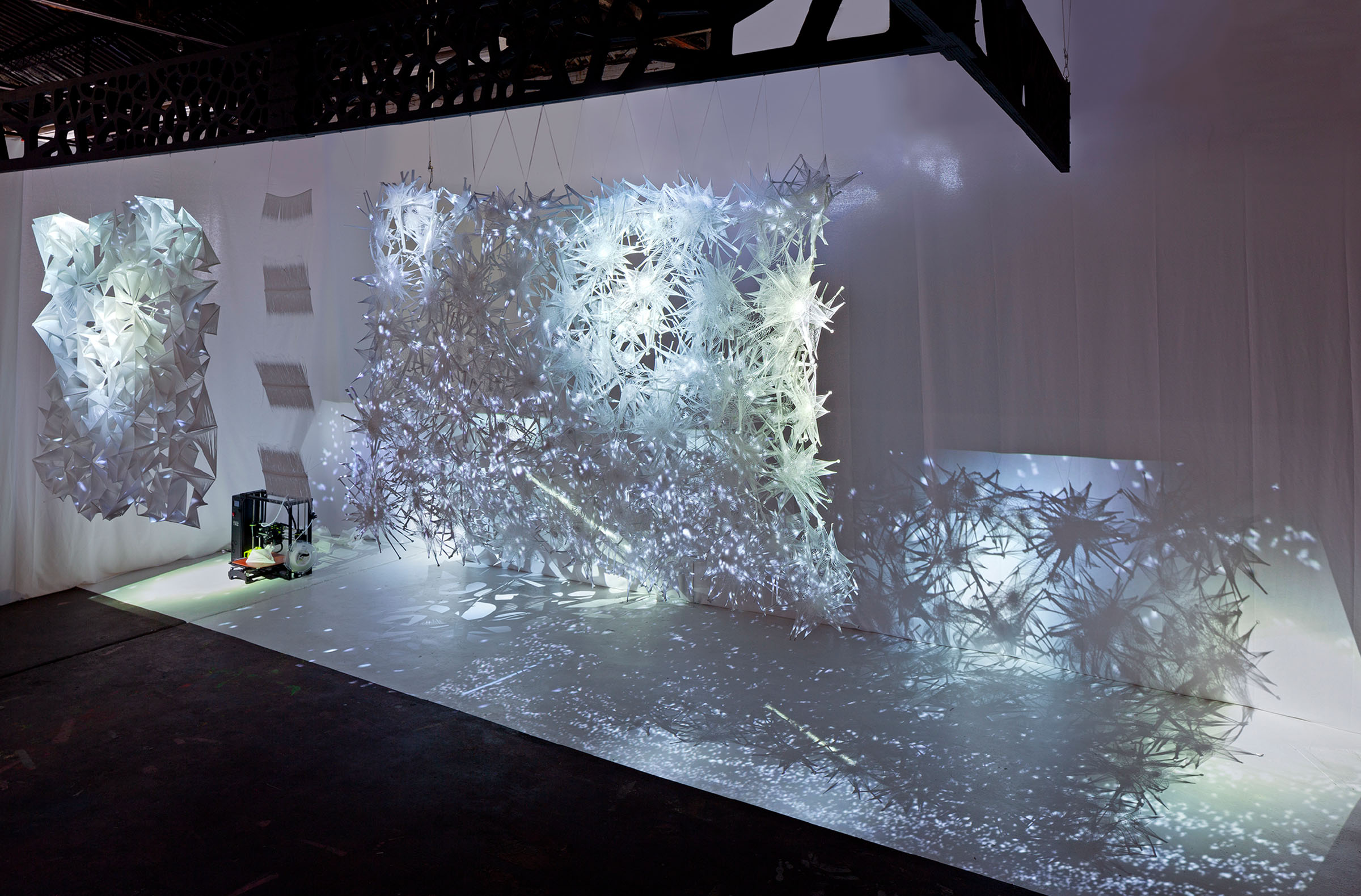
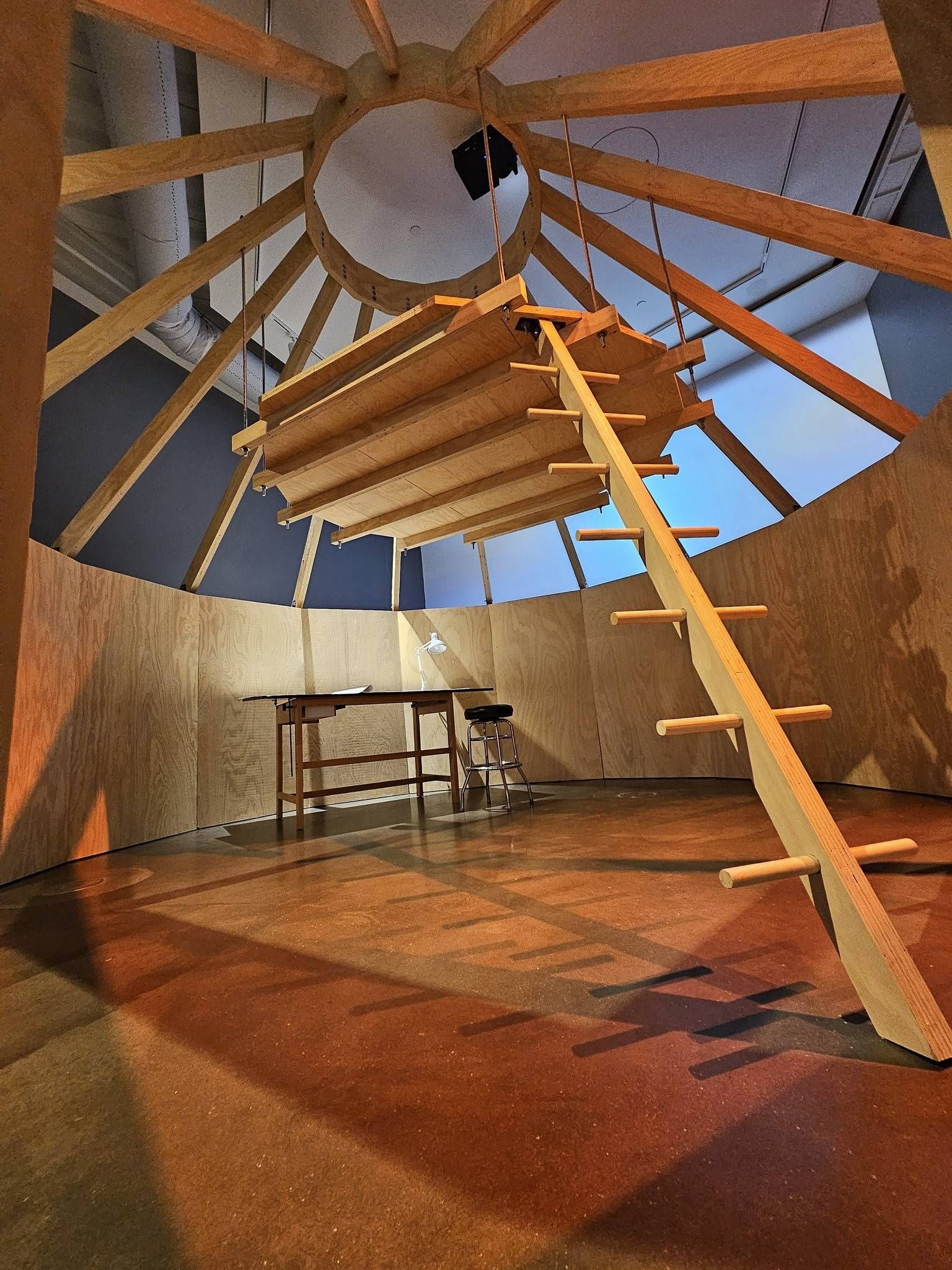
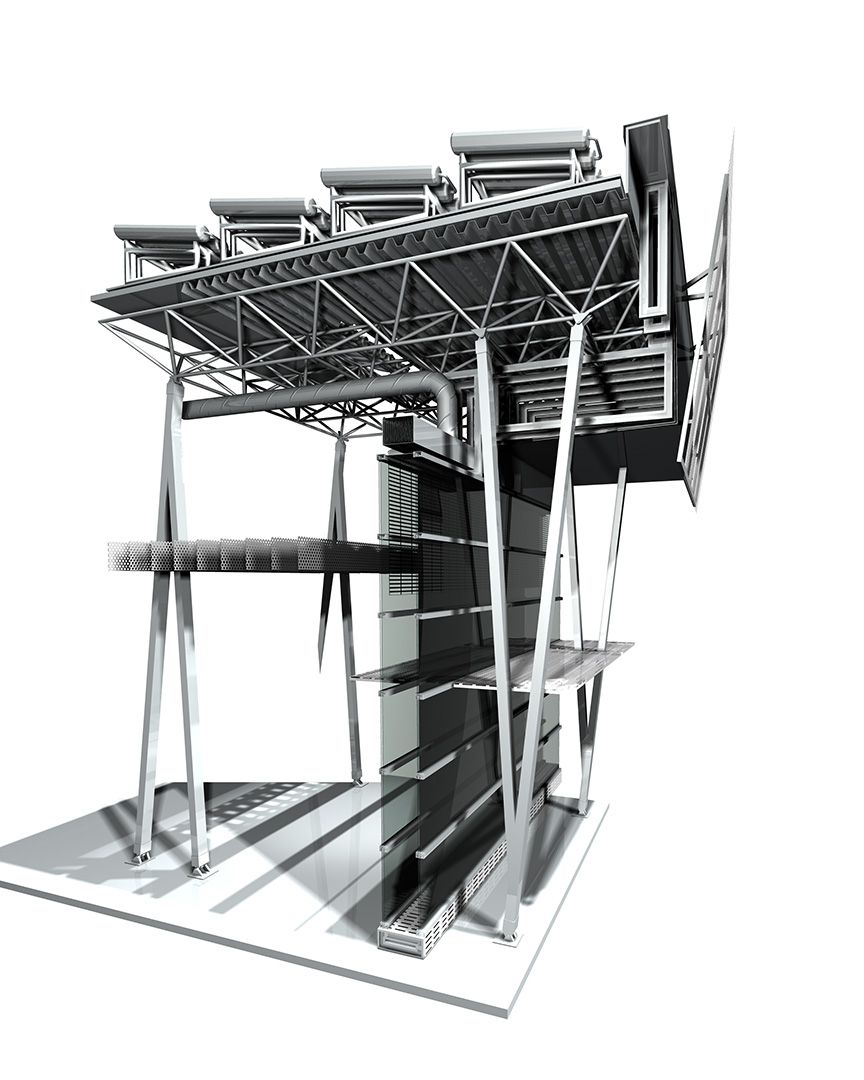
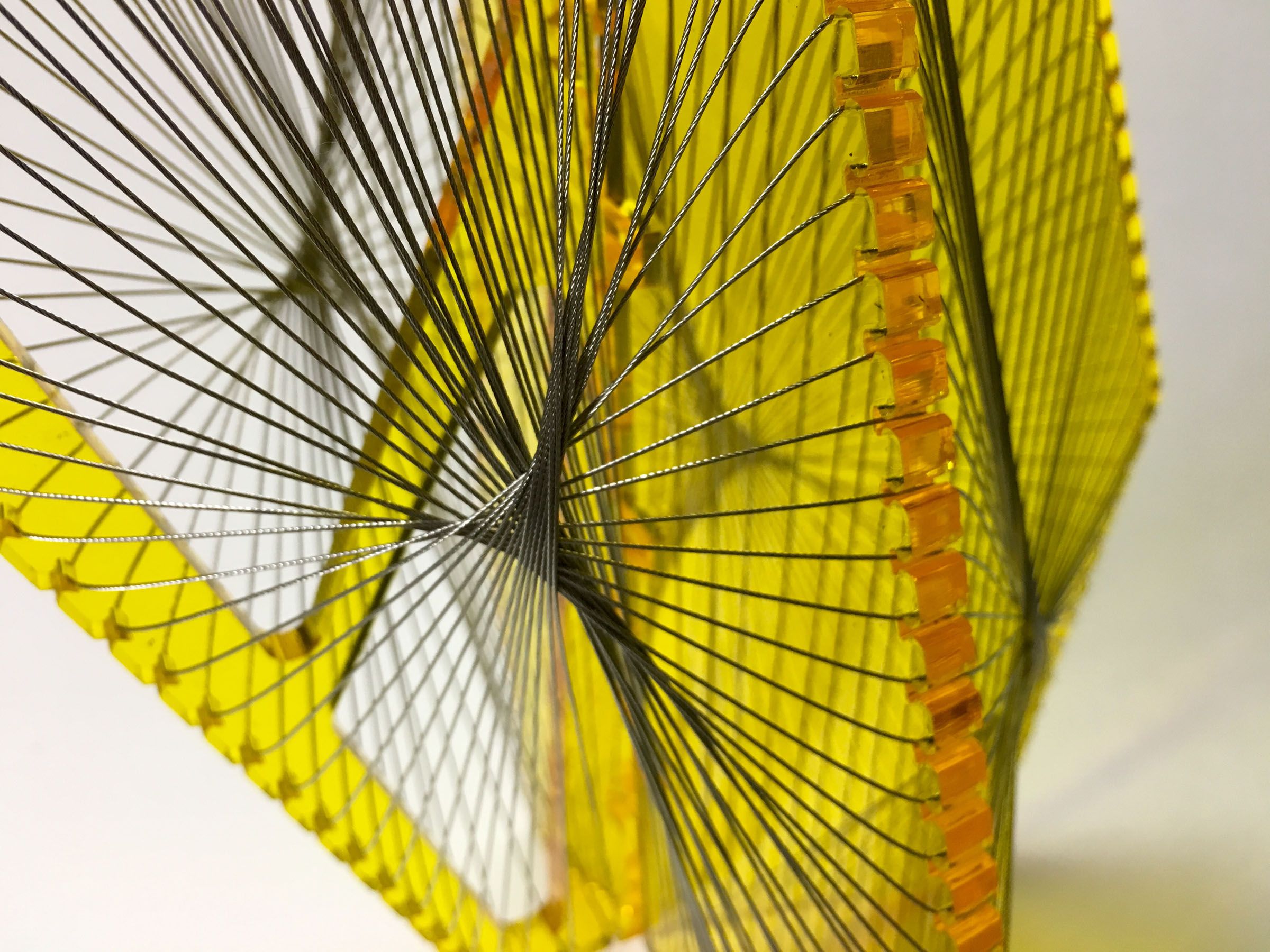
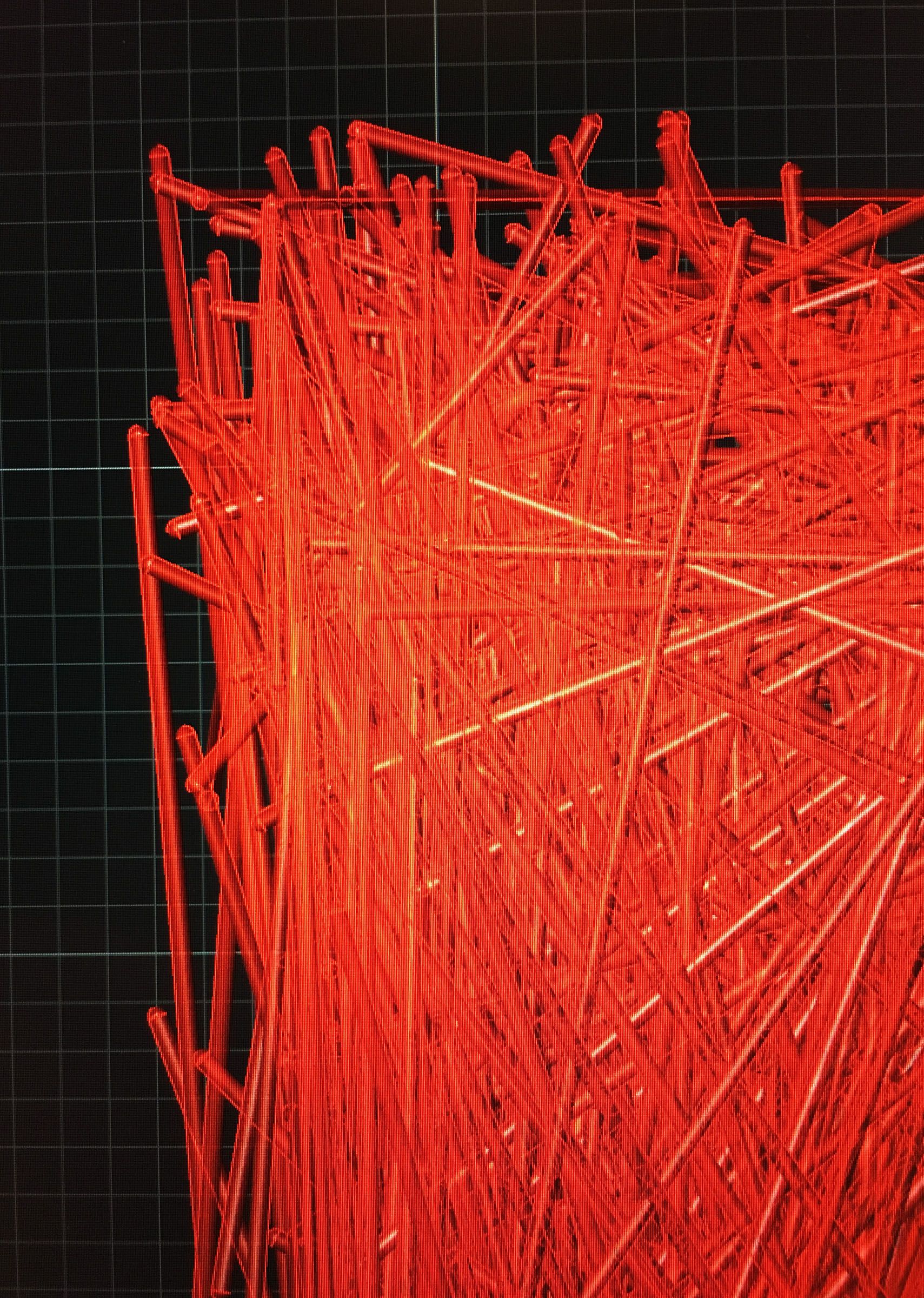
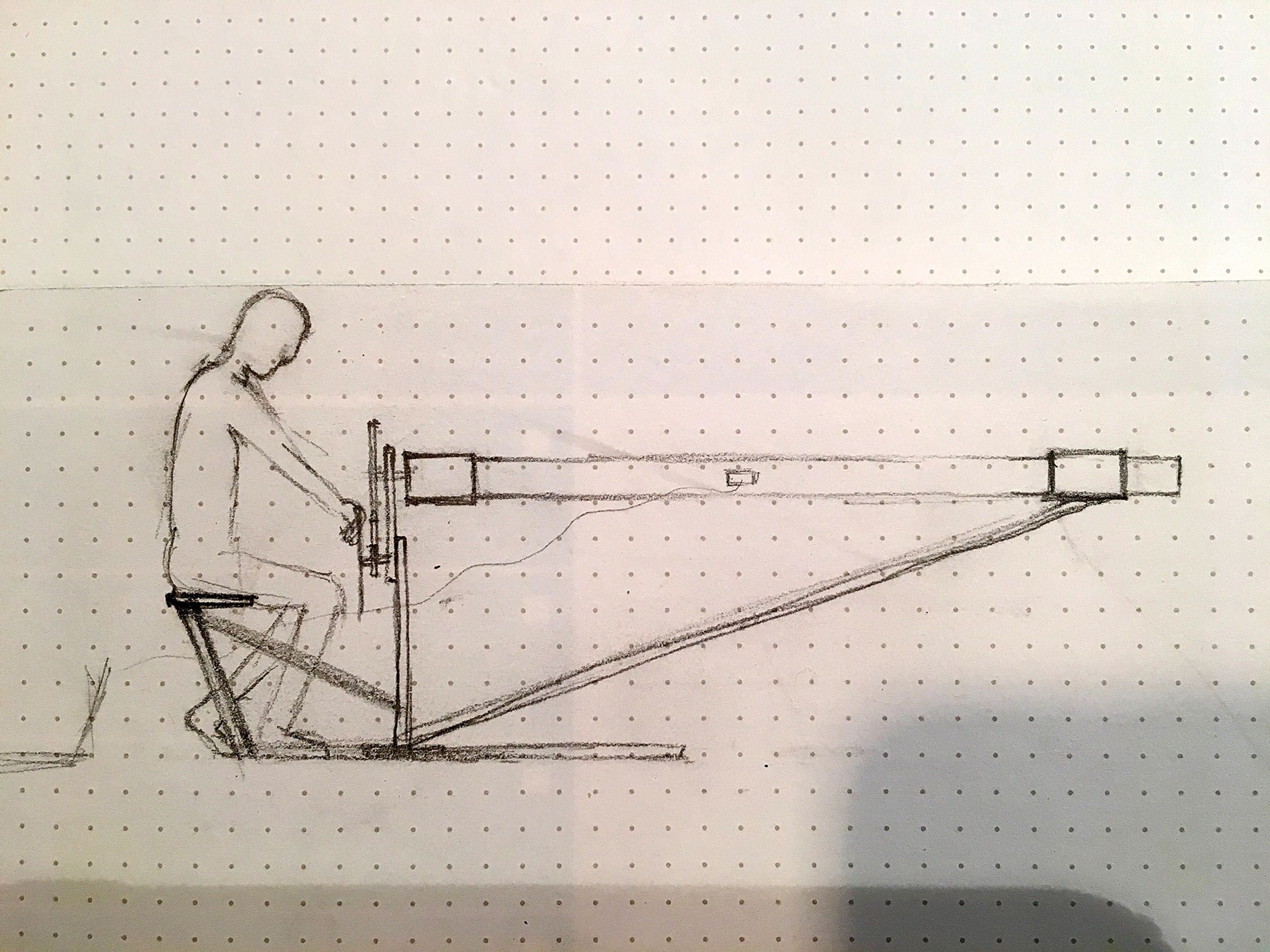
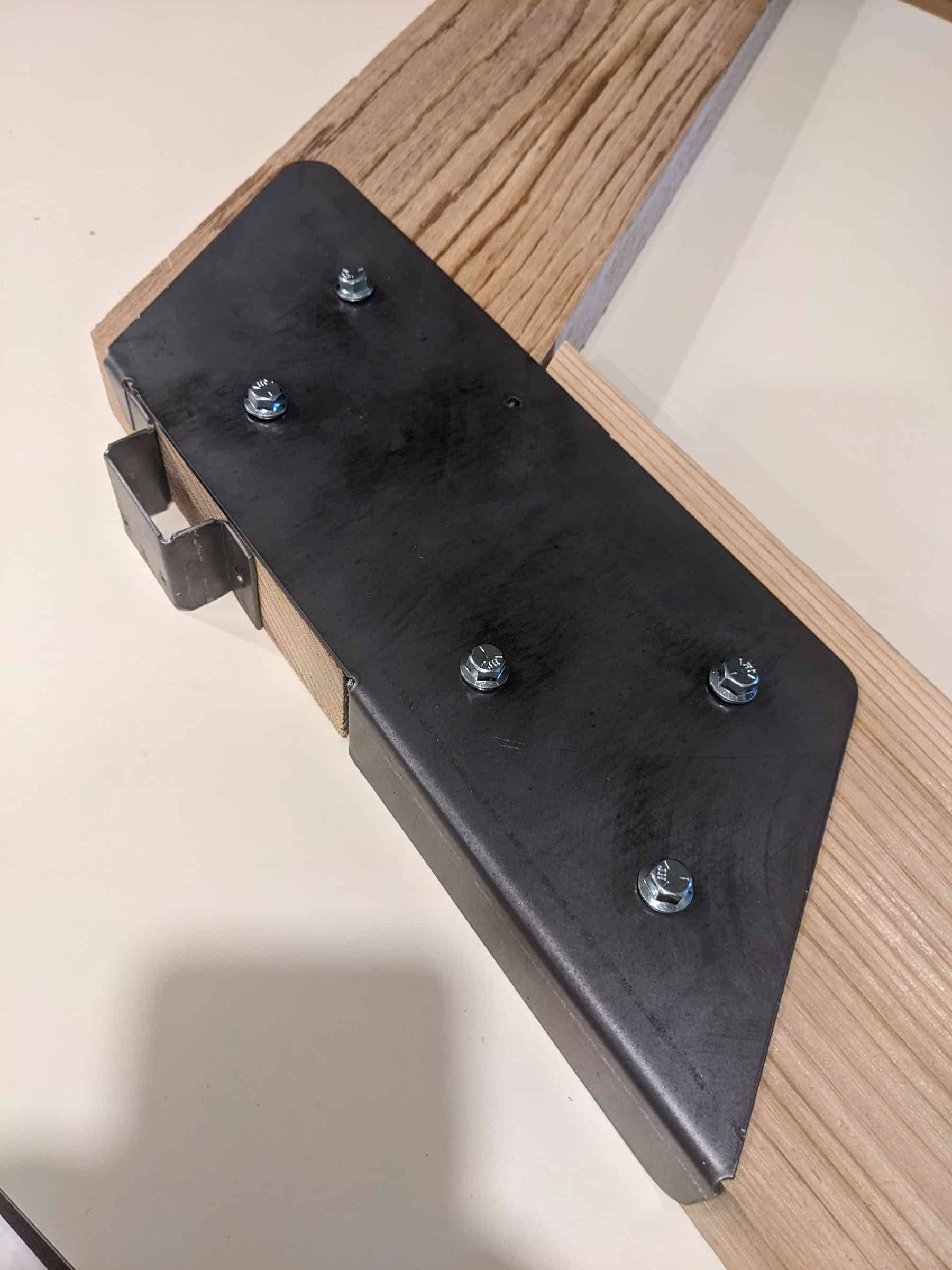
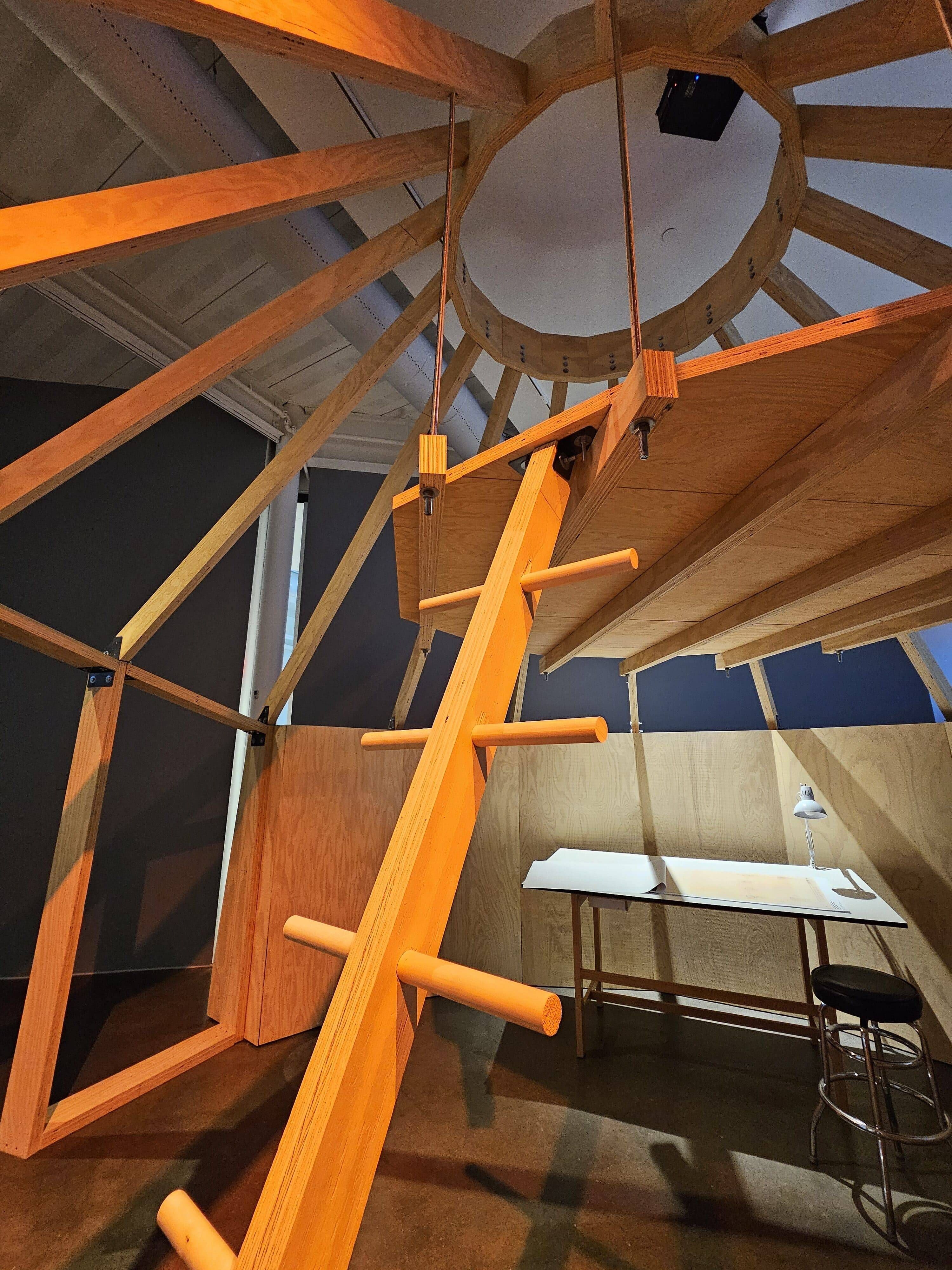
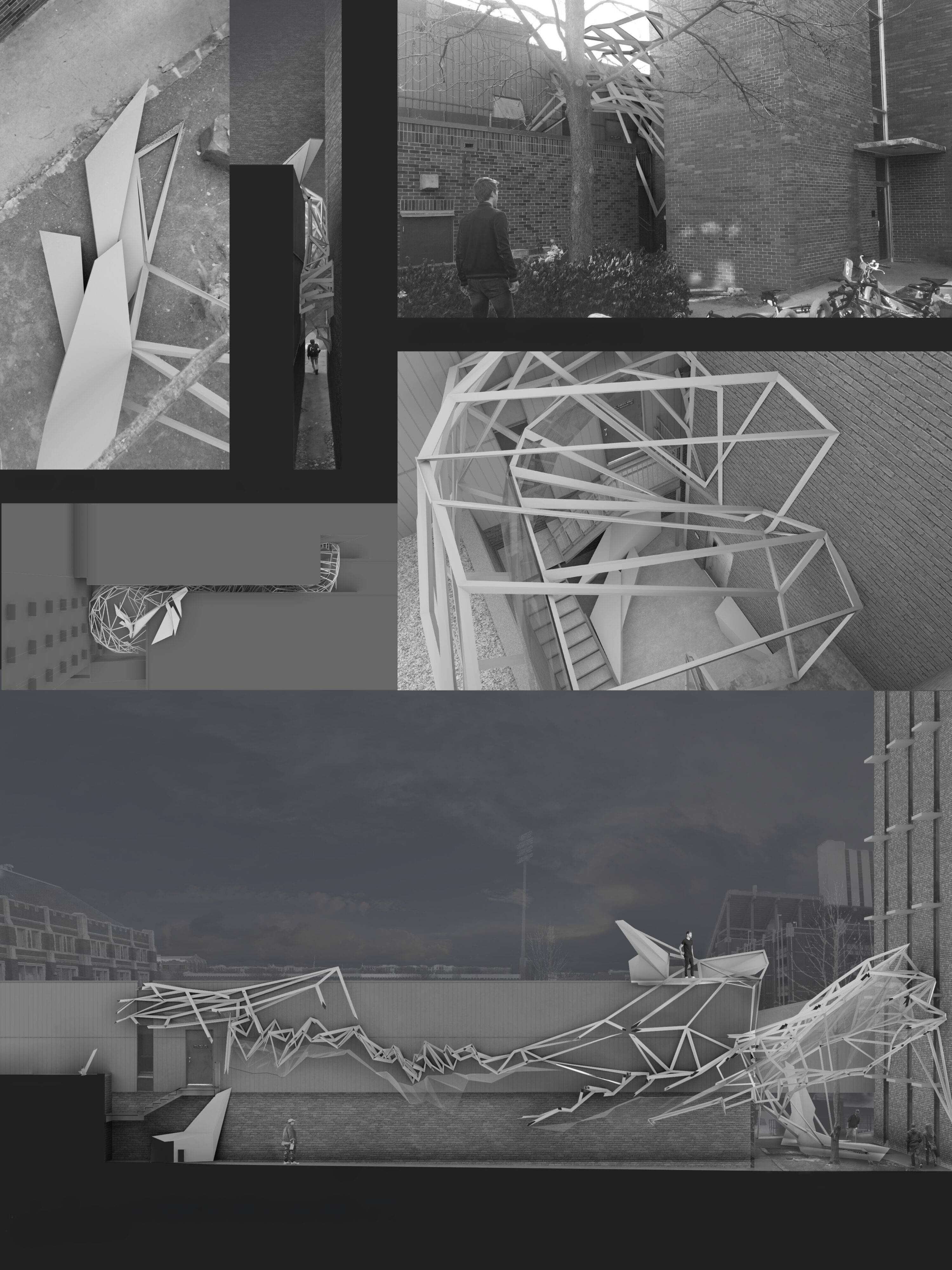
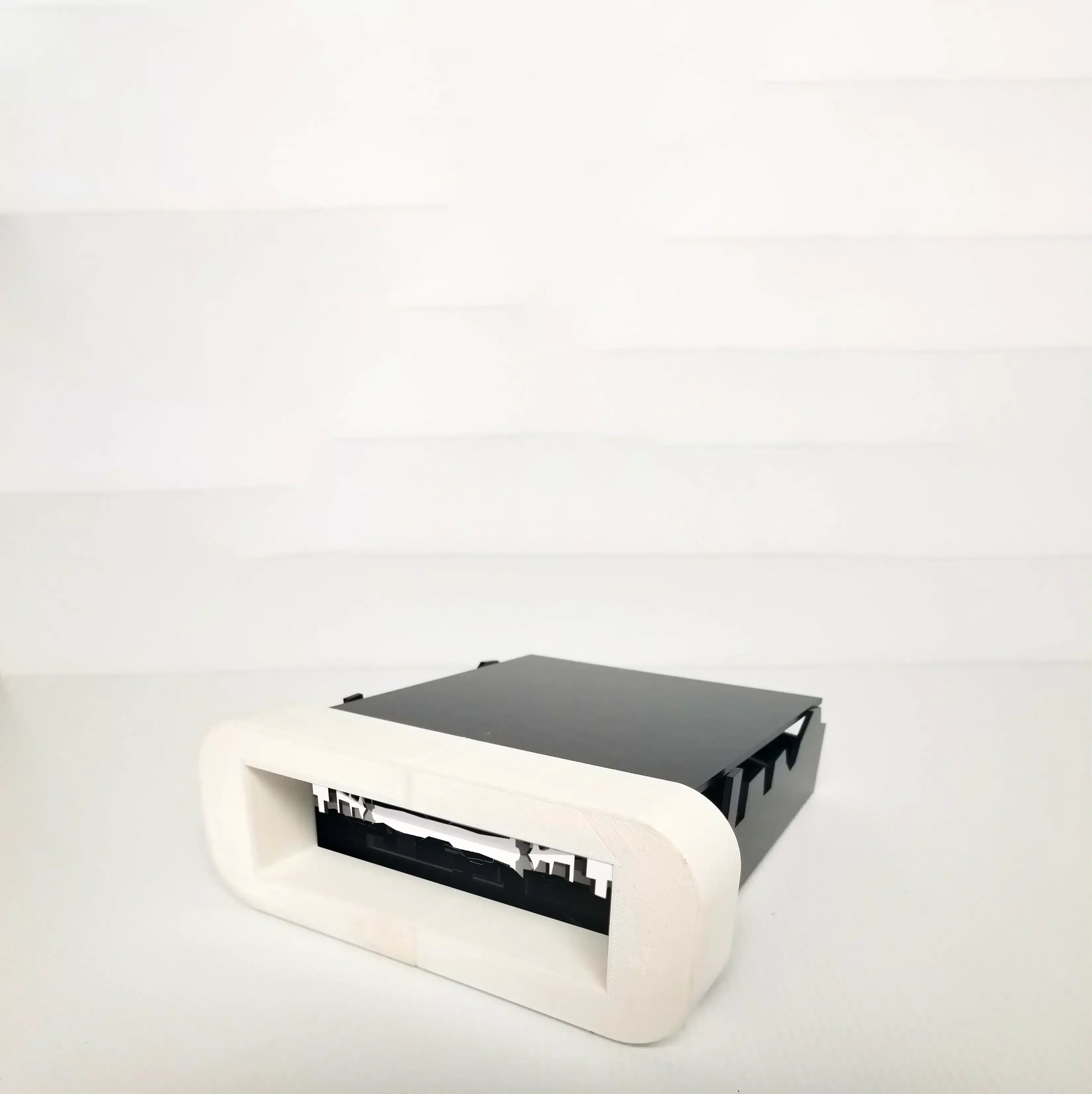
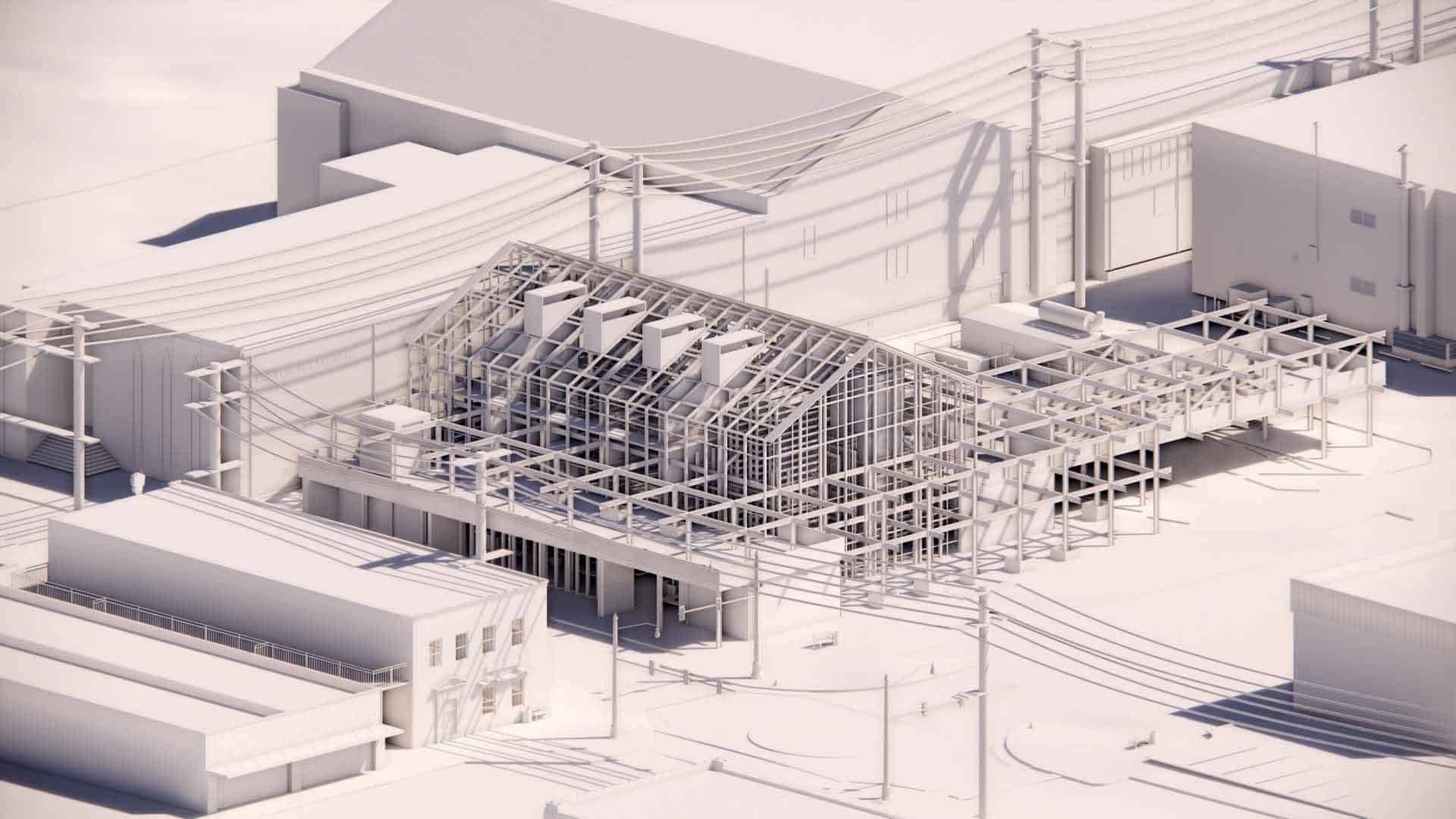
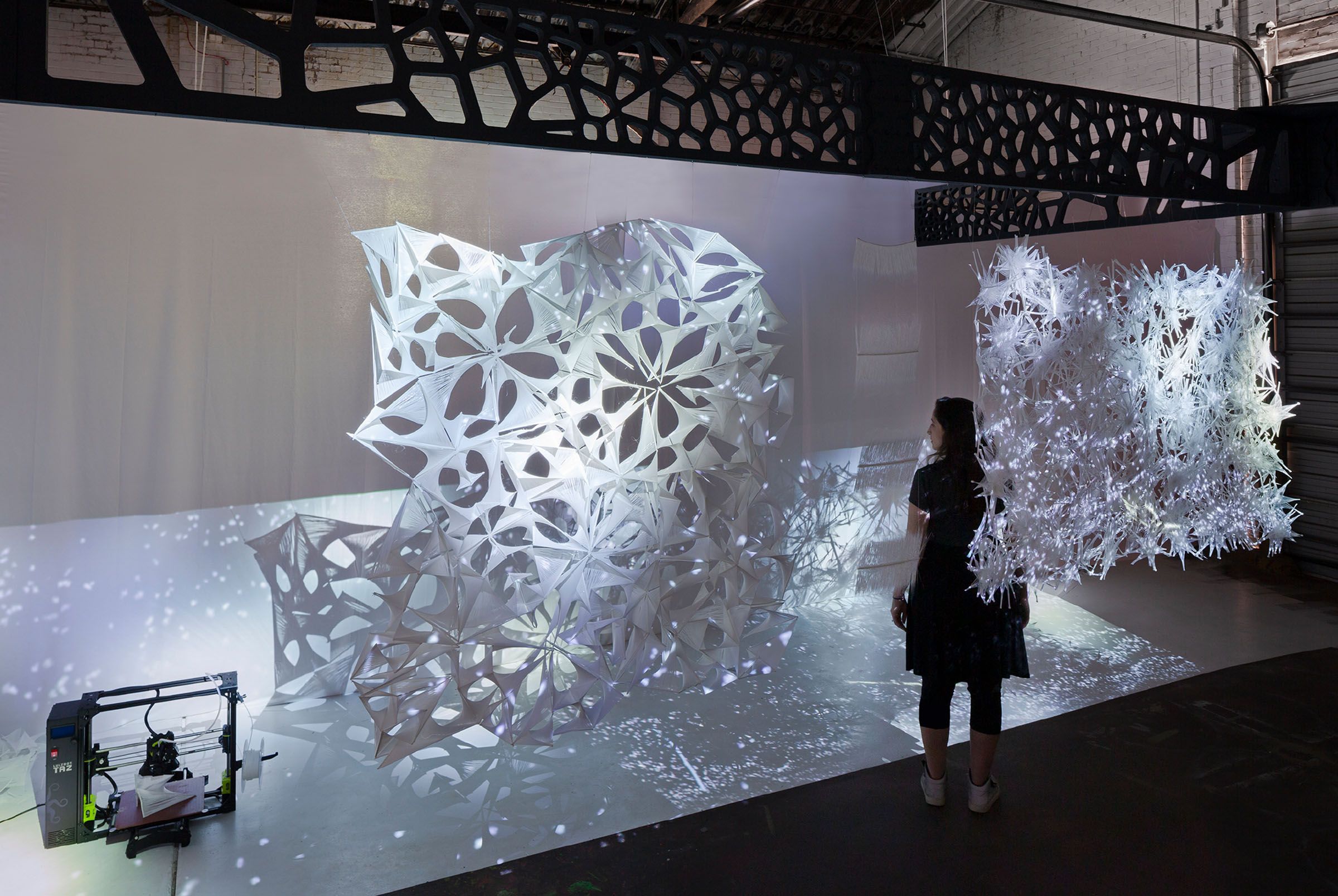
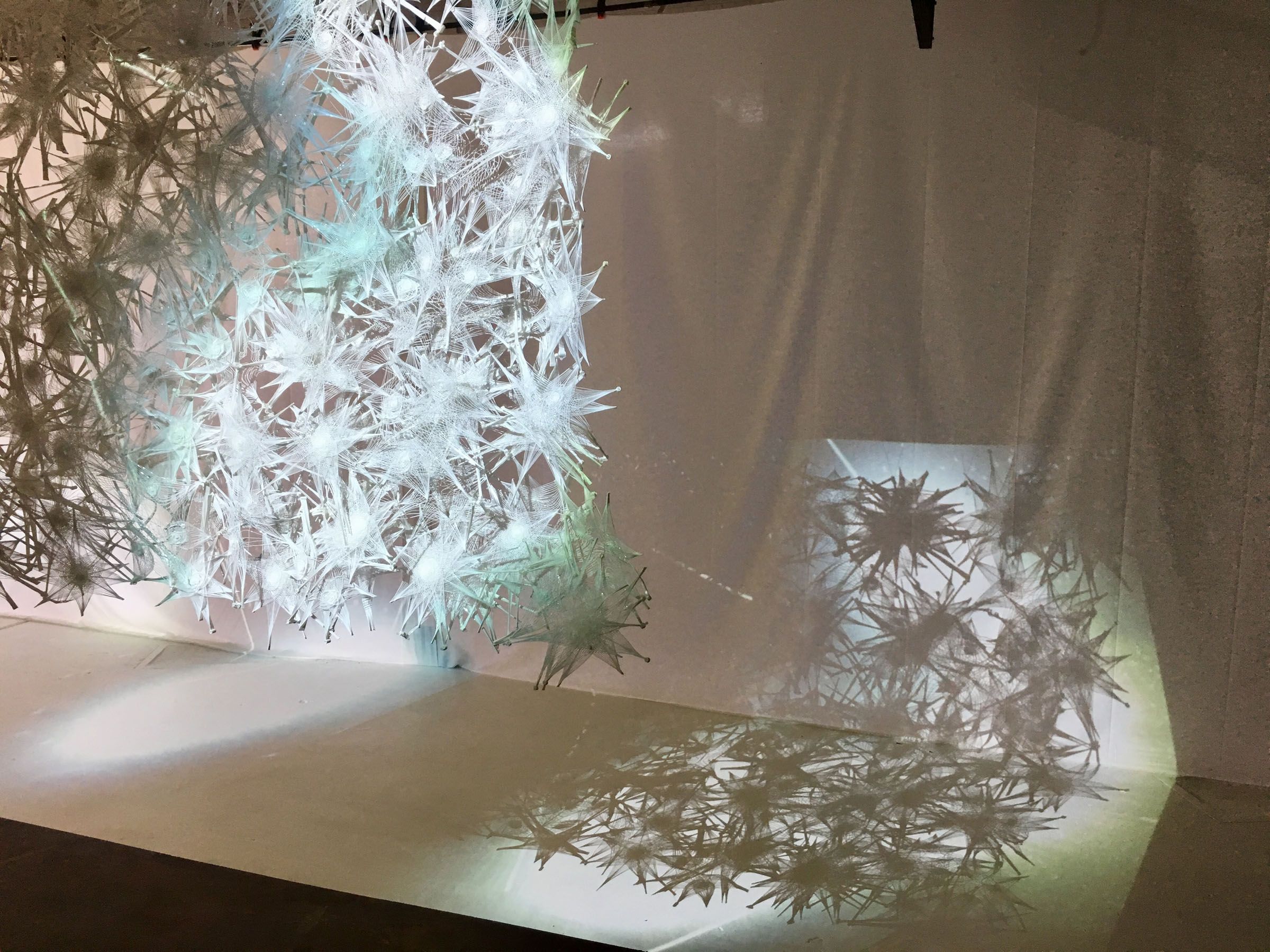
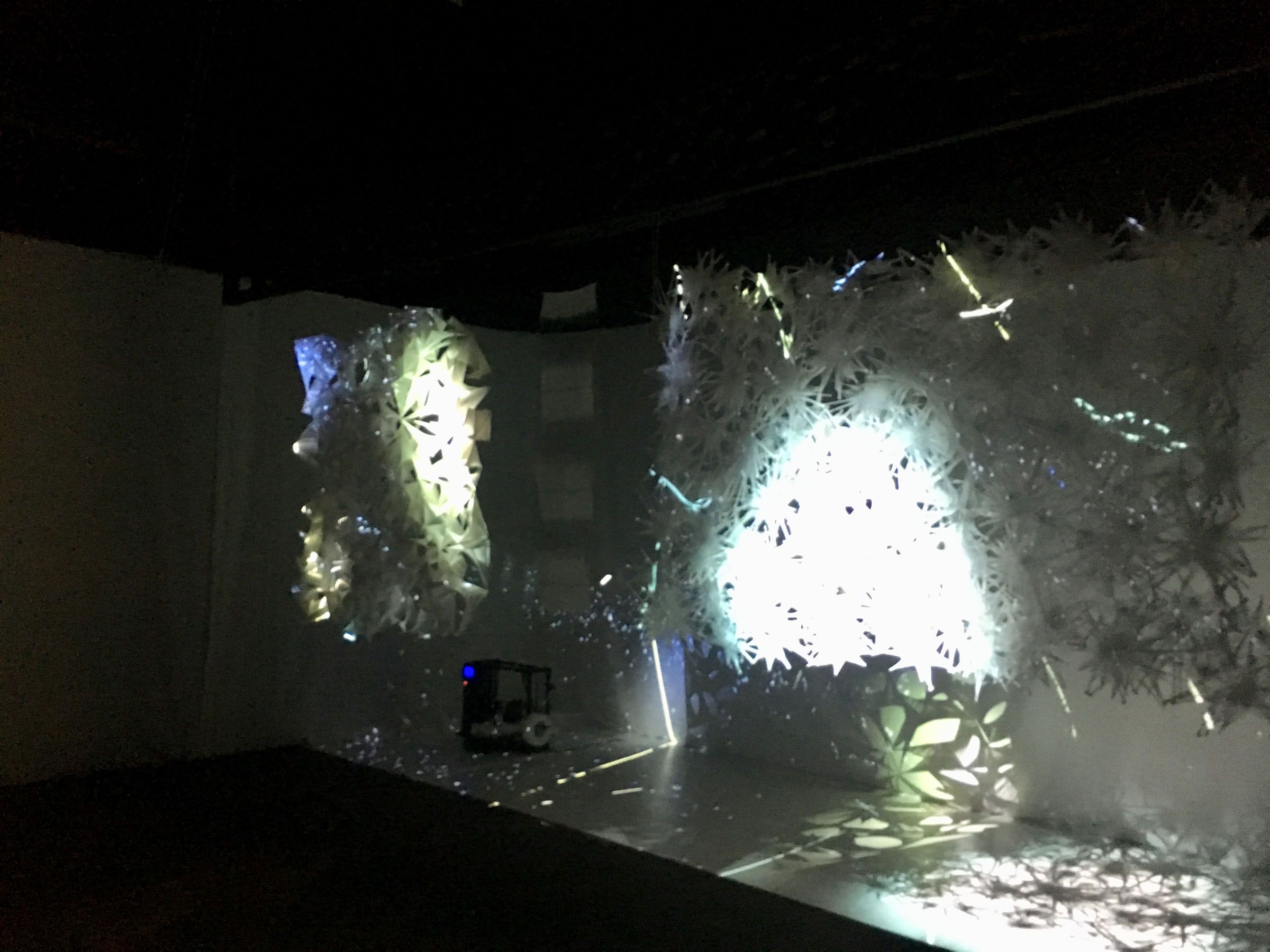
The installation’s fabrication relied on a fully digital workflow using Python, C#, and Grasshopper scripts to generate self-organizing geometries. These algorithms produced surfaces that could shift between discrete objects and continuous fields, simulating natural aggregation processes within artificial systems. Components were 3D printed from PLA and supported by CNC-milled wooden and steel trusses, which extended the computational logic into the structure itself. Every element—from lattice density to lighting alignment—was defined by parametric relationships, translating algorithmic data into architectural materiality. The result is both a precise technical artifact and a study in how fabrication can reveal rather than obscure the complexity of computational form.
This fabrication strategy also emphasized the interplay between precision and emergence. Rather than treating the digital model as a static template, the workflow allowed for continuous recalibration between digital simulation and physical behavior. As the printed components were assembled and suspended, small variations in material tolerance, flex, and lighting revealed new spatial effects that were neither fully predetermined nor accidental. This feedback loop between computation and material testing became an essential part of the design process, demonstrating how digital tools can be used not to fix outcomes, but to orchestrate evolving relationships among geometry, light, and perception.

Immersive Experience & Public Engagement
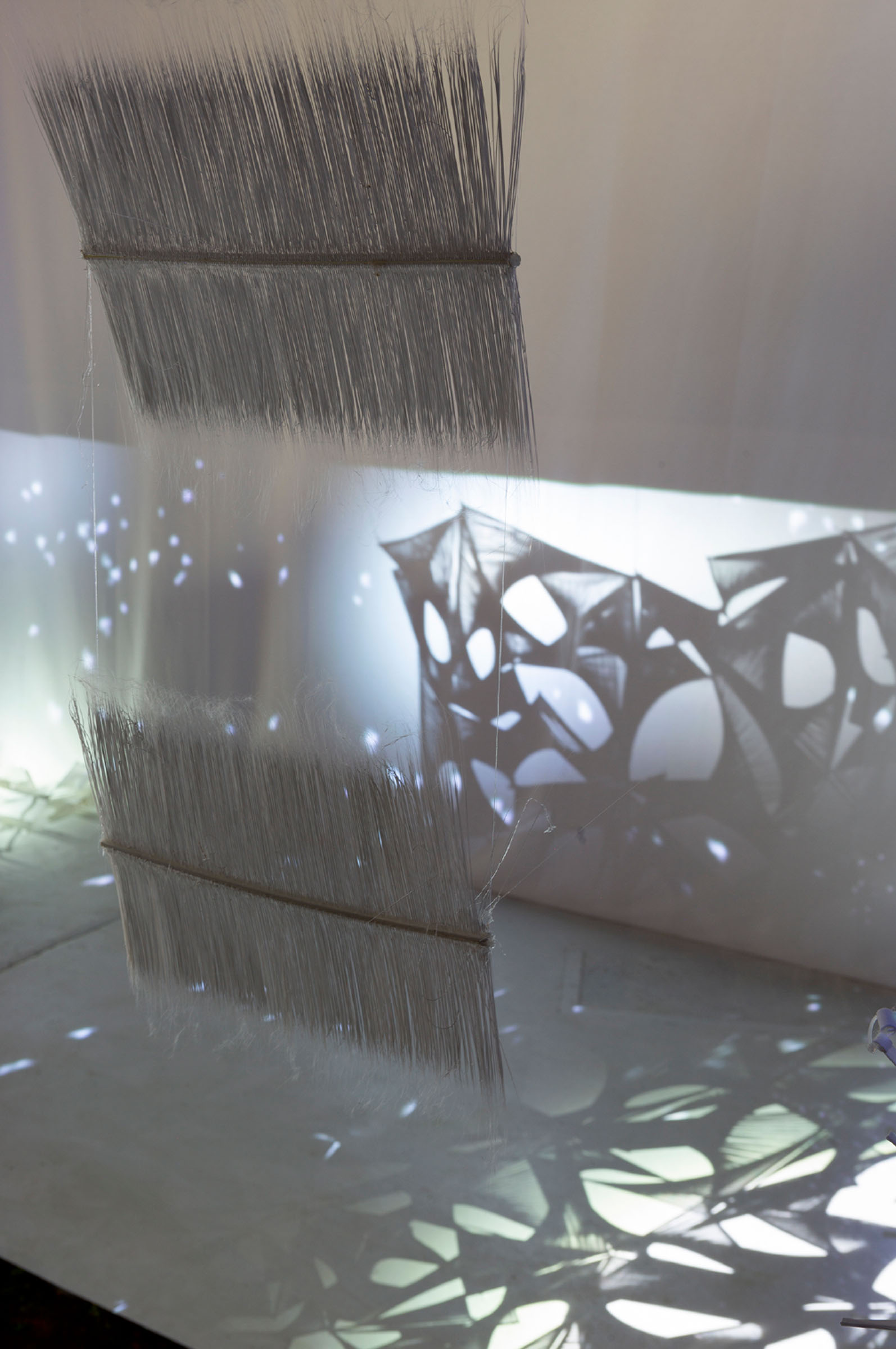
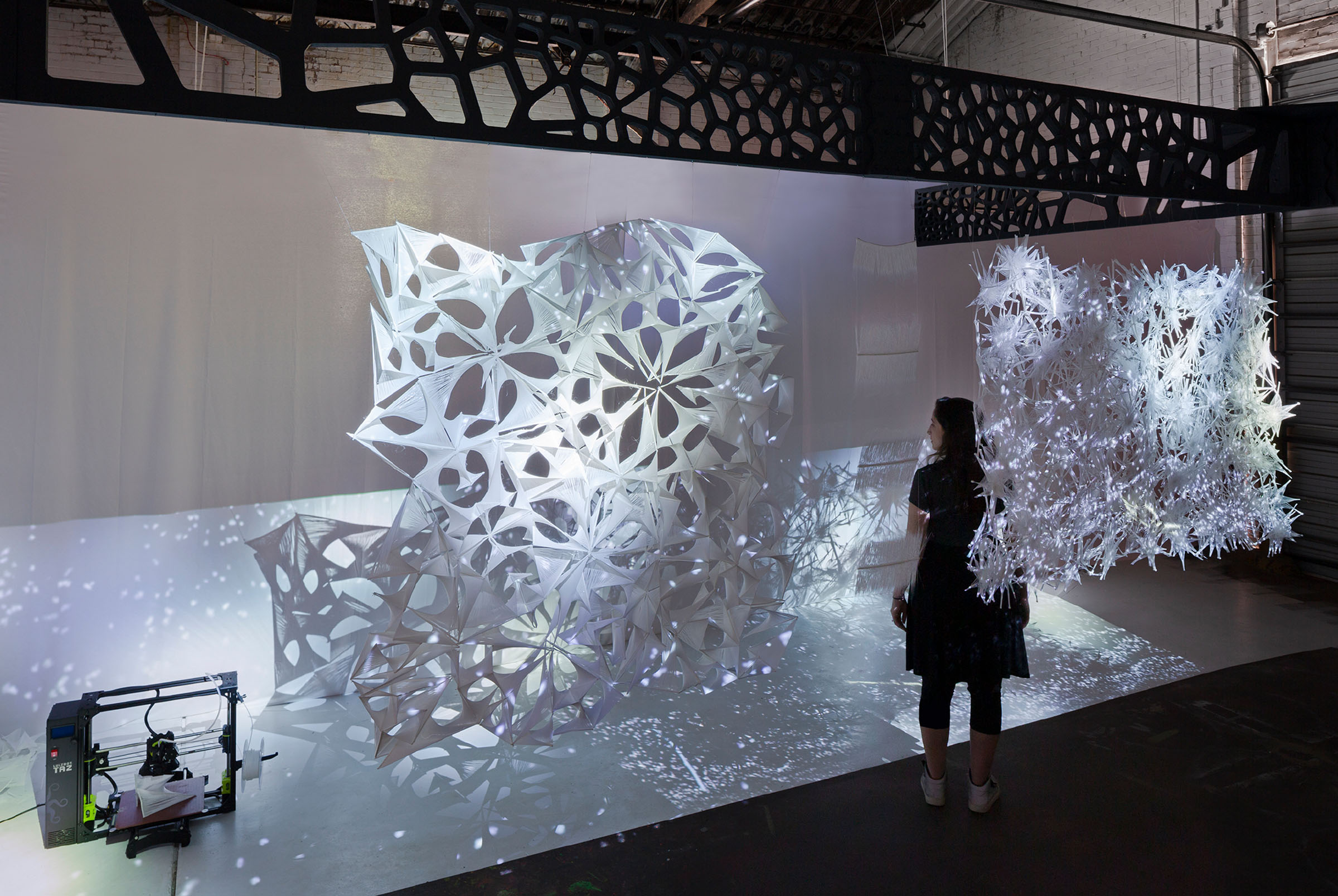
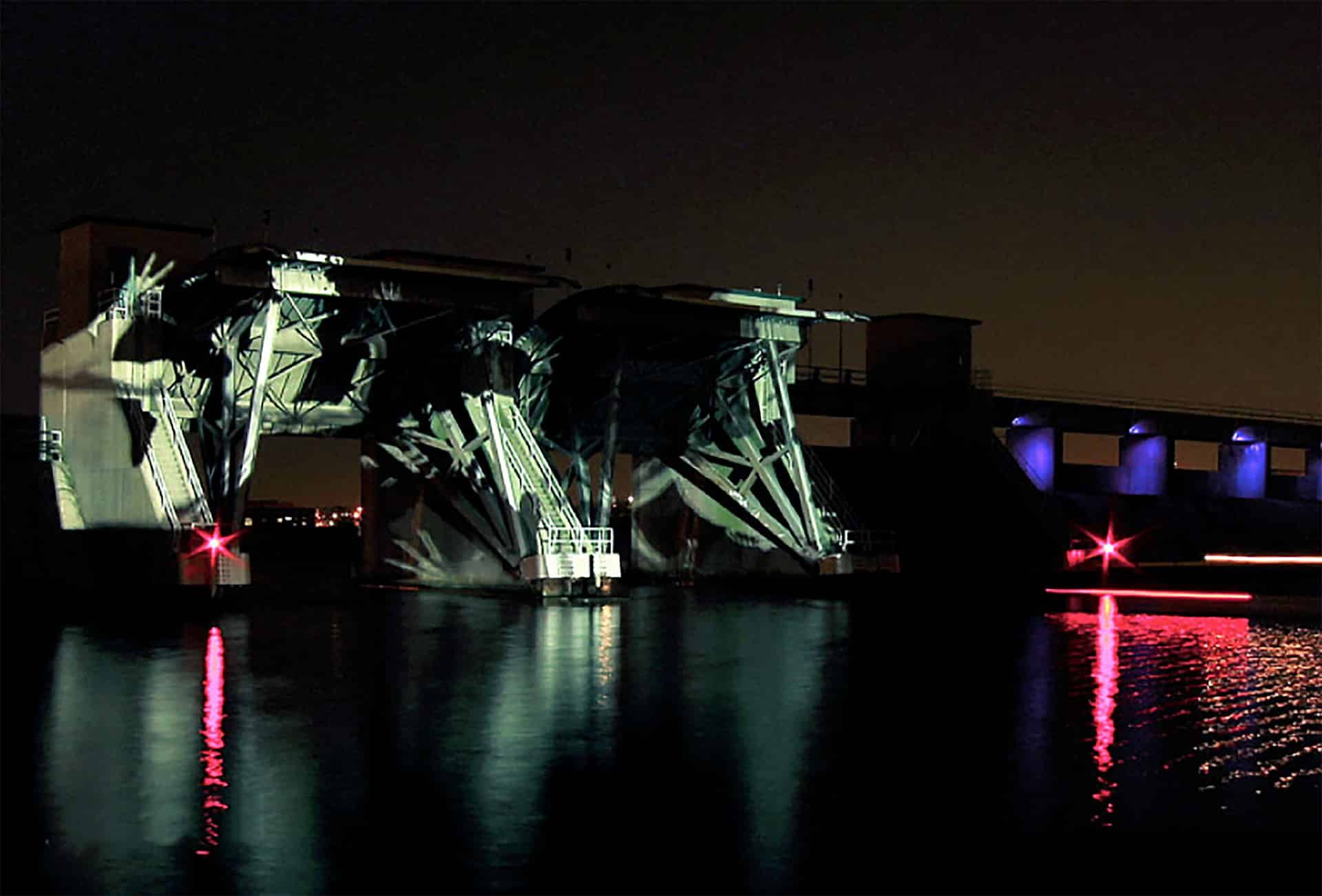
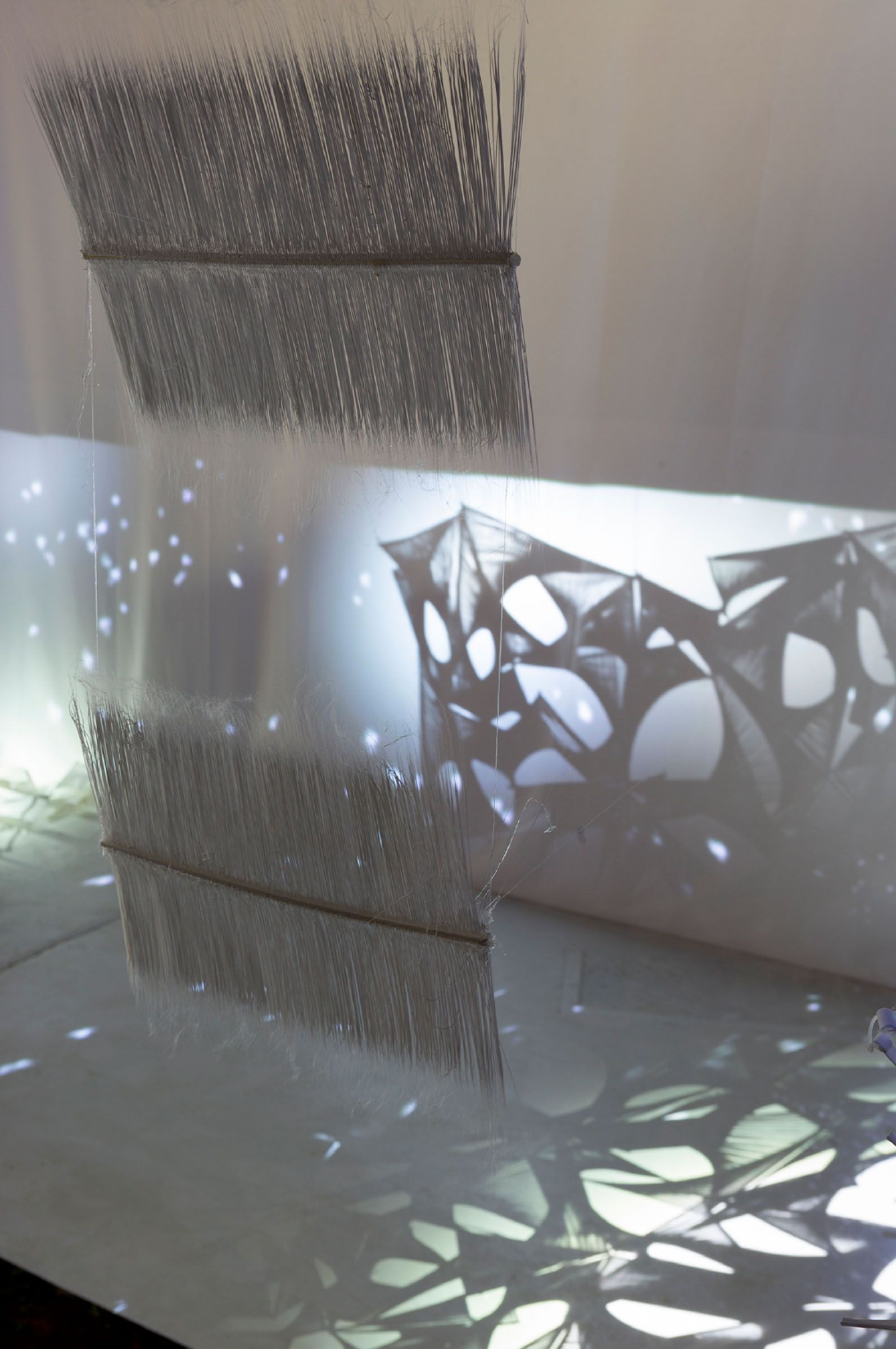
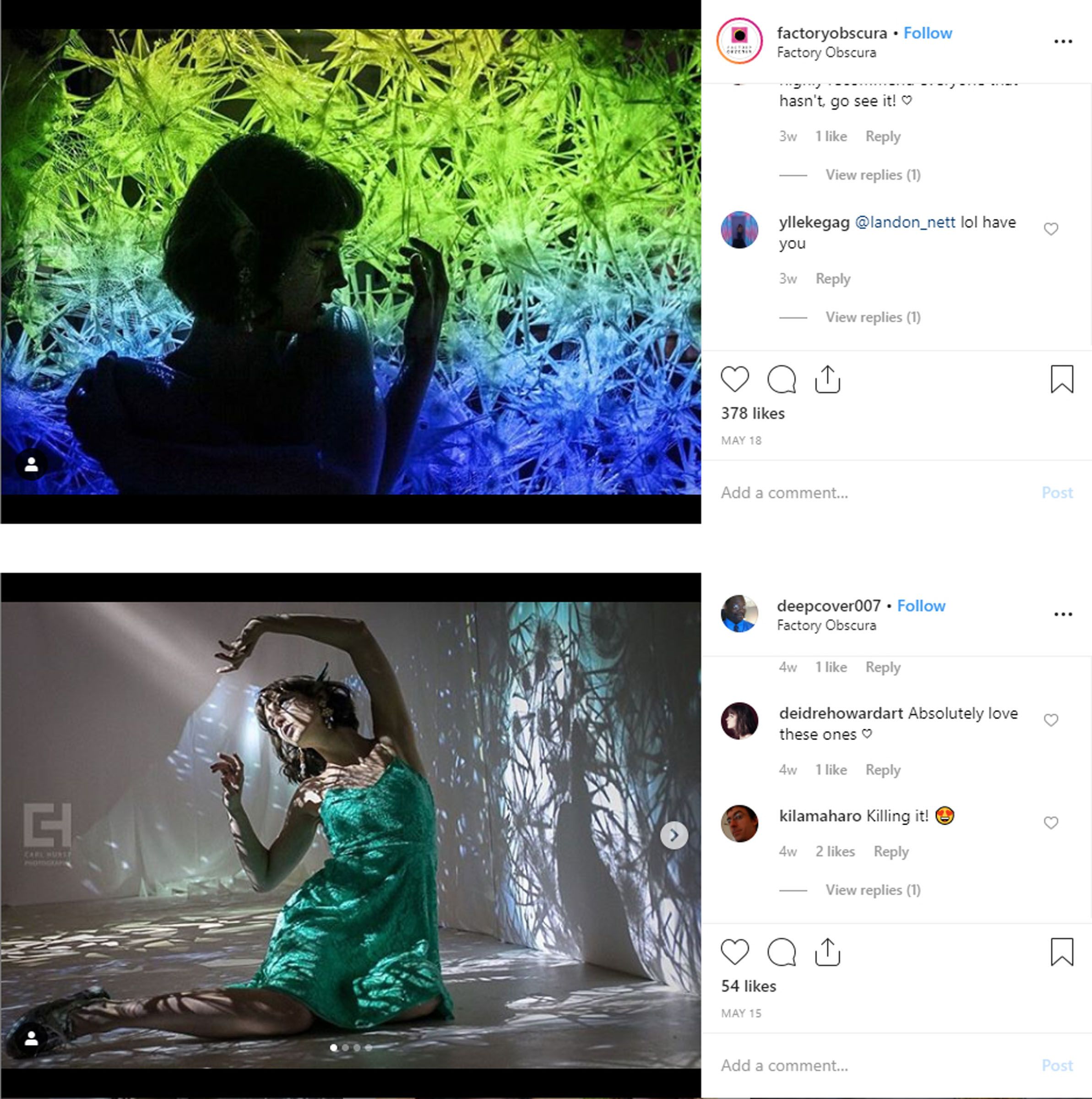
Projection mapping extended the installation into dynamic environments. As light interacted with the translucent plastic and string geometries, shadows multiplied across surfaces, enveloping visitors in shifting networks of pattern. These overlays amplified the computational logic of the assemblies, producing a heightened sense of flux, depth, and atmosphere.
Presented publicly at Factory Obscura in Oklahoma City, Surface Flux invited audiences to move through and around the suspended structures, encountering changing alignments of geometry, shadow, and projection. The installation’s wall text described it as “a space where digital matter performs, revealing how computation might become perceptual experience.” By merging computational research with public exhibition, the project bridged academic inquiry and collective experience. It demonstrated how experimental fabrication processes, when paired with immersive light and atmosphere, can generate spaces of shared reflection and engagement.