Crutcho Elementary Greenhouse Classroom

Oklahoma City, OK
Construction Completed: May 2023

The Crutcho Elementary Greenhouse Classroom was designed and built as a pre–American School Design Build project in collaboration with Engage Learning. The initiative provided Crutcho students with a hands-on agricultural learning environment while also serving as a proof-of-concept for new design-to-construction pedagogy at Gibbs College. Unlike later ASDB projects that integrated architecture and construction science, this effort involved construction science students only. I led the project’s digital workflow, developing the cassette-based system, parametric models, and CNC toolpaths that transformed design intent into buildable components.

In many ways, this project was more than a greenhouse—it became a testing ground for how digital design and prefabrication could serve as educational tools. By linking CNC fabrication directly to student construction, the project generated insights that informed later curriculum, learning outcomes, and pedagogical strategies. It demonstrated how modular design, community engagement, and hands-on building could be scaled into a broader educational model, helping to shape the eventual creation of the American School Design Build studio.


Crutcho Elementary Greenhouse Classroom

Oklahoma City, OK
Construction Completed: May 2023

Project Overview

The Crutcho Elementary Greenhouse Classroom was developed as an applied research and pedagogical initiative that explored the intersection of parametric design, digital fabrication, and design-build construction. The project was realized in collaboration with Engage Learning and Crutcho Public Schools in Oklahoma City, an under-resourced district committed to hands-on, STEAM-based education. The greenhouse was envisioned as both an agricultural learning environment and a pedagogical experiment—an opportunity to merge architectural fabrication research with construction science education.

Operating under a hybrid pedagogy model, the project divided responsibilities between design/fabrication and on-site assembly. The design, digital modeling, detailing, fabrication, and analysis were conducted within the Gibbs College of Architecture as part of ongoing research into computational design and modular systems. The final construction was completed by a team of University of Oklahoma Construction Science students, who assembled the prefabricated components on a pier and pressure-treated foundation platform built on site. This collaboration created a full-scale learning experience that linked research-based fabrication with the pragmatism of field construction, testing new methods for cross-disciplinary integration within Gibbs College.


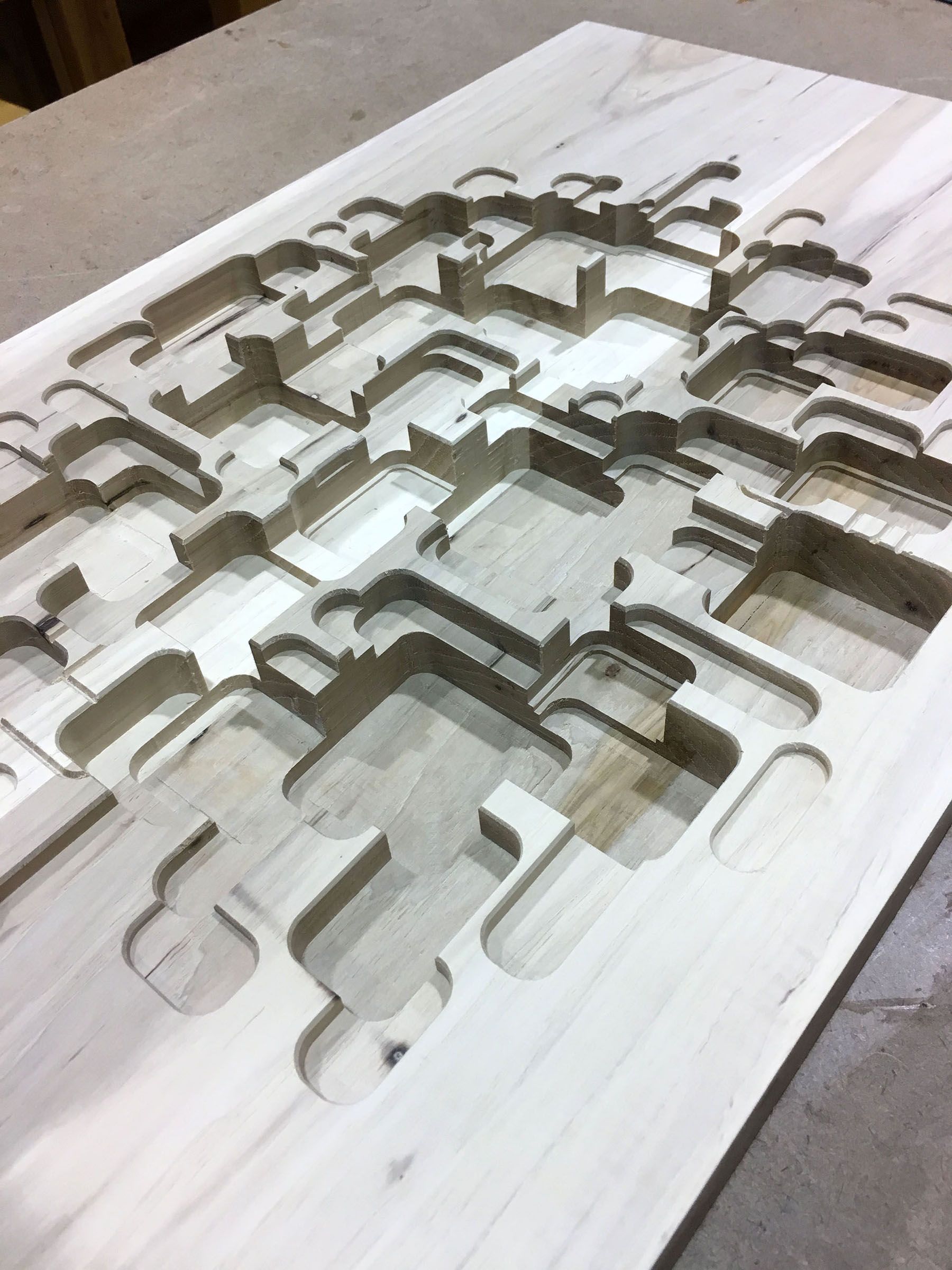
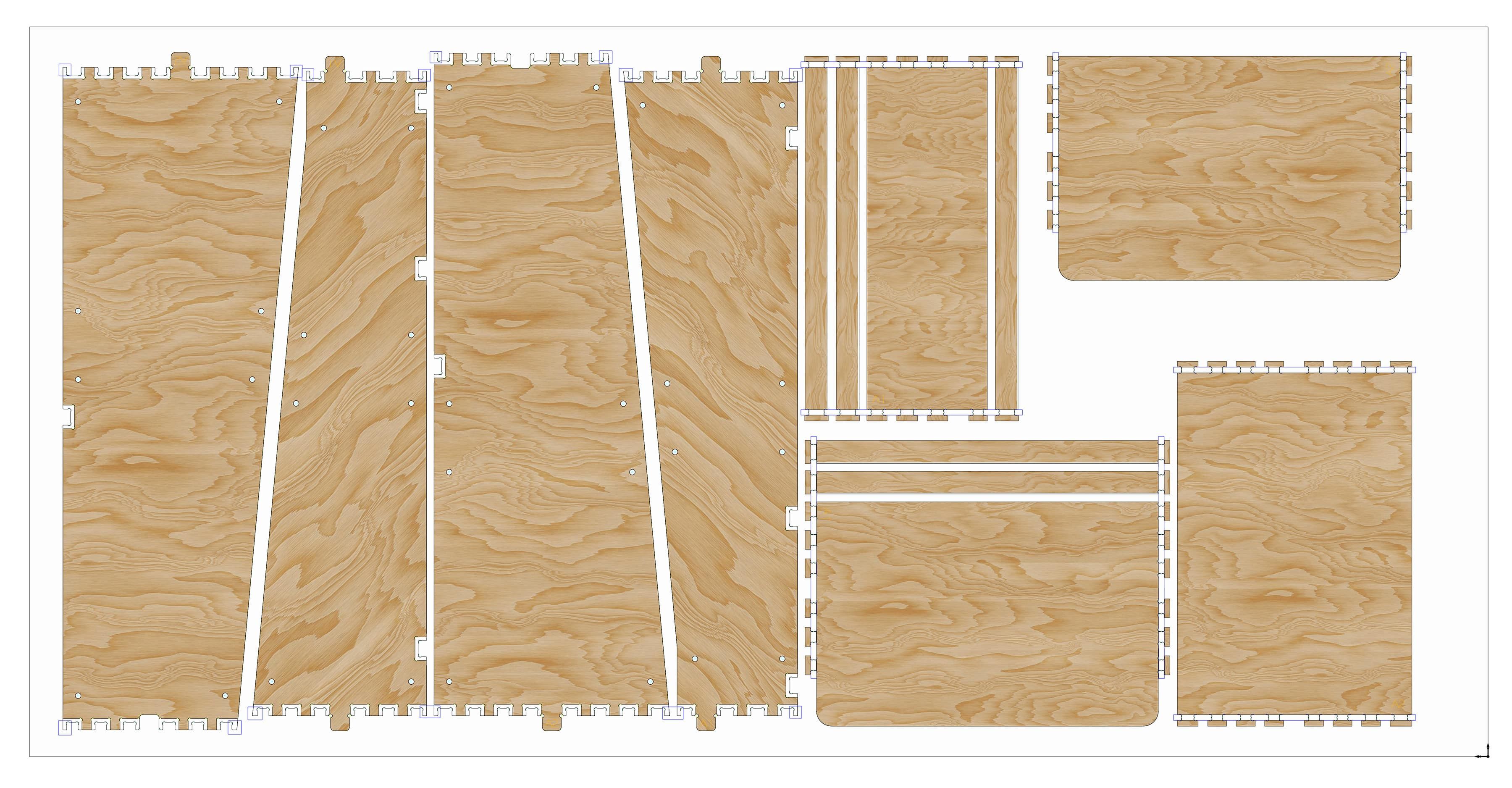
ABOVE: The anatomy of a single ‘cassette’ module, nested in a 4’x8’x.75″ plywwod sheet, ready for milling

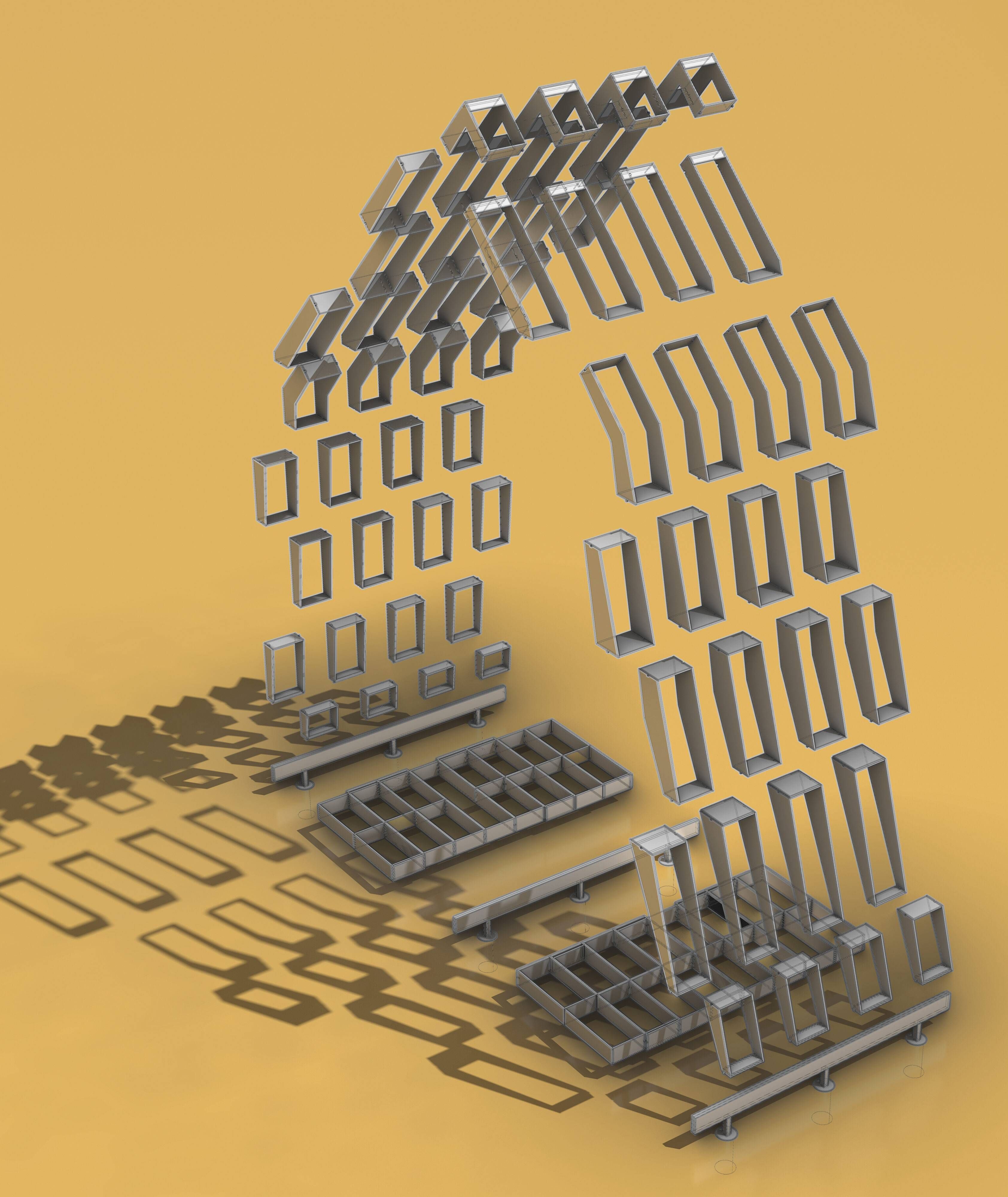
RIGHT: Exploded cassette diagram shows horizontal repetition and vertical differentiation. When assembled each modular unit row ‘tooths’ into the previous installed row below it which forms a robust structural shell when full assembled.

Design Intent and Pedagogical Framework

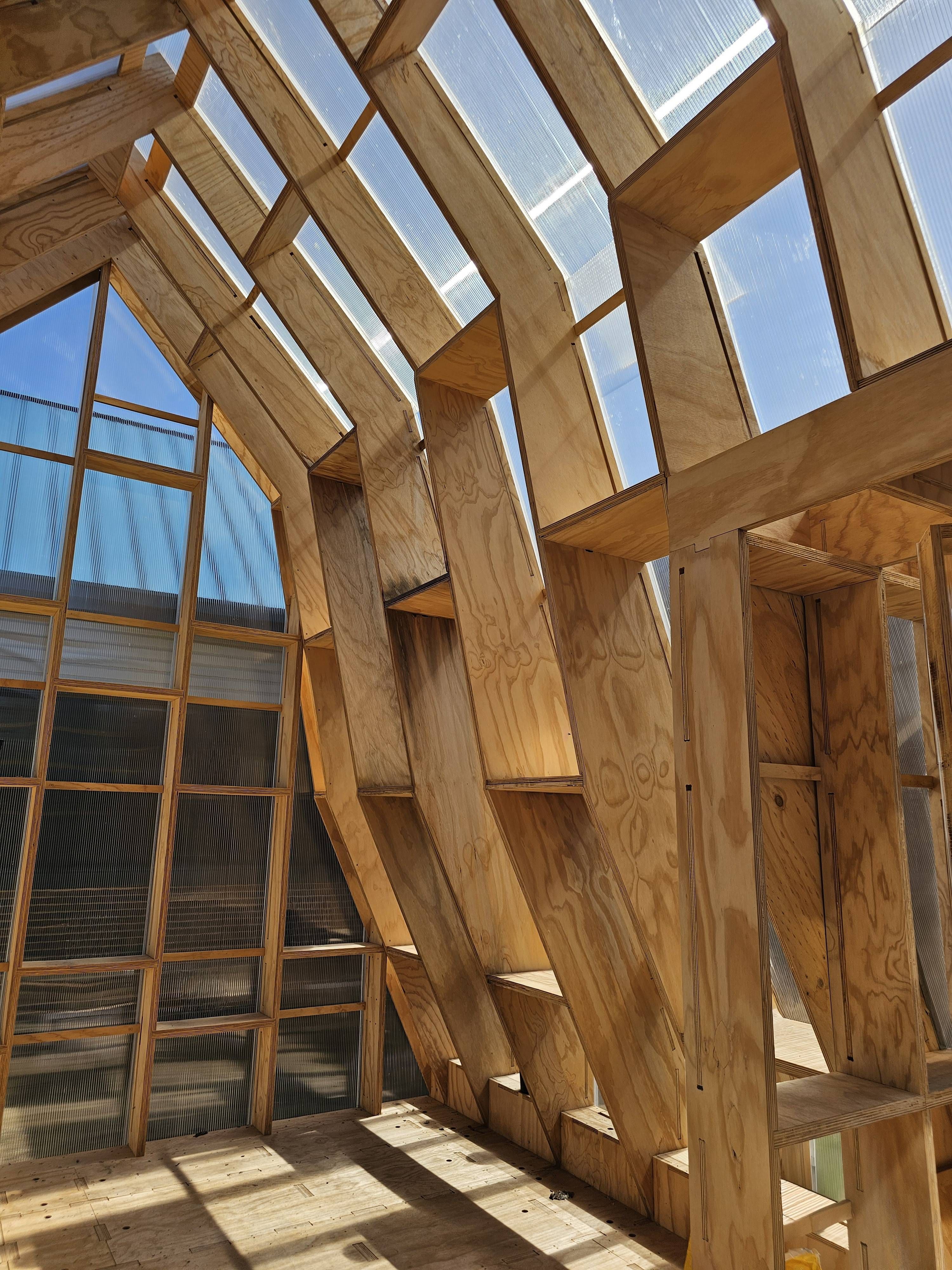
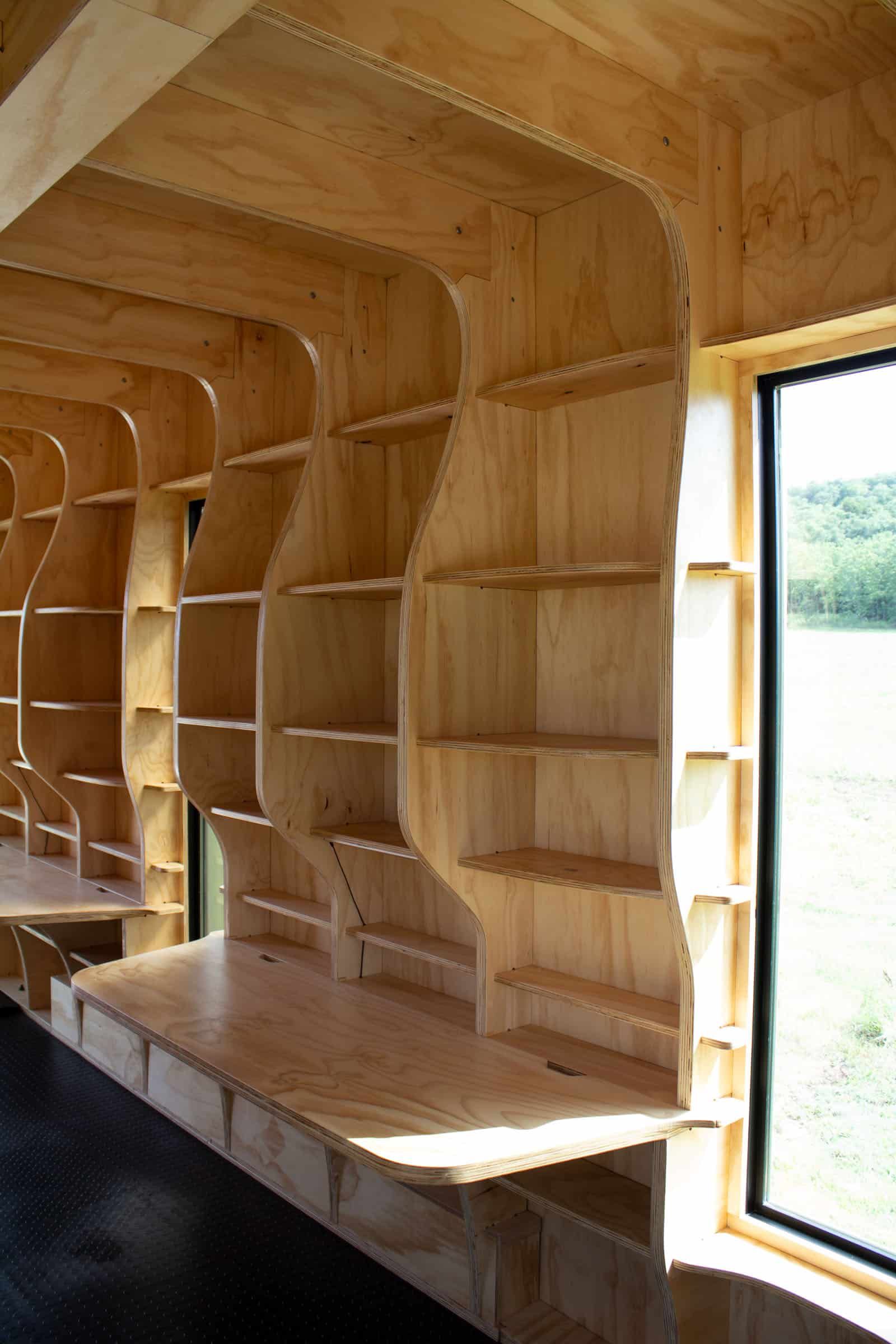
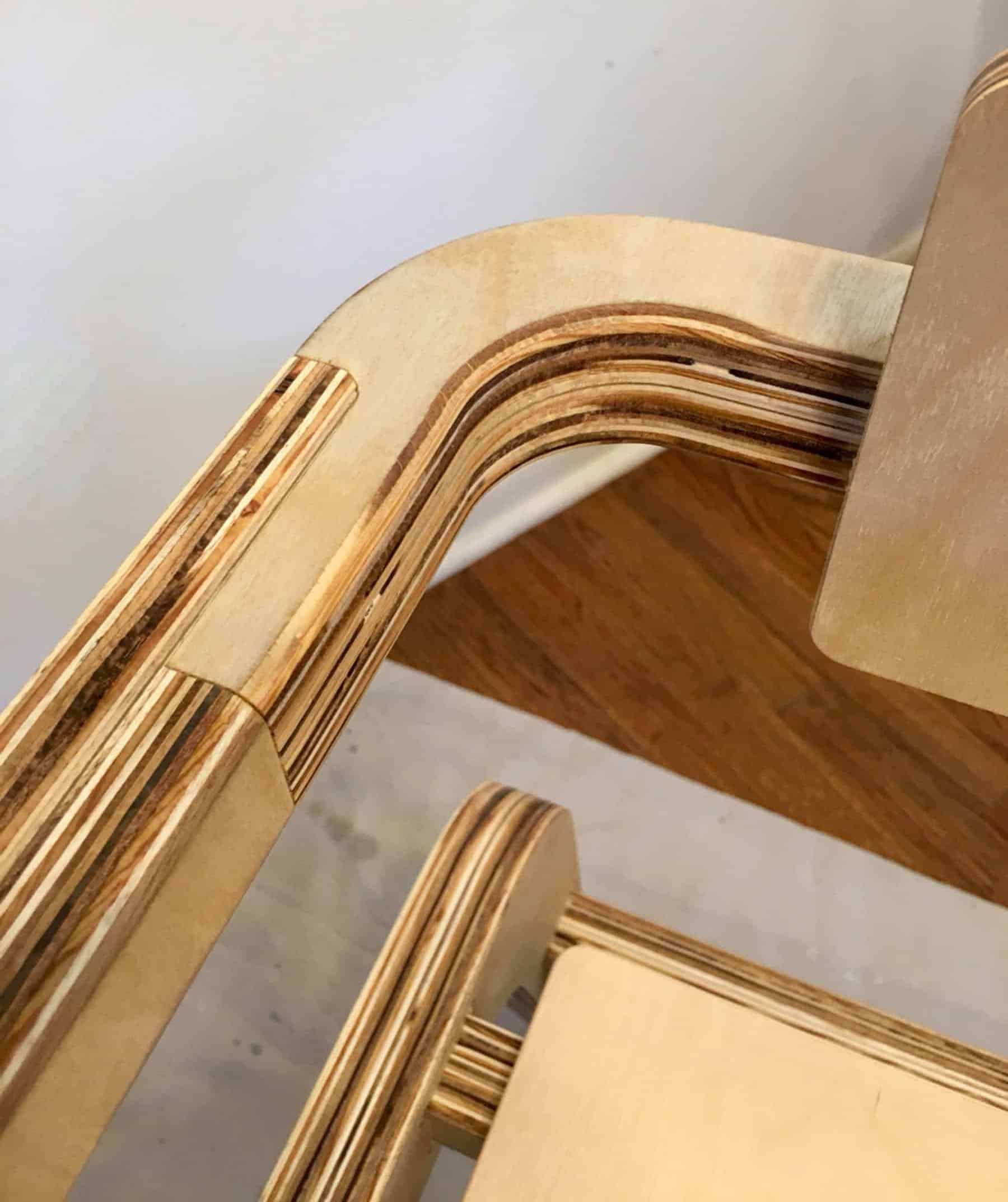
As a research endeavor, the project investigated how computational modeling and CNC fabrication could produce modular assemblies optimized for rapid field construction. The design prioritized tectonic clarity and modular logic, using a plywood cassette system that integrated structure, enclosure, and built-in furniture. Each wall and floor module was digitally modeled and fabricated, designed to slot together in a sequence that mirrored the logic of a kit-of-parts assembly.

This workflow allowed the greenhouse to function as both a building and a system—each cassette serving multiple roles as structure, storage, and workspace, collectively forming a coherent architectural language. The design also addressed the educational mission of the site: durable, adaptable, and easy to maintain, the greenhouse supported student-led horticulture and environmental learning. The result was a demonstration of how fabrication research could yield a spatial framework that is both functional and pedagogically resonant.
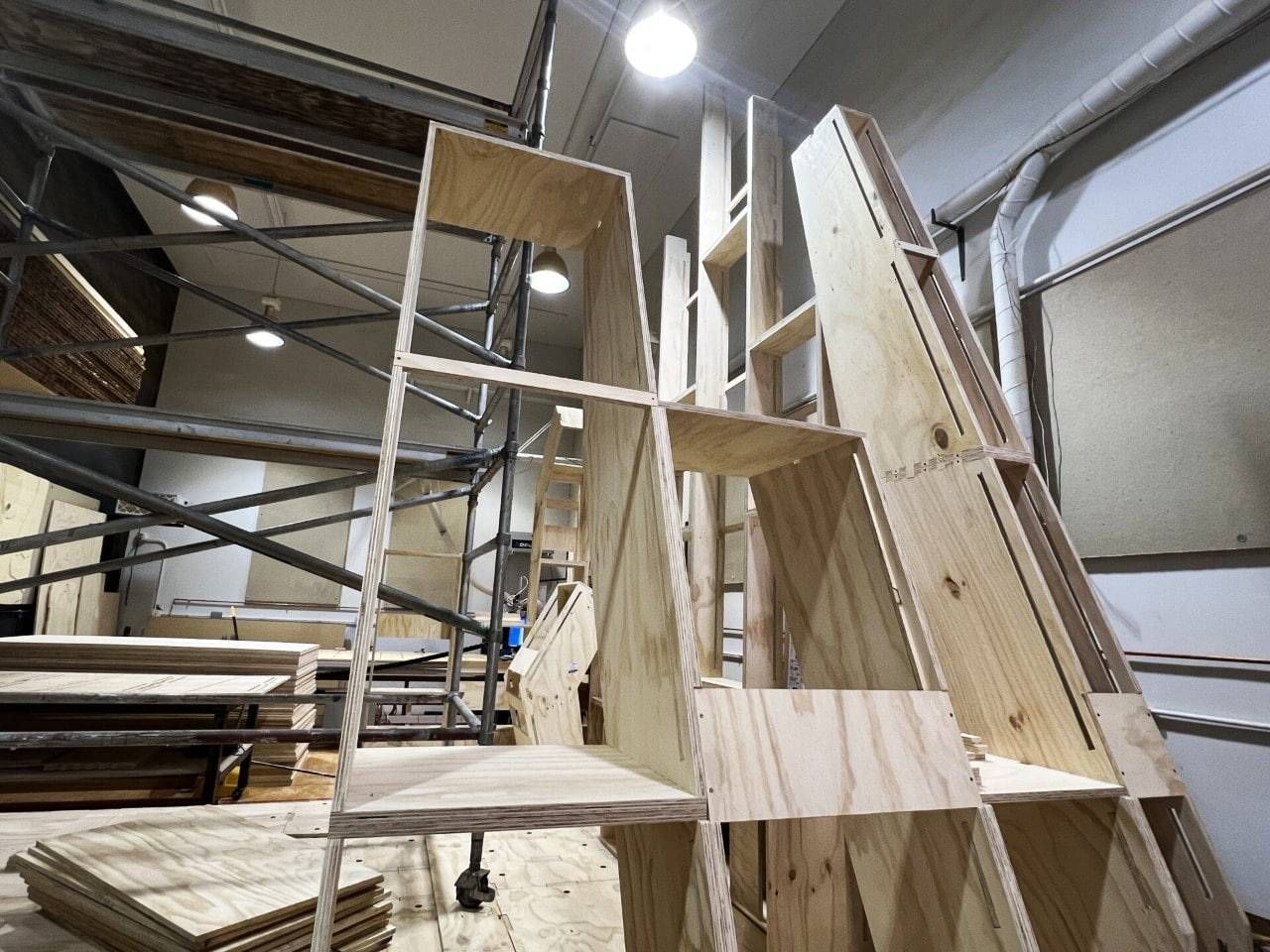
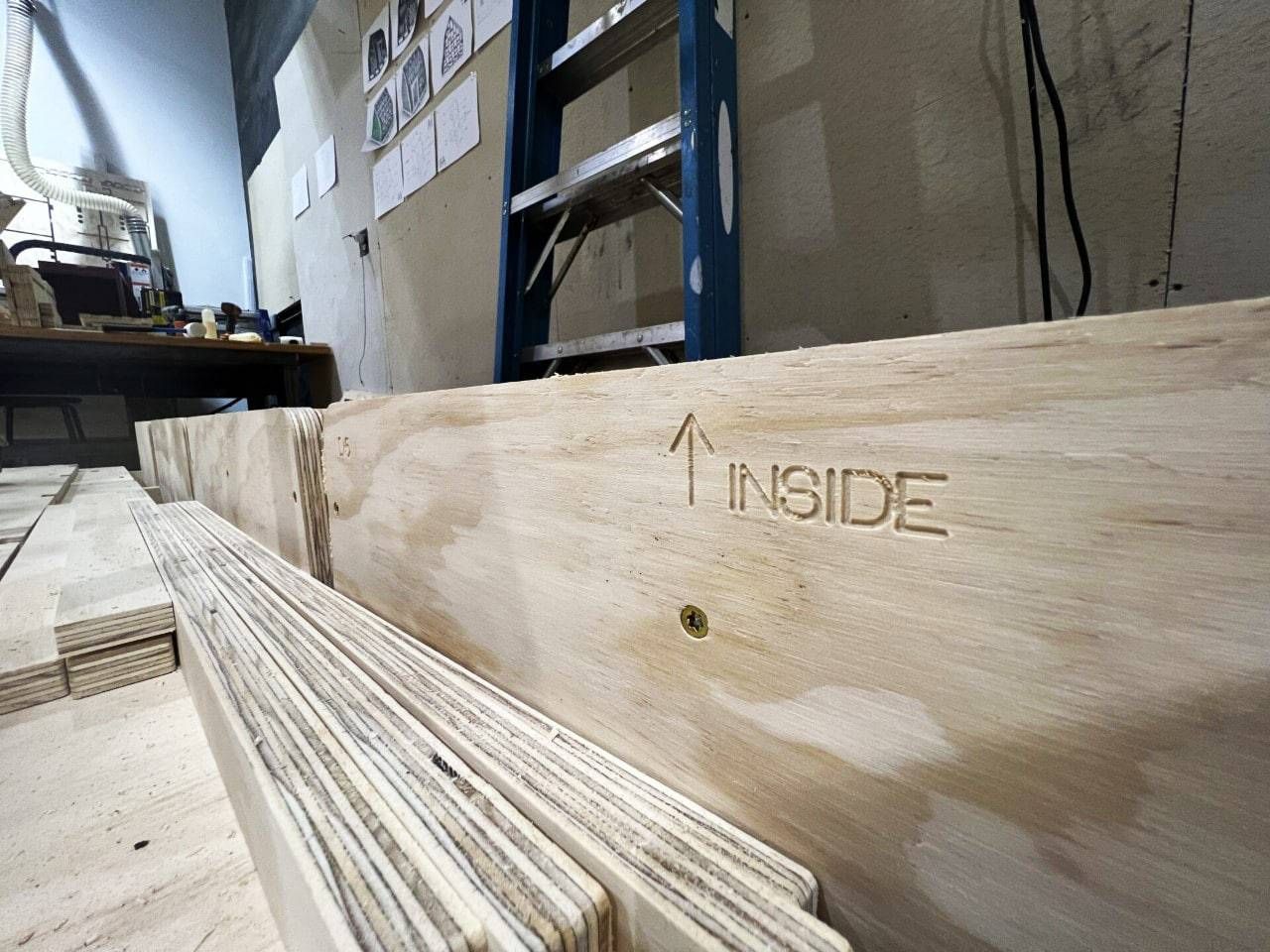
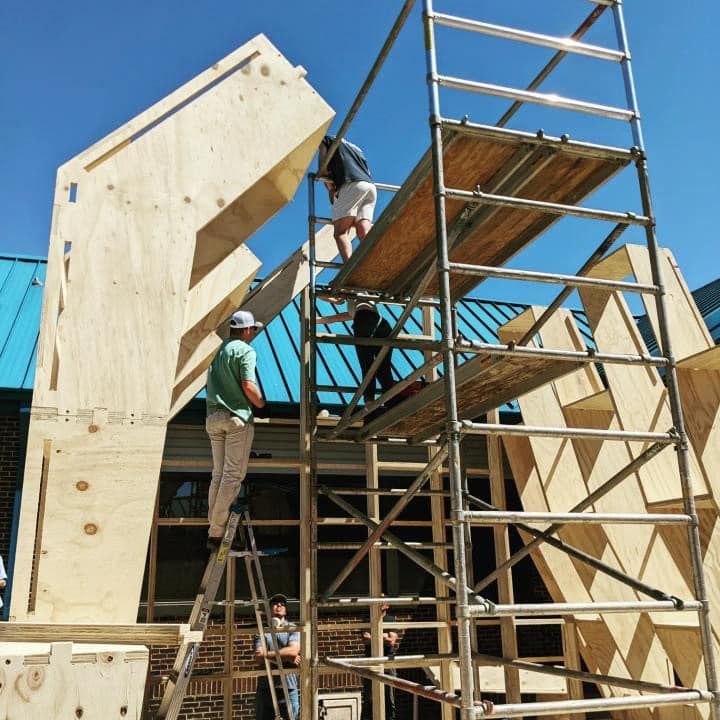
RIGHT: Testing precision-milled plywood cassettes, staged during fabrication, each unit interlocking and auto-aligning like LEGO bricks to form the greenhouse’s modular framework.


Digital Fabrication and Modular Assembly

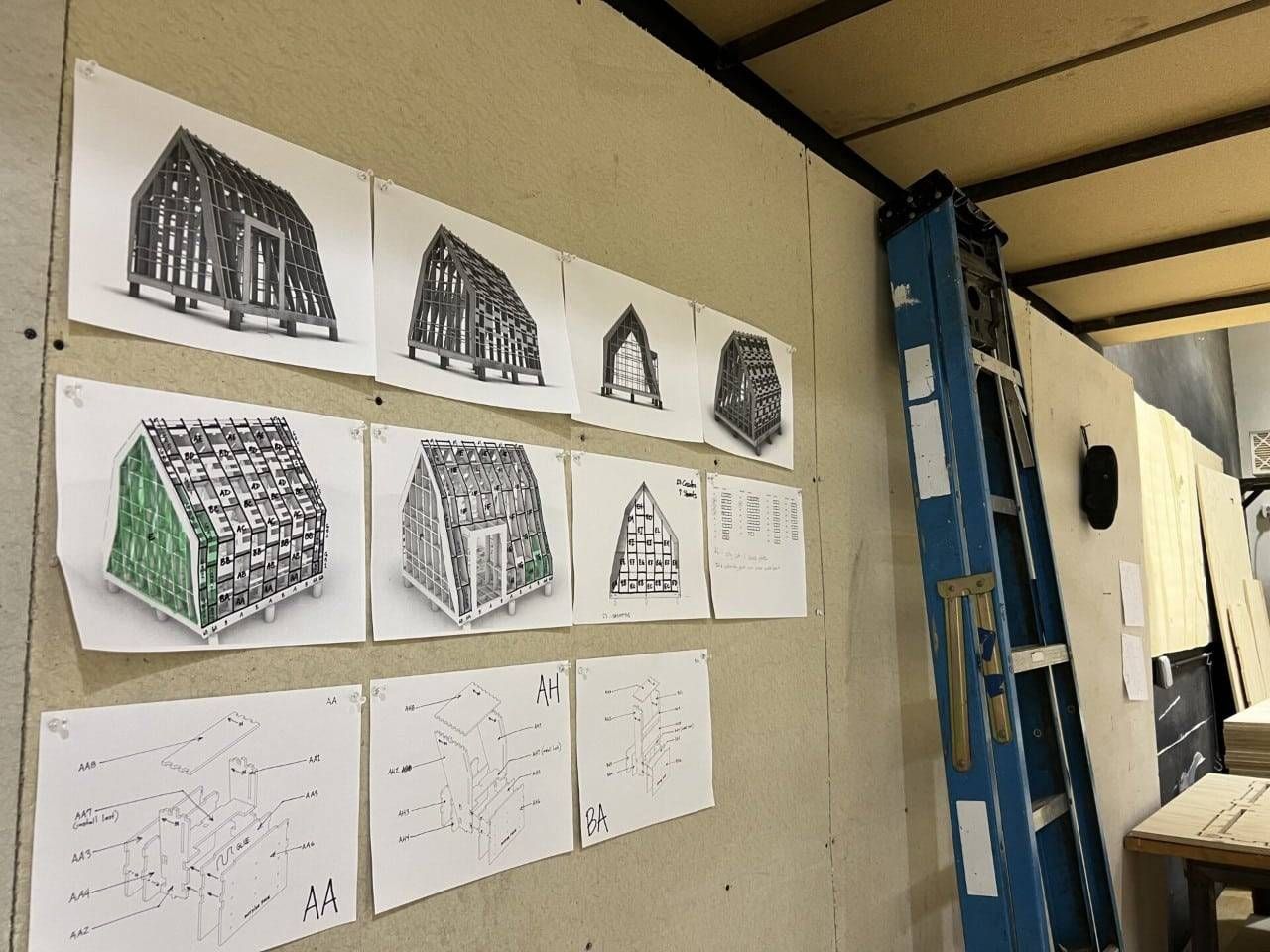
The fabrication process was grounded in advanced parametric modeling and CNC workflows emphasizing adaptability and precision. Working in Rhino and RhinoCAM, each cassette was digitally nested, milled, and labeled for efficient sequencing and field assembly. The fabrication logic integrated notching, slotting, and “drawer-box-like” interlocking joinery strategies for each ‘cassette’ module resulting in superior joint strength, precision alignment, and repeatability. Fabricated from ¾-inch plywood, every joint was tested and refined to balance friction fit, alignment, and structural performance.

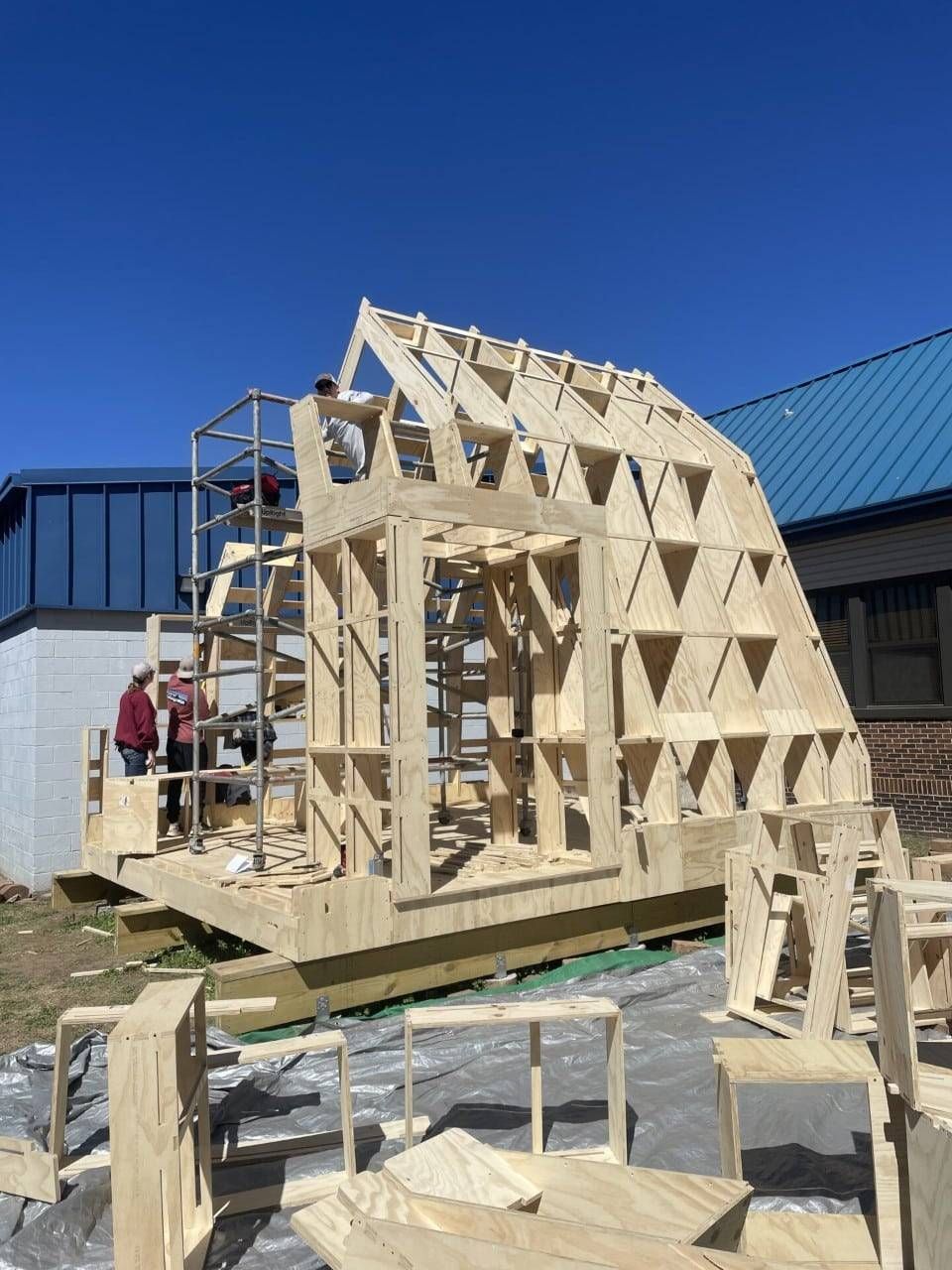
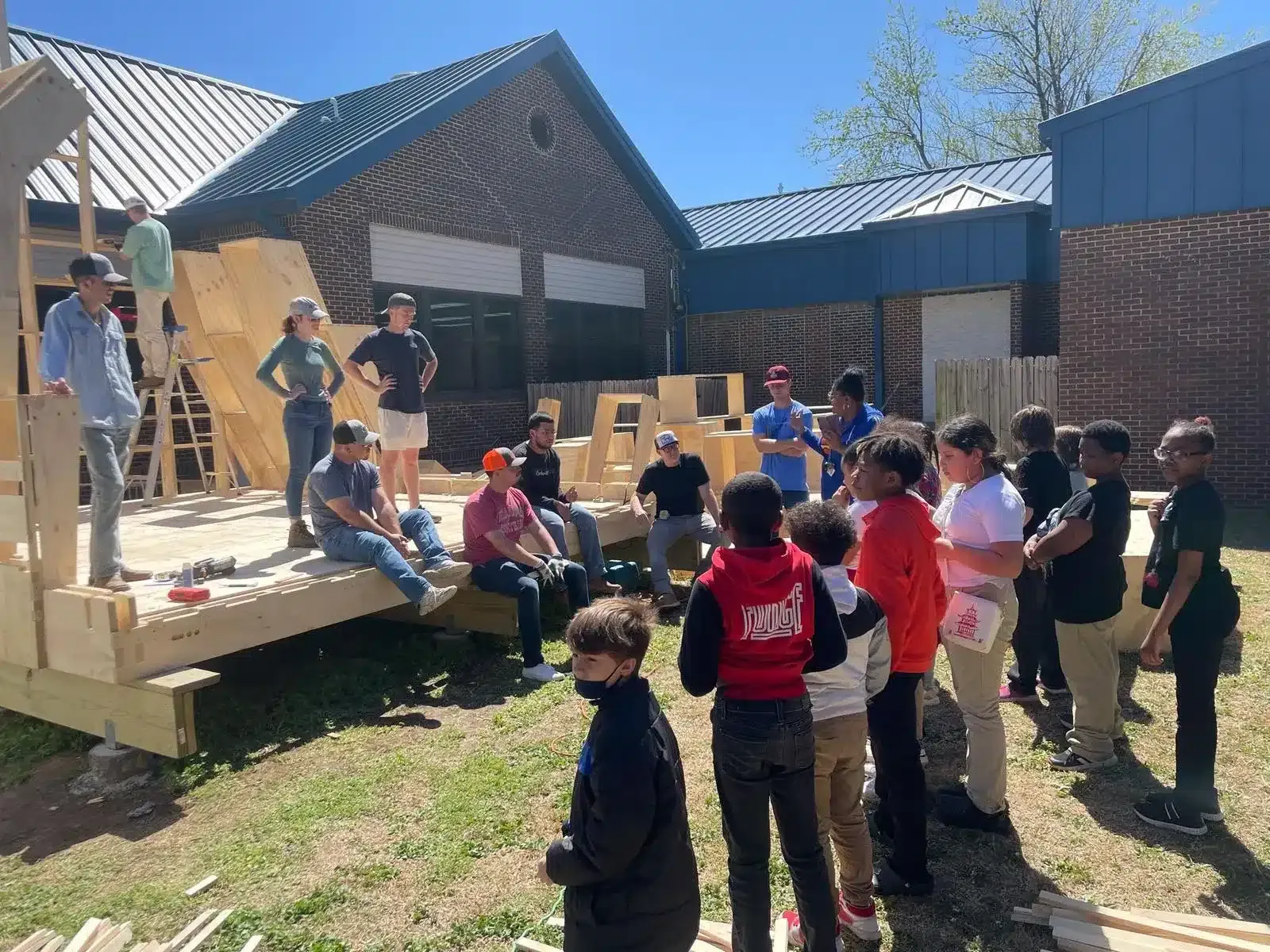
Once fabrication was complete, the prefabricated wall and floor cassettes were organized, labeled, and delivered to the Crutcho site with a detailed set of assembly instructions. The Construction Science team constructed the pier foundation and then assembled the modules in the field. This handoff between fabrication research and on-site construction established a workflow that mirrored professional design-build coordination, connecting computational precision to logistical execution that exceeded typical real-world tolerances achicved by the most skilled professional trades.
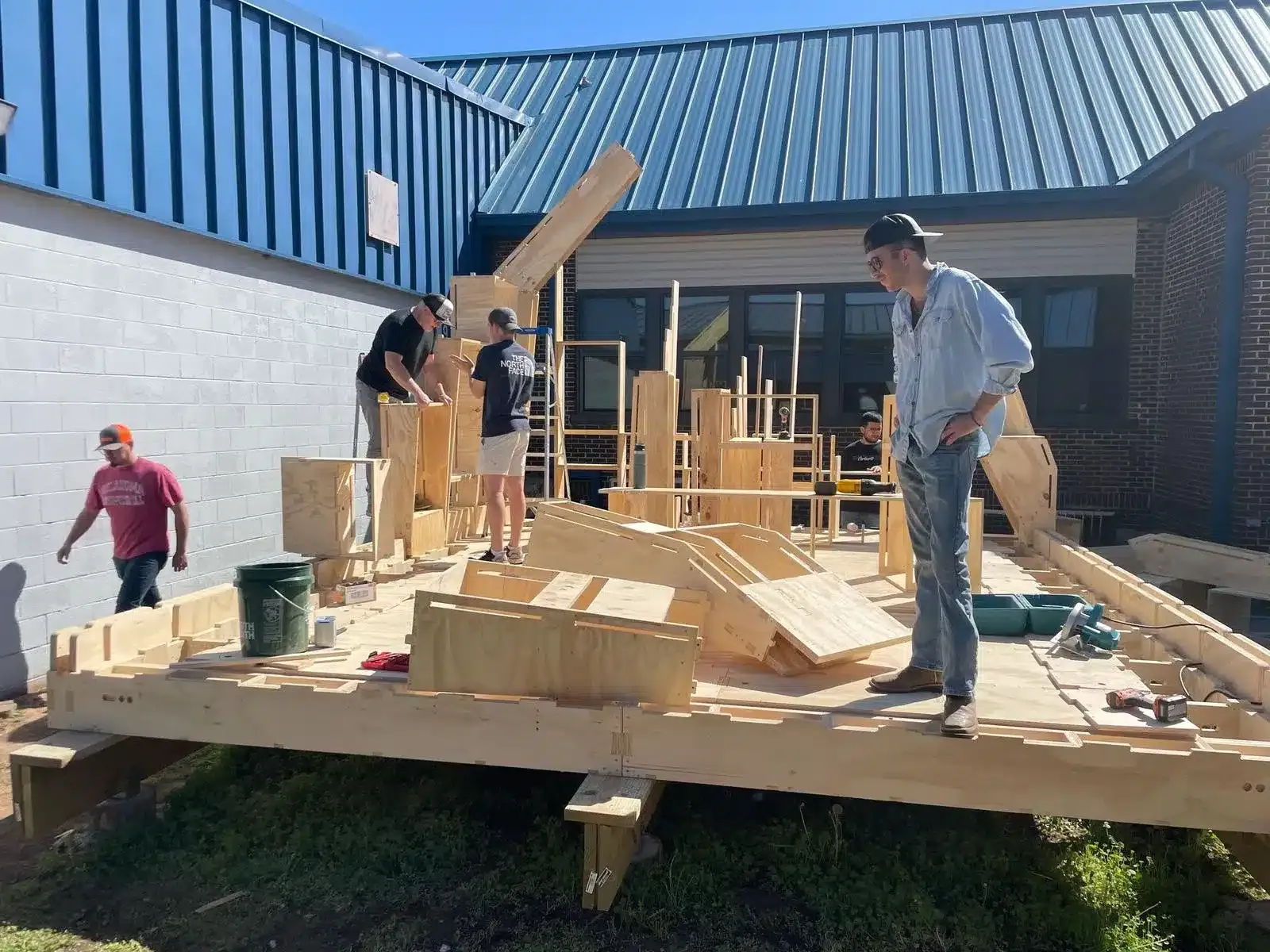
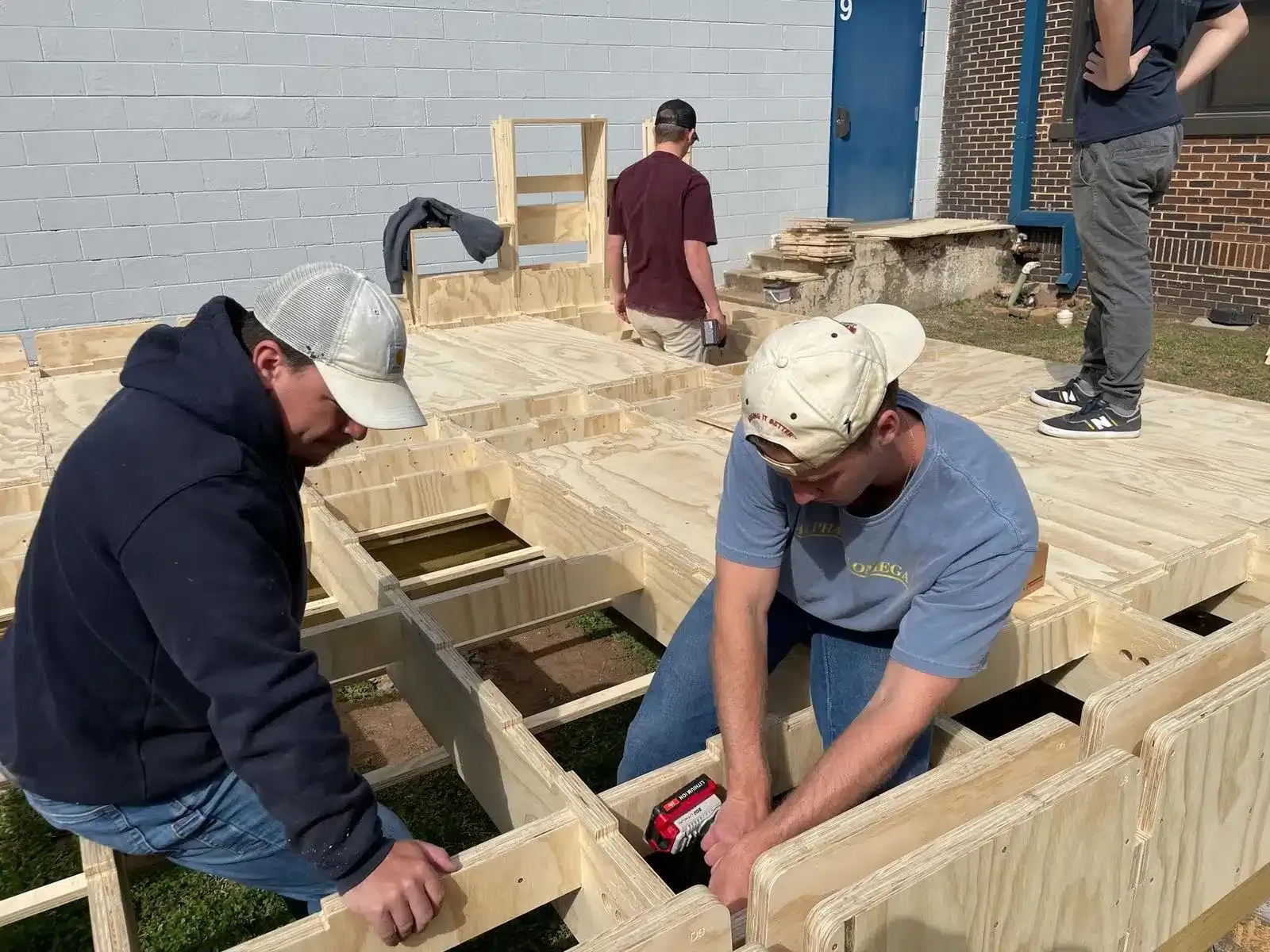
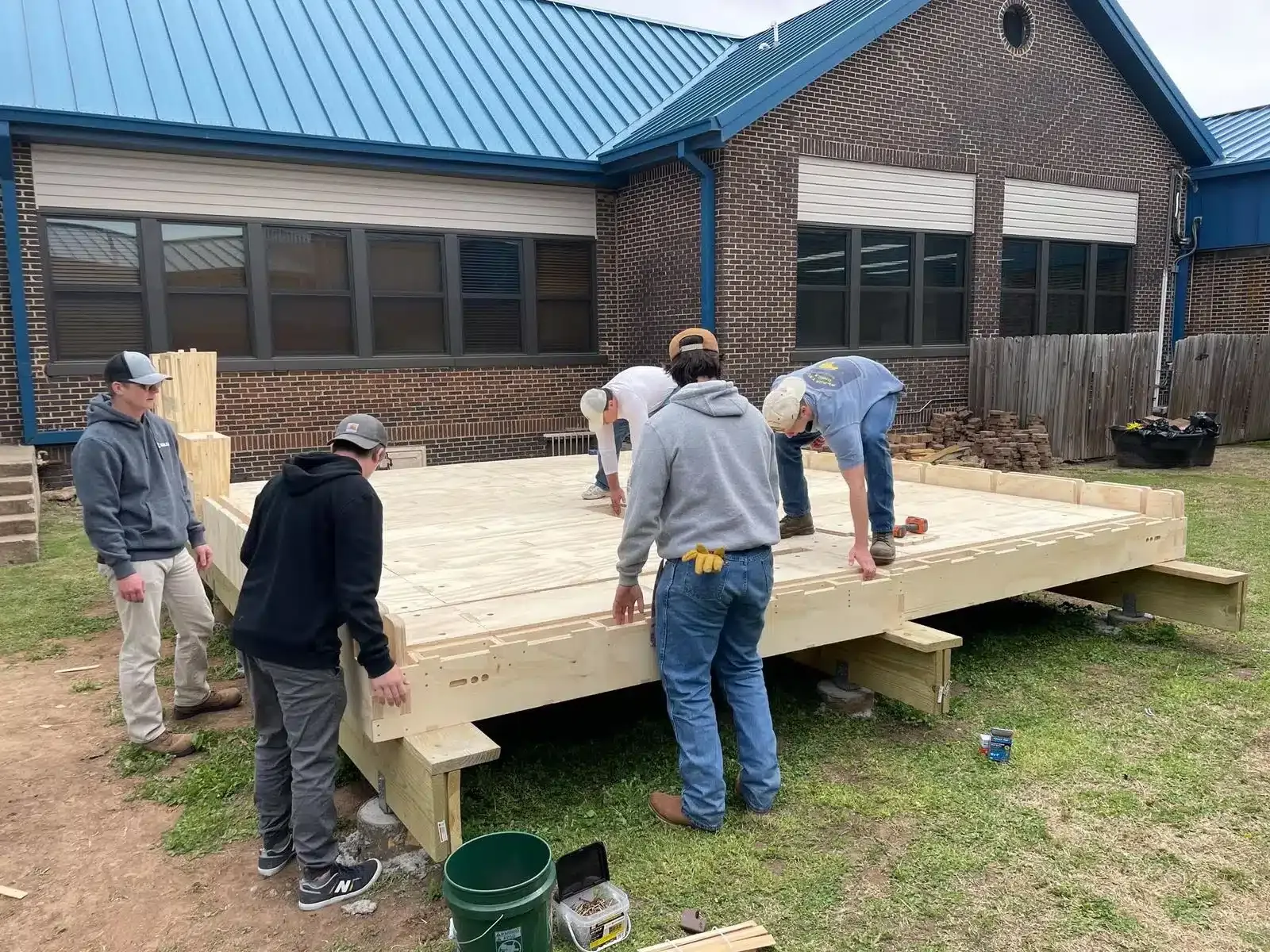
ABOVE: Construction science students assembling cassette modules on site, gaining first-hand experience in modular sequencing and field installation.
Educational Model and Student Outcomes

The Crutcho Elementary Greenhouse Classroom tested a new model for interdisciplinary collaboration at the University of Oklahoma, joining faculty-led fabrication research with Construction Science education. The project provided a controlled setting for testing fabrication workflows and field sequencing, generating data about tolerance behavior, assembly order, and communication between digital and physical systems.

For Construction Science students, the experience offered direct engagement with digital fabrication in a field context, strengthening skills in sequencing, leadership, and precision installation. For fabrication research, the project produced a replicable framework for small-scale modular construction, demonstrating how academic research can yield design systems adaptable to a range of educational and civic uses. The greenhouse thus became both a teaching tool and a research artifact—a physical outcome of pedagogical experimentation.

ABOVE: Students erecting CNC-fabricated cassette floors and walls. Collaborative construction in progress, with students working through sequencing, tolerances, and teamwork to bring speculative details into reality.


Community and Institutional Impact

The greenhouse was designed and built for Crutcho Public Schools, a district serving one of the most economically challenged communities in Oklahoma. Beyond its architectural value, the structure functions as a year-round educational environment supporting the school’s curriculum in horticulture, sustainability, and environmental science. Its clarity and material durability allow it to operate as both classroom and laboratory, fostering hands-on learning and environmental literacy.

As reported by local media, the project was recognized as a model for university–community partnership and a precedent for future design-build engagement. It expanded on earlier greenhouse prototypes and became a bridge toward more complex faculty-led research, including the fully integrated John Rex Urban Learning Greenhouse completed the following year. This project reaffirmed the university’s mission of civic collaboration, demonstrating that fabrication research can act as a catalyst for educational equity and community engagement.


Reflection and Legacy

The Crutcho Elementary Greenhouse Classroom remains a pivotal early project in the evolution of Gibbs College’s design-build pedagogy. It established a new hybrid model that merged digital fabrication research with construction science education, balancing computational precision with the coordination required for on-site assembly. The project proved that the success of fabrication research depends as much on collaboration and communication as it does on technical execution.

More broadly, the greenhouse demonstrated how small-scale architecture can achieve disproportionate social and institutional impact. By combining research and service, the project redefined how architectural education can engage the public realm—showing that innovation in digital design can directly contribute to environmental learning, community resilience, and pedagogical advancement.
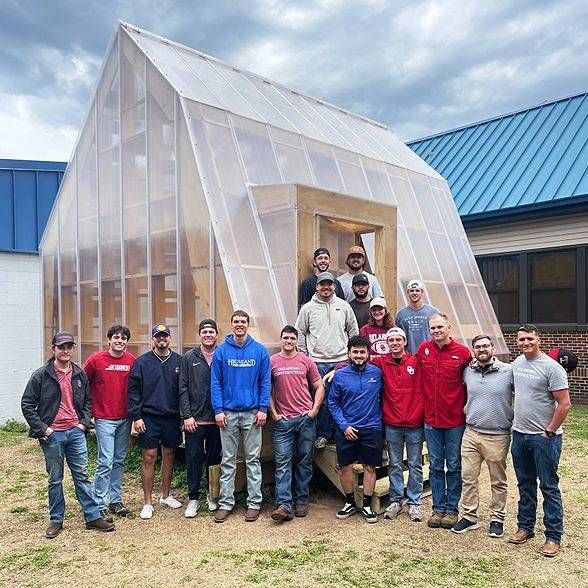
ABOVE: Team portrait of construction science students, in front of the finished Crutcho Greenhouse Classroom, completed in one semester as a proof-of-concept for future ASDB pedagogy.
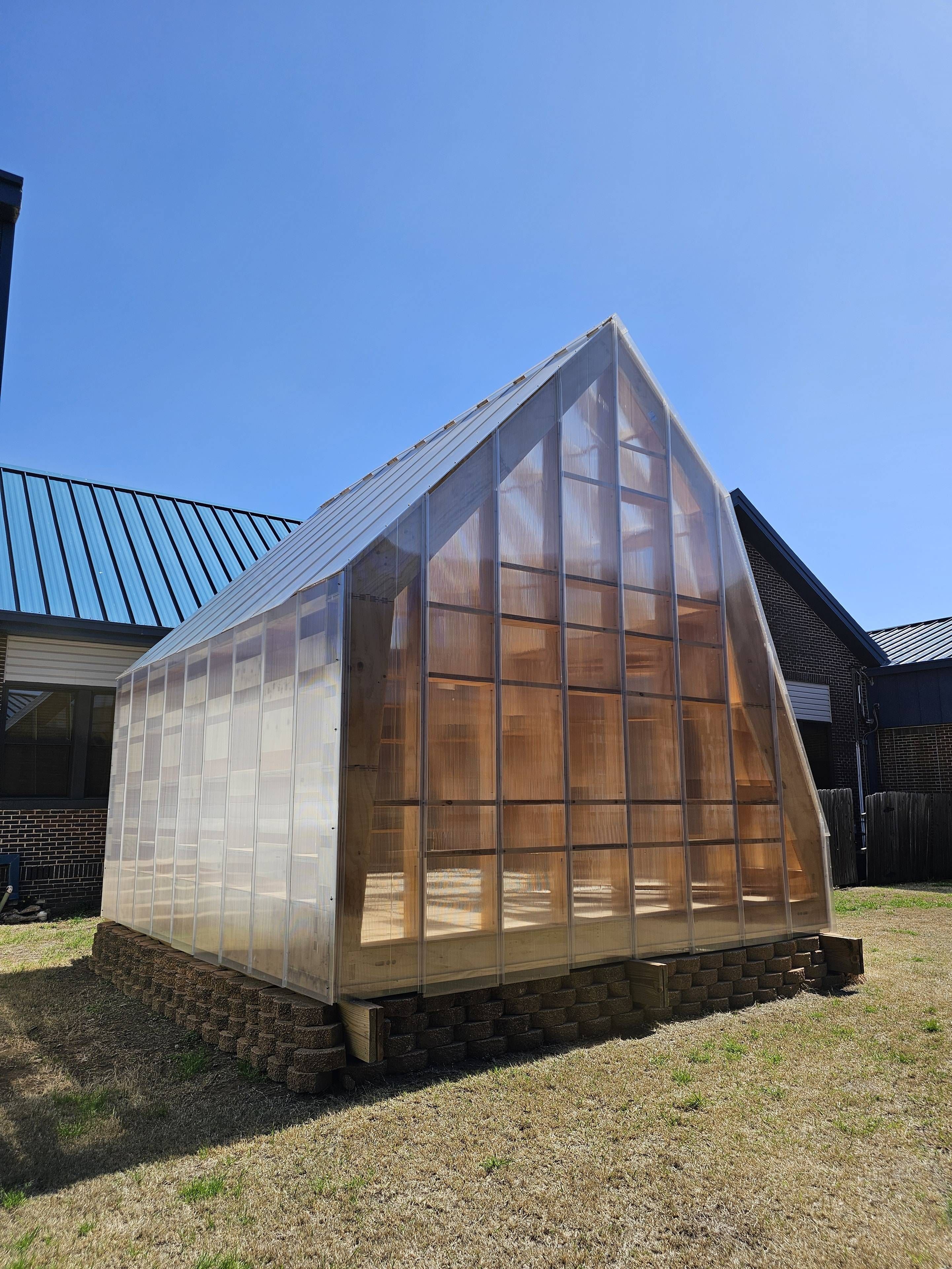
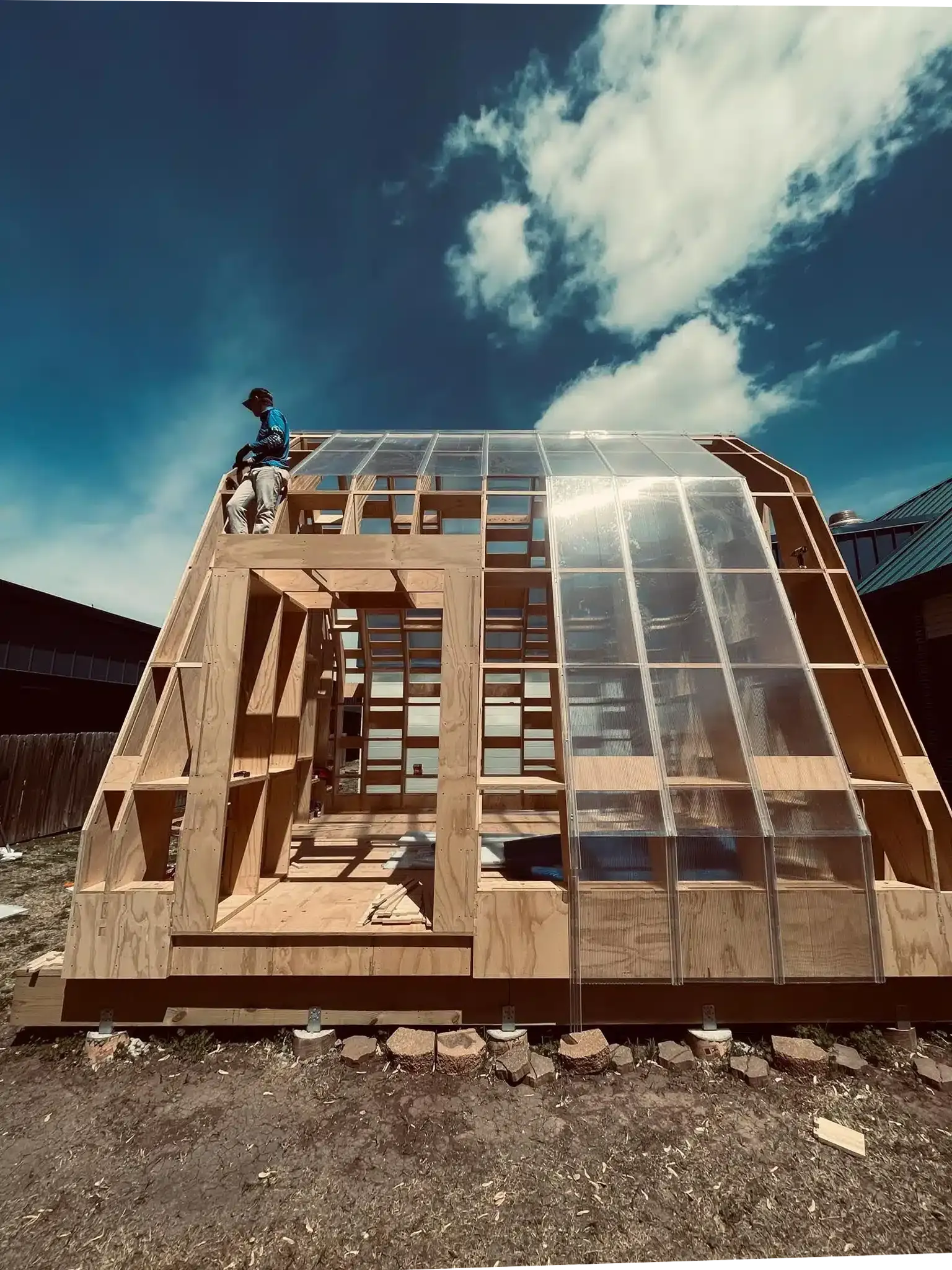
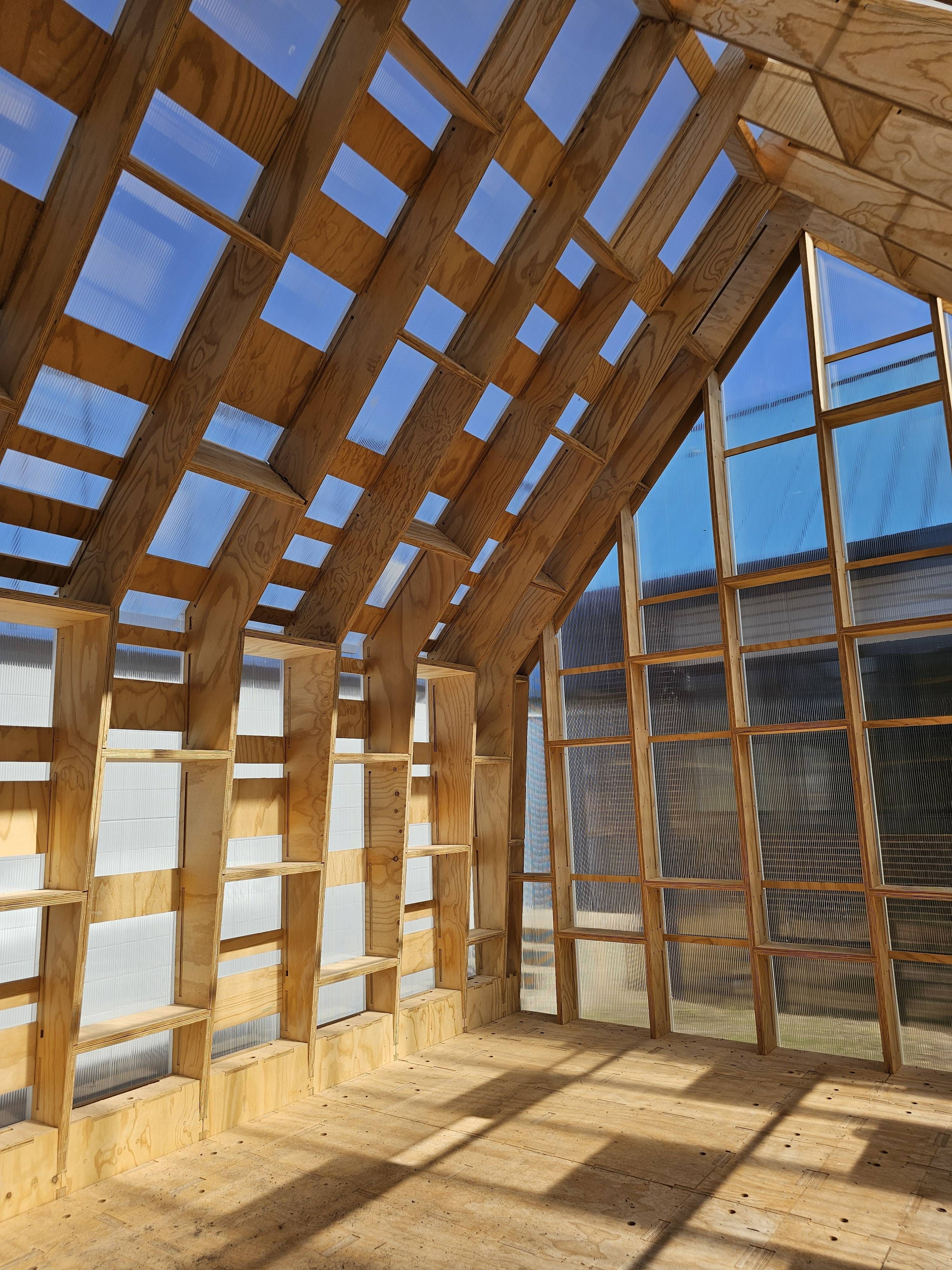
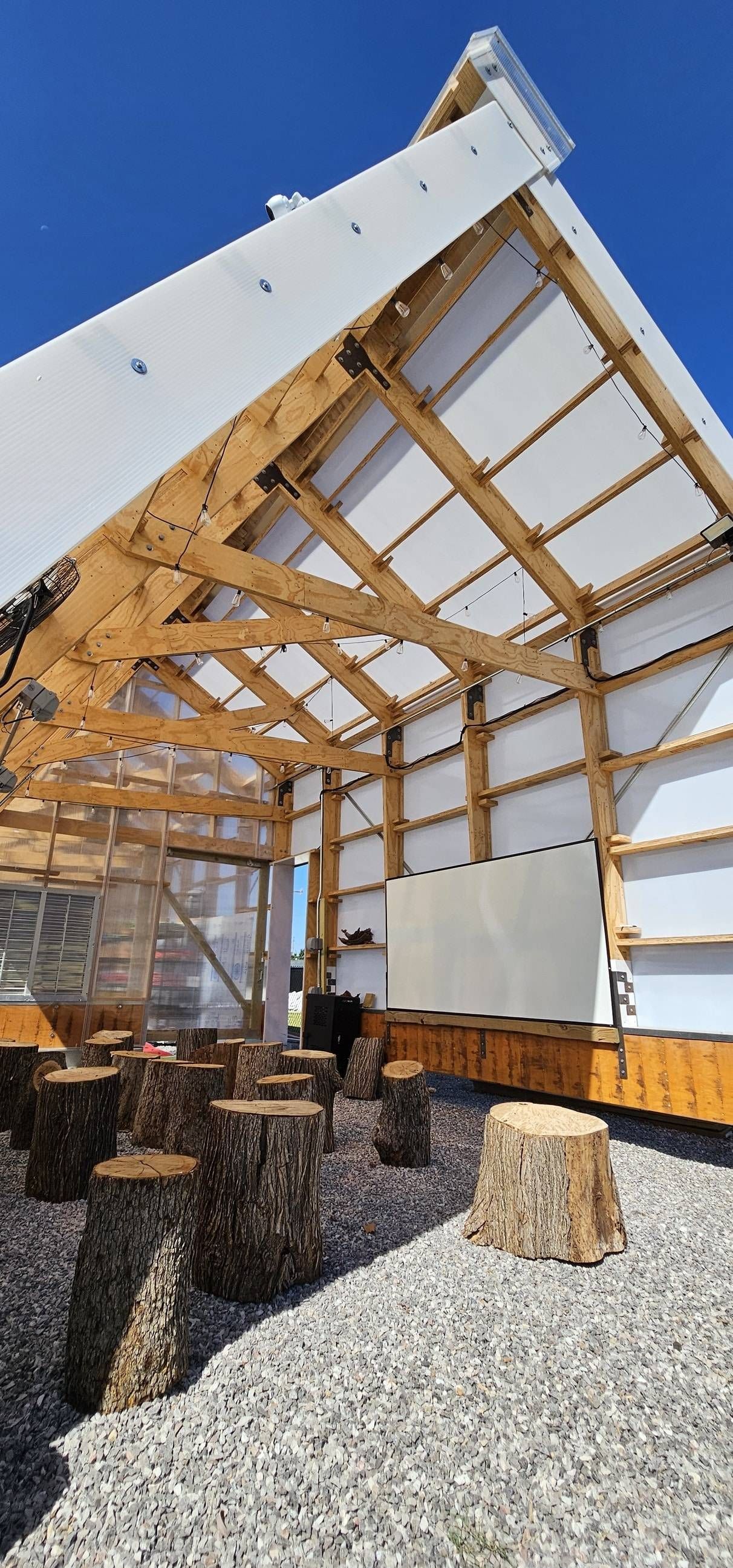
ABOVE: Exterior assembly of the Crutcho Greenhouse Classroom, where CNC-milled plywood cassettes were enclosed with dual-layer polycarbonate to create a year-round grow lab.
© Ken Marold USA, Inc. All rights reserved.