Structure and Assembly
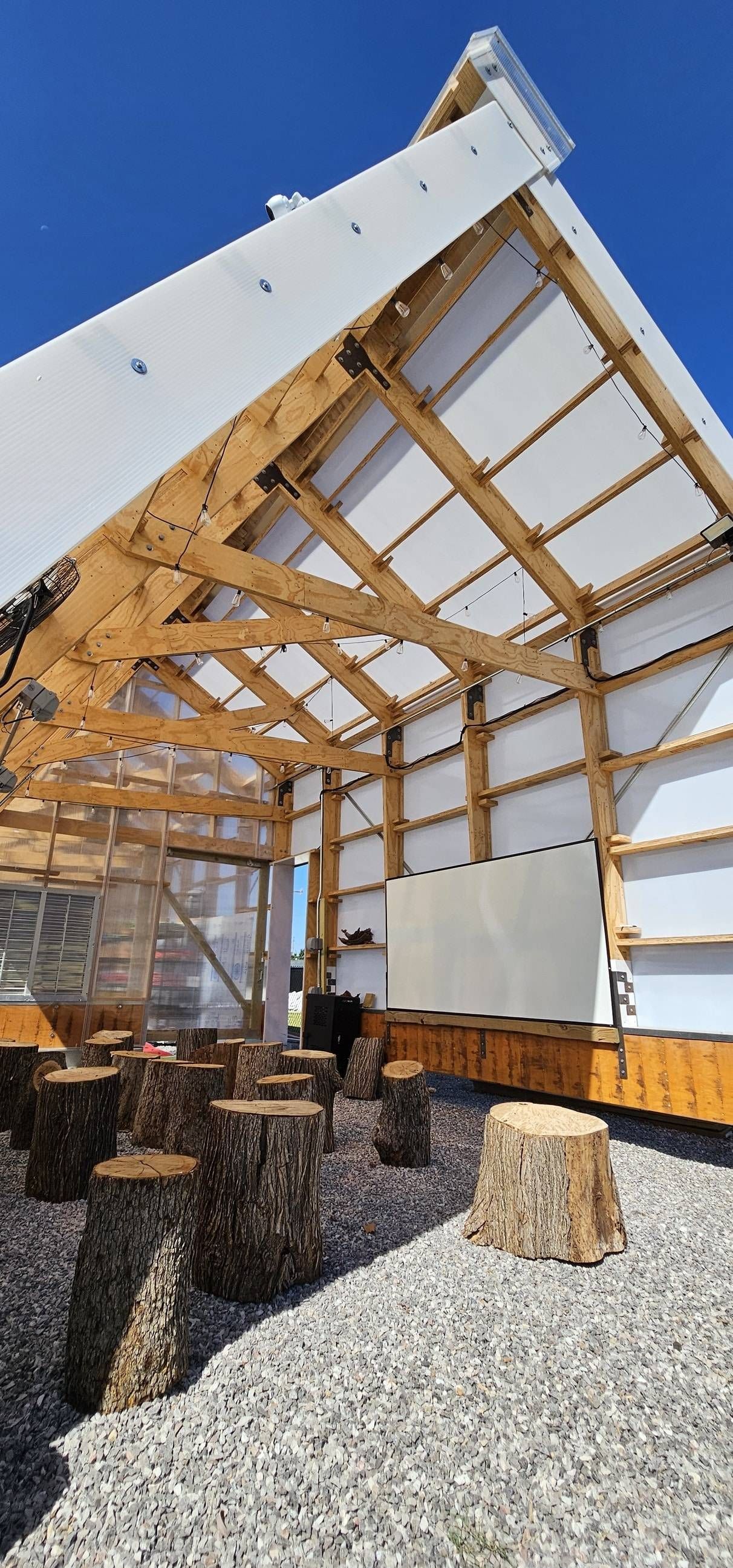
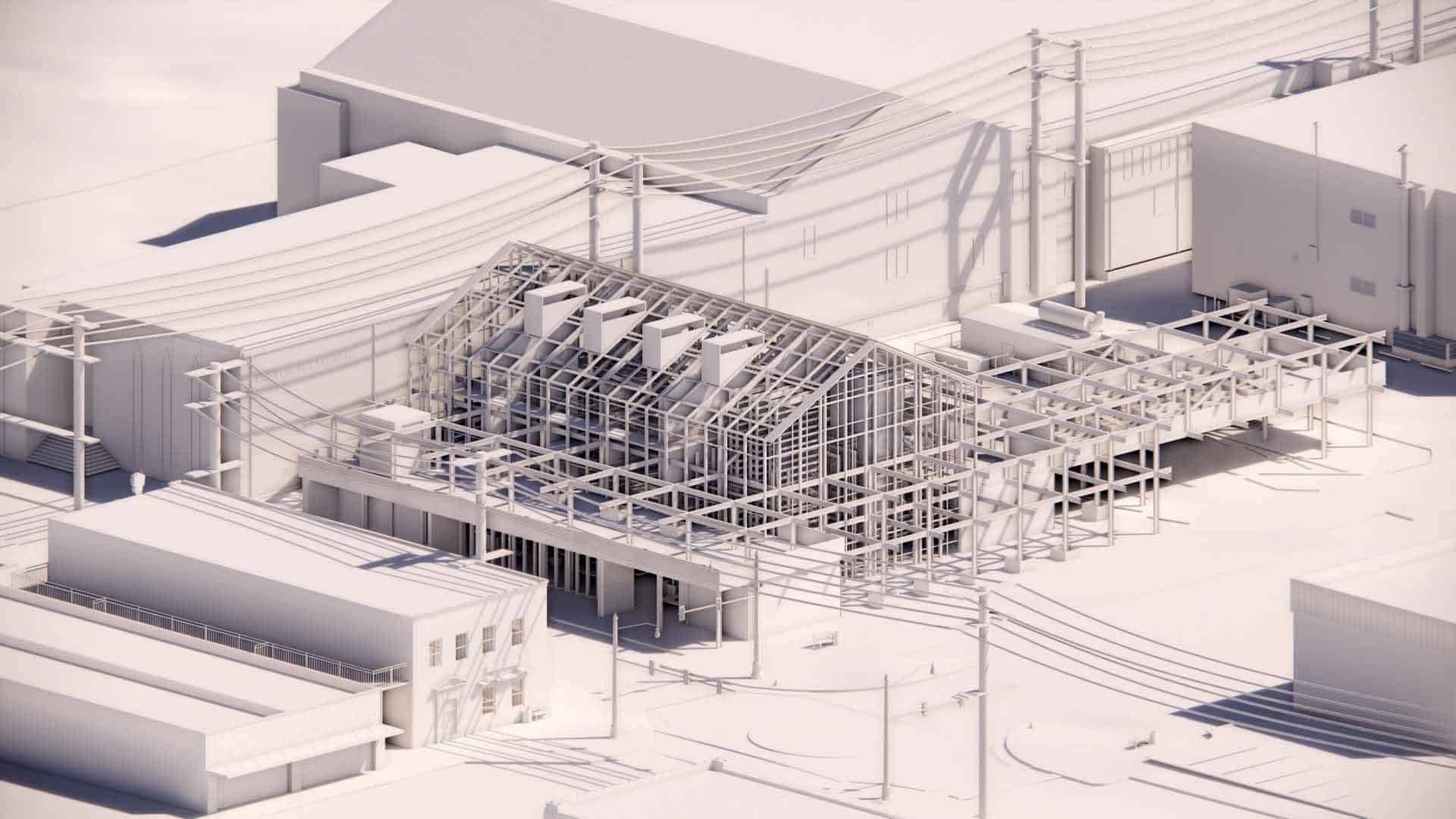
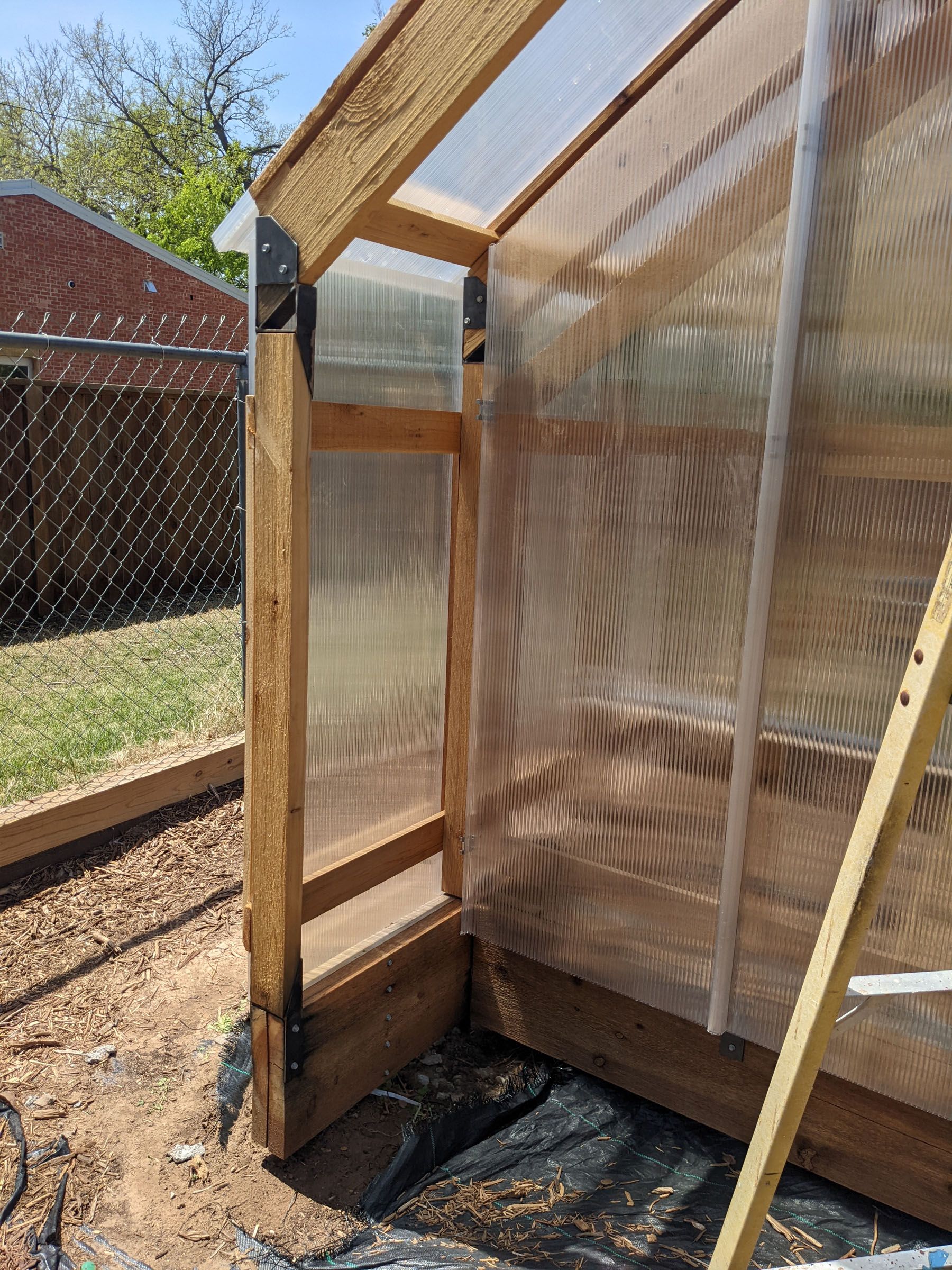
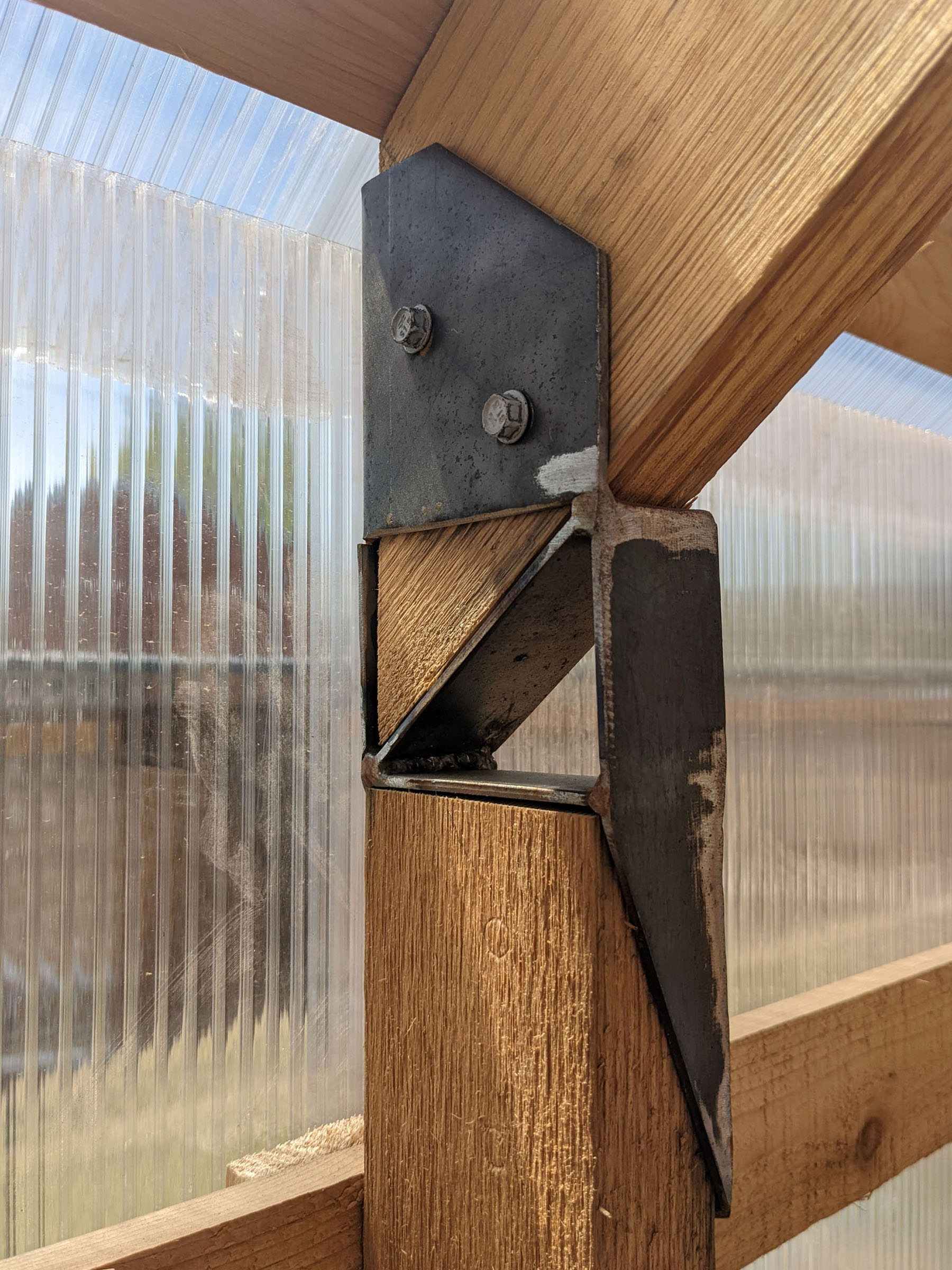
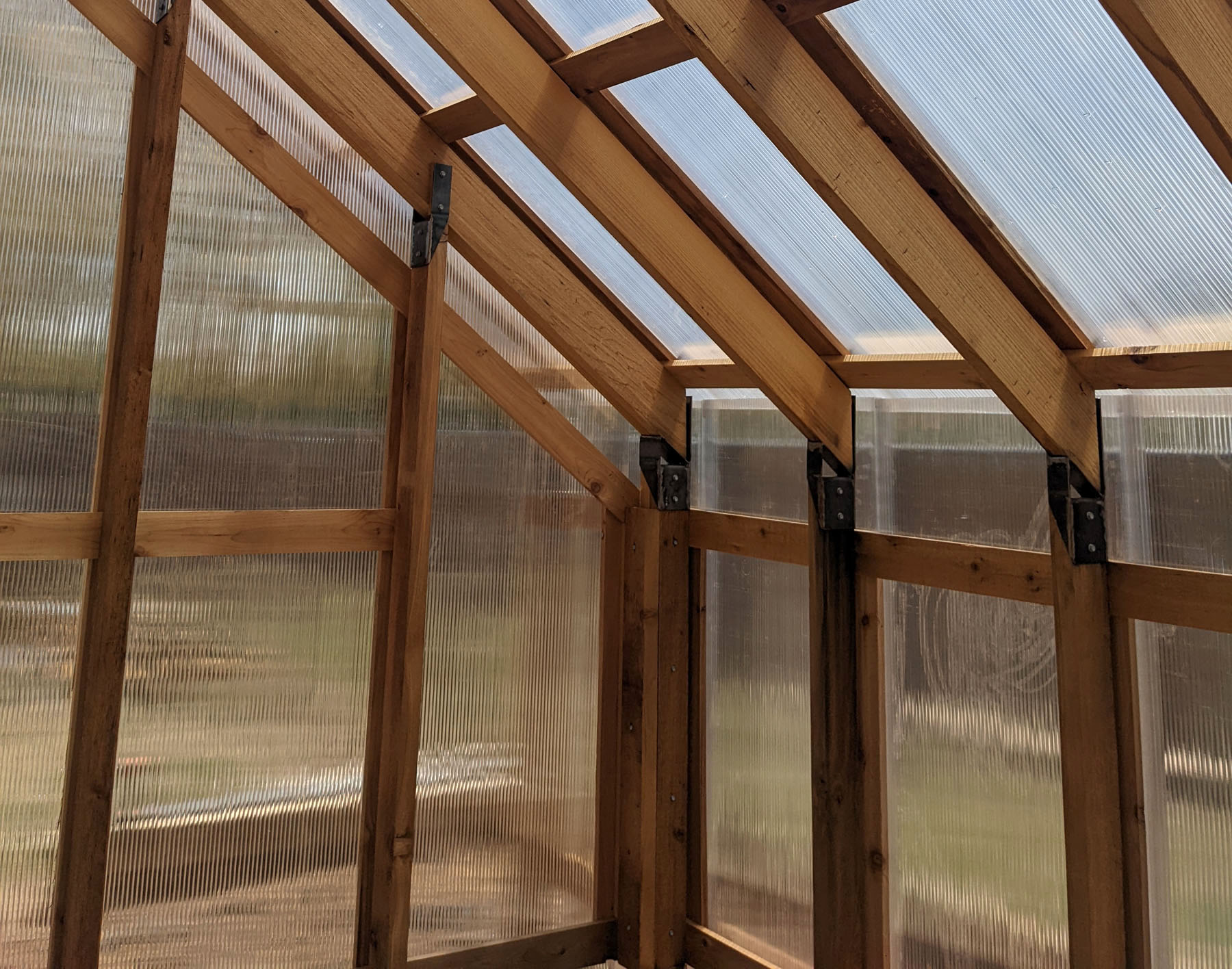
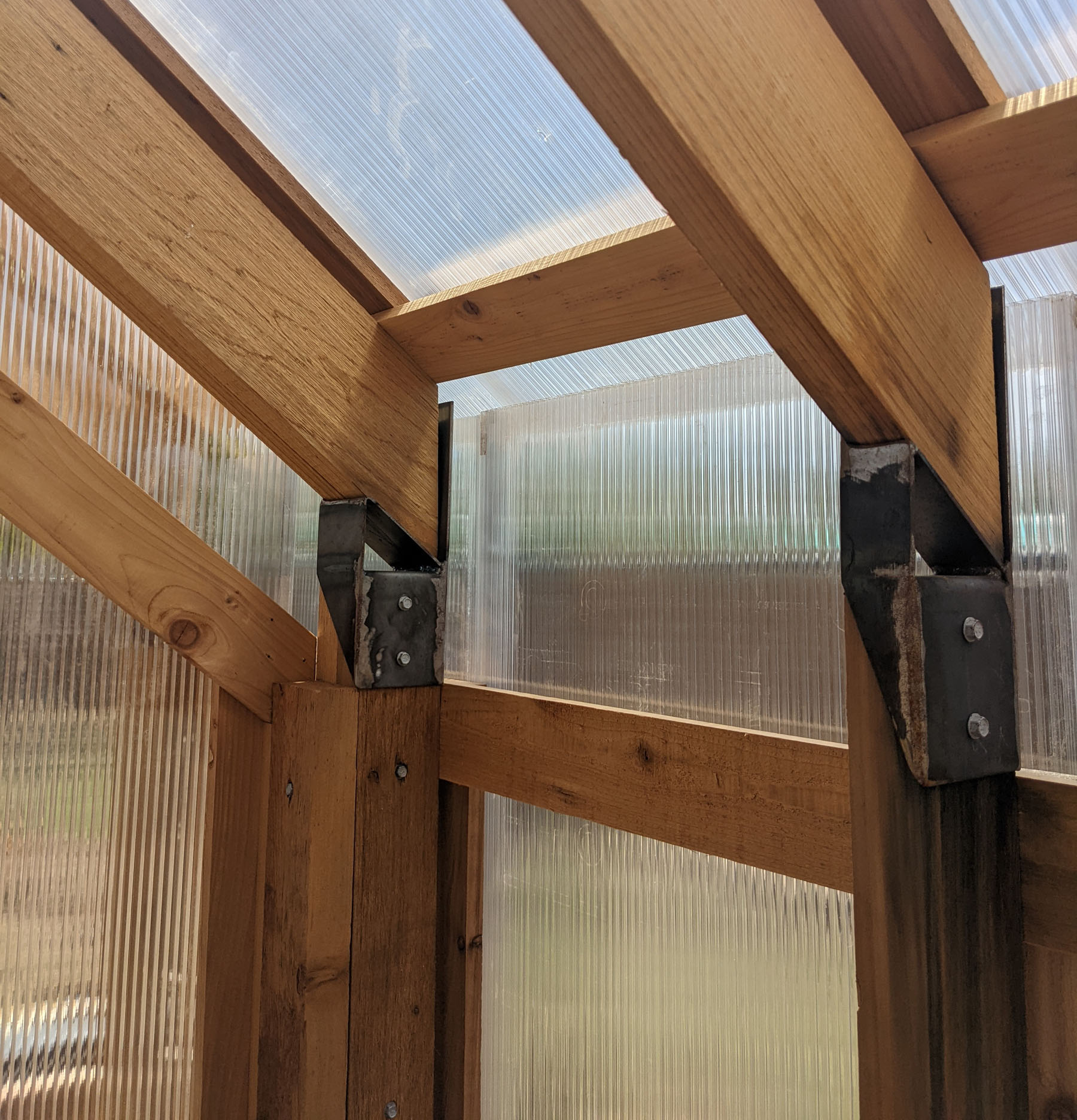
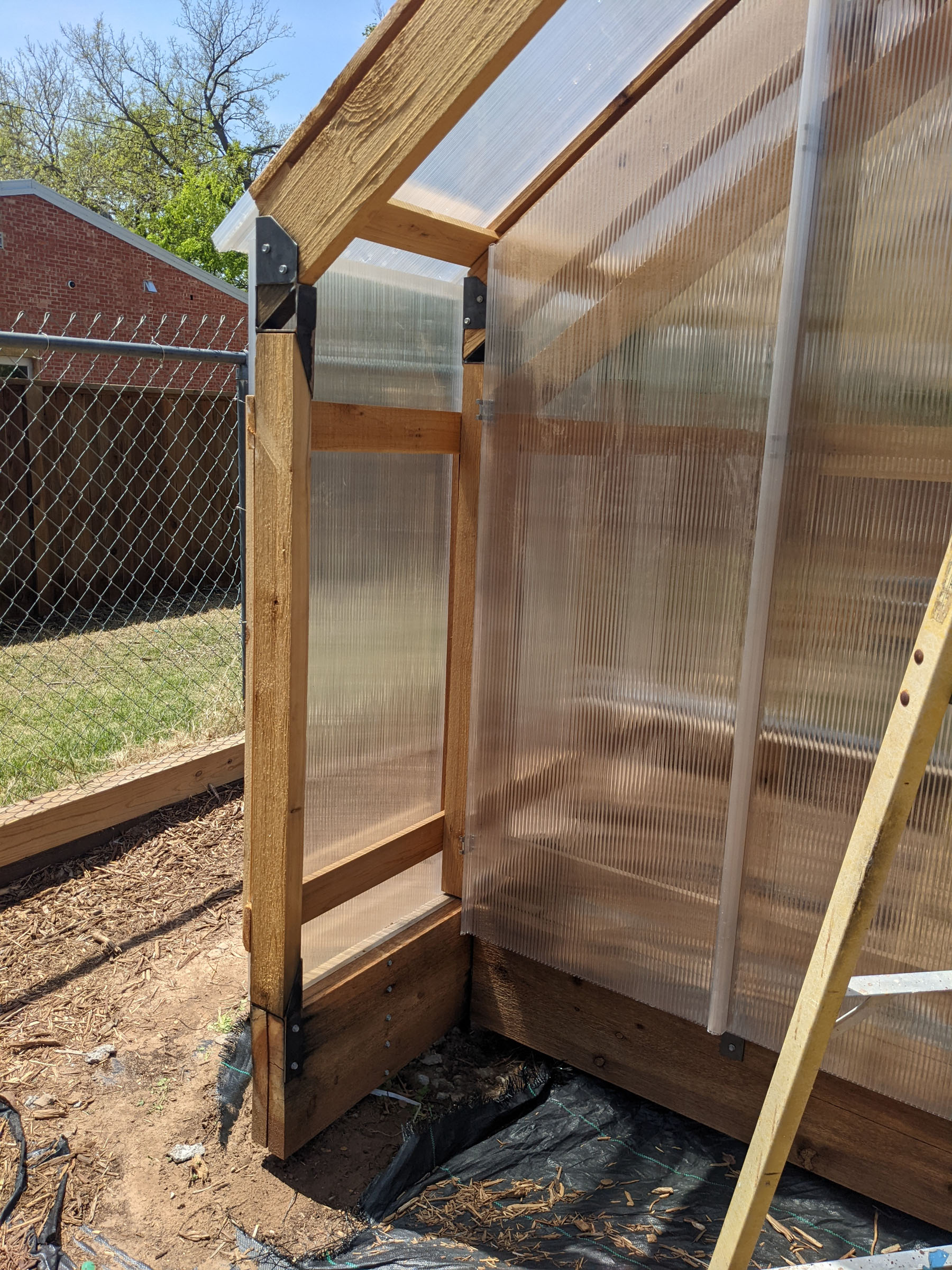
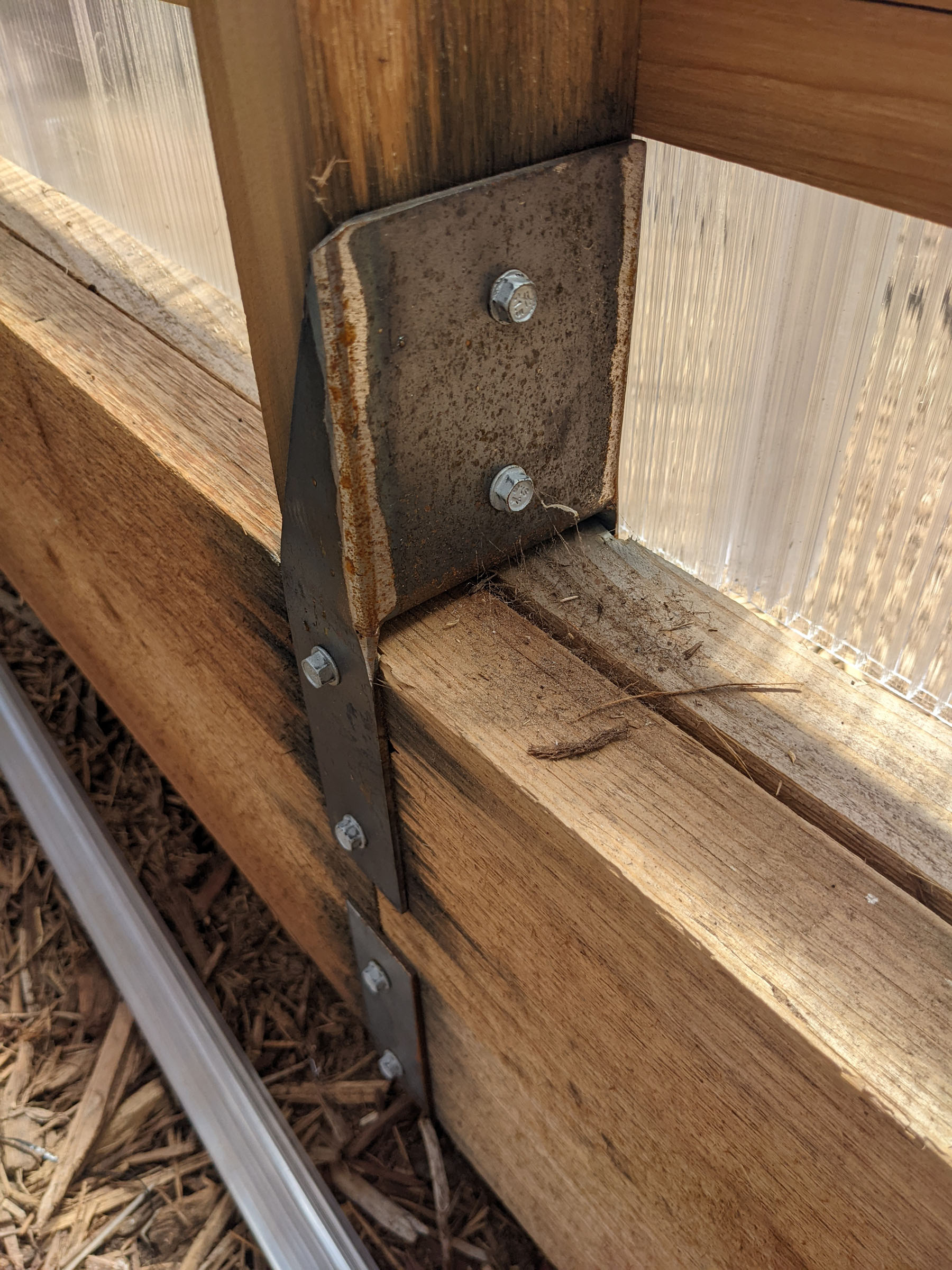
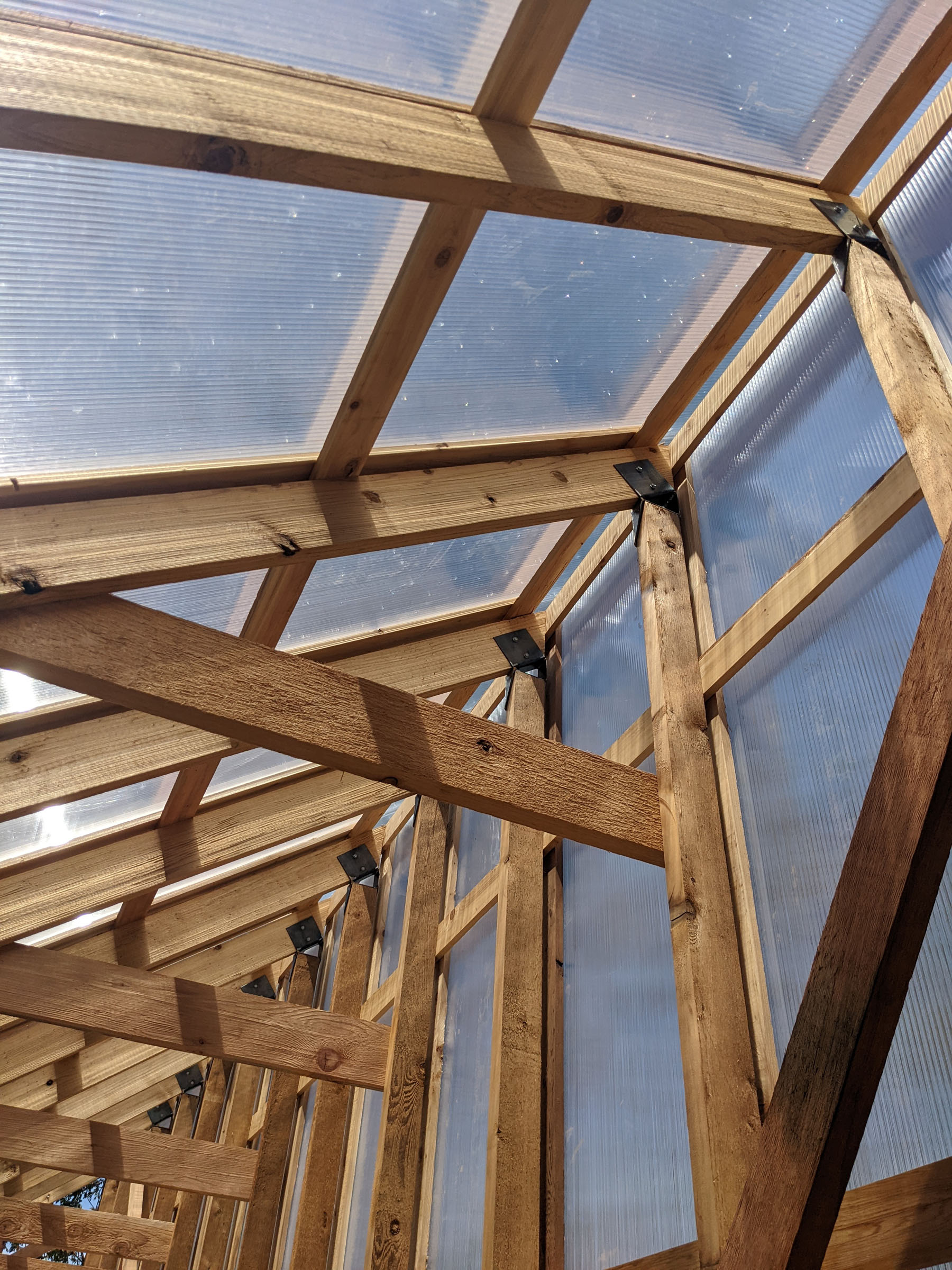
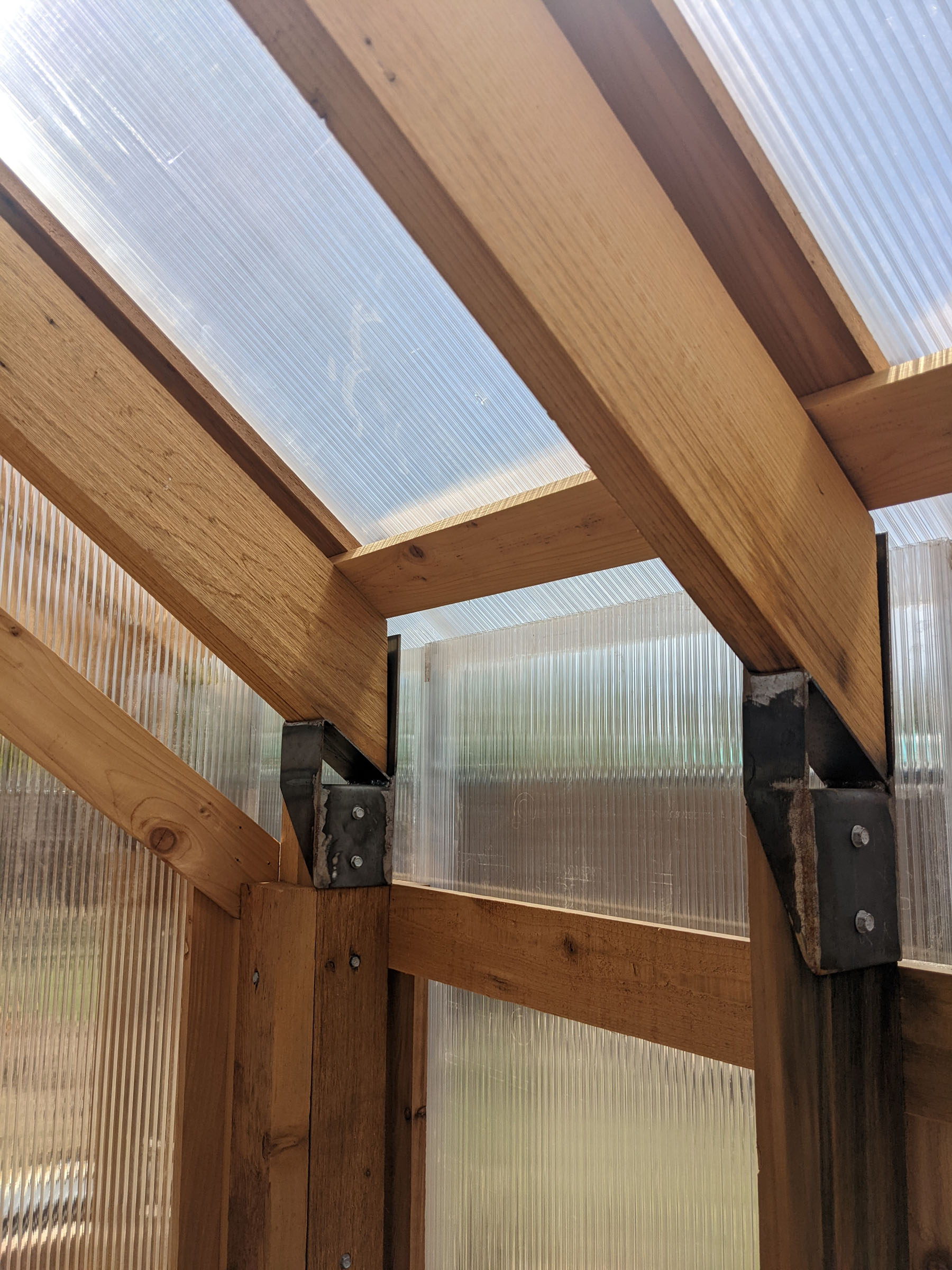
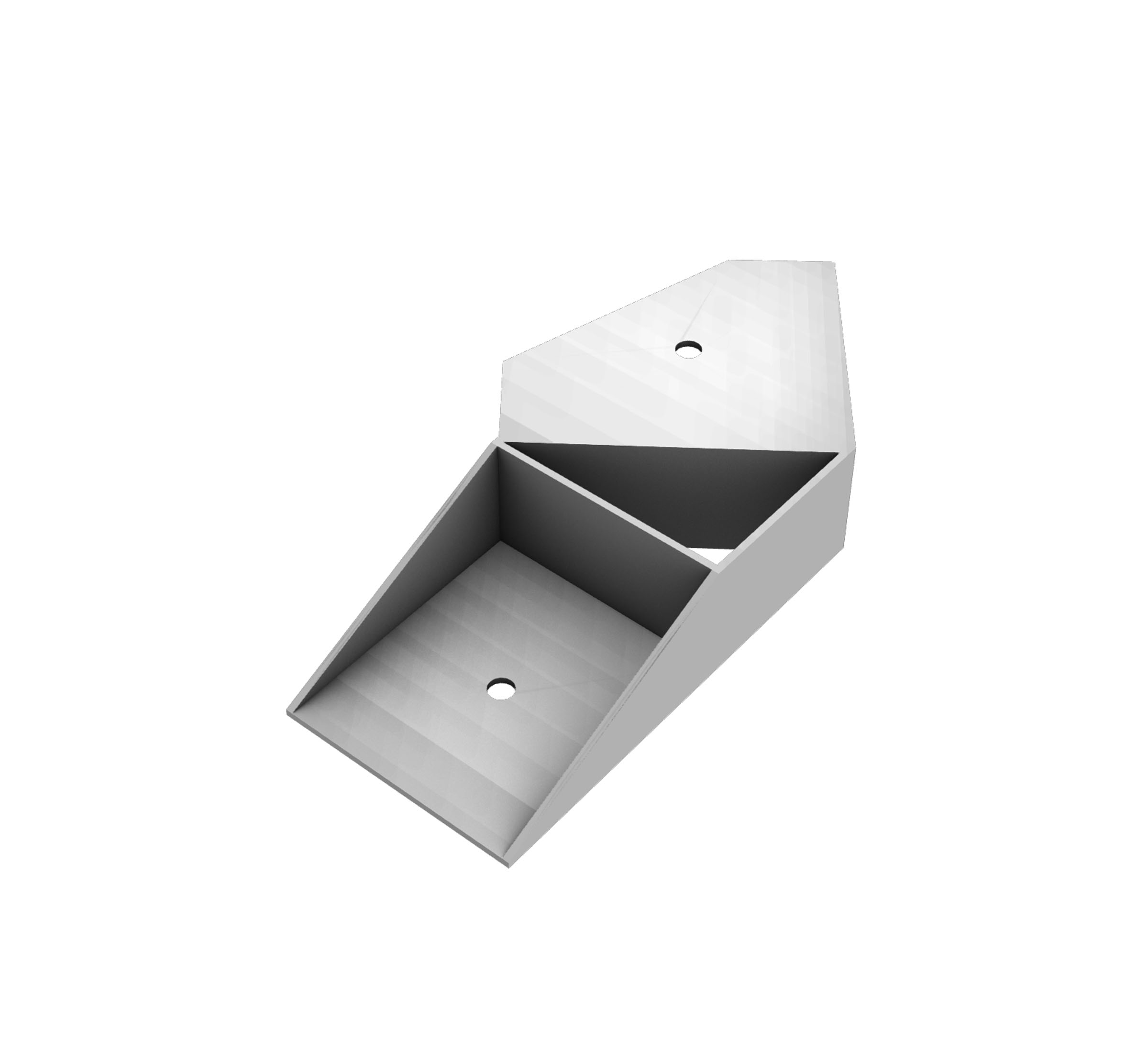
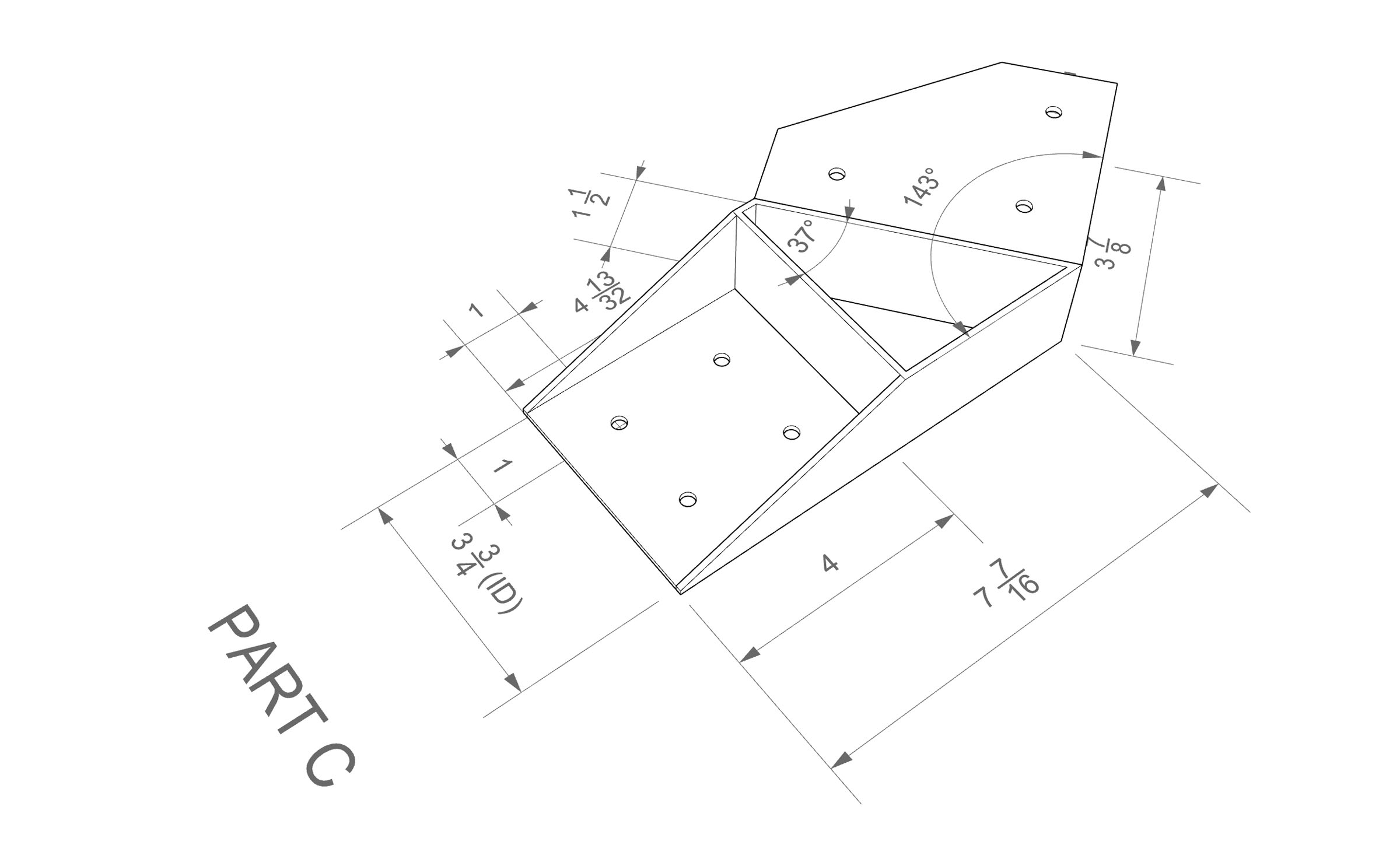
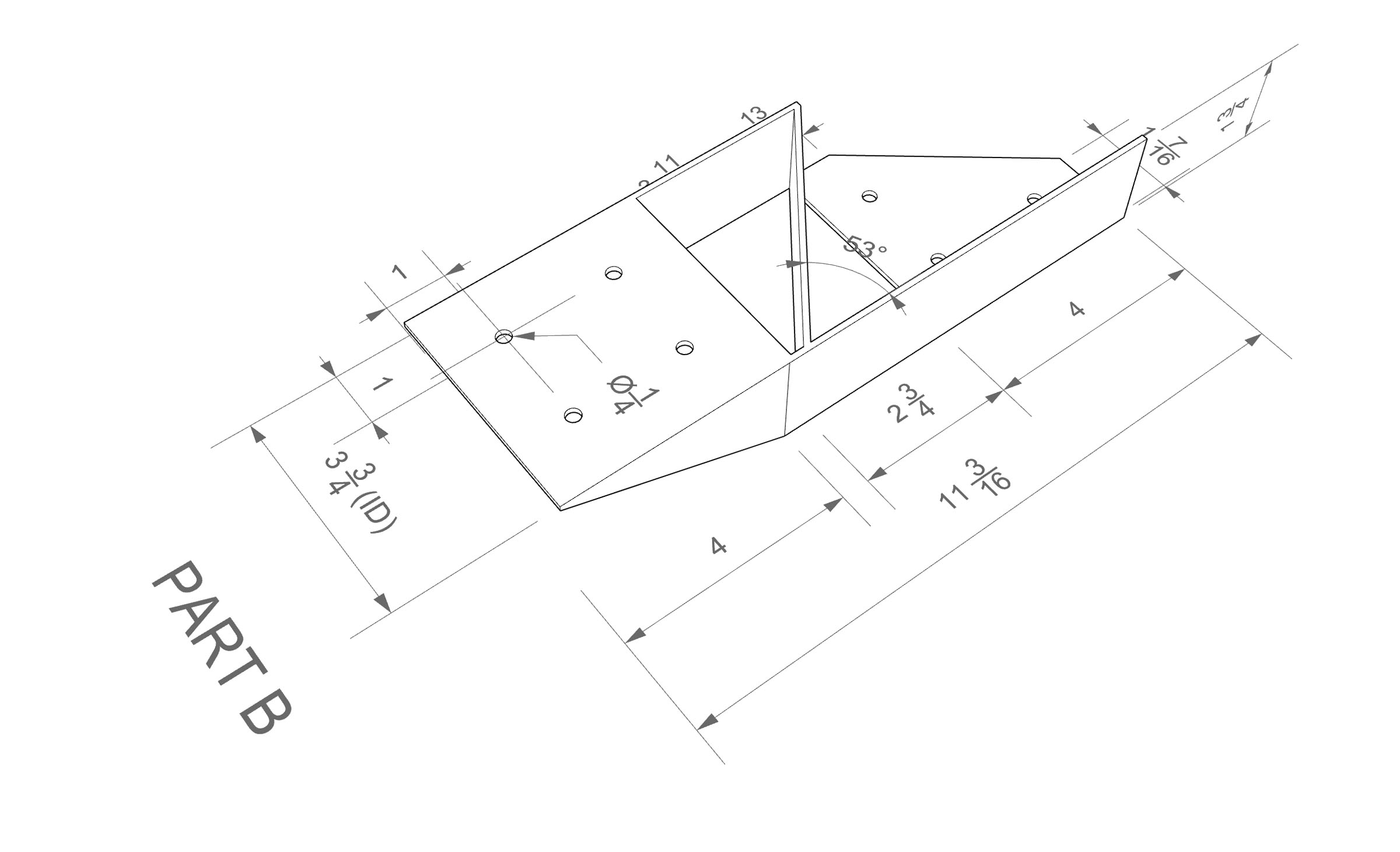
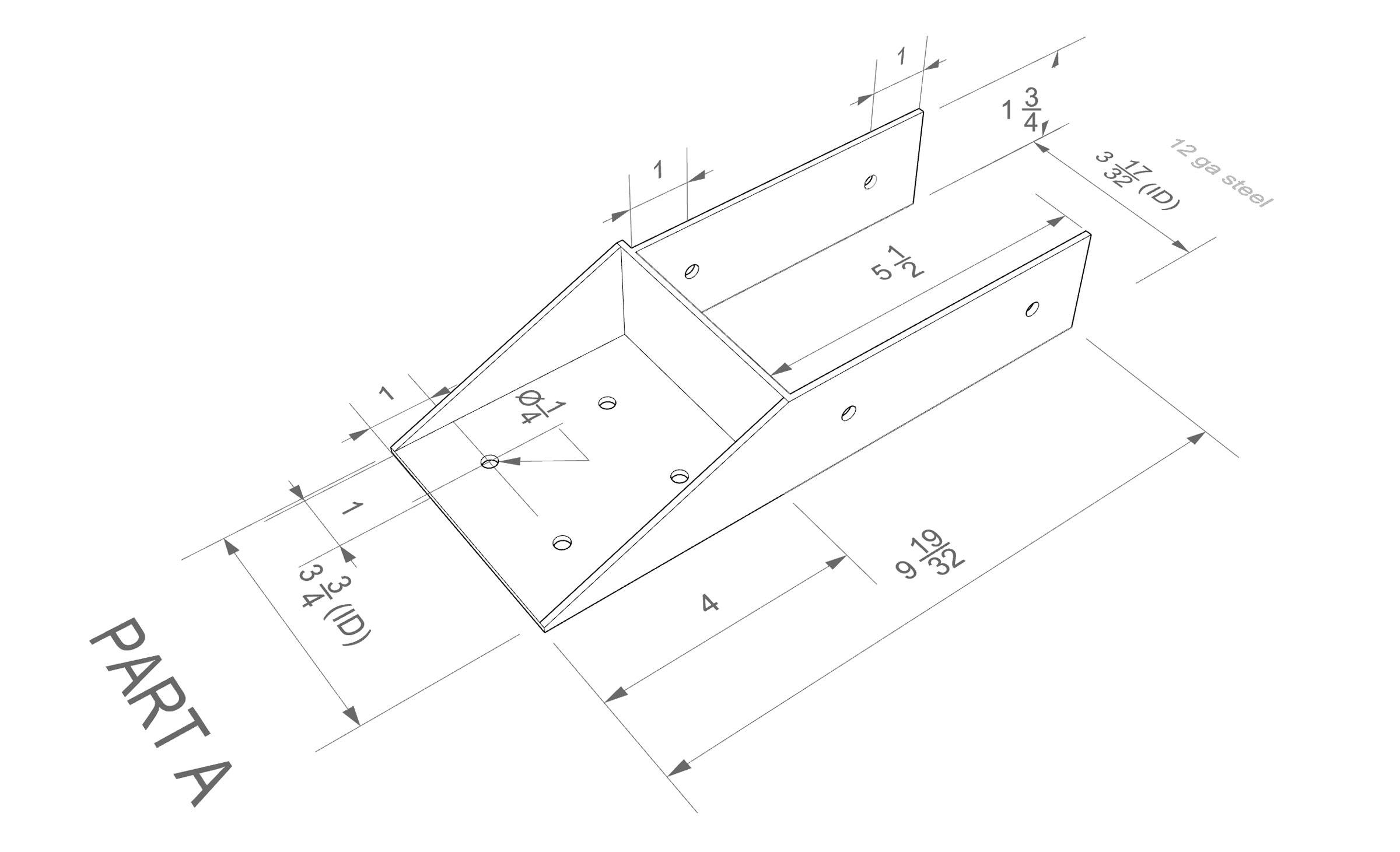
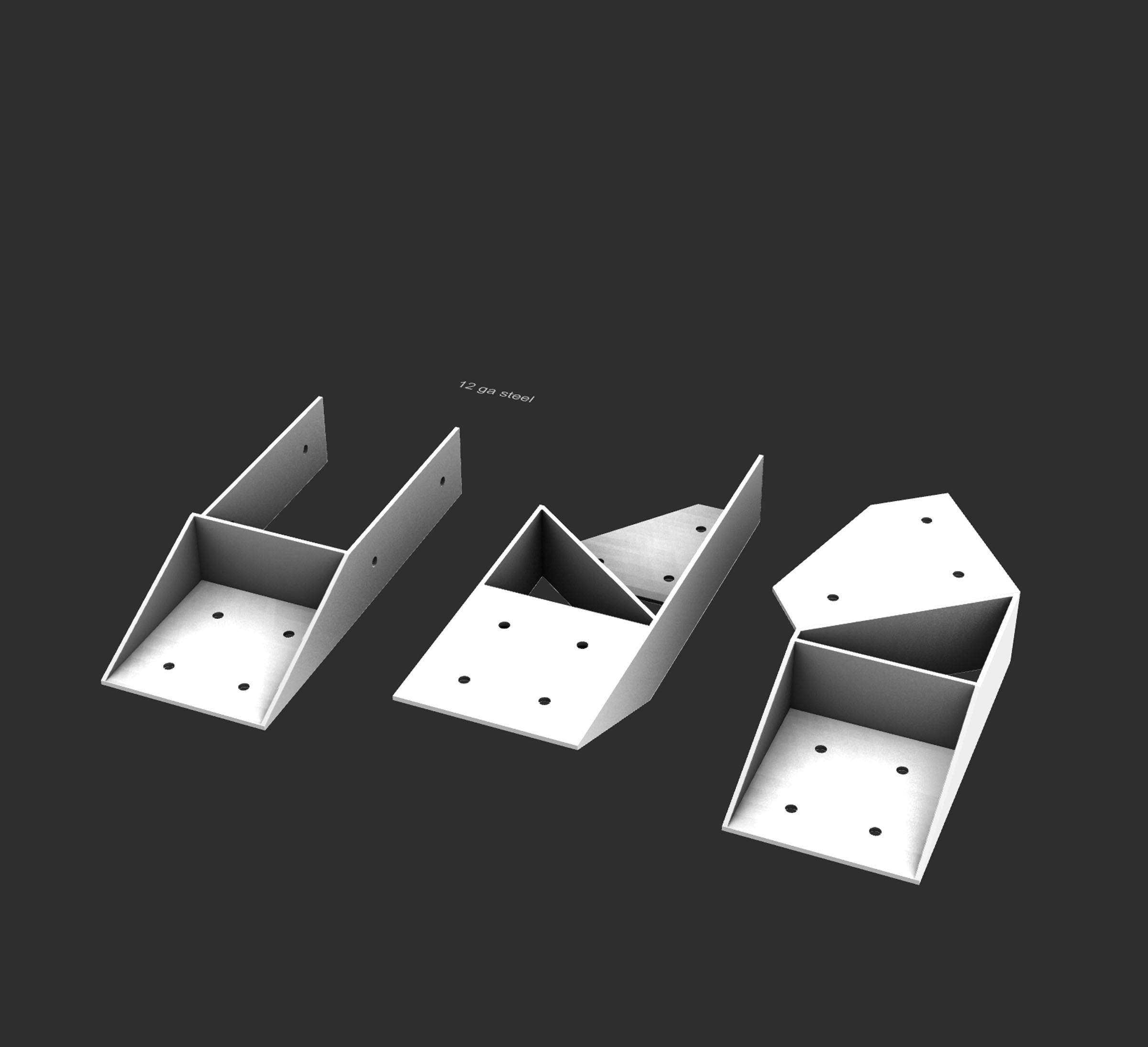
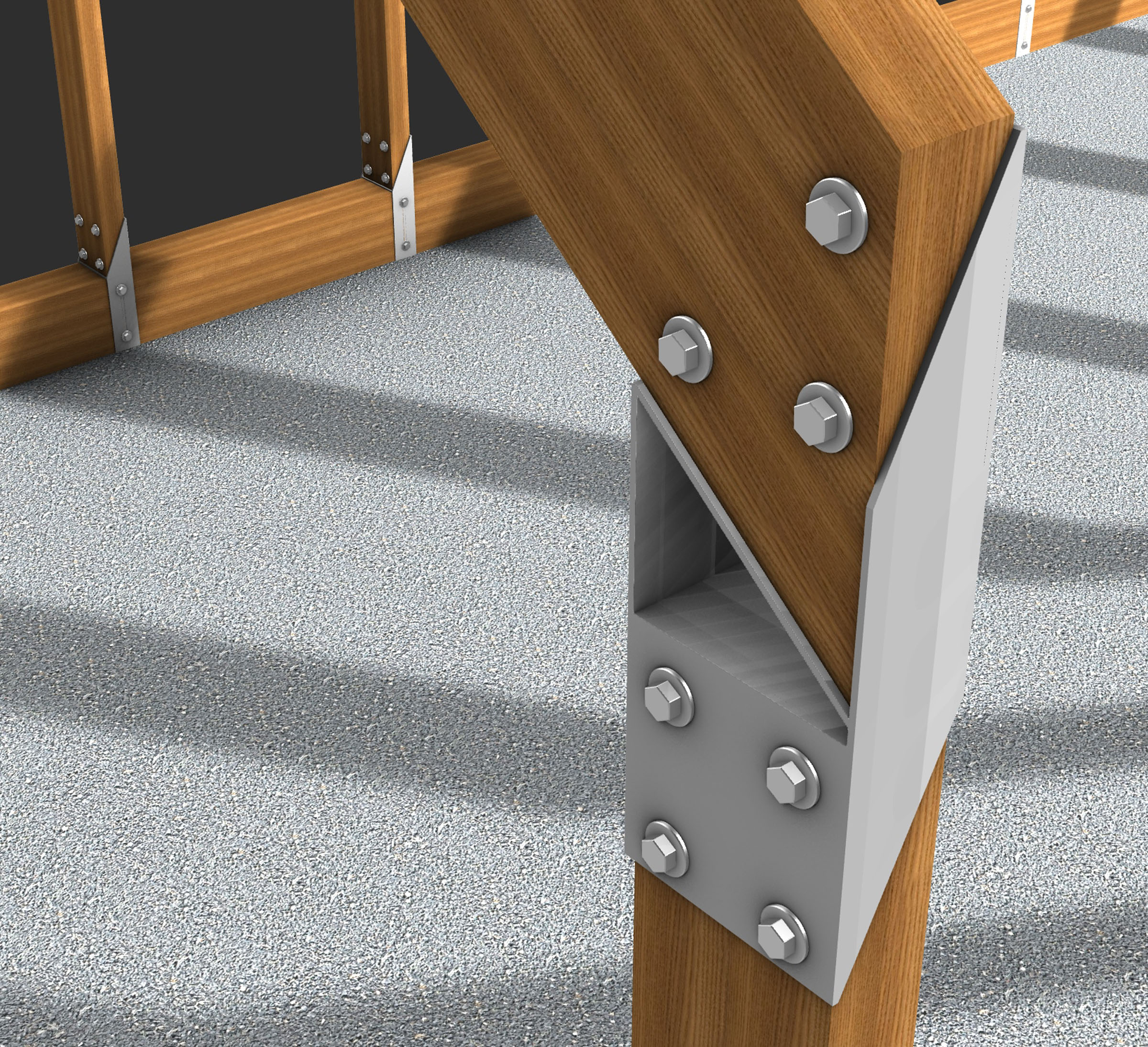
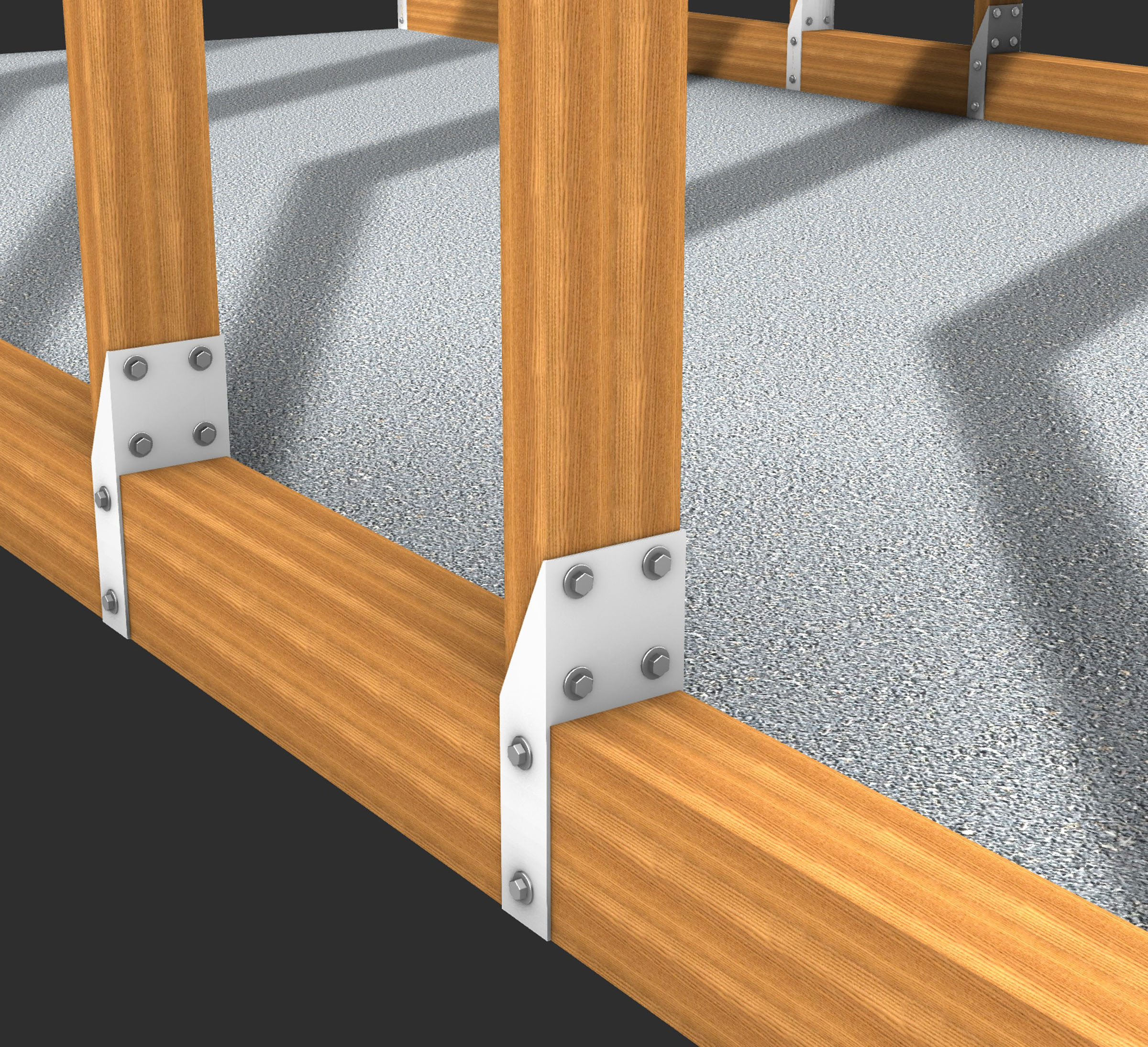
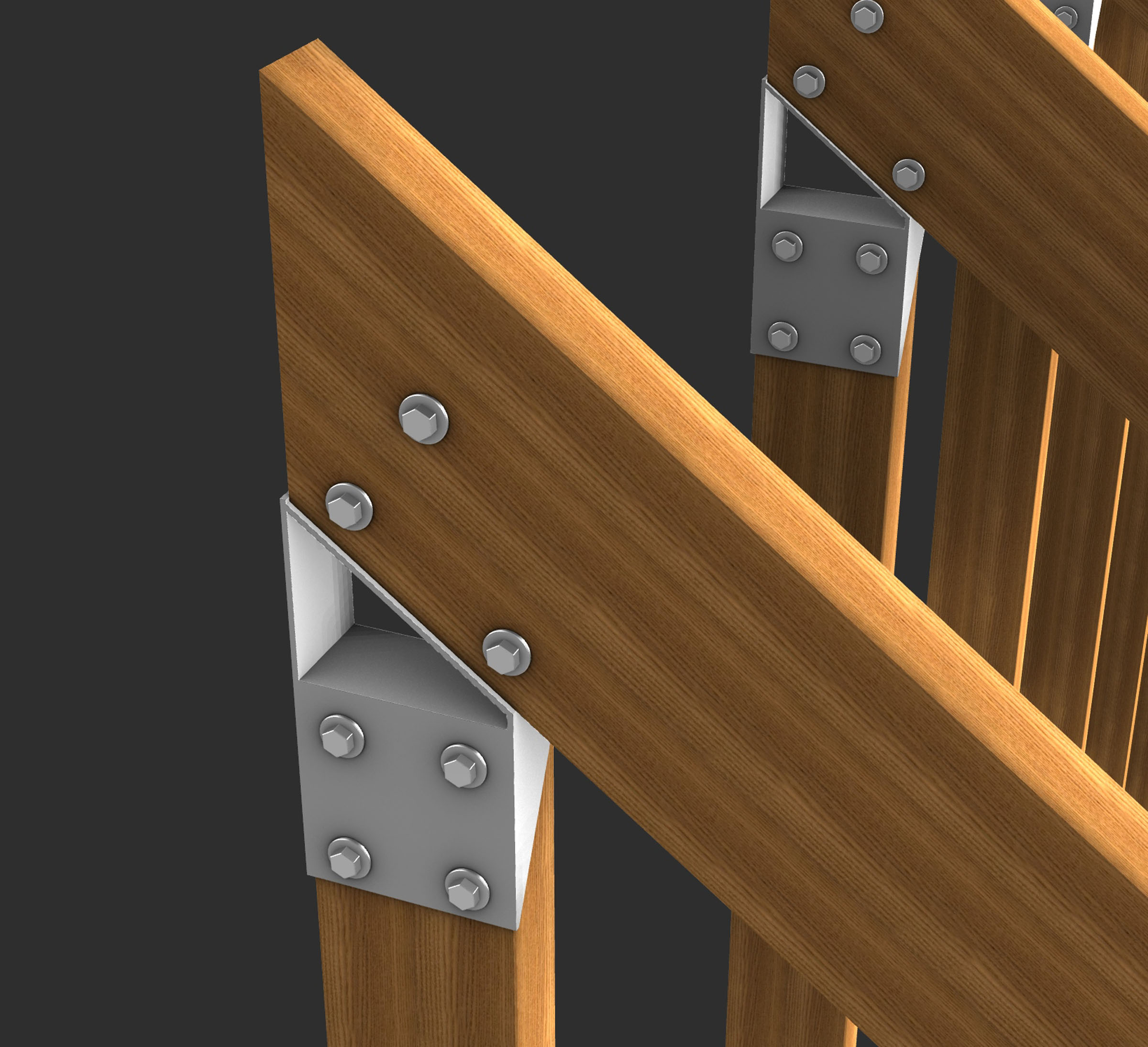
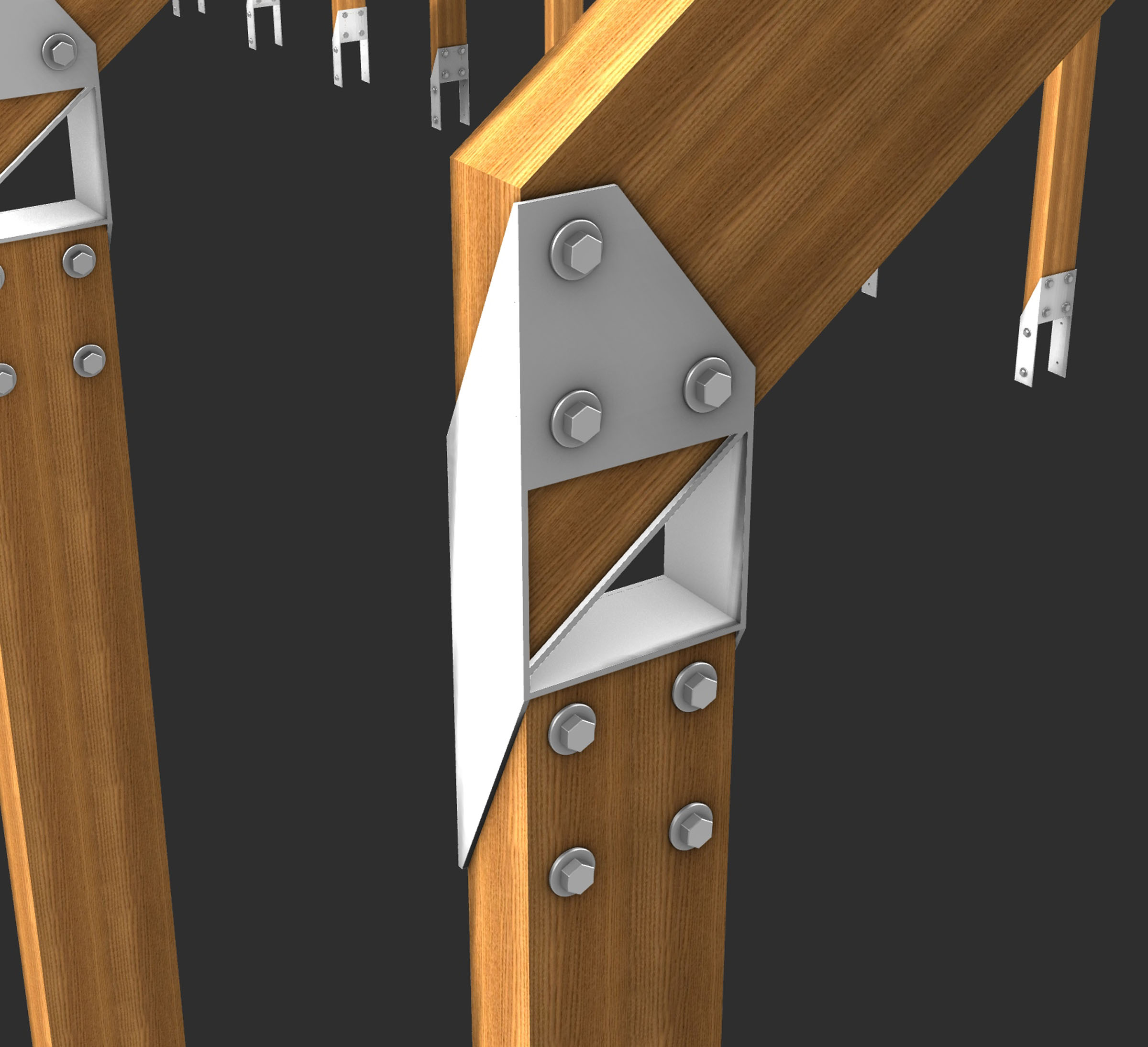
The primary frame is composed of cedar 2x lumber, selected for its resistance to rot and insects and its workability with basic tools. All joints are reinforced using custom-fabricated mild steel plates and brackets, plasma-cut and welded to support the unique geometries of the sloped roof and wall intersections. These connections remain exposed, expressing the joint logic and construction process. Steel plates serve a dual role, providing structural reinforcement while creating a visual rhythm and point of visual interest along the frame.
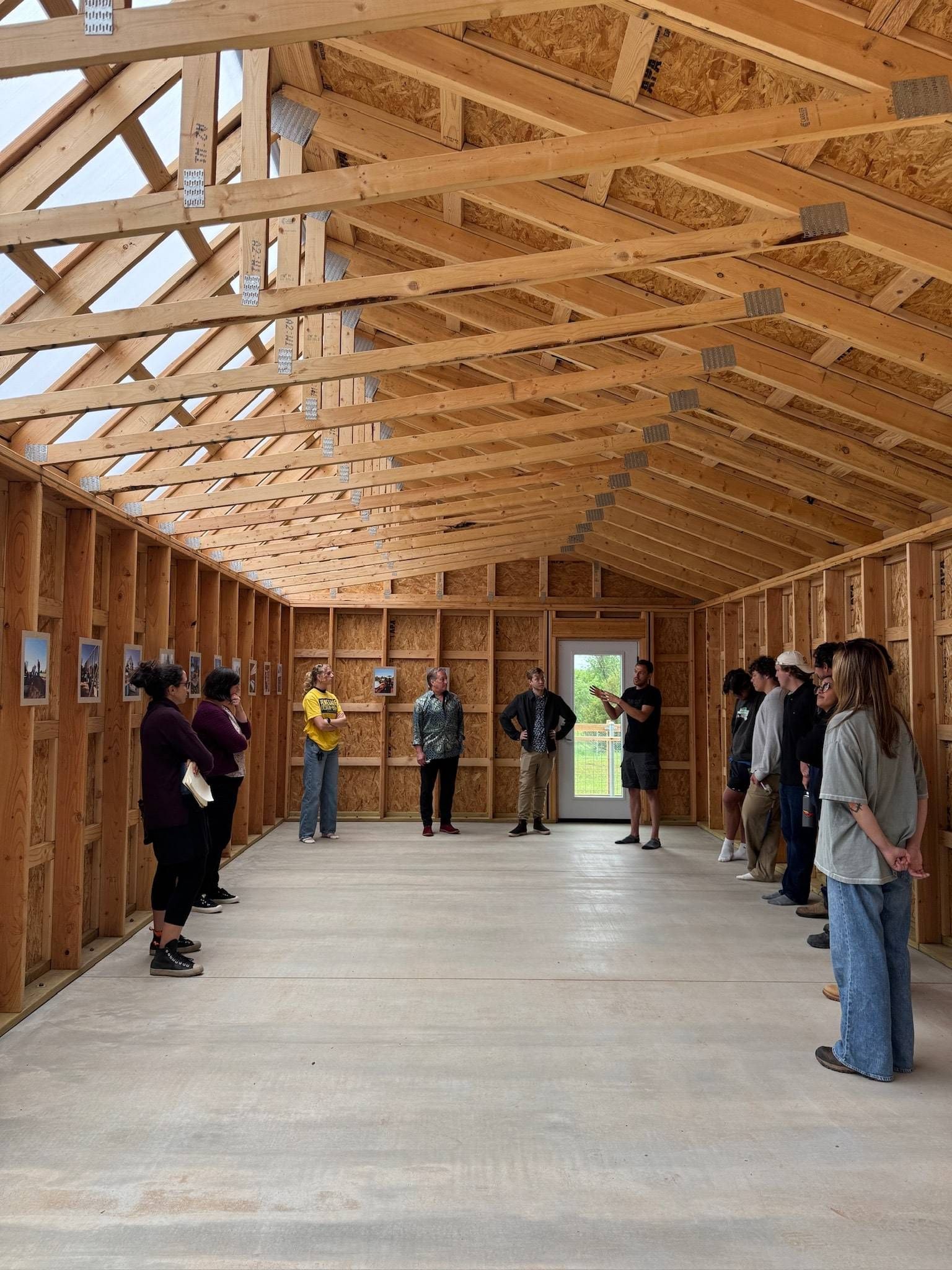
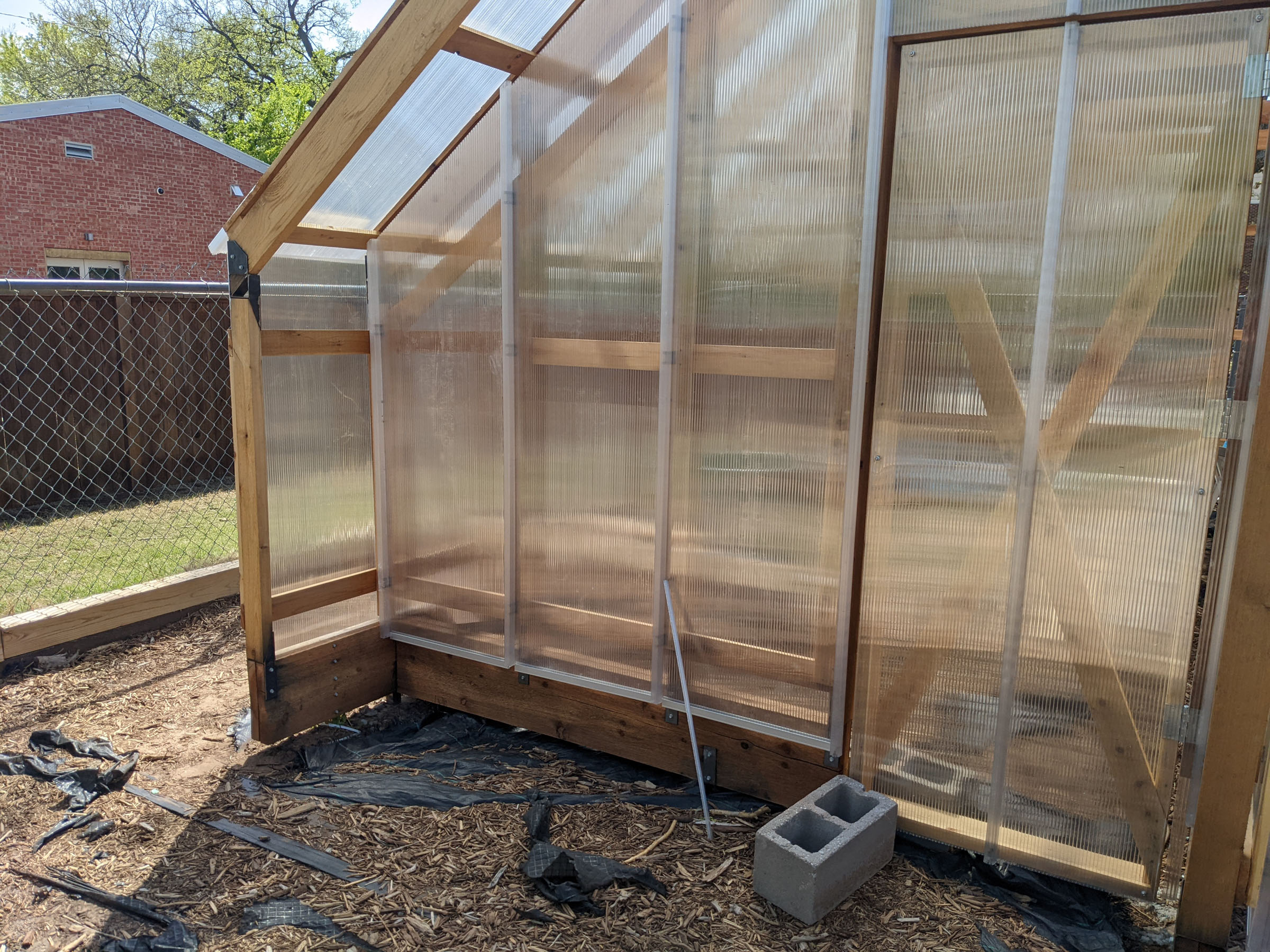
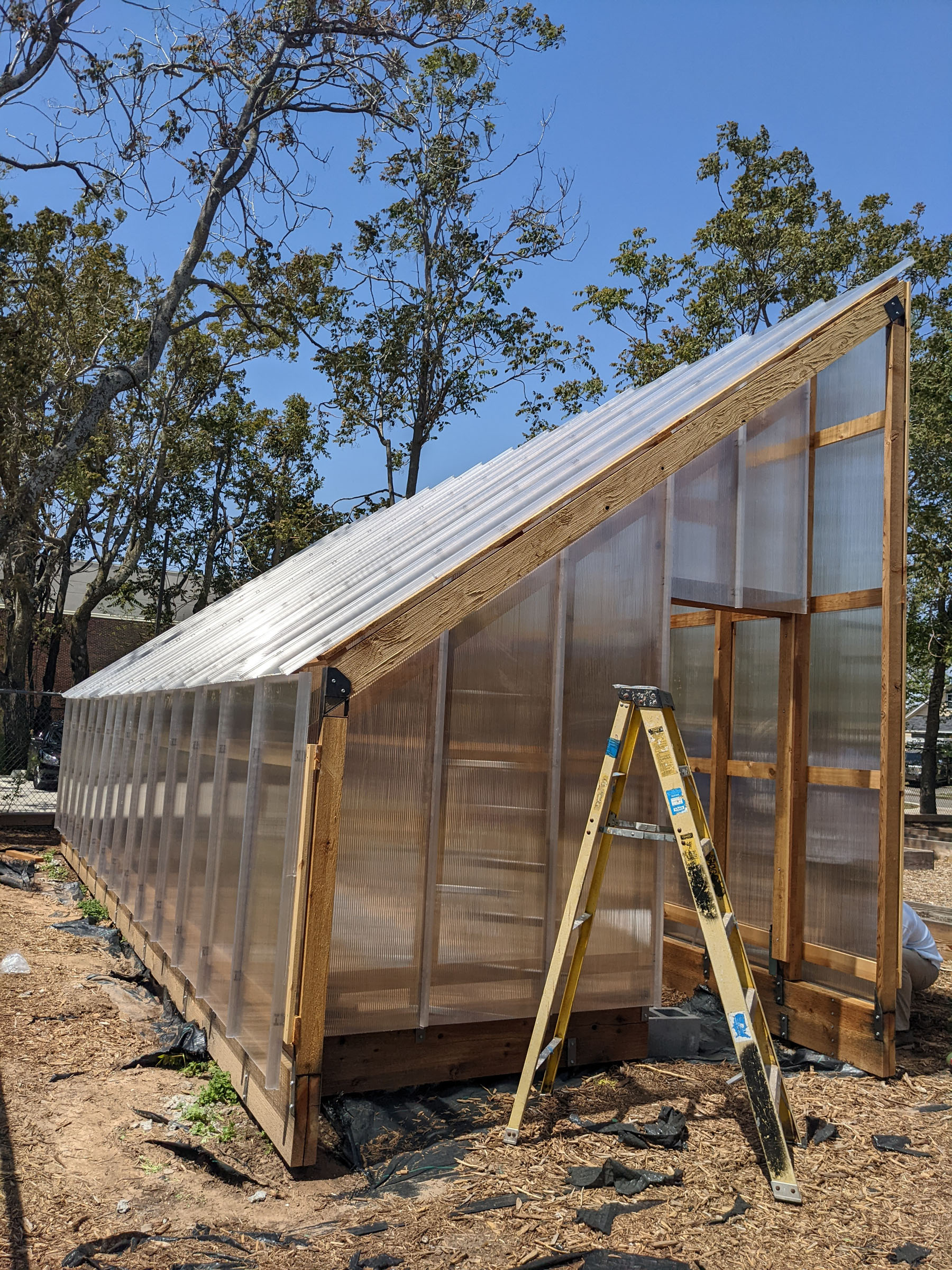
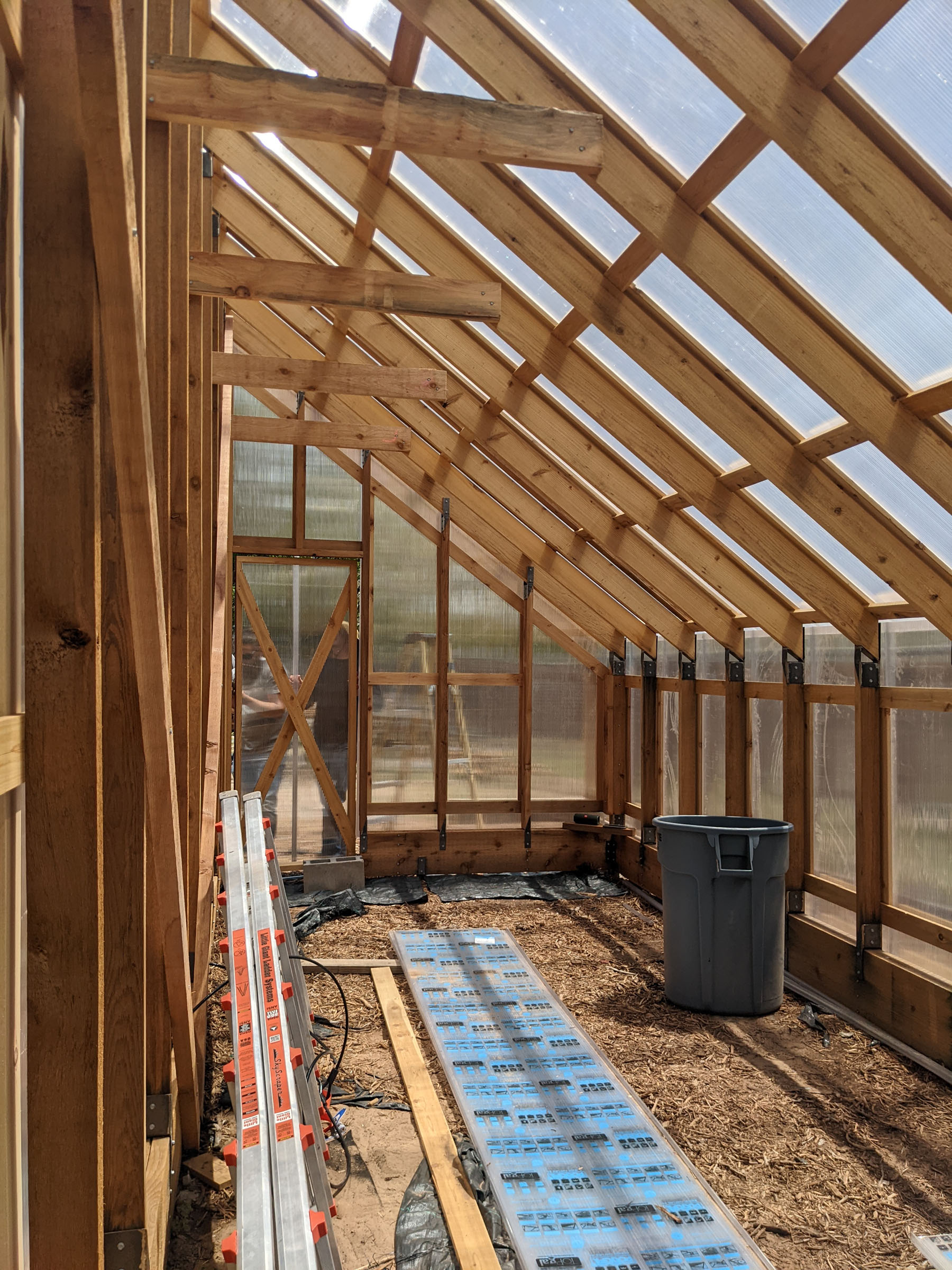
A continuous rafter system, spaced and aligned with agricultural efficiency, establishes the greenhouse’s distinctive sloped roof profile, maximizing solar gain while efficiently shedding rain. The enclosure is clad in celluar, UV-stabilized polycarbonate sheeting, installed as a continuous surface from base to ridge. The translucent panels diffuse light evenly throughout the interior while maintaining thermal insulation and weather protection. At full height, the walls allow for flexible growing arrangements and passive ventilation strategies.
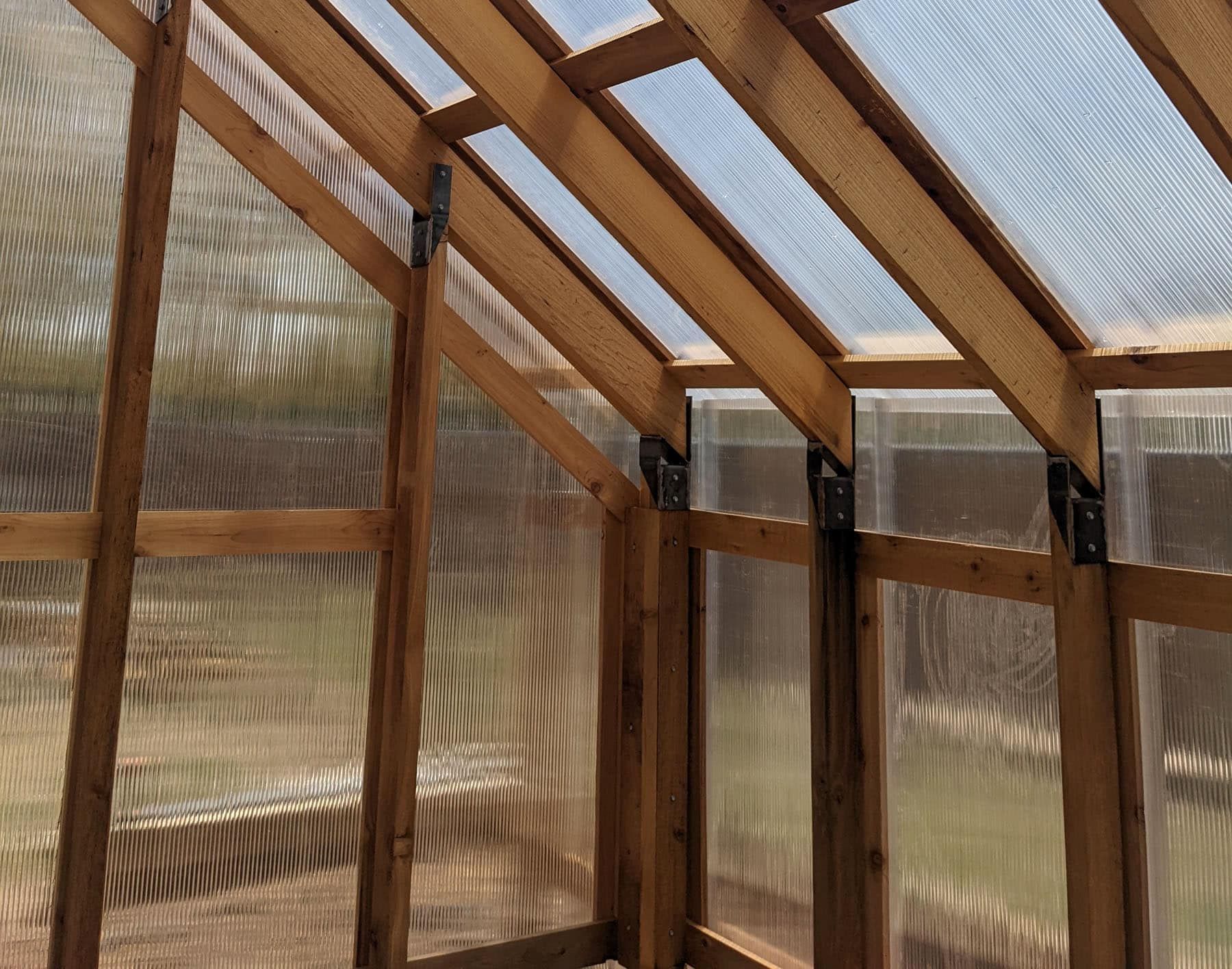
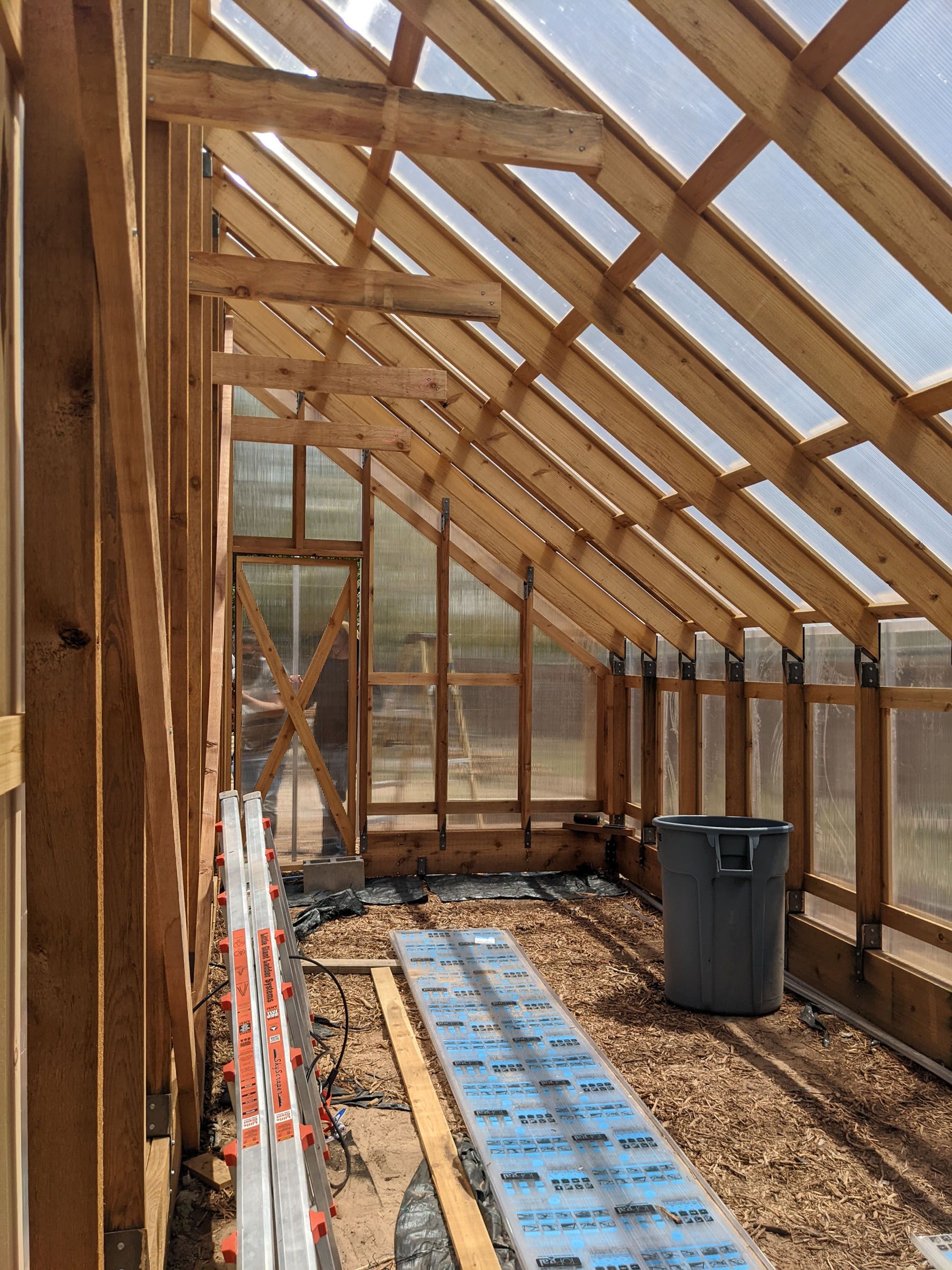
Cedar framing and translucent polycarbonate cladding establish the greenhouse’s distinctive light-filled interior. Exposed steel plates and joints reveal the structural logic and craft of construction, while precision alignment of rafters and panels ensures optimal solar gain, ventilation, and material efficiency.
Details and Environmental Performance
Every element of the project was designed for clarity and repeatability. The detailing is intentionally minimal: the steel hardware is unpainted, allowing it to patina naturally; the cedar is left unfinished to age in response to its environment. A continuous base sill provides a moisture break, while raised floor beds and integrated cross bracing ensure long-term structural stability under wind load and shifting ground conditions.
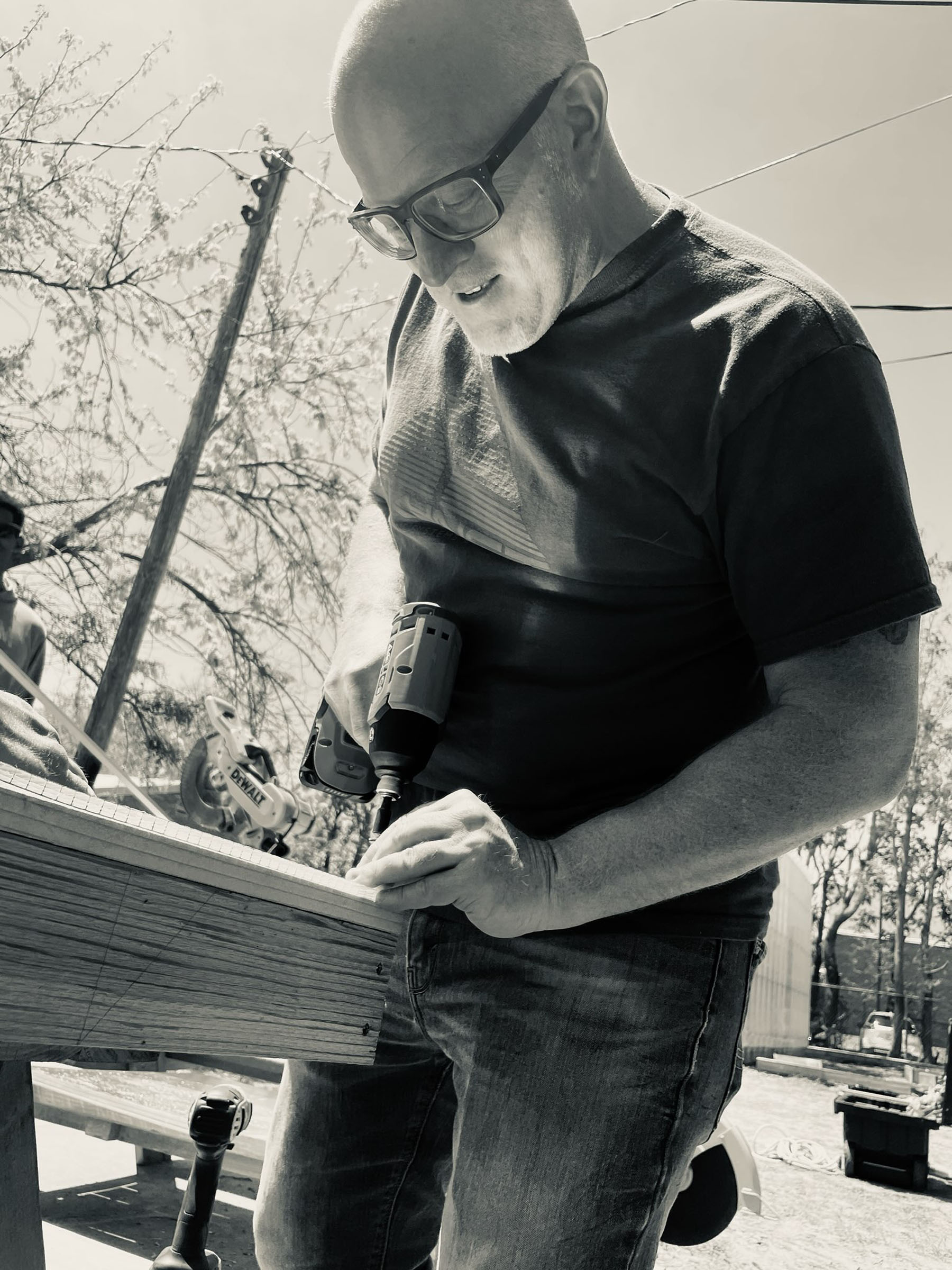
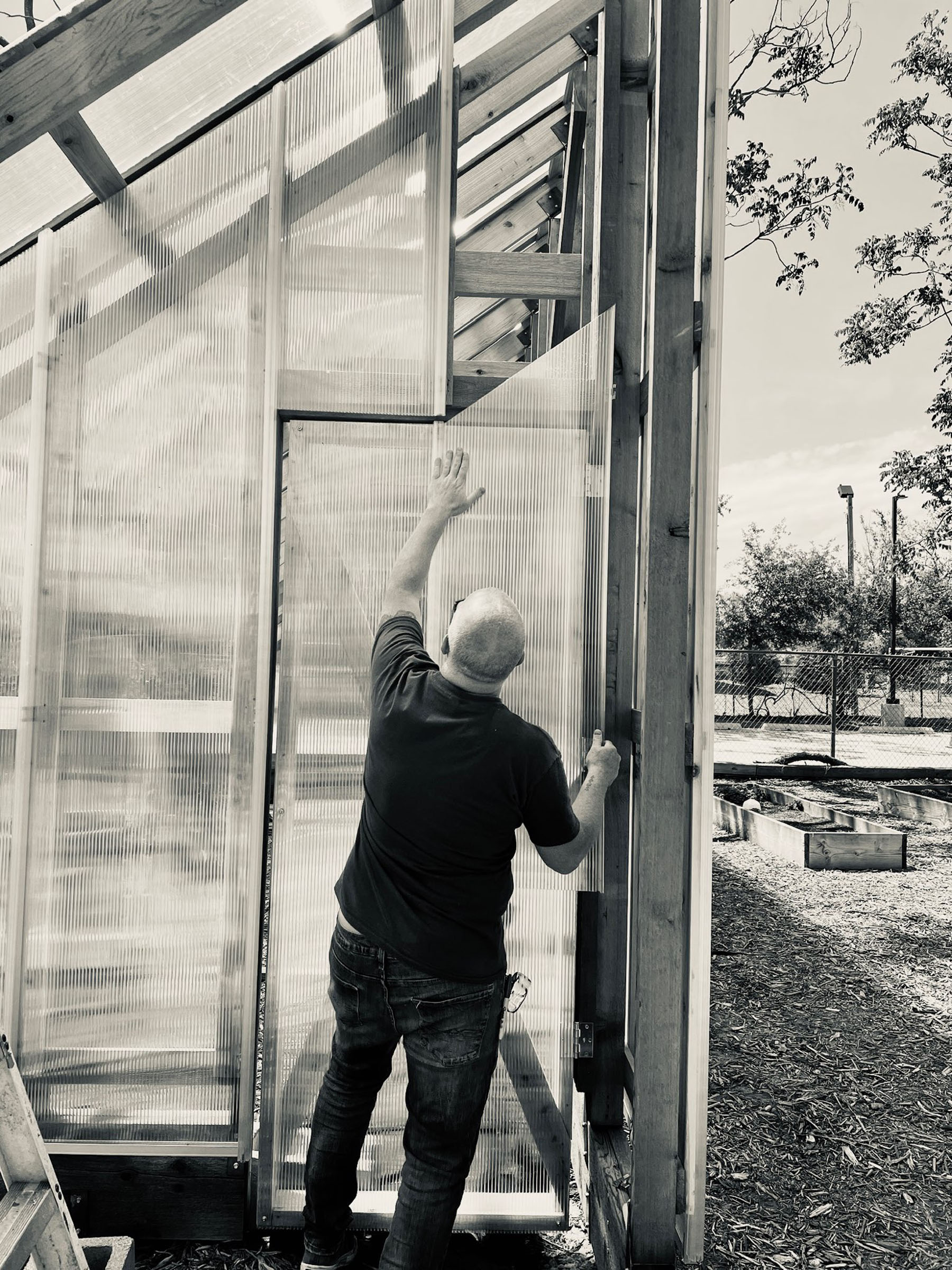
The project’s approach was not to romanticize the greenhouse typology, but to reengage it through simple material means and tactical construction. There are no redundant formal gestures, only what is needed to create a protected, light-filled volume that supports both growth and maintenance. Doors and vents are sized for access and airflow; diagonal bracing doubles as shelving supports; and all components are assembled with basic tools and hardware, allowing for future repair or modification without specialized labor.


Conclusion
This project exemplifies a form-follows-function approach tailored to localized needs and material availability. The result is a refined agricultural infrastructure, unembellished yet intentional, modest in scale yet highly resolved. It operates as a working structure: easy to build, easy to maintain, and always engaged in the process of cultivation.
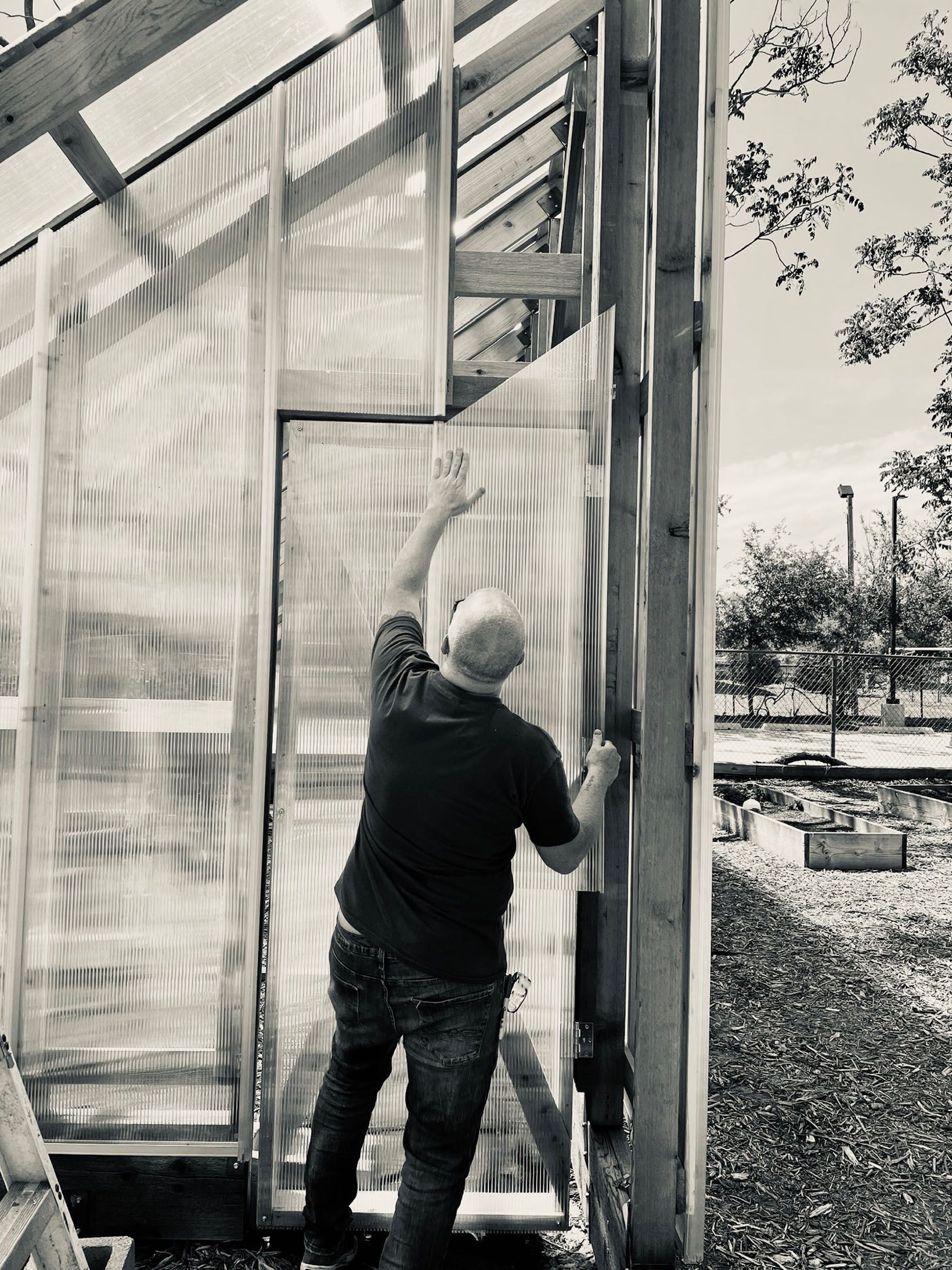

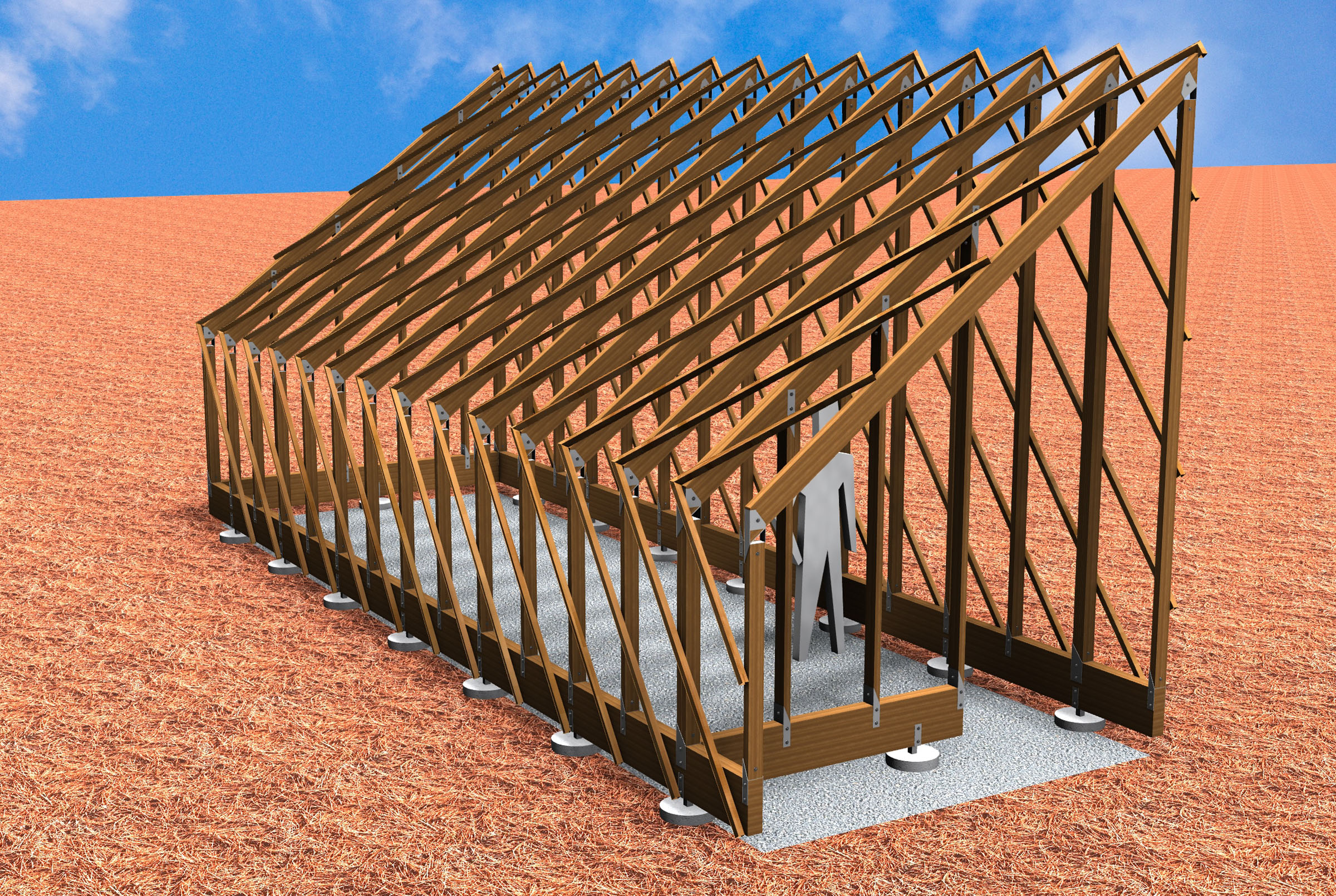
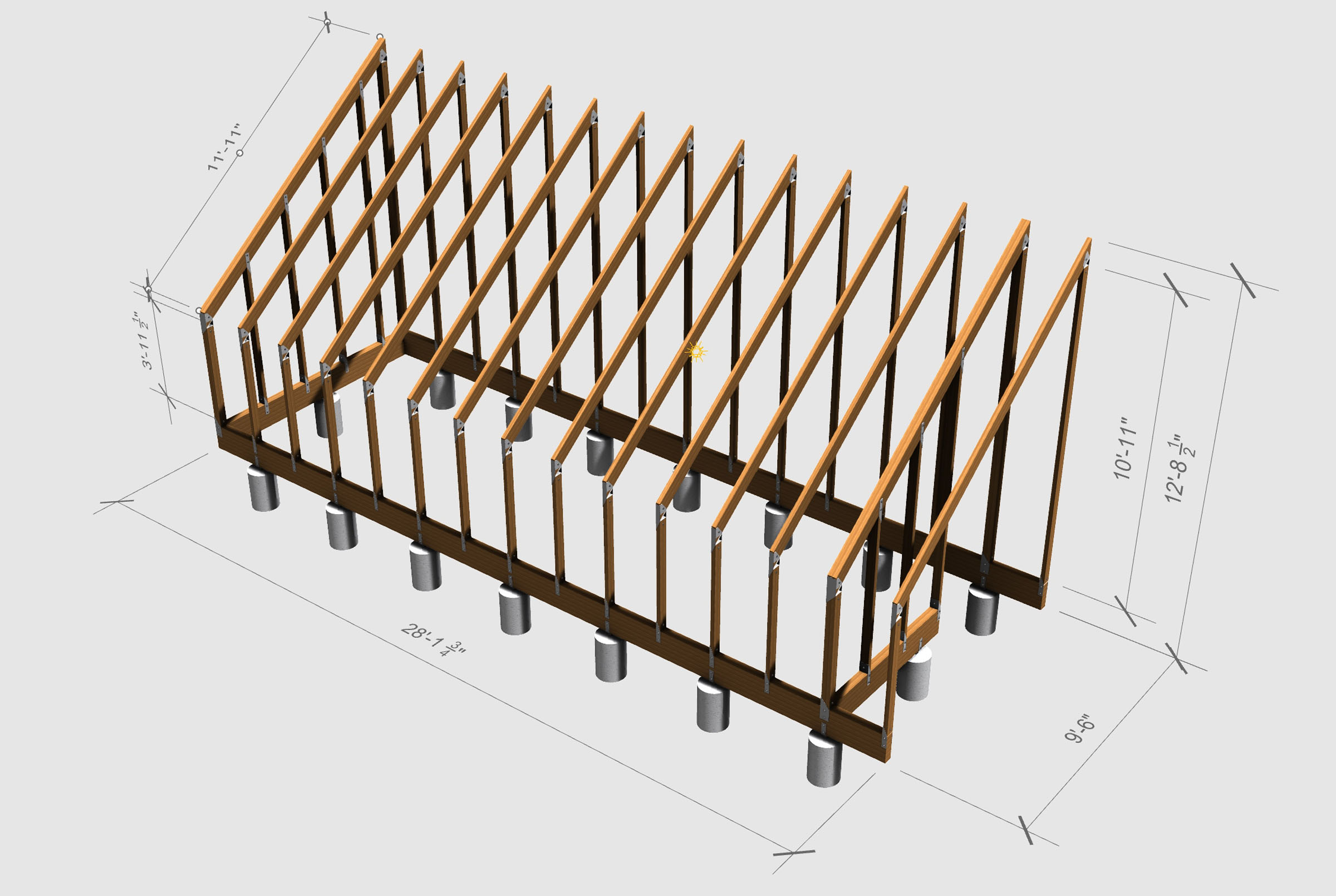



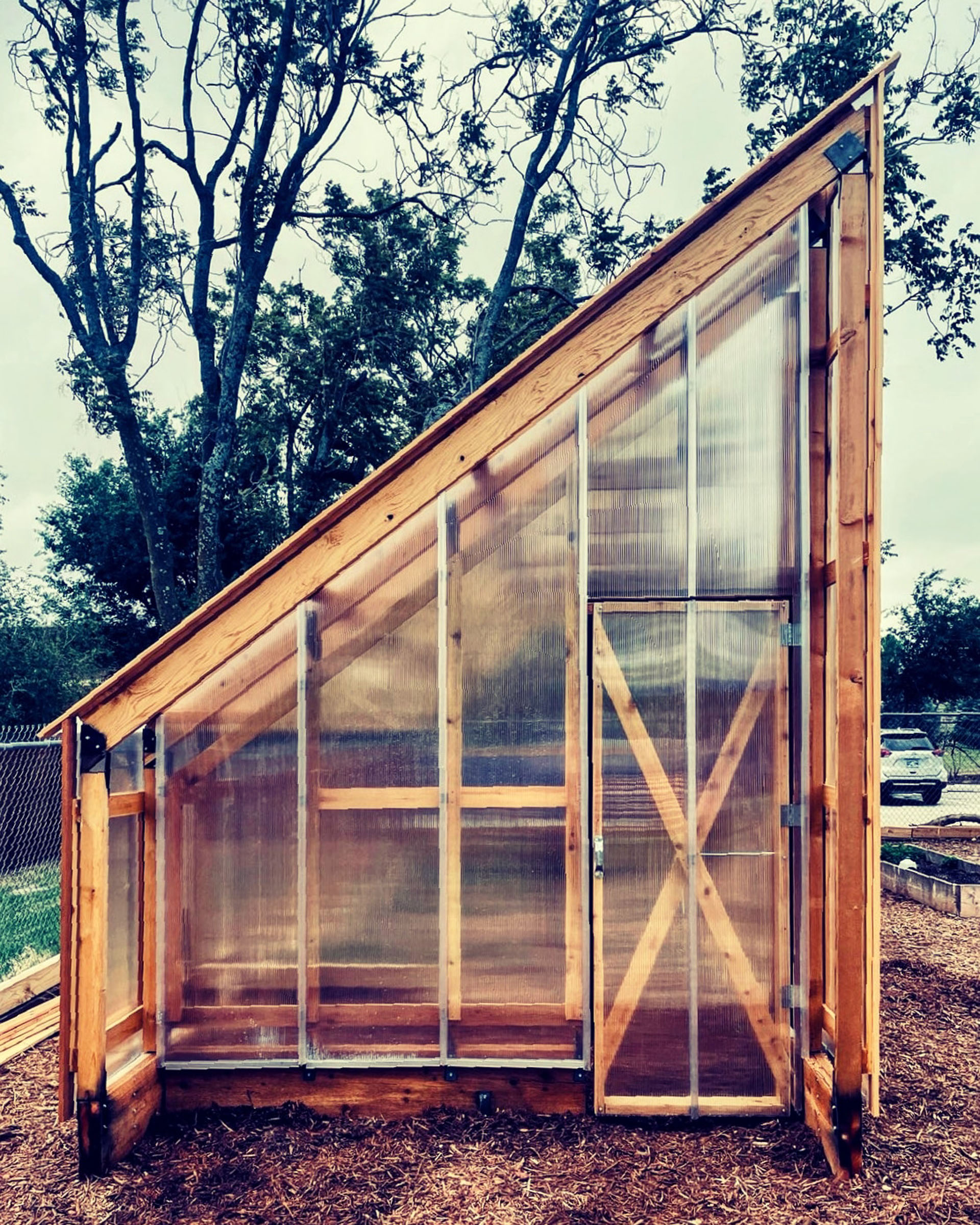
ABOVE: Completed Crutcho Elementary Greenhouse Classroom, showing the cedar and polycarbonate structure designed for year-round agricultural learning. The sloped roof and translucent cladding balance daylighting, insulation, and durability, embodying a pragmatic yet elegant early model of a pedagogical educational design-build practice for the future American School Design Build program at OU Gibbs.