Course Overview
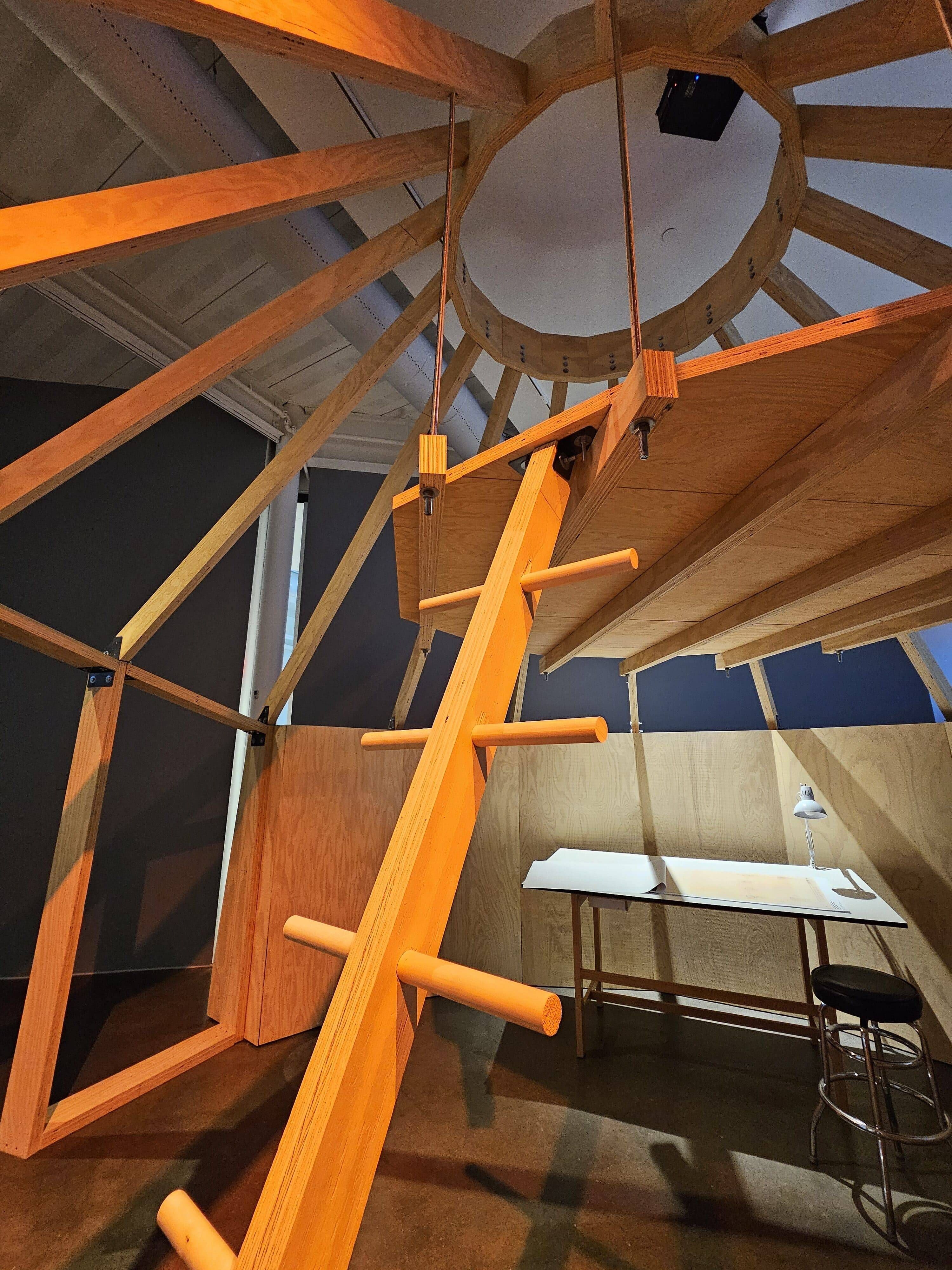
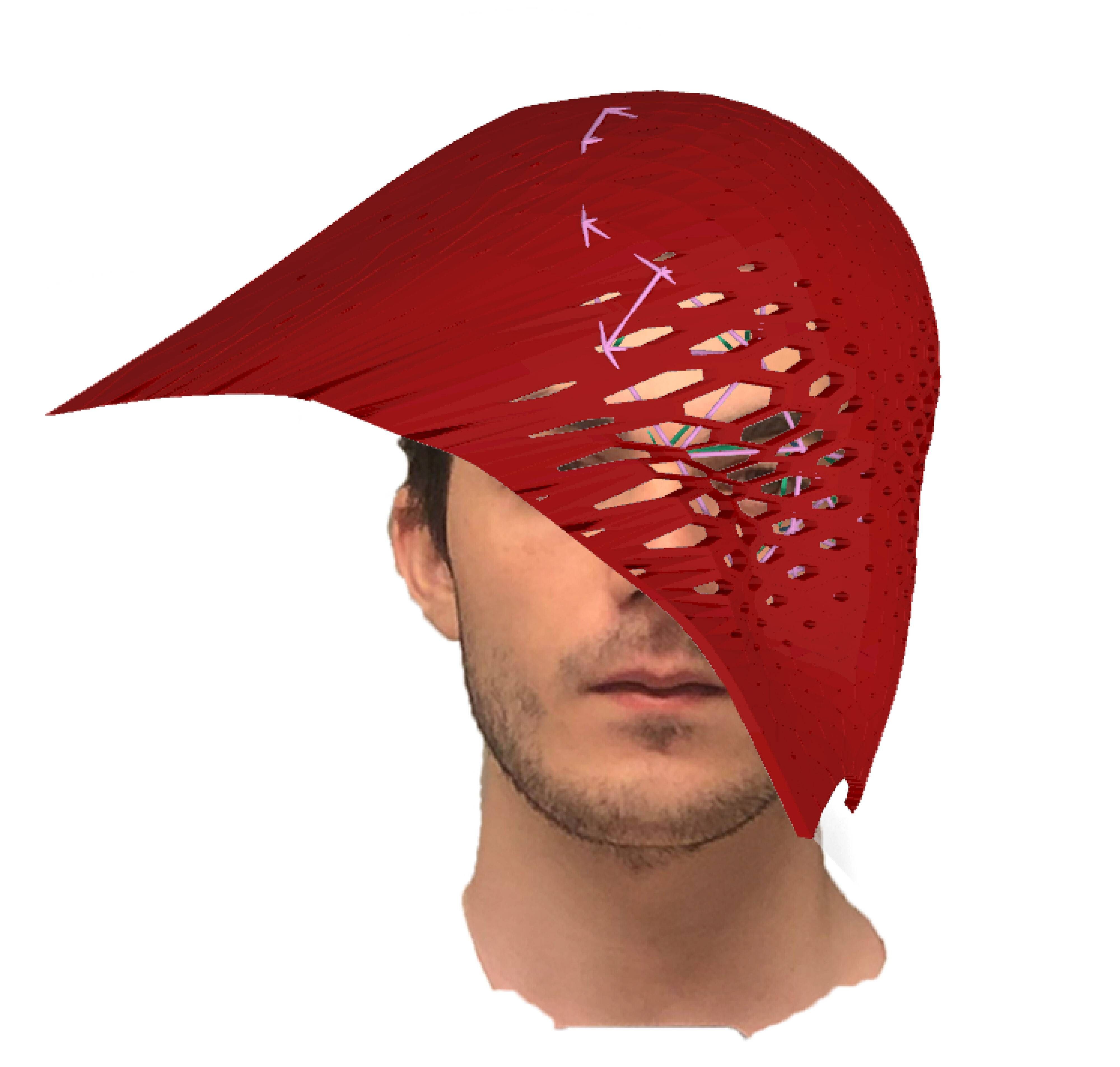
Design IV: Structure and Form is an intermediate undergraduate design studio that examines the integration of structural systems and spatial design. The course challenges students to approach architecture as both a conceptual and technical discipline, where form is informed by performance, material, and assembly. Students explore how tectonic principles, site relationships, and environmental factors influence design thinking. Through analysis and experimentation, they learn to synthesize structural clarity, spatial complexity, and contextual awareness into coherent architectural propositions.
The studio emphasizes iterative making and critical inquiry as essential tools for developing design intuition. Students are encouraged to question how materials behave, how forces are resolved, and how spatial order can emerge from construction logic. The result is an evolving understanding of architecture as a synthesis of art, science, and craft.



Objectives
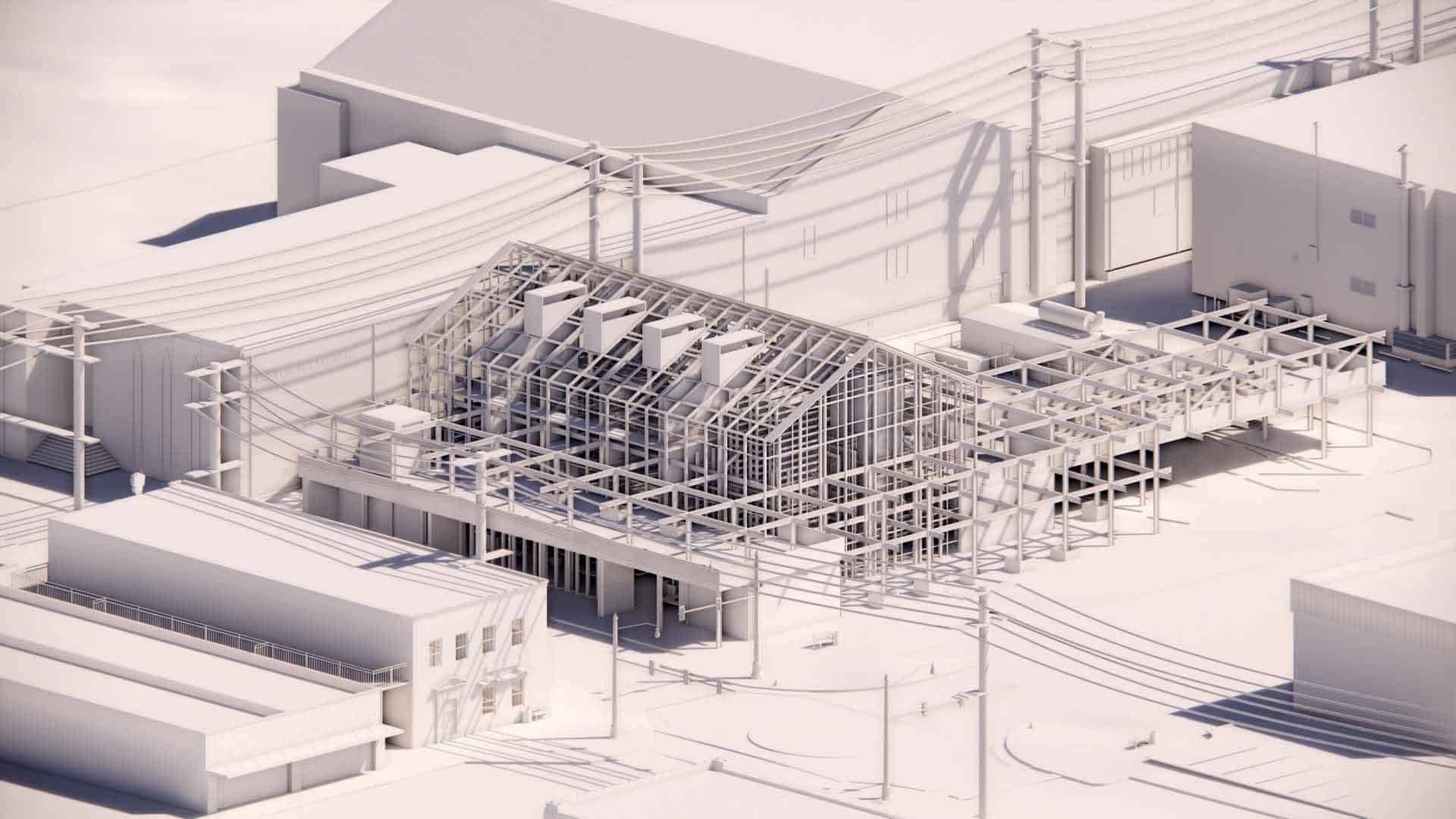
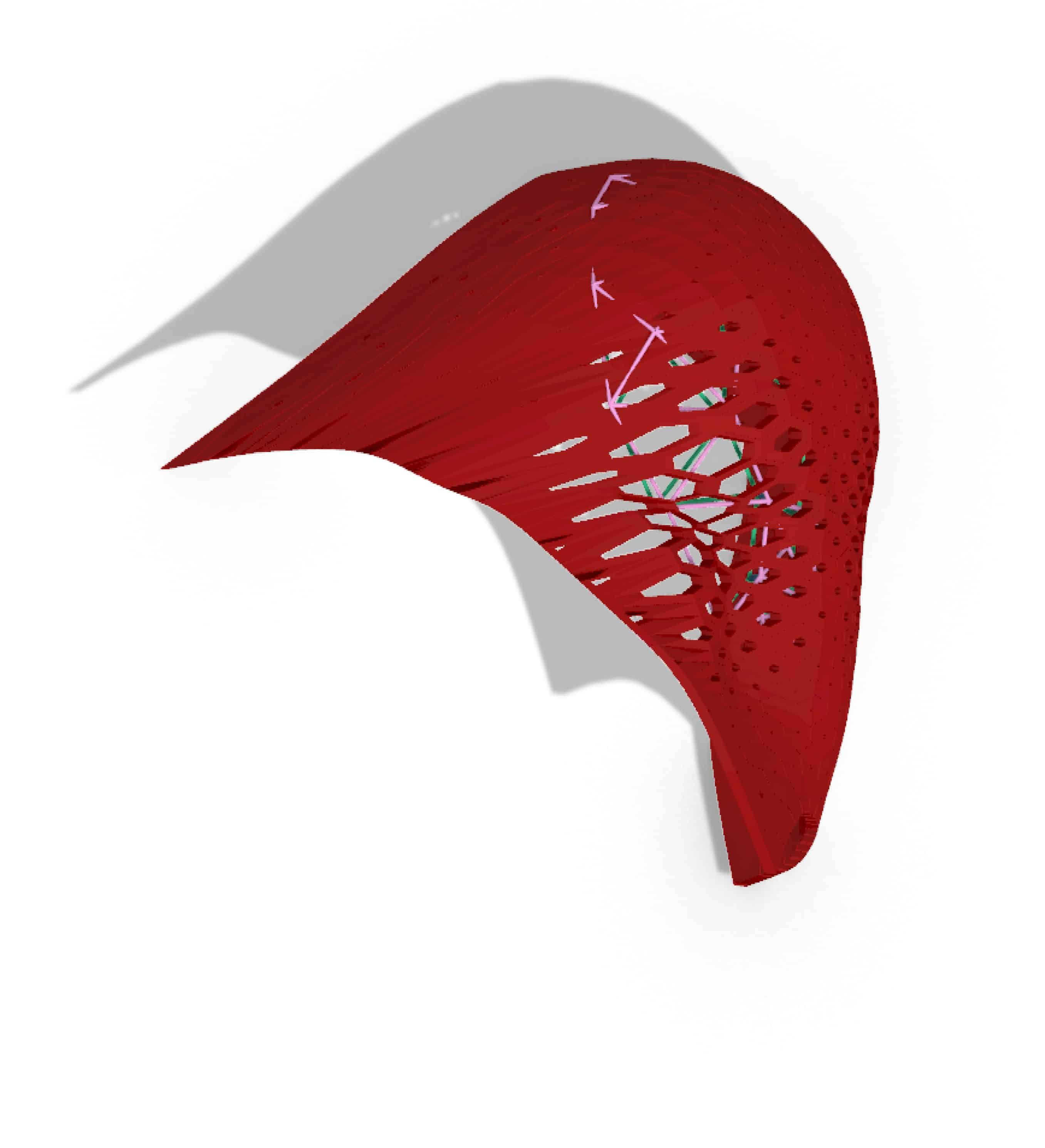
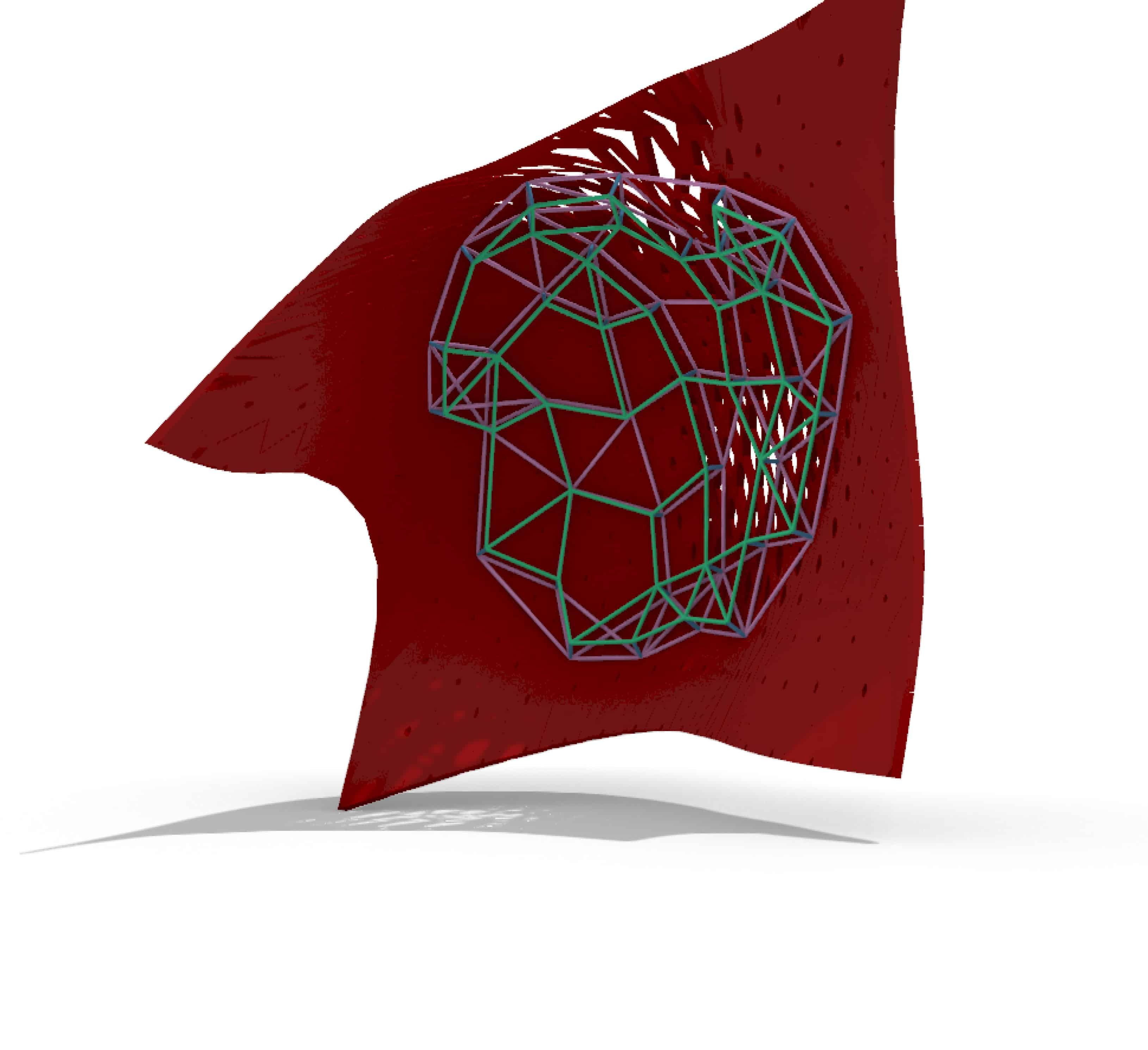
The primary objective of Design IV is to develop an intermediate fluency in design that bridges conceptual thinking and construction logic. Students explore structural systems as compositional tools and examine how materials perform under different conditions. Through analytical studies, digital modeling, and physical prototyping, they learn to translate abstract ideas into tectonic strategies.
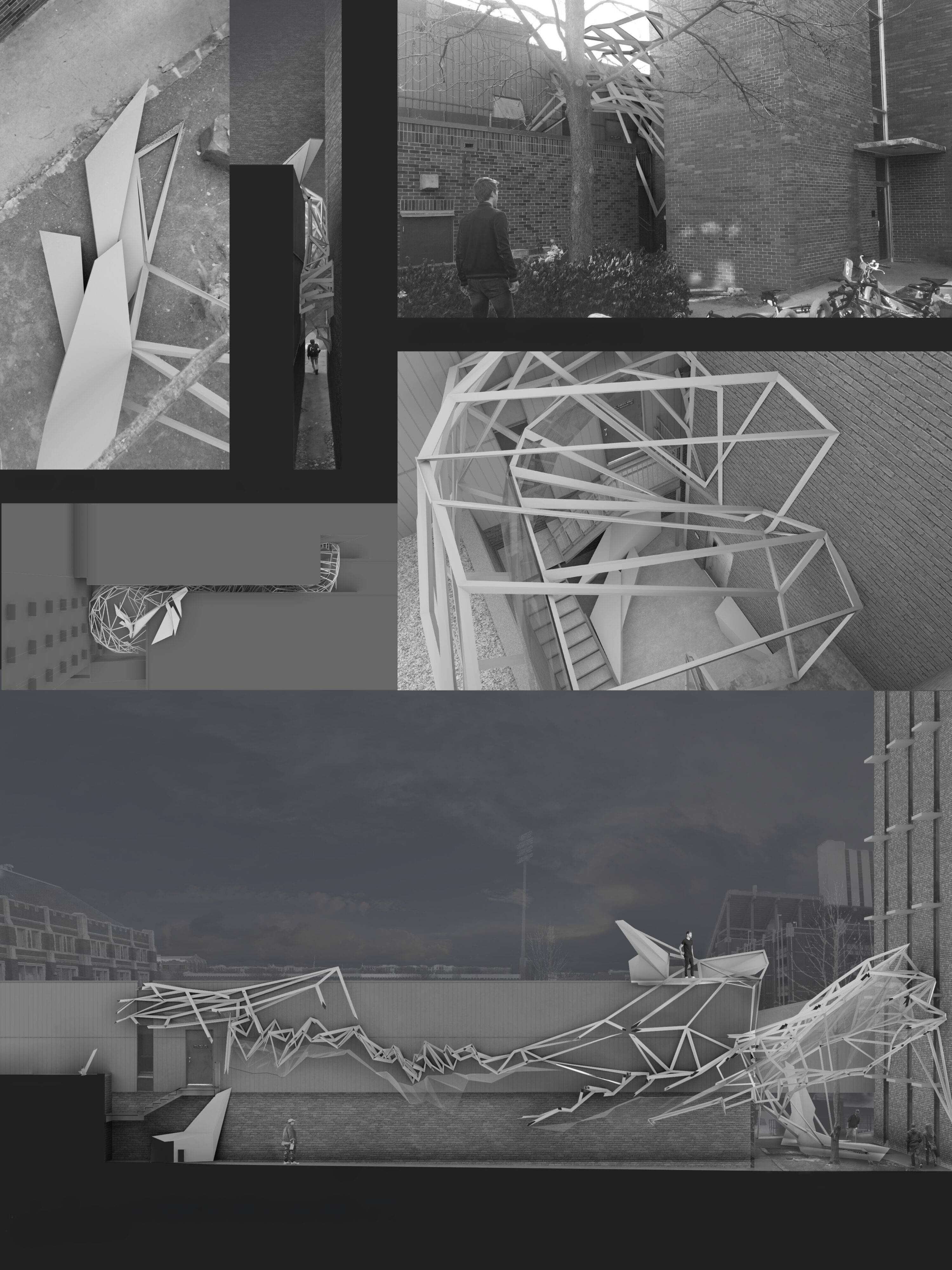
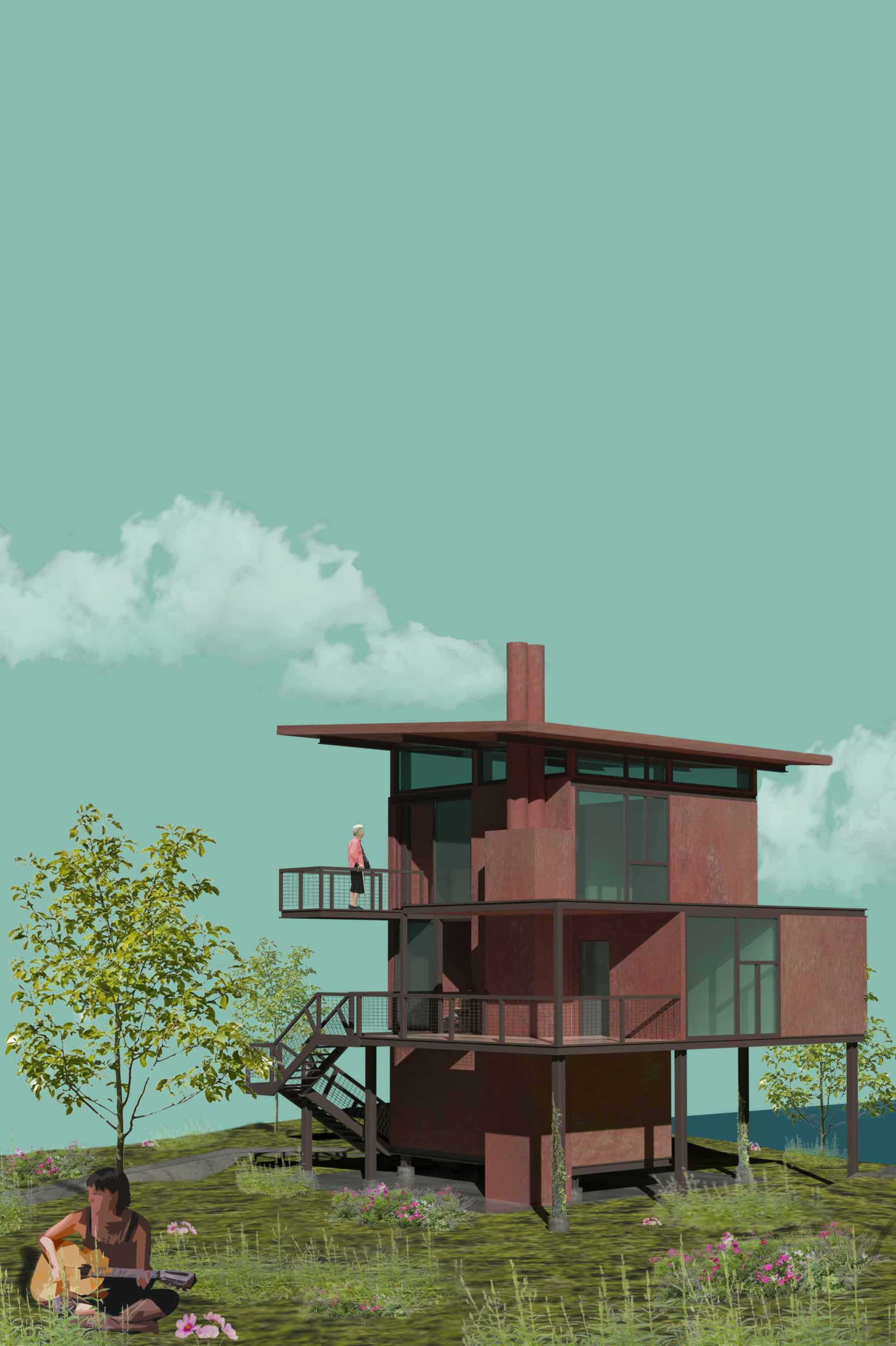
Students are expected to refine their visual communication skills, combining digital drawing, hybrid representation, and crafted models to articulate design intent. The course also introduces fundamental environmental and life-safety considerations, teaching students how context, climate, and occupancy affect architectural performance. The studio promotes independent thinking, encouraging students to develop personal design methodologies while working collaboratively within a critical and supportive studio culture.
Intent
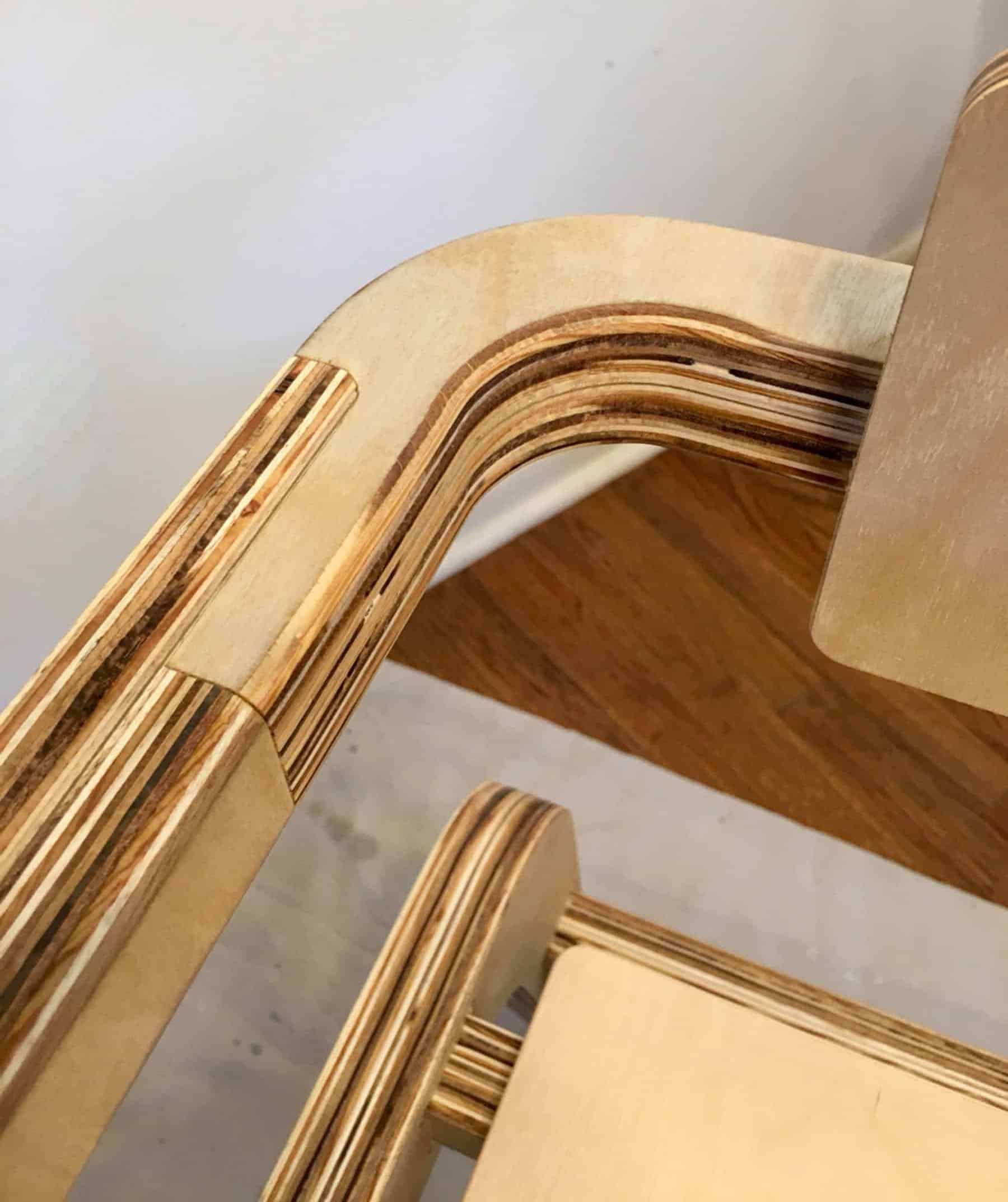
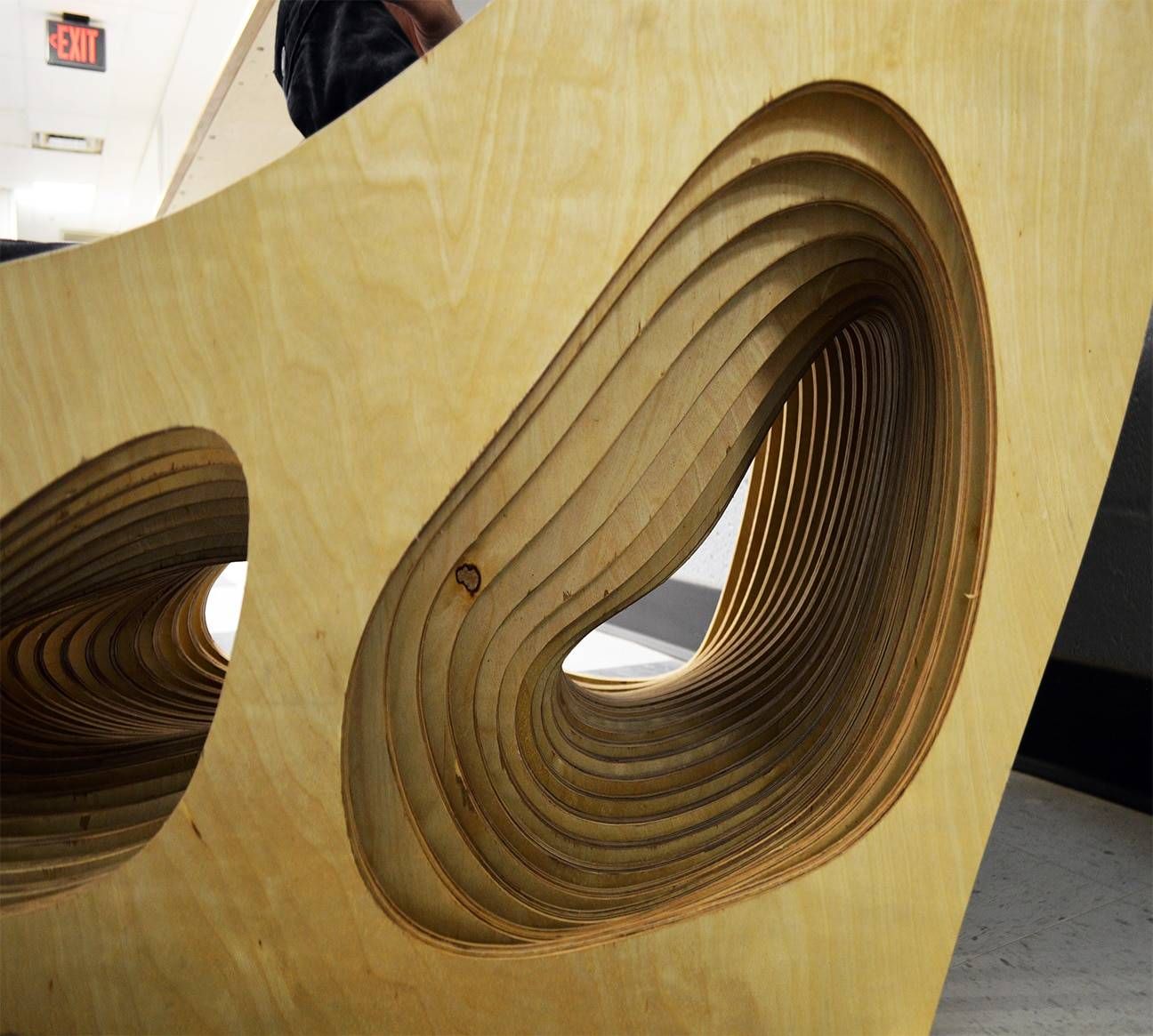
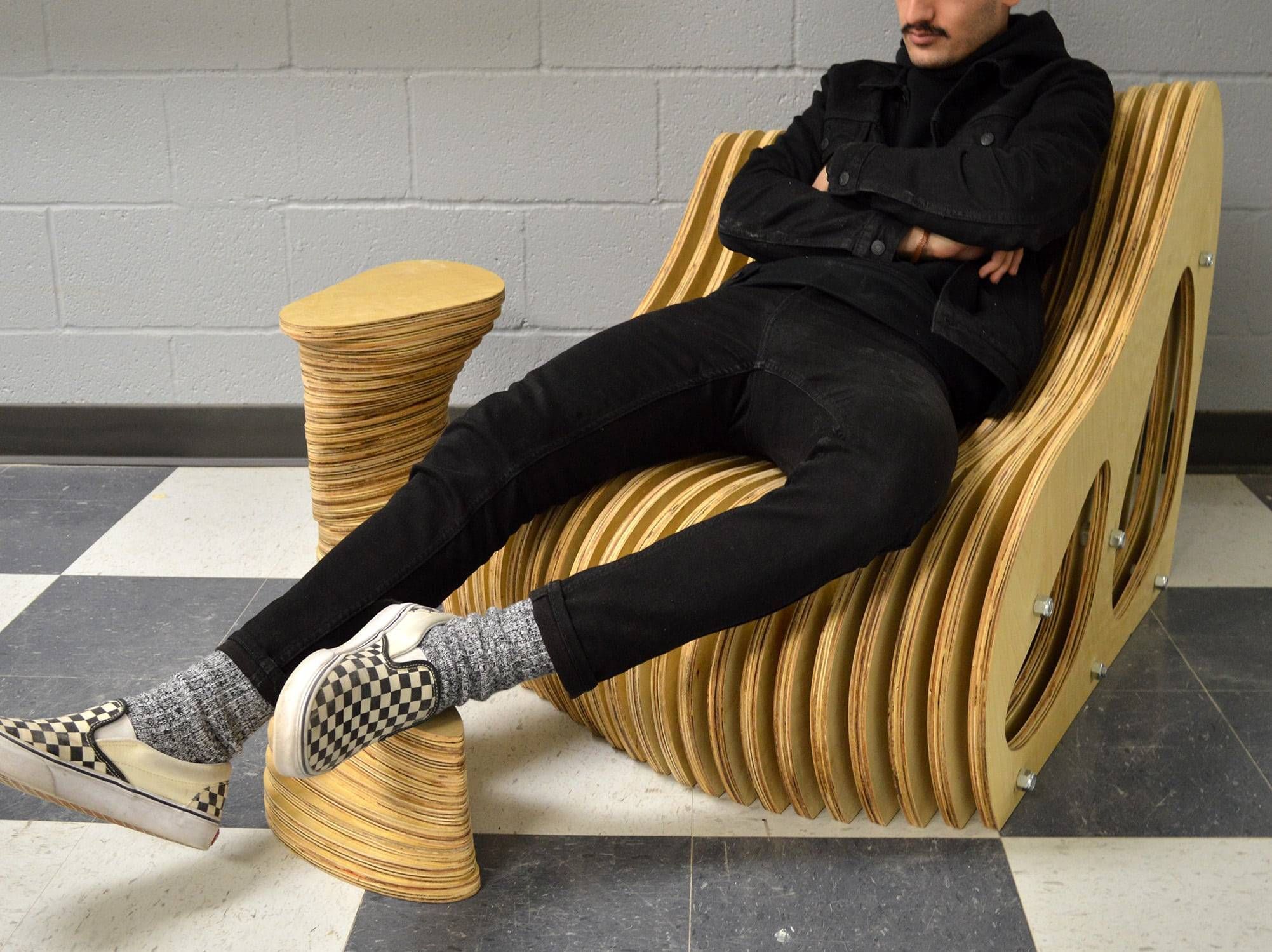
The intent of Design IV is to expand the student’s architectural vocabulary through a critical engagement with structure and material. The studio investigates construction not as an afterthought but as a generative process, where design emerges from the logic of assembly. Students learn to view architecture as a dialogue between concept and construction, exploring how detail and joinery can articulate broader spatial and environmental ambitions.
By engaging structural experimentation and iterative making, the course promotes a design sensibility grounded in observation, rigor, and craftsmanship. Students develop the ability to navigate between analytical precision and creative intuition, understanding how architecture embodies both structural necessity and expressive potential.
Pedagogy
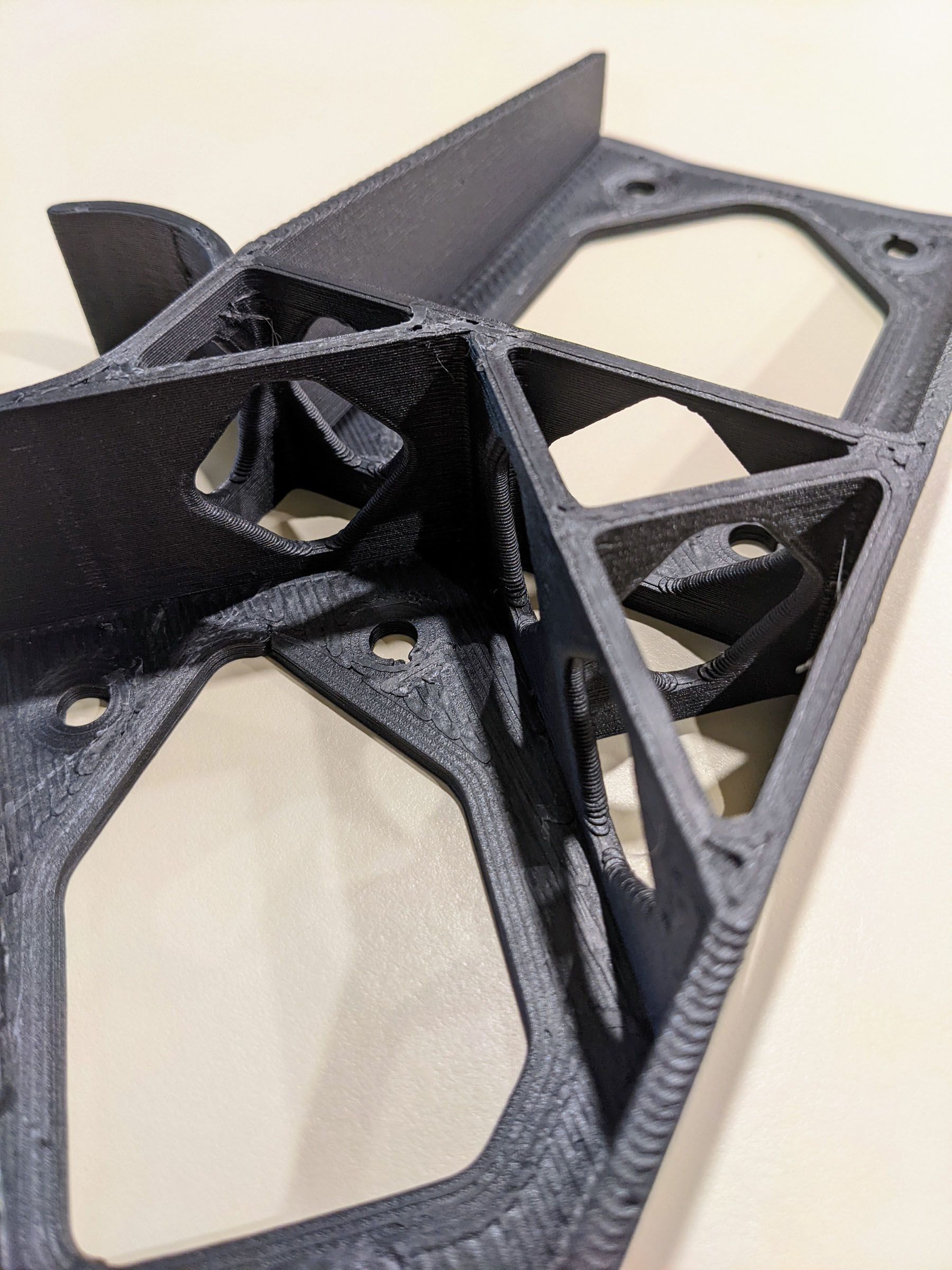
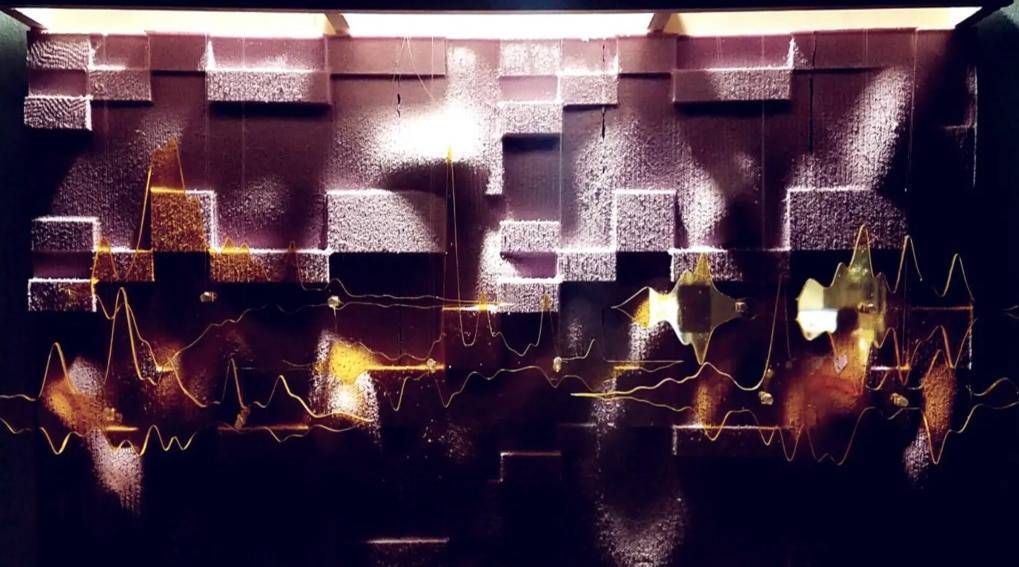
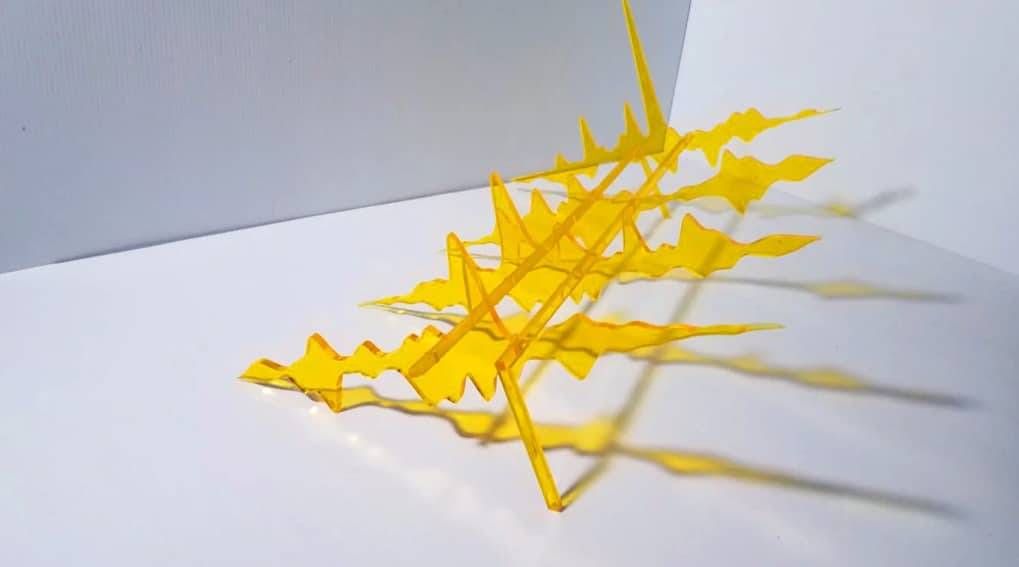
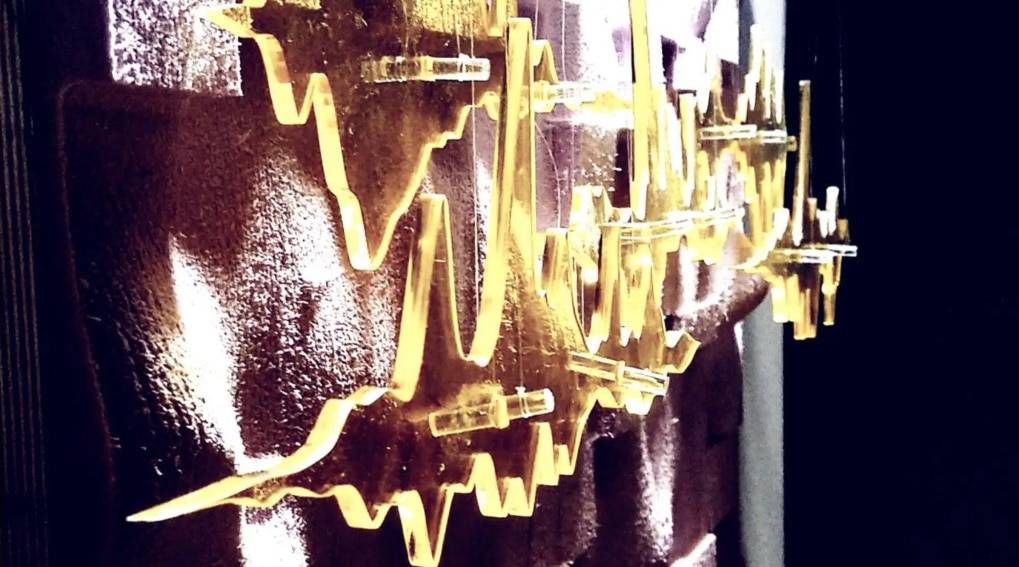
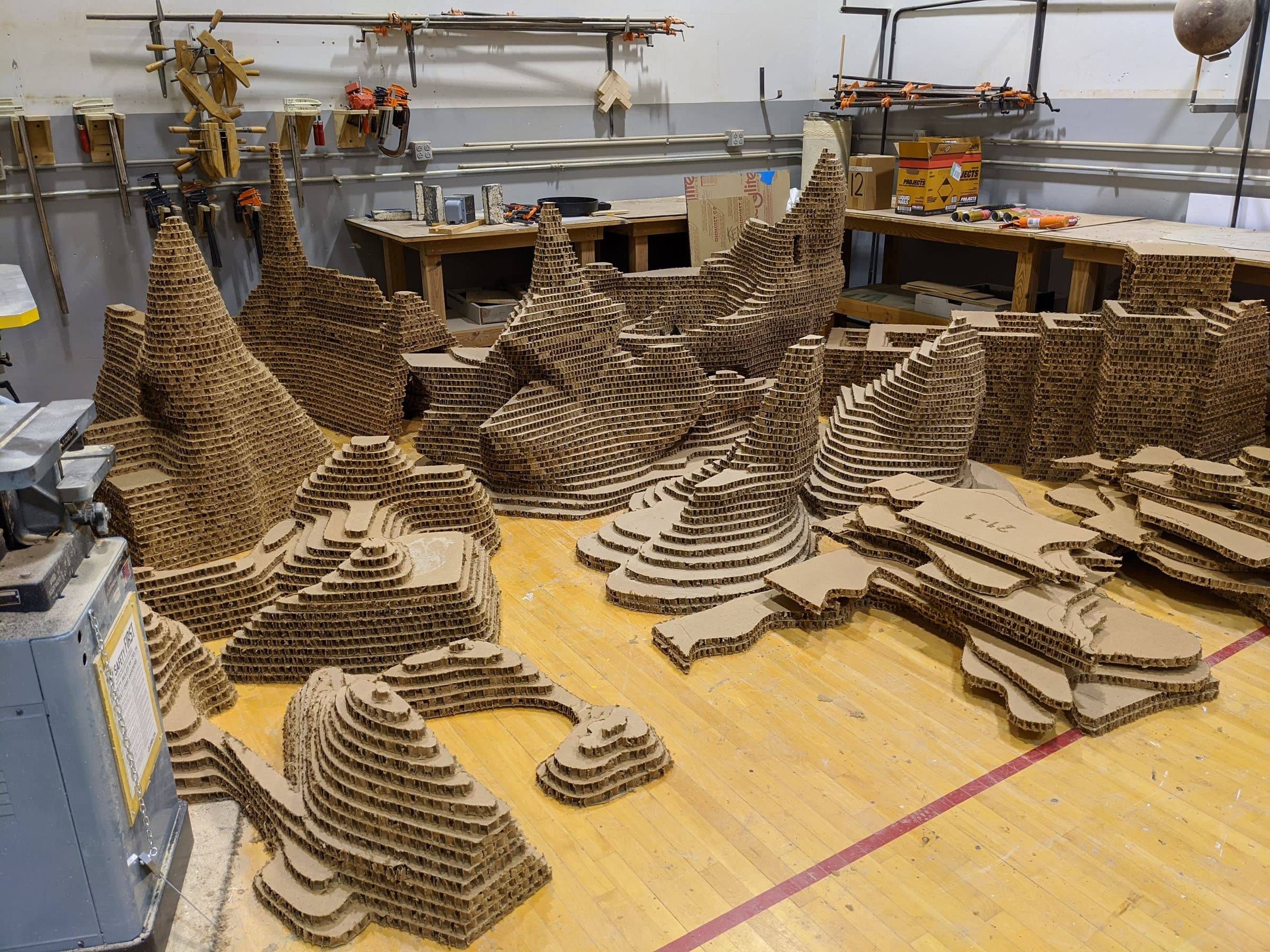
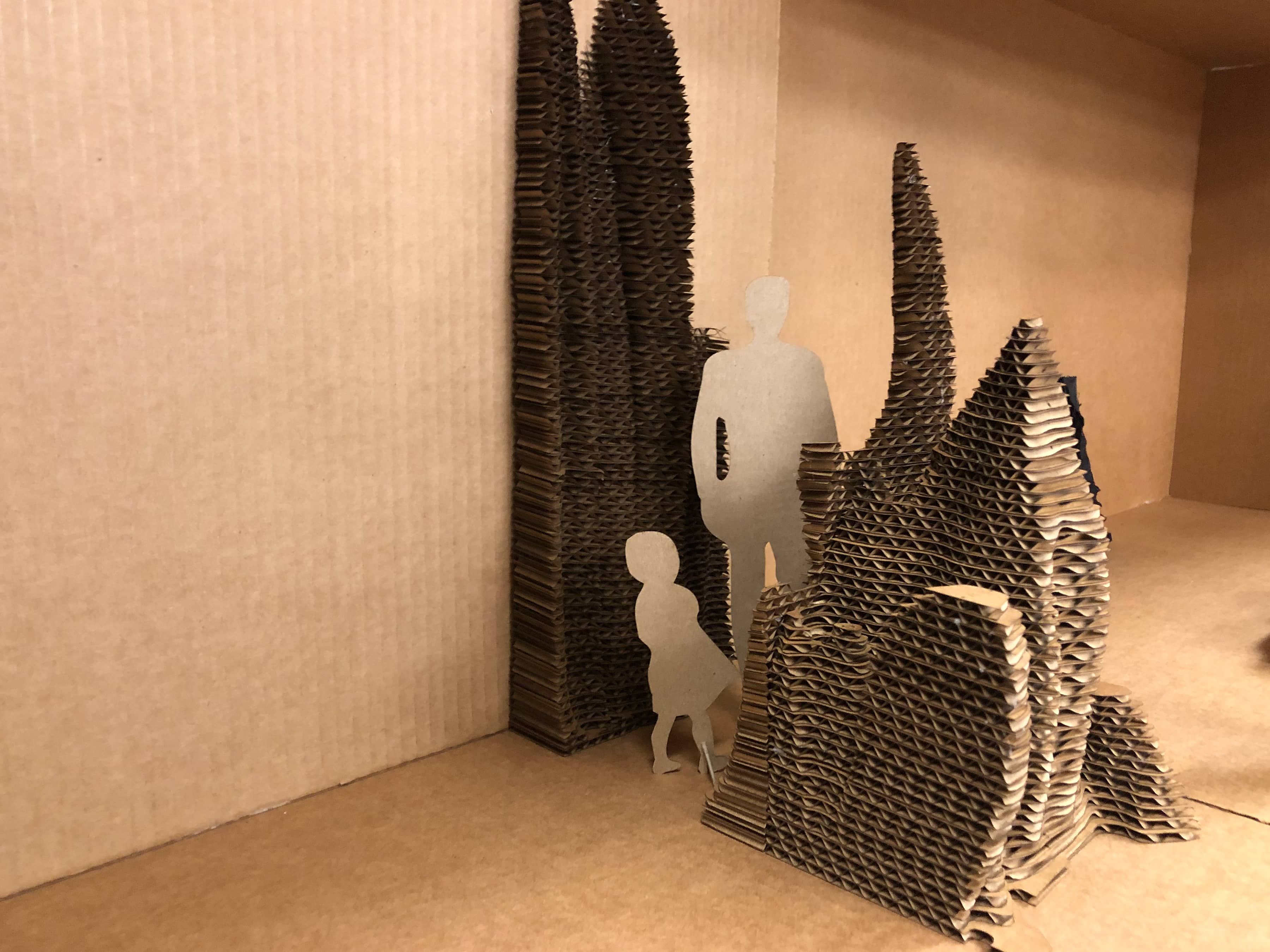
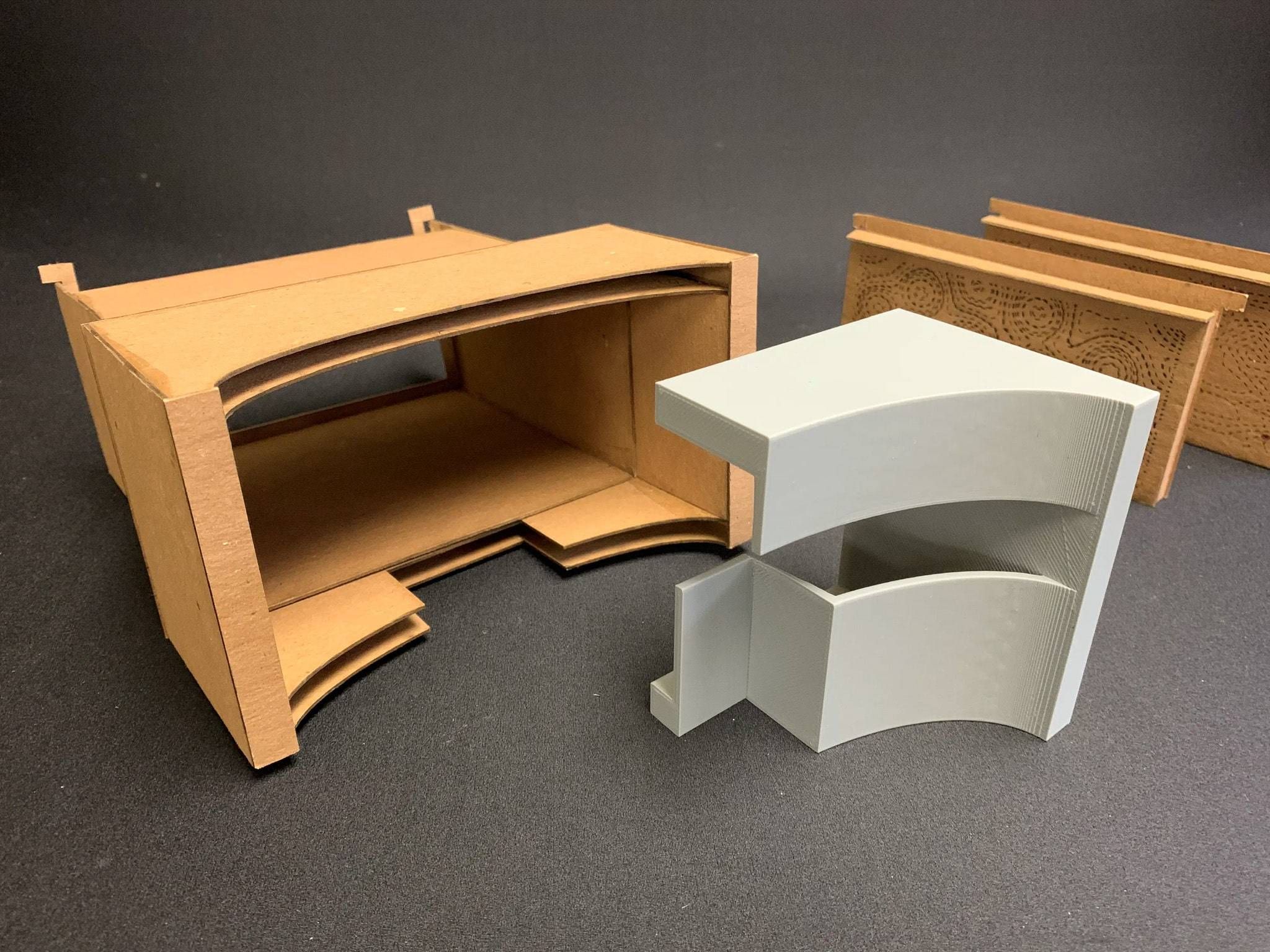
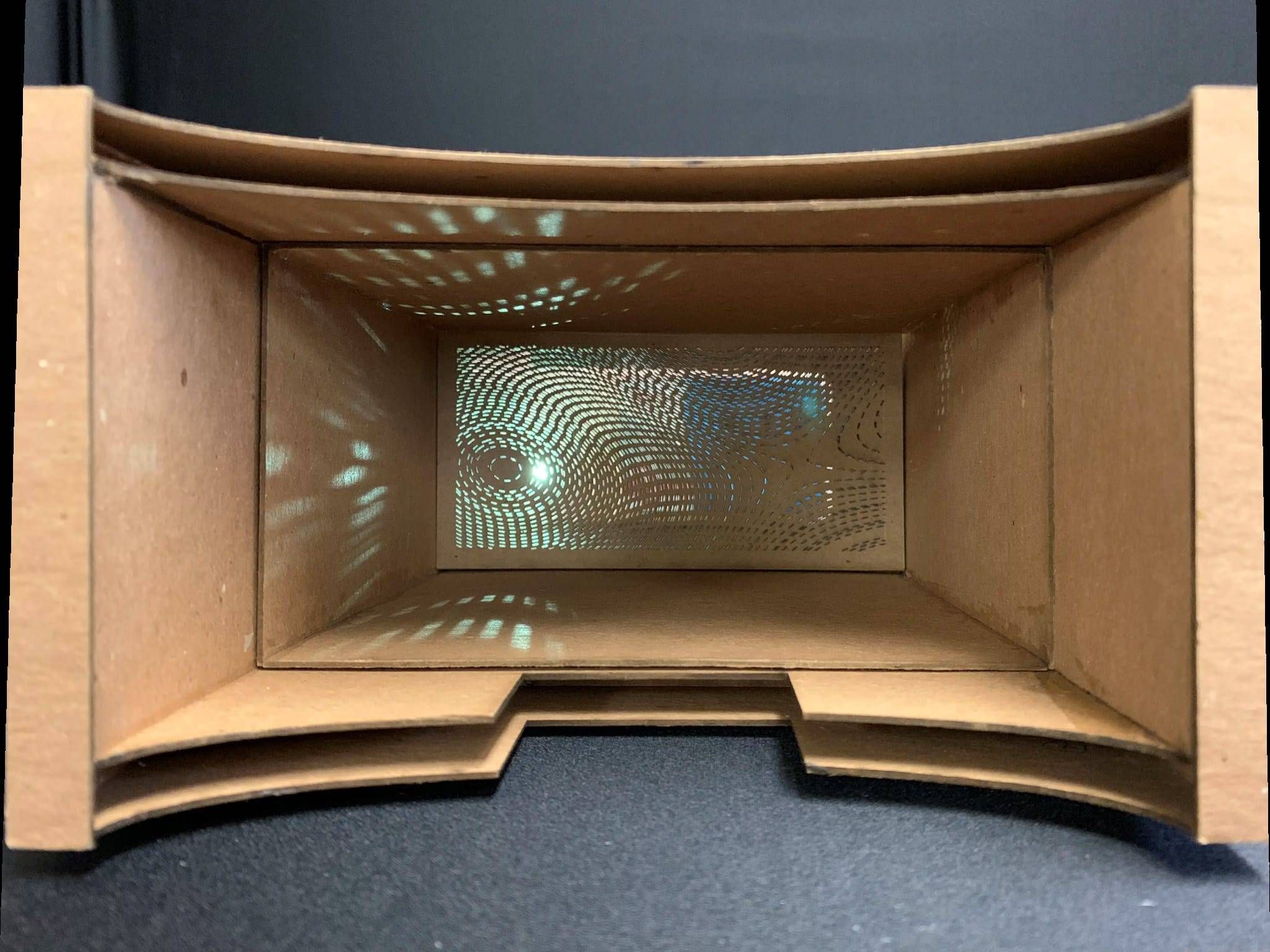
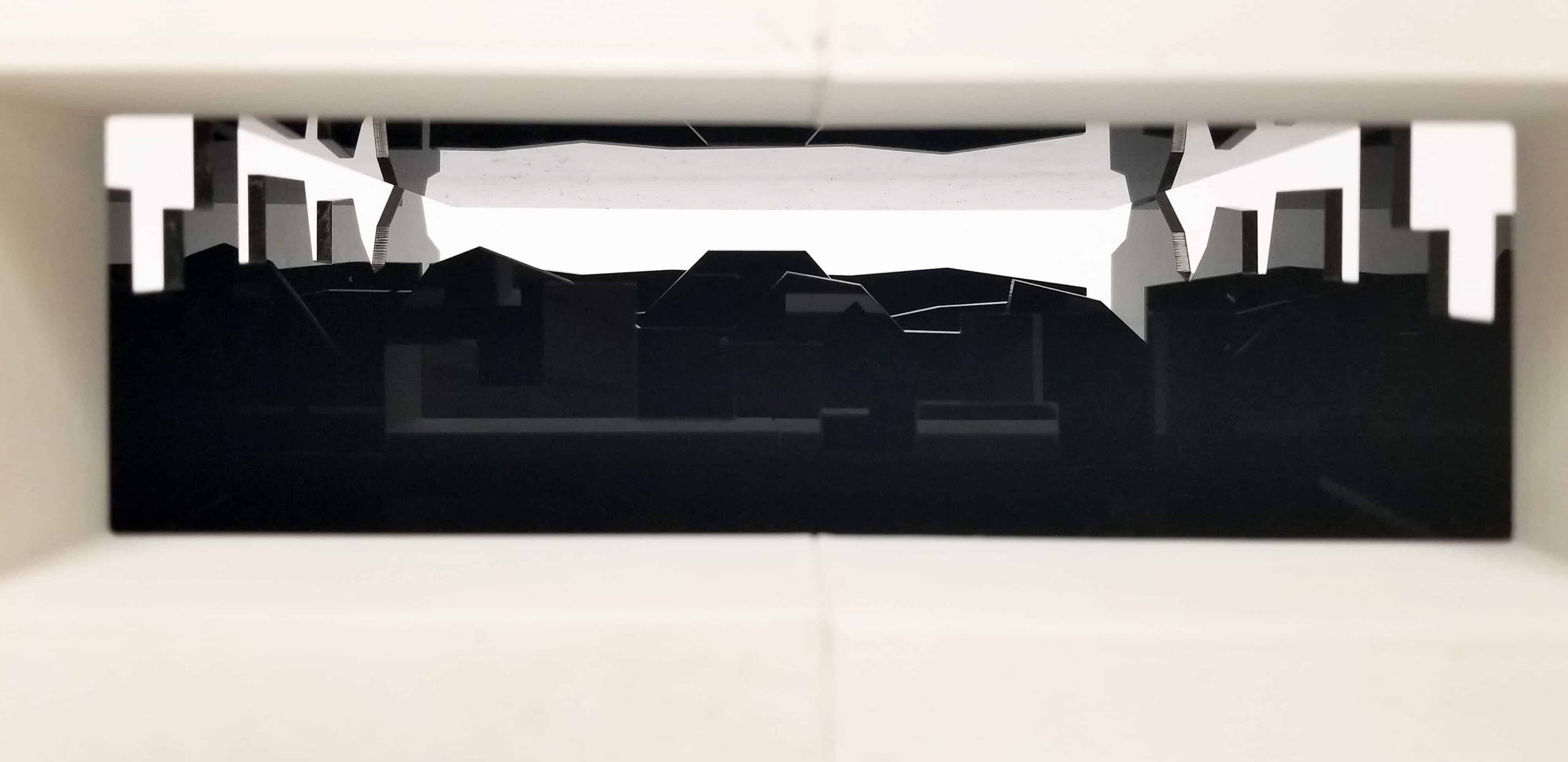
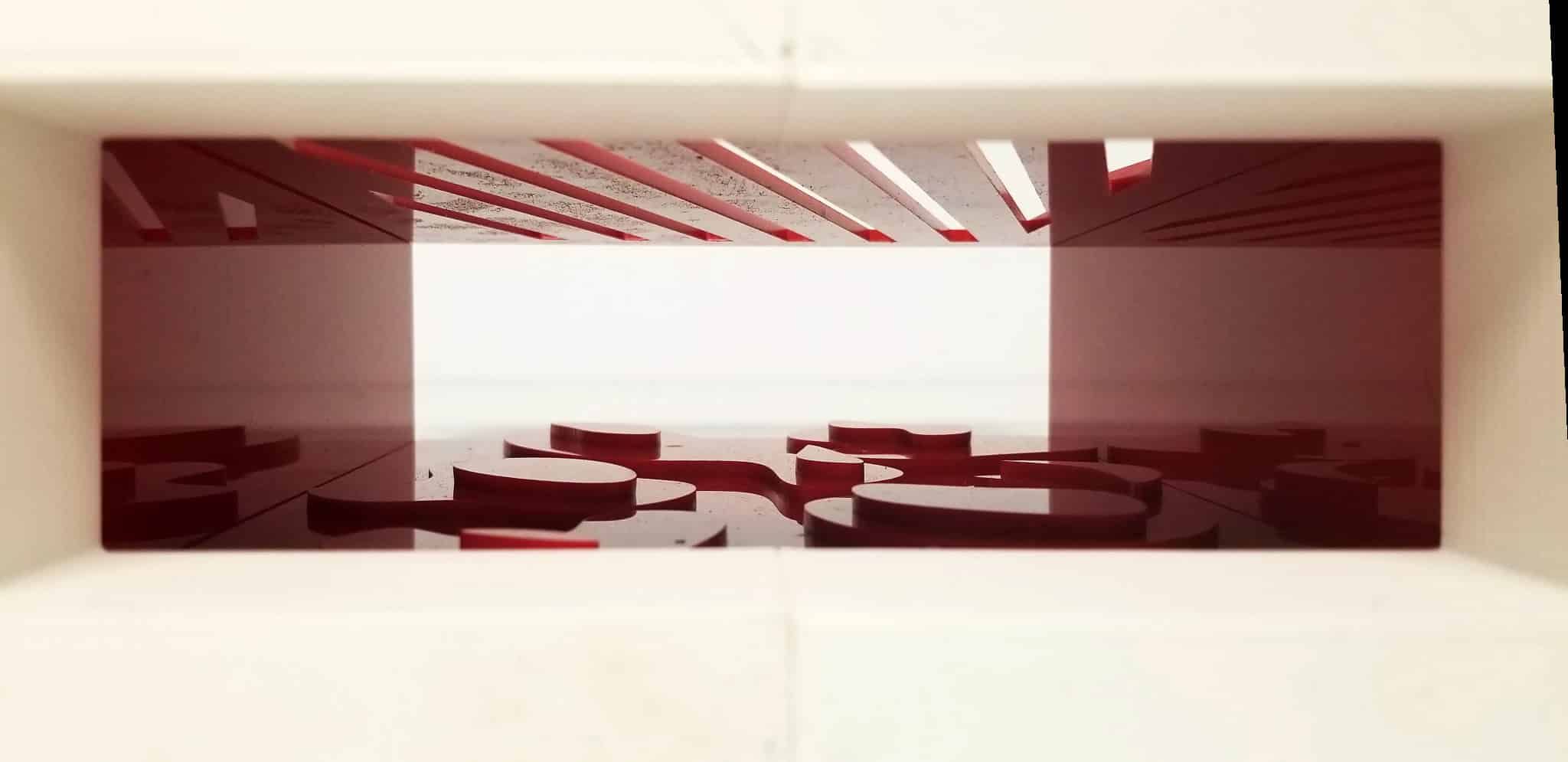
The studio operates as a hybrid between a technical workshop and a conceptual laboratory. Instruction alternates between lectures, material investigations, and desk critiques, supported by reviews and peer discussion. Students work across multiple media—digital, analog, and fabricated—to develop ideas from conceptual sketch to structural model.
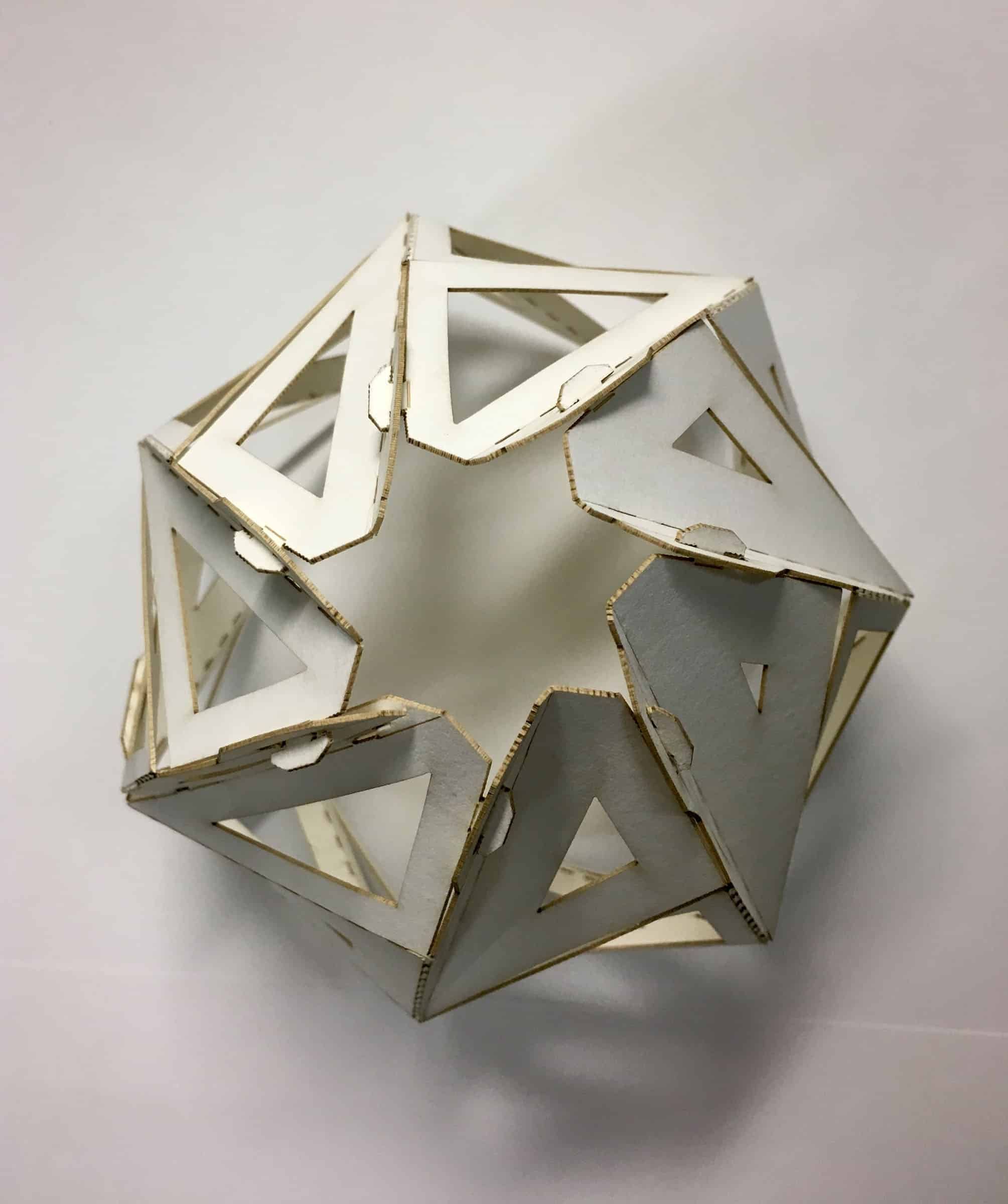
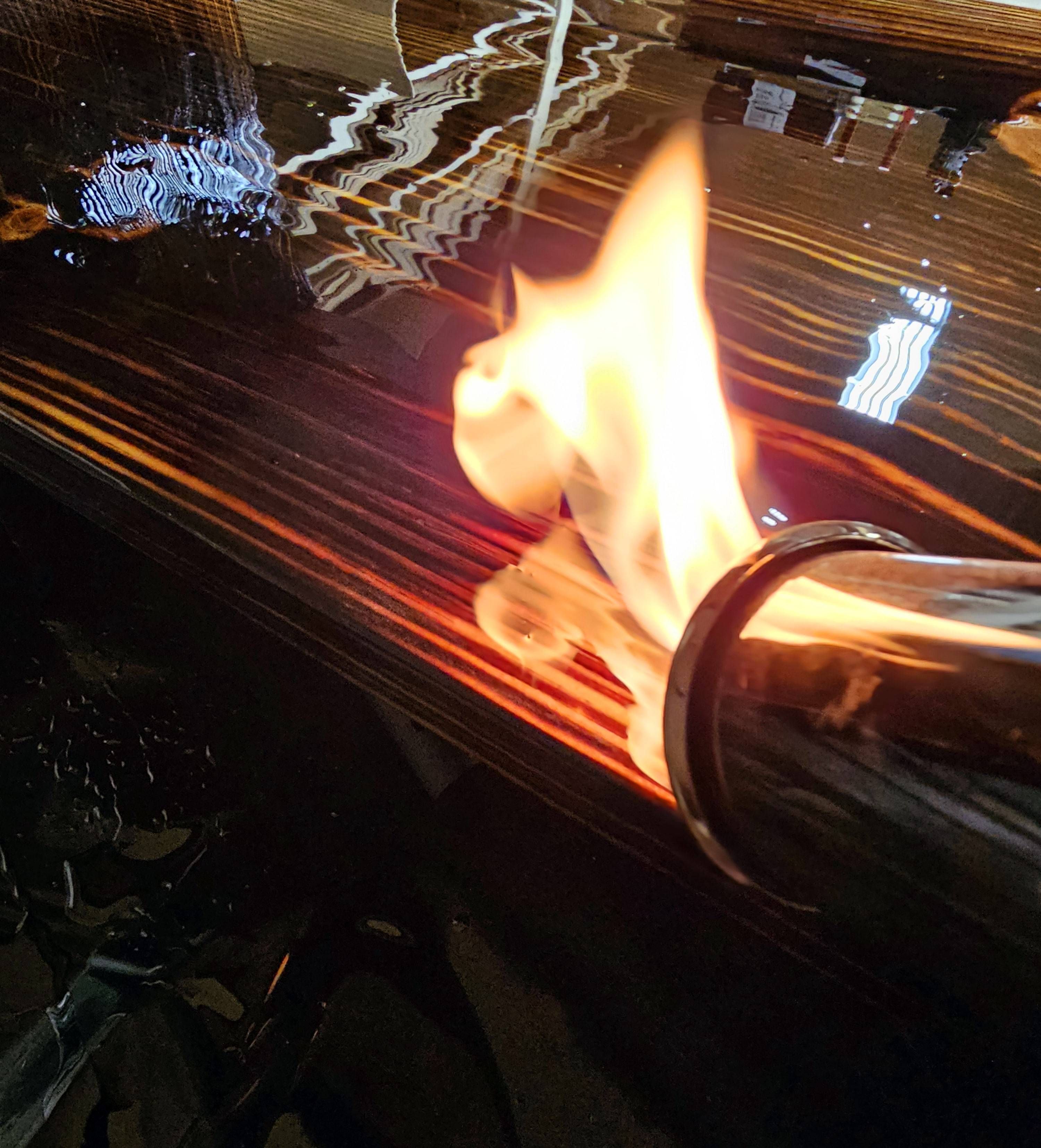
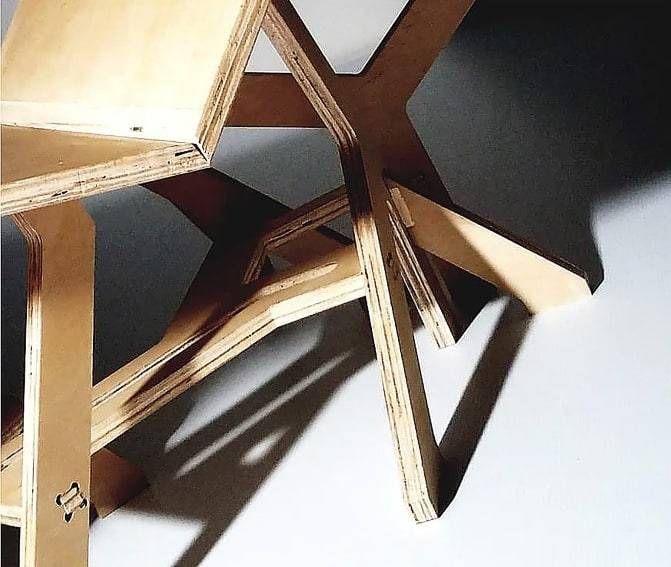
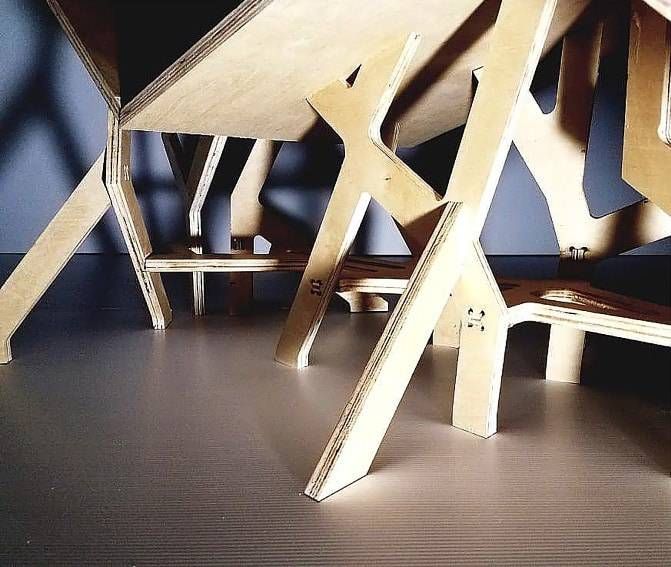
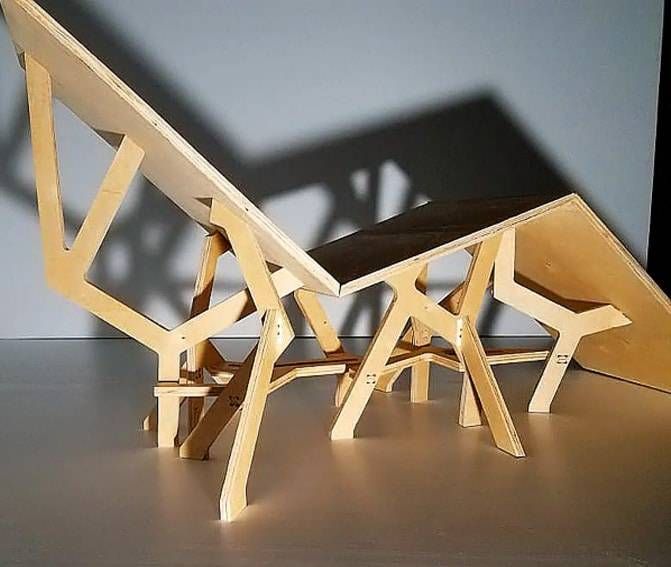
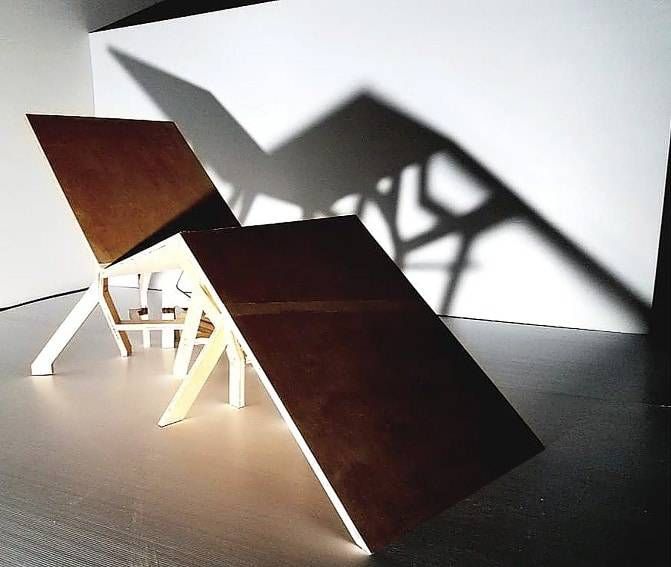
The studio emphasizes learning through making, encouraging students to test spatial and structural hypotheses through mockups and digital fabrication. Readings and case studies introduce students to precedents in tectonic and environmental design, situating their work within broader architectural discourse. Critiques focus on process and clarity of intent, reinforcing the importance of precision, representation, and iteration.
Outcomes
By the end of the course, students demonstrate the ability to synthesize structural reasoning, material performance, and design intent into coherent architectural proposals. They learn to articulate how construction systems contribute to spatial experience and to express the logic of their ideas through precise representation and fabrication.
Projects completed in Design IV exhibit an understanding of how architecture operates as both a physical system and a cultural artifact. Students develop the capacity to move fluidly between analysis and creation, transforming conceptual models into structurally resolved designs. The course prepares them for advanced studios by establishing a rigorous foundation in design integration—where form, function, and fabrication are inseparable from the act of making.