Construction Process
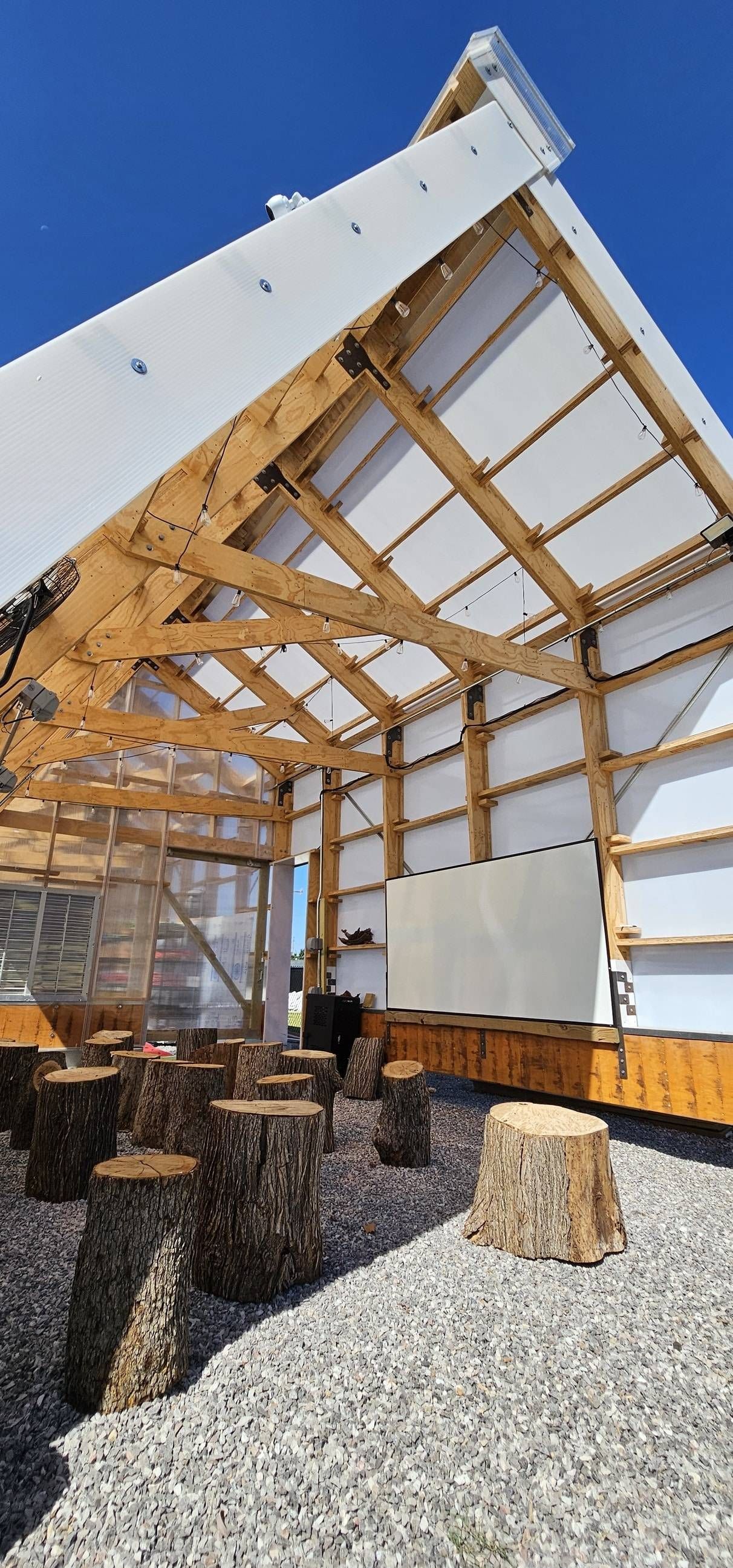
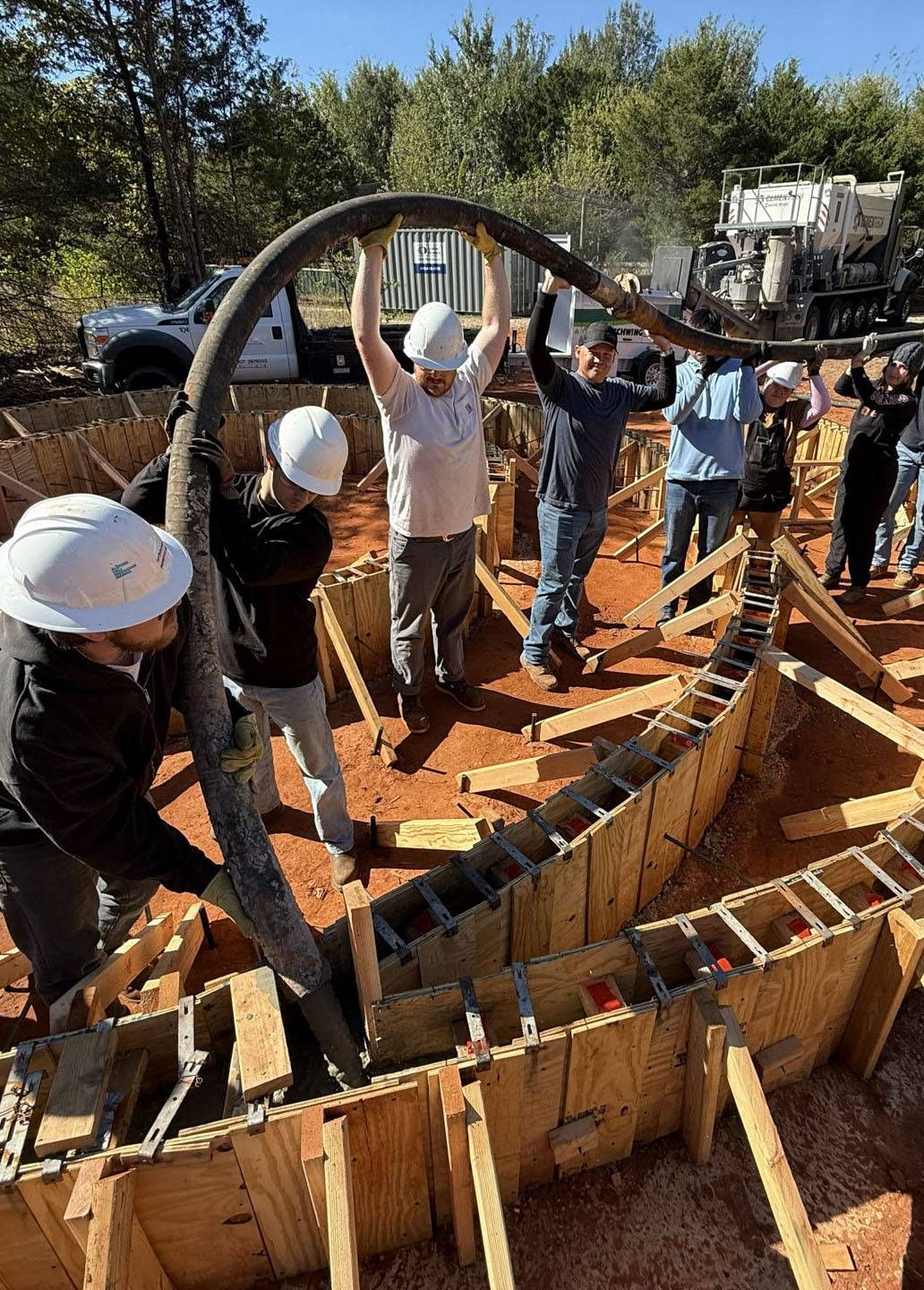
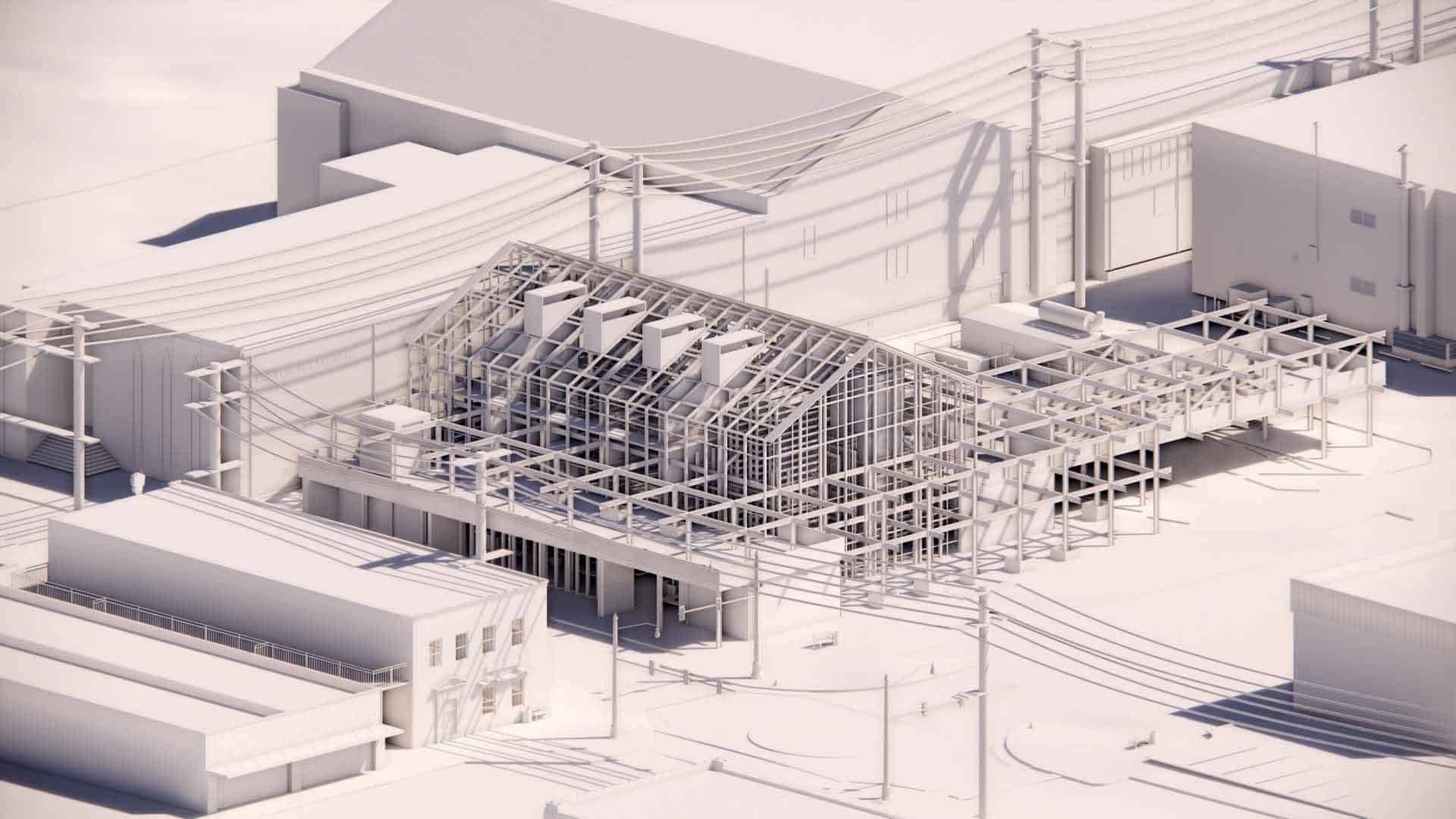
The project was realized through a practical approach that emphasized cost-efficiency, durability, and long-term stewardship. Light wood stud framing paired with pre-engineered trusses provided an economical and efficient structural system, while corrugated galvanized steel siding and roofing offered permanence and weather protection. Translucent polycarbonate was strategically integrated at the entry and roof ridge to maximize daylight and minimize artificial lighting. At the site scale, a rainwater collection system supports adjacent gardens, and a custom entry garden wall provides opportunities for climbing vegetation and seasonal growth. These features link the building to SunHive’s outdoor programs and reinforce lessons in environmental care and stewardship.
Sustainability & Material Strategy
The project’s sustainability strategy balanced pragmatic constraints with intentional choices. Durable cladding reduced long-term maintenance, while locally sourced materials minimized transportation impacts. The north-facing ridge skylight delivers consistent, glare-free daylight throughout the interior, while polycarbonate panels at the entry extend natural light deeper into the building. Combined with the rainwater collection system and garden wall, these strategies established the building as both functional shelter and an active teaching tool, integrating environmental performance into everyday use.
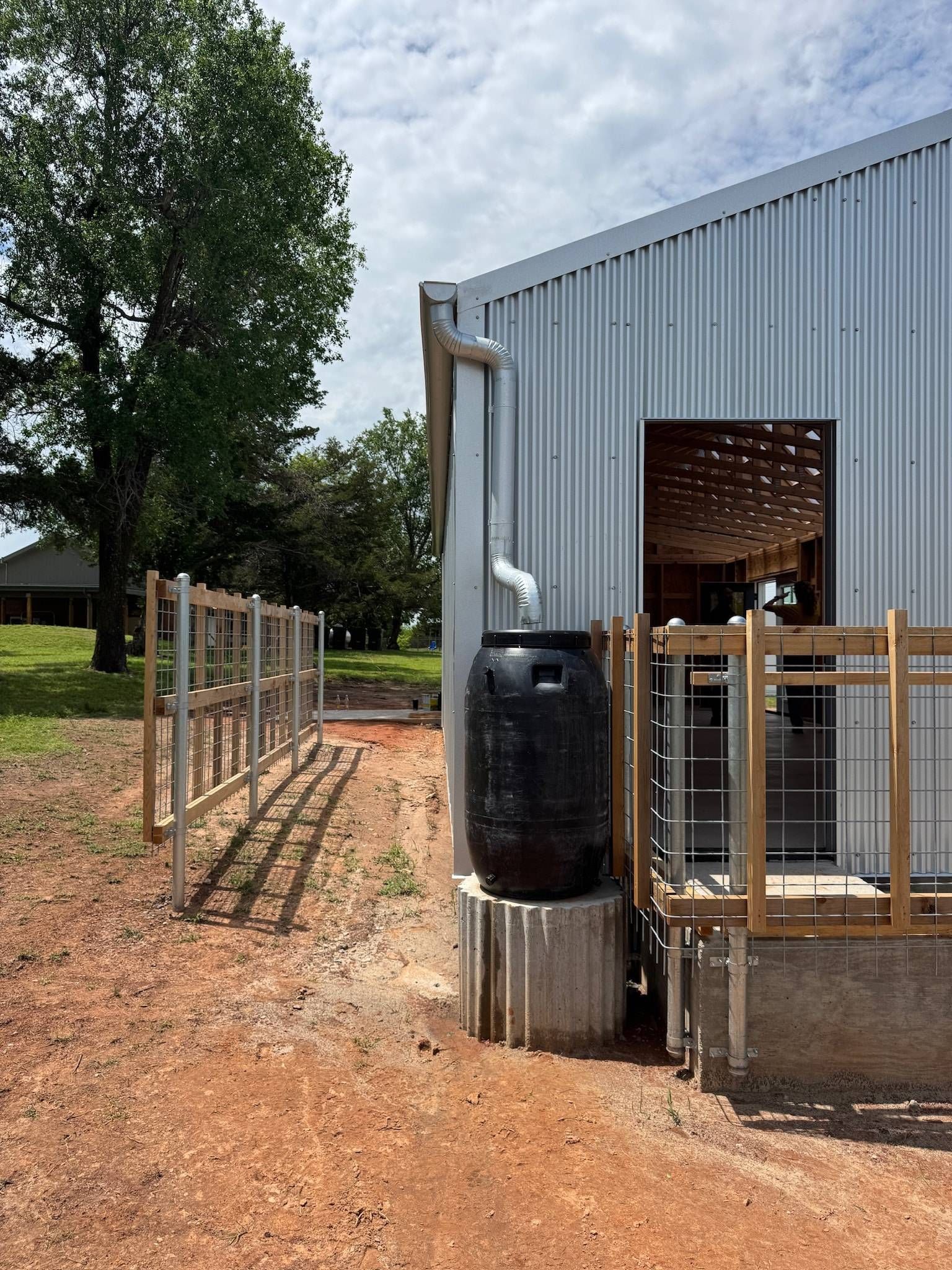
ABOVE: A rainwater collection system captures runoff to irrigate gardens, linking the building directly to SunHive’s outdoor programs.
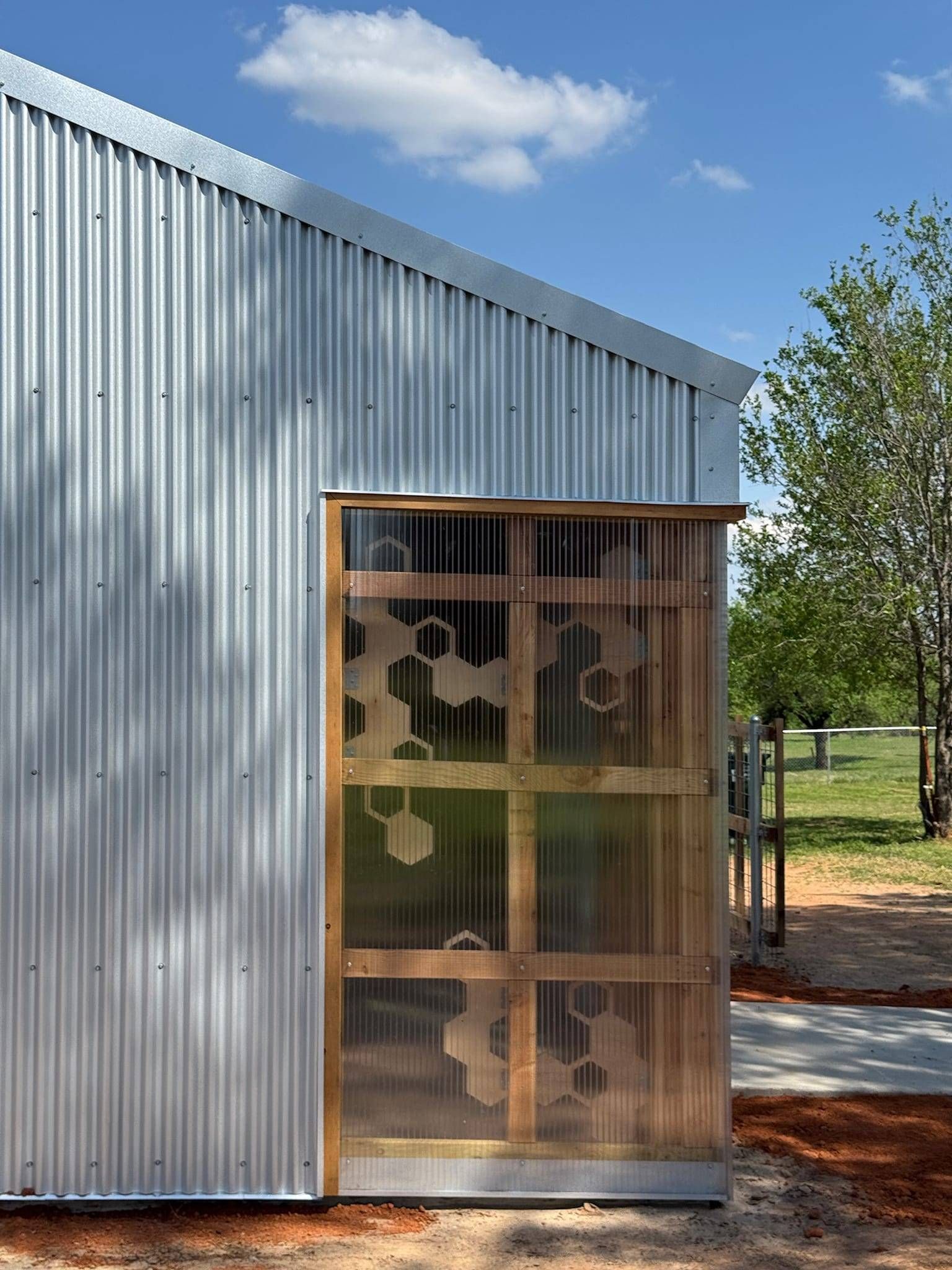
ABOVE: Custom CNC-milled hexagonal donor wall along the entry highlights community support; students executed digitas fabrication and assisted with fundraising to bring SunHive to life.
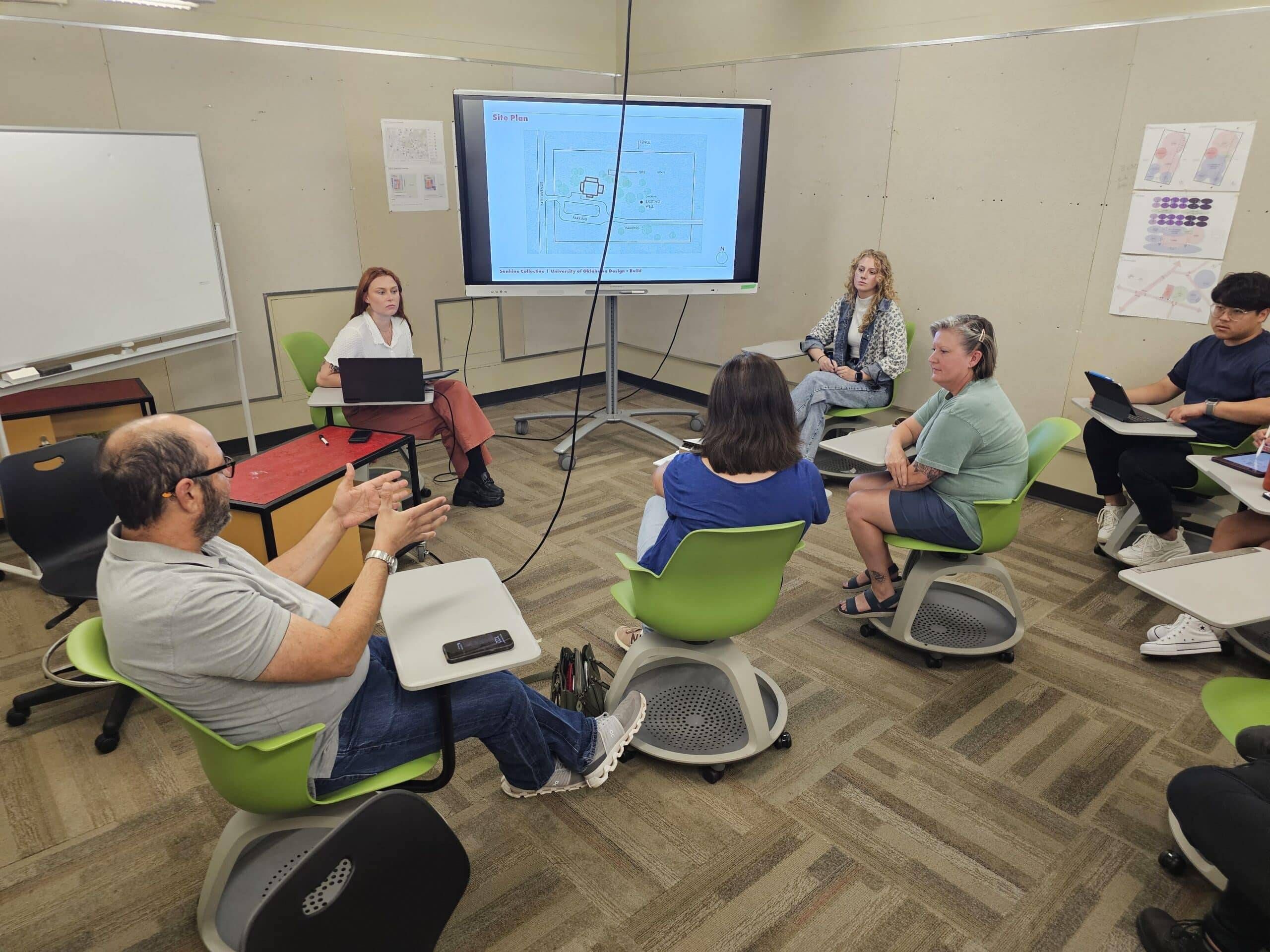
ABOVE: Architecture and construction science students engage in collaborative design meetings with clients, bridging ideas across disciplines.
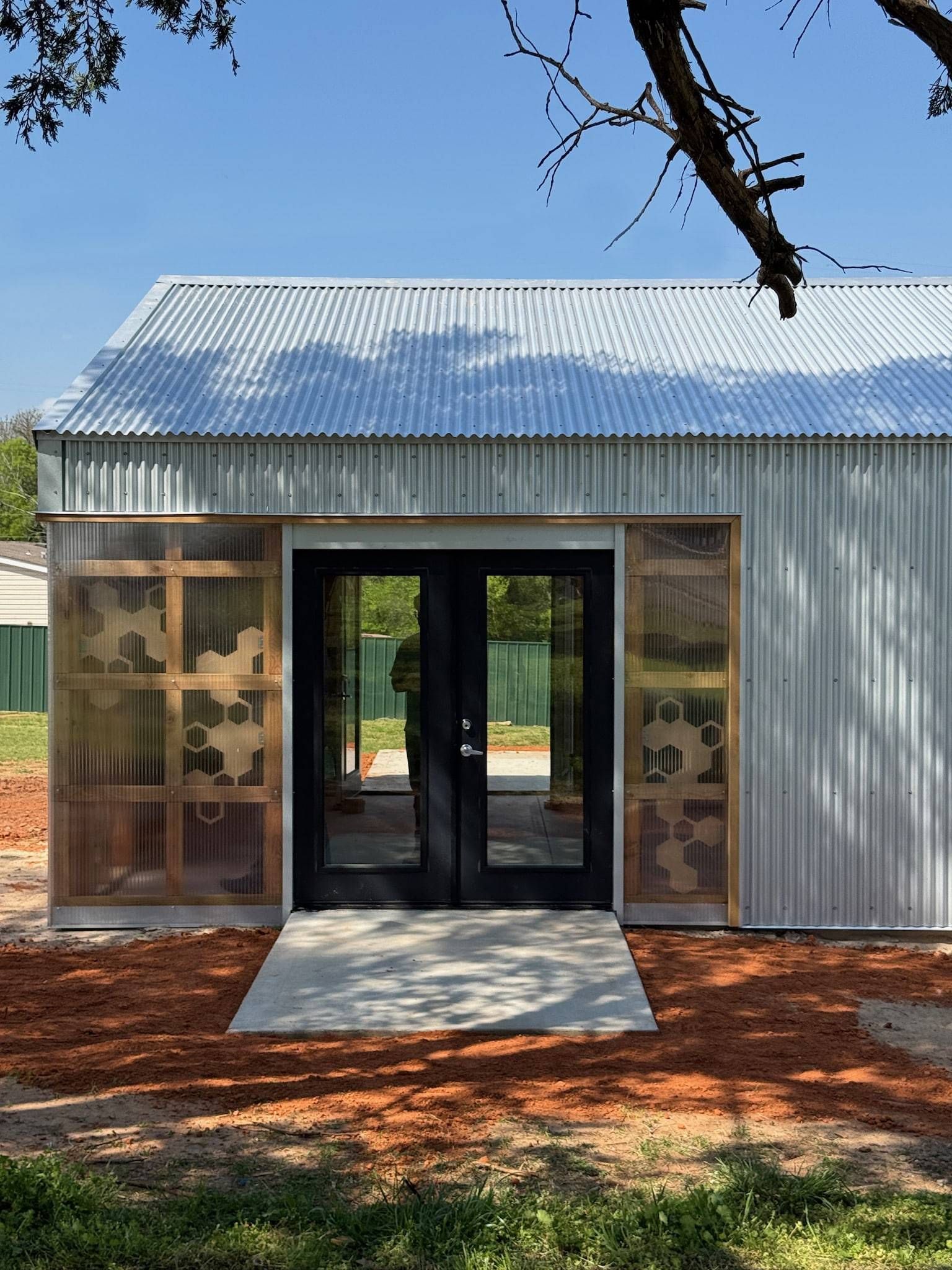
ABOVE: The barn-inspired gable form, clad in corrugated galvanized steel and translucent polycarbonate, reflects both resilience and welcome.
Community Impact
The SunHive Collective Community Space was developed to provide continuity for young adults with disabilities as they transition from high school into adulthood, offering a place to build life skills, foster social connections, and engage in creative and environmental programs. The building is designed to support a range of activities, with openness for interaction, durable materials for active use, and direct connections to outdoor areas for gardening and workshops. Its flexibility allows programming to evolve as community needs change.
Since opening, the facility has expanded its capacity to serve more than thirty participants each day, supported by families, volunteers, and local partners. It has become a recognized resource for the community, operating as both infrastructure and civic gathering place.
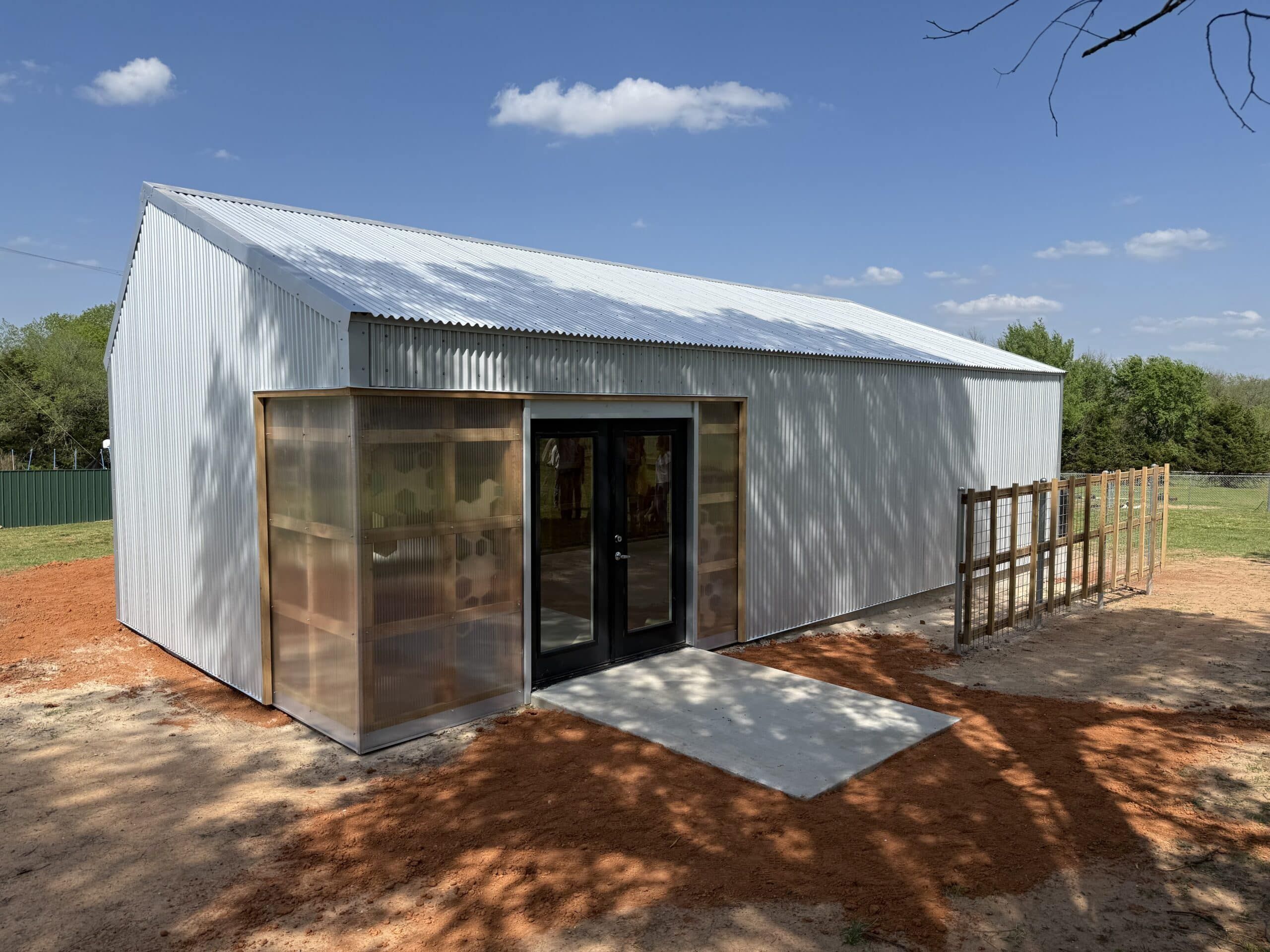
ABOVE: The project anchors itself in Norman’s agricultural landscape while serving as a flexible hub for community gatherings.
American School Design Build & Student Involvement
The project was completed through the American School Design Build program at the University of Oklahoma, where students design and construct projects for real clients. Ten architecture students participated through two six-credit studio courses, alongside six construction science students in a special topics course, creating a collaborative and interdisciplinary framework.
Students contributed at every stage, from schematic design and client meetings to fabrication, assembly, and finish work on site. The process required them to adapt drawings to material constraints, sequence construction activities, and coordinate with community members and tradespeople. This direct involvement provided practical skills in project delivery while reinforcing the program’s ethos of “learning through making.” For students, the project functioned simultaneously as classroom and construction site, linking education to service and grounding architectural design in community engagement.
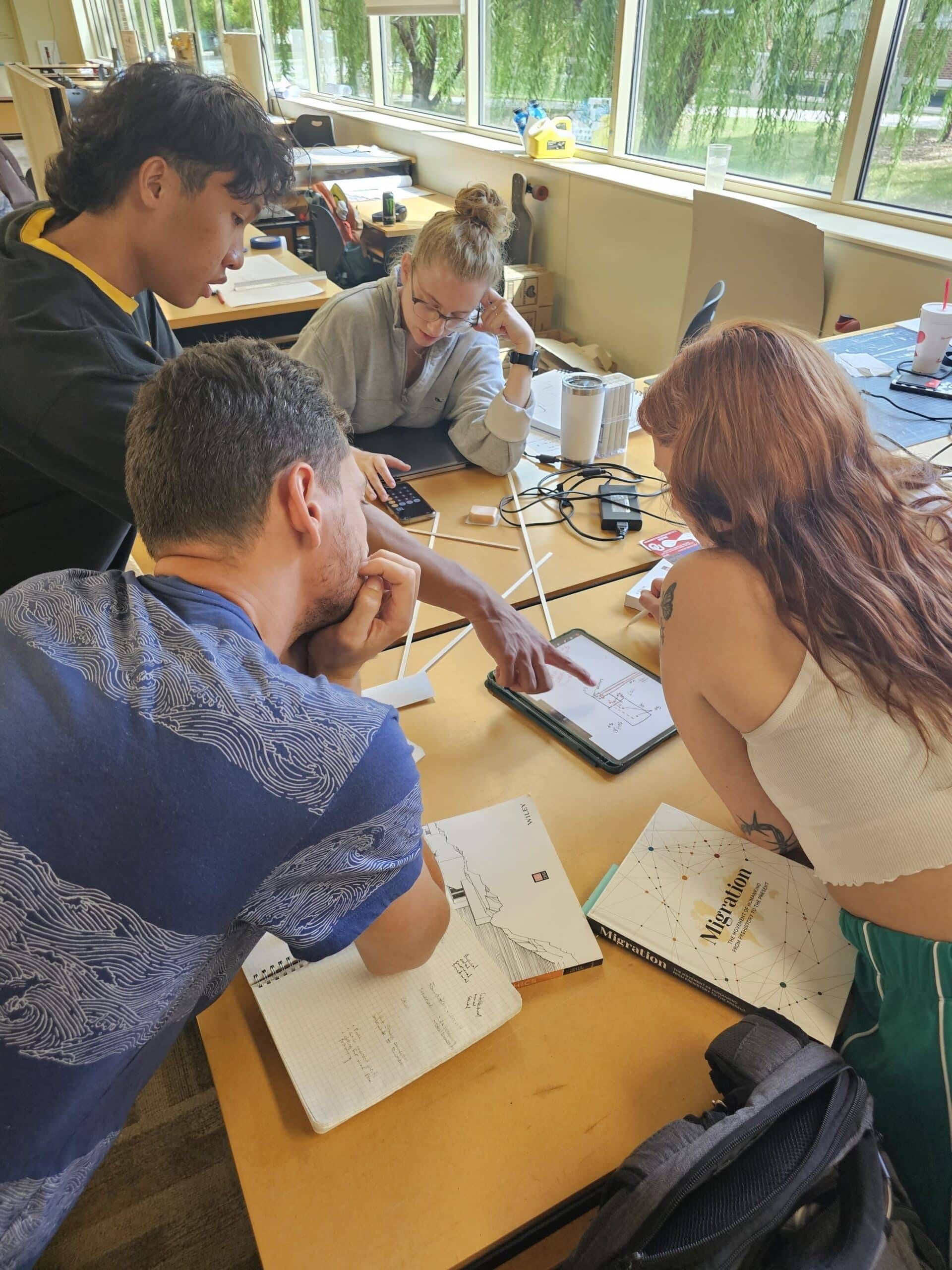
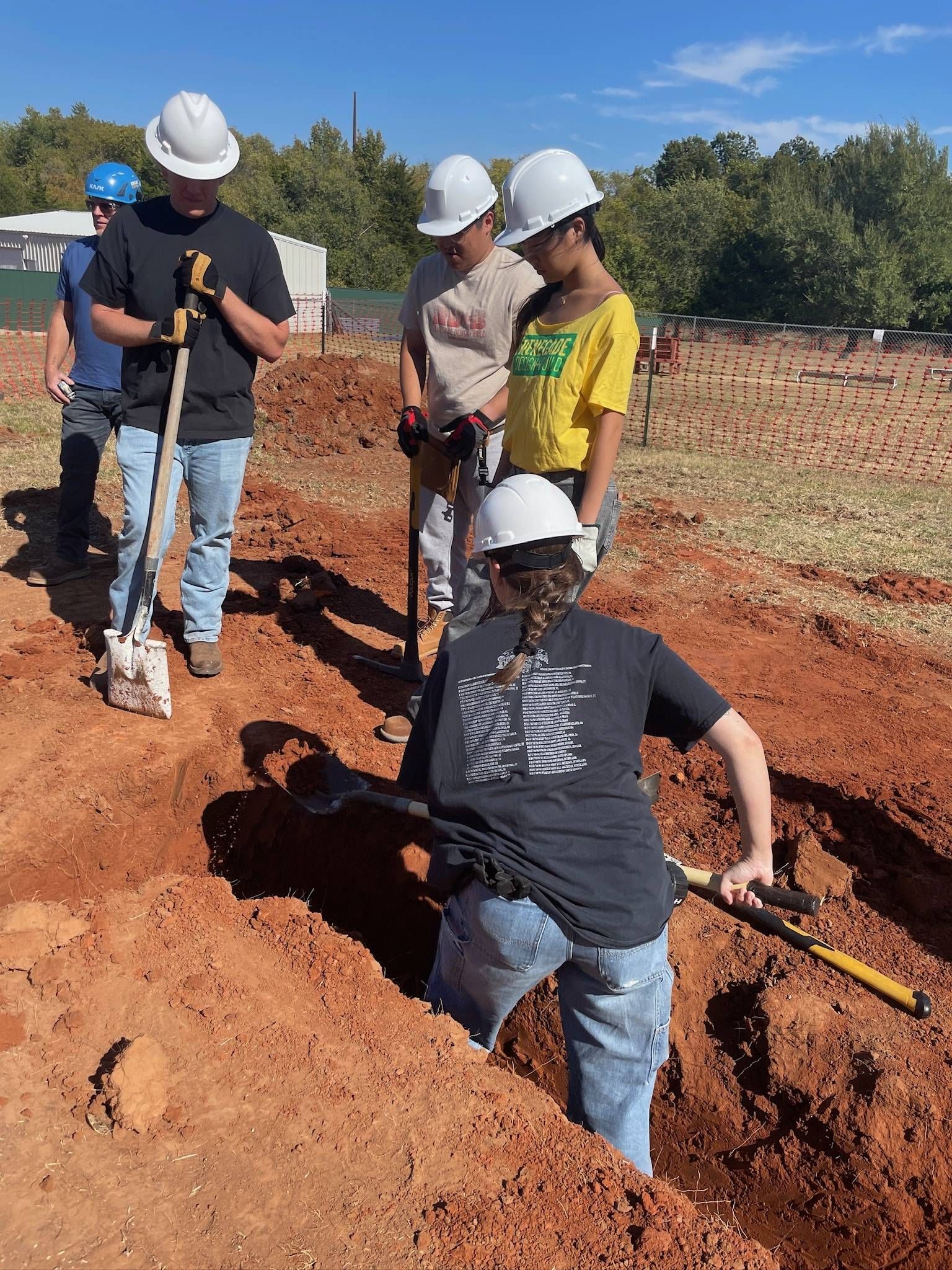
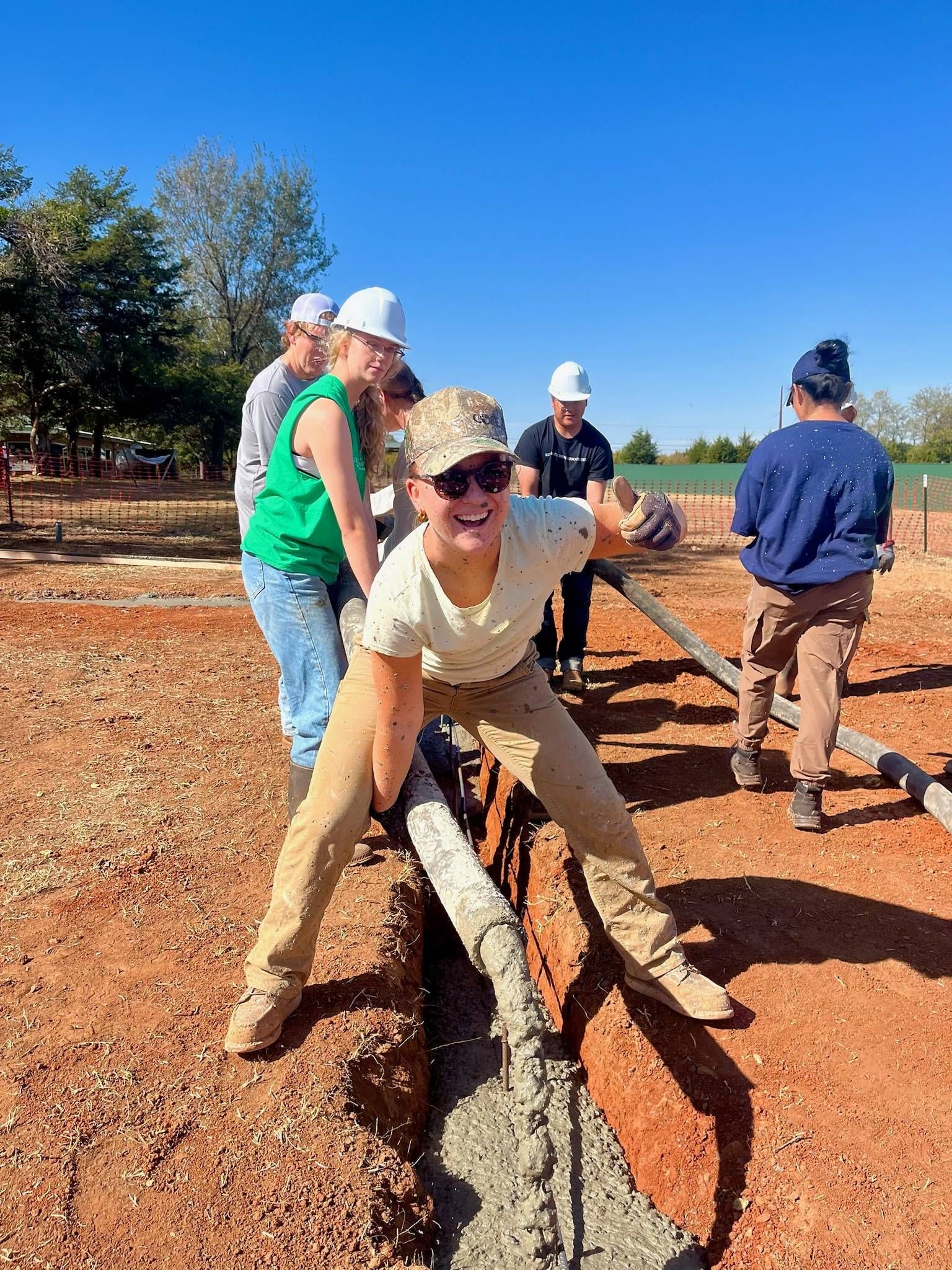
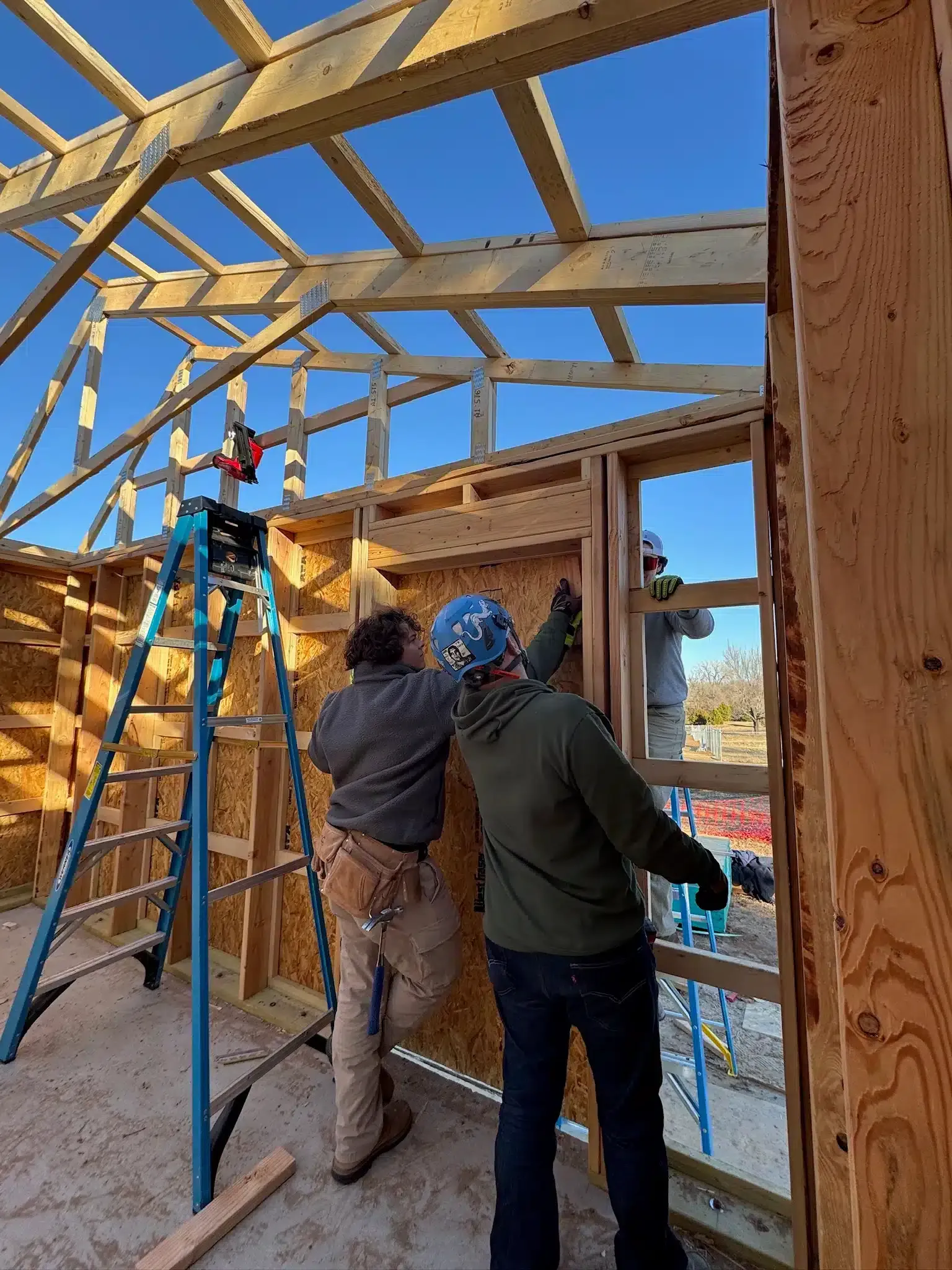
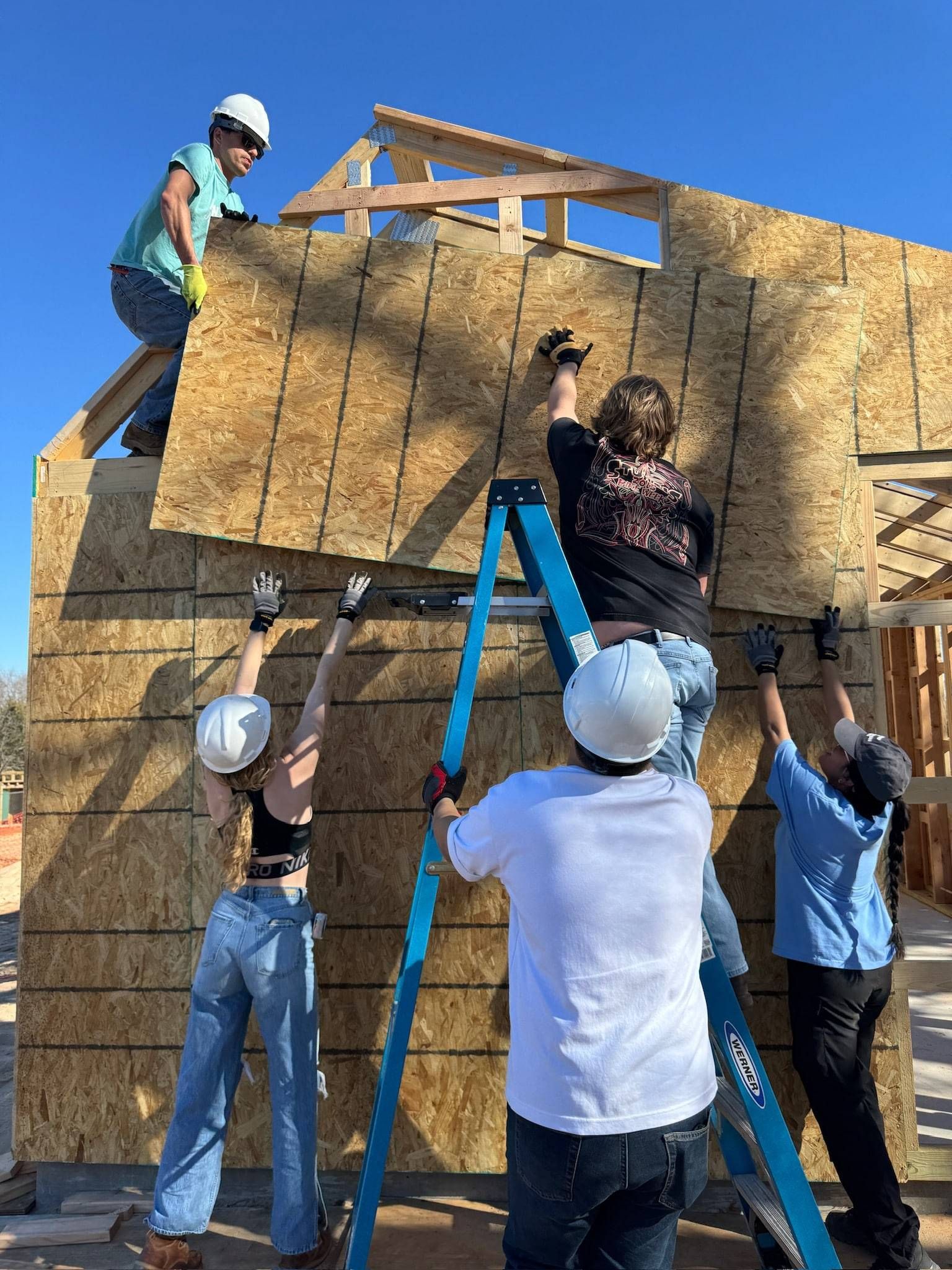
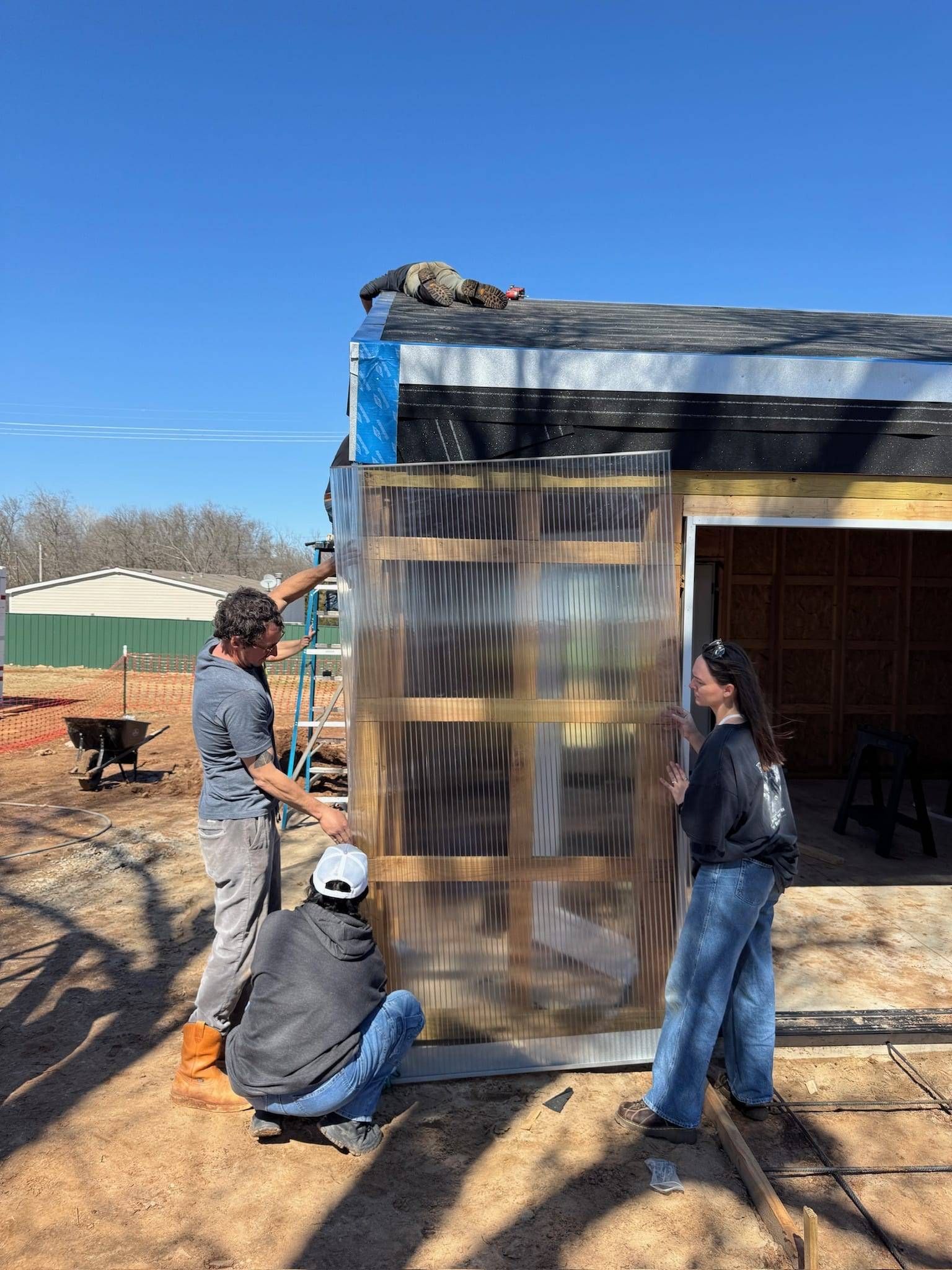
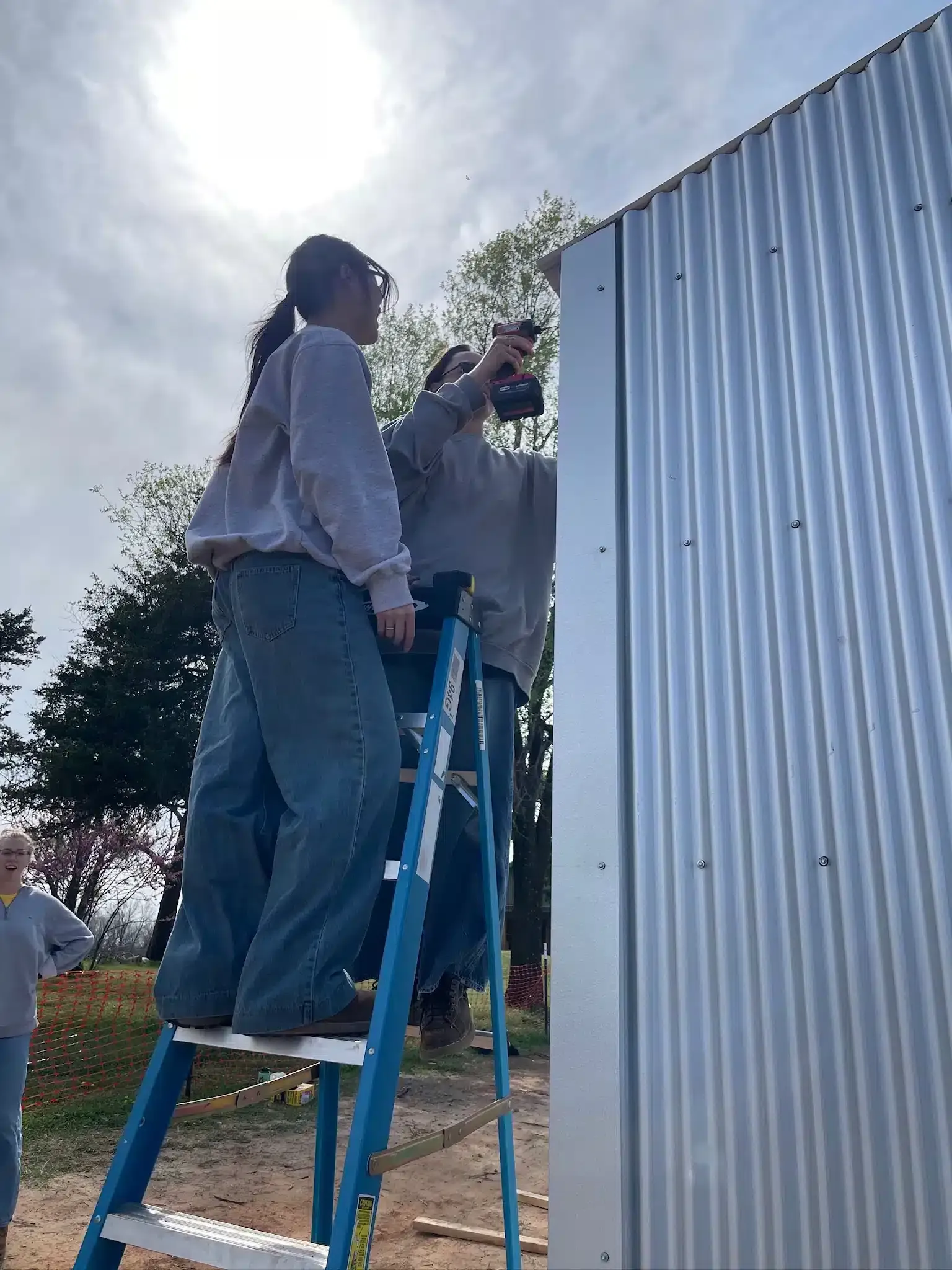
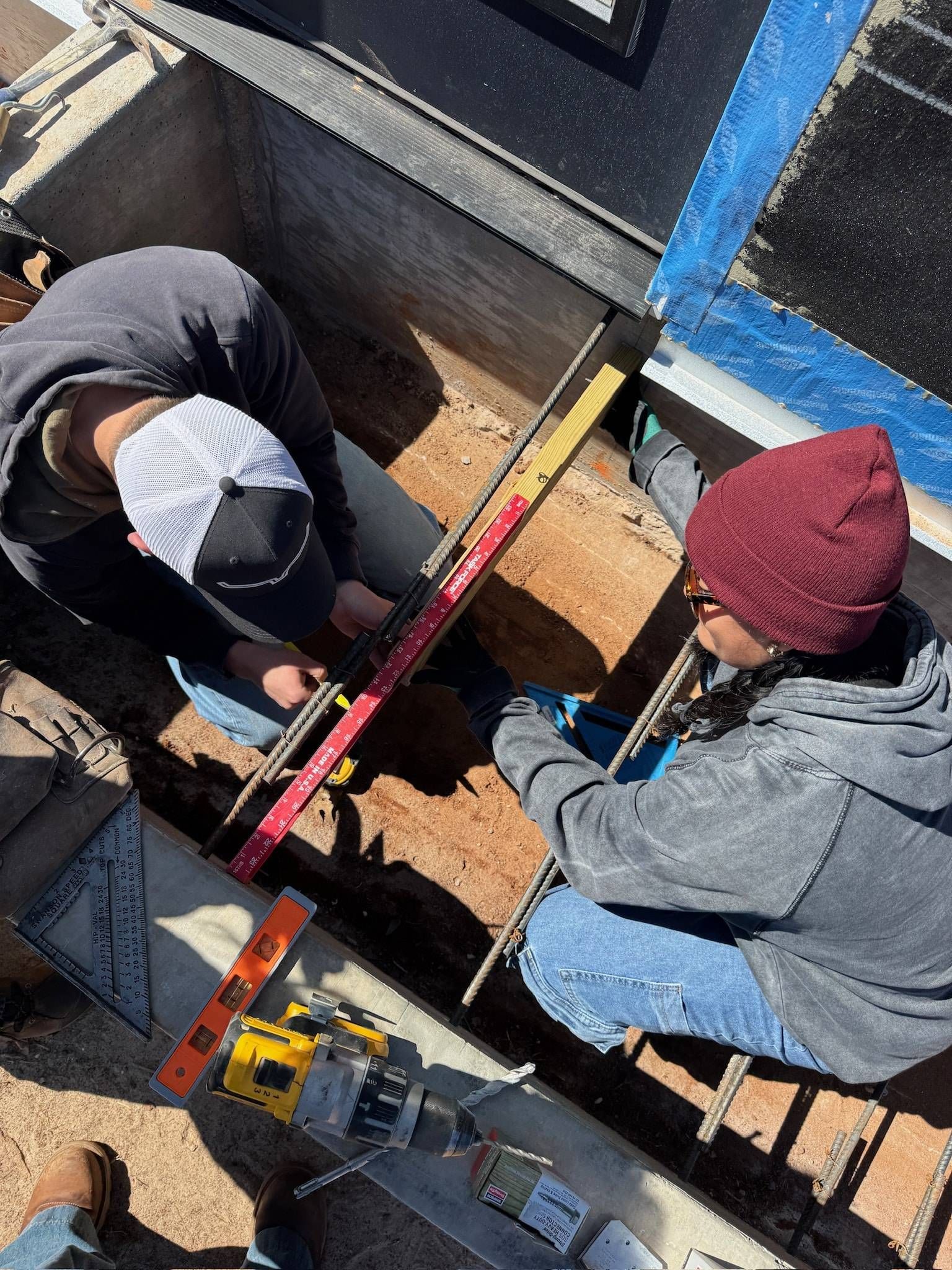
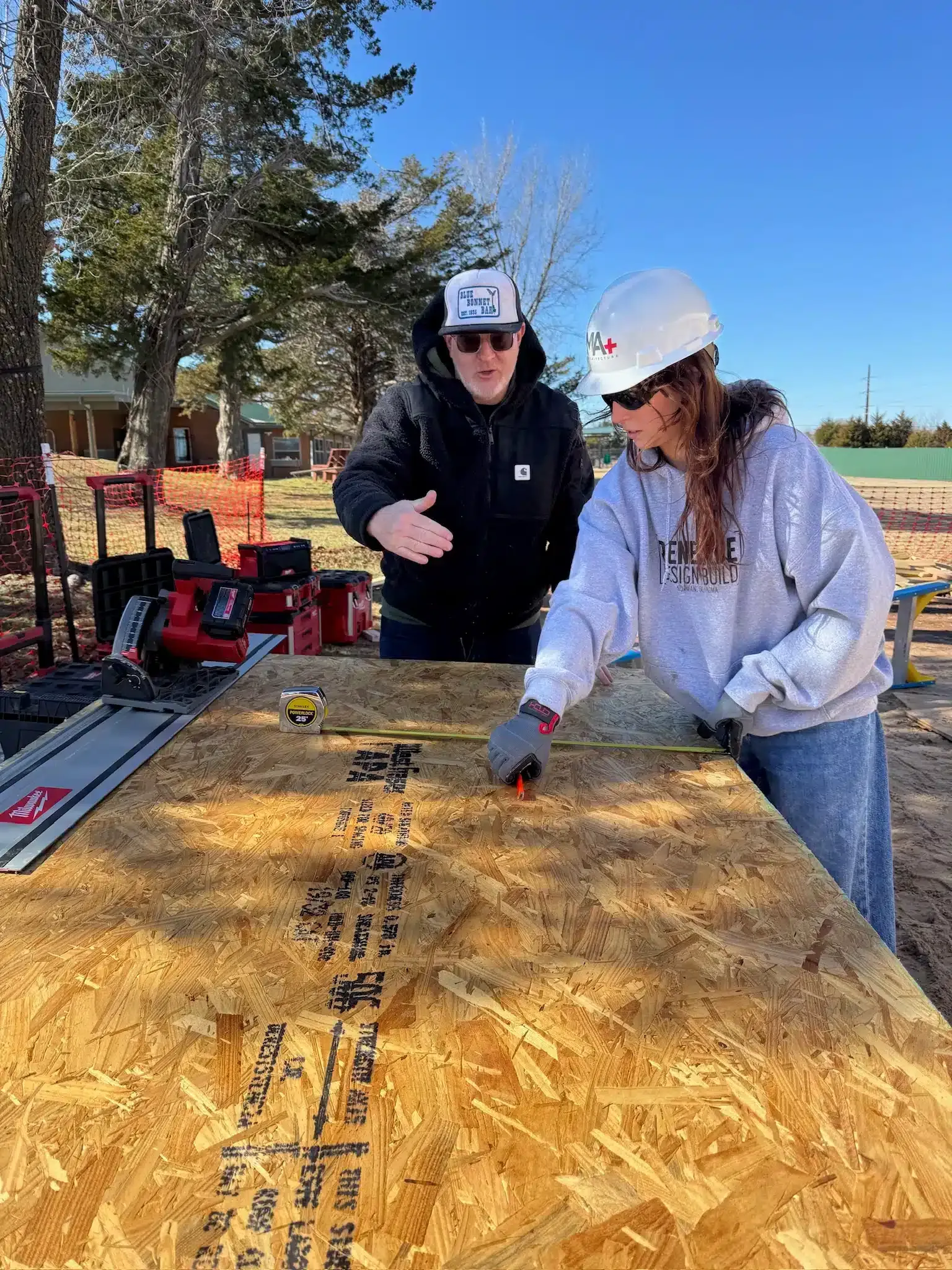
ABOVE: From design through contruction, ADSB students participated and took leadership roles through all phases of the project.
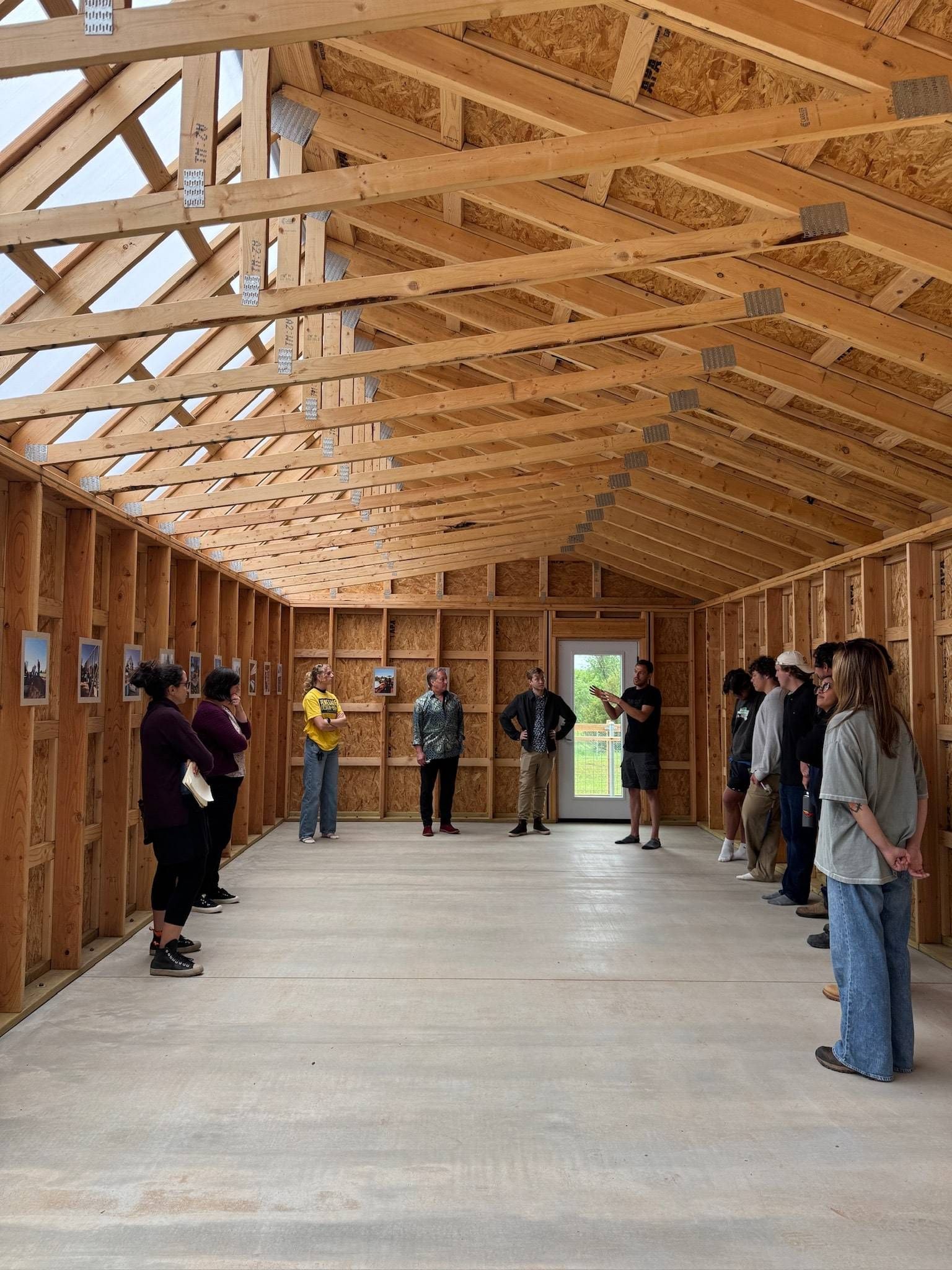
ABOVE: Final design review inside the completed SunHive, where students presented their work to Gibbs College faculty and community partners.