Grasshopper, Rhino, Mild Steel
Project Overview
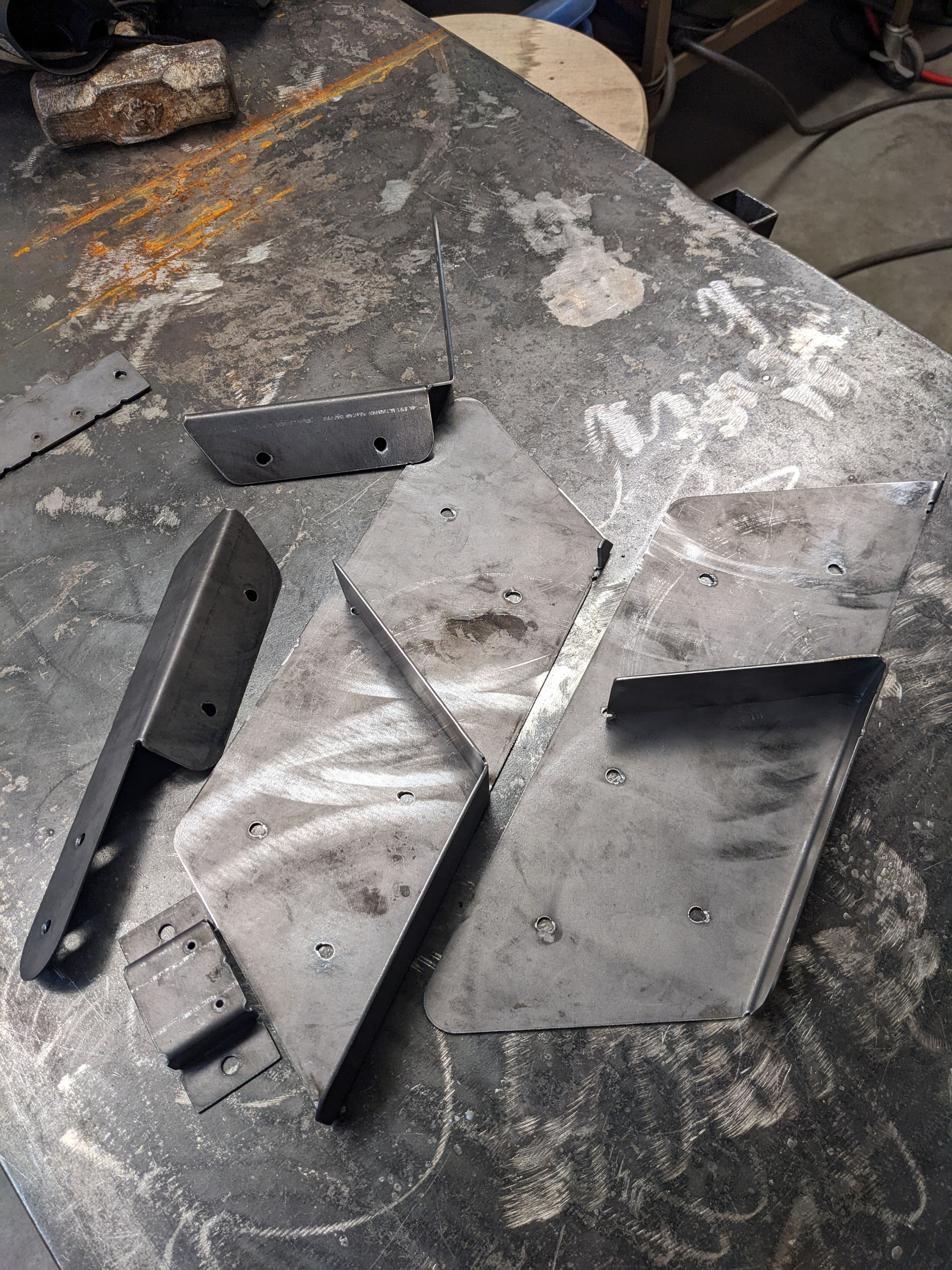
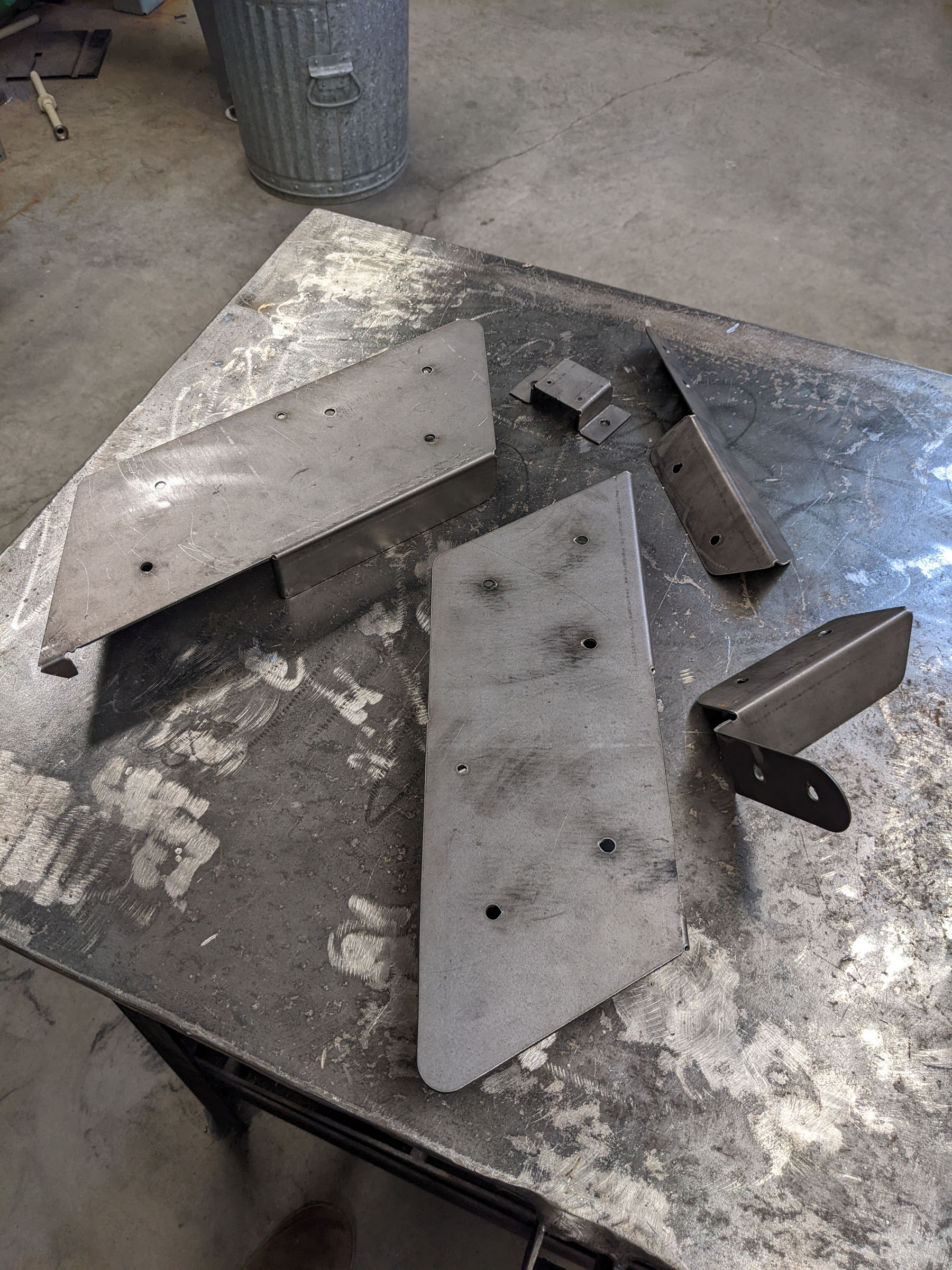
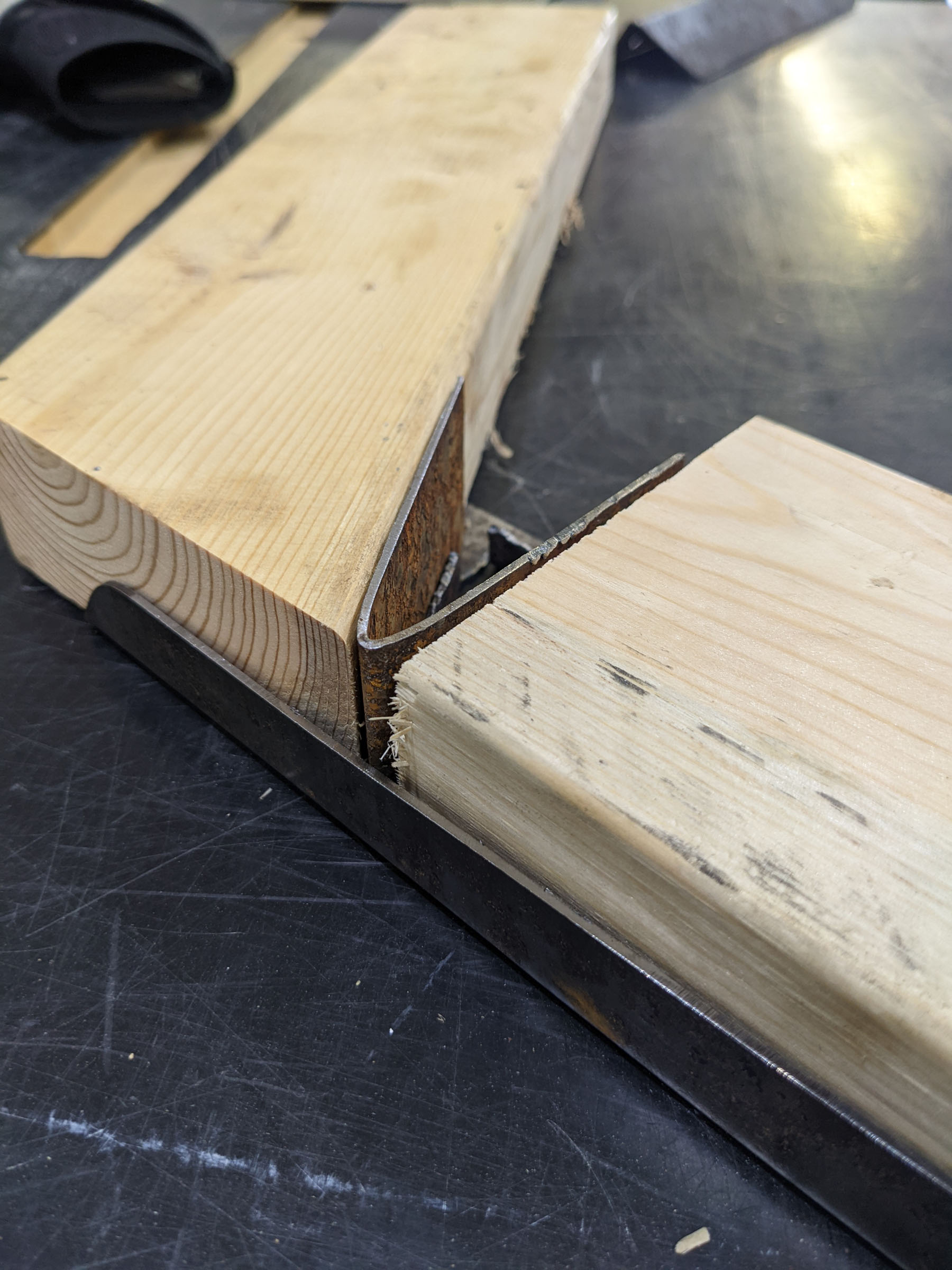
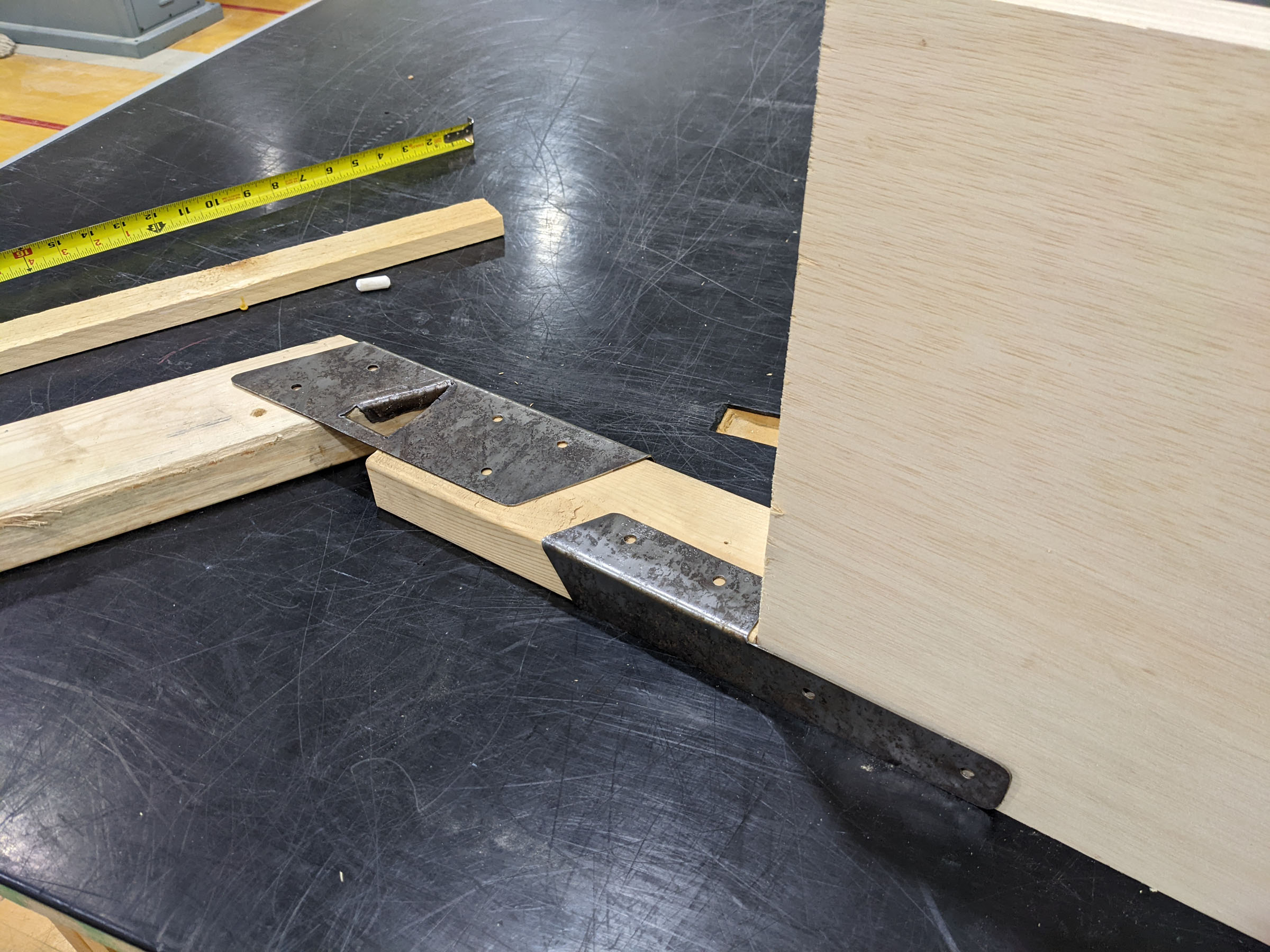
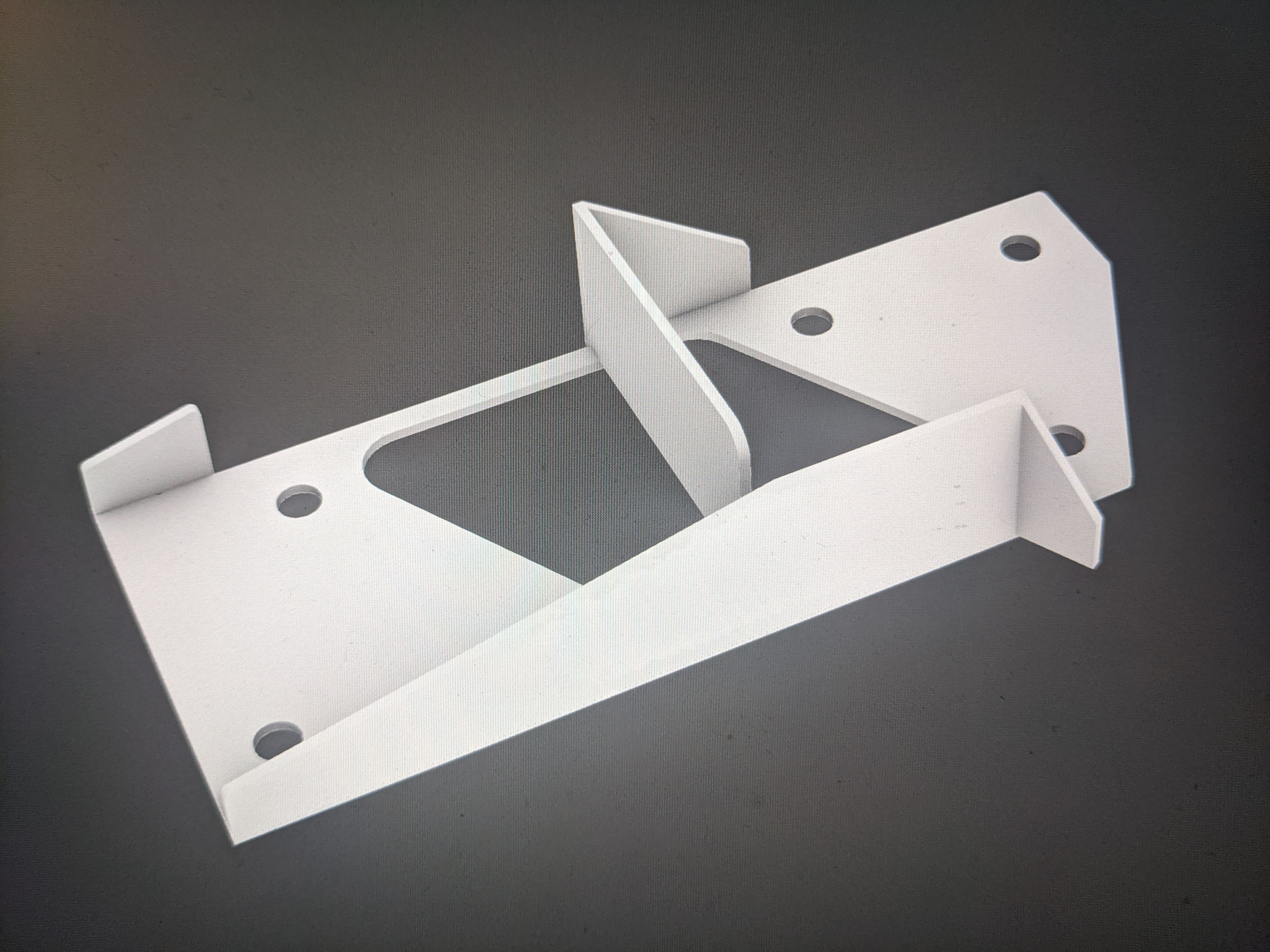
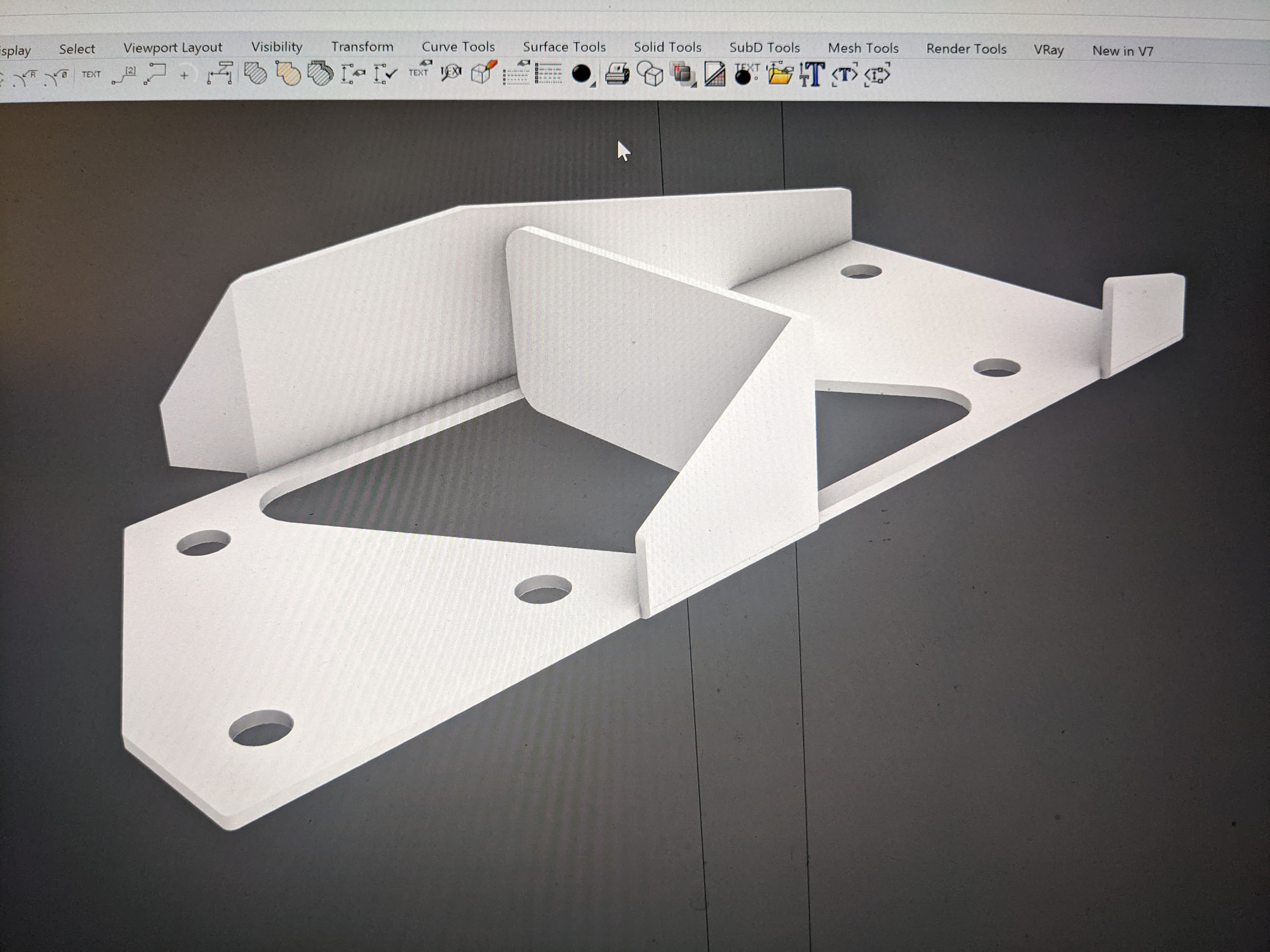
Flat | Fold Joinery is an exploration of hybrid timber–steel construction through a system of custom-fabricated steel connectors designed to assemble timber frameworks with precision, efficiency, and expressive clarity. The project introduces a family of bracket typologies that enhance structural integrity while simultaneously celebrating the aesthetics of exposed joinery. Balancing industrial pragmatism with crafted minimalism, the system proposes a new kit-of-parts approach for adaptable, prefabricated structures.
Design Concept
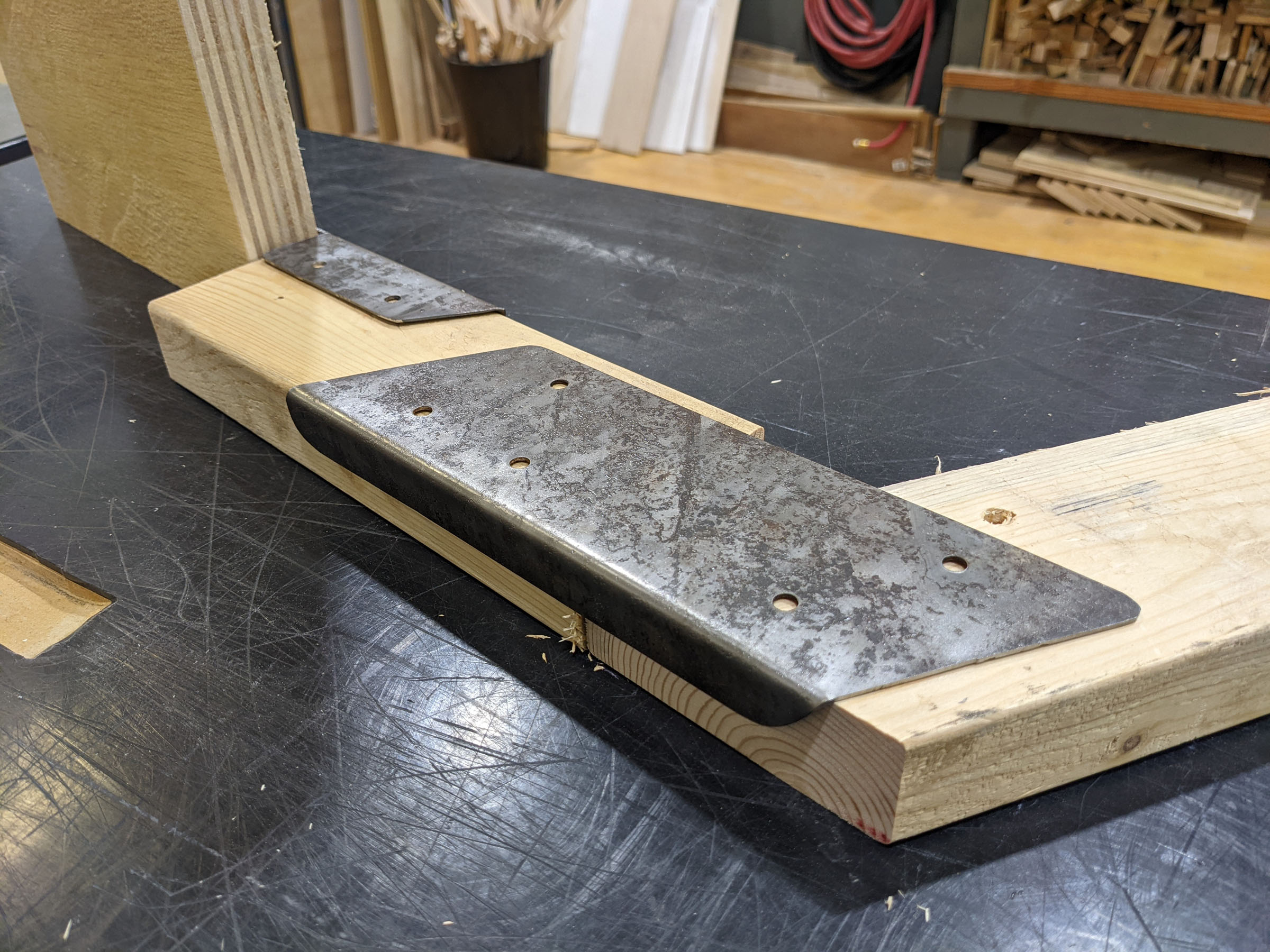
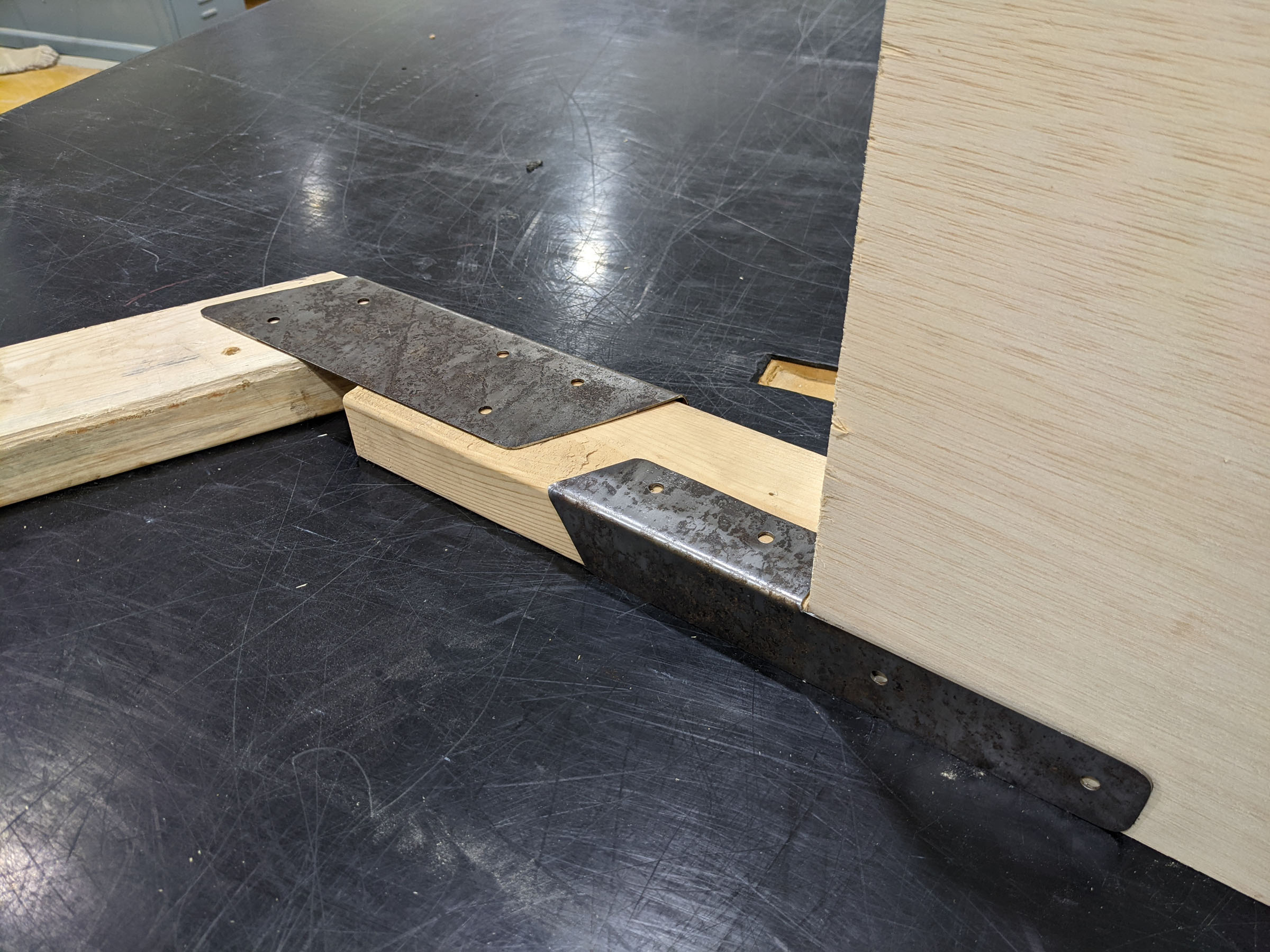
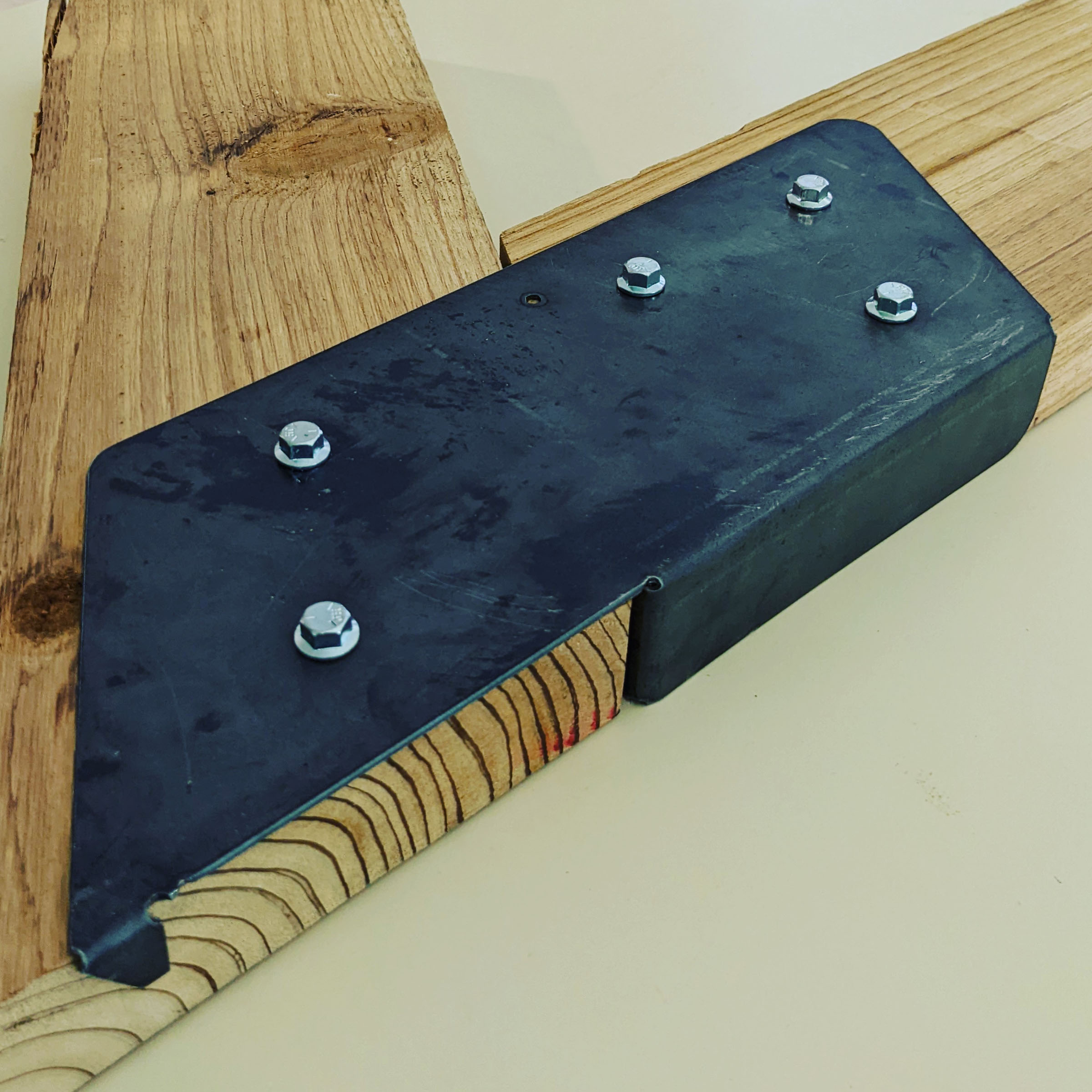
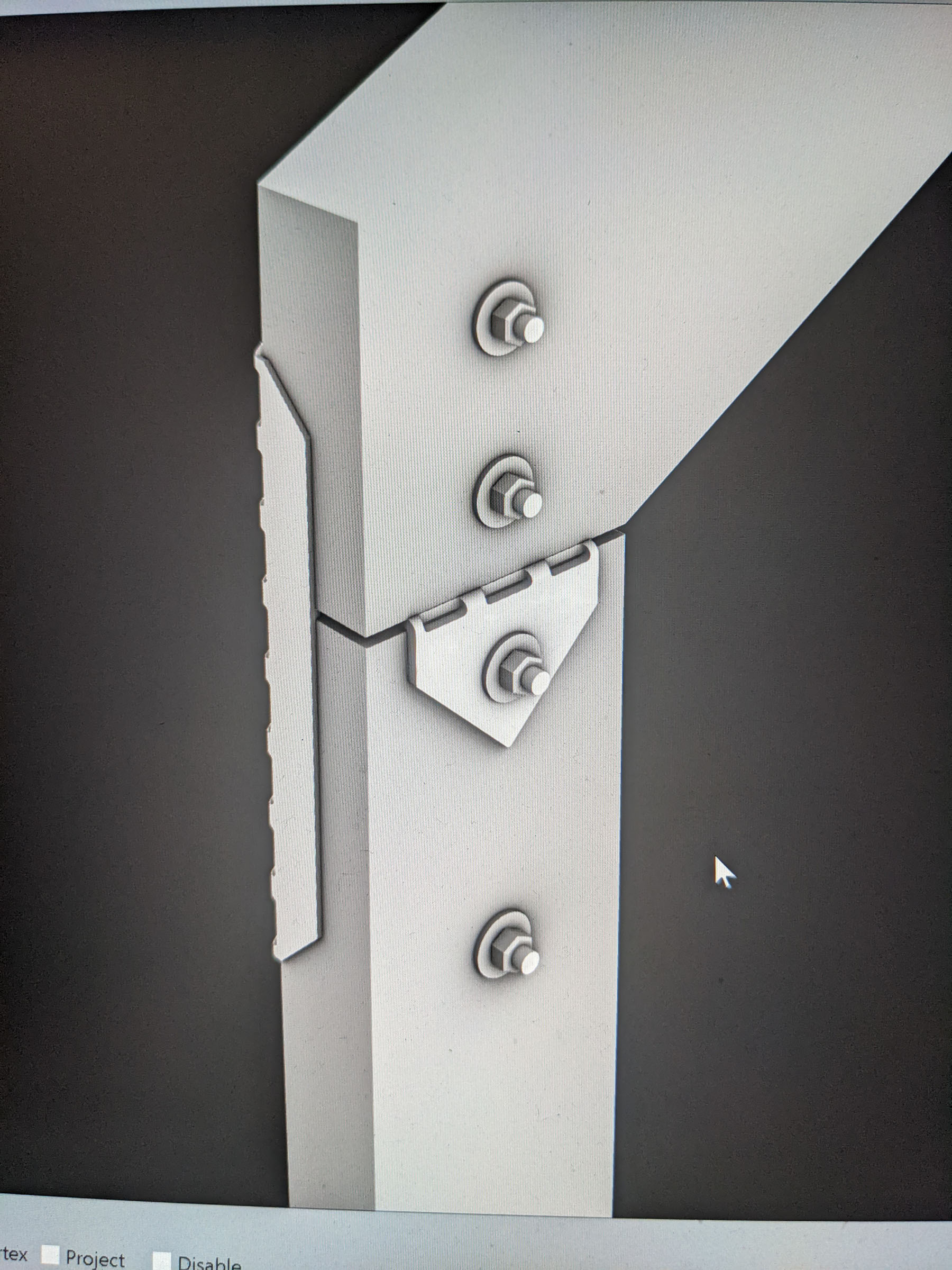
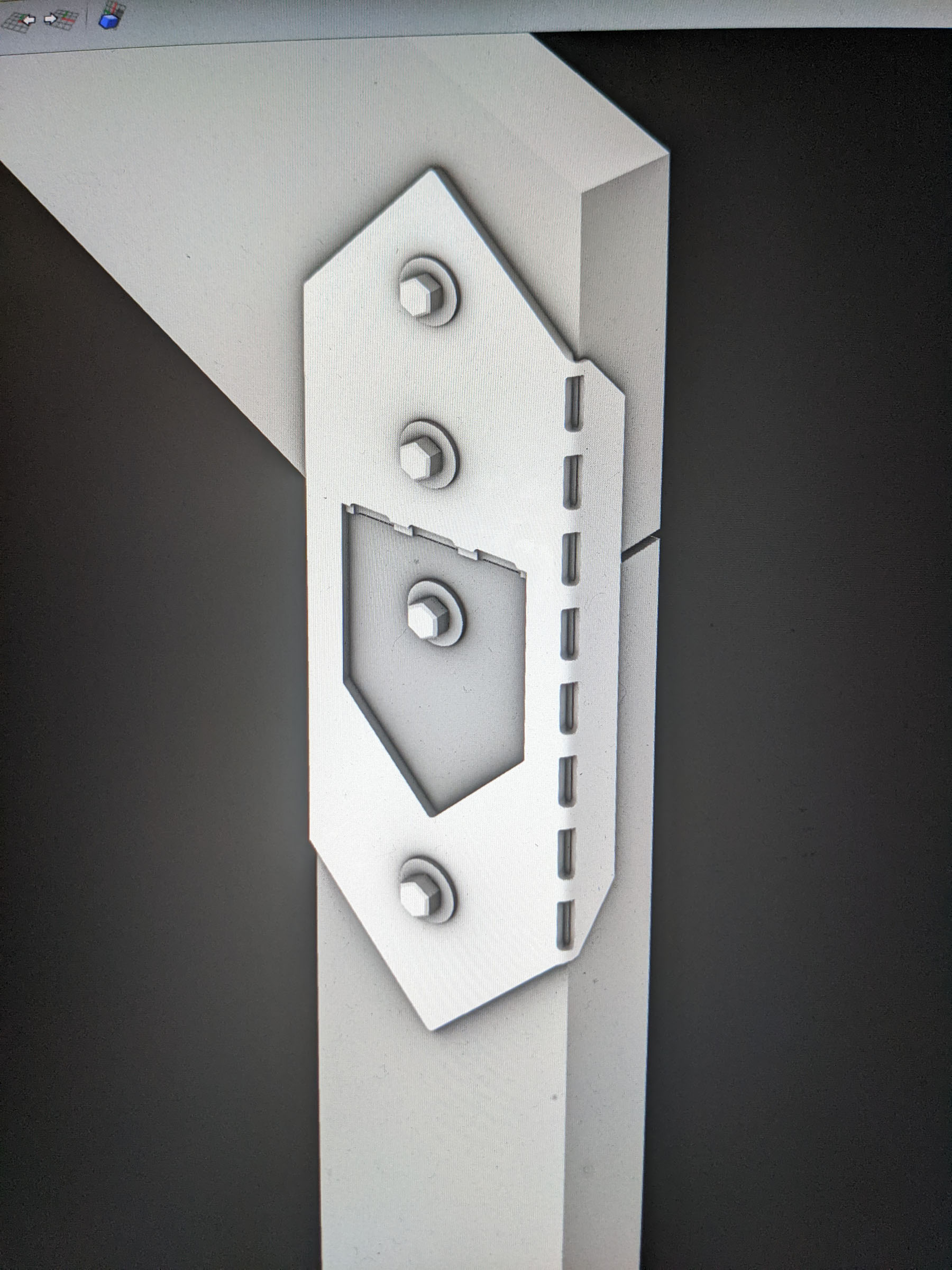
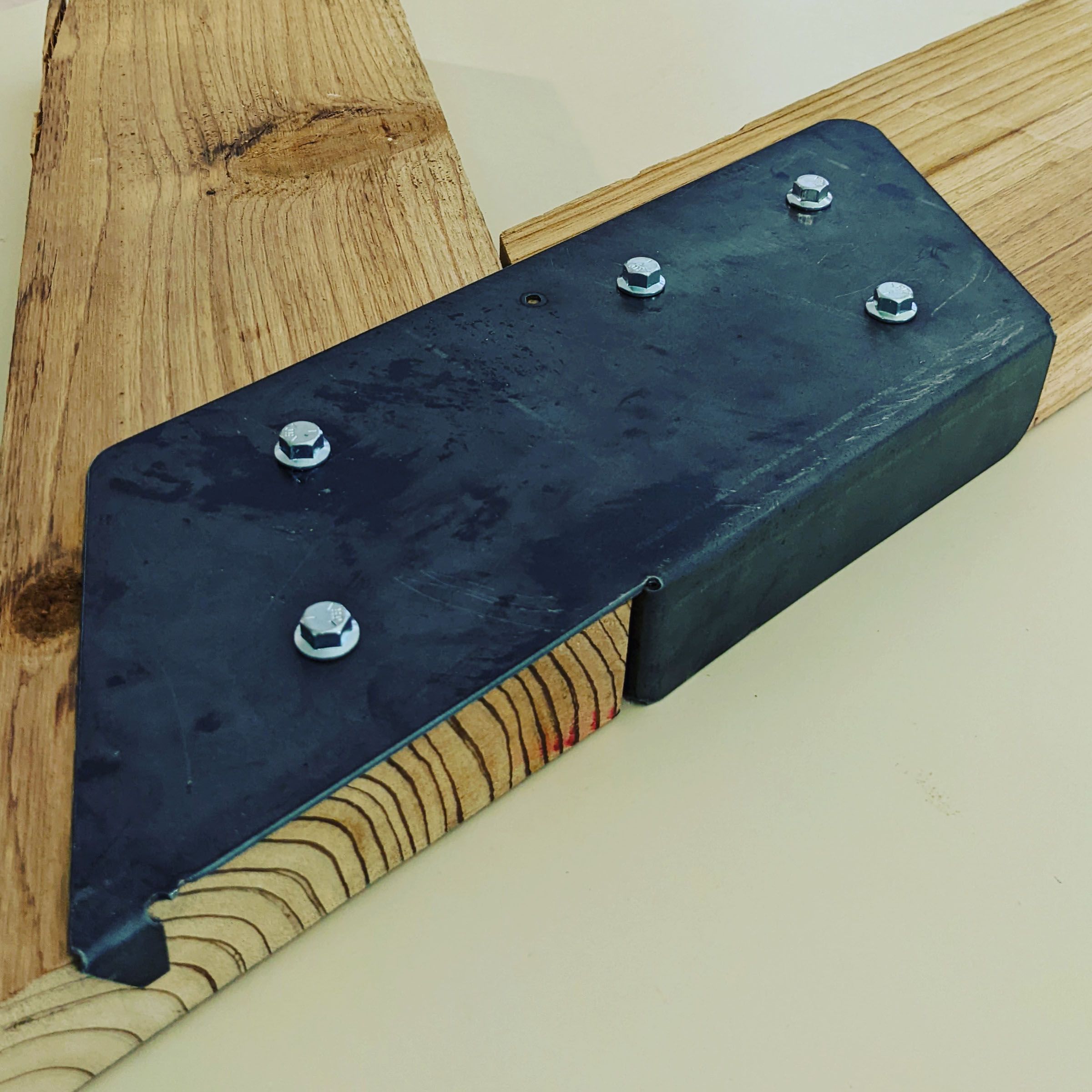
The joinery system rethinks traditional connections between timber members, externalizing the fastening process rather than concealing it. Unlike mortise and tenon or dowel joints, the steel brackets openly articulate the act of assembly, transforming fasteners and folded plates into a visible design language. The result is both structural and aesthetic: a disciplined rhythm of hex bolts, folded geometries, and steel-to-wood interfaces that underscores the precision of fabrication.
Parametric Modeling and Fabrication Logic
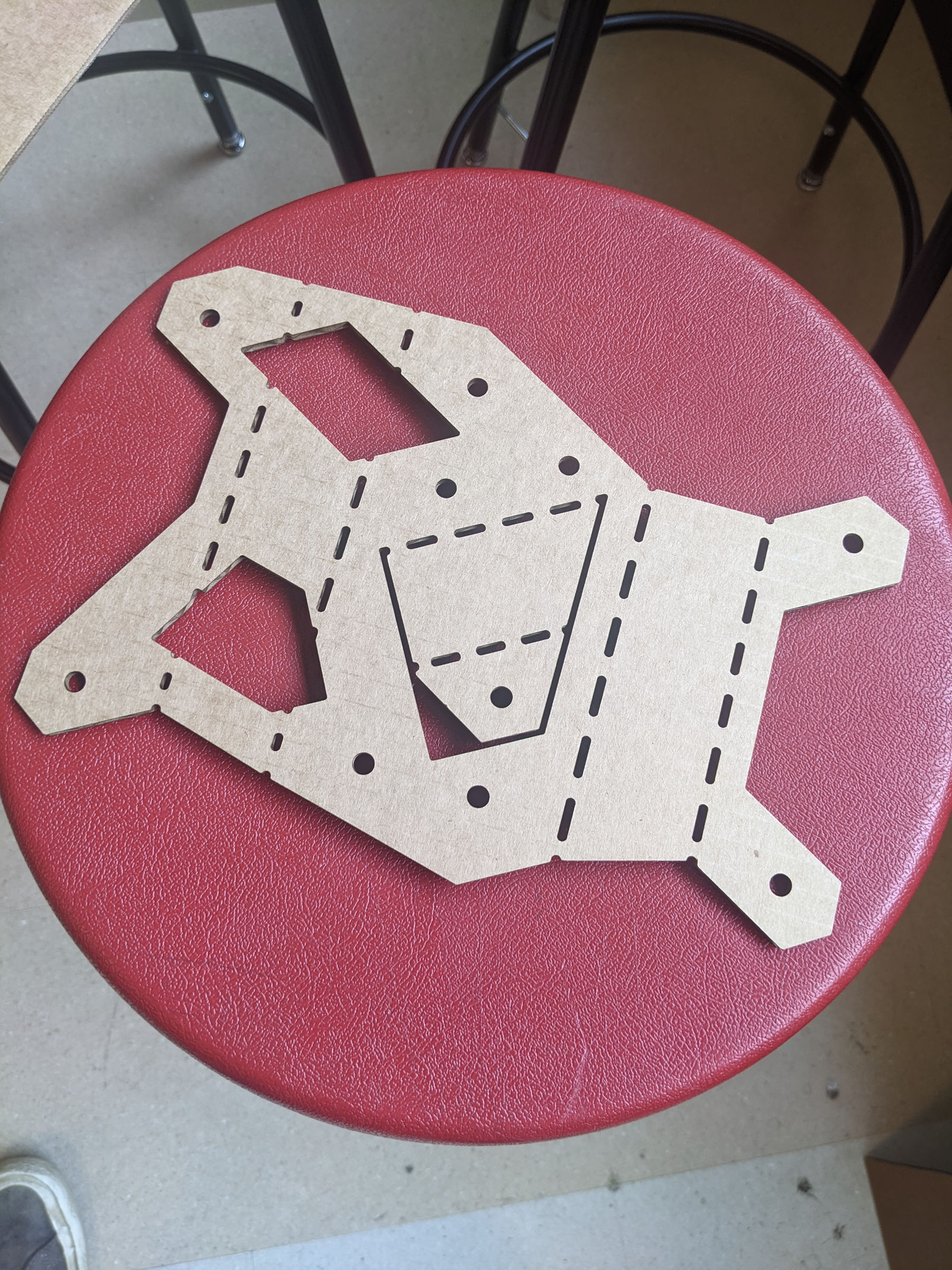
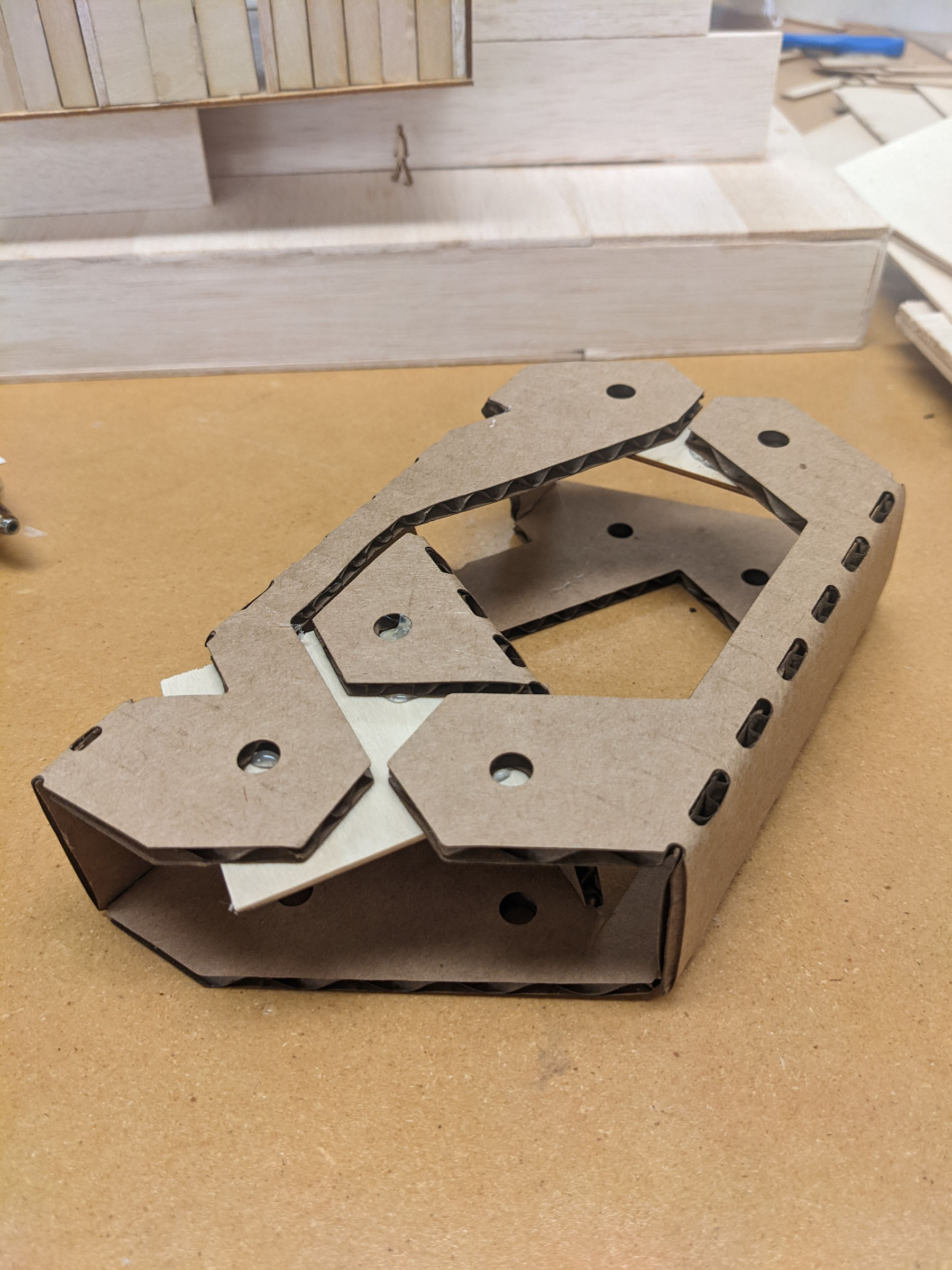
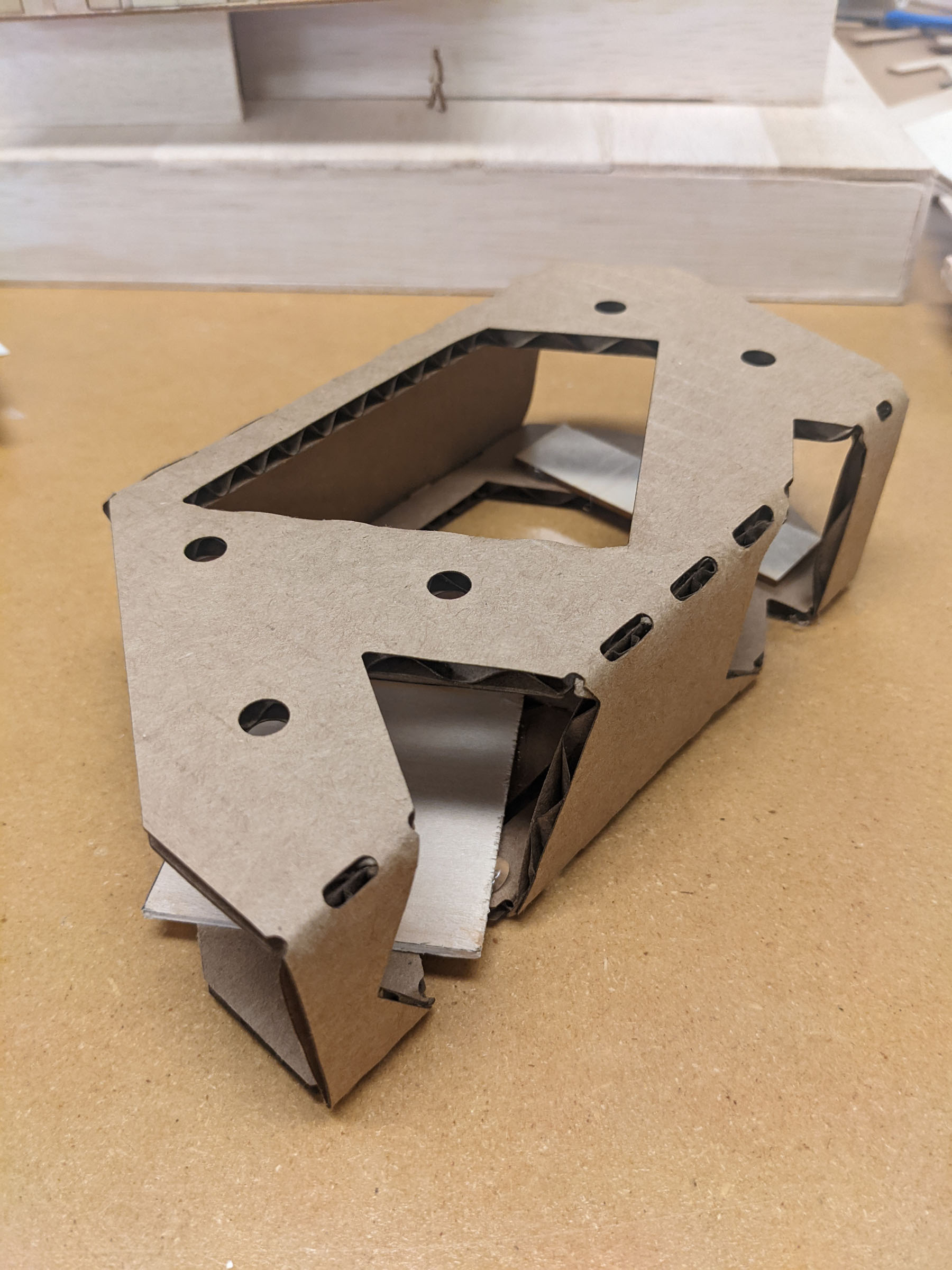
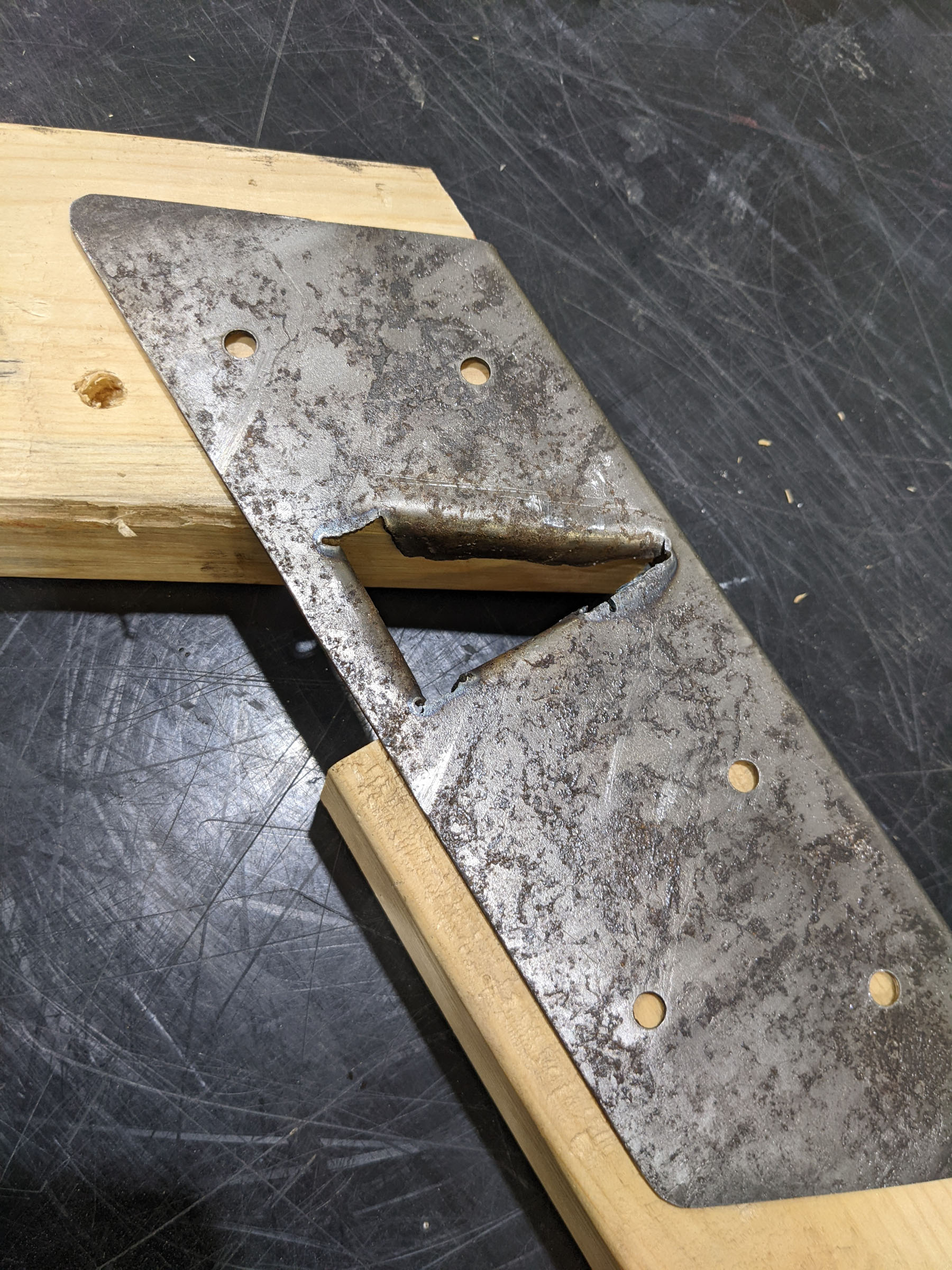
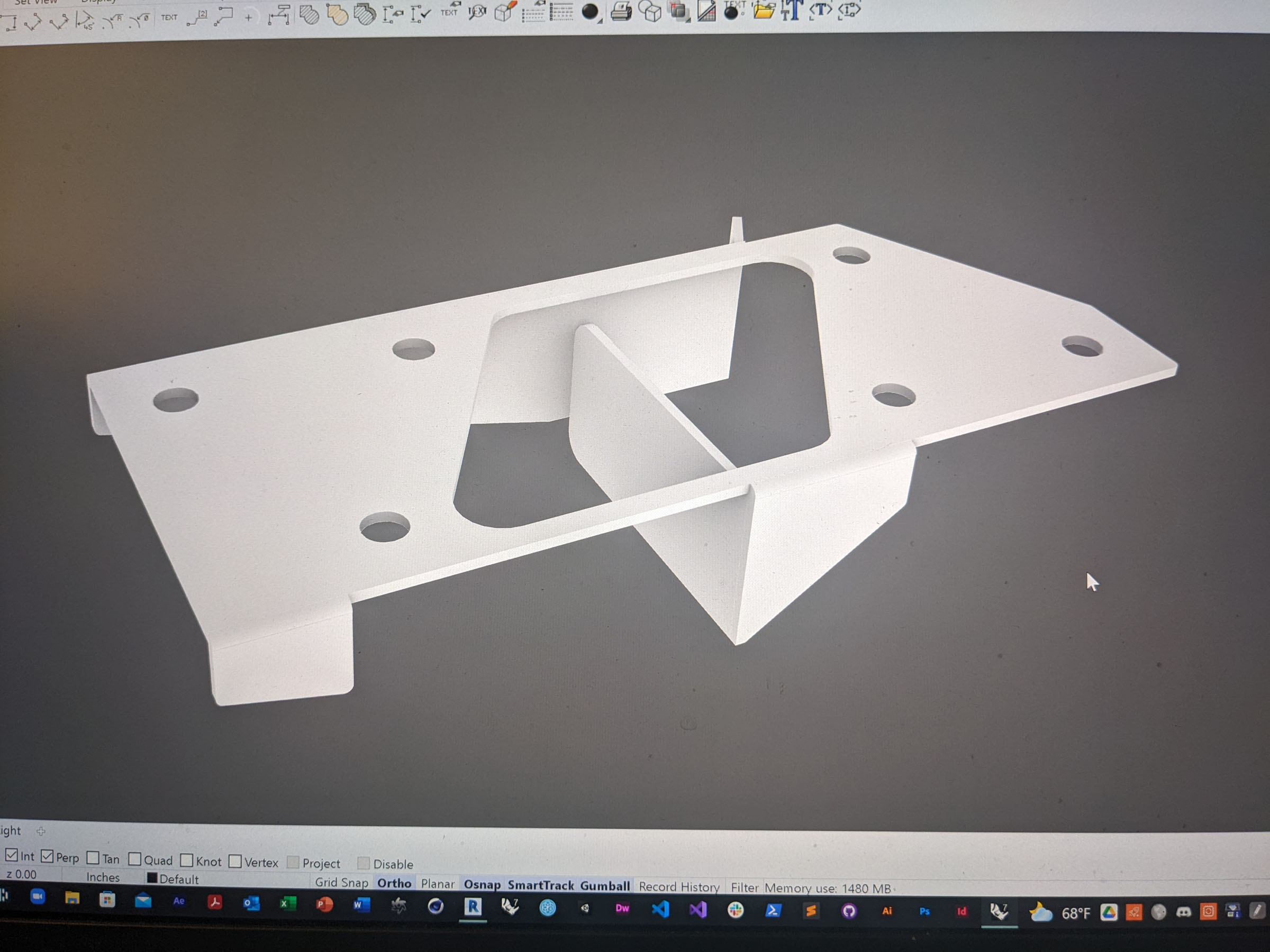
Developed in Rhino and Grasshopper, each bracket originates from a parametric definition capable of adjusting to different angles, member sizes, and material thicknesses. The workflow integrates design and fabrication seamlessly, with output directly formatted for CNC plasma cutting. Components were cut from flat steel sheets using optimized nesting strategies, then hand-bent and drilled as required. This fabrication sequence respects the efficiencies of 2D sheet material while leveraging the performative strength of folded geometry.
Assembly System
Each bracket is designed to integrate seamlessly with dimensional wood members, locking them together at exact angles with minimal tools. Standard hex bolts and locking nuts, recessed into the folded plate surfaces, achieve both strength and visual order. The assembly logic emphasizes clarity and repeatability: components can be flat-packed, transported, and reassembled on-site without sacrificing structural precision. This portability and scalability extend the system’s application from small-scale furniture to full architectural frameworks.
Material Expression
The system foregrounds both the tactility of timber and the durability of steel. Exposed grain meets folded plate in deliberate contrast, while the recessed fasteners highlight the regularity and rigor of the assembly. The joinery reads as both connective tissue and ornament — not hidden beneath the surface, but celebrated as part of the spatial and structural articulation of the framework.
Conclusion
Flat | Fold Joinery demonstrates how digital design and fabrication can redefine one of architecture’s most fundamental acts: connection. By combining parametric adaptability with material efficiency, the system offers a repeatable, scalable, and transportable construction logic. More than fastening, the project positions joinery as an architectural language in its own right — precise, expressive, and deeply tied to both craft and contemporary fabrication practices.