Hyperbolic Bending

File_003-2-2

Hyperbolic Bending

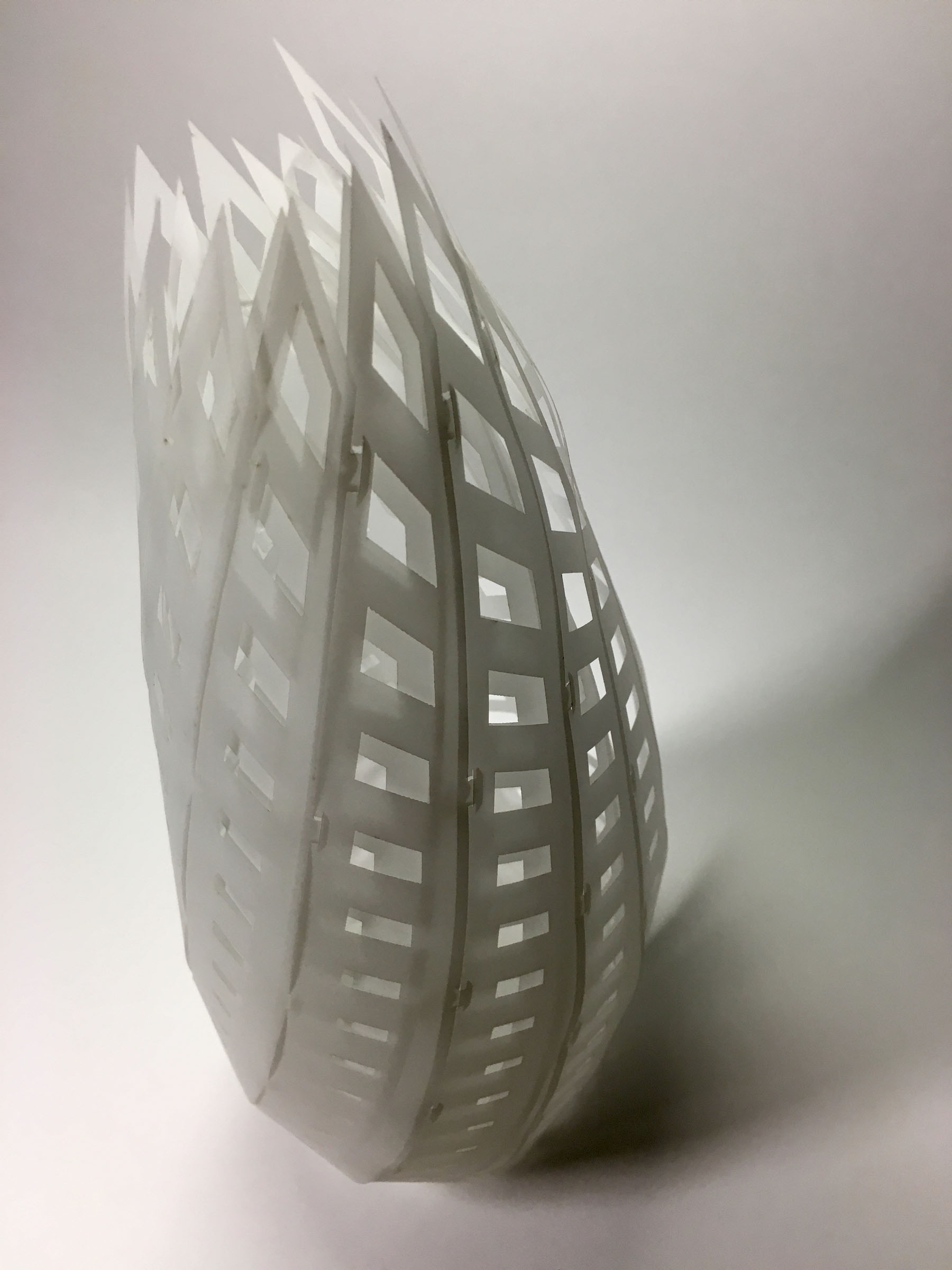
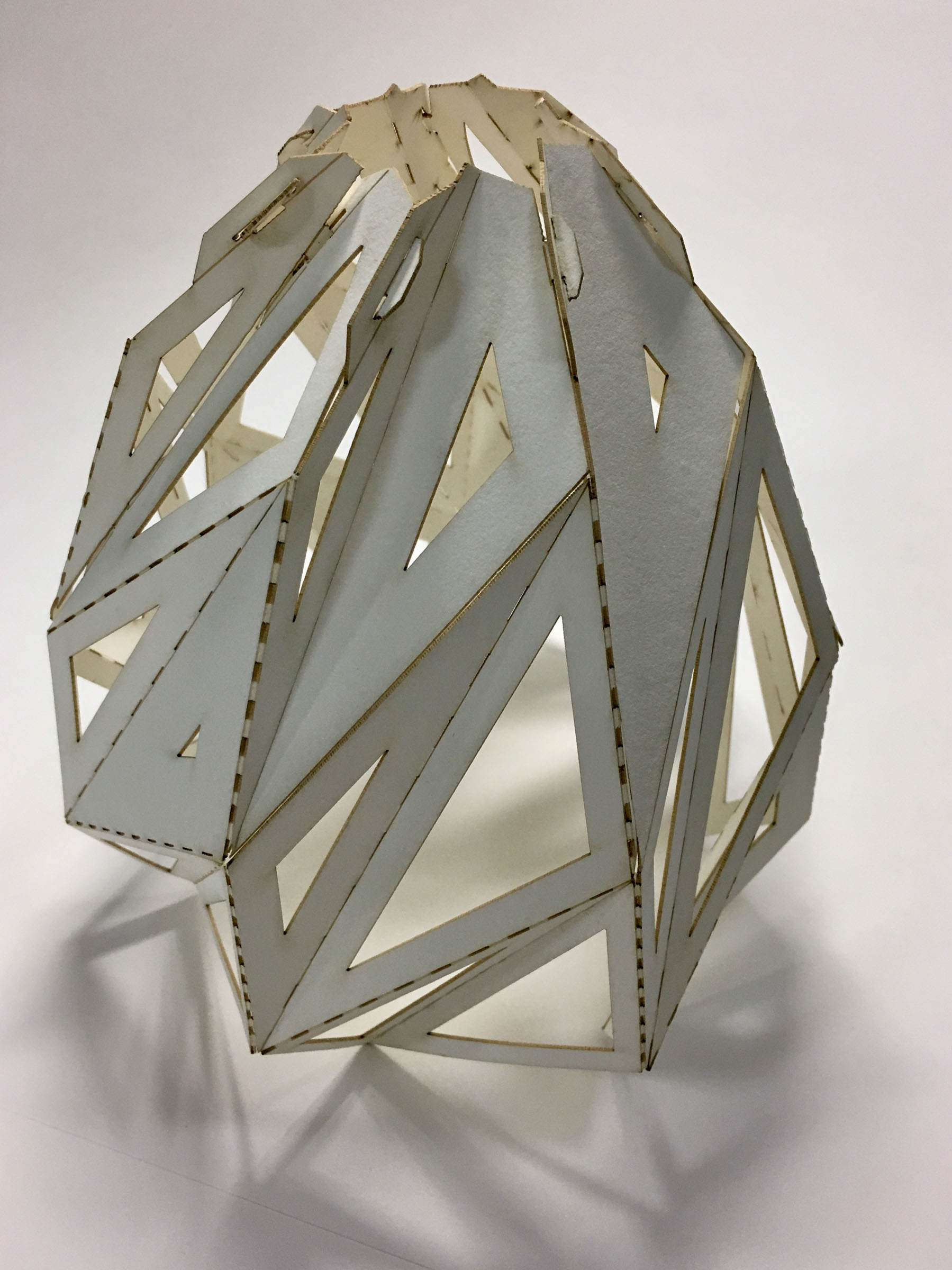
grasshopper, rhino, laser cut acrylic, bristol board

status : complete

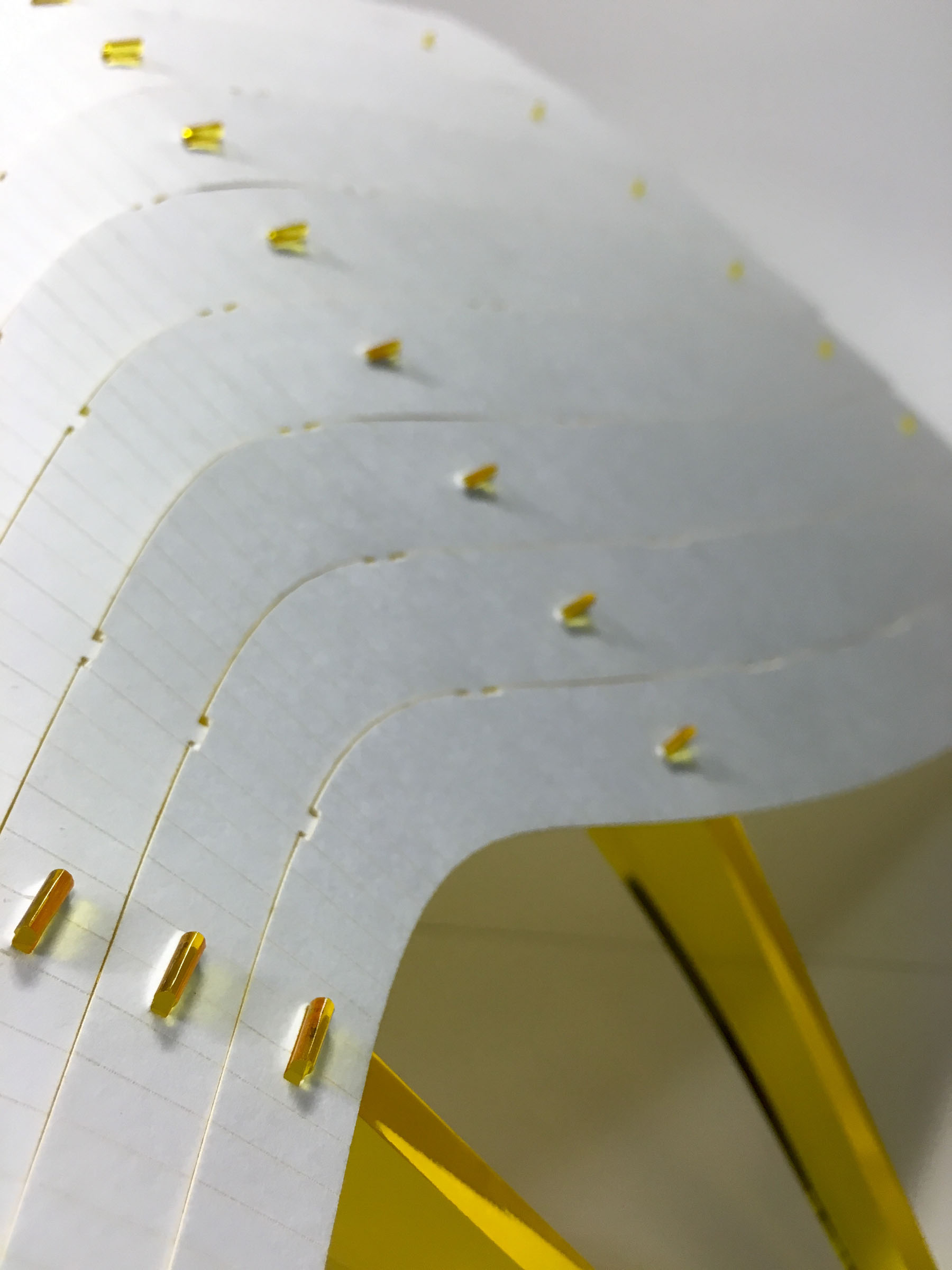
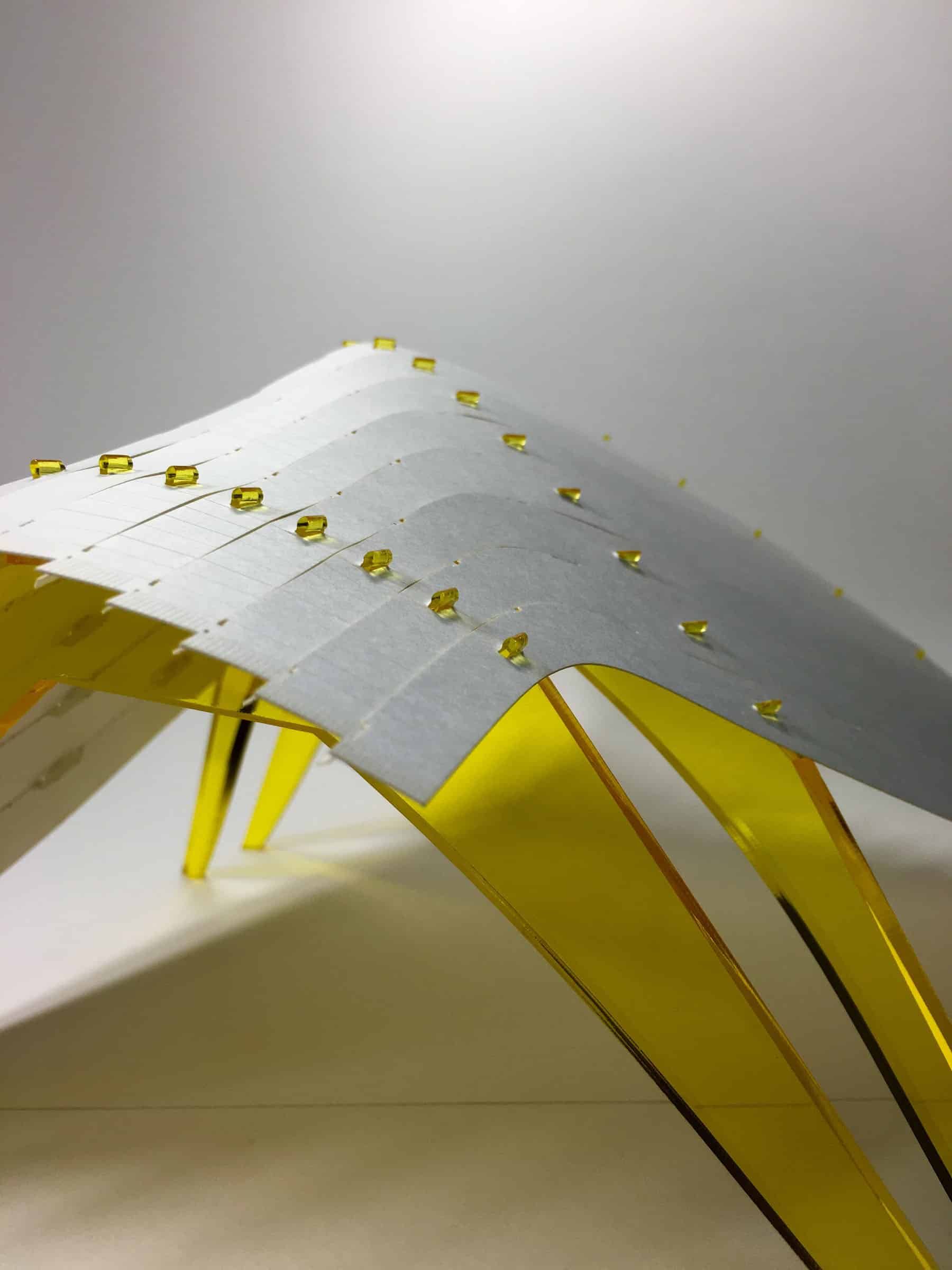
Most flat sheet materials, such as wood, metal, and plastic used for architectural construction, are inextensible. This means that they cannot be stretched to make surfaces that have compound curvature. In order to use them to make “compound curved” surfaces, we need to create a series of flat patterns that can be assembled into a visual approximation. A surface that can be reduced to a flat pattern without being distorted is called developable.

The process of translating a compound curved geometry into pieces that can be developed is called rationalization.

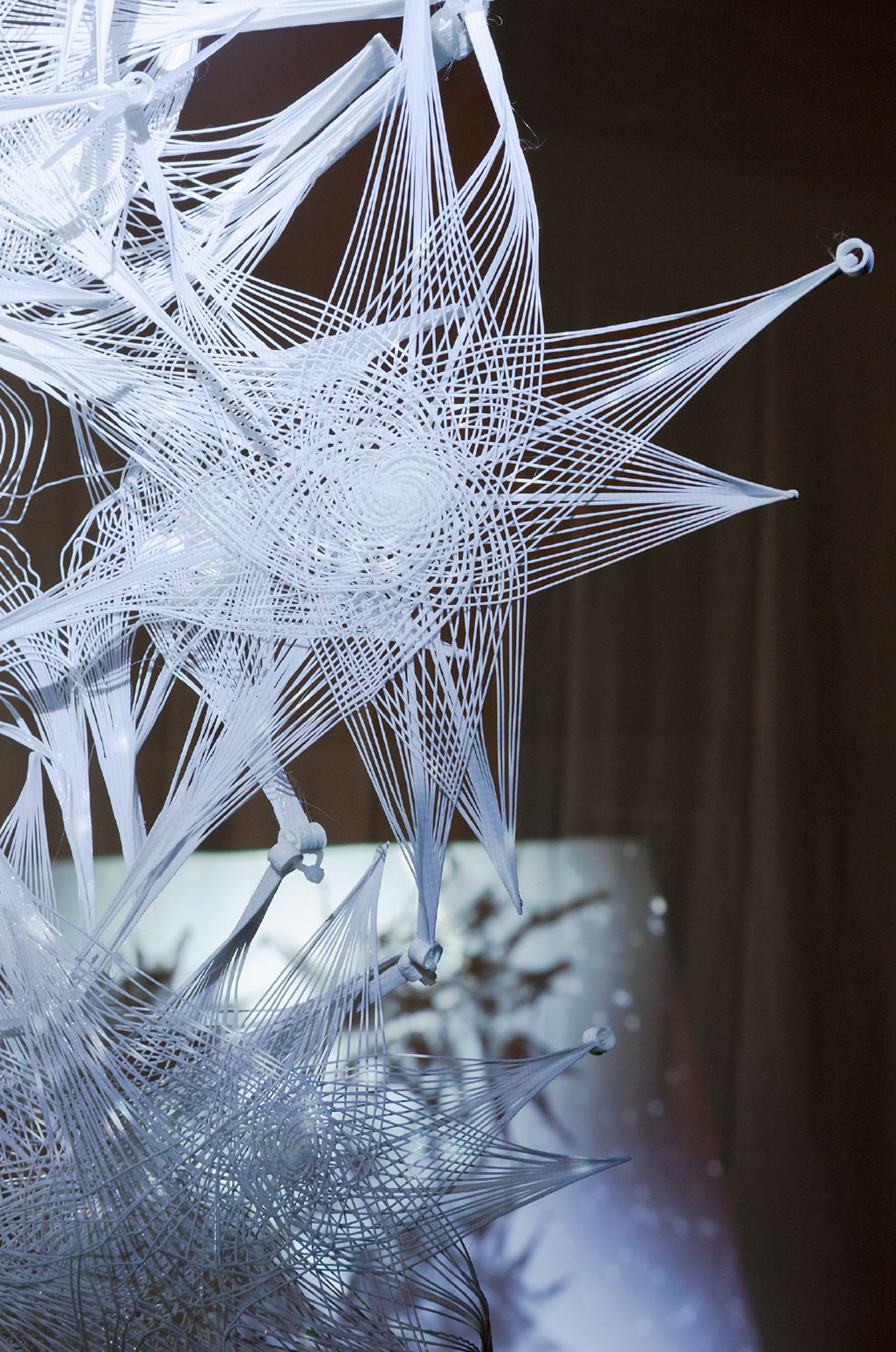
In Rhino, create a surface that has significant compound curvature. Break the surface down into pieces that can be rebuilt as developable surfaces. Laser cut and assemble the pieces from white card stock or Bristol board.

• How close can you get the form of the physical artifact to the original digital geometry?
• How many, or few, individual components are required?
• Does the deconstruction need higher discretization at areas of greater curvature?
• How minimal can the boundary supports be to keep it in position?
• What is the best way to join the edges of each piece?

  • thumb
  • File_009
  • File_009 (1)
  • File_008
  • File_008 (1)
  • File_007 (1)
  • File_006 (2)
  • File_005 (2)
  • File_005 (1)
  • File_004 (2)
  • File_003-2-2
  • File_002 (3)
  • File_001 (3)
  • File_001 (2)
  • File_000 (3)
  • File_000 (2)

Process


  • IMG_5180

  • IMG_3495

  • IMG_2665

  • IMG_0772

  • File_006 (1)

More Work

Architecture


  • Wichita Mobile Clinic

    anadarko, oklahoma

  • SA Architects

    cranston, rhode island

  • OKC Greenhouse

    oklahoma city, oklahoma

  • Pawtucket Day Nursery

    pawtucket, rhode island

  • Meeting Street Center for Excellence

    providence, rhode island

  • Norterly Island Nature Center

    Chicago, Illinois

  • National Institute of Flamenco

    old town plaza, santa fe, new mexico

  • Corrales Comunity Pathway + Pedestrian Park

    corrales, new mexico

  • CRCUIT

    albuquerque, new mexico

  • The Construction of Art

    providence, rhode island

  • Santa Fe Univeristy School of Fine Arts

    Santa Fe, New Mexico

Design + Fabrication


  • Flatpack Foldable Structural Connections

    rhino, grasshopper, mild steel

  • Renegades

    Fred Jones Jr Museum of Art

  • Surface Flux

    python, c#, grasshopper, pla, wood, steel

  • Carbon Fiber Connections

    grasshopper, rhino, pla, carbon fiber

  • Acoustic Diffusion Panel

    grasshopper, rhino, cnc, rigid insulation

  • Hyperbolic Bending

    grasshopper, rhino, laser cut acrylic, bristol board

  • Filtration : Infiltration

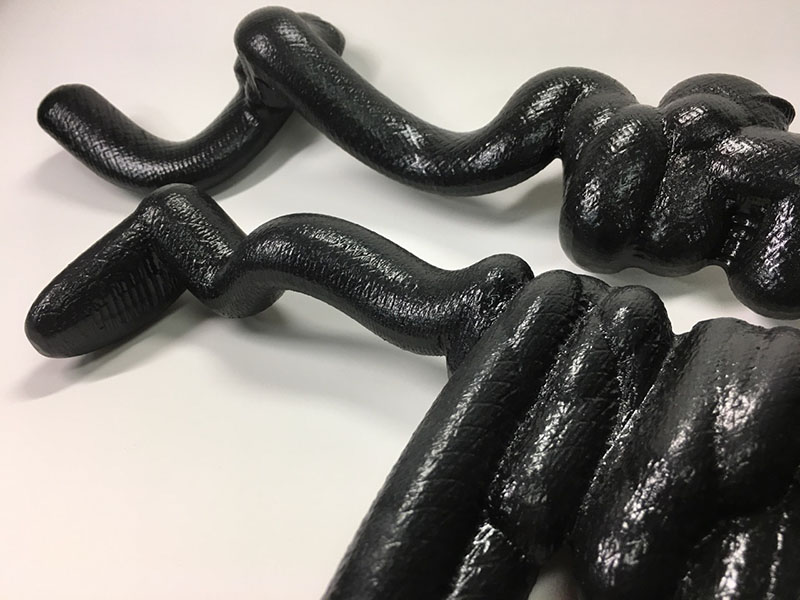
    python, grasshopper, rhino, 3d printing

  • Recursive Paneling

    laser cut mylar

  • Sweet Crude

    python, c#, grasshopper, wood, plasti-dip, carbon, gelatin

  • Ruling Lines

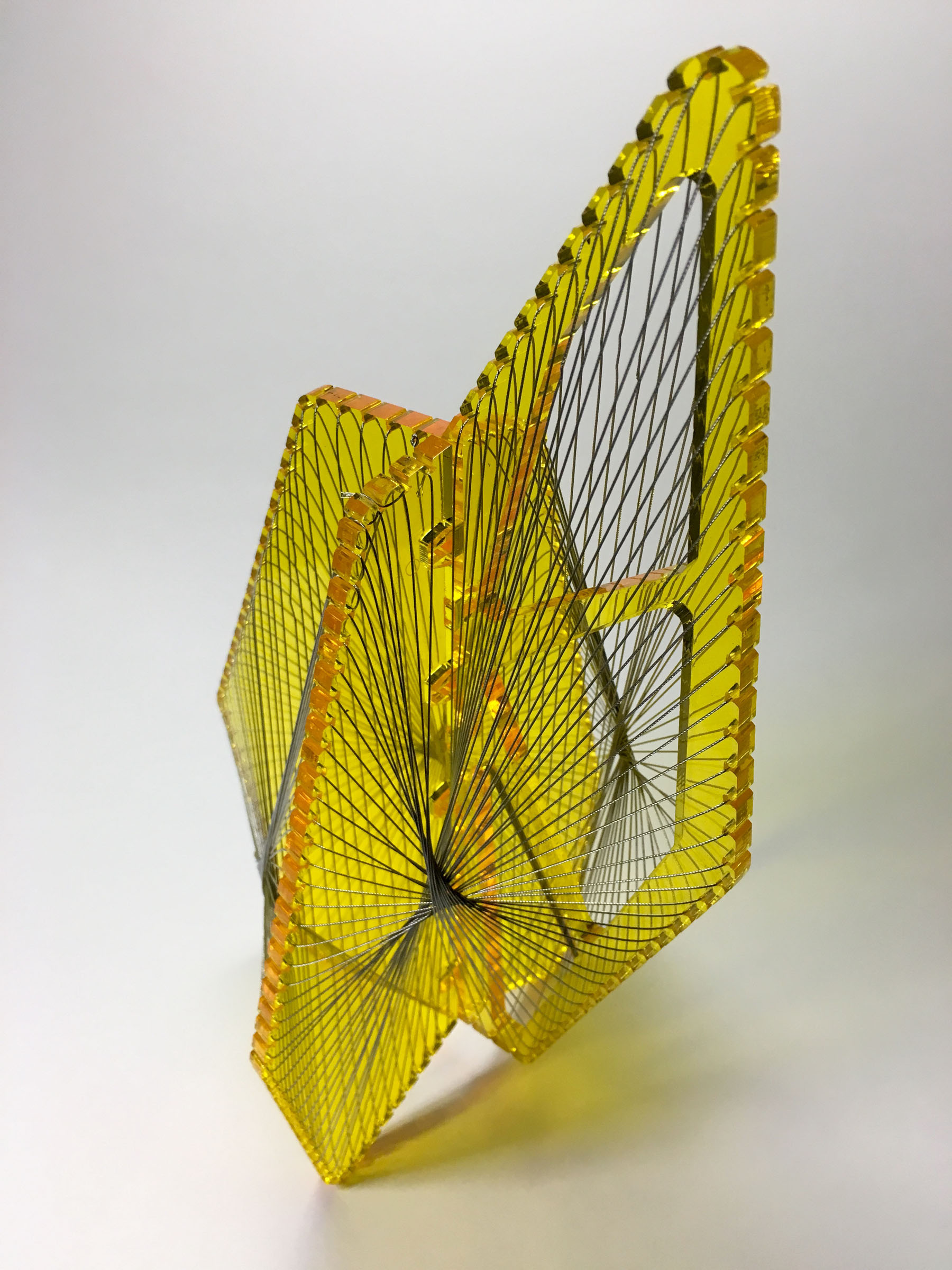
    laser cut cell cast acrylic, stainless steel braided wire

  • Volumetric Aggregations

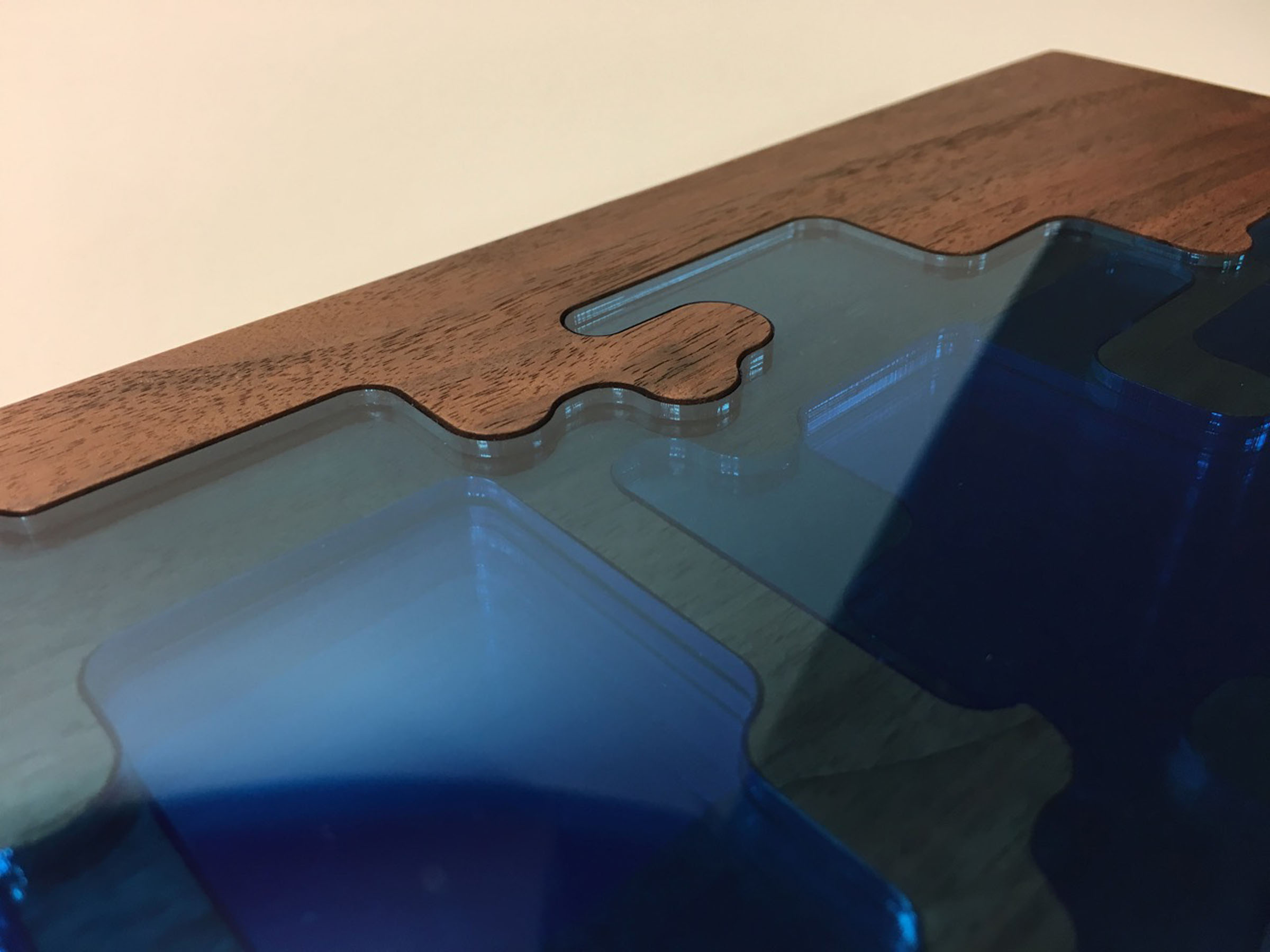
    processing, grasshopper, rhino, cast acrylic, black walnut, hickory

  • Cellulose Bookcase

    pine, black walnut, compressed wood fiber board, stain

  • Asher Chair

    rhino, pla, birch plywood

  • Andraditic Mass

    arduino, firefly, rhino, 3d printed pla, baltic birch plywood

  • Cholla

    grasshopper, rhino, black walnut

  • Folding Attractors

    grasshopper. rhino, white museum board

  • Grain Chair

    rhino, cnc milled birch plywood

  • Tracking Parallelograms

    grasshopper, rhino, hickory

  • Infiltration Table

    processing, spalted birch plywood, poplar, enamel, lacquer

Art + Code


  • Prairie Fire

    acrylic, ink, plywood

  • Surface Flux

    python, c#, grasshopper, pla, wood, steel

  • Dixieland Death Cult

    acrylic, plywood

  • Approximation of a Generation

    private tremendous

  • Elemental Worlds

    science museum oklahoma

  • Gonzo Cubes

    solidity, html, css, javascript, illustrator

  • A Line of Force

    arduino, grasshopper, firefly, java, plywood

  • The Drift

    html, css, javascript

  • Gear Institute

    illustrator, photoshop, php, css, html

  • Prism

    unity, c#, spine2d, illustrator

  • Squall

    petroglyphs national monument, albuquerque, new mexico

  • Galileo’s World Interactive

    c#, unity3d, illustrator, photoshop

  • Steel + Light

    convergence arts festival masterworks project, providence, rhode island

  • The God of Skiing

    book design

© [wpsos_year] Ken Marold USA, Inc. All rights reserved.

Continue reading

Randomized Apertures

featured-image

Acoustic Diffusion Panel

grasshopper, rhino, cnc, rigid insulation

status : on-going

Diffusion is a popular, effective solution used in professional recording studios, listening rooms, and large auditoriums. Absorption panels can control these problems as well, but can sometimes cause dead sound if too much absorption is used in the small room. Diffusion on the other hand, adds a sense of spaciousness and retains the room’s natural ambiance.

This three-dimensional sound diffusion panel prototype is designed for installation into sound recording spaces or other areas  with acoustical control needs. Using a 7×10 grid array distributed across a 1 foot x 2 foot panel, each element or single ‘pixel’ within the array undergoes a series of modulations in their normal angle, extrusion height and side angles, and central void spaces.

Through these unique modulations per pixel, the panel provides excellent multi-reflection on both vertical and horizontal planes in sound critical spaces. It performs on mid and high frequencies, brightening and clarifying sound and is designed to evenly scatter sound energy and help eliminate comb filtering and flutter echo, acoustical problems that can seriously affect the clarity of sound in a room.

The prototype was parametrically generated through a custom written acoustic form finding algorithm using Rhino3D and Grasshopper. This algorithm allowed for unlimited visual iterations while performing optimization and energy calculation to determine the performant characteristics of each pixel manipulation.

In the next stage of development a mass production strategy will be identified and surface material testing will begin.

  • File_006 (1)
  • File_005 (1)
  • File_004 (1)
  • File_003 (2)
  • File_001 (2)
  • File_000

Process


  • IMG_5180

  • IMG_3495

  • IMG_2665

  • IMG_0772

  • File_006 (1)

More Work

Architecture


  • Wichita Mobile Clinic

    anadarko, oklahoma

  • SA Architects

    cranston, rhode island

  • OKC Greenhouse

    oklahoma city, oklahoma

  • Pawtucket Day Nursery

    pawtucket, rhode island

  • Meeting Street Center for Excellence

    providence, rhode island

  • Norterly Island Nature Center

    Chicago, Illinois

  • National Institute of Flamenco

    old town plaza, santa fe, new mexico

  • Corrales Comunity Pathway + Pedestrian Park

    corrales, new mexico

  • CRCUIT

    albuquerque, new mexico

  • The Construction of Art

    providence, rhode island

  • Santa Fe Univeristy School of Fine Arts

    Santa Fe, New Mexico

Design + Fabrication


  • Flatpack Foldable Structural Connections

    rhino, grasshopper, mild steel

  • Renegades

    Fred Jones Jr Museum of Art

  • Surface Flux

    python, c#, grasshopper, pla, wood, steel

  • Carbon Fiber Connections

    grasshopper, rhino, pla, carbon fiber

  • Acoustic Diffusion Panel

    grasshopper, rhino, cnc, rigid insulation

  • Hyperbolic Bending

    grasshopper, rhino, laser cut acrylic, bristol board

  • Filtration : Infiltration

    python, grasshopper, rhino, 3d printing

  • Recursive Paneling

    laser cut mylar

  • Sweet Crude

    python, c#, grasshopper, wood, plasti-dip, carbon, gelatin

  • Ruling Lines

    laser cut cell cast acrylic, stainless steel braided wire

  • Volumetric Aggregations

    processing, grasshopper, rhino, cast acrylic, black walnut, hickory

  • Cellulose Bookcase

    pine, black walnut, compressed wood fiber board, stain

  • Asher Chair

    rhino, pla, birch plywood

  • Andraditic Mass

    arduino, firefly, rhino, 3d printed pla, baltic birch plywood

  • Cholla

    grasshopper, rhino, black walnut

  • Folding Attractors

    grasshopper. rhino, white museum board

  • Grain Chair

    rhino, cnc milled birch plywood

  • Tracking Parallelograms

    grasshopper, rhino, hickory

  • Infiltration Table

    processing, spalted birch plywood, poplar, enamel, lacquer

Art + Code


  • Prairie Fire

    acrylic, ink, plywood

  • Surface Flux

    python, c#, grasshopper, pla, wood, steel

  • Dixieland Death Cult

    acrylic, plywood

  • Approximation of a Generation

    private tremendous

  • Elemental Worlds

    science museum oklahoma

  • Gonzo Cubes

    solidity, html, css, javascript, illustrator

  • A Line of Force

    arduino, grasshopper, firefly, java, plywood

  • The Drift

    html, css, javascript

  • Gear Institute

    illustrator, photoshop, php, css, html

  • Prism

    unity, c#, spine2d, illustrator

  • Squall

    petroglyphs national monument, albuquerque, new mexico

  • Galileo’s World Interactive

    c#, unity3d, illustrator, photoshop

  • Steel + Light

    convergence arts festival masterworks project, providence, rhode island

  • The God of Skiing

    book design

© [wpsos_year] Ken Marold USA, Inc. All rights reserved.

Continue reading

Prairie Fire

PXL_20220318_163918395

Prairie Fire

acrylic, ink, plywood

status : complete

  • PXL_20220318_163918395
  • PXL_20220318_164029786
  • PXL_20220318_164037614.MP
  • PXL_20220318_164044290

More Work

Architecture


  • Wichita Mobile Clinic

    anadarko, oklahoma

  • SA Architects

    cranston, rhode island

  • OKC Greenhouse

    oklahoma city, oklahoma

  • Pawtucket Day Nursery

    pawtucket, rhode island

  • Meeting Street Center for Excellence

    providence, rhode island

  • Norterly Island Nature Center

    Chicago, Illinois

  • National Institute of Flamenco

    old town plaza, santa fe, new mexico

  • Corrales Comunity Pathway + Pedestrian Park

    corrales, new mexico

  • CRCUIT

    albuquerque, new mexico

  • The Construction of Art

    providence, rhode island

  • Santa Fe Univeristy School of Fine Arts

    Santa Fe, New Mexico

Design + Fabrication


  • Flatpack Foldable Structural Connections

    rhino, grasshopper, mild steel

  • Renegades

    Fred Jones Jr Museum of Art

  • Surface Flux

    python, c#, grasshopper, pla, wood, steel

  • Carbon Fiber Connections

    grasshopper, rhino, pla, carbon fiber

  • Acoustic Diffusion Panel

    grasshopper, rhino, cnc, rigid insulation

  • Hyperbolic Bending

    grasshopper, rhino, laser cut acrylic, bristol board

  • Filtration : Infiltration

    python, grasshopper, rhino, 3d printing

  • Recursive Paneling

    laser cut mylar

  • Sweet Crude

    python, c#, grasshopper, wood, plasti-dip, carbon, gelatin

  • Ruling Lines

    laser cut cell cast acrylic, stainless steel braided wire

  • Volumetric Aggregations

    processing, grasshopper, rhino, cast acrylic, black walnut, hickory

  • Cellulose Bookcase

    pine, black walnut, compressed wood fiber board, stain

  • Asher Chair

    rhino, pla, birch plywood

  • Andraditic Mass

    arduino, firefly, rhino, 3d printed pla, baltic birch plywood

  • Cholla

    grasshopper, rhino, black walnut

  • Folding Attractors

    grasshopper. rhino, white museum board

  • Grain Chair

    rhino, cnc milled birch plywood

  • Tracking Parallelograms

    grasshopper, rhino, hickory

  • Infiltration Table

    processing, spalted birch plywood, poplar, enamel, lacquer

Art + Code


  • Prairie Fire

    acrylic, ink, plywood

  • Surface Flux

    python, c#, grasshopper, pla, wood, steel

  • Dixieland Death Cult

    acrylic, plywood

  • Approximation of a Generation

    private tremendous

  • Elemental Worlds

    science museum oklahoma

  • Gonzo Cubes

    solidity, html, css, javascript, illustrator

  • A Line of Force

    arduino, grasshopper, firefly, java, plywood

  • The Drift

    html, css, javascript

  • Gear Institute

    illustrator, photoshop, php, css, html

  • Prism

    unity, c#, spine2d, illustrator

  • Squall

    petroglyphs national monument, albuquerque, new mexico

  • Galileo’s World Interactive

    c#, unity3d, illustrator, photoshop

  • Steel + Light

    convergence arts festival masterworks project, providence, rhode island

  • The God of Skiing

    book design

© [wpsos_year] Ken Marold USA, Inc. All rights reserved.

Continue reading

Dixieland Death Cult

Dixieland Death Cult

Acrylic on Board, 2023

In Dixieland Death Cult, I wanted to capture the feverish spectacle of a society in decay. The painting grew out of the feeling that politics has become a theater of cruelty, where rage and fear masquerade as conviction. It is a portrait of moral collapse disguised as patriotic fervor, a vision of a culture circling itself in celebration of its own destruction. The figures twist and rot, their gestures both triumphant and hollow, their energy feeding on entropy. What begins as a ritual of belonging turns into a ceremony of erasure, a grotesque parade where empathy is the first casualty.

This work reflects a world where belief and brutality have fused into performance, where spectacle replaces substance and death becomes entertainment. The scene is filled with color and motion, yet everything inside it feels suffocated, stripped of tenderness, stripped of meaning. I wanted the composition to feel claustrophobic and seductive at the same time, like a flame that both draws and consumes. Beneath the surface, it speaks to what happens when power is worshipped without conscience, when identity becomes a weapon, and when the desire for purity leads to ash.


More Work


Architecture

Art + Code

Design + Fabrication

Courses + Student Work

© Ken Marold USA, Inc. All rights reserved.

Continue reading

Tectonic Bodies

Tectonic Bodies #1

Acrylic on Board, 2023

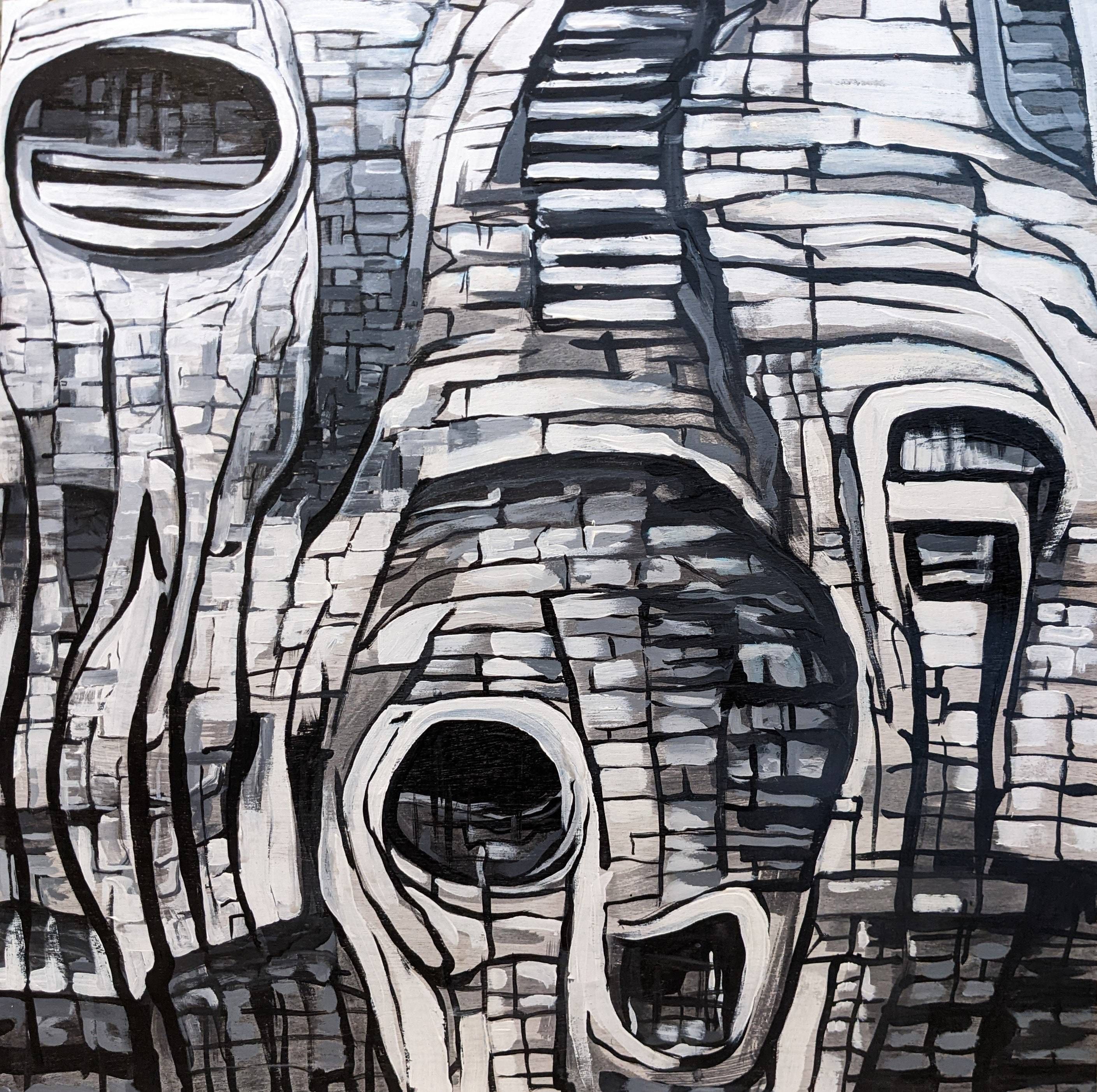
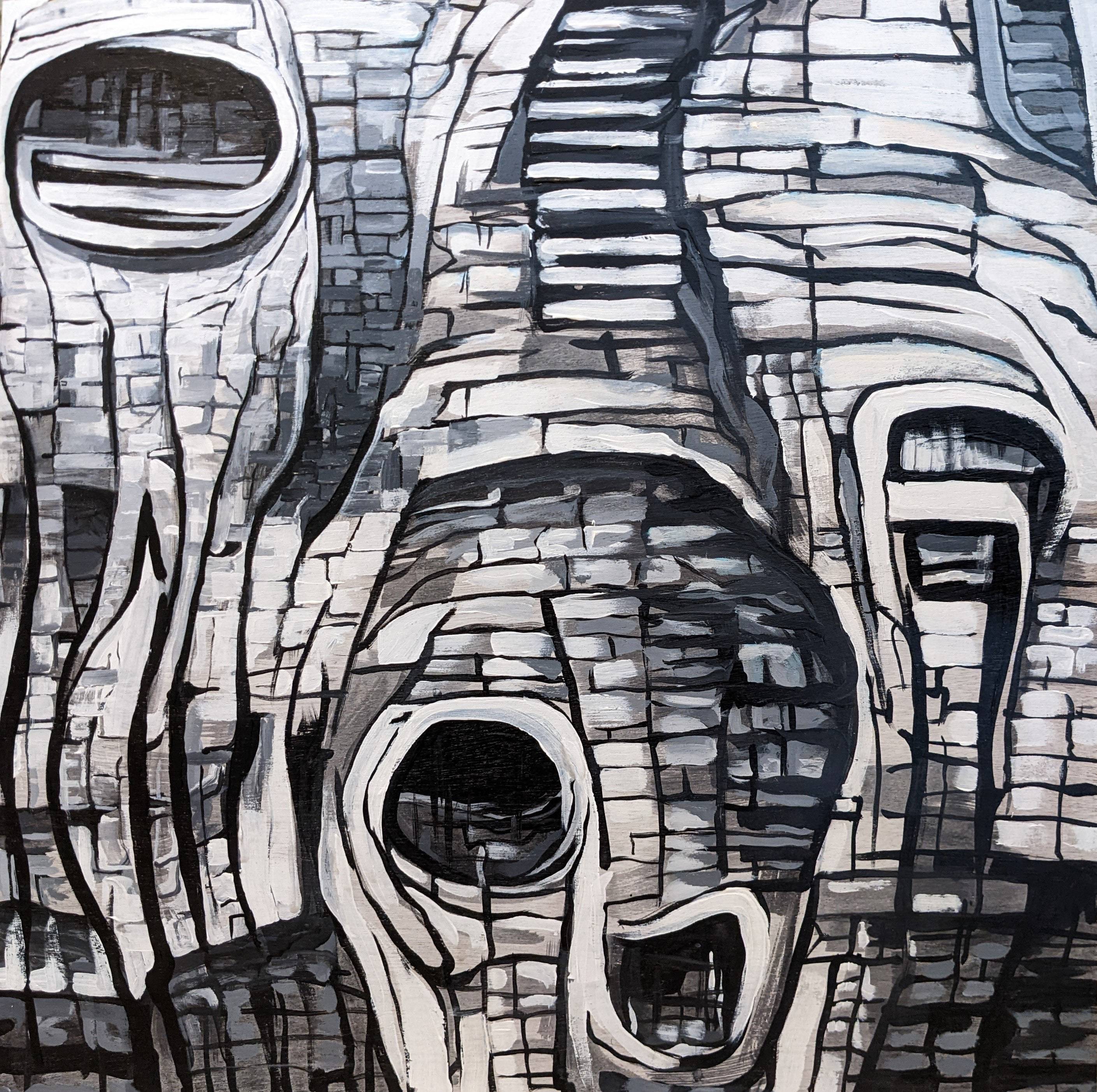
Tectonic Bodies is a series that investigates the layered relationships between anatomy, architecture, and machinery. In these works, organic structures are reframed as constructed landscapes: ribs suggest archways, vertebrae rise like stepped terraces, and ocular cavities become apertures or voids in a tectonic wall. The paintings hover between portrait and structure, where bone shifts into panelized surfaces and muscle into modular skin, evoking a hybrid language of flesh, steel, and engineered form. These works capture the tension of bodies understood not only as living matter, but also as sites of architecture and mechanical extension.

In Tectonic Bodies No. 1, anatomical references emerge through the suggestion of a skull-like cranium, eye sockets reimagined as cavernous portals, and a spinal ascent that recalls a stair rising through bone. The painting oscillates between recognition and abstraction, leaving the viewer unsure if they are encountering a face, a ruin, or a machine. By interlacing stone-like textures, robotic rhythms, and corporeal fragments, the series repositions the body as a tectonic artifact—something simultaneously ancient and futuristic, fragile and monumental.


More Work


Architecture

Art + Code

Design + Fabrication

Courses + Student Work

© Ken Marold USA, Inc. All rights reserved.

Continue reading

Wichita Mobile Clinic

Wichita Mobile Clinic

Anadarko, OK
Construction Completed: May 2021

Developed in collaboration with the Wichita and Affiliated Tribes, based in Anadarko, Oklahoma, this project reimagined healthcare infrastructure through cultural precedent and contemporary fabrication. Conceived during the height of the COVID-19 pandemic, the Wichita Mobile Clinic was designed as a rapidly deployable unit to expand vaccination access and essential medical services across rural and tribal regions of Oklahoma. The initiative sought to strengthen healthcare equity while honoring Wichita traditions of building, community, and stewardship of land.

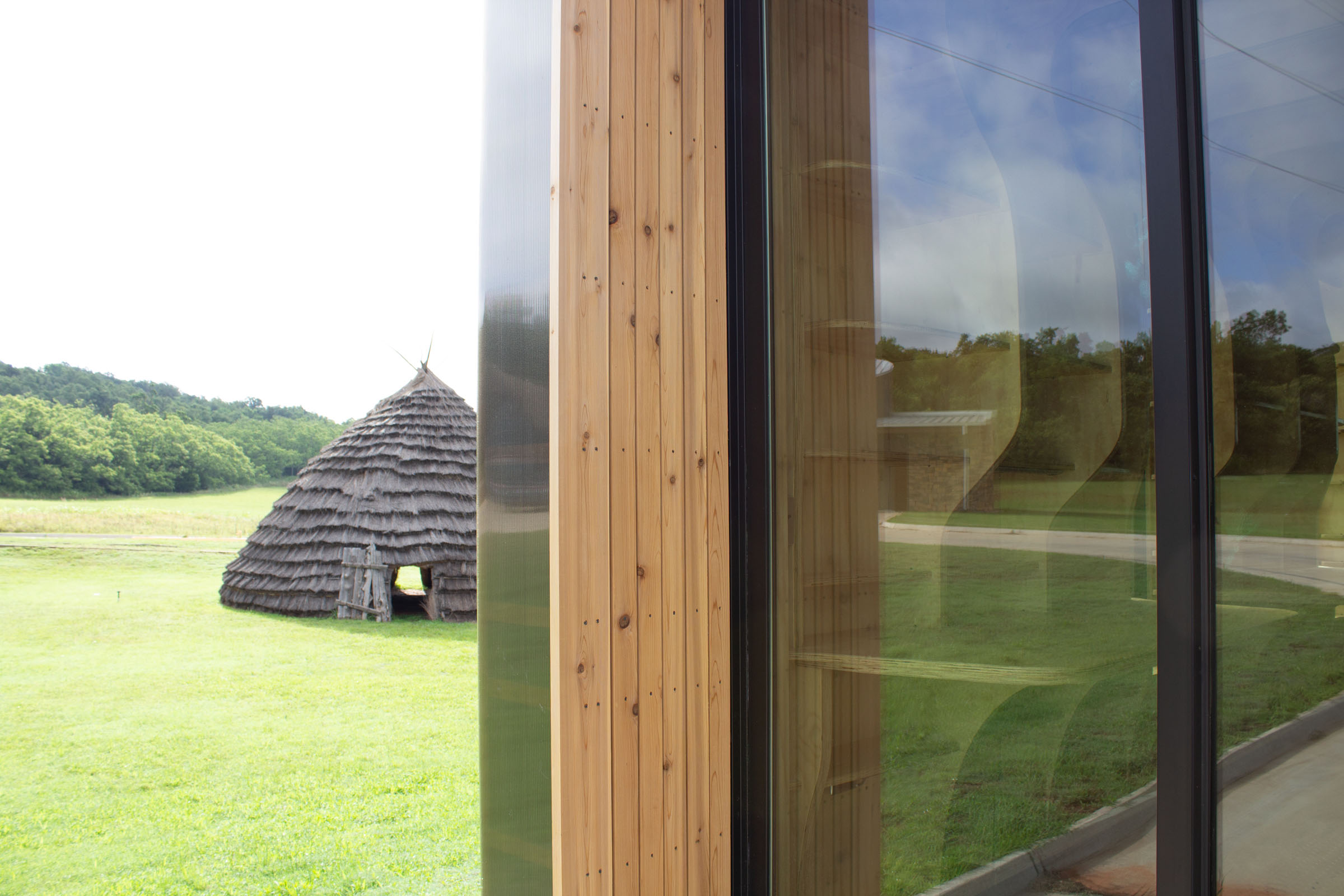
Central to the design study was the Wichita grass house—a domed shelter of cedar, willow, and reed that embodies systemic clarity, resilience, and symbolic connection to place. Inspired by the historic form, the project adapted the patterns and assembly logic of the grass house’s layered construction into a mobile clinic that merged indigenous knowledge with digital fabrication. As a proof of concept, the design team developed the project’s parametric logic, fabrication sequences, and assembly strategies in close collaboration with tribal leaders and elders, supported by student participation in prototyping and testing. More than a functional unit of care, the Wichita Mobile Clinic demonstrated how cultural wisdom and digital tools could converge to produce a responsive healthcare infrastructure while modeling a cross-disciplinary pedagogy that linked design and construction at the University of Oklahoma’s Gibbs College of Architecture.


Wichita Mobile Clinic

Anadarko, OK
Construction Completed: May 2021

Project Overview

The Wichita Mobile Clinic was conceived during the height of the COVID-19 pandemic as part of an applied research initiative investigating the intersection of digital fabrication, modular construction, and community-based healthcare design. Developed in collaboration with the Wichita and Affiliated Tribes, the project produced a rapidly deployable healthcare unit to deliver vaccination access and essential medical services to rural and tribal communities in Oklahoma. Beyond its immediate purpose, the work served as a design research prototype exploring how computational processes and cultural precedent could converge to create responsive, adaptable architecture.

All design, digital modeling, and fabrication were executed within the Gibbs College of Architecture’s digital fabrication lab as part of ongoing research into parametric systems and modular assemblies. Once the prefabricated components were completed, Construction Science students performed the on-site assembly and finishing, developing coordination and sequencing skills through collaboration with fabrication research. This workflow established a hybrid model that united precision-based digital research with construction education in the field, creating a precedent for future interdisciplinary design-build pedagogy.


Cultural and Structural Precedent

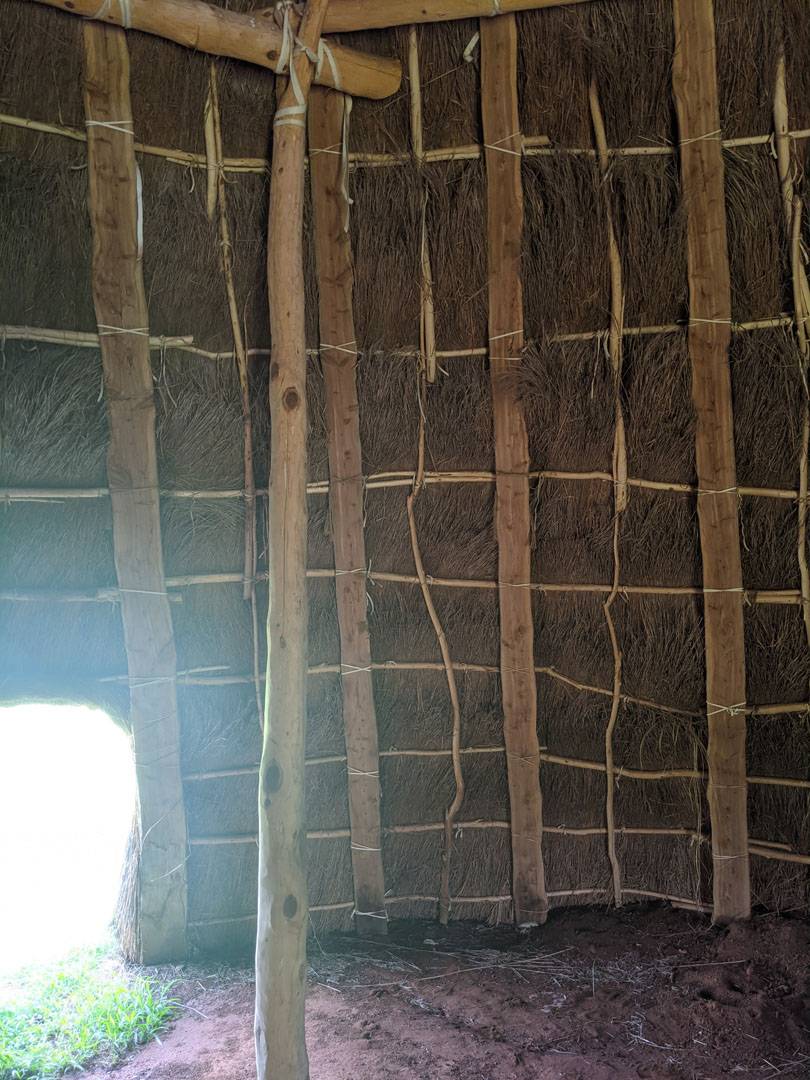
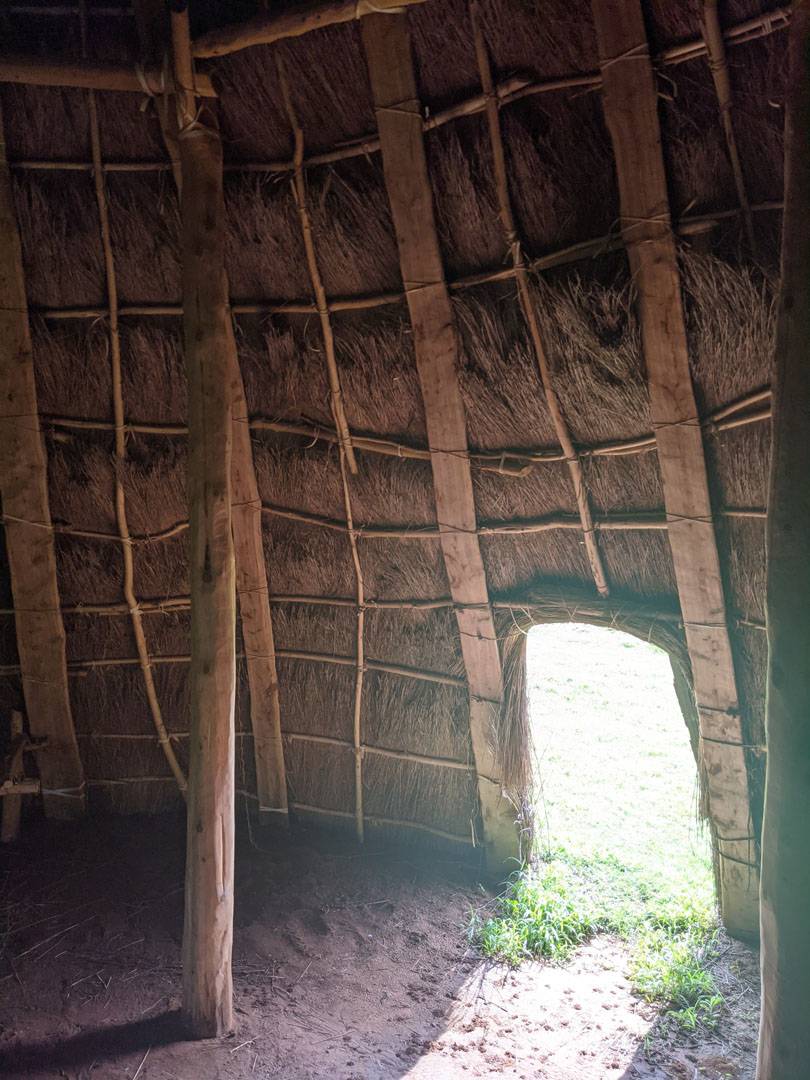
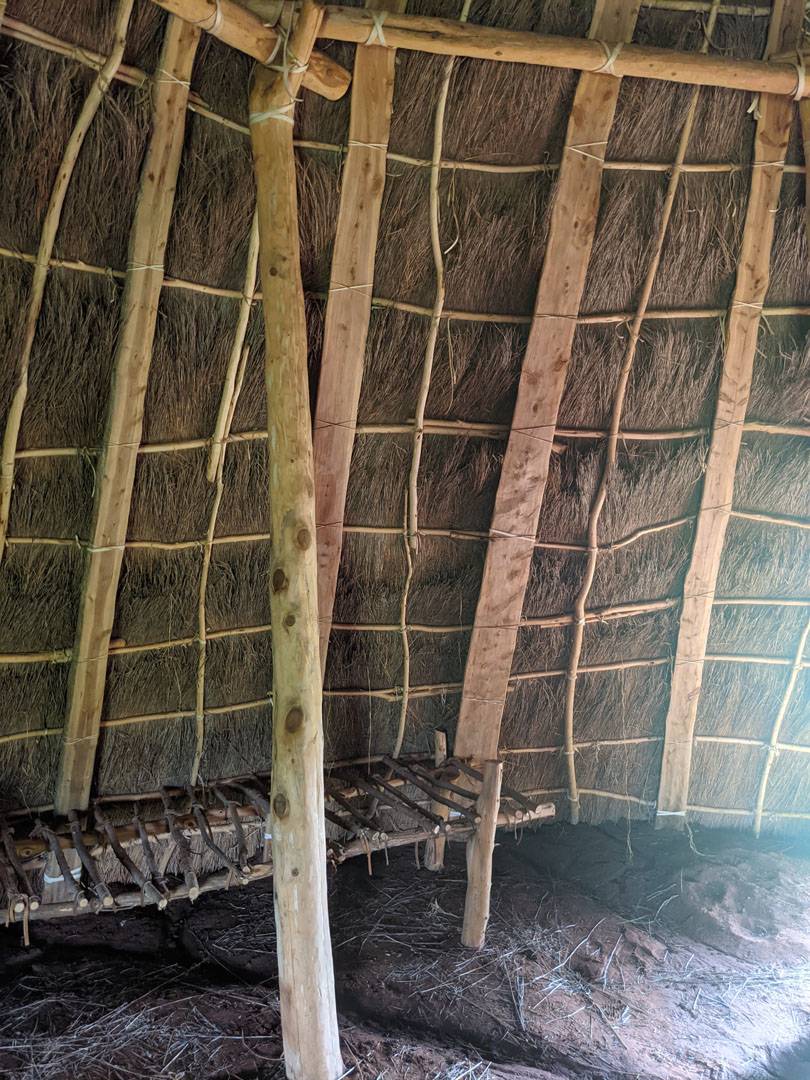
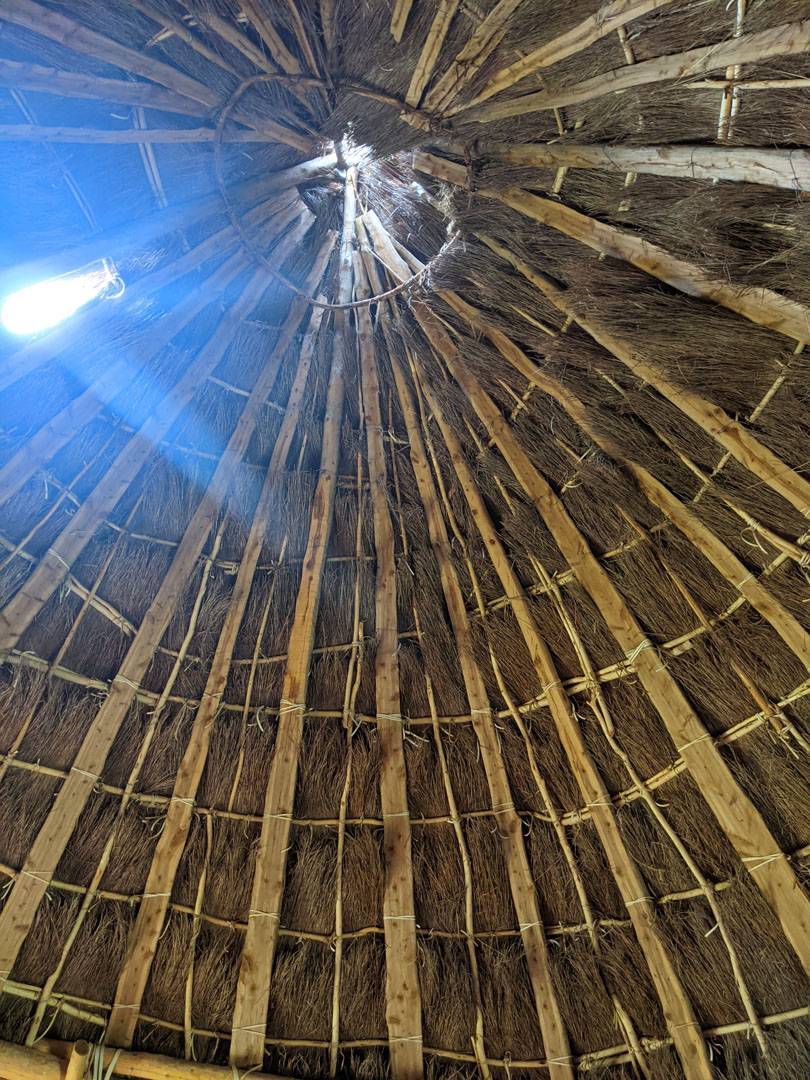
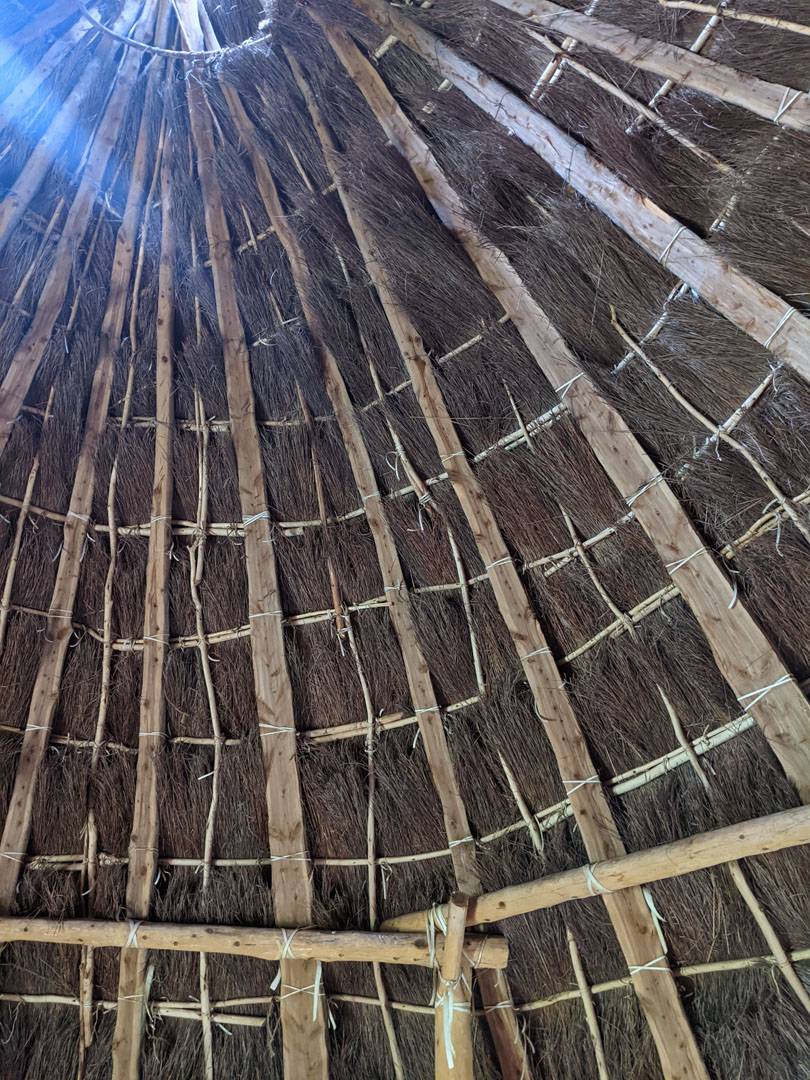
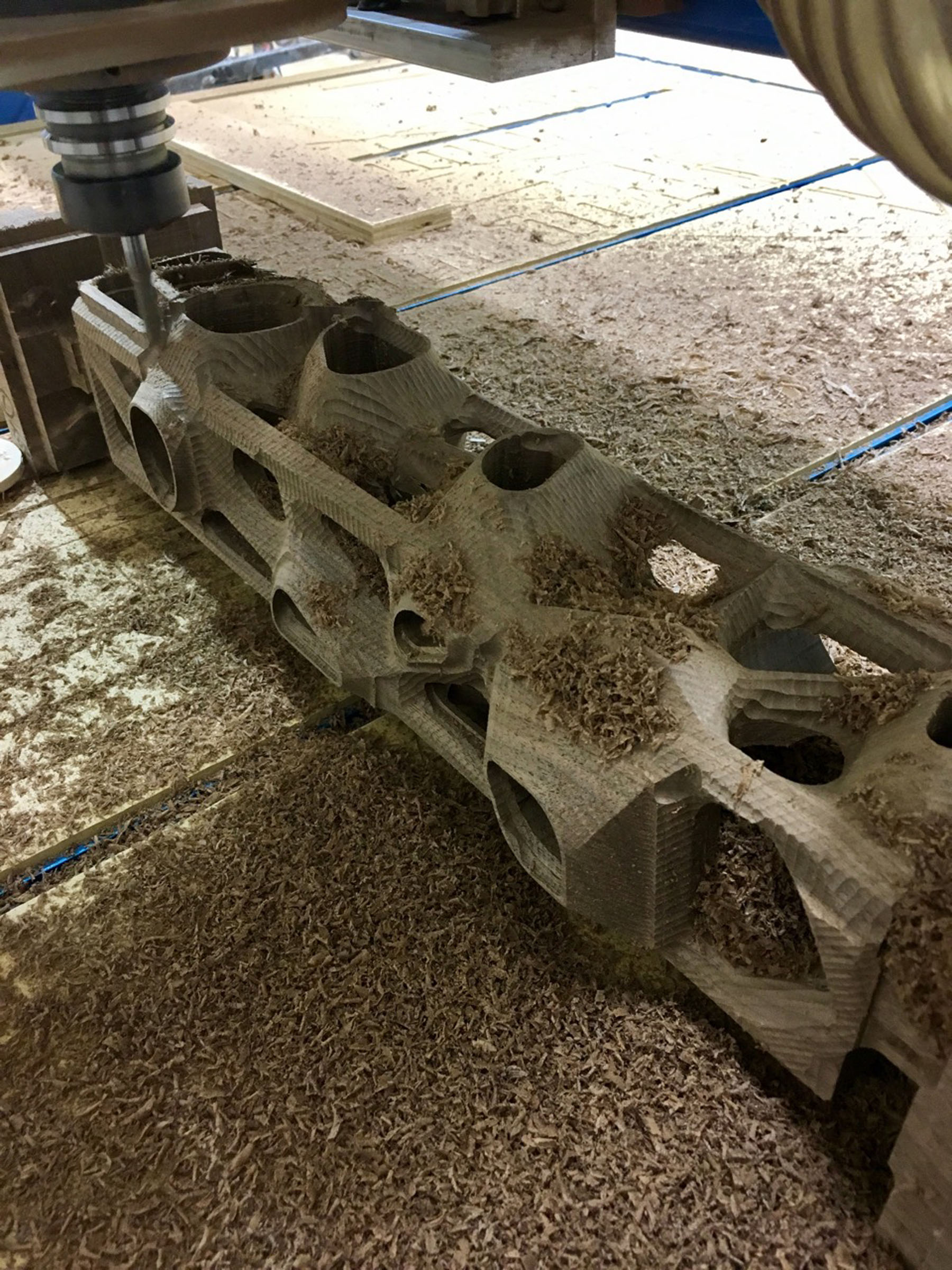
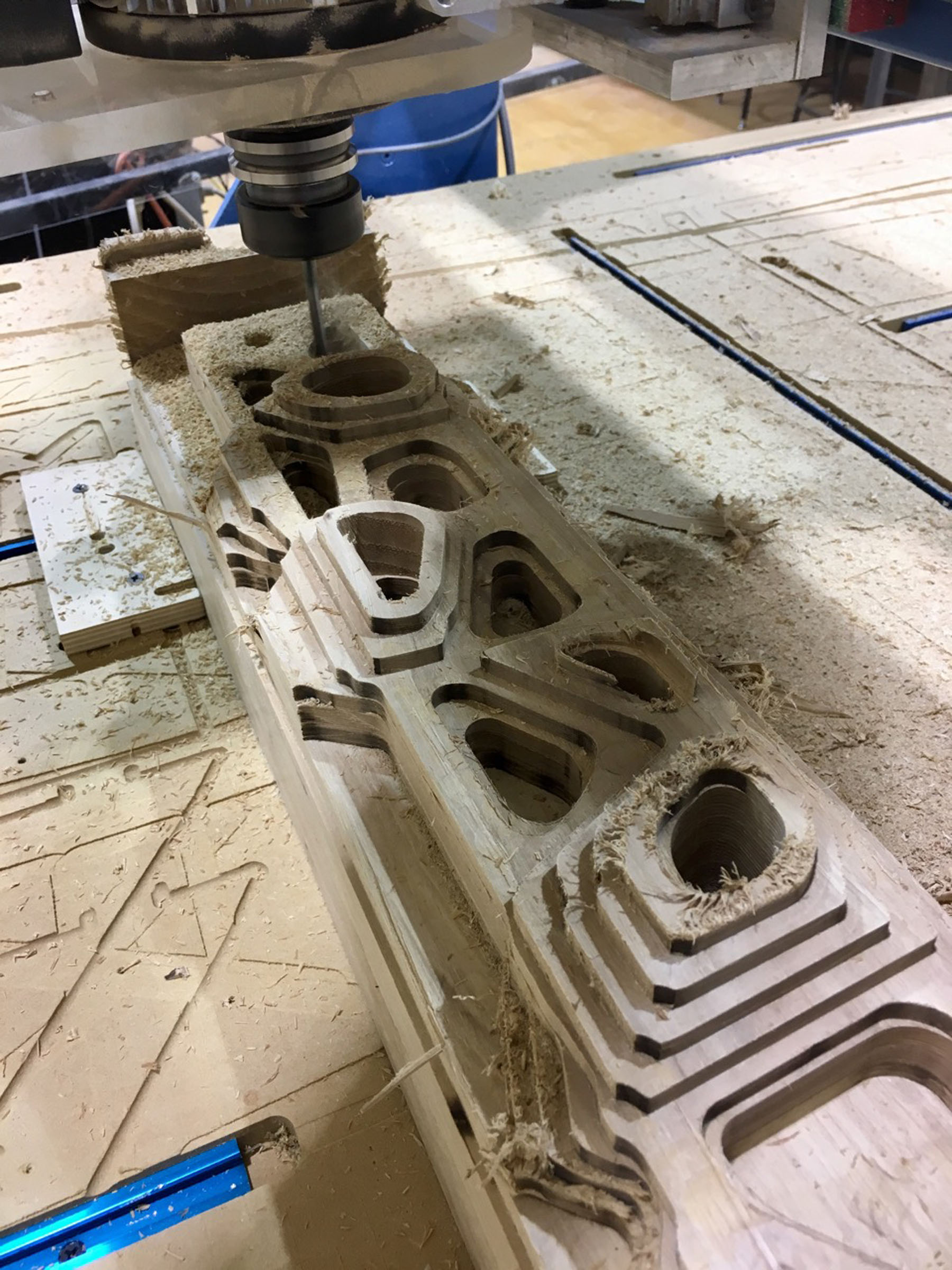
The Wichita grass house—a domed, ribbed structure formed from a sequence of vertical stakes, horizontal poles, and lattice weaving—served as both structural and cultural precedent. The project reinterpreted this assembly logic through a CNC-fabricated plywood system, translating the layered, interdependent construction of the traditional grass house into a digitally modeled and prefabricated framework. The result preserved the Wichita tradition’s systemic order and communal assembly process while extending it into a modern context through digital precision and modular adaptability.

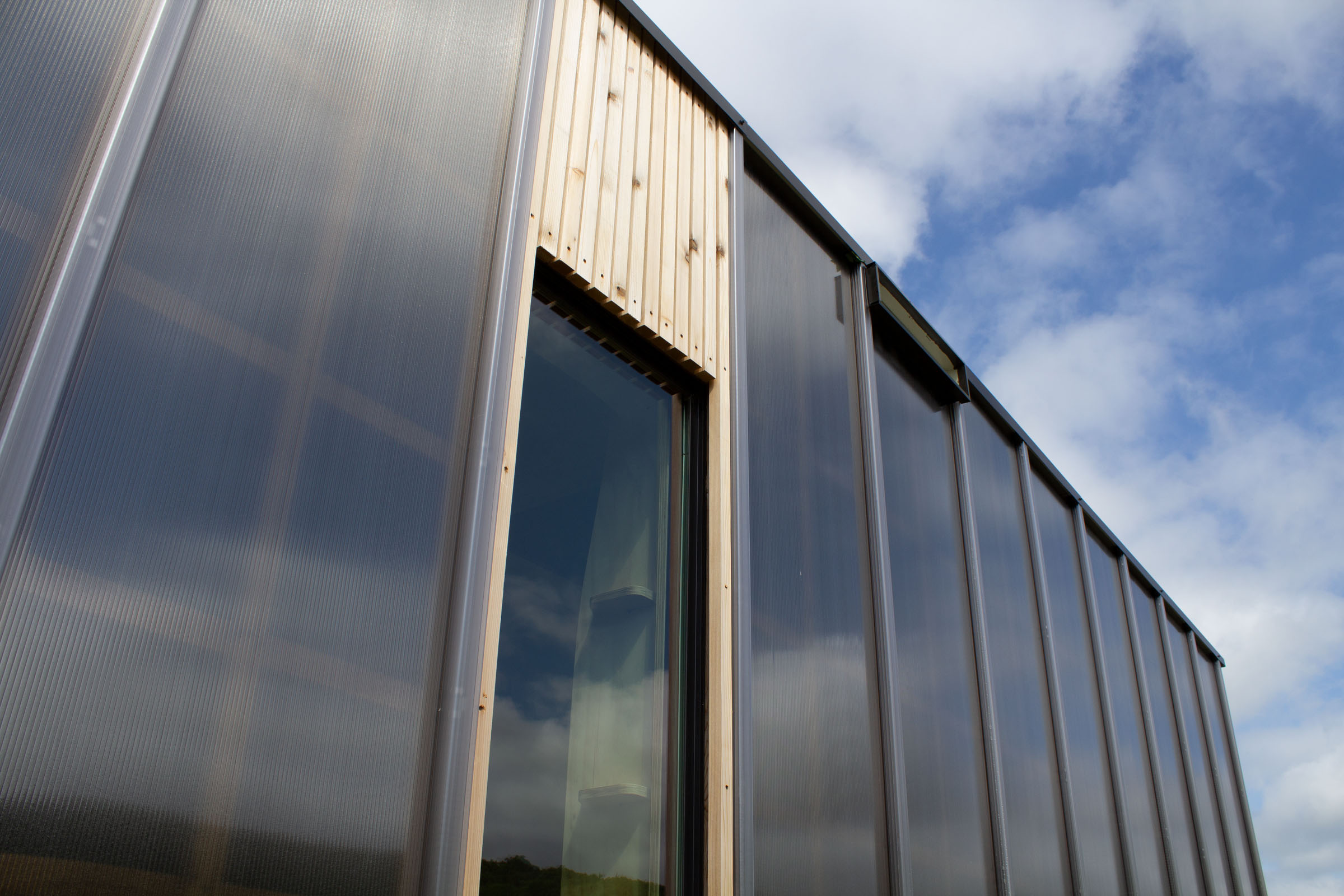
A primary design objective was to maintain the logical construction order inherent in the traditional Wichita building method. The project followed this sequence—erecting primary ribs first, then weaving the secondary elements to complete the enclosure. This rational progression was recast in a digital model where each structural layer stabilized the next, producing a holistic and fully encapsulating form. Openings were calibrated within this order, aligning with the rib pattern to modulate light and maintain continuity. The use of translucent cladding across select window areas diffused daylight and reinforced the rhythmic interplay of structure, surface, and illumination found in the original grass house.

  • PXL_20210630_145527425

  • PXL_20210630_145517767

  • PXL_20210630_145632185

  • PXL_20210630_145613491

  • PXL_20210630_145623169

Historic Wichita grass house interior, showing the ribbed assembly of cedar and willow that informed the clinic’s digital reinterpretation.

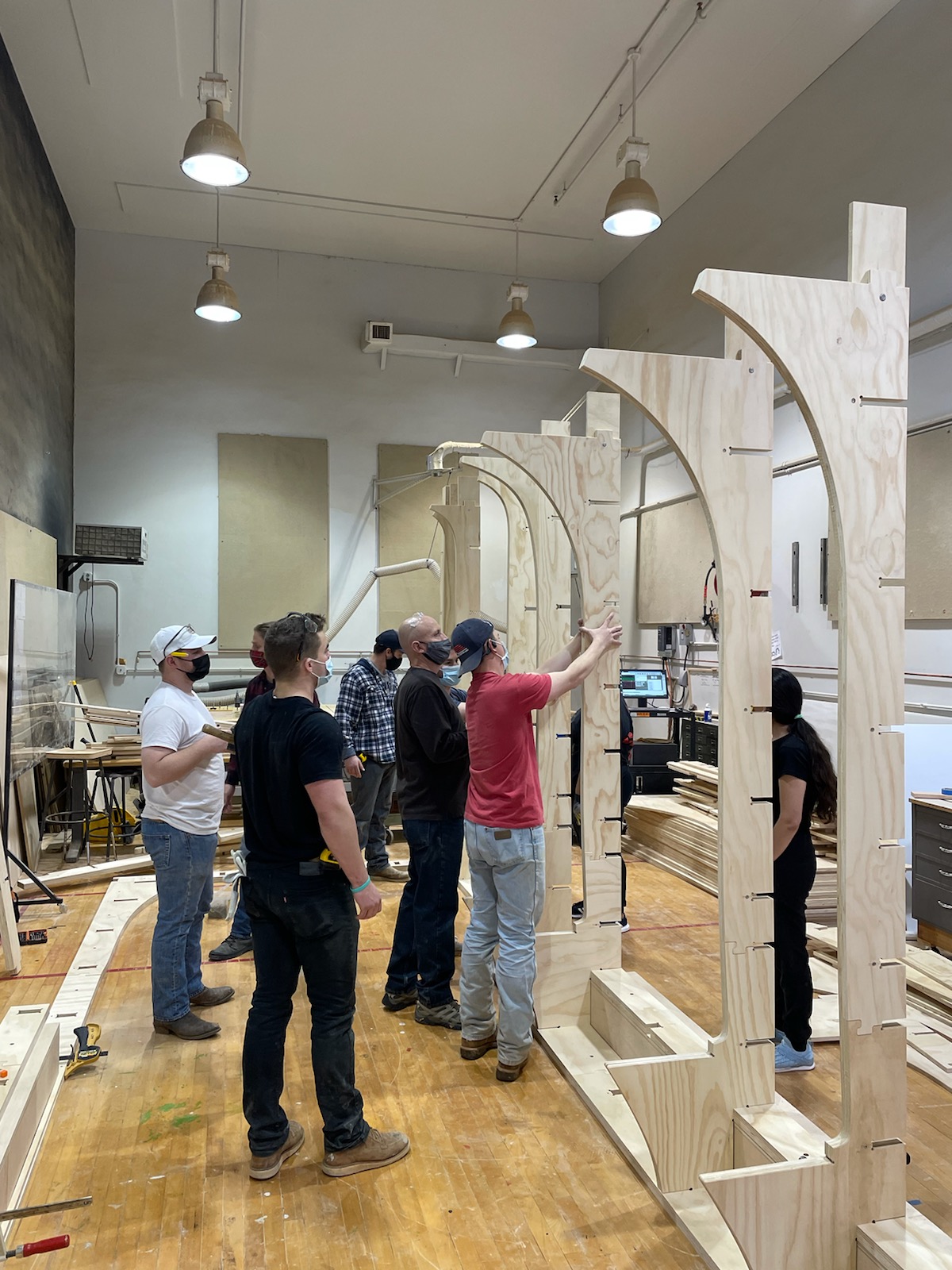
Hands-on fabrication, assembly-logic and test-fit, highlighting the friction-fit joinery that minimized fasteners while maximizing structural stability.
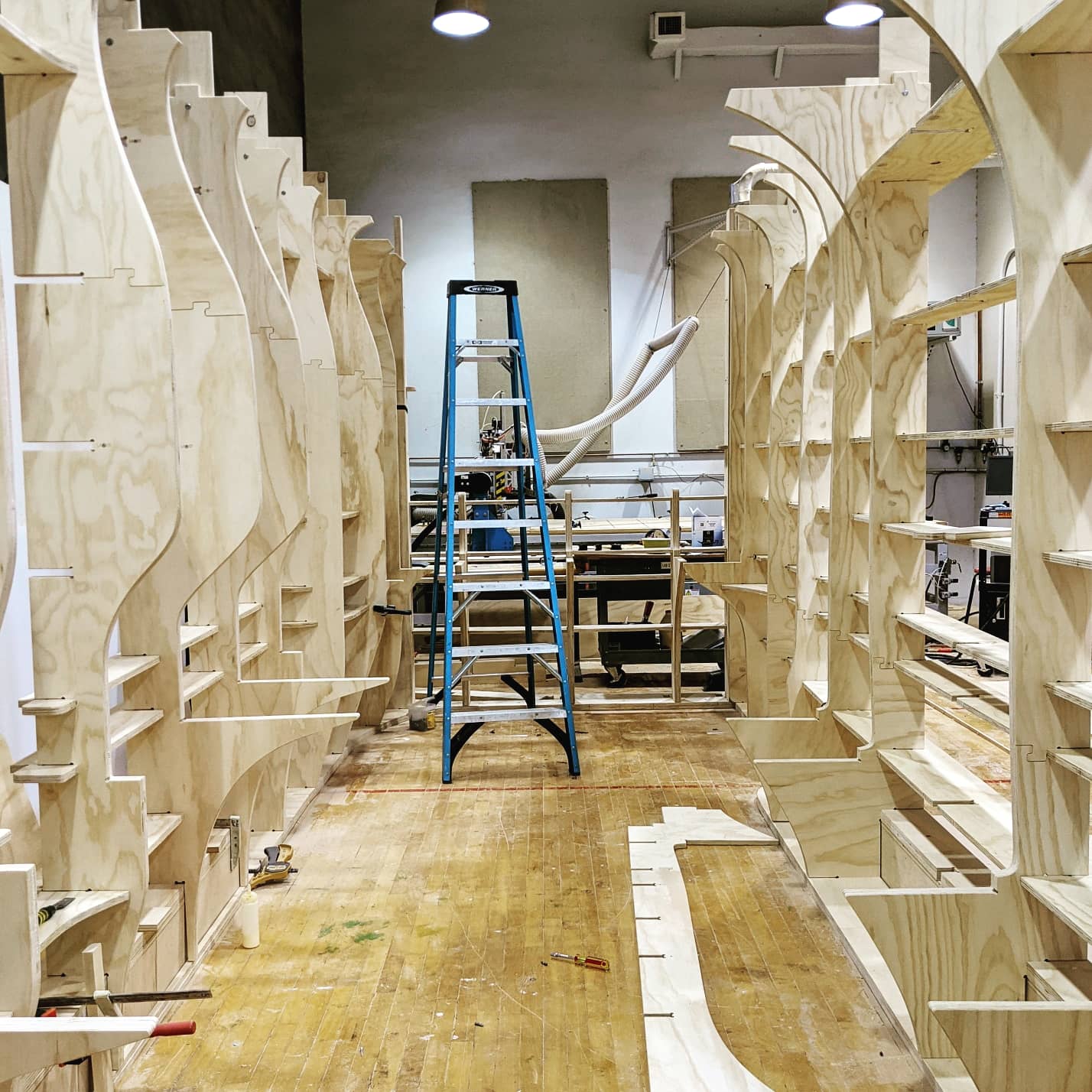
Digital Fabrication and Programming Workflow

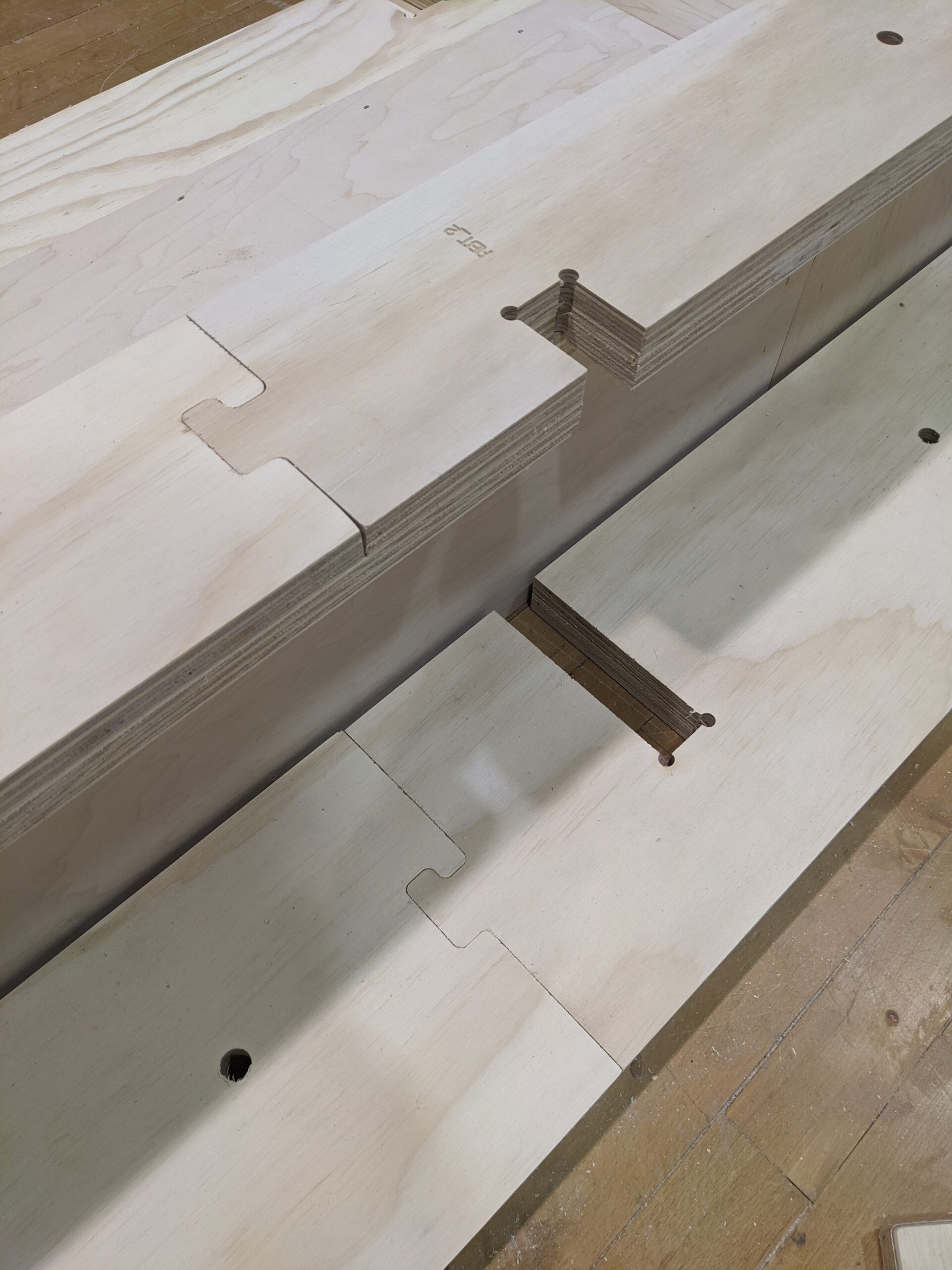
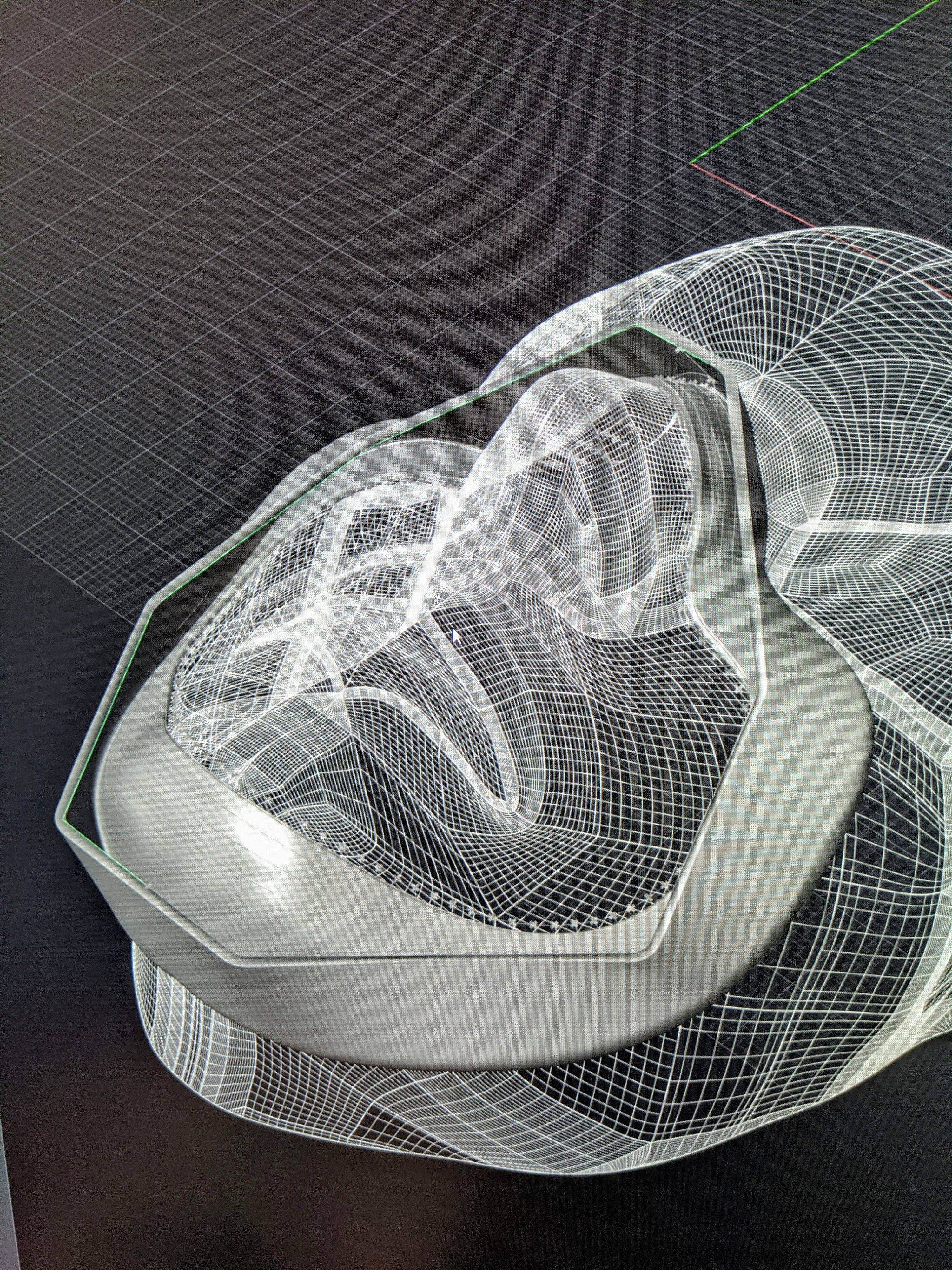
The design was developed through a computational workflow that integrated geometry, structure, and fabrication data within a single parametric model. Generative scripts defined the geometry’s responsive behavior, controlling rib spacing, curvature, and panel thickness to ensure precision during CNC milling. Each connection—every notch, tab, and offset—was embedded within the model to automate fabrication detailing and maintain consistency throughout production.

This process established a feedback loop between design and material performance, allowing rapid iteration and verification prior to fabrication. Once finalized, the panels were milled, labeled, and organized for delivery and on-site assembly. The outcome was a fabrication system where cultural sequence and computational logic operated in parallel—each reinforcing the other to produce an architecture that was both technically advanced and rooted in tradition.
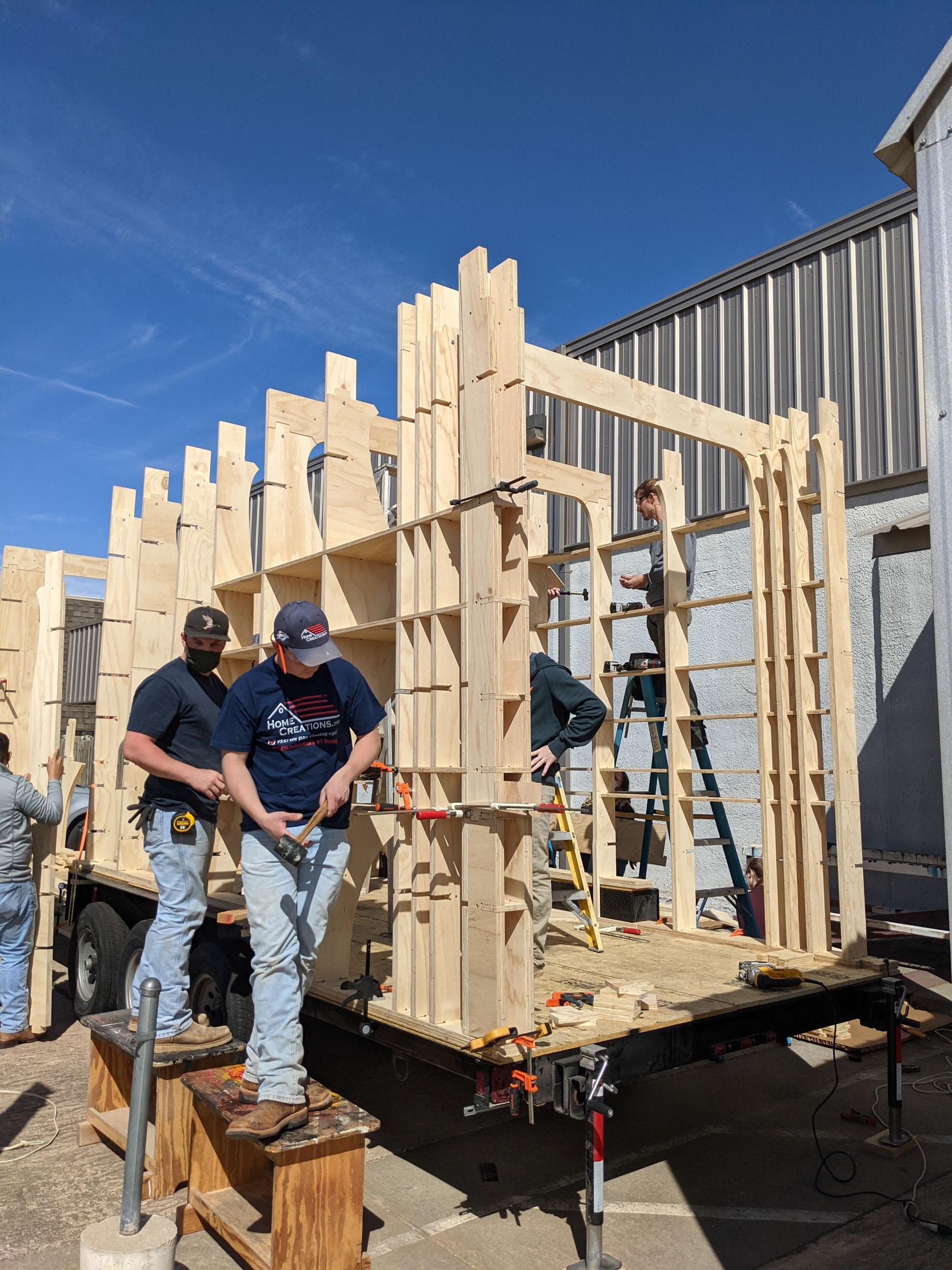
Students and faculty assembling CNC-cut ribs onto the mobile platform, confirming sequencing, tolerances, and joinery strategies in real time.


Assembly Logic

The Wichita Mobile Clinic was designed for rapid on-site assembly with minimal labor and tools. The prefabricated ribs and panels were delivered with detailed instructions, allowing Construction Science students to complete the structural assembly in a single workday. The efficiency of the system reflected the project’s broader research goals—demonstrating how digital precision can accelerate construction timelines while maintaining spatial and material integrity.

Every surface and element was part of an interlocking whole, eliminating the distinction between framing, enclosure, and furnishing. This continuous assembly logic echoed the Wichita grass house, where enclosure and structure were inseparable. The process proved that fabrication-led research can create systems that translate from digital production to field construction seamlessly, providing a model for deployable, community-centered architecture.
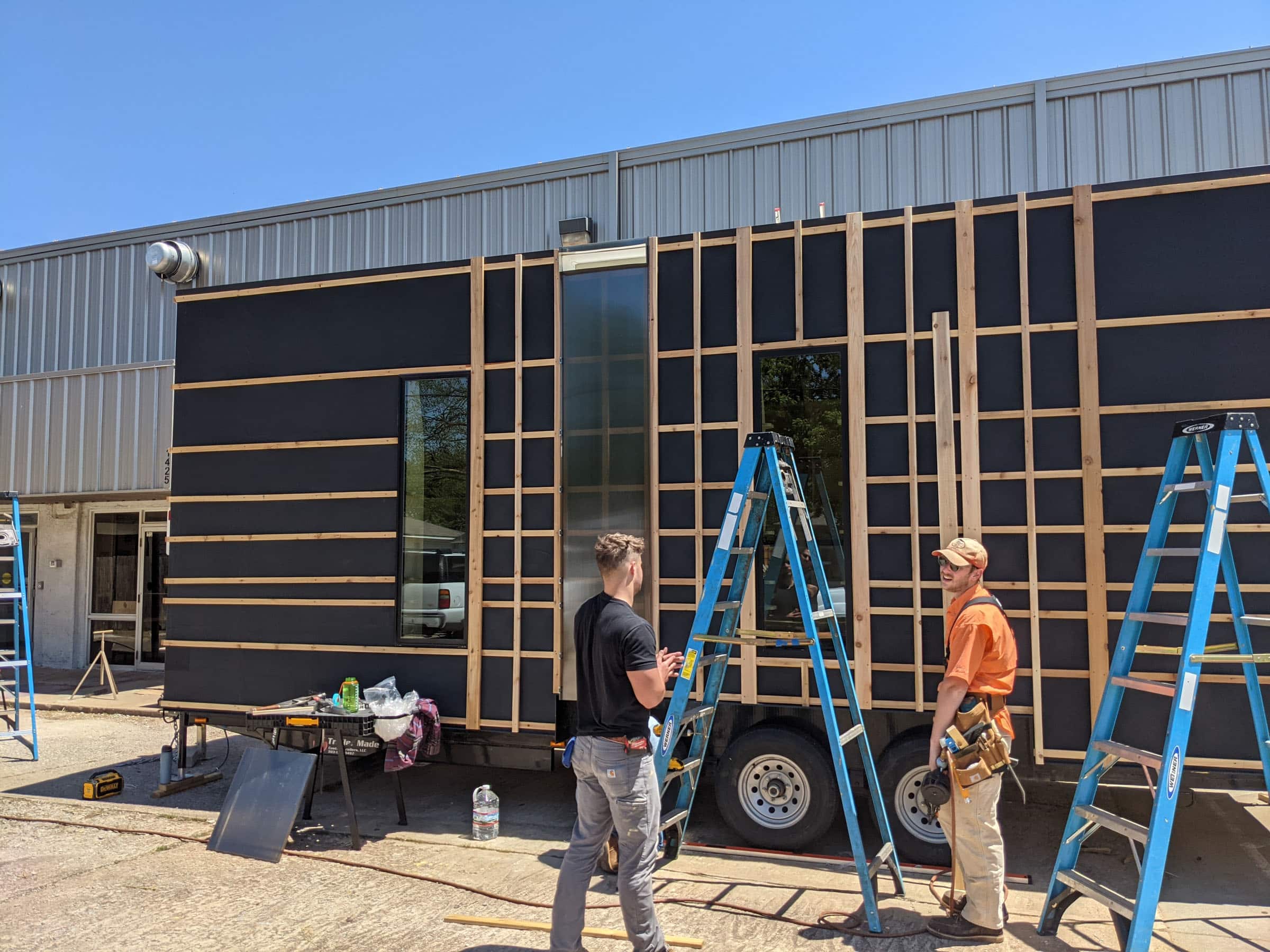
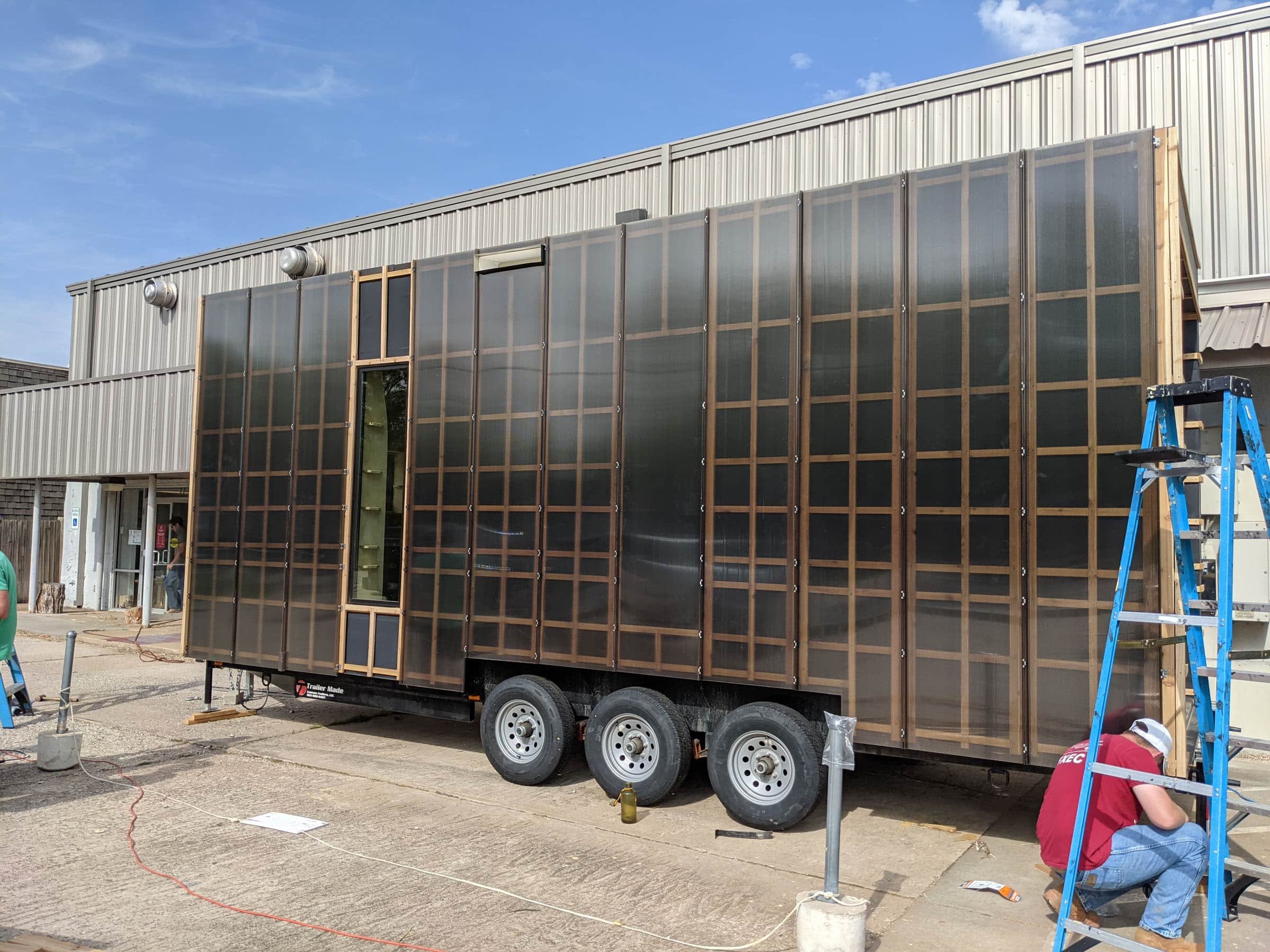
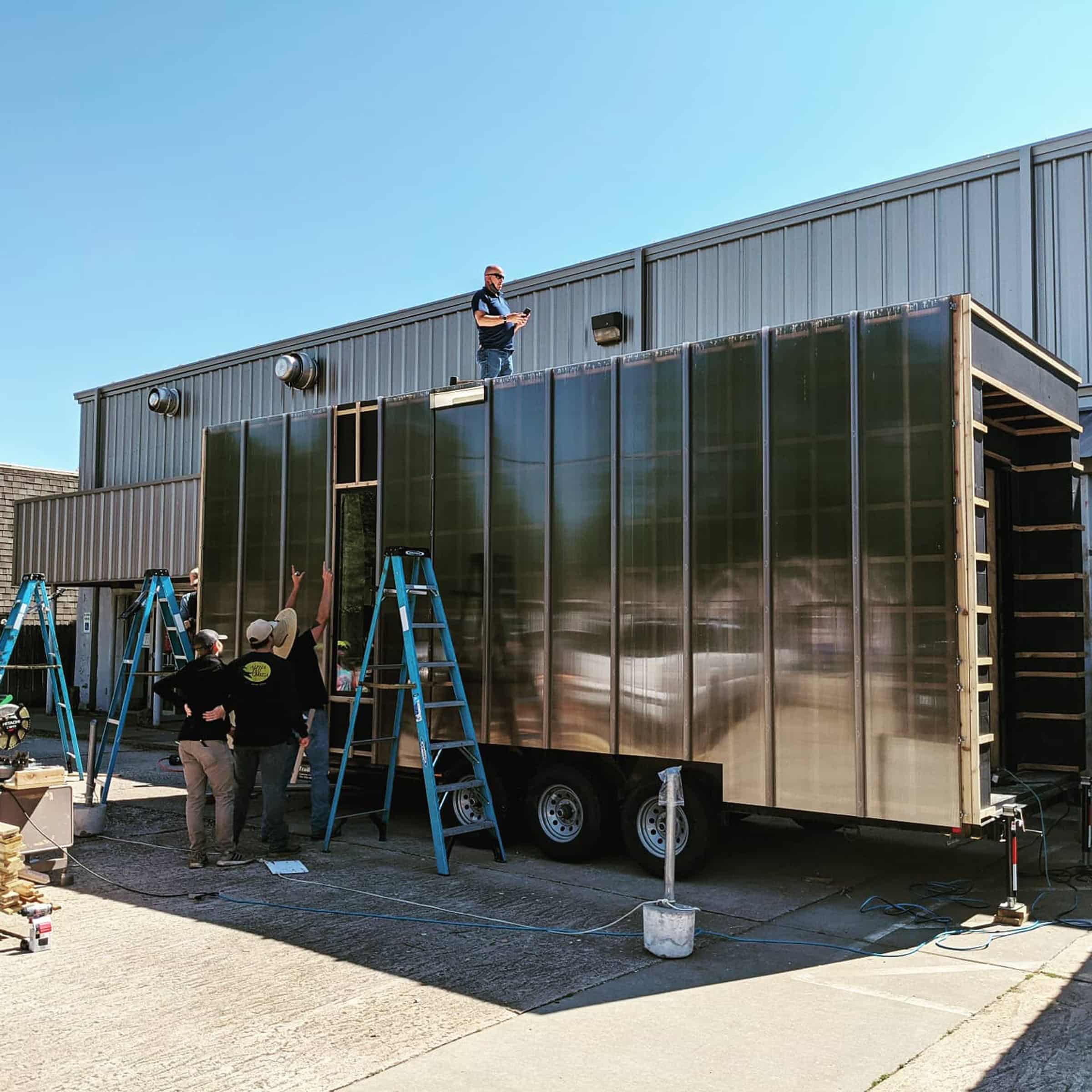
Wichita Mobile Clinic during final stages of cladding, demonstrating how digital fabrication workflows translated into field-ready construction.
Concepts + Prototyping


  • PXL_20201230_191653790

  • PXL_20201230_191526268

  • PXL_20201230_185653738

  • PXL_20210106_195401951

  • PXL_20210102_035032070

  • PXL_20210102_034753226

  • IMG_20210130_103431_01

  • IMG_20210130_104534_01

  • PXL_20210115_195851836

  • PXL_20210126_173845135

  • PXL_20210126_173630933

  • PXL_20210115_194430327

Mockup + Testing


  • IMG_20210301_202527

  • IMG_20210313_091229_911

  • IMG_20210313_091229_889

  • IMG_20210313_091229_859

  • IMG_20210313_091229_743

  • PXL_20210225_172519031

Material Expression

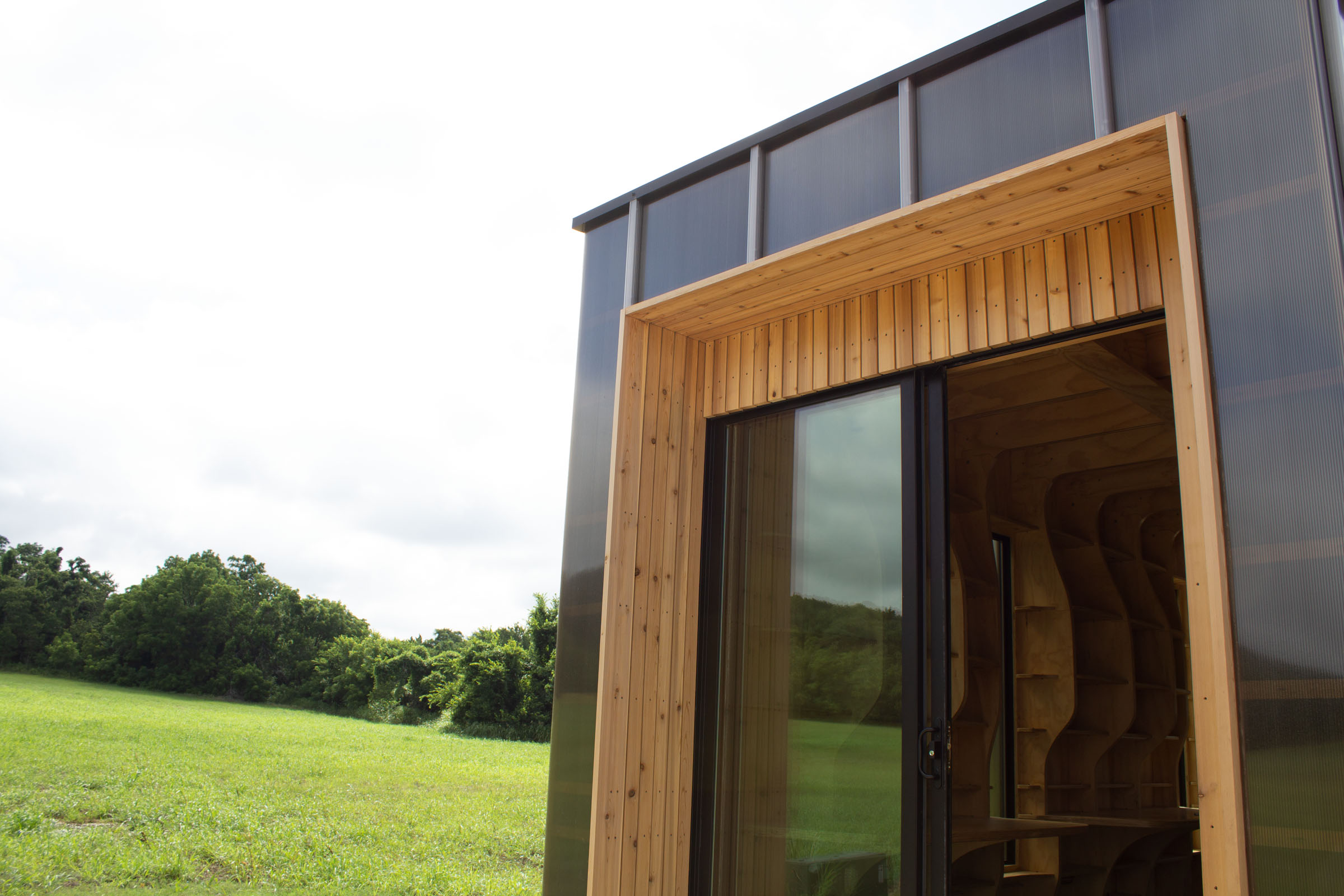
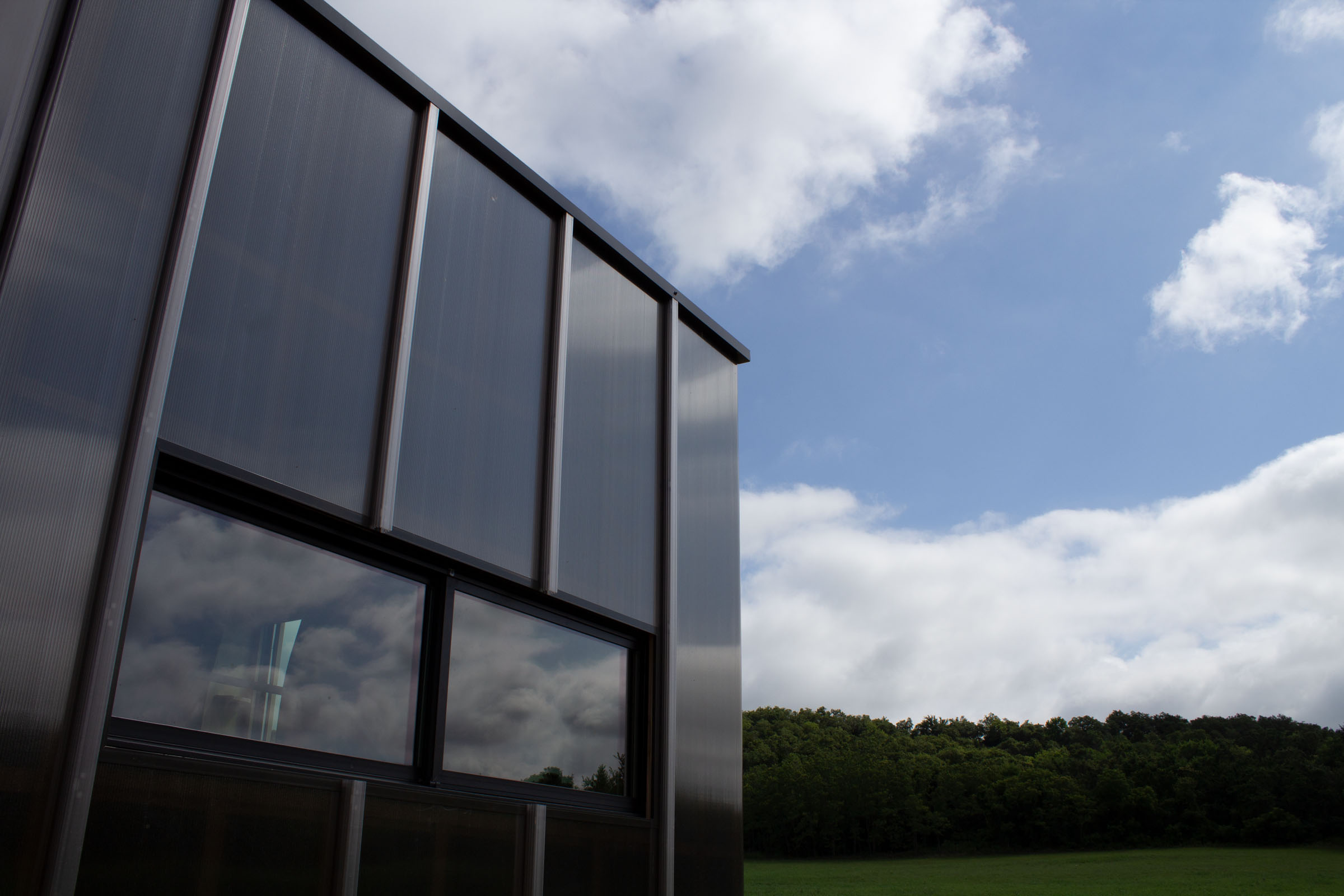
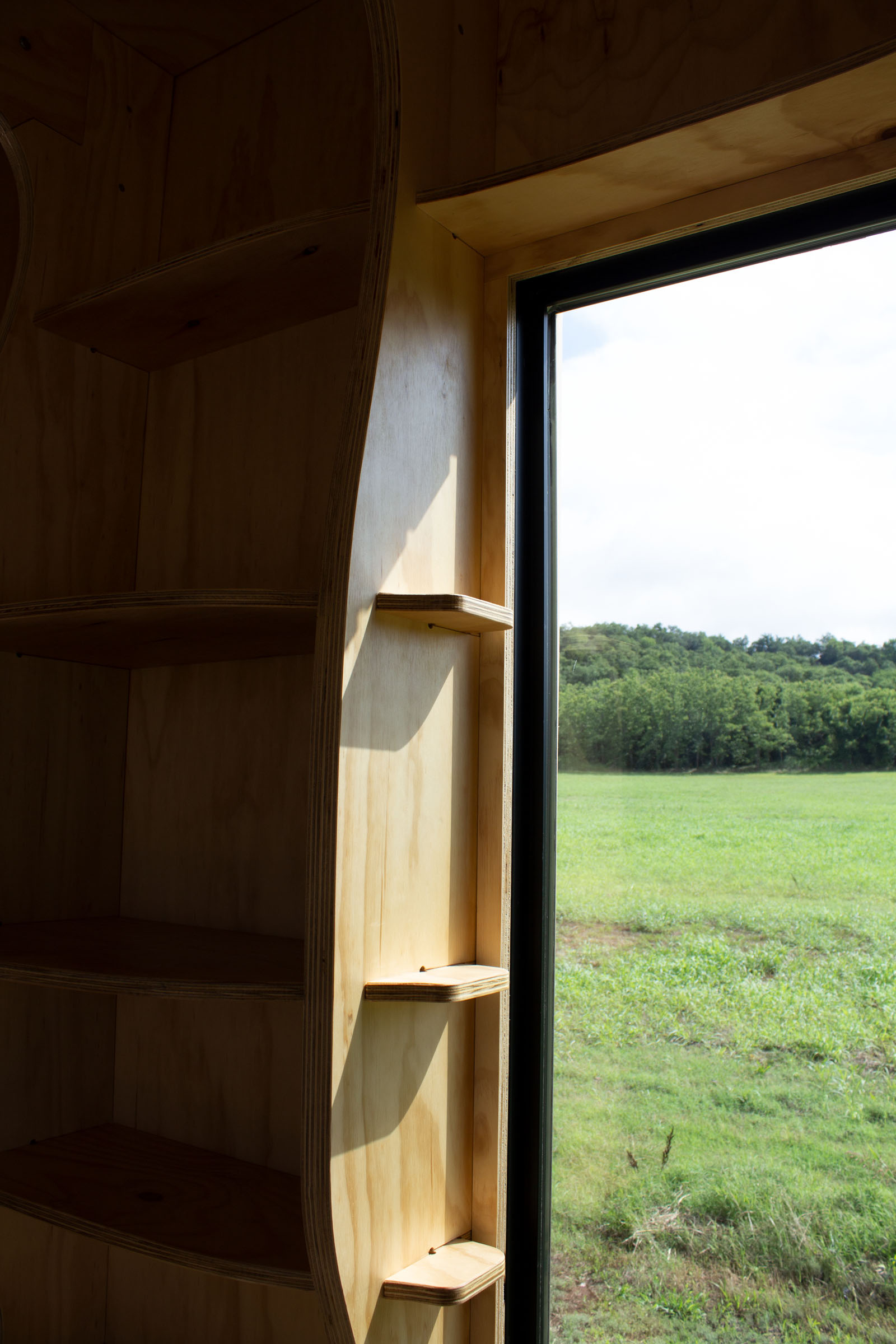
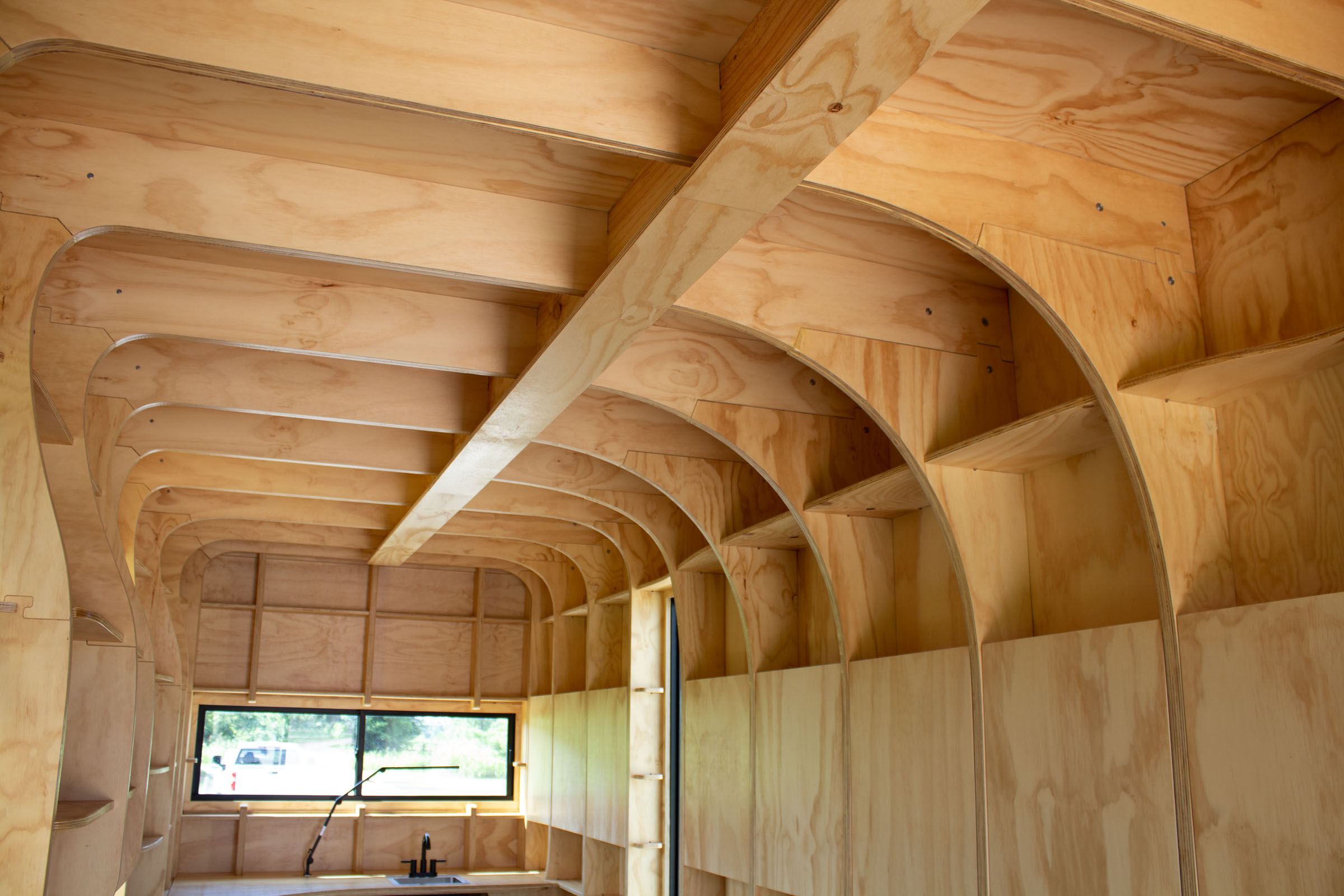
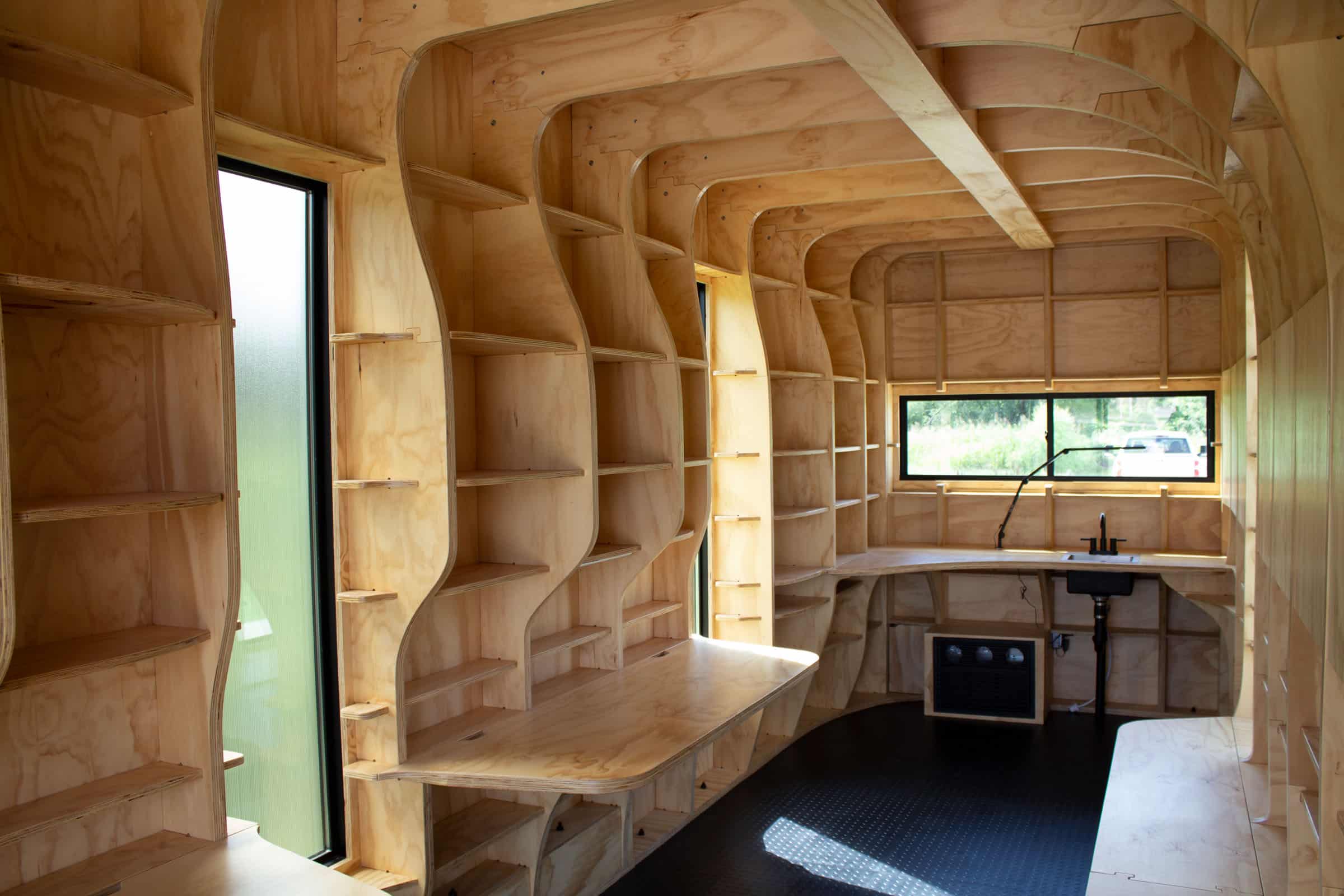
All components were CNC-milled from standard plywood sheets using nested cutting strategies that maximized structural precision and continuity. The exposed plywood grain revealed the logics of fabrication and assembly, while the natural tone and finish created a sense of warmth and legibility throughout the interior. The exterior was clad in translucent polycarbonate panels that provided weather protection and diffused illumination. In specific areas, the cladding extended across windows, creating a screened texture that filtered daylight and preserved the integrity of the structural rhythm.

The cladding system functioned as both surface and environmental register. As light moved across the shell, the structure’s geometry became visible in shadow, transforming the building into a dynamic expression of its own construction. The interplay between structure, light, and surface established an architecture that was simultaneously precise and atmospheric—expressive of both fabrication and environmental performance.
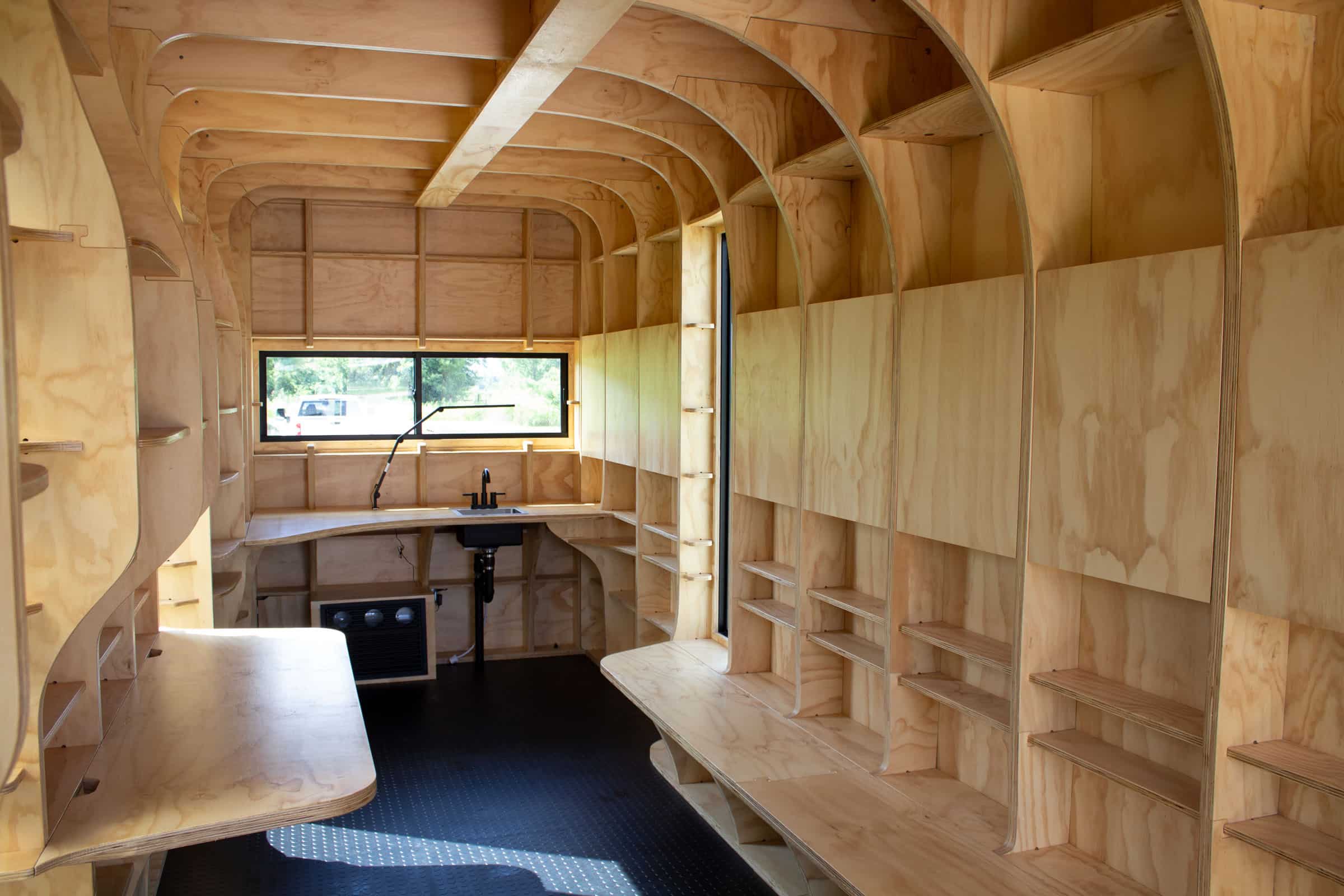
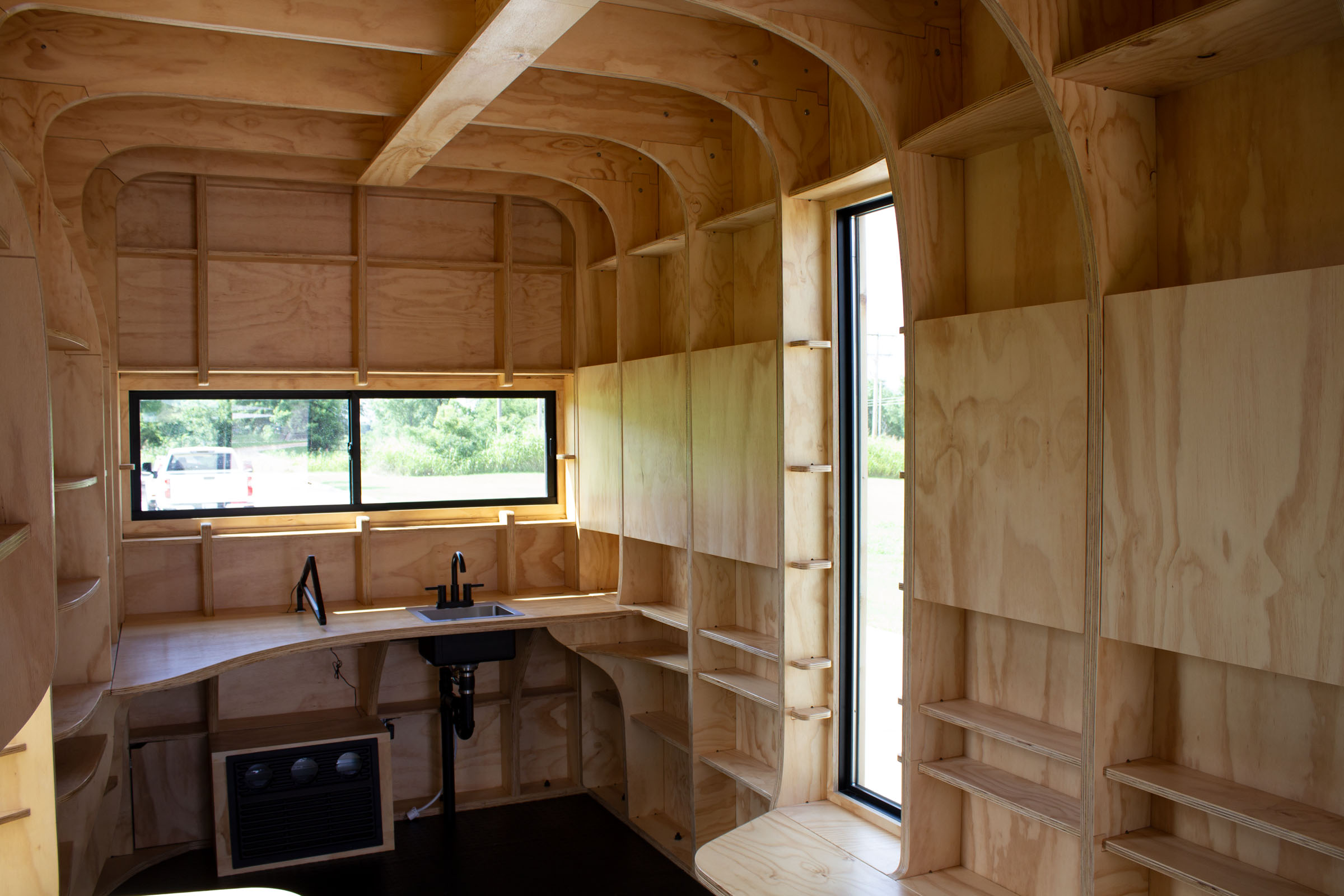
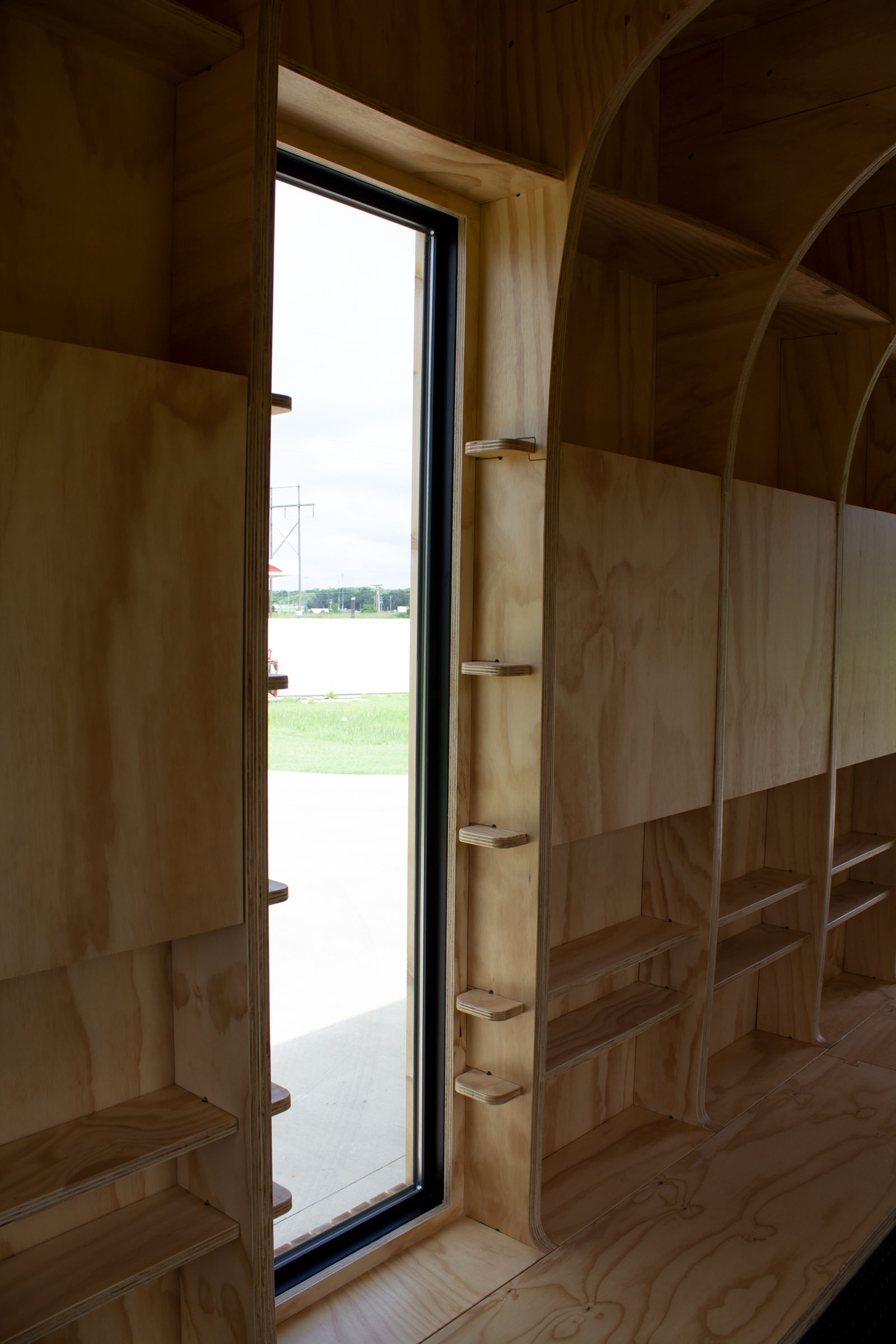
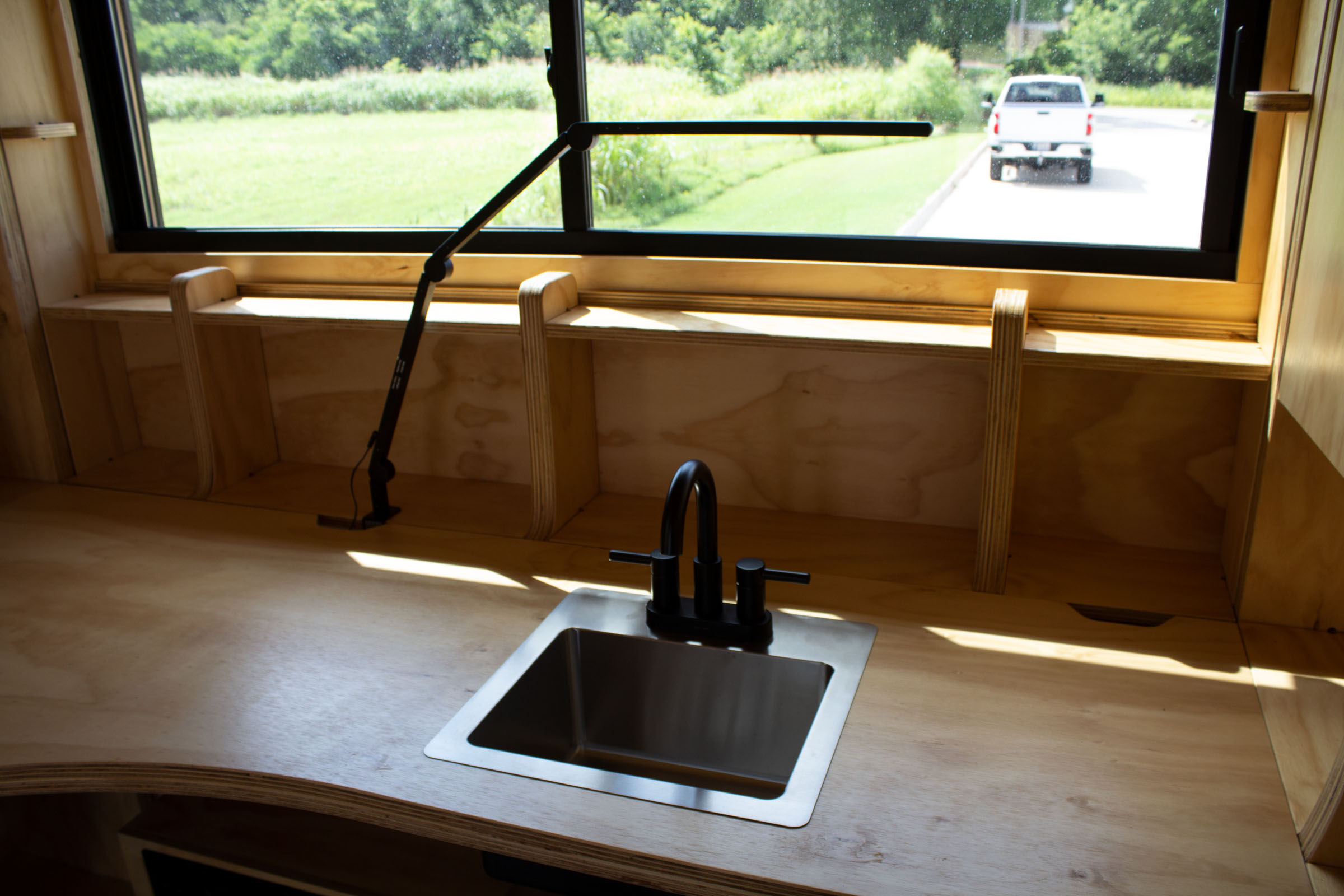
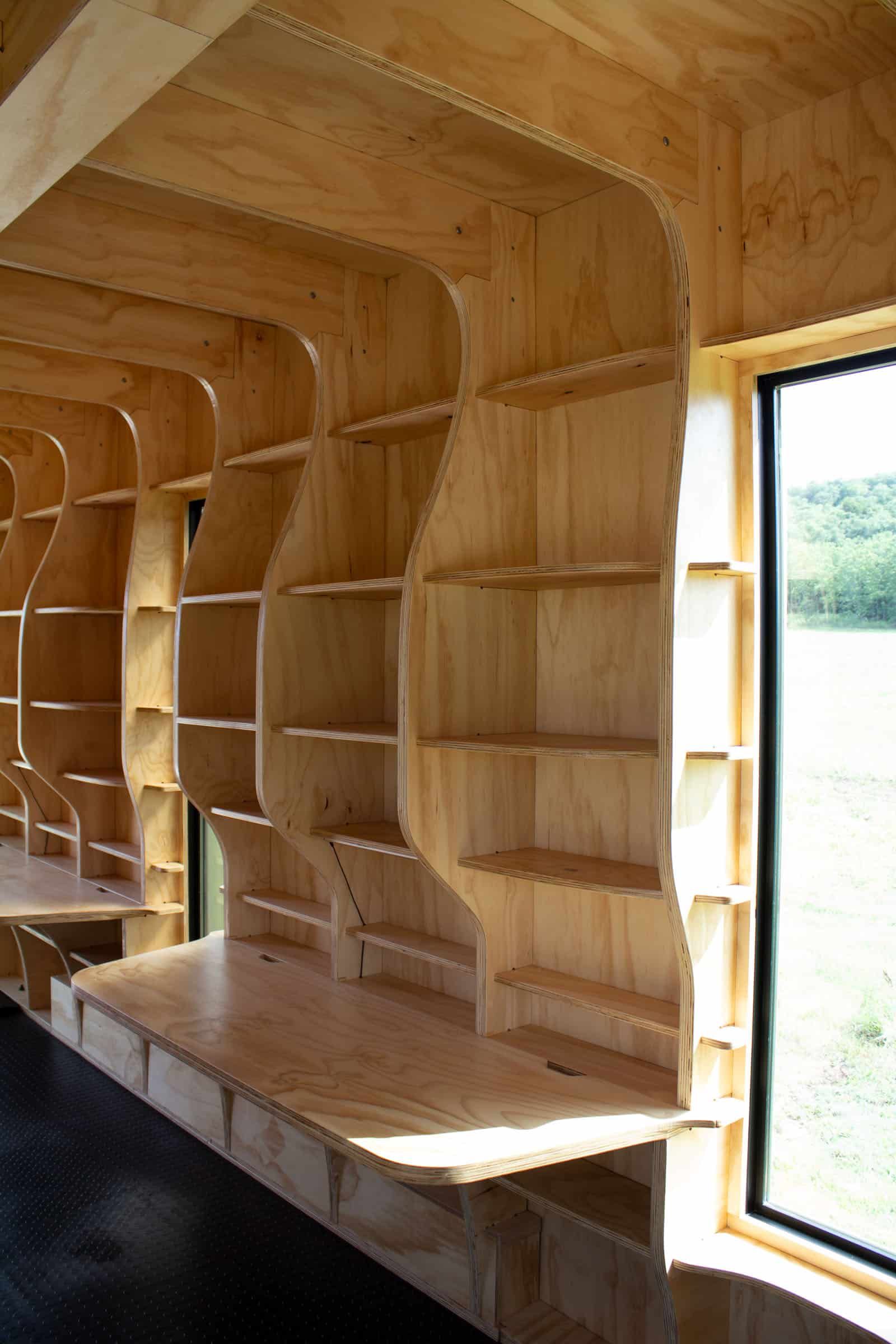
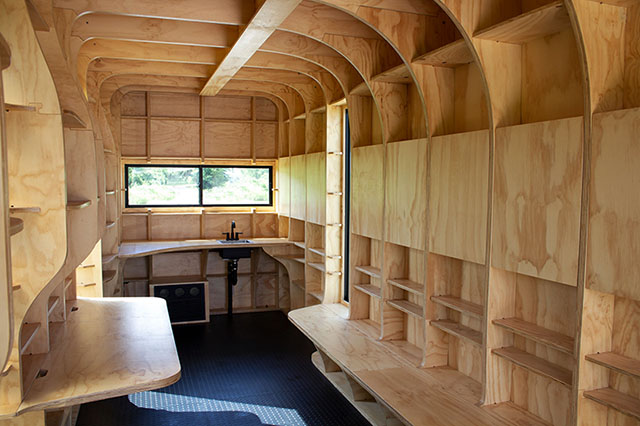
Finished workspace inside the mobile clinic, where integrated plywood cabinetry and a compact plan support healthcare use in rural communities.

Interior Architecture and Integrated Systems

The interior was conceived as a direct extension of the structural system, where geometry, material, and space were unified. The ribbed plywood frame defined both the enclosure and the spatial rhythm of the interior, generating a seamless relationship between structure and inhabitation. The curvature of the panels created a sense of enclosure while directing movement through the space, achieving both intimacy and openness within a compact footprint.

Light became the primary agent of spatial definition. Diffuse illumination, filtered through the translucent shell and screened windows, revealed the geometry and emphasized the continuous rib pattern. Functional elements such as shelving and work surfaces were integrated into the structural system, reinforcing the project’s core principle that space, structure, and detail should operate as one.

Educational Collaboration and Pedagogical Outcomes

The Wichita Mobile Clinic introduced a hybrid model of research-based design-build pedagogy that merged fabrication-led inquiry with construction science education. All aspects of design, digital modeling, detailing, and fabrication were conducted as part of applied research in computational design and modular systems. The on-site construction phase, executed by Construction Science students, provided experiential learning through field assembly, sequencing, and coordination.

This model established a replicable framework for collaboration between research and teaching, demonstrating that advanced fabrication processes can align with construction education to produce socially relevant architecture. The project functioned as both a community prototype and a pedagogical experiment, illustrating how faculty-led research can extend beyond theory to produce tangible, interdisciplinary outcomes.

Cultural and Community Impact

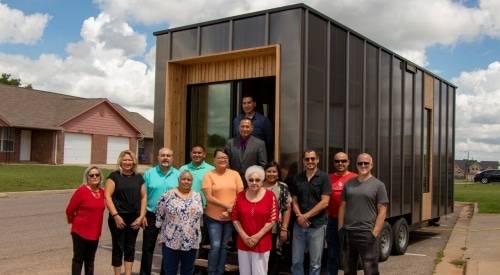
Developed in partnership with Wichita tribal leadership, the mobile clinic translated cultural knowledge into a contemporary healthcare environment. The project’s form and assembly logic drew from traditional Wichita building methods, ensuring that cultural continuity informed every stage of design and fabrication. Its deployment provided a flexible, dignified setting for vaccination and medical outreach during the pandemic, serving communities that often lack access to healthcare infrastructure.

As a collaborative effort, the project modeled how university research can engage directly with cultural and civic needs. It exemplified the role of architecture as both design innovation and public service, expanding the reach of academic research into the realm of social impact and community resilience.

ABOVE: Replica of Donald MacDonald’s City Sleeper, a CNC-cut, kit-of-parts that could be fabricated, transported, and rapidly assembled for the exhibit.

Reflection and Legacy

The Wichita Mobile Clinic marked an important moment in ongoing research into digital fabrication, modular systems, and design-build pedagogy. It demonstrated how fabrication-led inquiry can produce meaningful outcomes that are at once technical, cultural, and educational. By merging computational precision with traditional building logics, the project redefined how architecture can serve as a tool for translation between past and present, research and practice.

As a prototype, the project laid the foundation for subsequent design-build initiatives within the Gibbs College of Architecture, including the Crutcho Elementary Greenhouse Classroom and the Urban Learning Greenhouse. It continues to inform research into computational fabrication and hybrid pedagogy, affirming that architecture’s most significant role lies in connecting technology, education, and community within a single, integrated process.


  • IMG_0120

  • IMG_0139

  • IMG_0171

  • IMG_0166

  • IMG_0163

  • IMG_0157

  • IMG_0153

  • IMG_0142

  • IMG_0146

  • IMG_0147

  • IMG_0158


More Work


Architecture

Art + Code

Design + Fabrication

Courses + Student Work

© Ken Marold USA, Inc. All rights reserved.
Continue reading

COVID-19 Rapid Response Research & Deployment

featured

Renegades

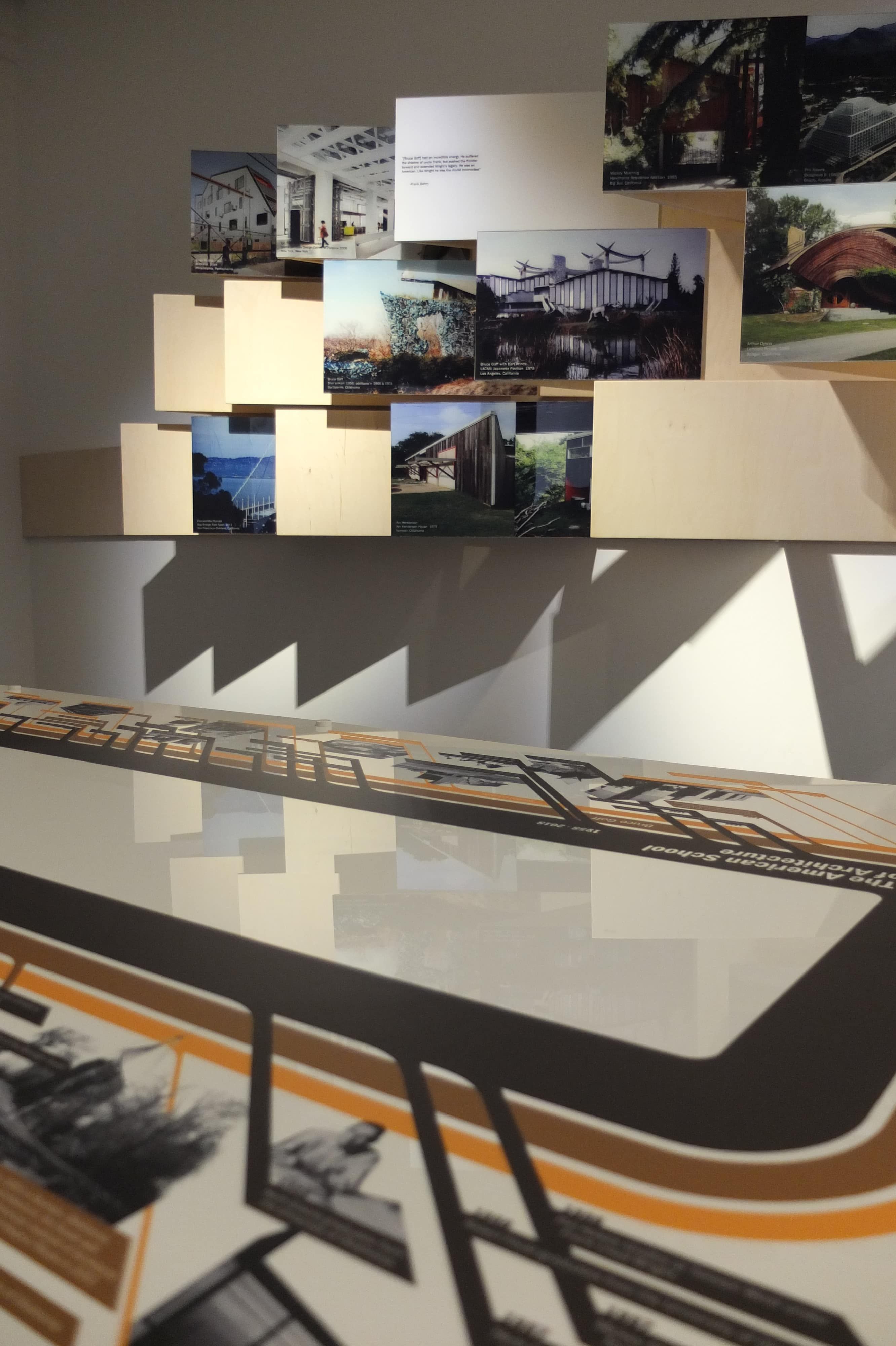
Bruce Goff and the American School of Architecture

grasshopper, rhino, cnc, pla, corrugated cardboard

status : complete

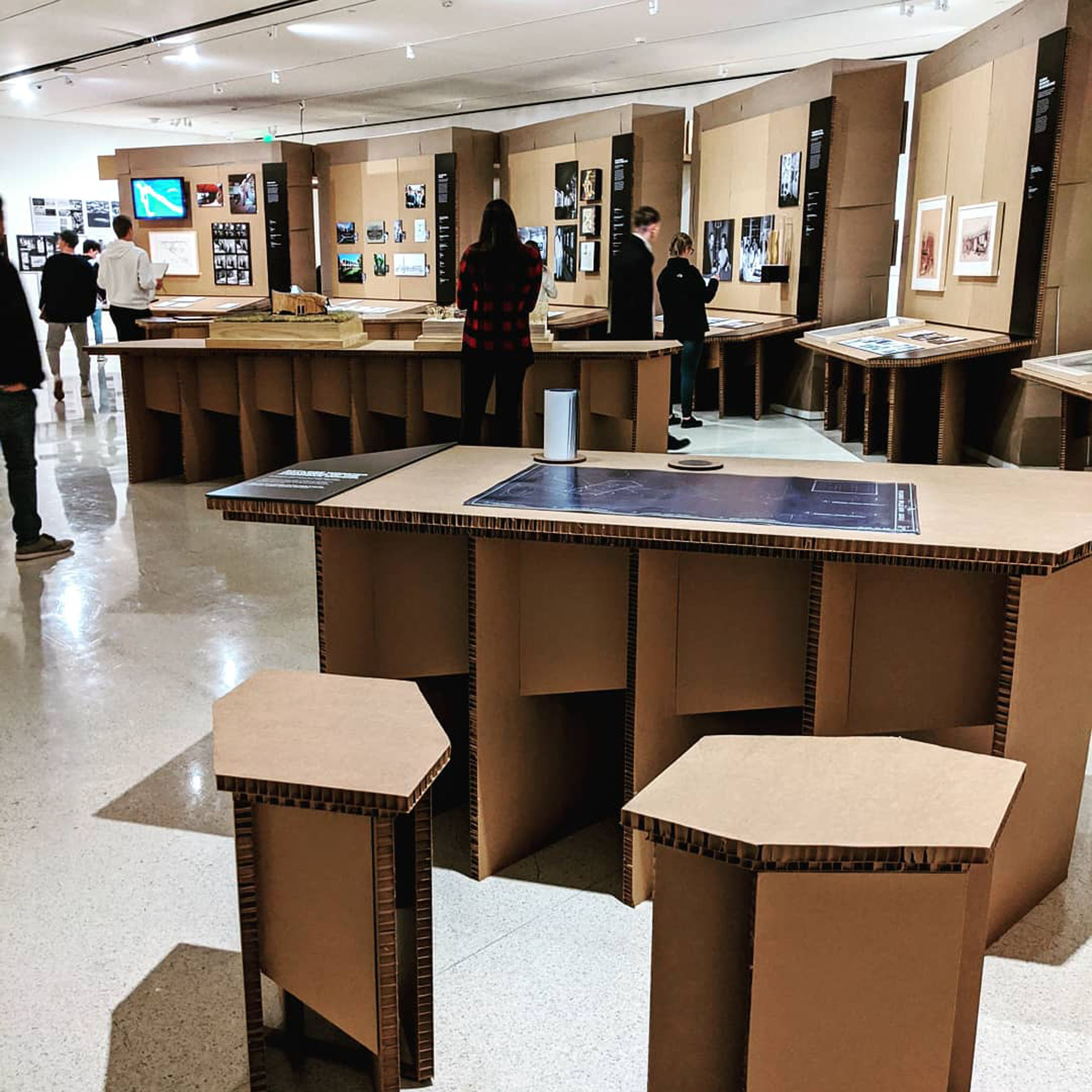
Joined exhibition team as principle fabricator for all furniture and signage components in the exhibit. Components developed include:

  • nine 8′ tall typographic elements,
  • nine 9′ long freestanding workstations,
  • one 32′ long bench,
  • three architectural drawing display tables ranging in length from 7-12′
  • one virtual reality workstation
  • four stools

Initiated fabrication, construction, joinery, and material research used for developing a novel assembly system and production workflow for creating of a collection of furniture pieces and large-scale objects using honeycomb cardboard and wood.

Subsequent R+D resulted in a provisional patent :


Marold, K., Honeycomb Cardboard Edge Insert Component that Creates a Reinforced, Rigid Edge and Continuous Connection Surface Allowing for Crush-Resistant Edges and Continous, High Surface Area, Edge-to-Face and Edge-to-Edge Fastening of Multiple Honeycomb Parts, ID Number: 62/954,239, Patent Type: Provisional, Application: December 19, 2019, Approved: December 27, 2019.

Also developed and instructed a supporting student fabrication seminar titled ” Topological Ecotones”

The work produced in this seminar were also included in the Fred Jones exhibit.

Ecotones are transitional regions that bridge two distinct biological communities, for example, the zone between a forest and grassland. As such an ecotone contains overlapping characteristics of two biomes, and often contain a mixture of plant and animal species from each adjacent ecosystem. Ecotones are patchworks, edge conditions and are typically more dynamic biologically and topographically than their adjacent communities. In your design investigations you will identify and develop digital processes that explore distinct topographical conditions that amplify and articulate these edge conditions. These unique ecotones can push against the boundaries of earthly terrains and explore hypothetical, other-worldly terrains. In so much of the work done by American School architects, there is also a presence of distinct material ecosystems that converge in dynamic and energetic ways, creating architectural ecotones in their own right. In keeping with this spirit, our work will explore particular topics of tectonic intersection, connections with nature and topographical extremes.

TOUR THE EXHIBIT

  • IMG_20200125_164436_024
  • featured
  • IMG_20200125_164436_040
  • IMG_20200125_164436_024
  • IMG_20200124_164658
  • IMG_20200124_163115
  • IMG_20200120_155815
  • IMG_20200120_155752
  • IMG_20200120_155719
  • IMG_20200119_135711
  • IMG_20200119_135659
  • IMG_20200101_181909
  • IMG_20191220_150331
  • IMG_20191220_150321
  • IMG_20191222_124451
  • IMG_20191219_193104(1)
  • IMG_20191219_131106
  • IMG_20191219_111957
  • IMG_20191219_110223
  • IMG_20191219_110306

Process


  • IMG_20191219_111804

  • IMG_20191220_150400

  • IMG_20200101_145950(1)

  • IMG_20200101_154910

  • IMG_20200101_154927

  • IMG_20200102_165253

  • IMG_20200110_103748

  • IMG_20200110_124823

More Work

Architecture


  • Wichita Mobile Clinic

    anadarko, oklahoma

  • SA Architects

    cranston, rhode island

  • OKC Greenhouse

    oklahoma city, oklahoma

  • Pawtucket Day Nursery

    pawtucket, rhode island

  • Meeting Street Center for Excellence

    providence, rhode island

  • Norterly Island Nature Center

    Chicago, Illinois

  • National Institute of Flamenco

    old town plaza, santa fe, new mexico

  • Corrales Comunity Pathway + Pedestrian Park

    corrales, new mexico

  • CRCUIT

    albuquerque, new mexico

  • The Construction of Art

    providence, rhode island

  • Santa Fe Univeristy School of Fine Arts

    Santa Fe, New Mexico

Design + Fabrication


  • Flatpack Foldable Structural Connections

    rhino, grasshopper, mild steel

  • Renegades

    Fred Jones Jr Museum of Art

  • Surface Flux

    python, c#, grasshopper, pla, wood, steel

  • Carbon Fiber Connections

    grasshopper, rhino, pla, carbon fiber

  • Acoustic Diffusion Panel

    grasshopper, rhino, cnc, rigid insulation

  • Hyperbolic Bending

    grasshopper, rhino, laser cut acrylic, bristol board

  • Filtration : Infiltration

    python, grasshopper, rhino, 3d printing

  • Recursive Paneling

    laser cut mylar

  • Sweet Crude

    python, c#, grasshopper, wood, plasti-dip, carbon, gelatin

  • Ruling Lines

    laser cut cell cast acrylic, stainless steel braided wire

  • Volumetric Aggregations

    processing, grasshopper, rhino, cast acrylic, black walnut, hickory

  • Cellulose Bookcase

    pine, black walnut, compressed wood fiber board, stain

  • Asher Chair

    rhino, pla, birch plywood

  • Andraditic Mass

    arduino, firefly, rhino, 3d printed pla, baltic birch plywood

  • Cholla

    grasshopper, rhino, black walnut

  • Folding Attractors

    grasshopper. rhino, white museum board

  • Grain Chair

    rhino, cnc milled birch plywood

  • Tracking Parallelograms

    grasshopper, rhino, hickory

  • Infiltration Table

    processing, spalted birch plywood, poplar, enamel, lacquer

Art + Code


  • Prairie Fire

    acrylic, ink, plywood

  • Surface Flux

    python, c#, grasshopper, pla, wood, steel

  • Dixieland Death Cult

    acrylic, plywood

  • Approximation of a Generation

    private tremendous

  • Elemental Worlds

    science museum oklahoma

  • Gonzo Cubes

    solidity, html, css, javascript, illustrator

  • A Line of Force

    arduino, grasshopper, firefly, java, plywood

  • The Drift

    html, css, javascript

  • Gear Institute

    illustrator, photoshop, php, css, html

  • Prism

    unity, c#, spine2d, illustrator

  • Squall

    petroglyphs national monument, albuquerque, new mexico

  • Galileo’s World Interactive

    c#, unity3d, illustrator, photoshop

  • Steel + Light

    convergence arts festival masterworks project, providence, rhode island

  • The God of Skiing

    book design

© [wpsos_year] Ken Marold USA, Inc. All rights reserved.

Continue reading

Grain Chair

Grain Chair

rhino, cnc milled birch plywood

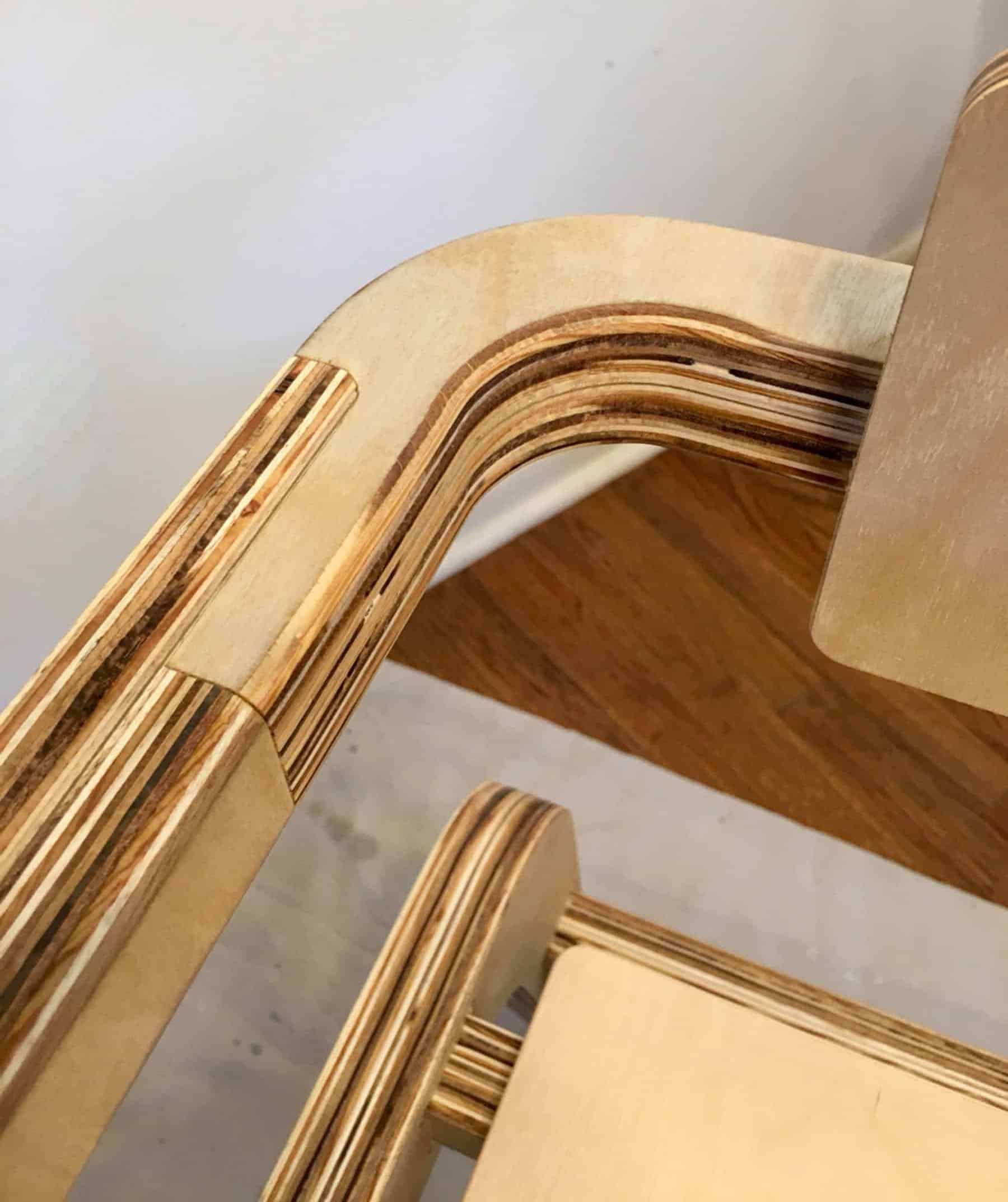
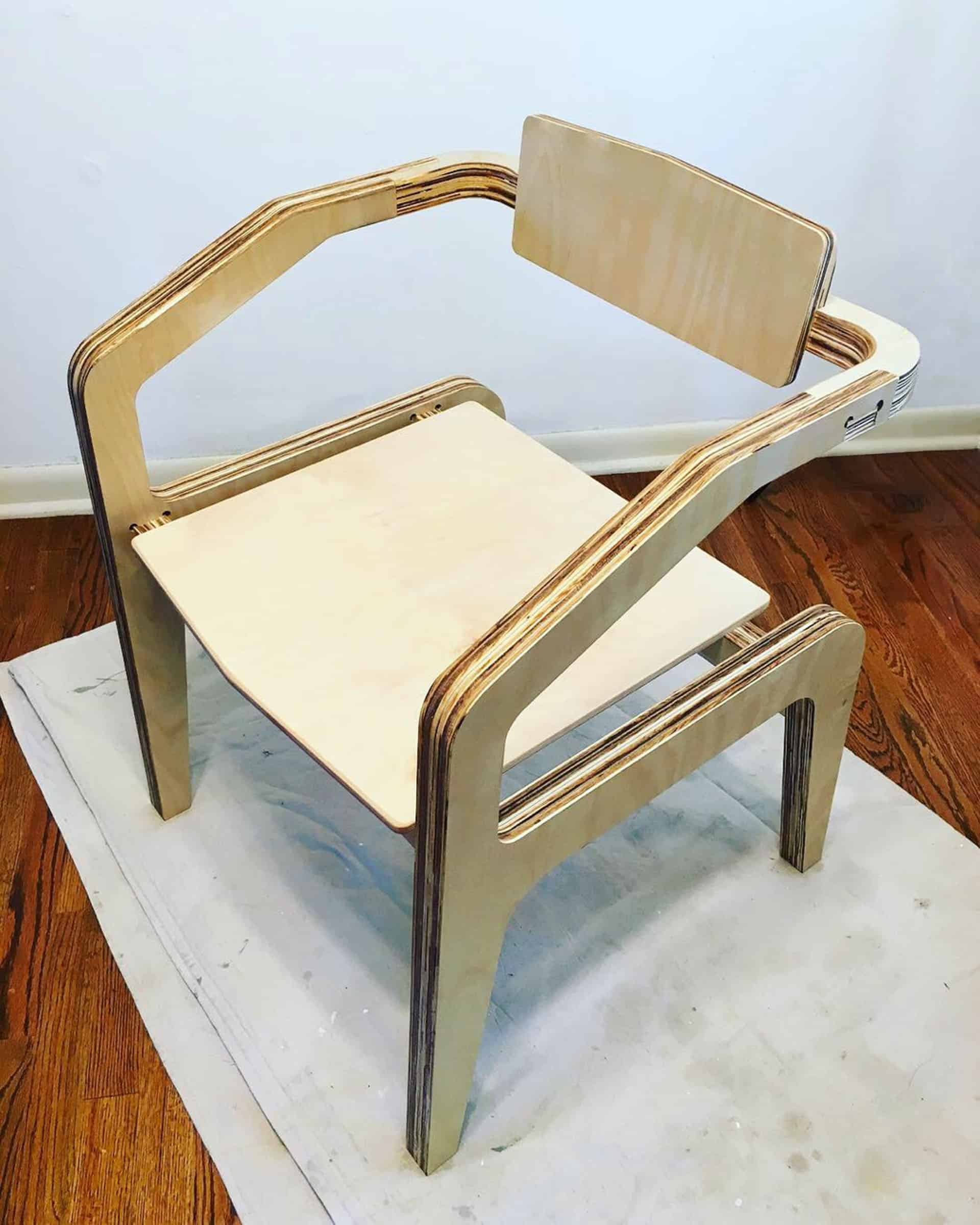
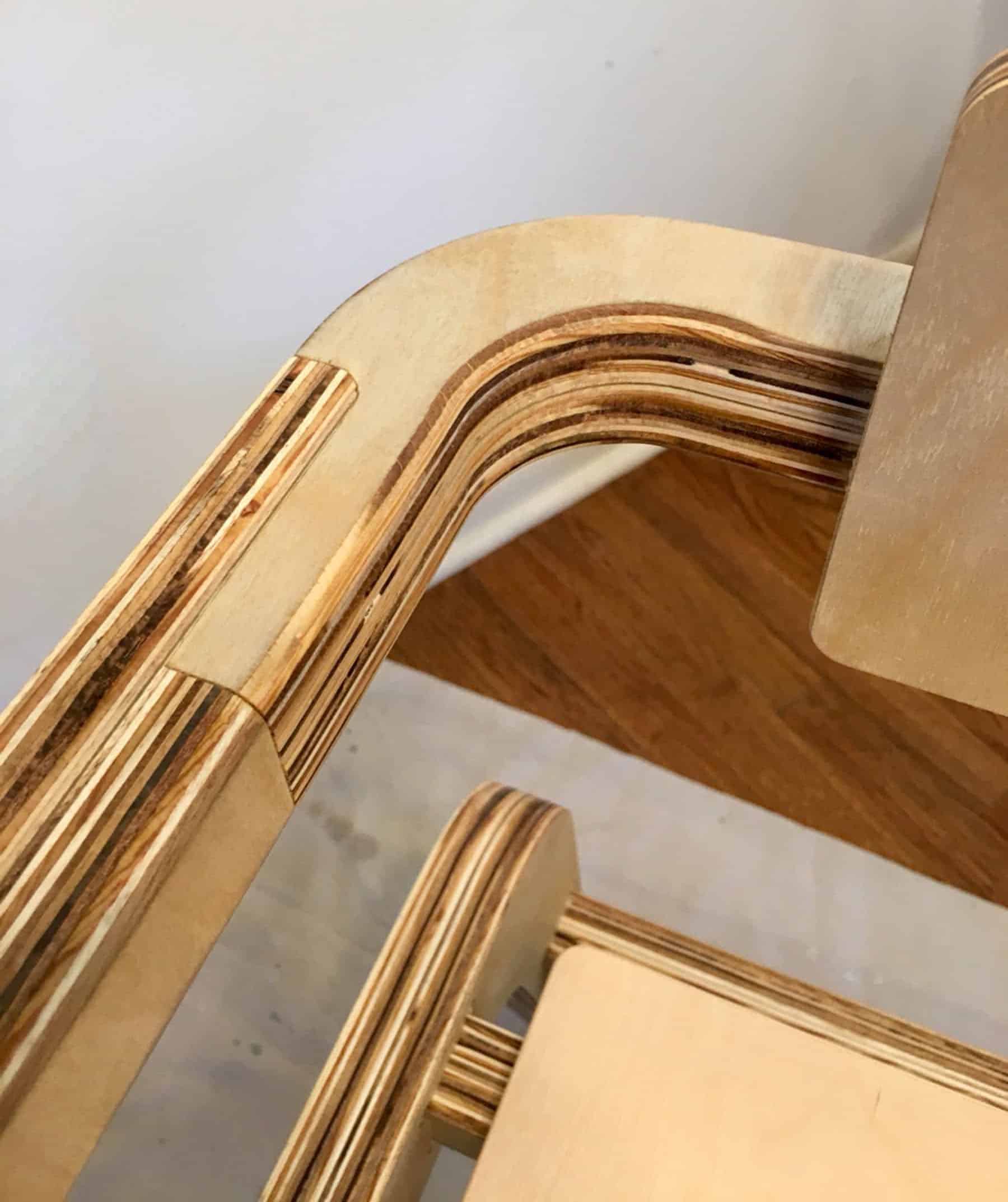
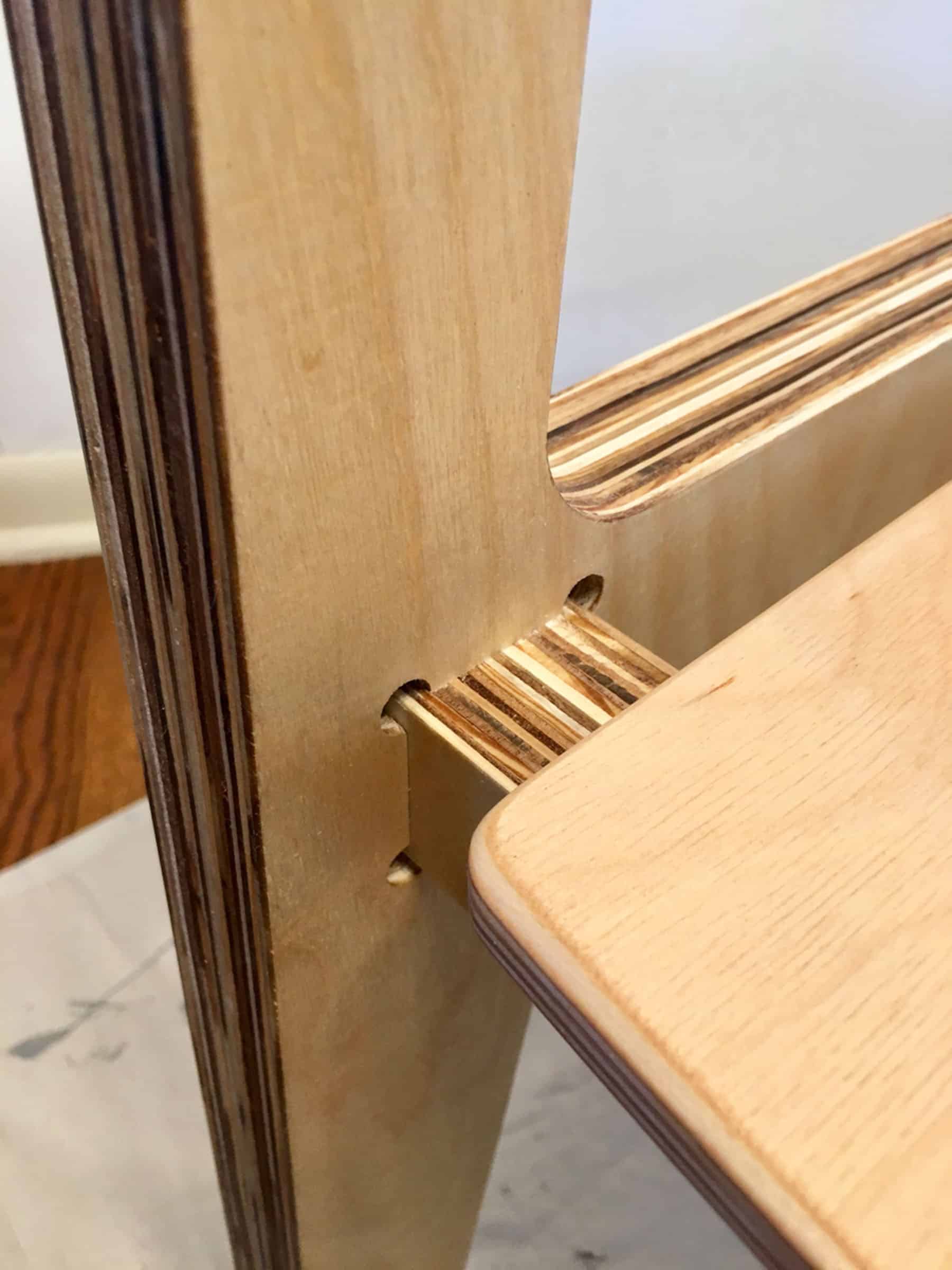
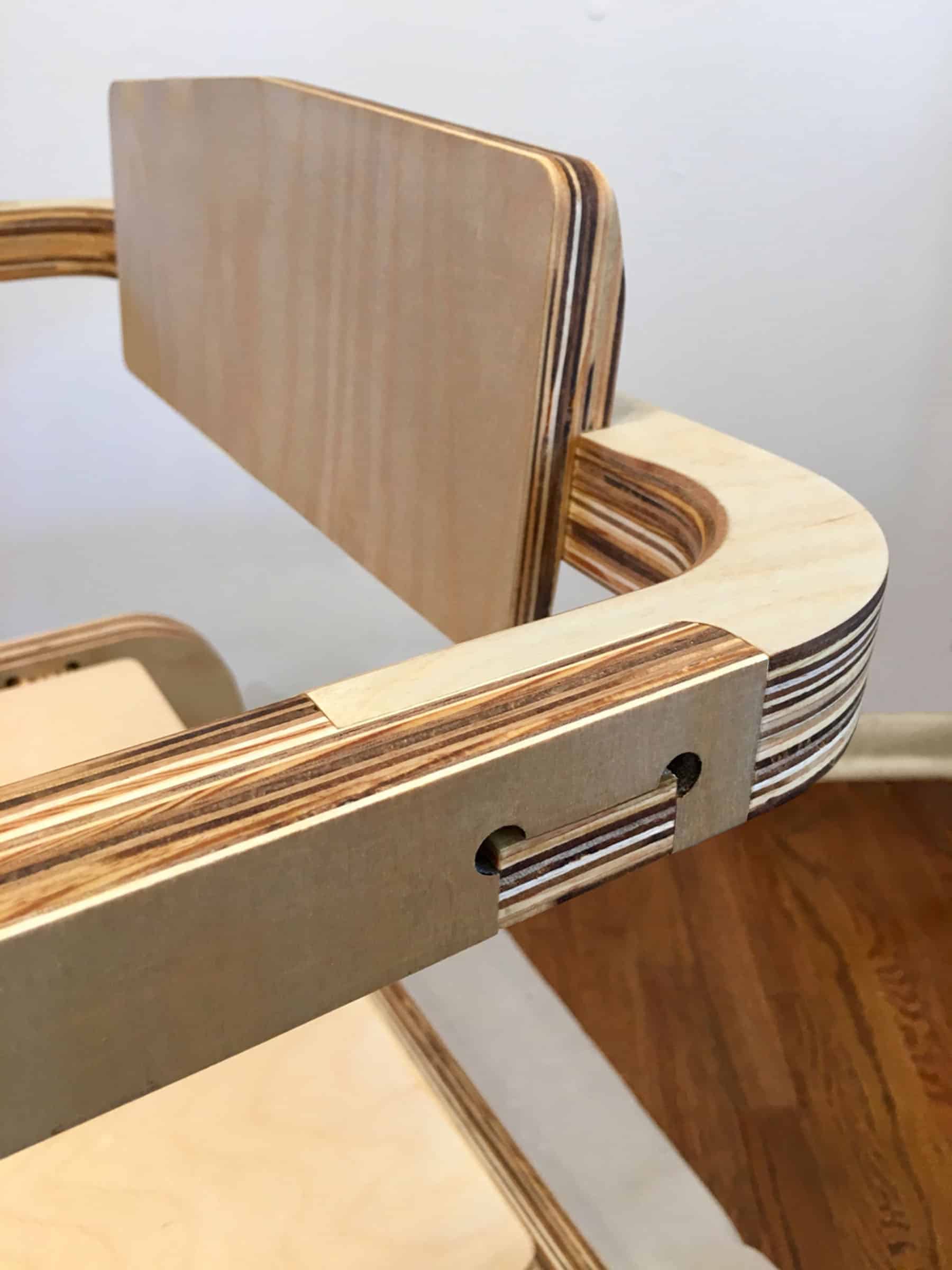
Grain Chair investigates the intersection of material economy, fabrication logic, and aesthetic restraint through the disciplined use of flat-stock plywood. Conceived as both a study in joinery and an experiment in spatial ergonomics, the chair reconsiders how sheet material can be composed, layered, and articulated to achieve structural complexity from limited means. The design explores plywood not as a neutral substrate but as an expressive medium defined by its alternating grain and lamination pattern. By orienting these layers strategically at each joint, the chair emphasizes the tectonic logic of its own construction, revealing a rhythm of material strata that performs both visually and structurally. Every component—arm, leg, and back—emerges from the same ¾-inch stock, CNC-cut to minimize waste while achieving a fluid and continuous profile.


Grain Chair

Material Economies and the Reconfiguration of Flatstock
Rhino, CNC-milled birch plywood

Grain Chair emerged from an independent research inquiry into material efficiency and digital craftsmanship. The project examines how flat-stock plywood—often treated as a pragmatic material—can be reimagined as both a structural and expressive medium. The design explores the grain as an organizing logic, using lamination patterns, orientation shifts, and edge exposure to articulate how structure and surface interrelate. Each component is generated from a limited sheet stock, challenging how a single material system can yield variation through precision and restraint. Rather than disguising plywood’s layered anatomy, the chair foregrounds it, allowing the edges and joints to act as visual records of the fabrication process.

Digital Workflow and Fabrication Process

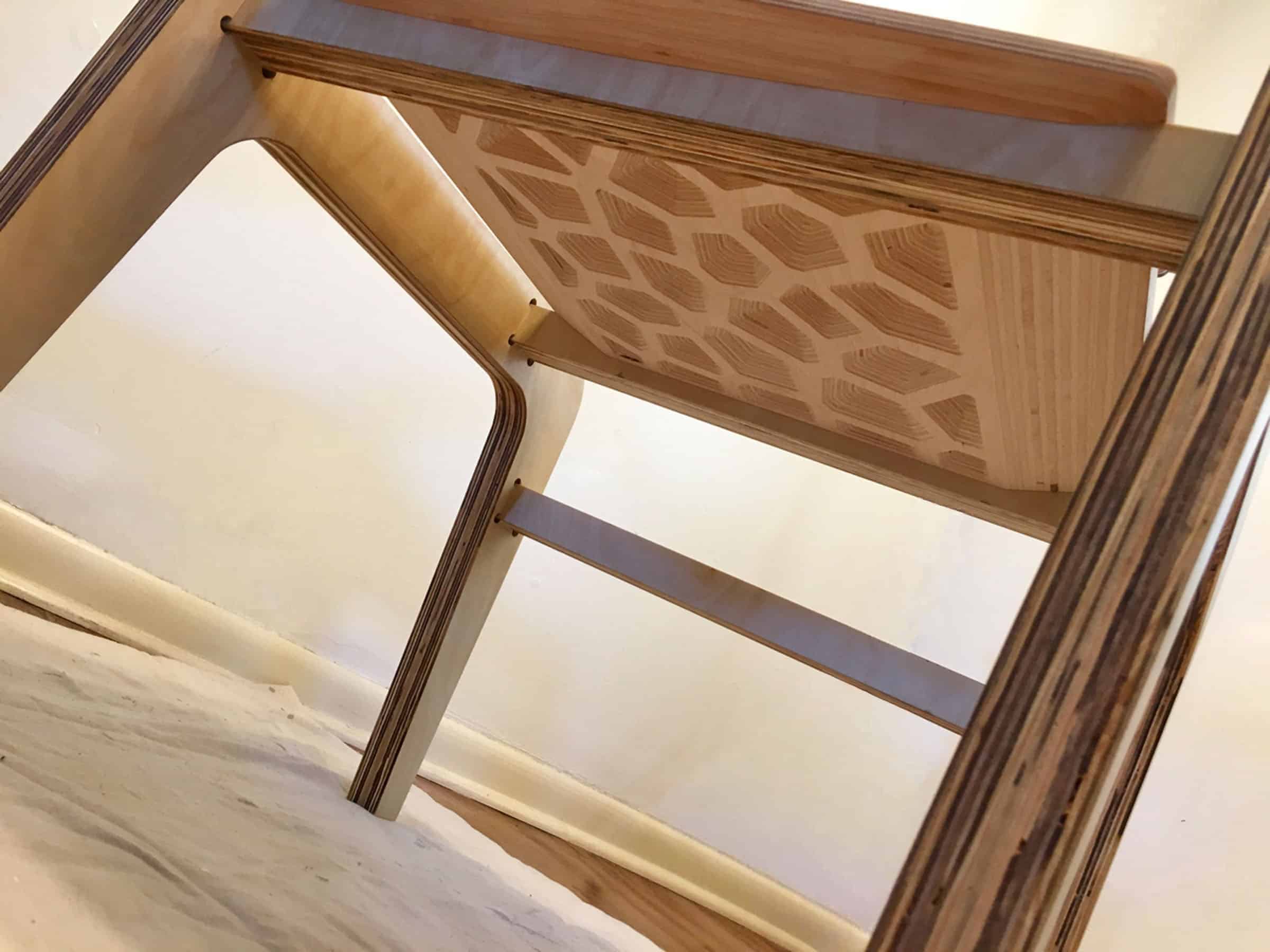
Developed in Rhino and fabricated using RhinoCAM, the chair’s geometry and fabrication logic were fully integrated within a single parametric workflow that linked design exploration directly to the act of making. Each joint was modeled for precise tolerance and calibrated friction-fit assembly, producing an interlocking system that could be fabricated and constructed entirely without adhesives or mechanical fasteners. This approach positioned joinery not as a hidden connector but as a visible expression of geometry and craft. Toolpaths were carefully aligned with the direction of the grain, allowing subtle shifts in orientation to influence both the structural performance and the tactile character of each component. The nesting strategy organized every part with surgical precision, ensuring the seamless translation of digital form into physical assembly while preserving formal continuity and proportion. A concealed feature—a CNC-carved, three-dimensional pattern milled into the underside of the seat—serves as both signature and discovery, a moment of quiet ornament that reveals the potential for beauty and authorship within a tightly disciplined fabrication process.


Structural Logic and Tectonic Detail

The project investigates how flat material can achieve continuity and curvature through digital control. Each connection negotiates between rigidity and flow, using compound notches and soft radii to simulate the behavior of bent wood without compromising planar fabrication. The result is a hybrid structure that feels monolithic yet remains fully demountable. Every corner and joint is calibrated to reveal the intersection of geometry, grain, and fabrication sequence—a dialogue between mechanical precision and craft intuition.

Material Expression and Reflection

In its final form, Grain Chair presents plywood as a material of elegance rather than economy. The visible stratification of lamination becomes a kind of topography, while the smooth curvature of the milled edges introduces a tactile warmth that contrasts with its digital origin. The project blurs boundaries between object and experiment, furniture and prototype. It embodies a search for integrity between process and outcome, where design precision, fabrication control, and material honesty converge into a singular expression.


Convergence of Craft and Code

Through precedent research and extensive exploration of flat-stock material applications, Grain Chair represents a personal investigation into how digital fabrication can evolve traditional understandings of craft. The project reframes plywood as a medium capable of both efficiency and refinement, transforming a material often associated with utility into one of precision and invention. By merging computational design, toolpath logic, and hands-on fabrication, the chair demonstrates how digital workflows can yield results that are not only technically rigorous but also materially expressive.

The piece embodies an inquiry into the continuum between drawing, modeling, and making, where each stage informs and refines the next. Grain Chair reveals that the intelligence of fabrication lies not only in efficiency or accuracy but in the dialogue between code and material behavior, the way design intent adapts to the resistance and rhythm of the tool. What begins as a digital construct becomes a tactile artifact that records its own process through surface, grain, and joint. As a result, the project extends beyond furniture design, positioning itself as a study in architectural thinking at the scale of the hand: an exploration of how computation, structure, and craft can converge to produce new forms of spatial and material understanding.


More Work


Architecture

Art + Code

Design + Fabrication

Courses + Student Work

© Ken Marold USA, Inc. All rights reserved.

Continue reading

Do Not Try to Remember

featured

Renegades

Bruce Goff and the American School of Architecture

grasshopper, rhino, cnc, pla, corrugated cardboard

status : complete

Joined exhibition team as principle fabricator for all furniture and signage components in the exhibit. Components developed include:

  • nine 8′ tall typographic elements,
  • nine 9′ long freestanding workstations,
  • one 32′ long bench,
  • three architectural drawing display tables ranging in length from 7-12′
  • one virtual reality workstation
  • four stools

Initiated fabrication, construction, joinery, and material research used for developing a novel assembly system and production workflow for creating of a collection of furniture pieces and large-scale objects using honeycomb cardboard and wood.

Subsequent R+D resulted in a provisional patent :


Marold, K., Honeycomb Cardboard Edge Insert Component that Creates a Reinforced, Rigid Edge and Continuous Connection Surface Allowing for Crush-Resistant Edges and Continous, High Surface Area, Edge-to-Face and Edge-to-Edge Fastening of Multiple Honeycomb Parts, ID Number: 62/954,239, Patent Type: Provisional, Application: December 19, 2019, Approved: December 27, 2019.

Also developed and instructed a supporting student fabrication seminar titled ” Topological Ecotones”

The work produced in this seminar were also included in the Fred Jones exhibit.

Ecotones are transitional regions that bridge two distinct biological communities, for example, the zone between a forest and grassland. As such an ecotone contains overlapping characteristics of two biomes, and often contain a mixture of plant and animal species from each adjacent ecosystem. Ecotones are patchworks, edge conditions and are typically more dynamic biologically and topographically than their adjacent communities. In your design investigations you will identify and develop digital processes that explore distinct topographical conditions that amplify and articulate these edge conditions. These unique ecotones can push against the boundaries of earthly terrains and explore hypothetical, other-worldly terrains. In so much of the work done by American School architects, there is also a presence of distinct material ecosystems that converge in dynamic and energetic ways, creating architectural ecotones in their own right. In keeping with this spirit, our work will explore particular topics of tectonic intersection, connections with nature and topographical extremes.

TOUR THE EXHIBIT

  • IMG_20200125_164436_024
  • featured
  • IMG_20200125_164436_040
  • IMG_20200125_164436_024
  • IMG_20200124_164658
  • IMG_20200124_163115
  • IMG_20200120_155815
  • IMG_20200120_155752
  • IMG_20200120_155719
  • IMG_20200119_135711
  • IMG_20200119_135659
  • IMG_20200101_181909
  • IMG_20191220_150331
  • IMG_20191220_150321
  • IMG_20191222_124451
  • IMG_20191219_193104(1)
  • IMG_20191219_131106
  • IMG_20191219_111957
  • IMG_20191219_110223
  • IMG_20191219_110306

Process


  • IMG_20191219_111804

  • IMG_20191220_150400

  • IMG_20200101_145950(1)

  • IMG_20200101_154910

  • IMG_20200101_154927

  • IMG_20200102_165253

  • IMG_20200110_103748

  • IMG_20200110_124823

More Work

Architecture


  • Wichita Mobile Clinic

    anadarko, oklahoma

  • SA Architects

    cranston, rhode island

  • OKC Greenhouse

    oklahoma city, oklahoma

  • Pawtucket Day Nursery

    pawtucket, rhode island

  • Meeting Street Center for Excellence

    providence, rhode island

  • Norterly Island Nature Center

    Chicago, Illinois

  • National Institute of Flamenco

    old town plaza, santa fe, new mexico

  • Corrales Comunity Pathway + Pedestrian Park

    corrales, new mexico

  • CRCUIT

    albuquerque, new mexico

  • The Construction of Art

    providence, rhode island

  • Santa Fe Univeristy School of Fine Arts

    Santa Fe, New Mexico

Design + Fabrication


  • Flatpack Foldable Structural Connections

    rhino, grasshopper, mild steel

  • Renegades

    Fred Jones Jr Museum of Art

  • Surface Flux

    python, c#, grasshopper, pla, wood, steel

  • Carbon Fiber Connections

    grasshopper, rhino, pla, carbon fiber

  • Acoustic Diffusion Panel

    grasshopper, rhino, cnc, rigid insulation

  • Hyperbolic Bending

    grasshopper, rhino, laser cut acrylic, bristol board

  • Filtration : Infiltration

    python, grasshopper, rhino, 3d printing

  • Recursive Paneling

    laser cut mylar

  • Sweet Crude

    python, c#, grasshopper, wood, plasti-dip, carbon, gelatin

  • Ruling Lines

    laser cut cell cast acrylic, stainless steel braided wire

  • Volumetric Aggregations

    processing, grasshopper, rhino, cast acrylic, black walnut, hickory

  • Cellulose Bookcase

    pine, black walnut, compressed wood fiber board, stain

  • Asher Chair

    rhino, pla, birch plywood

  • Andraditic Mass

    arduino, firefly, rhino, 3d printed pla, baltic birch plywood

  • Cholla

    grasshopper, rhino, black walnut

  • Folding Attractors

    grasshopper. rhino, white museum board

  • Grain Chair

    rhino, cnc milled birch plywood

  • Tracking Parallelograms

    grasshopper, rhino, hickory

  • Infiltration Table

    processing, spalted birch plywood, poplar, enamel, lacquer

Art + Code


  • Prairie Fire

    acrylic, ink, plywood

  • Surface Flux

    python, c#, grasshopper, pla, wood, steel

  • Dixieland Death Cult

    acrylic, plywood

  • Approximation of a Generation

    private tremendous

  • Elemental Worlds

    science museum oklahoma

  • Gonzo Cubes

    solidity, html, css, javascript, illustrator

  • A Line of Force

    arduino, grasshopper, firefly, java, plywood

  • The Drift

    html, css, javascript

  • Gear Institute

    illustrator, photoshop, php, css, html

  • Prism

    unity, c#, spine2d, illustrator

  • Squall

    petroglyphs national monument, albuquerque, new mexico

  • Galileo’s World Interactive

    c#, unity3d, illustrator, photoshop

  • Steel + Light

    convergence arts festival masterworks project, providence, rhode island

  • The God of Skiing

    book design

© [wpsos_year] Ken Marold USA, Inc. All rights reserved.

Continue reading

Cholla

IMG_9428

Cholla

grasshopper, rhino, black walnut

status : complete

Project Overview
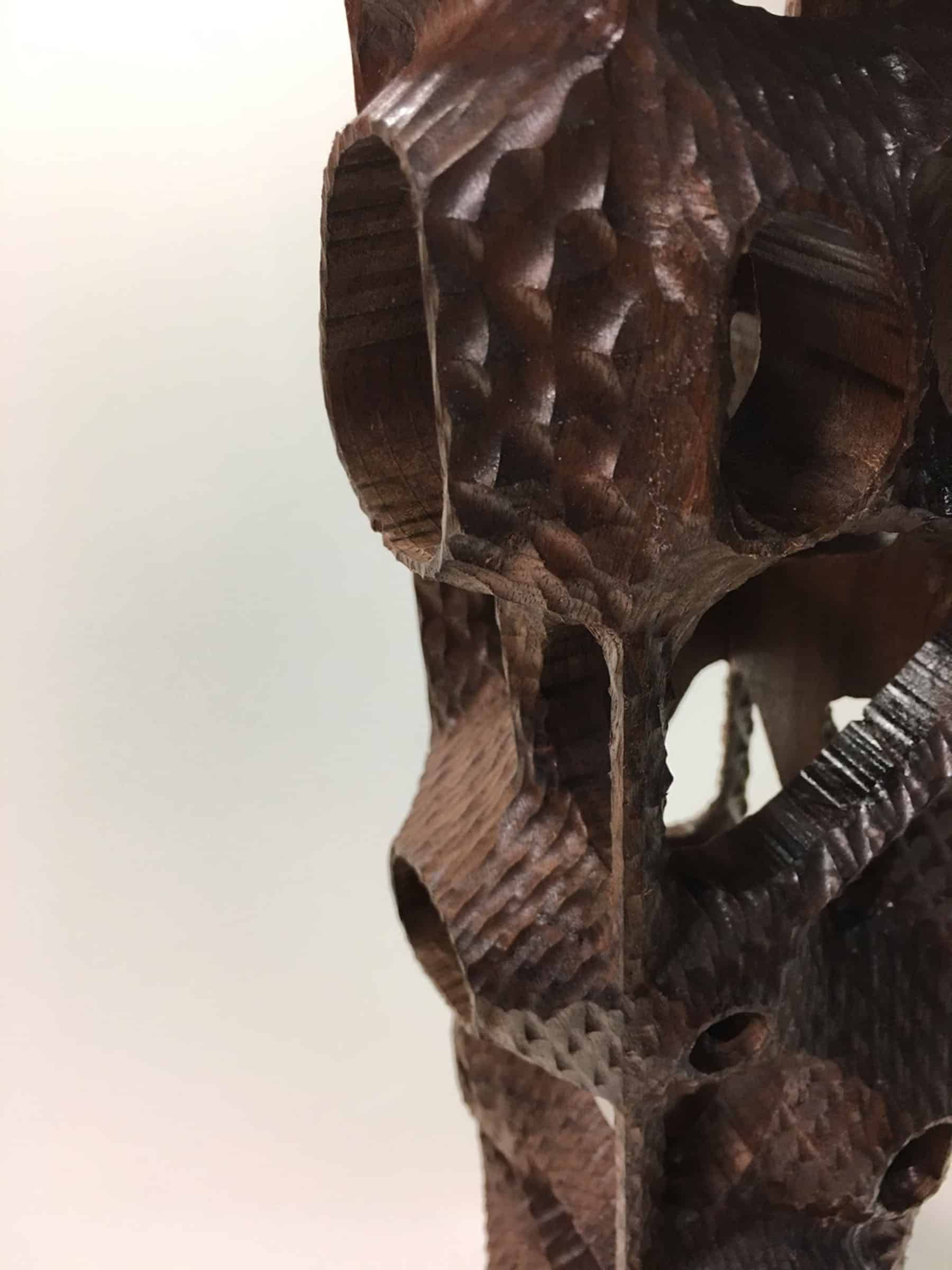
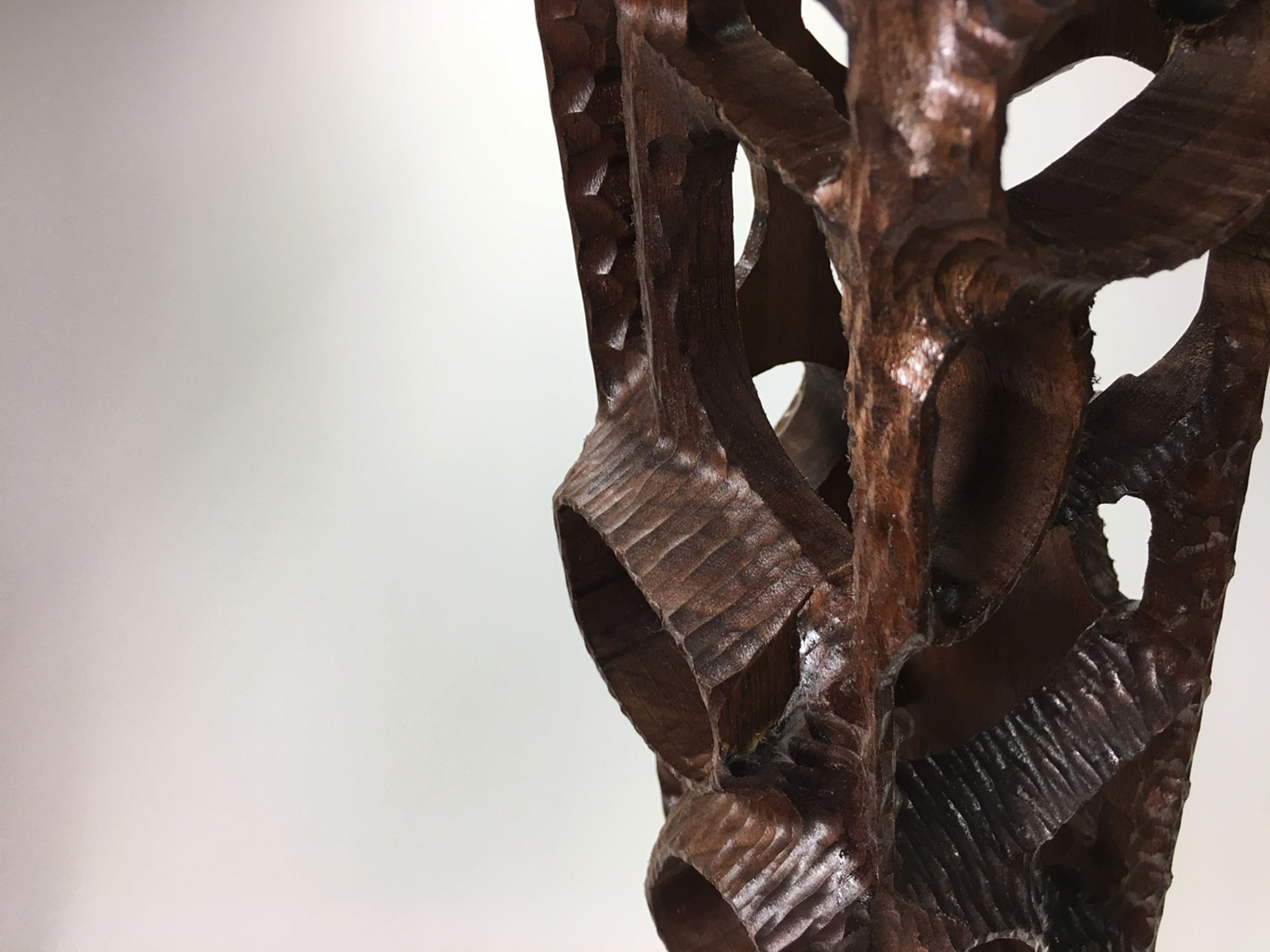
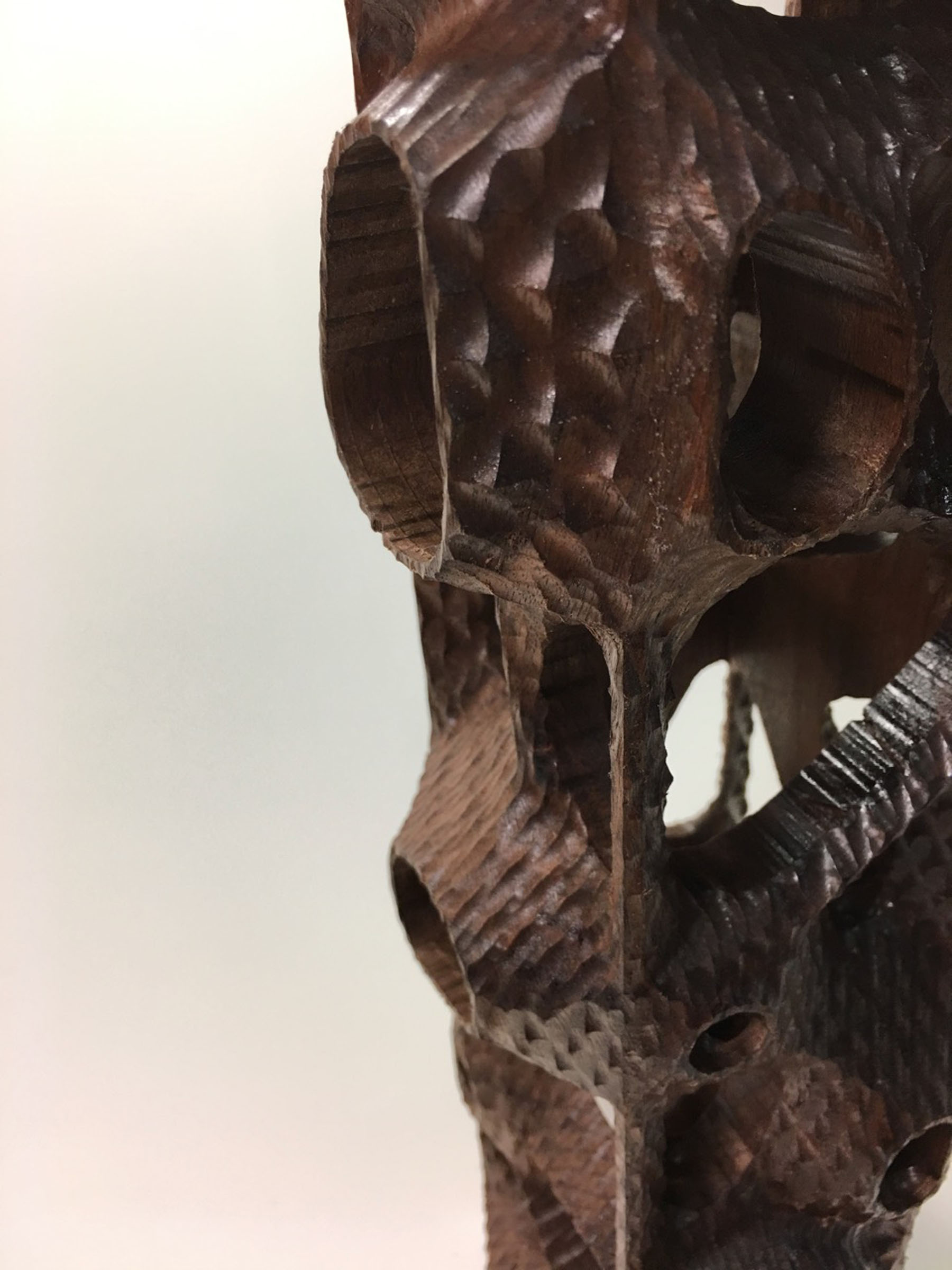
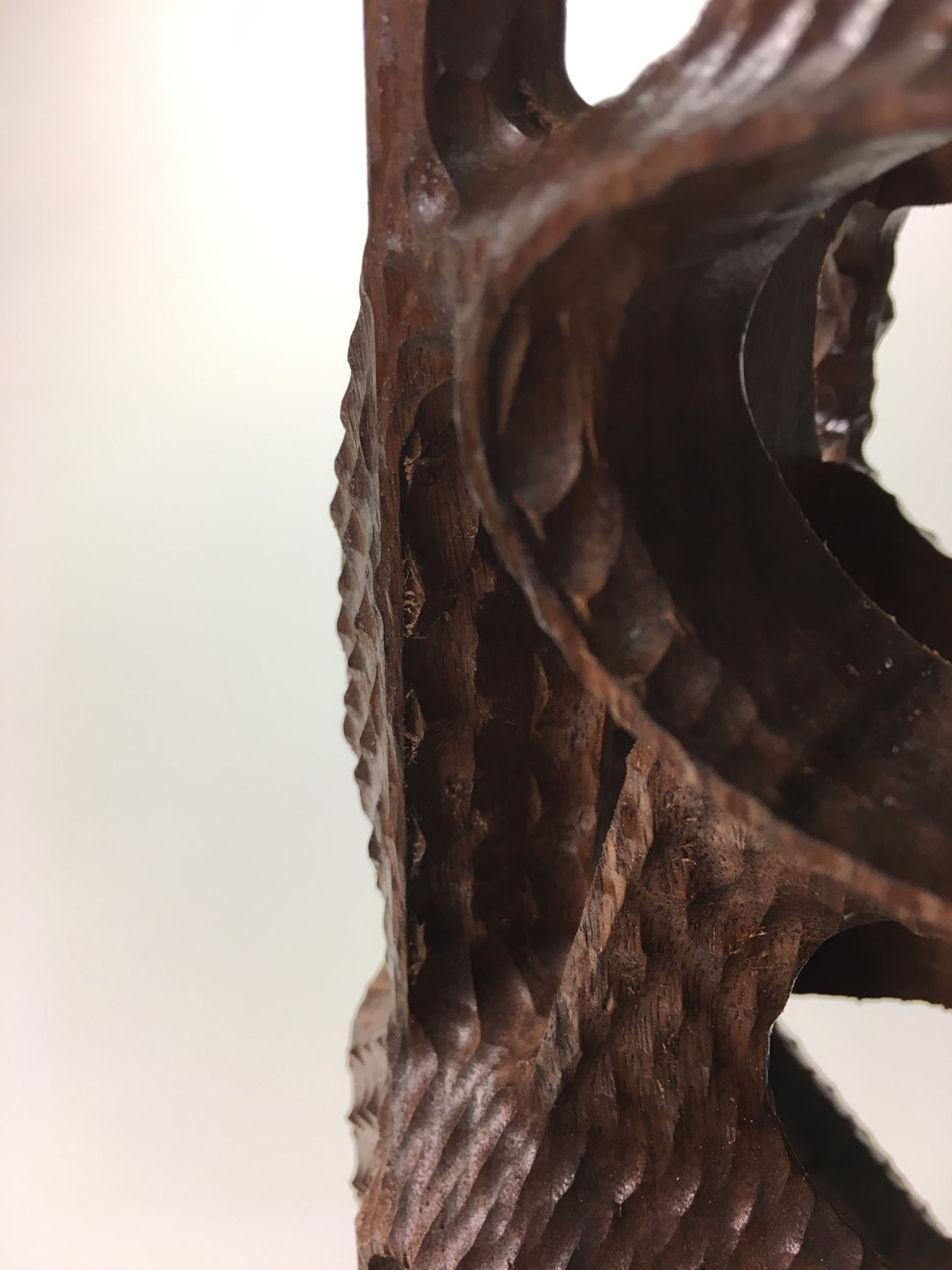
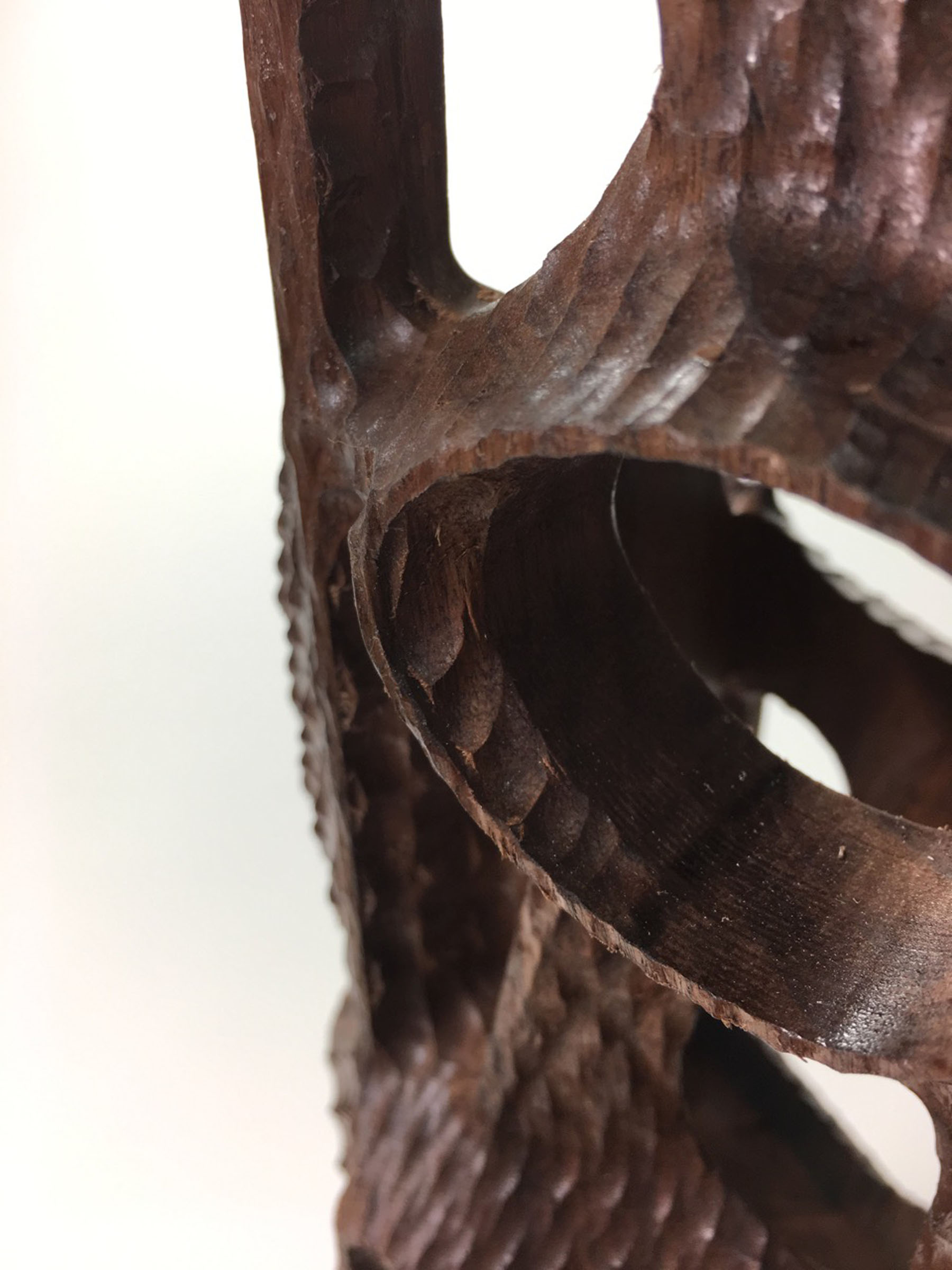
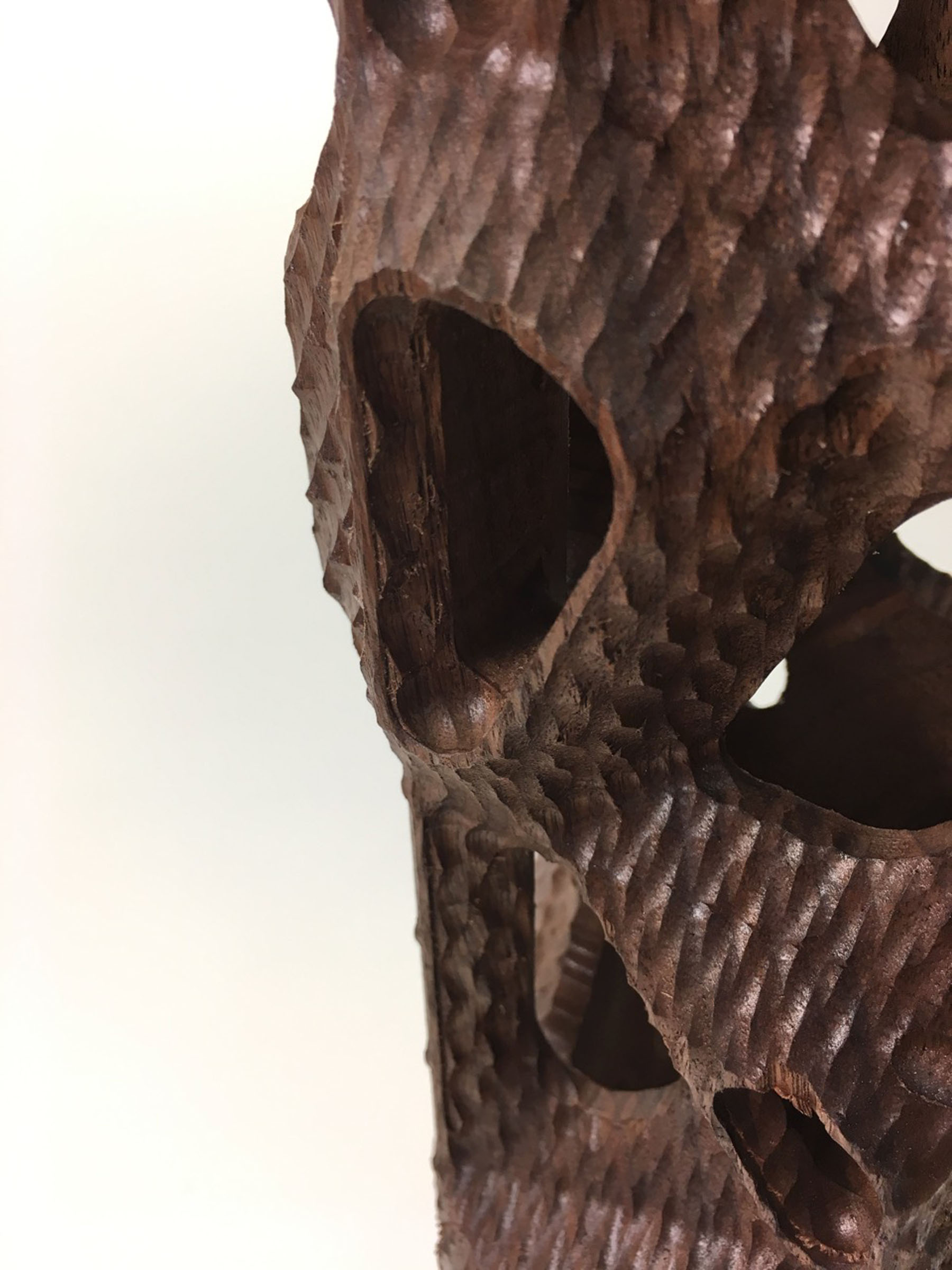
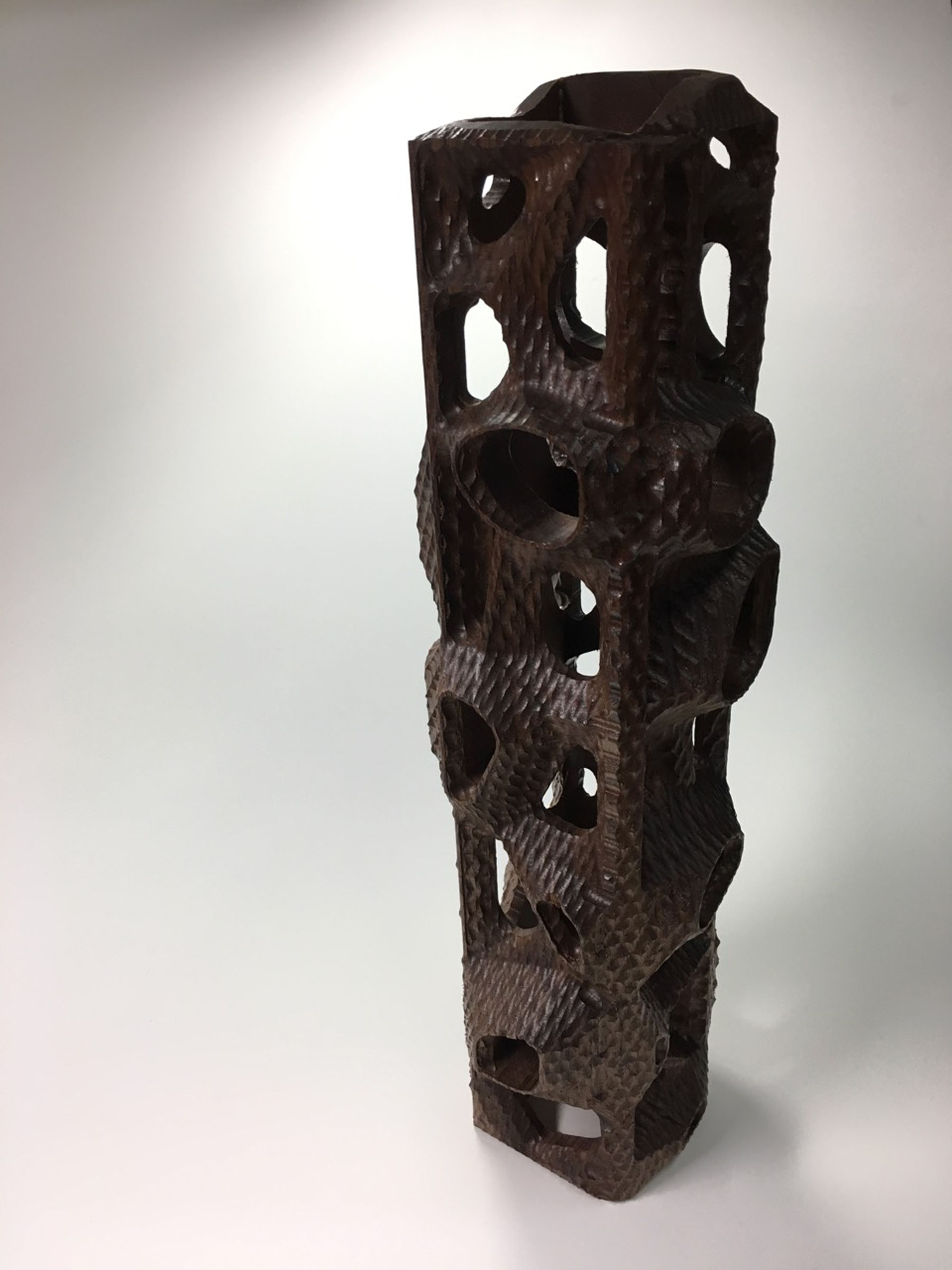
Cholla is a sculptural investigation into the hidden geometries of wood. Drawing inspiration from the pore patterning within hardwood xylem, the project uses computational design tools to reimagine microscopic vascular systems at a macroscopic architectural scale. The work explores the relationship between natural growth logics and digital toolpaths, translating unseen biological structures into a physical artifact carved from solid walnut heartwood.

  • IMG_9428
  • IMG_9427
  • IMG_9425
  • IMG_9423
  • IMG_9422
  • IMG_9421

Conceptual Framework
The project asks how code can become a generative proxy for natural processes. By studying the pore distribution and cellular organization within hardwood species, Cholla sought to encode these biological dynamics into a parametric model. The result is a porous, lattice-like geometry that reflects not only the flow and porosity of vascular systems, but also the capacity of digital fabrication to reveal new scales of legibility within familiar materials.

Computational Design and Modeling
Grasshopper and Rhino were employed to generate a recursive patterning logic derived from xylem structure. The script organized voids in varying densities, simulating the irregular yet systematic quality of pore distribution across wood cross-sections. This algorithmic process produced an evolving set of apertures and connections, creating both surface depth and volumetric porosity.

Fabrication and Material Tactics
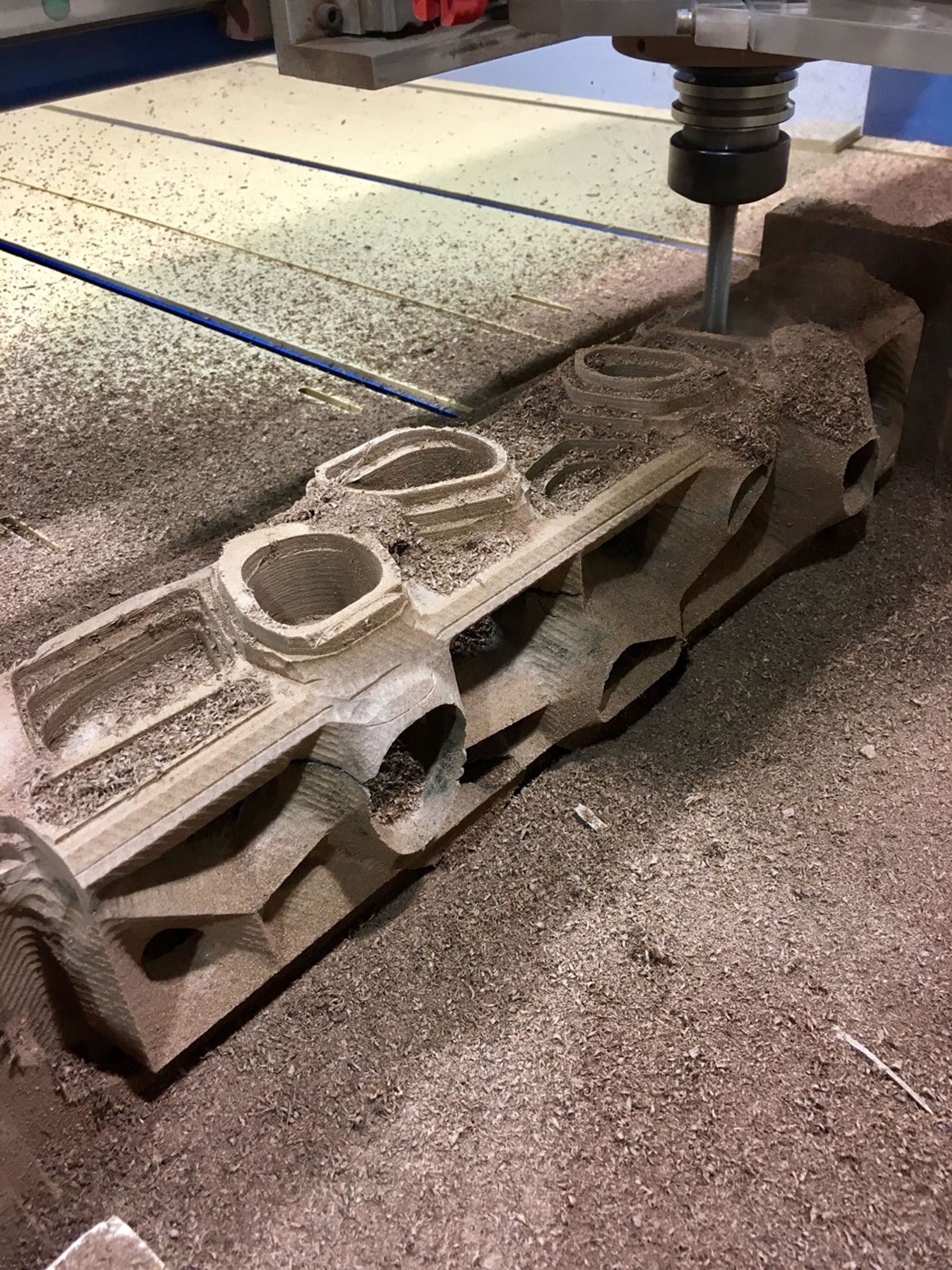
The final artifact was milled on four sides from a single mass of black walnut. Multi-axis CNC machining allowed the lattice to wrap continuously around the object, with each side revealing different densities and orientations of apertures. The toolpath itself became a form of surface definition: the ridged texture of the carving process remained legible, amplifying the dialogue between natural grain, coded geometry, and machine inscription.

Material Expression
The use of walnut heartwood emphasized the tension between natural substance and digital intervention. Its rich tone and organic grain contrast with the mechanical regularity of the CNC-milled apertures, creating a hybrid expression that is at once natural and artificial, grown and coded. The porous structure recalls the cholla cactus skeleton — a vascular remnant of another species — highlighting cross-material resonances between plant forms.

Conclusion
Cholla bridges microscopic biology, computational modeling, and material craft. By encoding xylem structures into parametric logic and fabricating them through CNC milling, the project foregrounds both the unseen dynamics of natural systems and the expressive potential of digital fabrication. It proposes a new lens for understanding wood — not simply as a material to be cut or joined, but as a living archive of flows, pores, and patterns that can be amplified through design.

Process


  • IMG_9031

  • IMG_8986

  • 50303801246__BD55BF70-2BB2-422A-B43A-317D0B7D9F16

More Work

Architecture


  • Wichita Mobile Clinic

    anadarko, oklahoma

  • SA Architects

    cranston, rhode island

  • OKC Greenhouse

    oklahoma city, oklahoma

  • Pawtucket Day Nursery

    pawtucket, rhode island

  • Meeting Street Center for Excellence

    providence, rhode island

  • Norterly Island Nature Center

    Chicago, Illinois

  • National Institute of Flamenco

    old town plaza, santa fe, new mexico

  • Corrales Comunity Pathway + Pedestrian Park

    corrales, new mexico

  • CRCUIT

    albuquerque, new mexico

  • The Construction of Art

    providence, rhode island

  • Santa Fe Univeristy School of Fine Arts

    Santa Fe, New Mexico

Design + Fabrication


  • Flatpack Foldable Structural Connections

    rhino, grasshopper, mild steel

  • Renegades

    Fred Jones Jr Museum of Art

  • Surface Flux

    python, c#, grasshopper, pla, wood, steel

  • Carbon Fiber Connections

    grasshopper, rhino, pla, carbon fiber

  • Acoustic Diffusion Panel

    grasshopper, rhino, cnc, rigid insulation

  • Hyperbolic Bending

    grasshopper, rhino, laser cut acrylic, bristol board

  • Filtration : Infiltration

    python, grasshopper, rhino, 3d printing

  • Recursive Paneling

    laser cut mylar

  • Sweet Crude

    python, c#, grasshopper, wood, plasti-dip, carbon, gelatin

  • Ruling Lines

    laser cut cell cast acrylic, stainless steel braided wire

  • Volumetric Aggregations

    processing, grasshopper, rhino, cast acrylic, black walnut, hickory

  • Cellulose Bookcase

    pine, black walnut, compressed wood fiber board, stain

  • Asher Chair

    rhino, pla, birch plywood

  • Andraditic Mass

    arduino, firefly, rhino, 3d printed pla, baltic birch plywood

  • Cholla

    grasshopper, rhino, black walnut

  • Folding Attractors

    grasshopper. rhino, white museum board

  • Grain Chair

    rhino, cnc milled birch plywood

  • Tracking Parallelograms

    grasshopper, rhino, hickory

  • Infiltration Table

    processing, spalted birch plywood, poplar, enamel, lacquer

Art + Code


  • Prairie Fire

    acrylic, ink, plywood

  • Surface Flux

    python, c#, grasshopper, pla, wood, steel

  • Dixieland Death Cult

    acrylic, plywood

  • Approximation of a Generation

    private tremendous

  • Elemental Worlds

    science museum oklahoma

  • Gonzo Cubes

    solidity, html, css, javascript, illustrator

  • A Line of Force

    arduino, grasshopper, firefly, java, plywood

  • The Drift

    html, css, javascript

  • Gear Institute

    illustrator, photoshop, php, css, html

  • Prism

    unity, c#, spine2d, illustrator

  • Squall

    petroglyphs national monument, albuquerque, new mexico

  • Galileo’s World Interactive

    c#, unity3d, illustrator, photoshop

  • Steel + Light

    convergence arts festival masterworks project, providence, rhode island

  • The God of Skiing

    book design

© [wpsos_year] Ken Marold USA, Inc. All rights reserved.

Continue reading