Pawtucket Day Nursery

Cranston, RI
Construction Completed: 2004

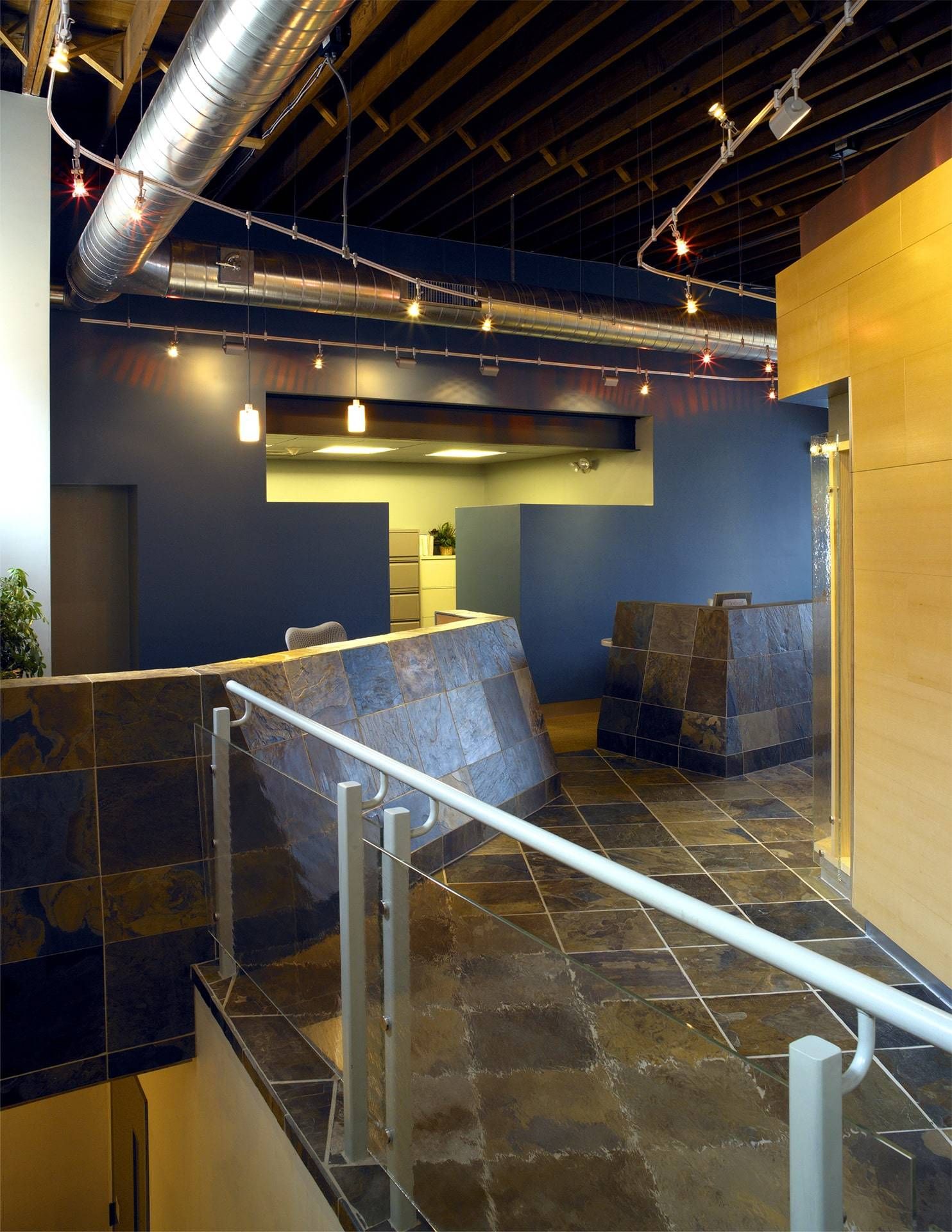
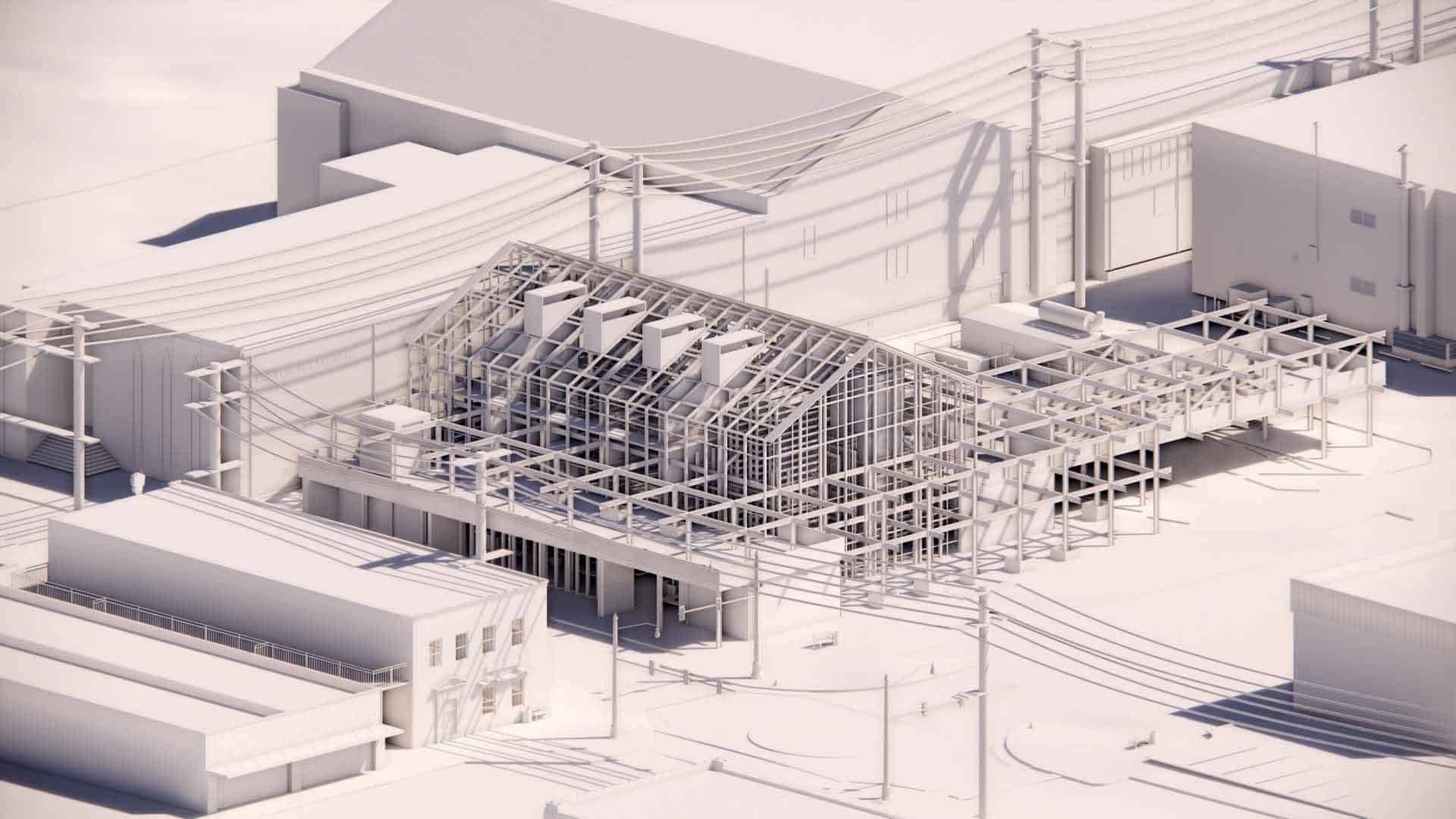
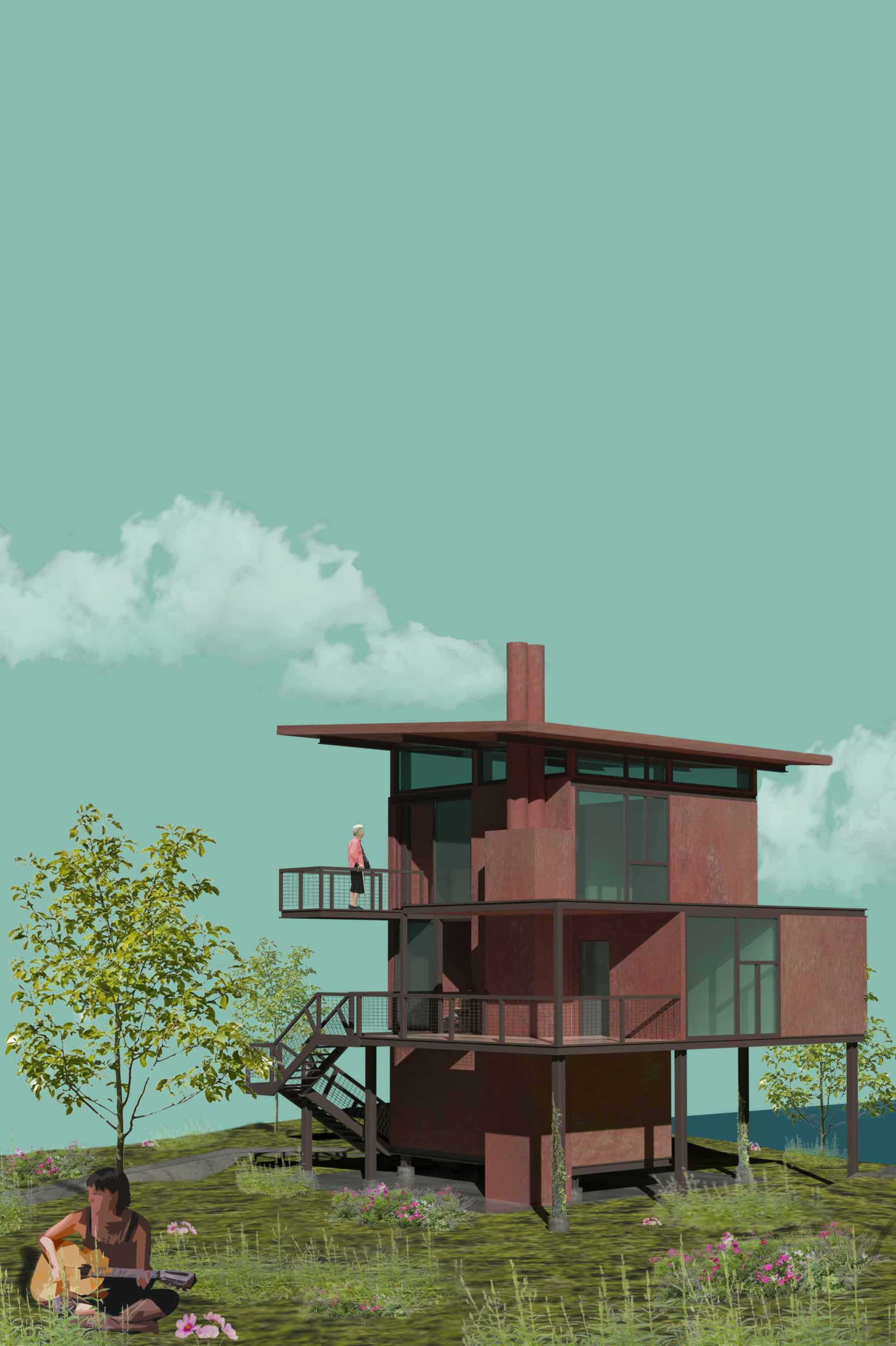
This project repurposes a vacant concrete block furniture warehouse as the new studio and office space for SA Architects. The design operates through a strategy of measured intervention, retaining the pragmatic simplicity of the original structure while marking new insertions through material and spatial contrast.

Key modifications to the building envelope occur along the north and west facades. A sculptural extrusion marks the main point of entry, while a linear strip of new operable windows introduces rhythm, daylight, and ventilation into the deep-plan interior. These interventions are clad in Rheinzink, selected for its material contrast, environmental durability, and ability to register time and weathering across its surface. The rainscreen cladding wraps the additions as a continuous skin, visually separating the new elements from the retained concrete shell.


Pawtucket Day Nursery

Pawtucket, RI
Construction Completed: 2001

Reimagining Early Education Through Form and Play

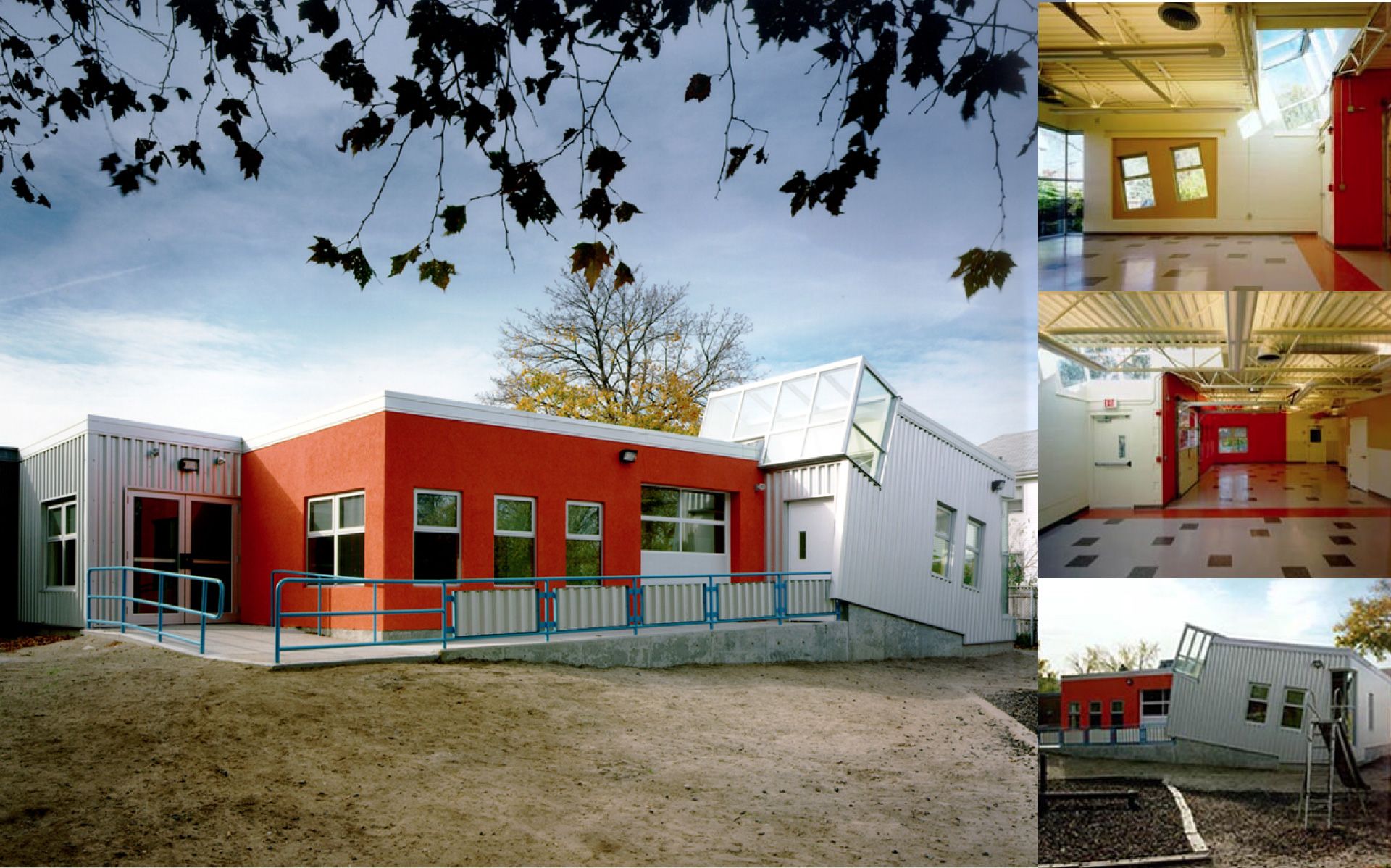
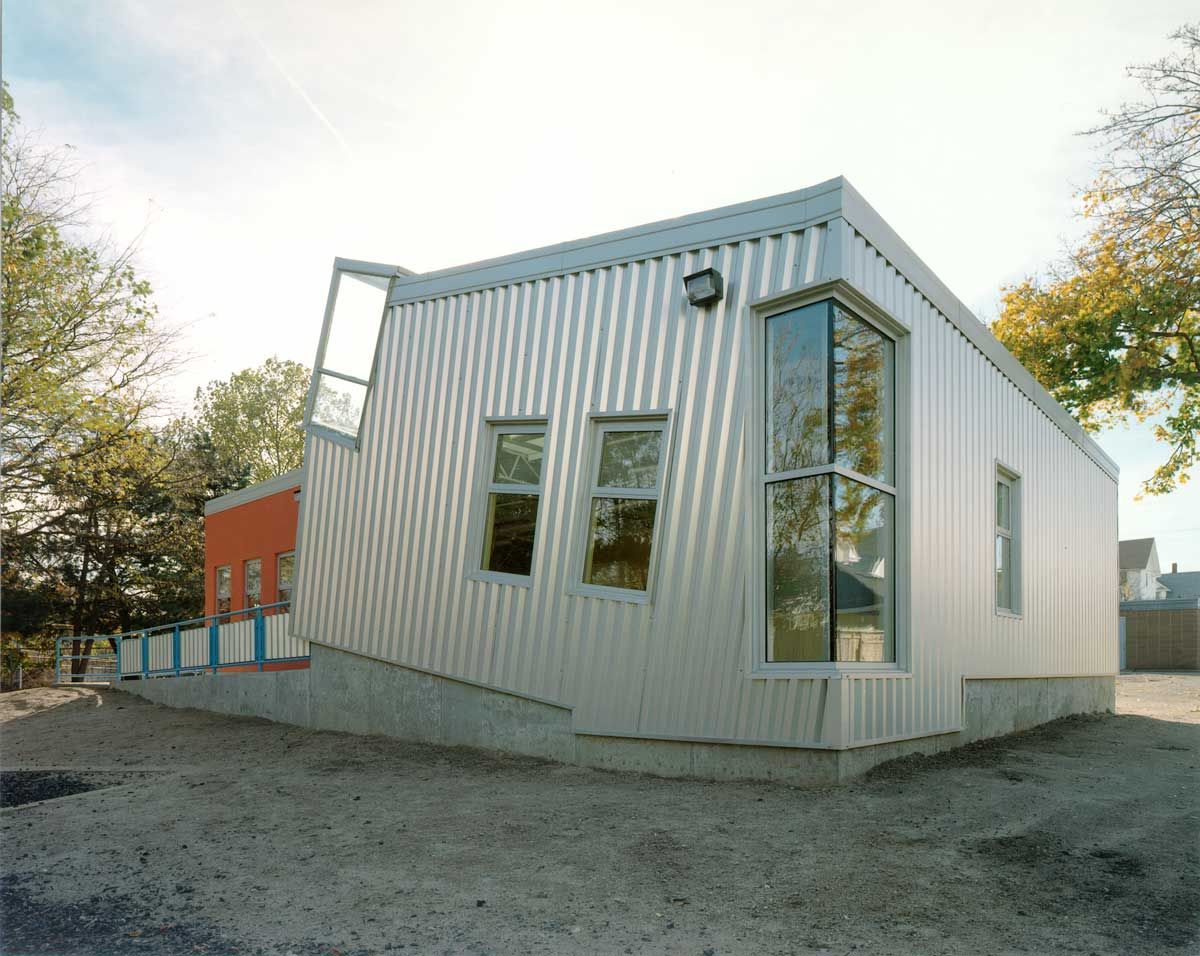
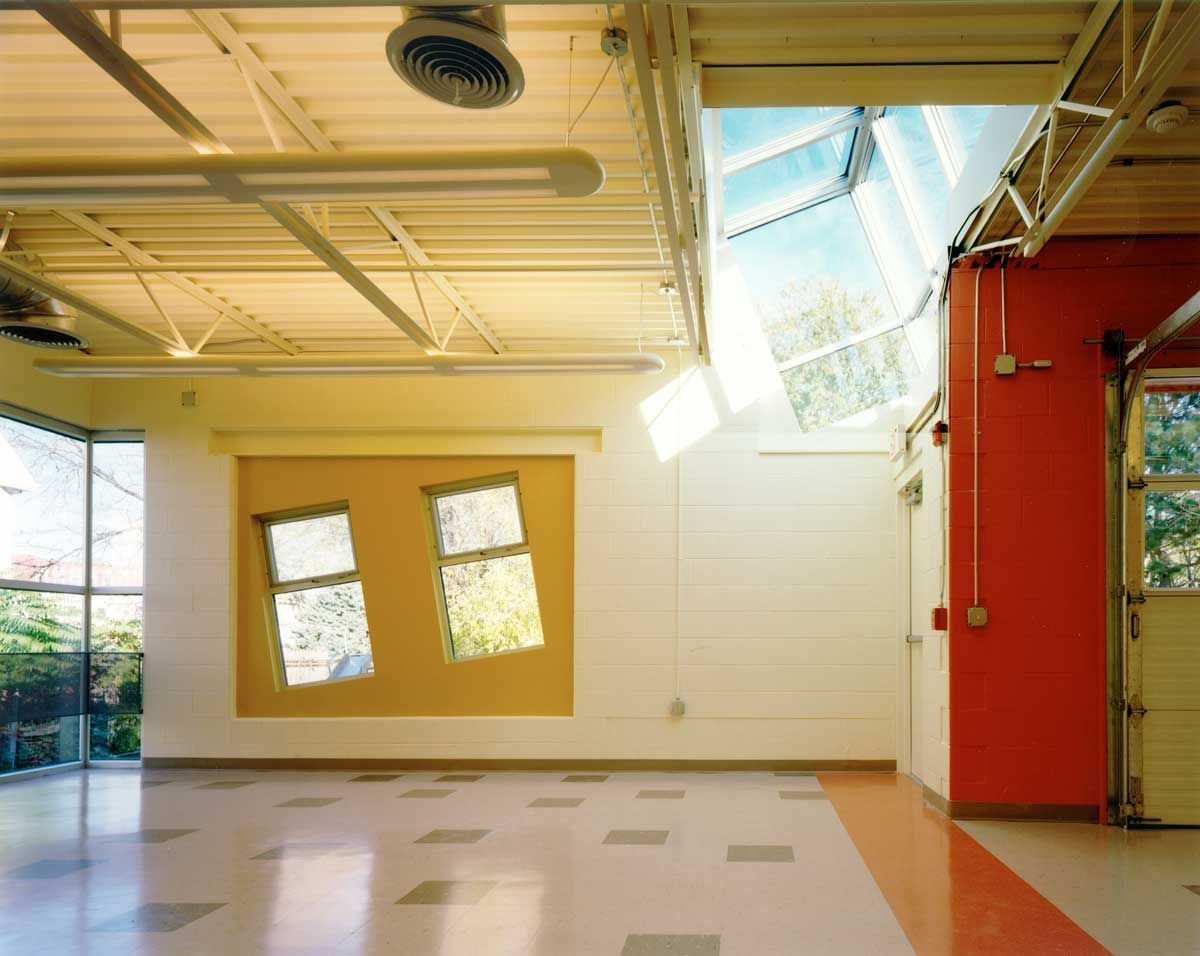
The Pawtucket Day Nursery addition redefines educational space through the architecture of movement, perception, and curiosity. Conceived as a kinetic counterpoint to the existing school, the new volume translates the spirit of play into spatial form. Skewed geometries, tilted walls, and oblique intersections create an animated composition that responds to the dynamic energy of childhood. The design transforms the rectilinear restraint of the original structure into an expressive environment that invites exploration.

Rather than replicate childlike imagery, the project interprets the qualities of improvisation, balance, and discovery as formal operations. Walls shift off-axis, windows tilt toward the sky, and the roof folds to capture daylight from multiple angles. These gestures situate the building within a language of movement—one that reflects how children perceive and navigate space, not through static order, but through fluid, evolving experiences.
Conceptual Framework and Design Intent

At its core, the project frames play as a cognitive and spatial process. Architectural form becomes a teaching tool—one that encourages awareness, observation, and imagination. Each skewed wall and canted aperture transforms light, sound, and view into a series of sensory events. The result is a building that is both structured and improvisational, a framework that mediates between the discipline of learning and the spontaneity of play.

The design’s compositional strategy also reflects a pedagogical philosophy: that environments can shape how children engage with the world. By layering proportion, rhythm, and distortion, the architecture produces conditions of both familiarity and surprise. These calibrated instabilities serve as metaphors for learning itself—an act of continual adjustment, experimentation, and adaptation.

Material Expression and Light

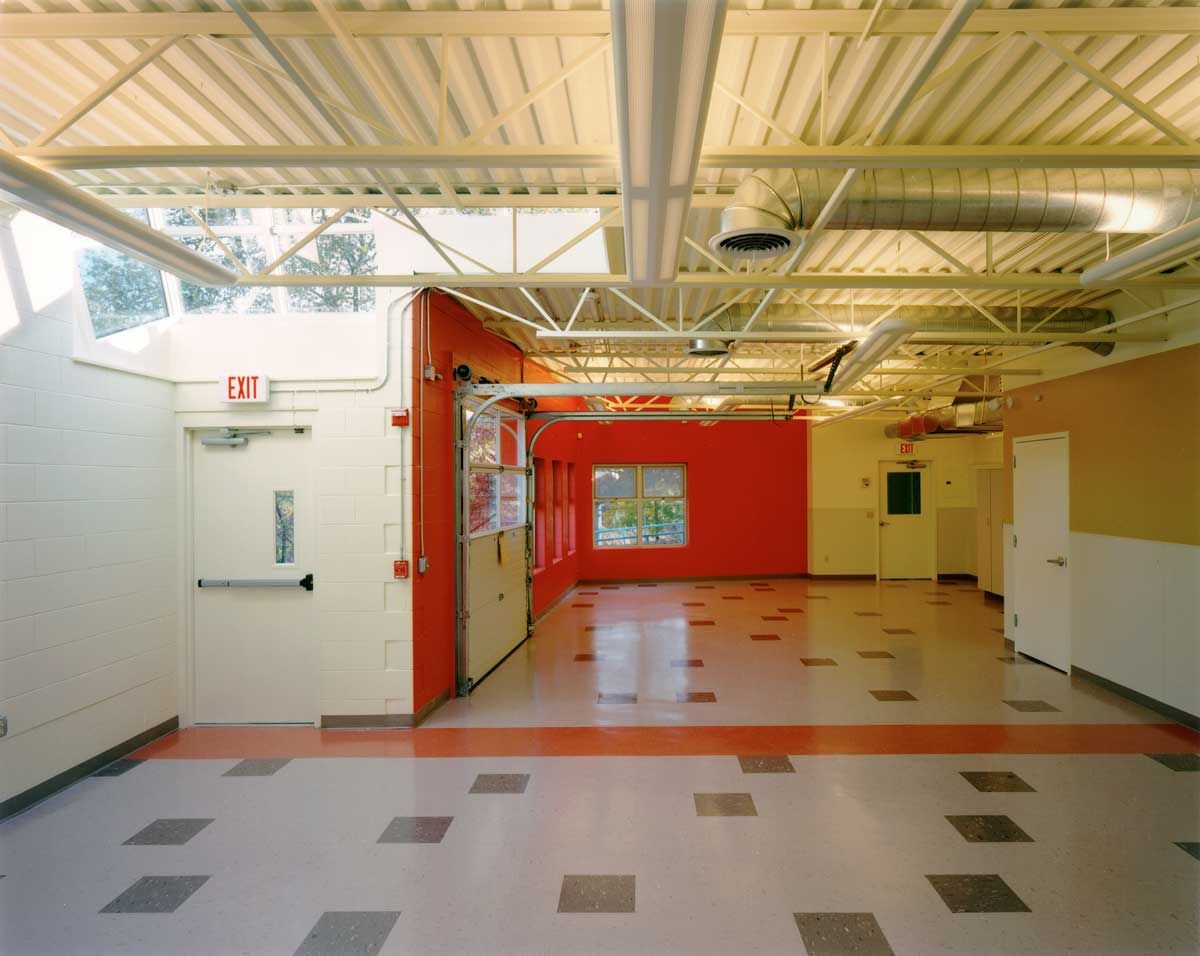
The addition is articulated through a minimal yet vivid material palette that merges industrial resilience with child-centered warmth. Corrugated metal siding and bright stucco planes define a tactile contrast between texture and color. The junction of these two materials becomes a point of tension and continuity, visually tying the new construction to the existing nursery while marking its independence.

Daylight is a primary design material. Angled skylights and canted windows bring changing light into the interior, projecting animated shadows across walls and floors. This interplay of light and surface transforms the interior into a living environment—responsive, temporal, and atmospheric. Each moment of the day reveals a different spatial reading, encouraging occupants to continually rediscover their surroundings.


Interior Experience and Didactic Systems

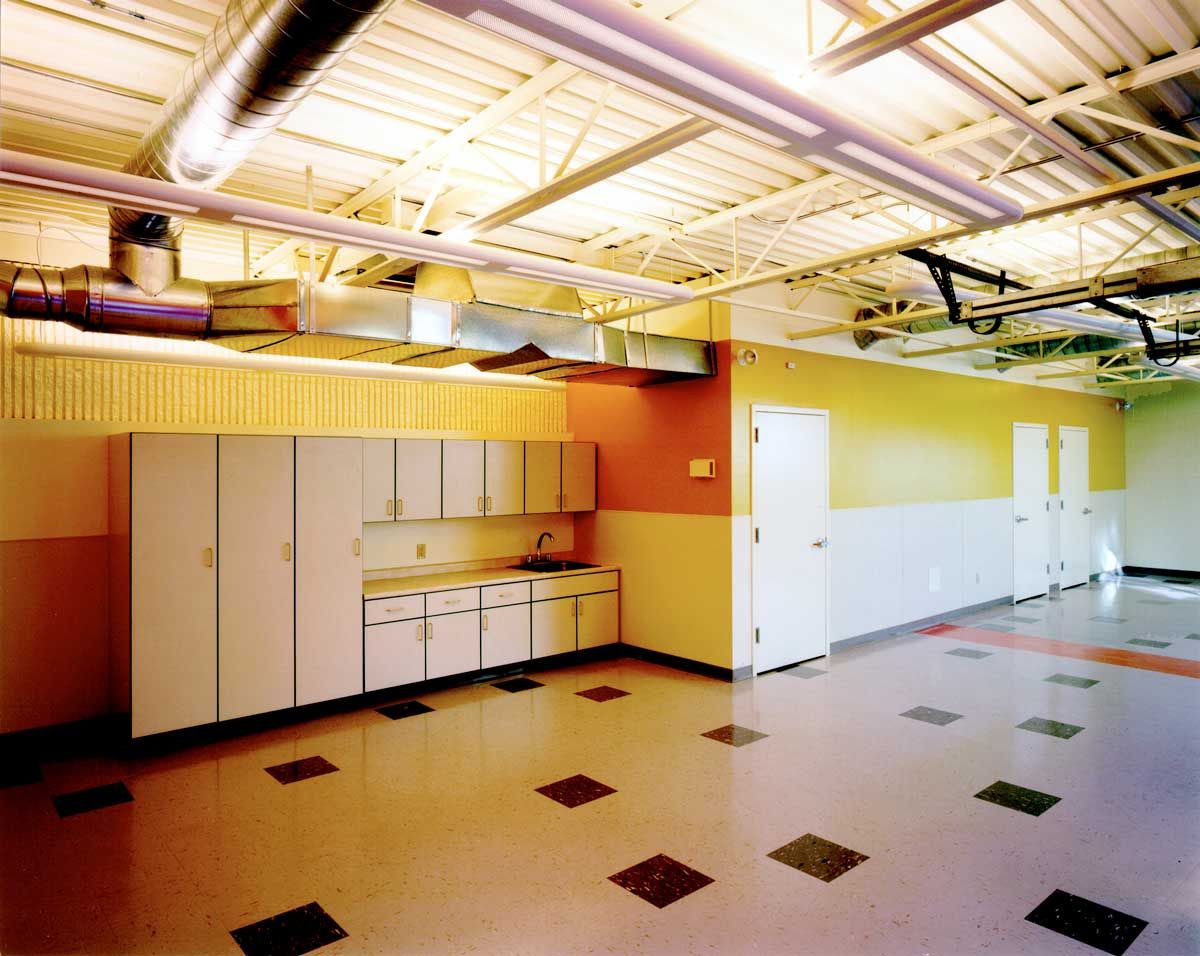
Inside, the environment functions as both classroom and laboratory. Bright planes of color—reds, yellows, and ochres—activate surfaces and delineate zones of activity. The spatial sequence is intuitive, alternating between open gathering areas and smaller, framed nooks that support reflection and focused learning.

Mechanical and structural systems are intentionally exposed, extending the project’s pedagogical dimension. Trusses, ducts, and conduits are not hidden but celebrated, demonstrating the mechanics of how a building stands, breathes, and performs. In this way, the building becomes a transparent diagram of its own making—an environment where curiosity extends from the curriculum into the architecture itself.

Civic Identity and Lasting Impact

The Pawtucket Day Nursery expansion serves as both a learning space and a civic statement. Its sculptural form asserts the value of creativity in public education, while its material honesty grounds it within the city’s working landscape. The addition accommodates flexible programming—classroom activities, art, play, and community events—reinforcing the school’s role as a social anchor within its neighborhood.

By merging play with structure, imagination with discipline, the project creates an architecture that speaks to both the freedom of childhood and the precision of design. The Pawtucket Day Nursery demonstrates how educational architecture can transcend utility to become formative—shaping not only the experience of space, but the way young minds learn to see, move, and build meaning through their environment.

© Ken Marold USA, Inc. All rights reserved.