Course Overview
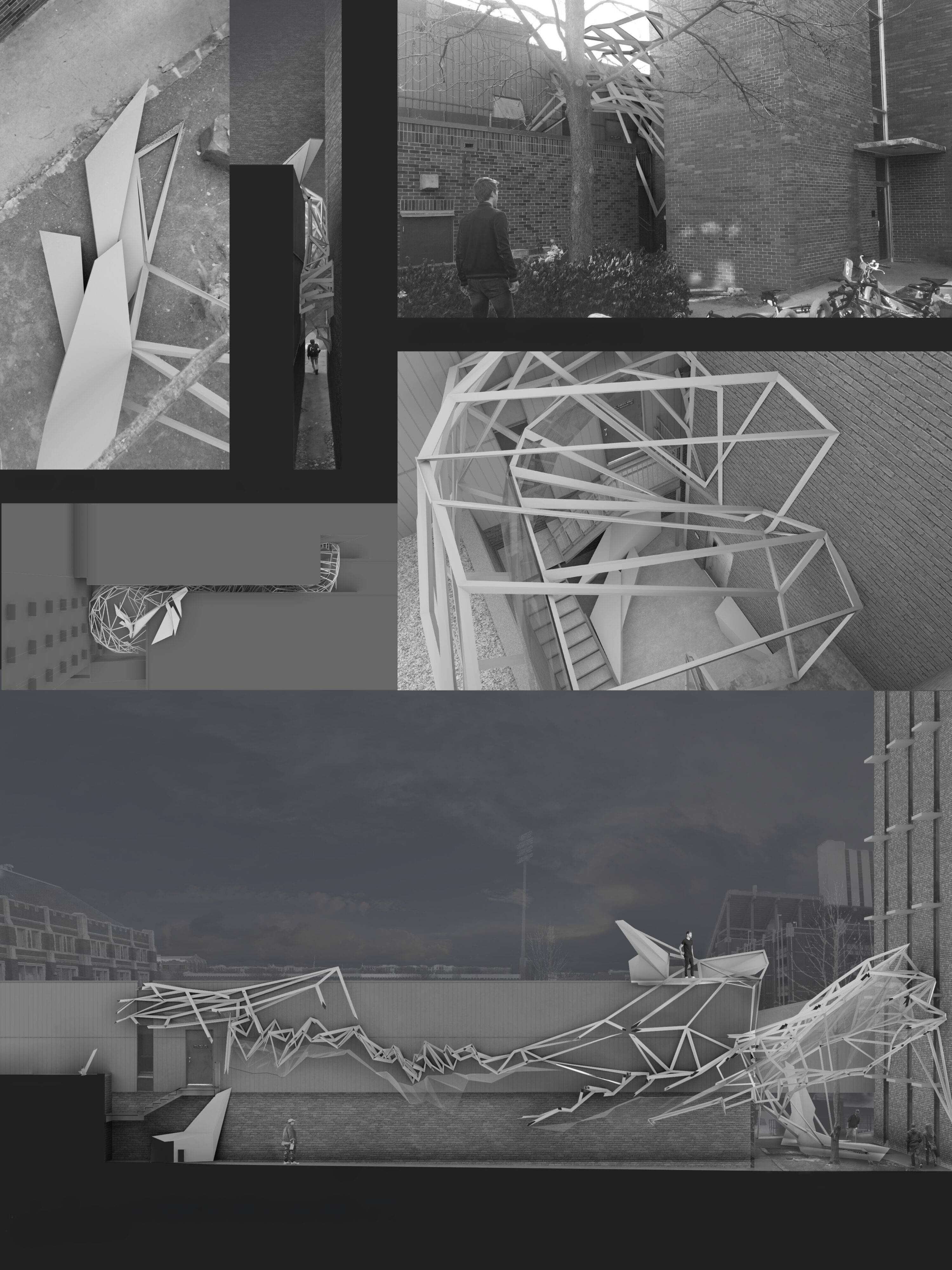
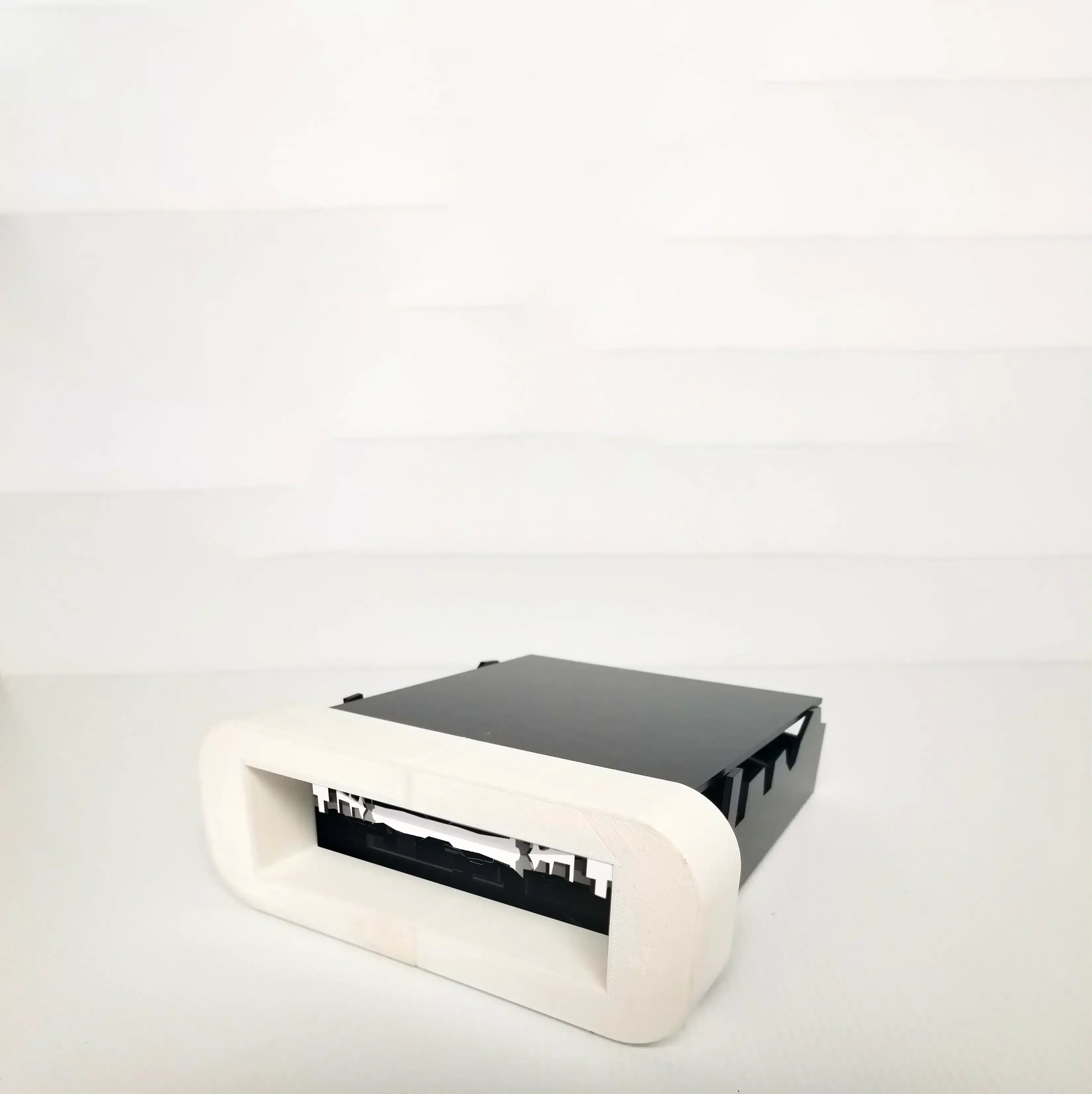
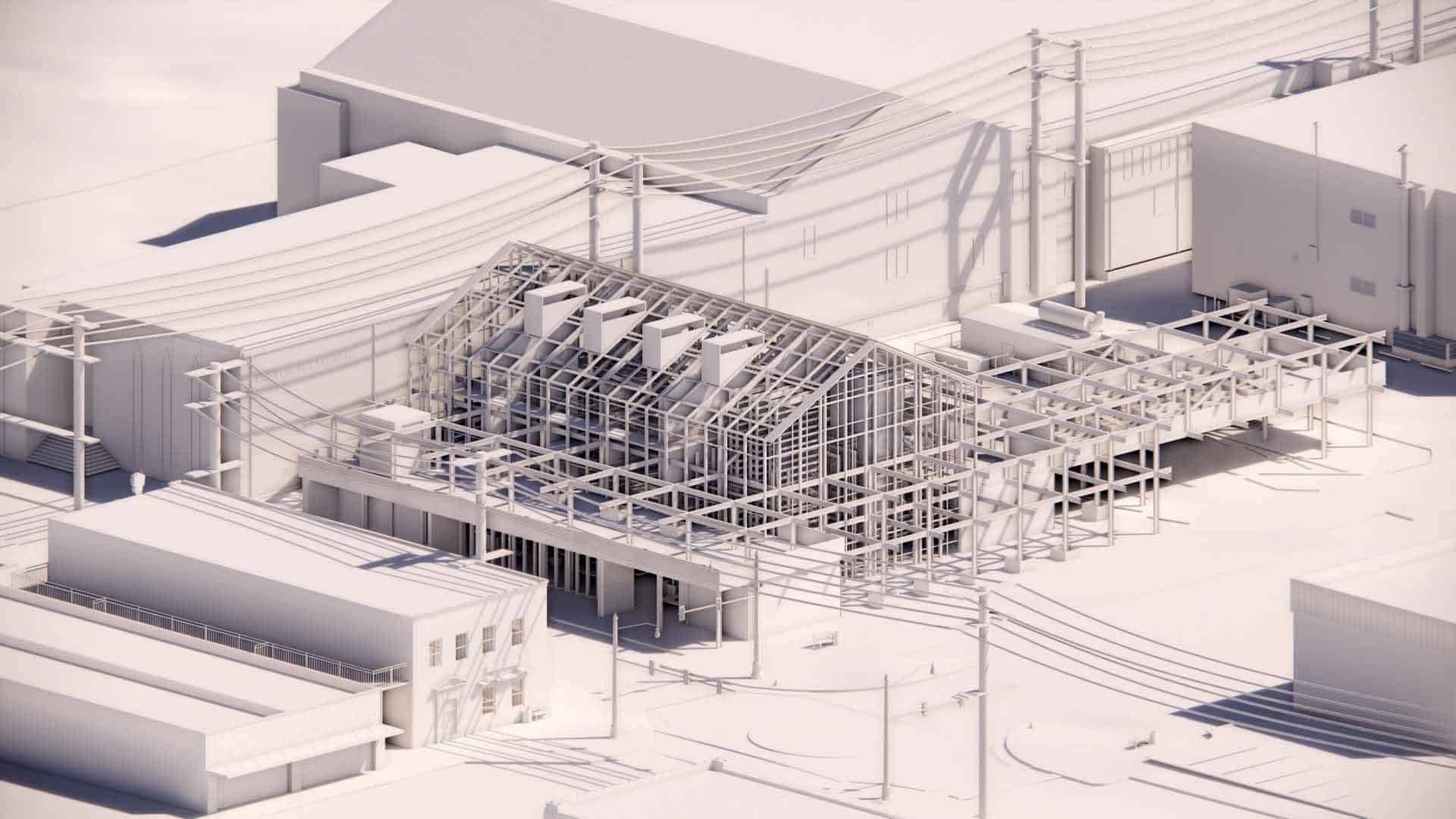
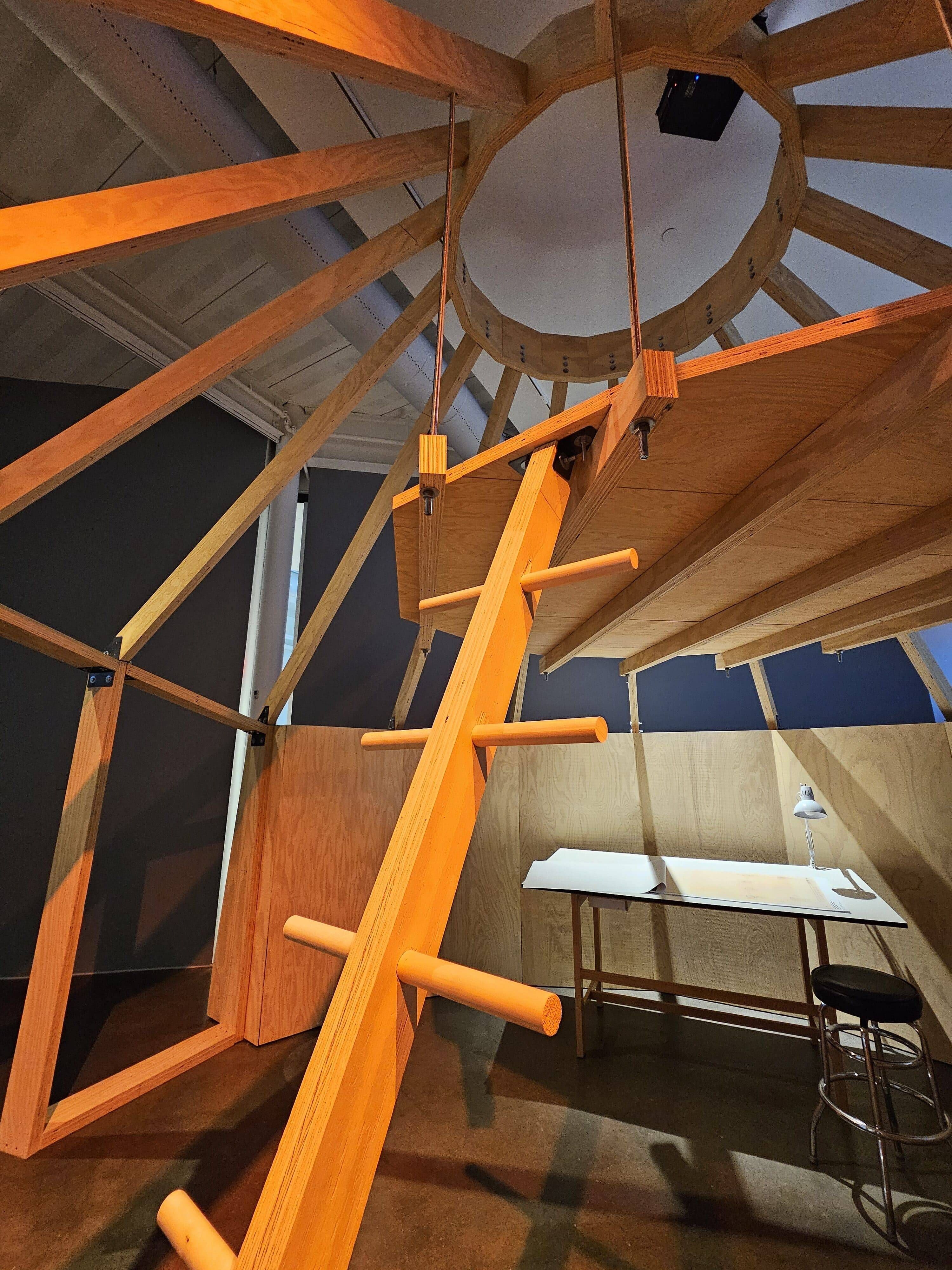
Methods II — Patterns of Architecture is a first-year foundations course that introduces students to architectural representation, modeling, and ordering principles across multiple scales. It is designed for freshmen architecture students building their initial skill sets in both analog and digital workflows. The course focuses on Rhino 3D as the primary modeling platform, supported by Adobe Creative Suite for graphics and occasional introductions to Grasshopper for parametric exploration.
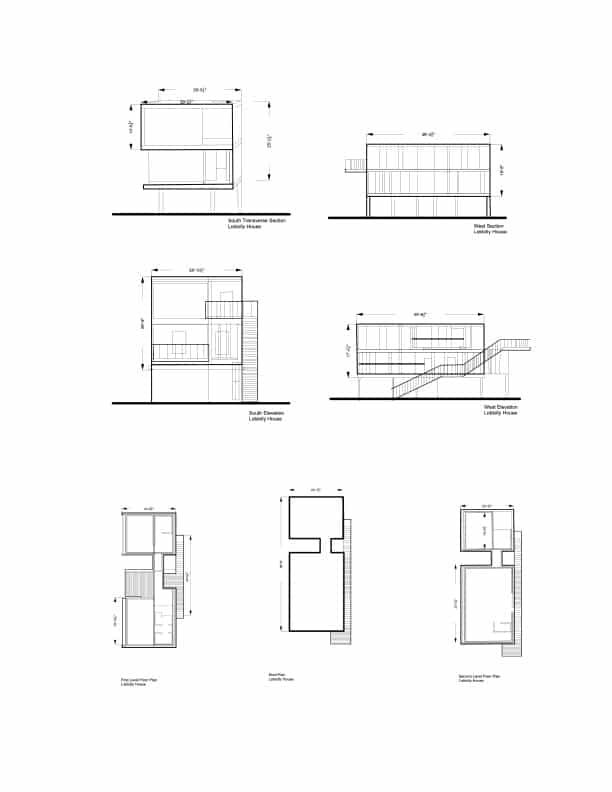
This class is structured as a progression. You will begin with 2D measured drawings (plans, sections, and elevations) of a selected precedent house. These drawings become the foundation for all subsequent work. Over the semester, you will reconstruct the project as a complete digital model, learning how foundational elements, structure, skins, and details come together to create architectural systems. Each assignment reinforces precision, accuracy, and clarity in architectural communication.
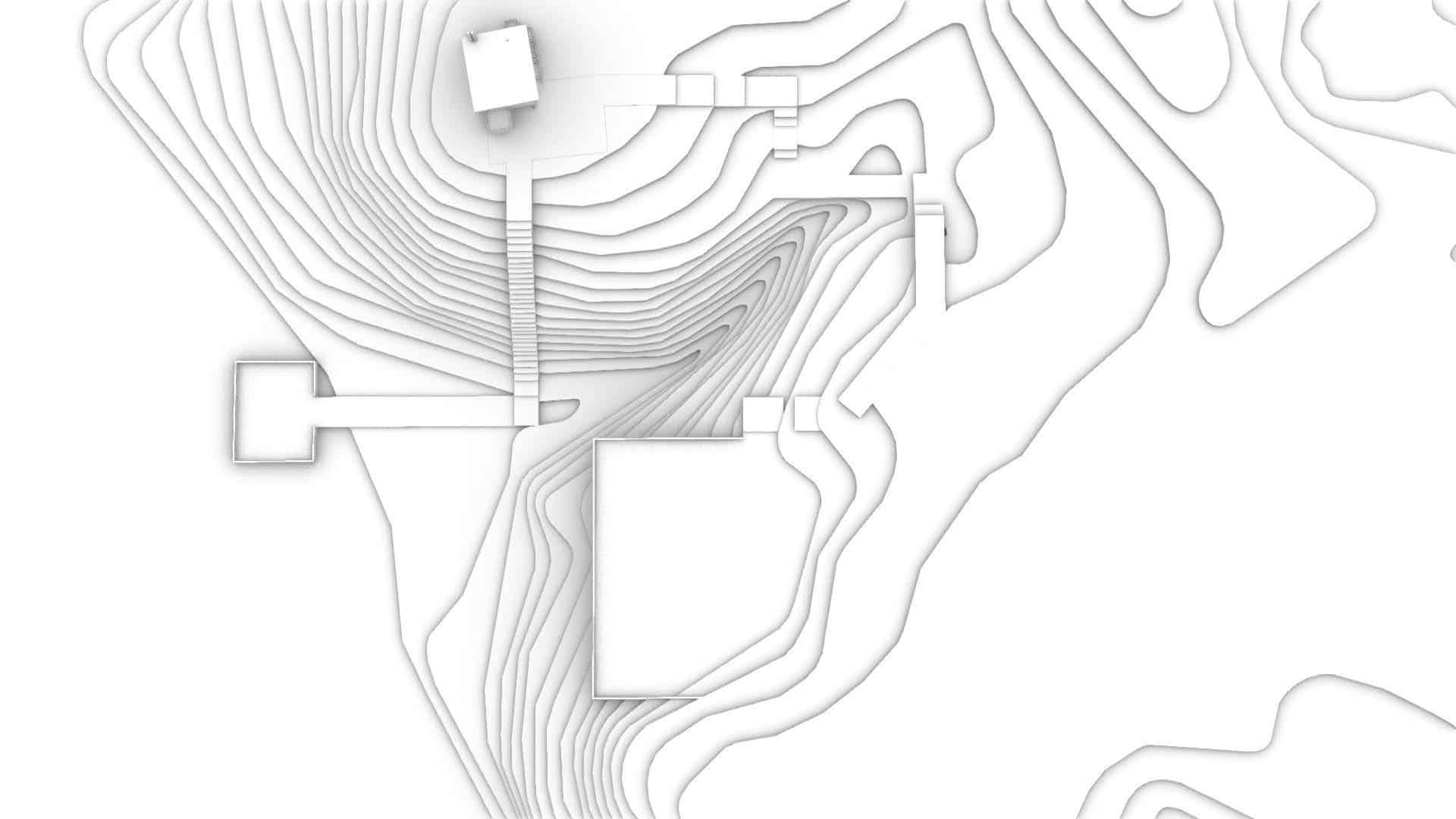
Once you develop a complete digital house model, you will learn to site the project on a new topography, integrating architectural and landscape conditions. You will produce drawings and diagrams that explain the building’s spatial and tectonic logic, culminating in section perspectives and axonometric diagrams. Each representation method teaches you how to convey architecture to both professional and general audiences.
The second half of the semester moves into design transformation and representation. You will analyze the patterns within your chosen precedent—spatial, tectonic, or formal—and apply them as a design logic for modification. These transformations allow you to experiment with extension, subtraction, rotation, or recomposition while maintaining coherence with the precedent’s system. The final assignment asks you to communicate your transformed design through atmospheric renderings, combining Rhino output with Photoshop refinements.
Throughout the course, emphasis is placed on developing professional habits from the beginning of your architectural education: organizing files, adhering to naming conventions, practicing iteration, and maintaining clear layers in Rhino. Assignments build cumulatively, giving you a portfolio sequence that demonstrates growth from 2D drawing to 3D modeling, site integration, diagramming, transformation, and rendering.
As a first-year architecture student, this course will give you foundational skills in digital representation, architectural analysis, and conceptual thinking. You will learn to see architecture not just as isolated forms, but as systems of relationships among structure, skin, site, and space. The work you complete here will prepare you for future design studios, where these representational tools and conceptual strategies become essential to developing your own architectural voice.
Course Description
An introduction to organizational strategies across a range of architectural scales. Ordering principles are investigated from micro through macro, from the materiality and tectonics of details to urban patterns. Architectural assemblies and building technology introduce structural systems and material characteristics. Massing and typology studies introduce relationships of building to site and environment.
Learning Outcomes
Digital Modeling
Develop fluency in Rhino for 2D and 3D, including precision drawing, solids and surface modeling, block instances, and organized layer management.
Parametric Literacy
Gain an introductory understanding of Grasshopper for pattern logic and rule-based variation when useful to the assignment.
Information Graphics
Create diagrams and annotated drawings that clearly convey ideas, assembly, and performance.
Ordering Principles
Identify and apply formal, spatial, and tectonic patterns across scales, from detail to whole.
Visualization
Compose section perspectives, axonometrics, and atmospheric renders that communicate intent and assembly with clarity.
Required Texts and Materials
No textbook is required. Drawing tools and a sketchbook are required. Bring a laptop to every class unless you are meeting in the computer lab.
Software
Rhino 8
Adobe Acrobat
Adobe Photoshop
Adobe Illustrator
Adobe InDesign
Enscape
Suggested
Grasshopper add ons as provided in class
Ching, Francis: Architectural Graphics, Design Drawing, Building Construction Illustrated, Architecture: Form, Space, and Order
Lewis, Paul, Marc Tsurumaki, David Lewis: Manual of Biogenic House Sections
Projects and Assignments
All projects use Rhino. Some introduce or optionally extend with Grasshopper.
Assignment 1, two dimensional drawing, plans, sections, elevations
Select one house and draft measured plans and sections. This becomes the basis for all subsequent work. Houses demonstrate clear relationships among foundation, structure, interior skin, and exterior skin, and clear delineation of interior and exterior space.
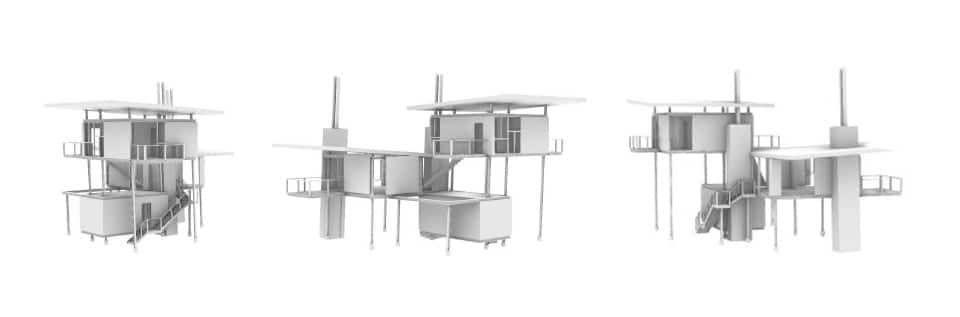
Assignment 2, three dimensional modeling
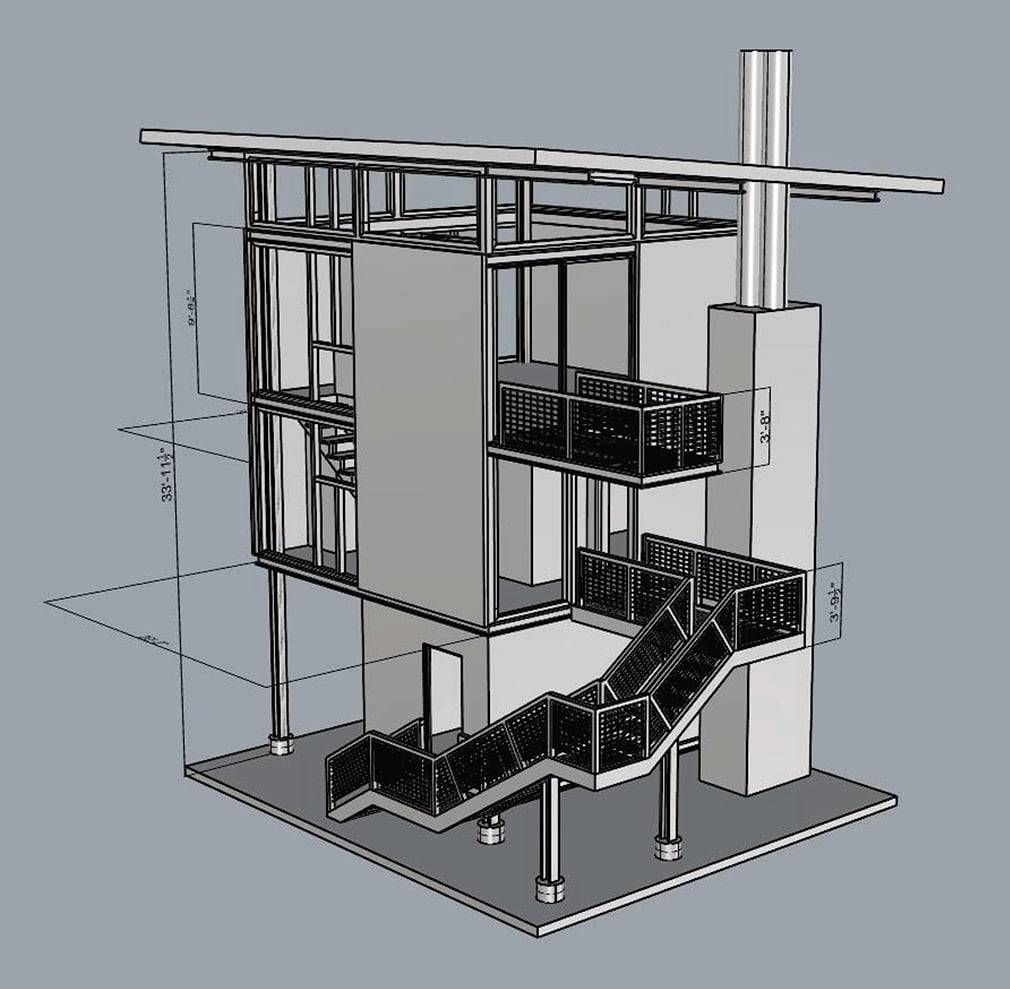
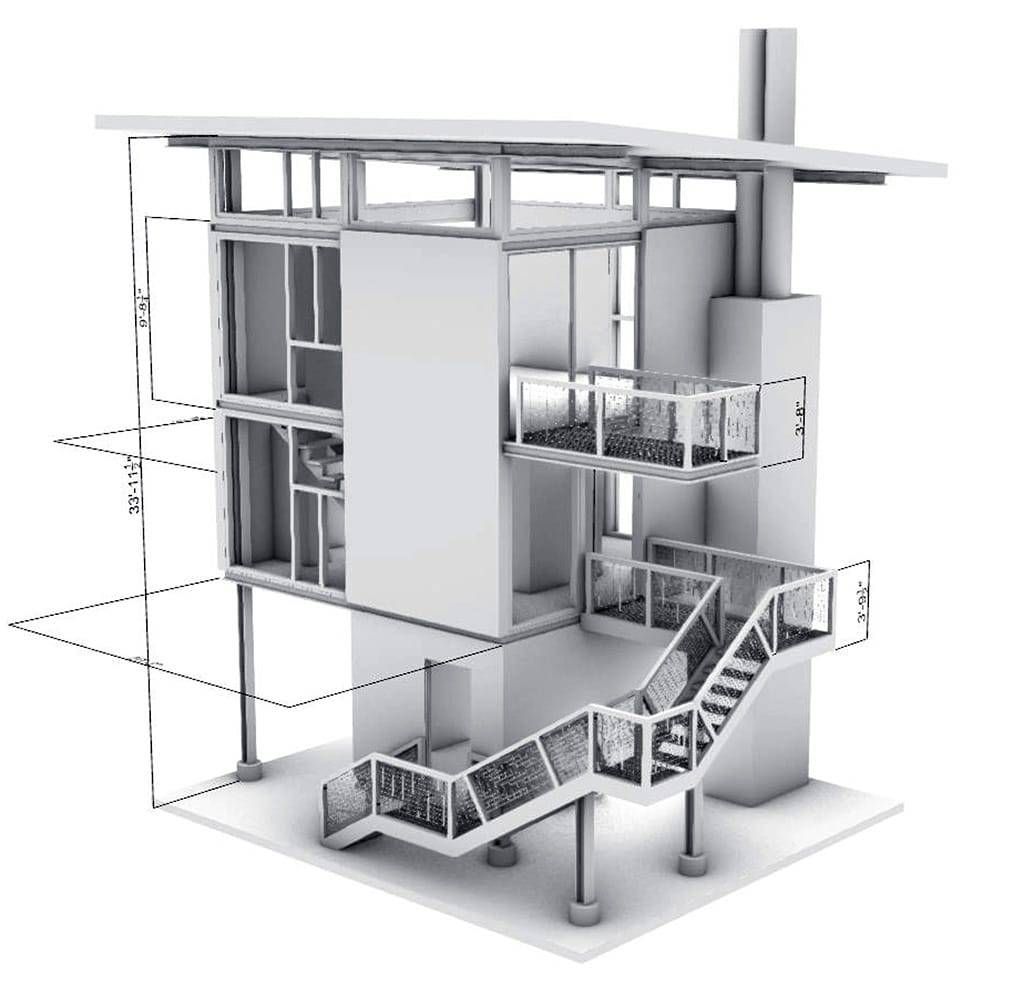
Build a complete 3D model from your 2D drawings. Adjust drawings as needed to resolve alignment and accuracy. Model in this order: foundation, primary structure, secondary structure, exterior finishes, windows, interior finishes, major millwork. Reference both your drawings and photographs to understand connections and spatial relationships.
Assignment 3, three dimensional topography
Develop a site model using contours and terrain methods in Rhino. Place your building on a provided imaginary lakefront hill, reconciling building and landscape. Explore new opportunities for approach, section, and outdoor space.
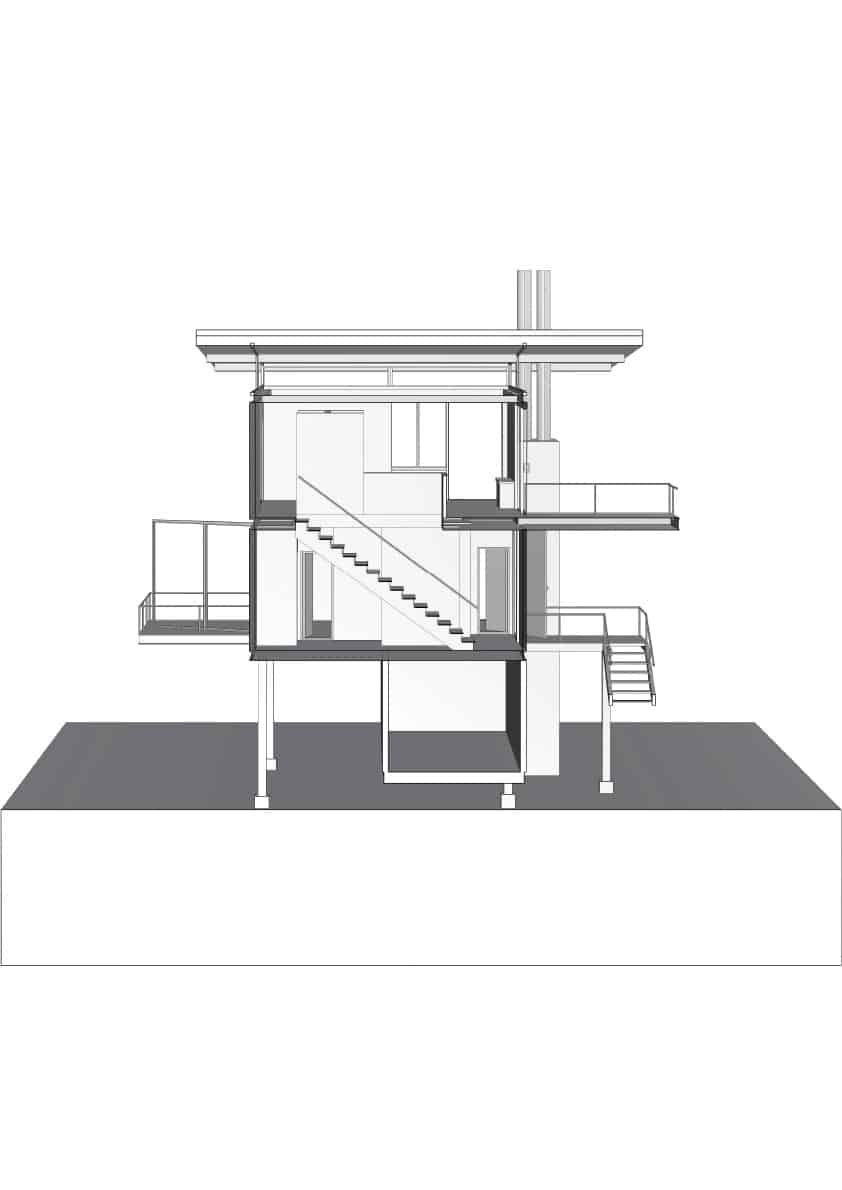
Assignment 4, section perspective
Cut a section perspective that best reveals assembly and spatial relationships. Use line weights, poche and hatching, entourage, and contextual cues to communicate construction logic and inhabitation.
Assignment 5, axonometric diagram
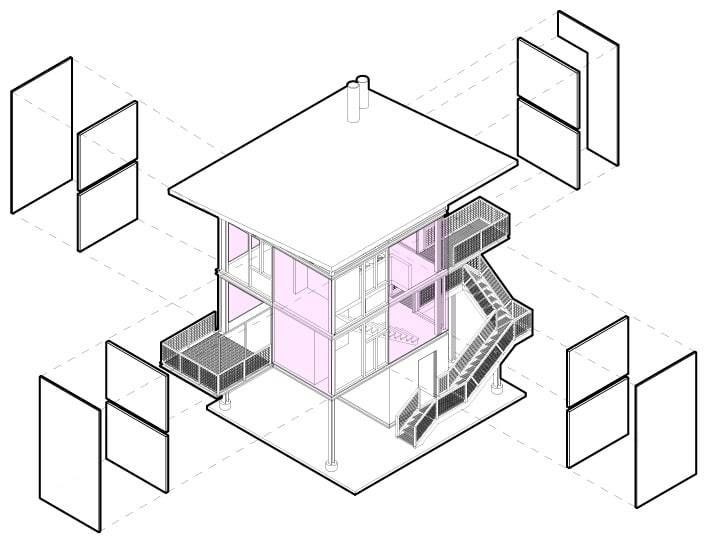
Craft an axonometric diagram that isolates and explains a key concept, such as circulation, assembly sequence, or the blending of interior and exterior. Maintain accurate proportions and use selective color or poche for clarity.
Assignment 6, transformations from patterns
Identify formal, spatial, or tectonic patterns in your precedent and define a rule set. Transform the house by extension, subtraction, rotation, or recomposition according to that logic. Demonstrate feasibility through details, diagrams, and coordinated views.
Assignment 7, rendering
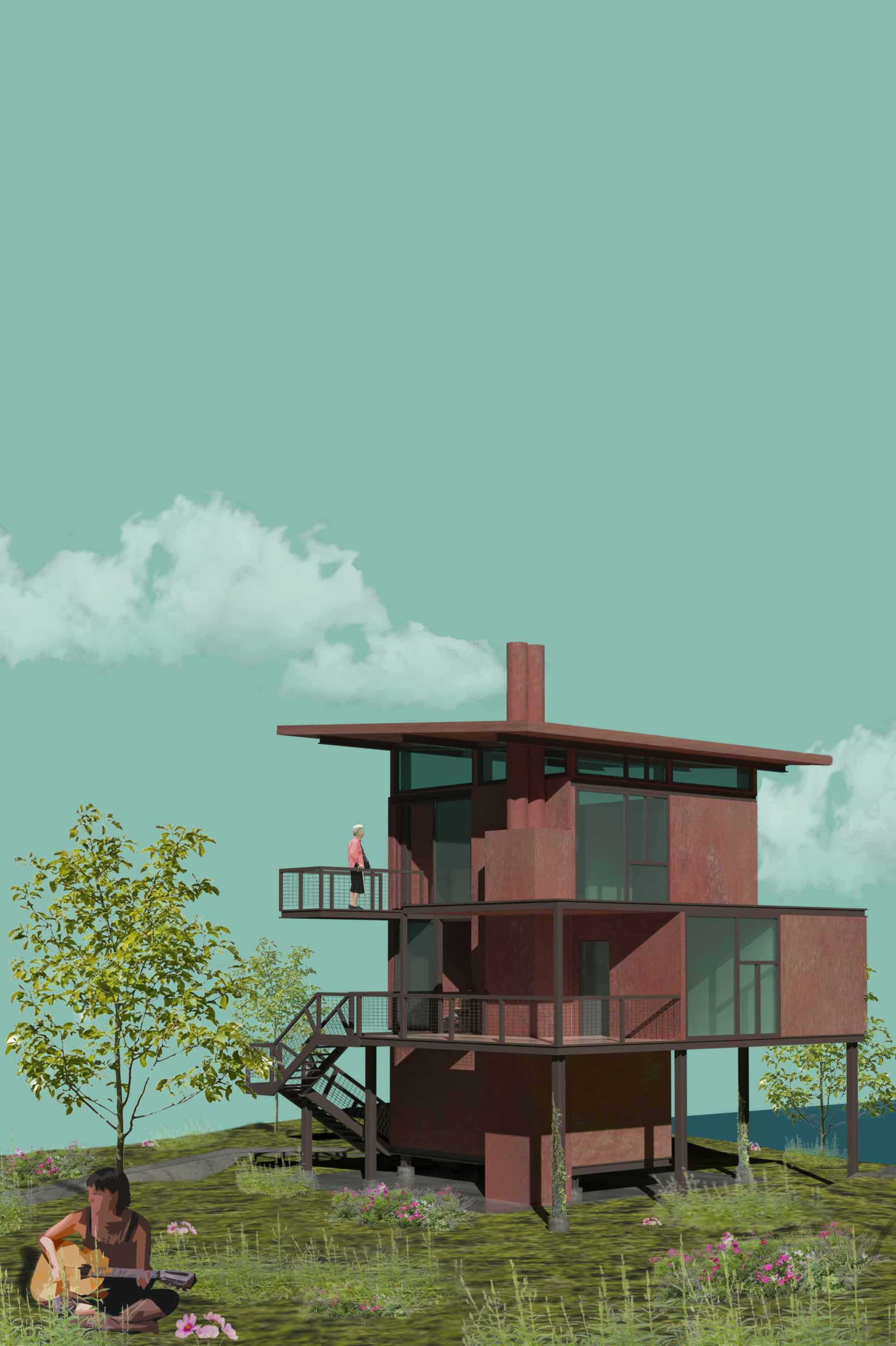
Produce portfolio ready perspectives of the transformed house. Combine a basic Rhino render with exported linework and a restrained Photoshop finish. Select at least one exterior view and one additional view that highlights enclosure and light.
Goals, Pedagogy, and Practices
What we expect of you
- Be prepared for every class. Bring new work for desk crits, pin ups, and peer reviews. Have required texts, materials, and your laptop in class.
Communicate. Check email and Canvas daily for news, schedule changes, cancellations, and updates.
- Attend class and actively participate.
a. Section 001, one unexcused absence allowed.
b. Section 002, two unexcused absences allowed.
c. Section 003, two unexcused absences allowed.
Beyond what is described above, the next one and one half hours of unexcused absence results in a five percent deduction from the final grade. Each subsequent one and one half hours may result in an additional five percent deduction. More than three hours of excused absences requires a meeting with the instructor to determine how to proceed.
- Avoid distractions. No social media, videos, or unrelated browsing during class. Silence phones. Step out if you must take a call.
- Be respectful. Maintain a quiet, supportive, academic environment. Visitors require prior approval. Recording requires consent.
Digitally submit your work. Submit PDFs and images to your professor. File titles must include full name, course number, semester, and project name.
- Be honest. Credit designers and authors. Cite all sources. See the Student’s Guide to Academic Integrity and the OU Integrity Office.
- Previous instruction. Build on what you have learned.
What you can expect of your instructors
- Start and end class on time.
- Reply to Canvas messages or emails within twenty-four hours.
- Provide feedback or grades within two weeks of submission.
- Assign work that meets learning objectives for a three credit hour course.
Field trips and site visits
Field trips are not expected. If scheduled, students may incur travel related costs. Alternative assignments will be provided for excused non participation.
Learning Activities, Assignments, and Assessments
This course emphasizes learning through doing. You will complete a sequence of digital projects that explore abstraction, composition, ordering systems, and design operations, leading to clear visualization and documentation. Short in class exercises support each larger assignment.
Assigning grades
Eight small to medium sized projects, some with milestones. Portions are due weekly. Assignments are explained in class and posted on Canvas. Submit on the due date.
Assignment 01, 10%
Assignment 02, 15%
Assignment 03, 5%
Assignment 04, 10%
Assignment 06, 20%
Assignment 07, 20%
Assignment 08, 10%
Submissions
Follow posted requirements in Canvas. Submit digital documentation to the assigned location. Name files as LastName_AssignmentNumber_Date.xyz. Keep files under twenty five megabytes. Include a front matter page in multi page PDFs with class name, project title, date, and student name.
Grading scale
A, exceptional work with high rigor and craft.
B, very good work that exceeds average standards.
C, work that meets expectations.
D, poor quality work that minimally meets some expectations.
F, work fails to meet minimum expectations.
Late work is penalized one letter grade per day. Assignments are due at the beginning of class.
Laptop, Lab, and Software Policies
The College of Architecture requires all students to have a laptop. A Windows PC is recommended due to software compatibility. Bring laptops to class unless you are in the computer lab.
Computer Lab B15 is open when not scheduled for class.
This course uses the latest versions of Rhino and Adobe software. Academic licenses are available. Enscape is used for basic rendering.
Course Policies
Academic integrity and plagiarism
Your work must be your own. Put writing into your own words and cite sources. If you have questions, ask. Penalties for serious offenses include a zero on the assignment and may extend to university action.
AI policy, restricted usage
To promote deep learning, the use of generative AI tools such as ChatGPT, Copilot, Claude, Bard, Grammarly AI, Midjourney, and DALL·E is prohibited for any part of coursework in this class, including outlines, research, and writing or image generation. Violations are treated as academic integrity issues.
Attendance and late work
See expectations above. If you anticipate an issue, contact the instructor before the deadline to discuss options. Unapproved late work receives one letter grade deduction per day and may receive delayed feedback.
Cutting class short
Arriving more than five minutes late or leaving more than five minutes early counts as cutting class short. You are allowed two instances without a university approved absence. Each additional instance deducts two percentage points from the final grade.
Technology etiquette
Avoid distractions. No unrelated videos or excessive texting during class.