Urban Learning Greenhouse
Urban Learning Greenhouse
Urban Learning Greenhouse
John Rex Charter School, Oklahoma City, OK
Construction Completed: June 2024
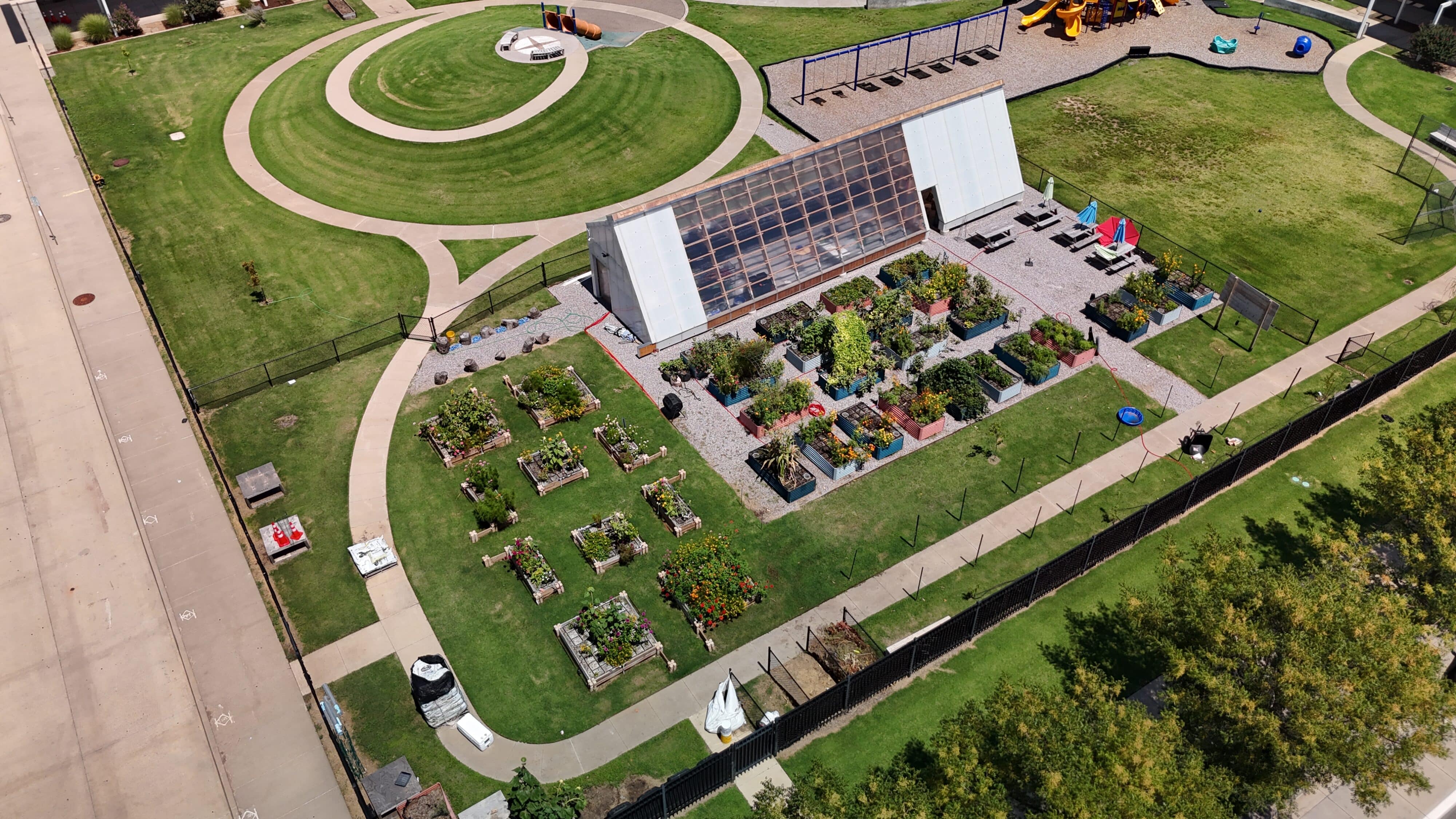
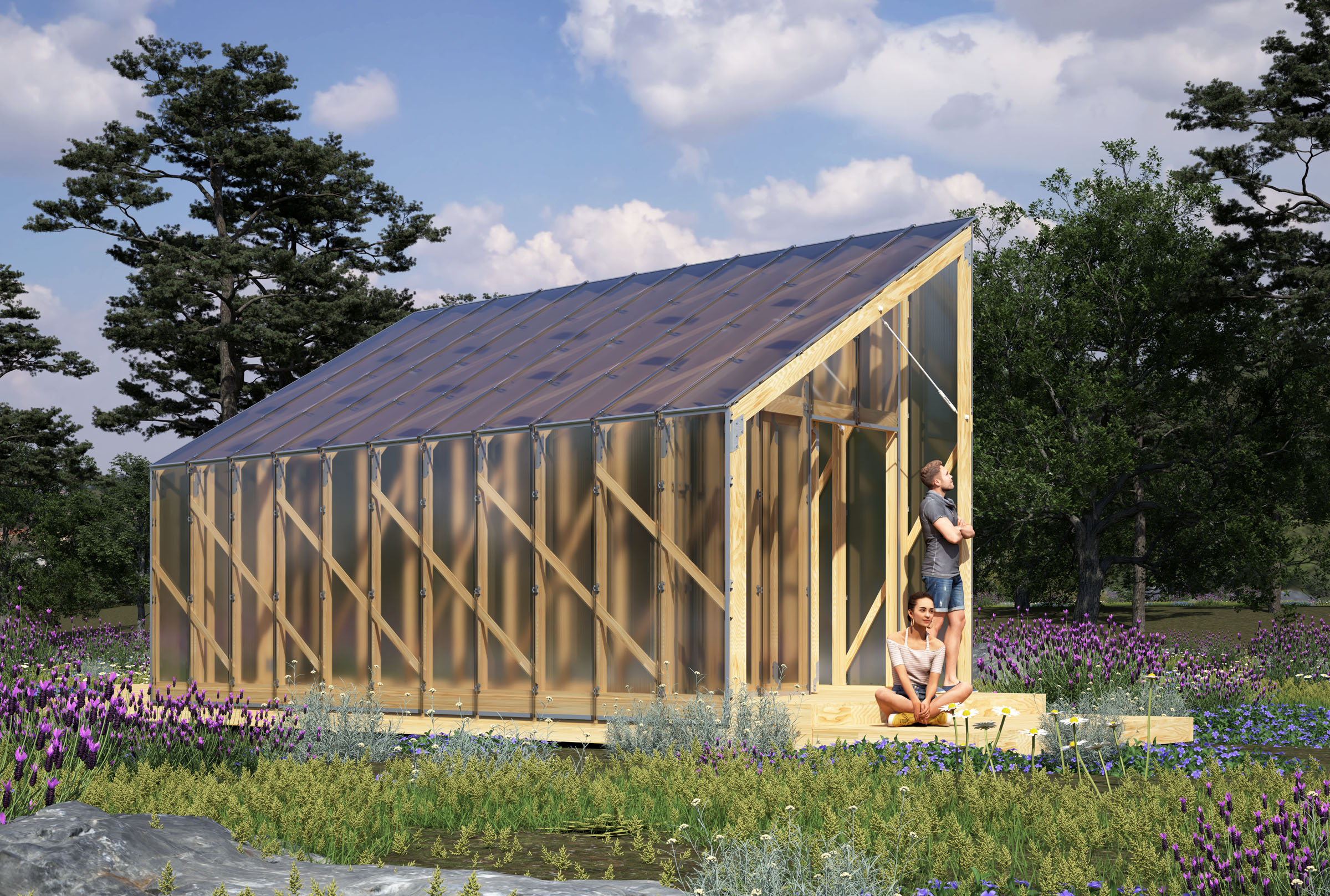
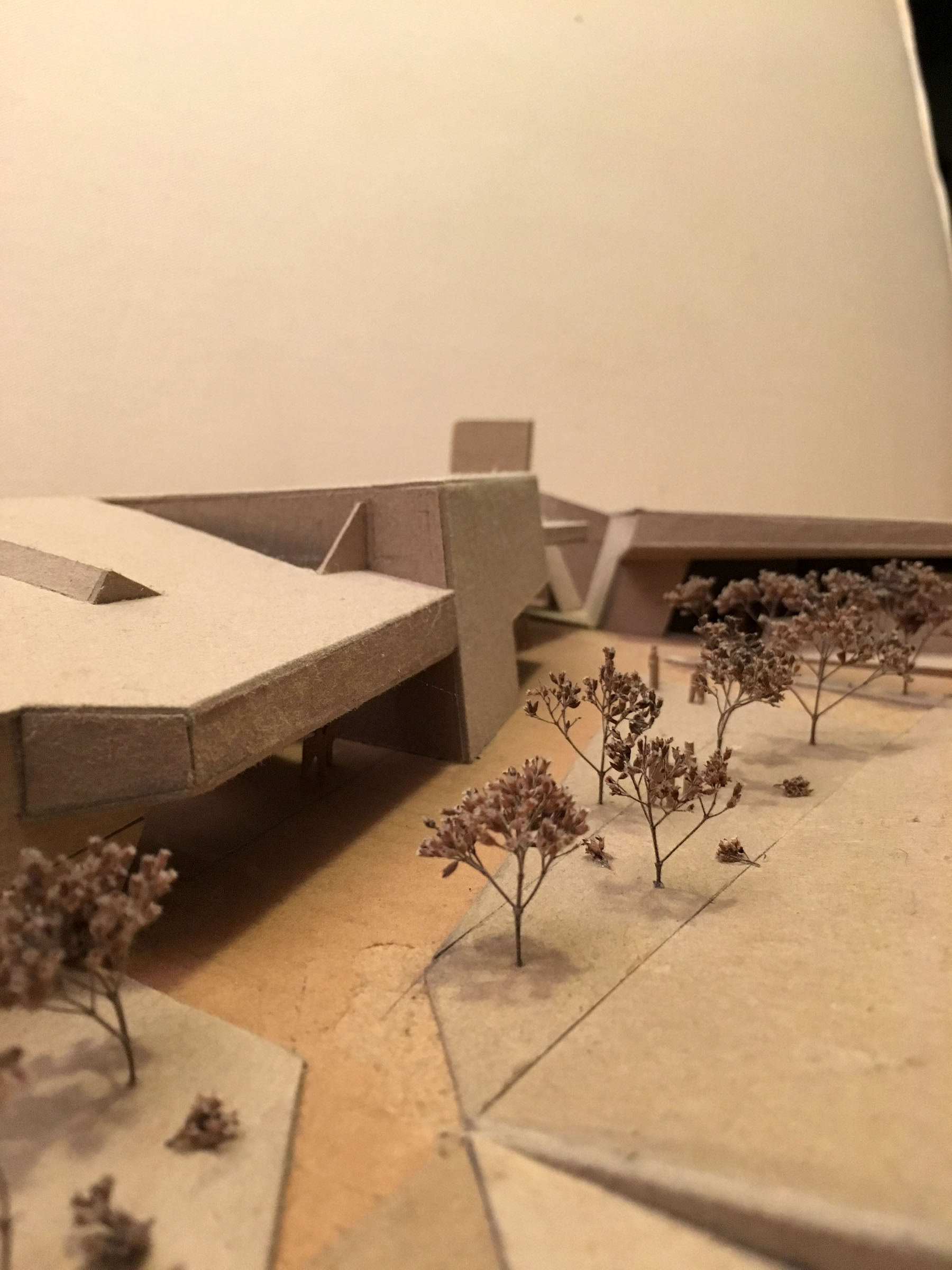
Pollinator gardens and food cultivation plots extend ecological learning beyond the greenhouse, linking design and stewardship through daily observation.
Project Overview
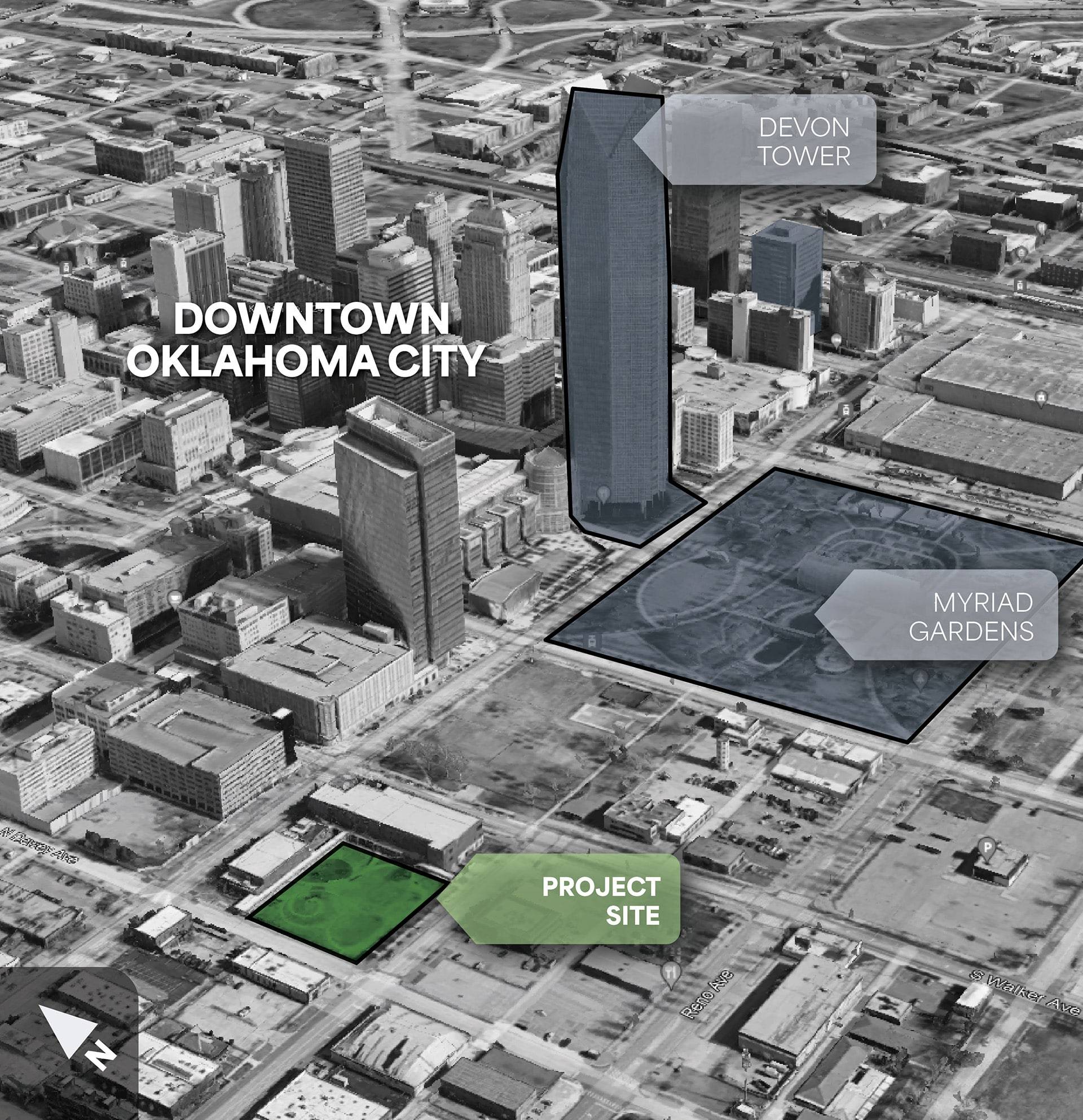
The Urban Learning Greenhouse reimagines a vacant urban corner of the John Rex Charter School campus as a civic classroom for environmental education, agriculture, and design literacy. Developed through an interdisciplinary collaboration between the University of Oklahoma’s Architecture and Construction Science programs, the project connects computation, fabrication, and community engagement through a two-semester design-build process.
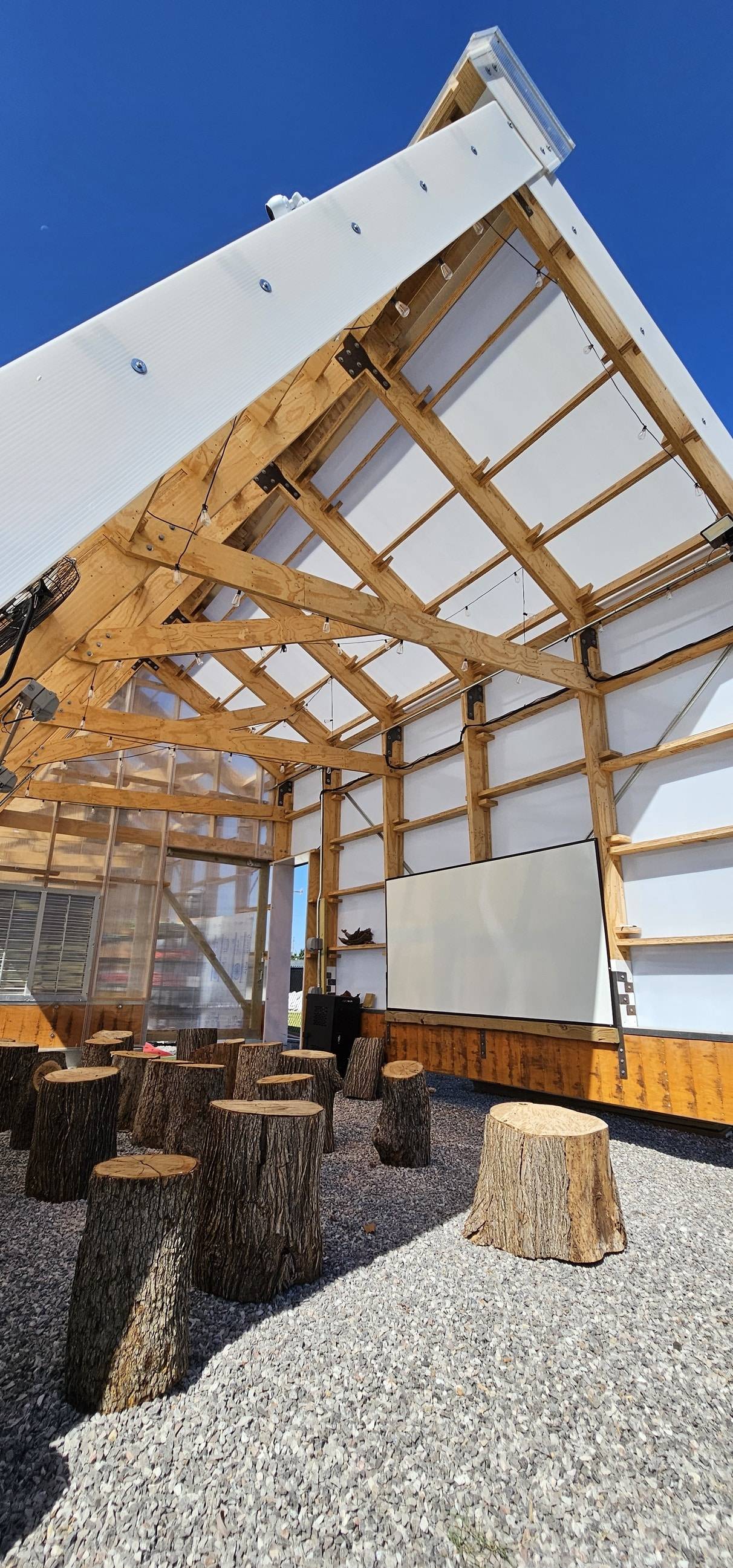
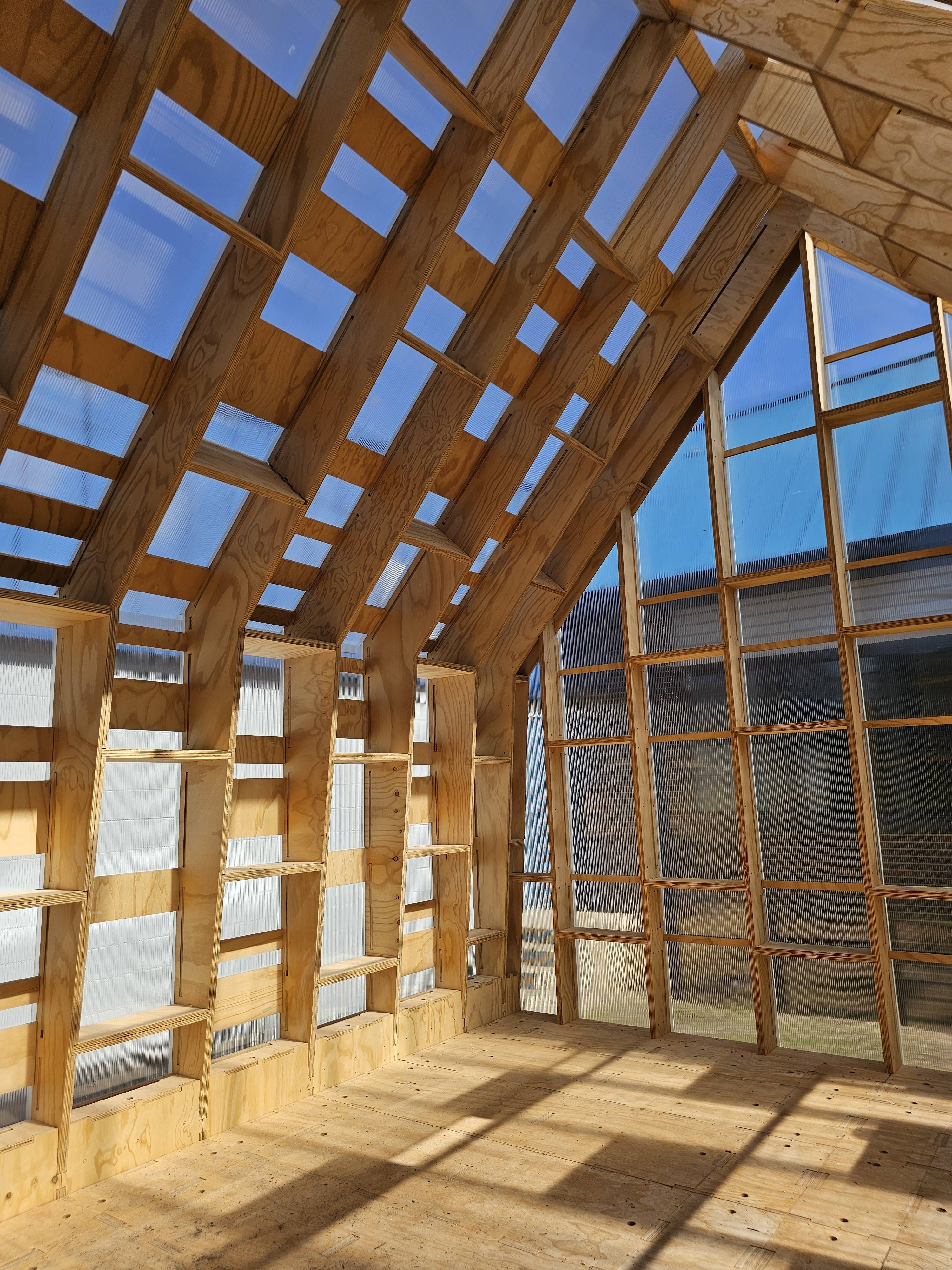
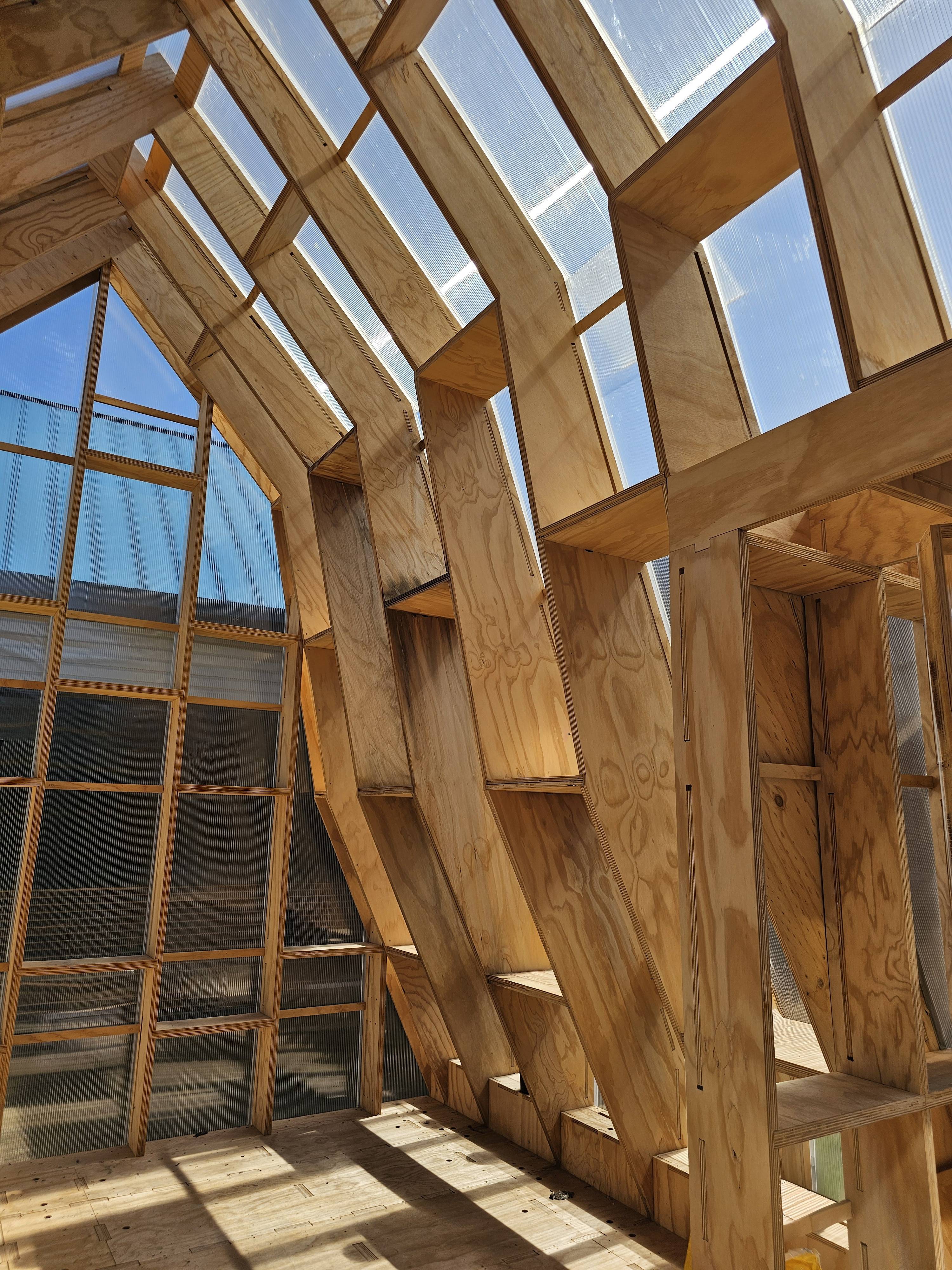
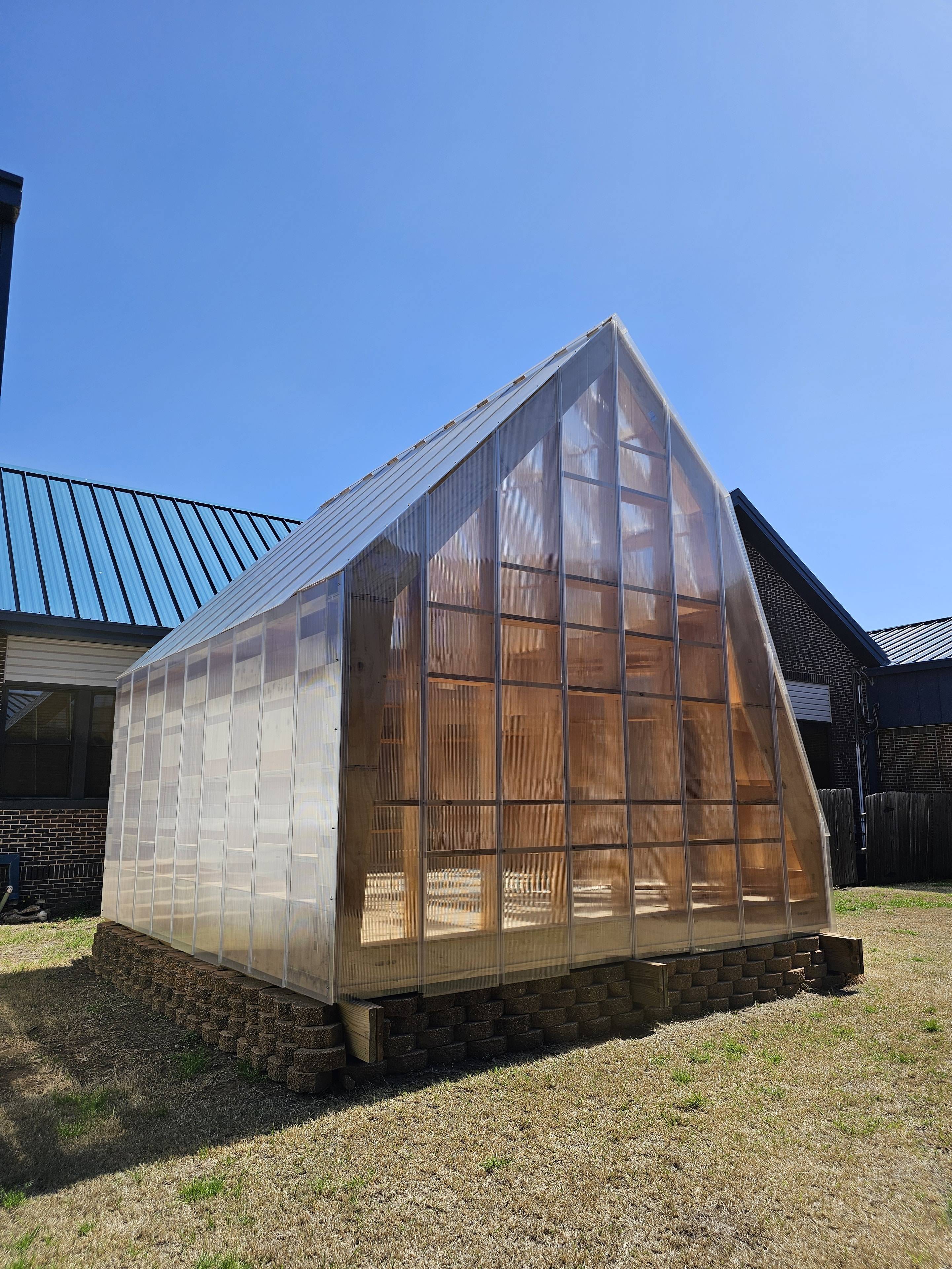
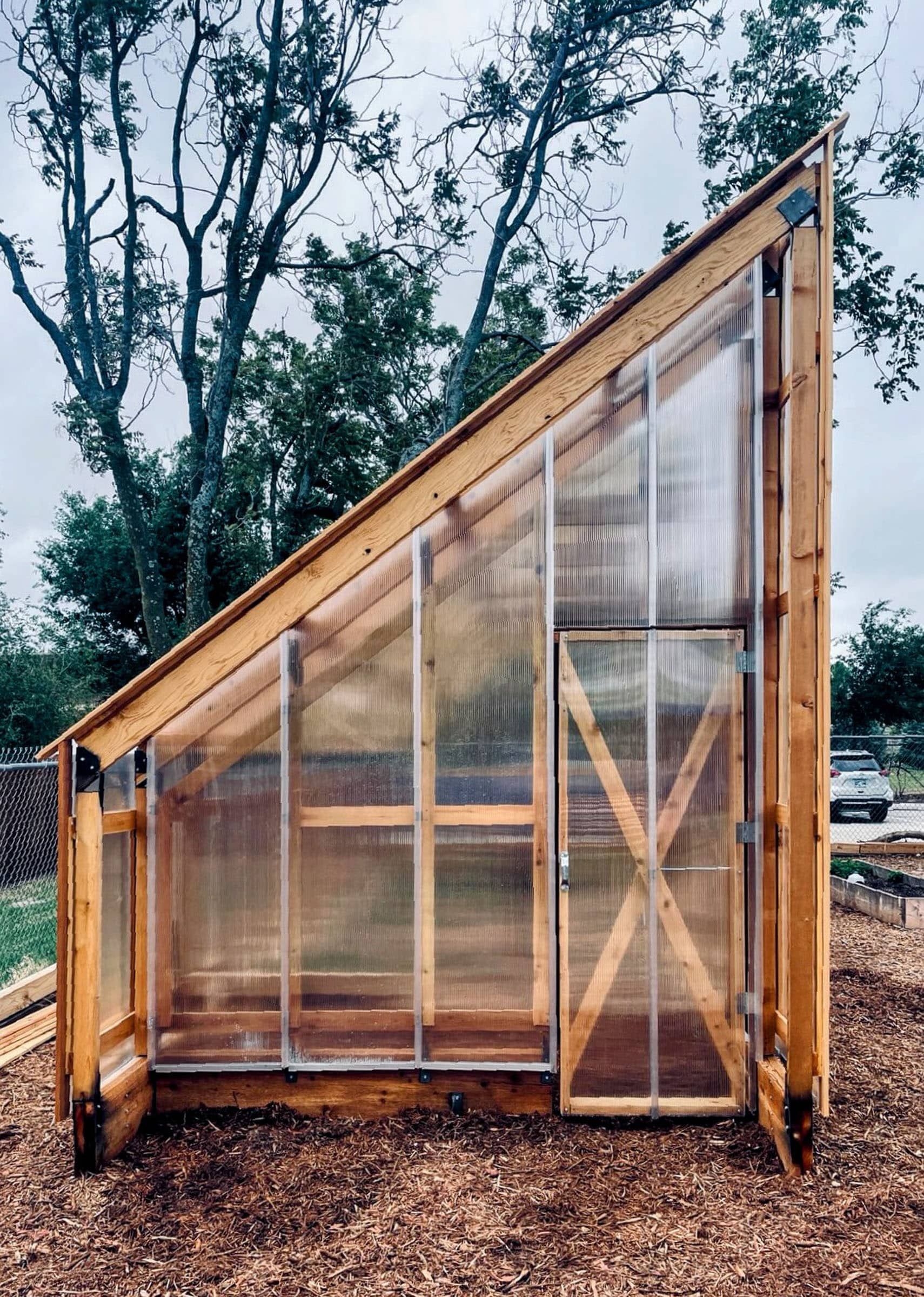
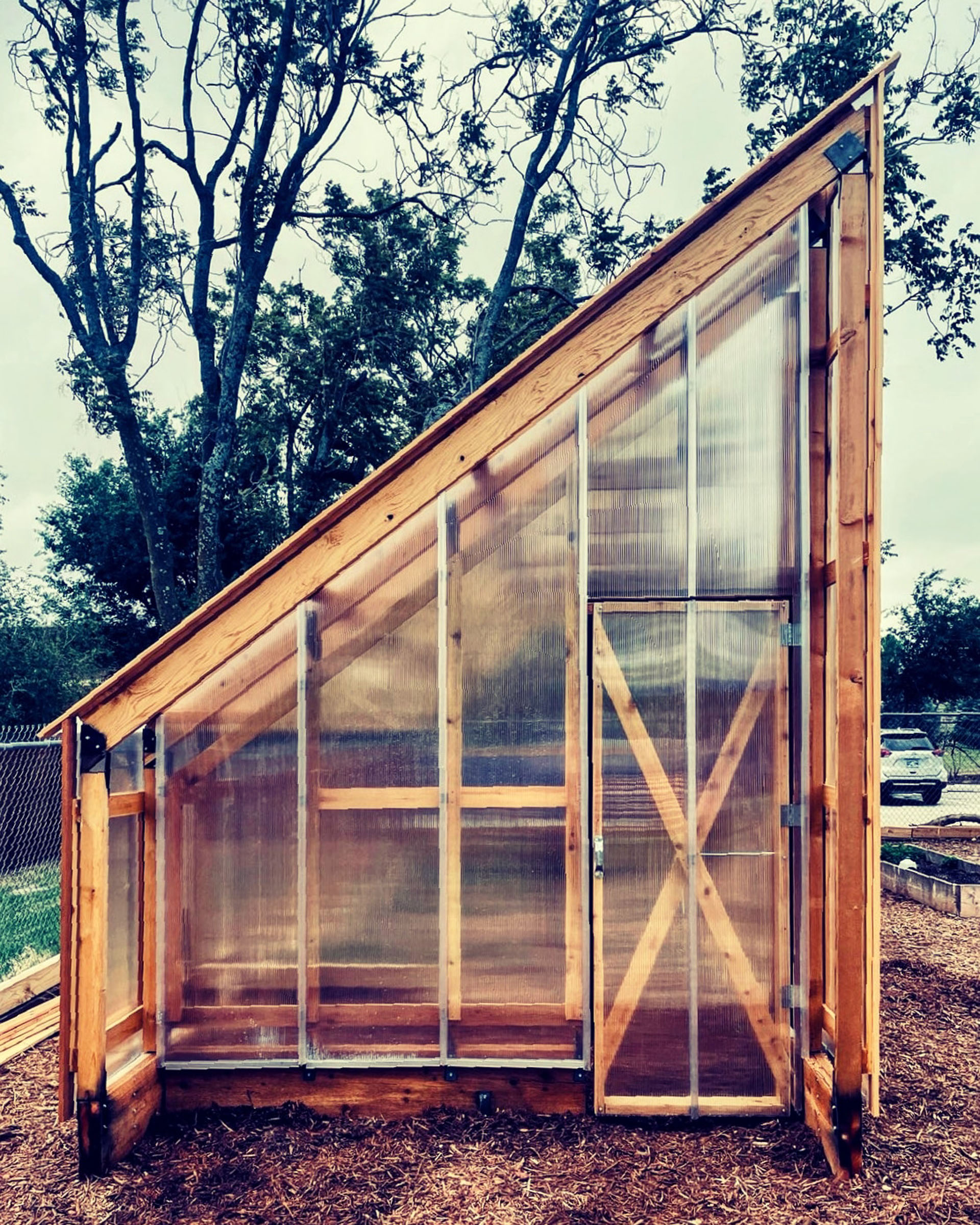
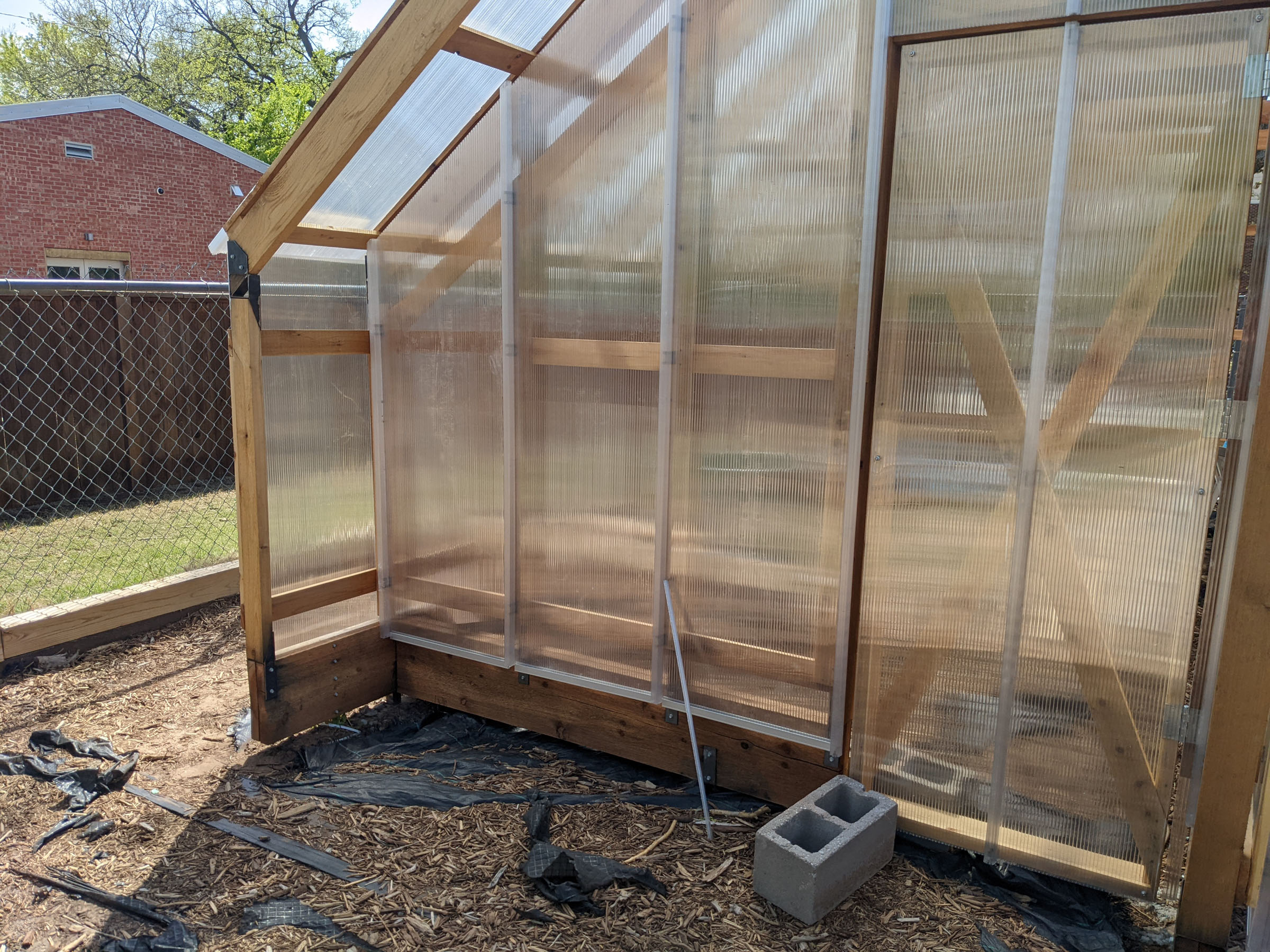
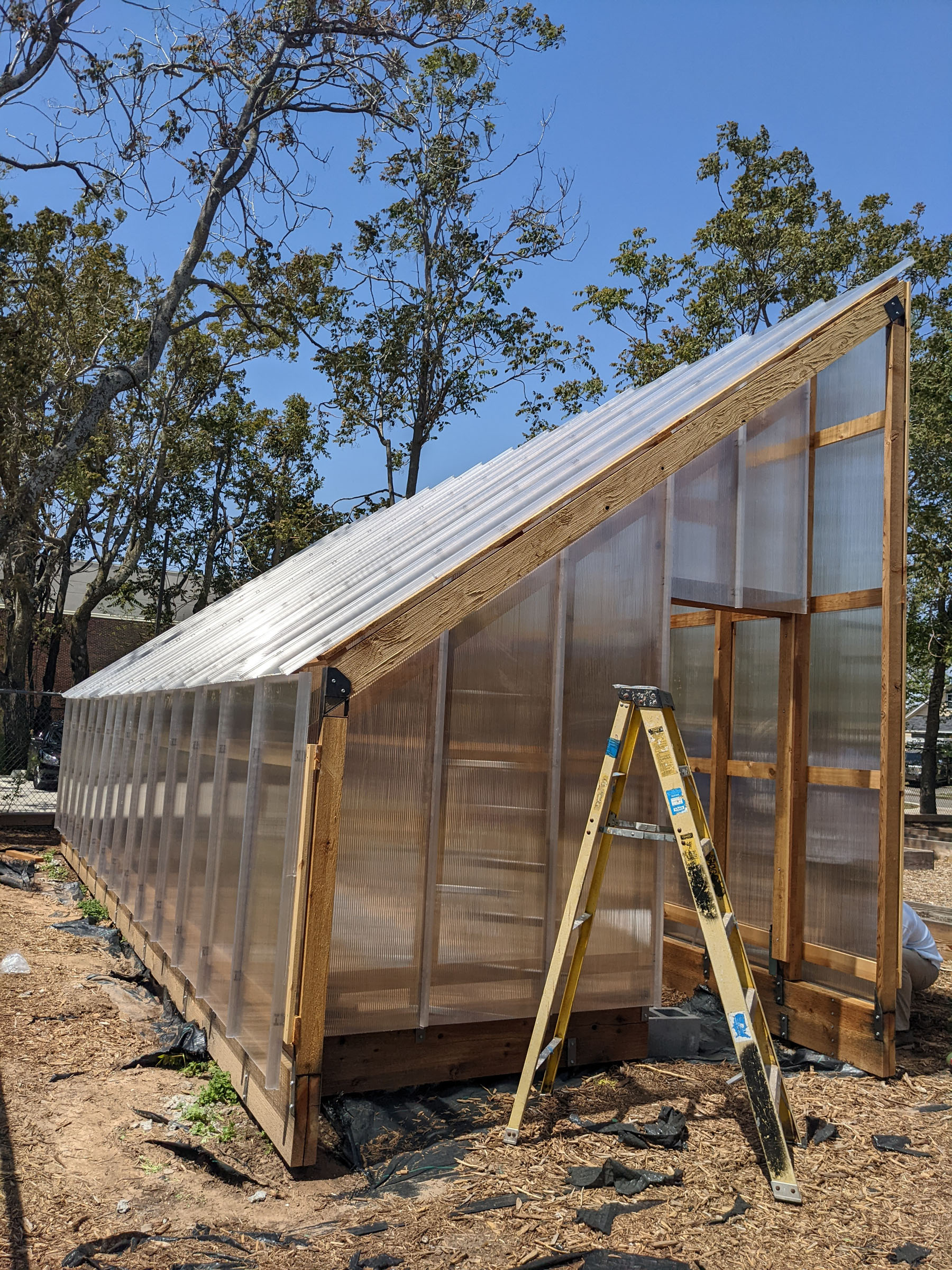
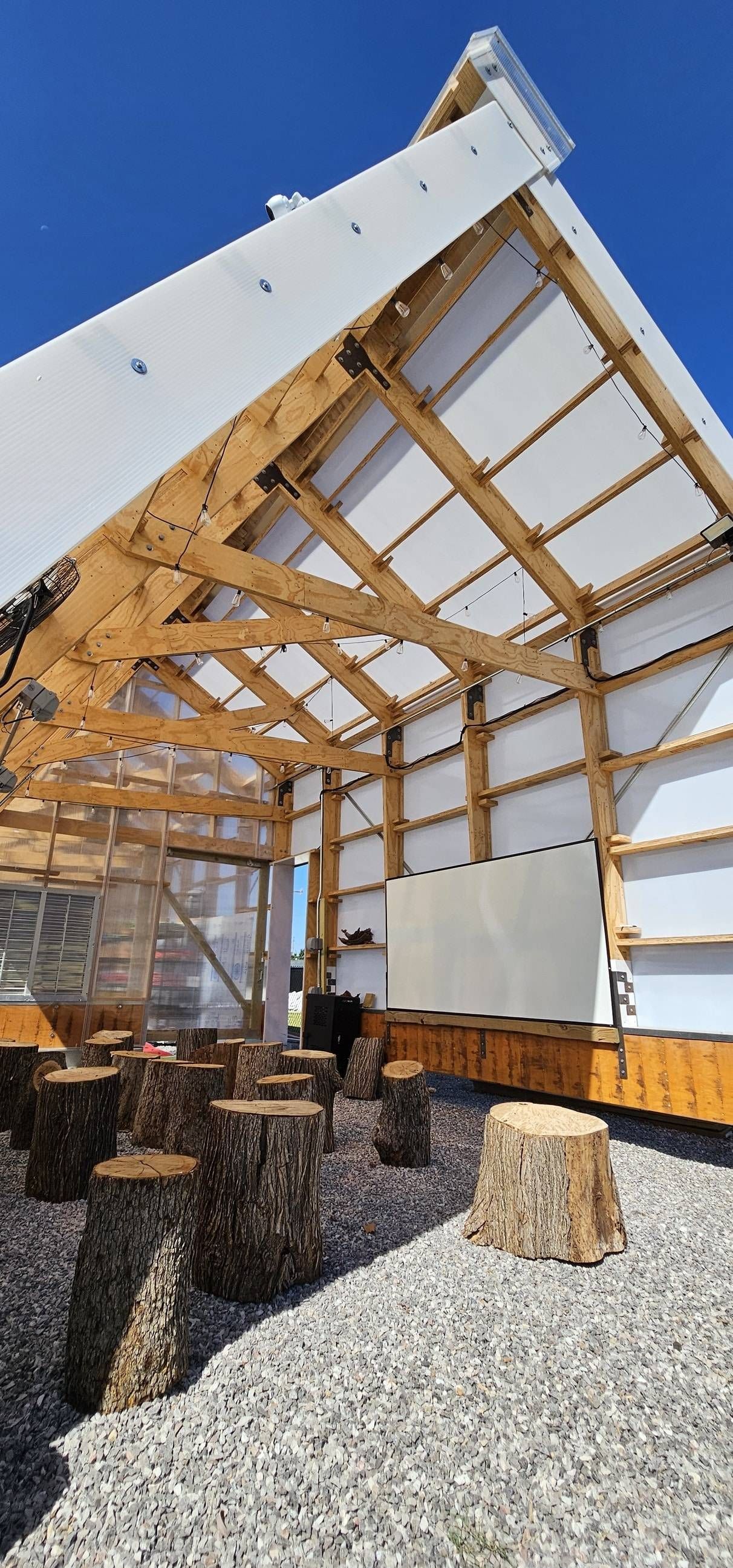
The 1,020-square-foot structure is both a greenhouse and an educational hub. Its lightweight modular framework, transparent polycarbonate cladding, and layered structure create a daylight-filled space for teaching horticulture and environmental systems. Beyond its role as a community resource, the project serves as a testbed for interdisciplinary pedagogy—linking academic research, digital fabrication, and public impact through built work.
Pedagogical Highlights
-
Interdisciplinary Design-Build Pedagogy:
Established a fully integrated workflow between Architecture and Construction Science programs, allowing students to collaborate across disciplines through every phase of research, design, fabrication, and construction. -
Applied Research in Digital Fabrication:
Advanced a faculty-led research agenda in CNC-milled plywood assemblies and modular digital-to-analog workflows, translating computational design methods directly into scalable, real-world construction. -
Ecological Literacy Through Design:
Positioned architecture as an educational interface between built form and ecology, linking greenhouse design to lessons in sustainability, pollination, food systems, and environmental stewardship. -
Professional Practice Simulation:
Structured as a two-semester, full-scale studio replicating the professional project delivery process—integrating documentation, scheduling, budgeting, permitting, and client communication into the curriculum. -
Community-Based Learning and Impact:
Developed in direct collaboration with John Rex Charter School educators and students, the project reinforced civic engagement as a core competency of architectural education and established a replicable model for community-centered design-build practice.
From Vacant Corner to Ecological Classroom
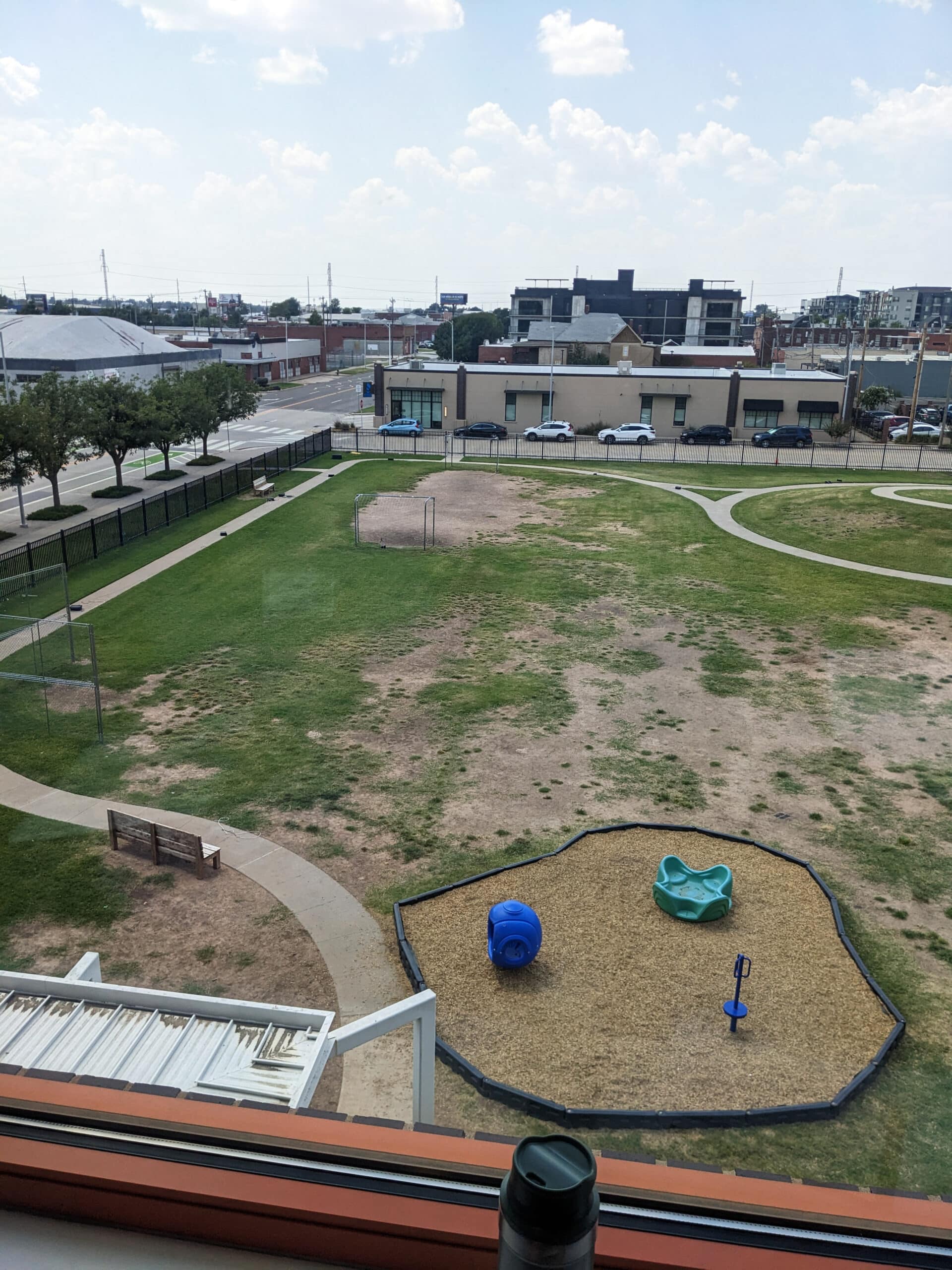
Occupying an underutilized edge of the John Rex campus, the greenhouse transforms an overlooked patch of land into an active site of ecological engagement. Early site research addressed solar gain, urban water flow, and circulation, ensuring the greenhouse performed as an integrated component of the school’s landscape. The design merges architecture with agricultural systems, framing the act of cultivation as both ecological and pedagogical.
Developed in direct dialogue with school administrators and teachers, the project integrates raised beds, pollinator gardens, and outdoor learning stations to support hands-on environmental education. The site plan encourages movement between interior and exterior learning spaces, turning the greenhouse into a living curriculum—an evolving classroom where students can see environmental systems at work.
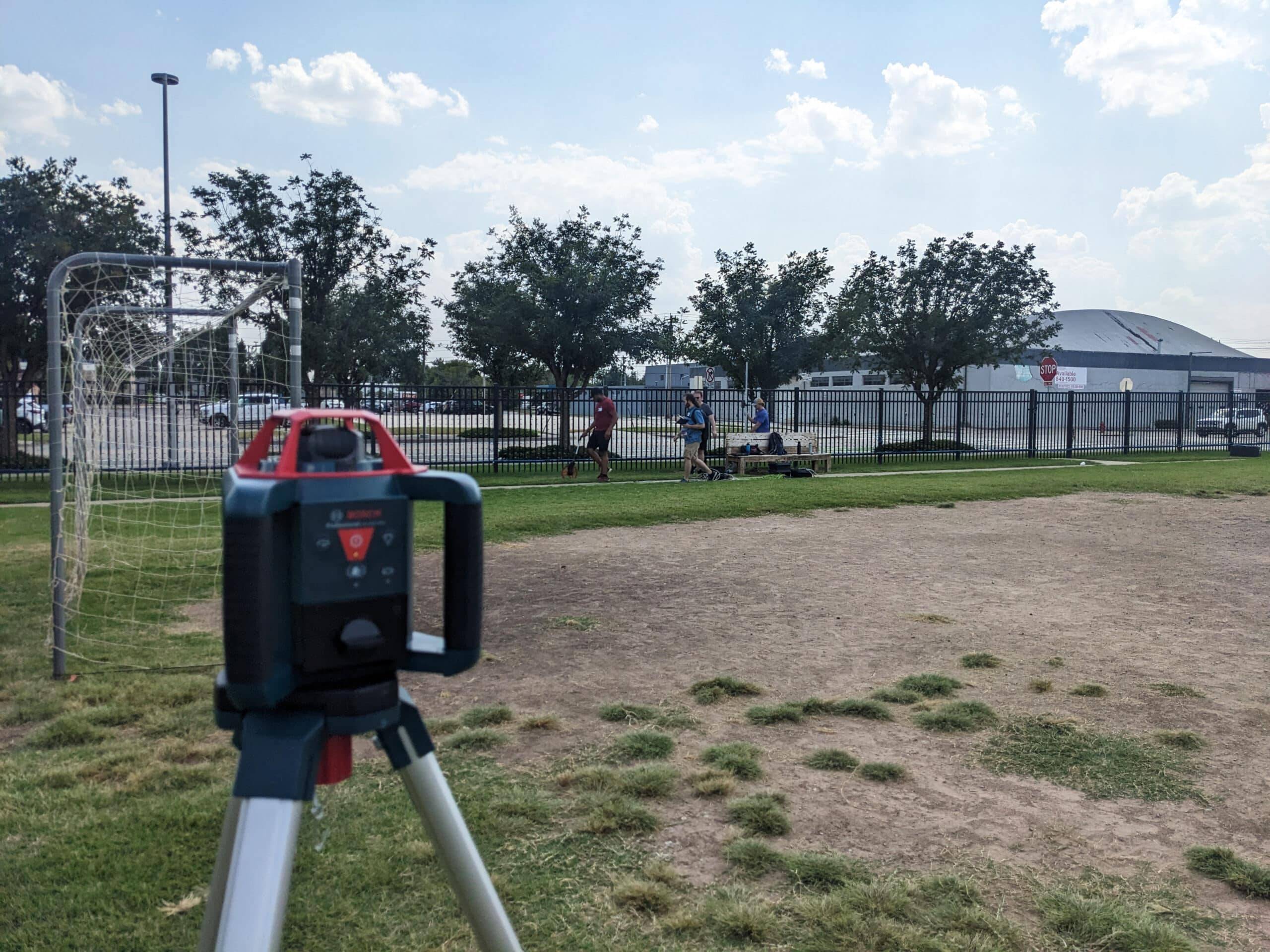
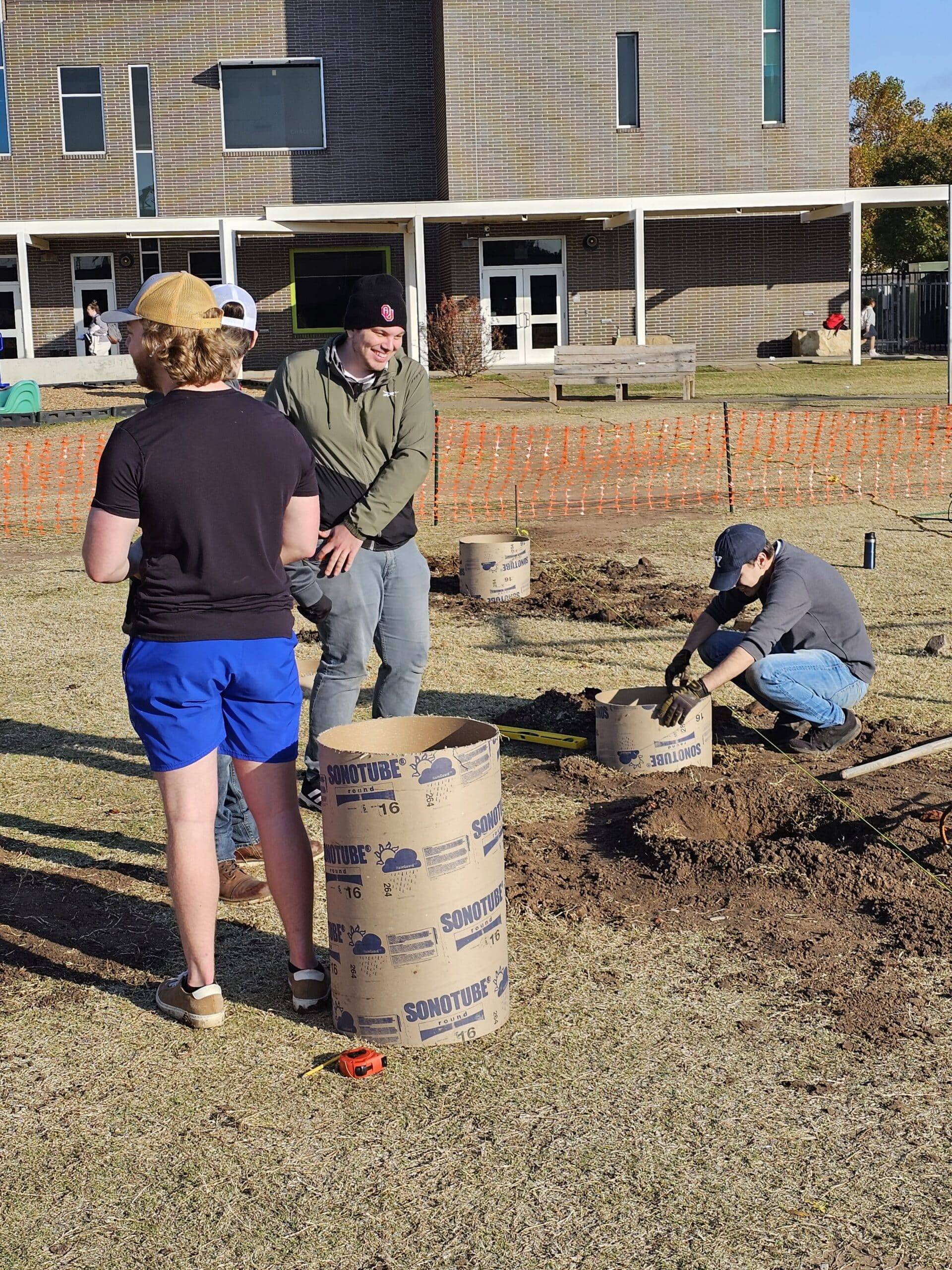
Early survey work identified environmental conditions—sun path, vegetation, and drainage—guiding the greenhouse’s final placement and form.
Community Collaboration and Curricular Integration
The design process was anchored by stakeholder collaboration and iterative engagement. Faculty and students conducted participatory workshops with educators and administrators to align architectural design with curriculum goals. These conversations informed the project’s flexible programming—accommodating lessons in botany, sustainability, and nutrition—while reinforcing its accessibility as a shared community asset.
Through this process, the design-build team developed a deeper understanding of how architecture functions as a facilitator of learning. The project not only generated a physical greenhouse but also cultivated a framework for interdisciplinary collaboration, empathy, and civic engagement. Each design decision—from spatial organization to construction sequencing—was informed by both environmental logic and the lived experiences of the students and teachers who would occupy the space.
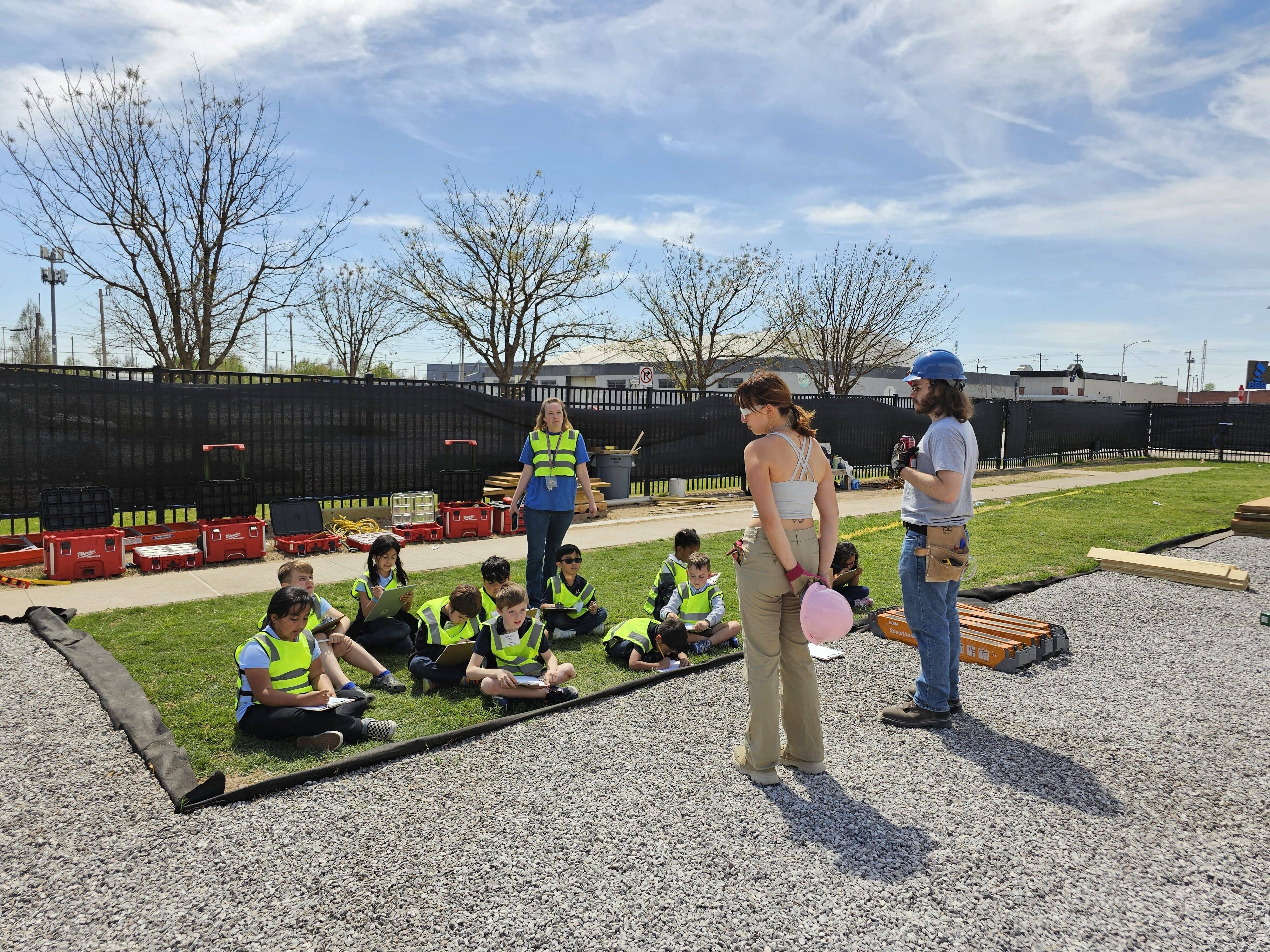
Design development combined pollinator-friendly planting research with classroom engagement to align ecological goals with educational programming.
Professional Practice as Pedagogy
Structured as a full-scale design-build studio, the project mirrored professional workflows. The fall semester focused on site research, conceptual design, and prototyping, while the spring semester transitioned to construction management and on-site fabrication. Architecture students coordinated digital design and documentation; Construction Science students led field operations and assembly.
This collaboration required the team to operate across disciplines, integrating scheduling, budgeting, and fabrication sequencing into a unified workflow. Faculty oversight emphasized leadership, accountability, and reflection as educational outcomes, ensuring that process and product held equal weight. Through this framework, students experienced the project not as a simulation of practice, but as practice itself.
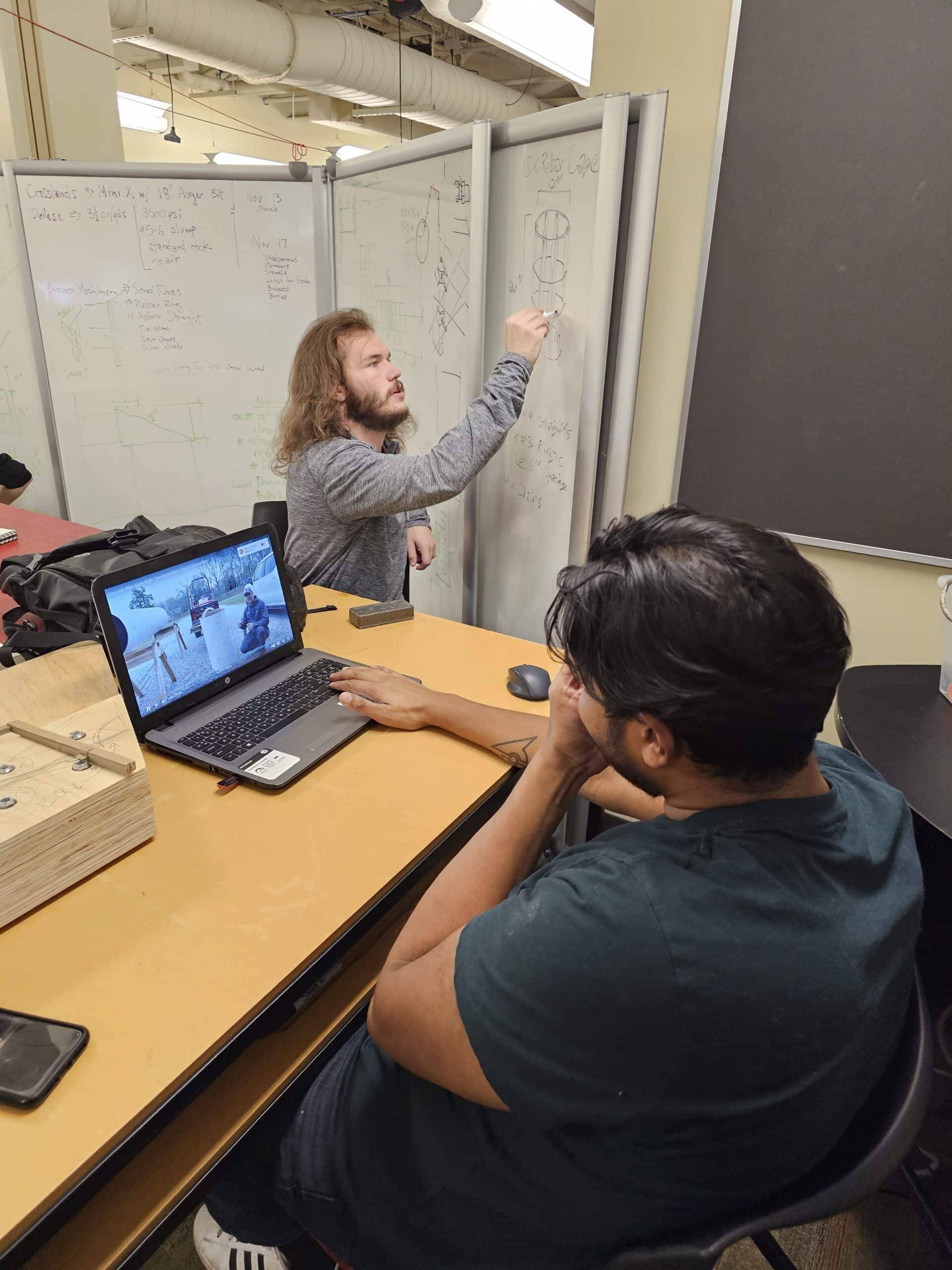
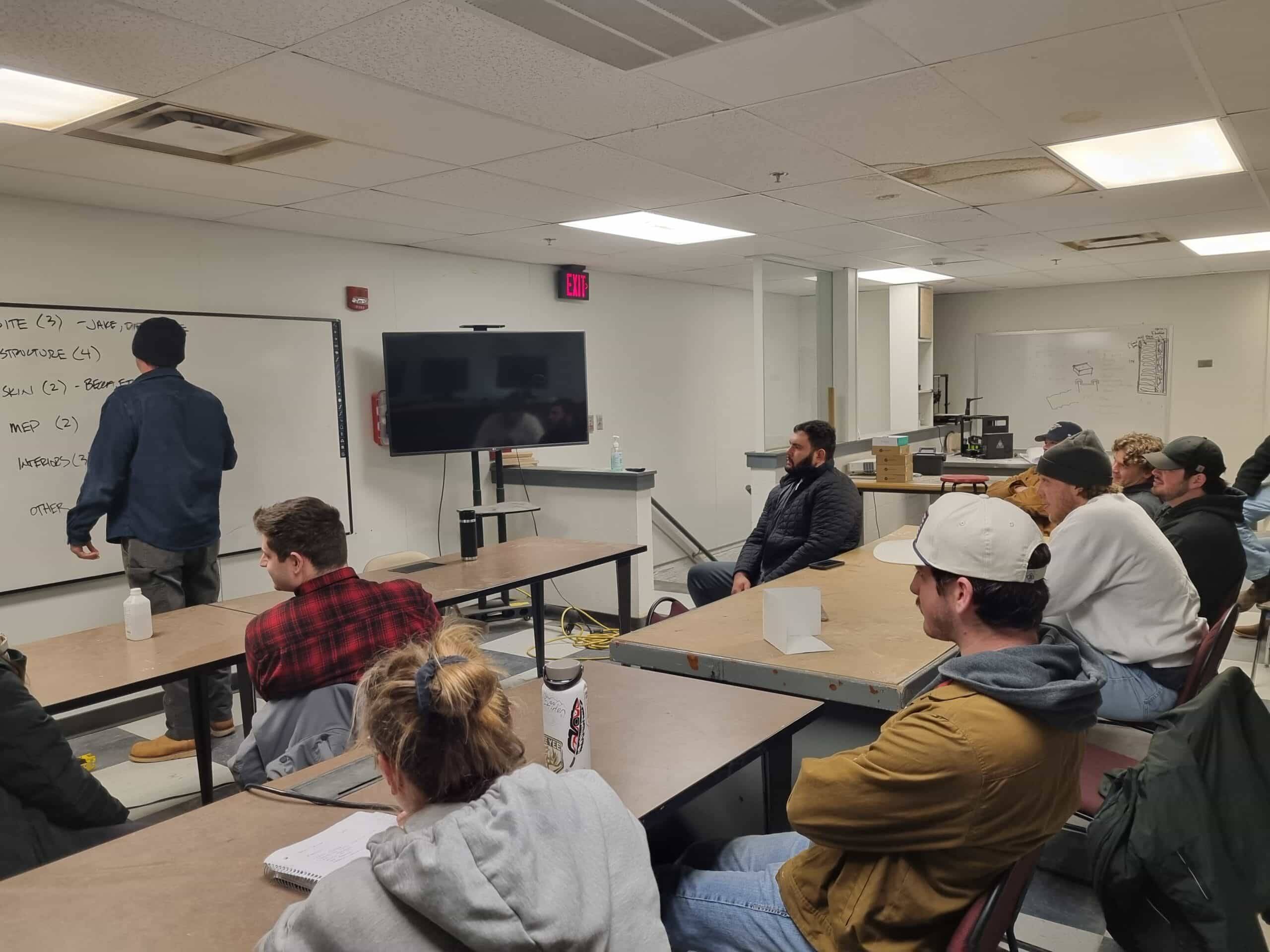
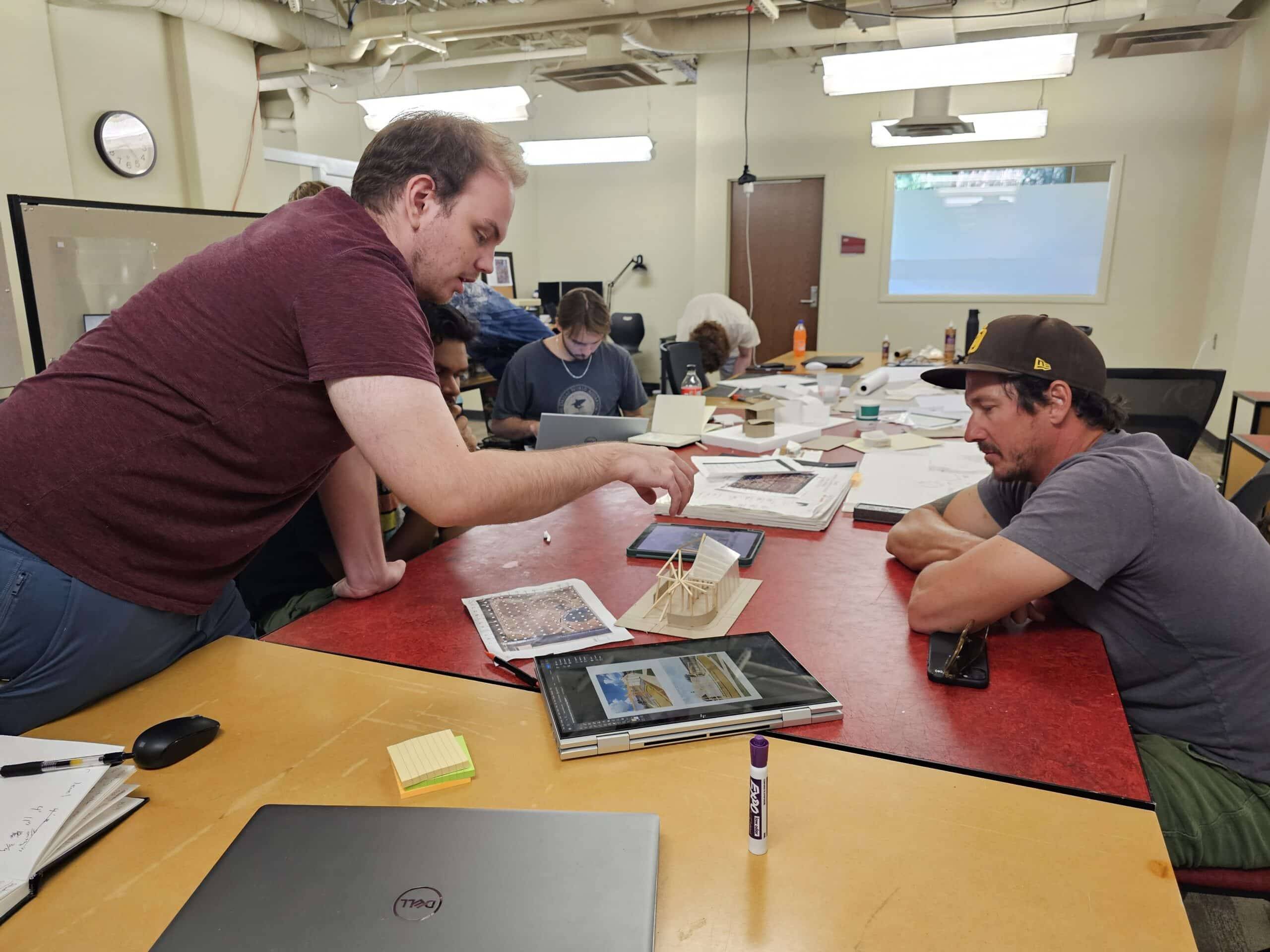
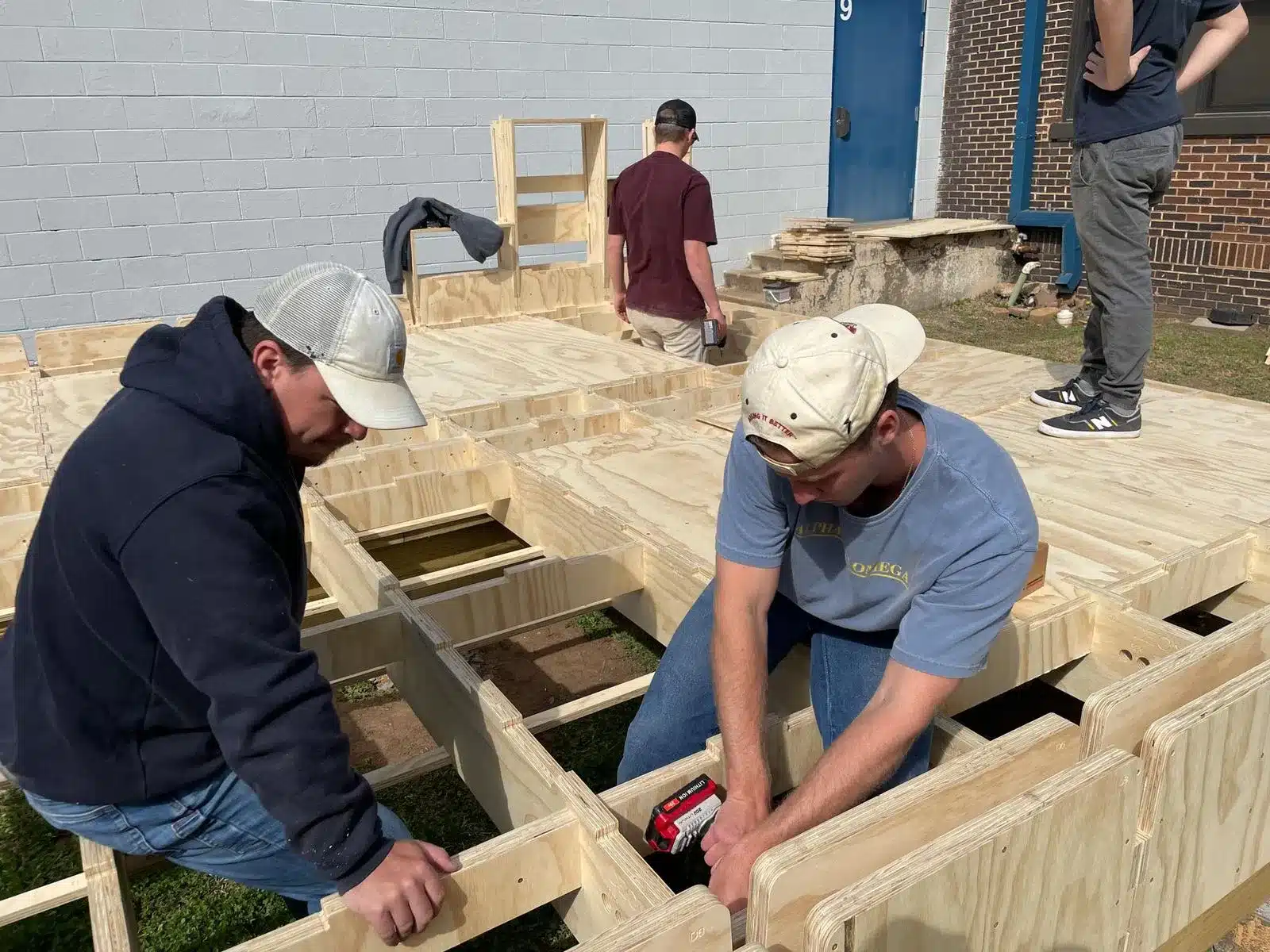
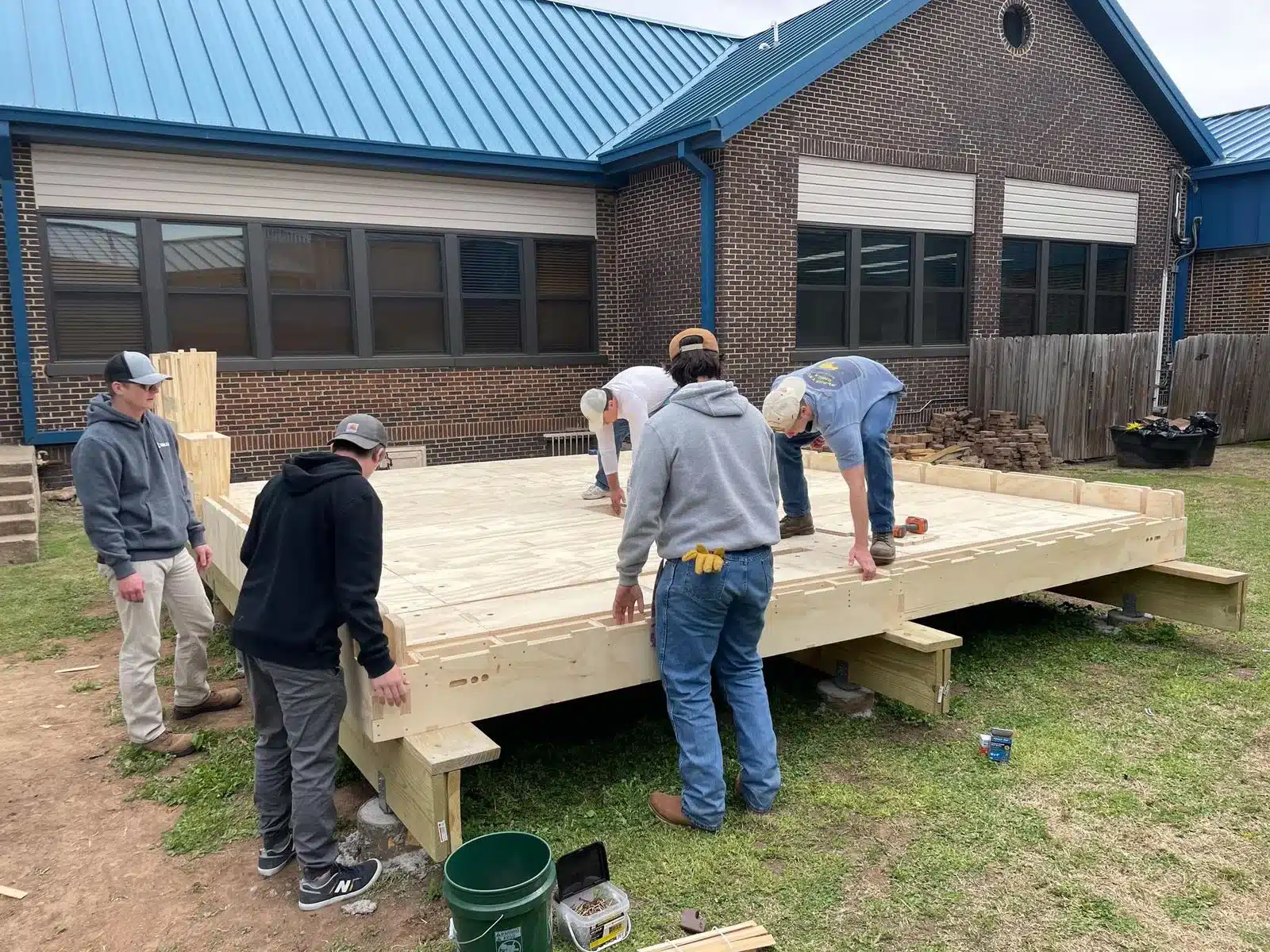
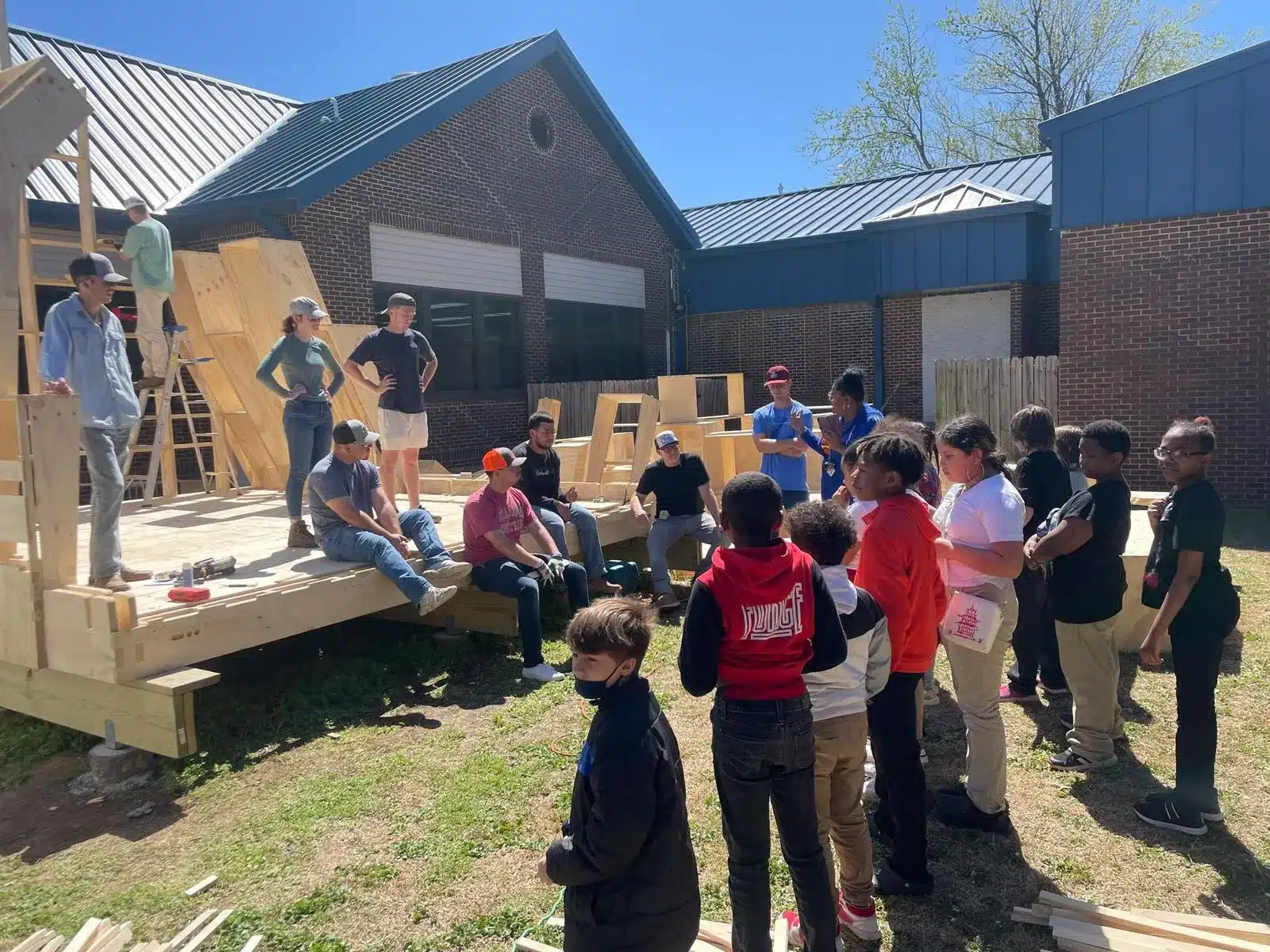
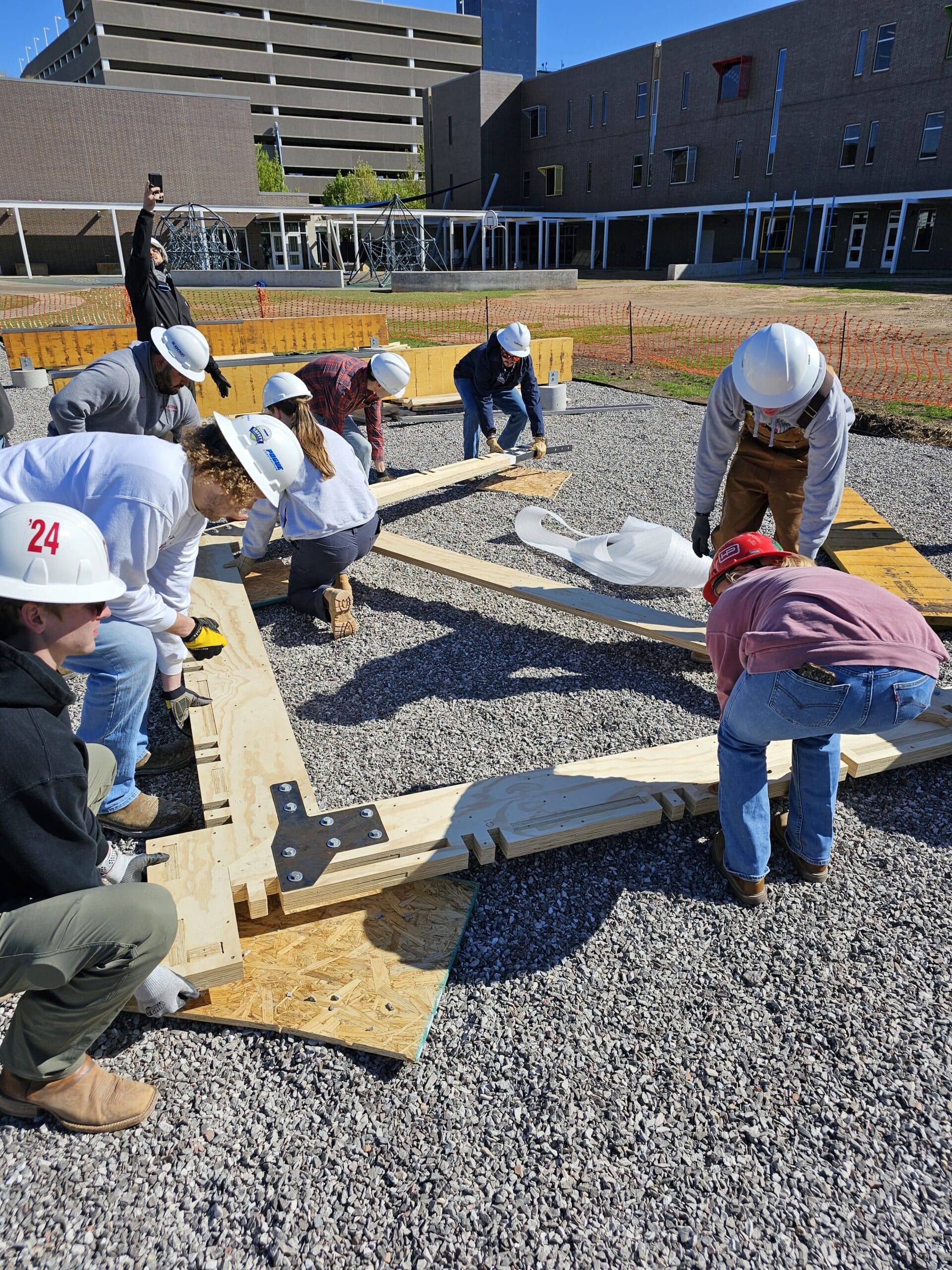
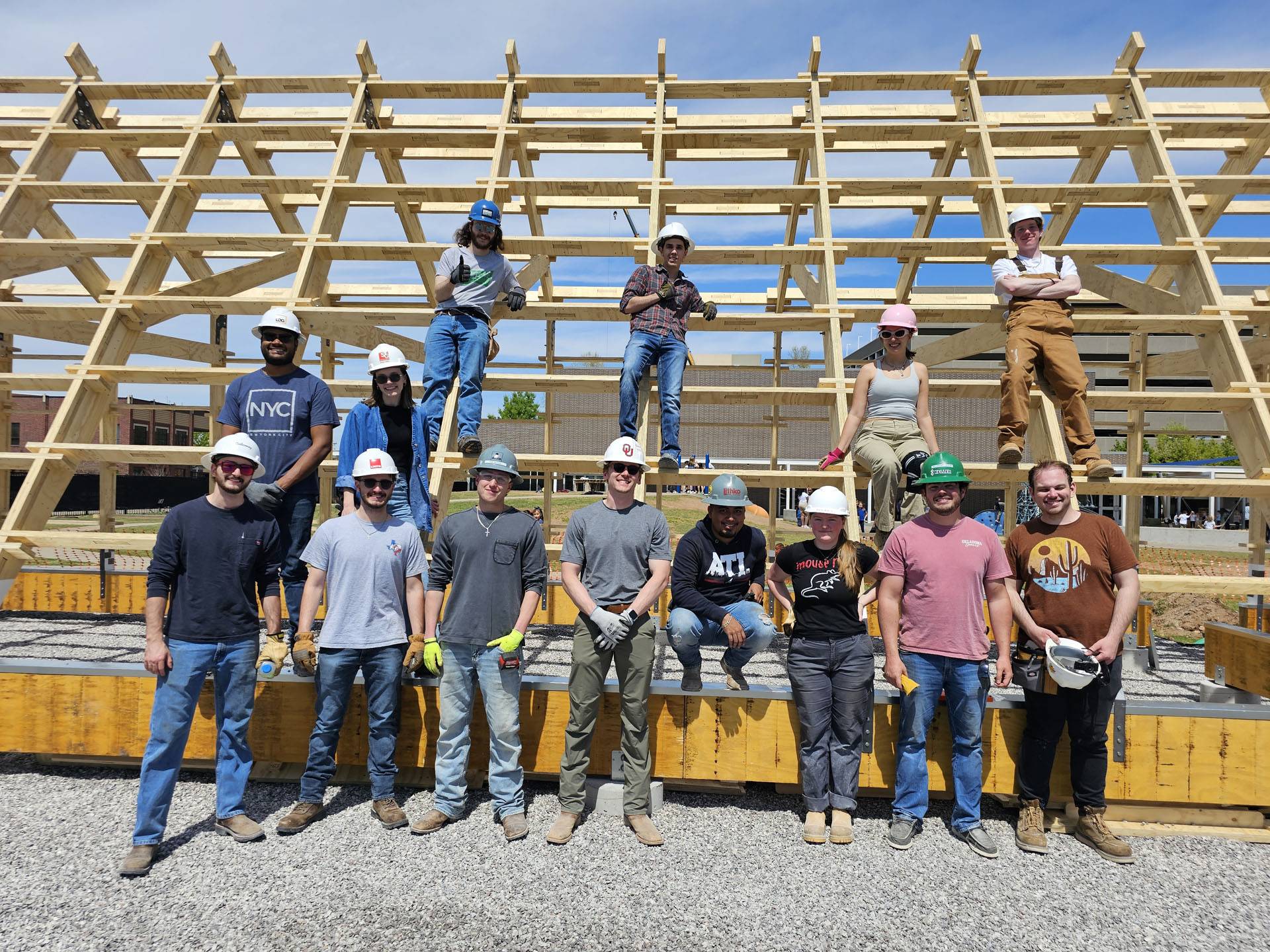
Architecture and construction science students collaborate during early site preparation, linking classroom research to real-world construction processes.
Digital Fabrication and Interlocking Structural Systems
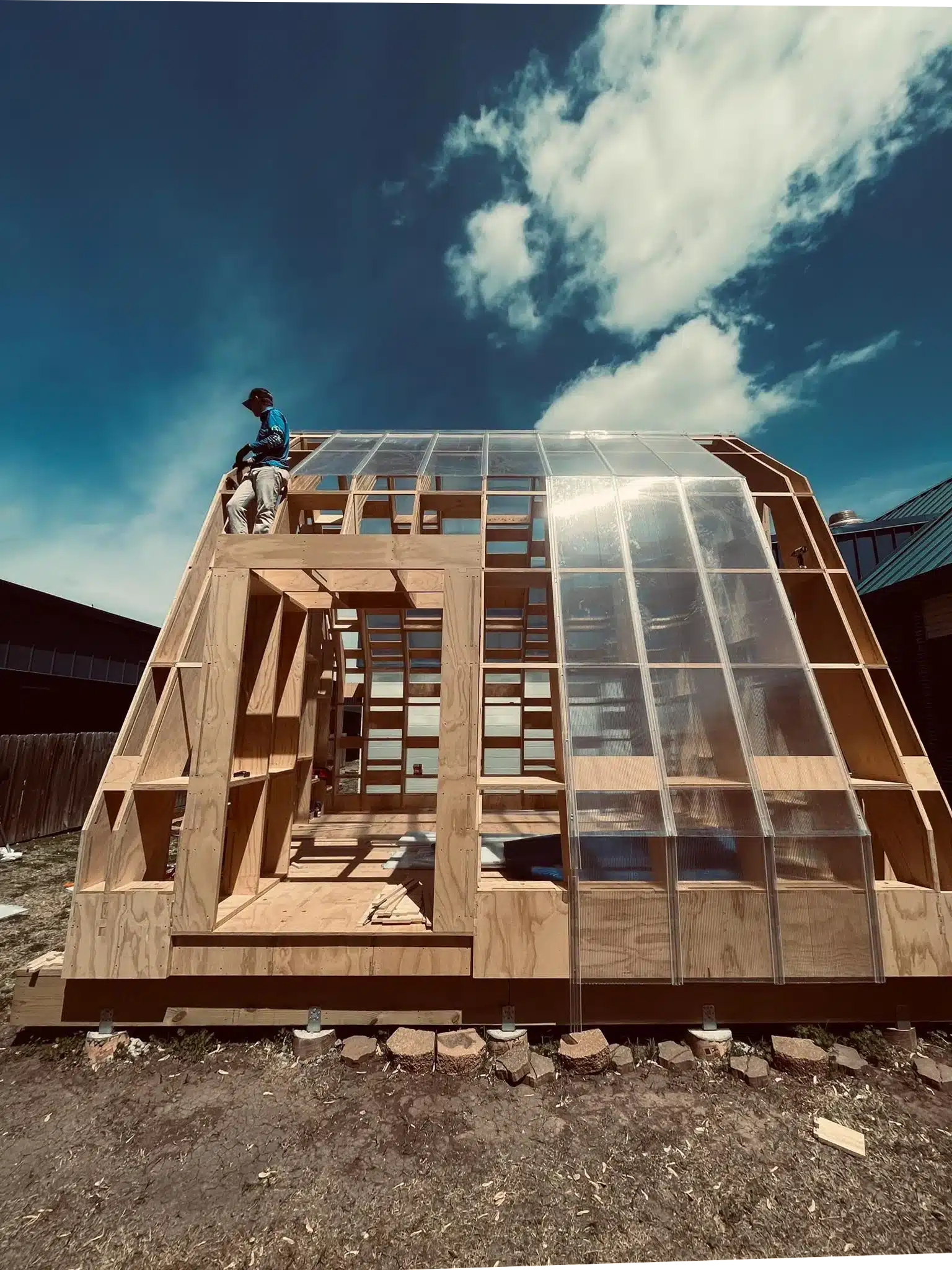
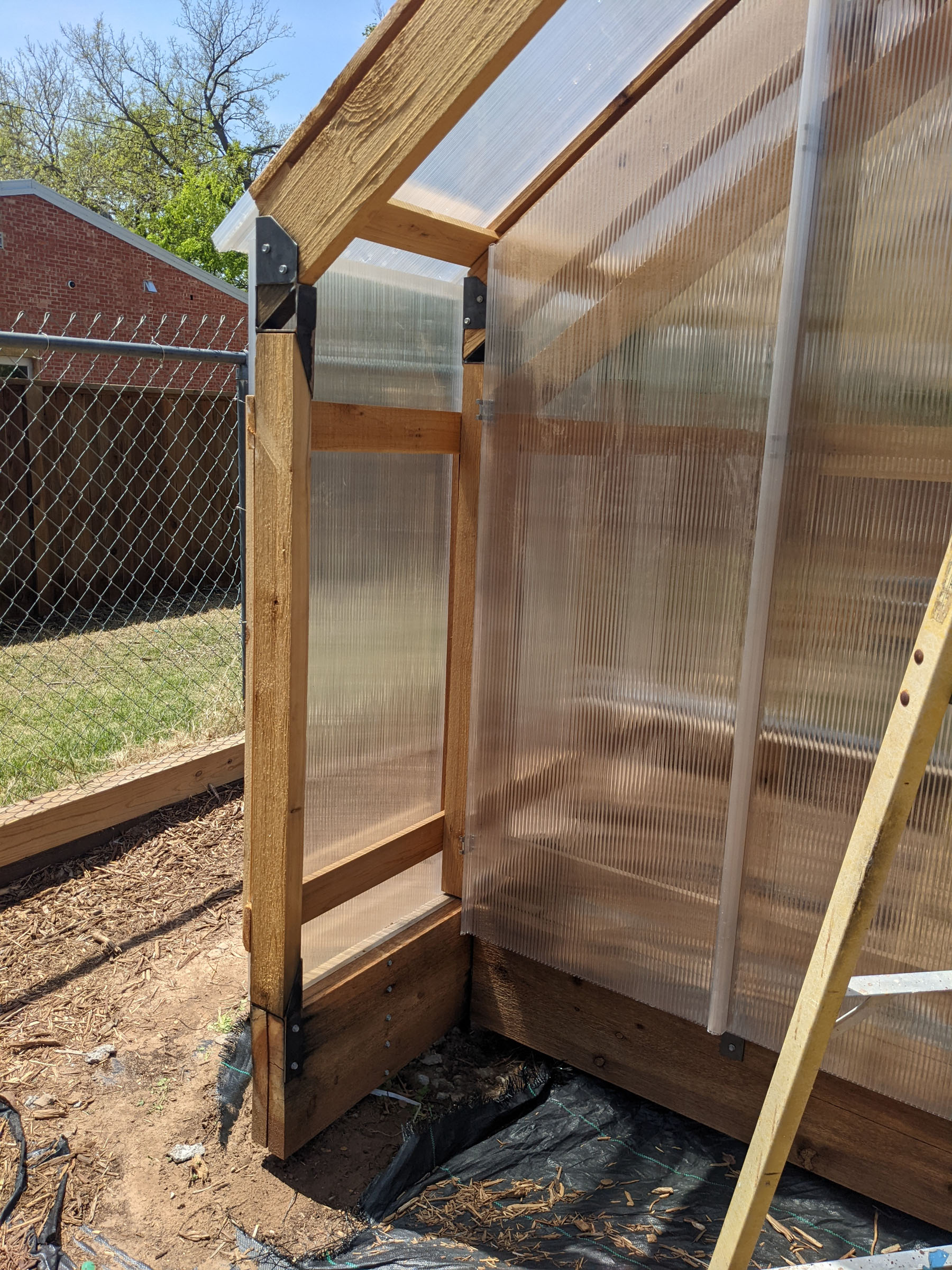
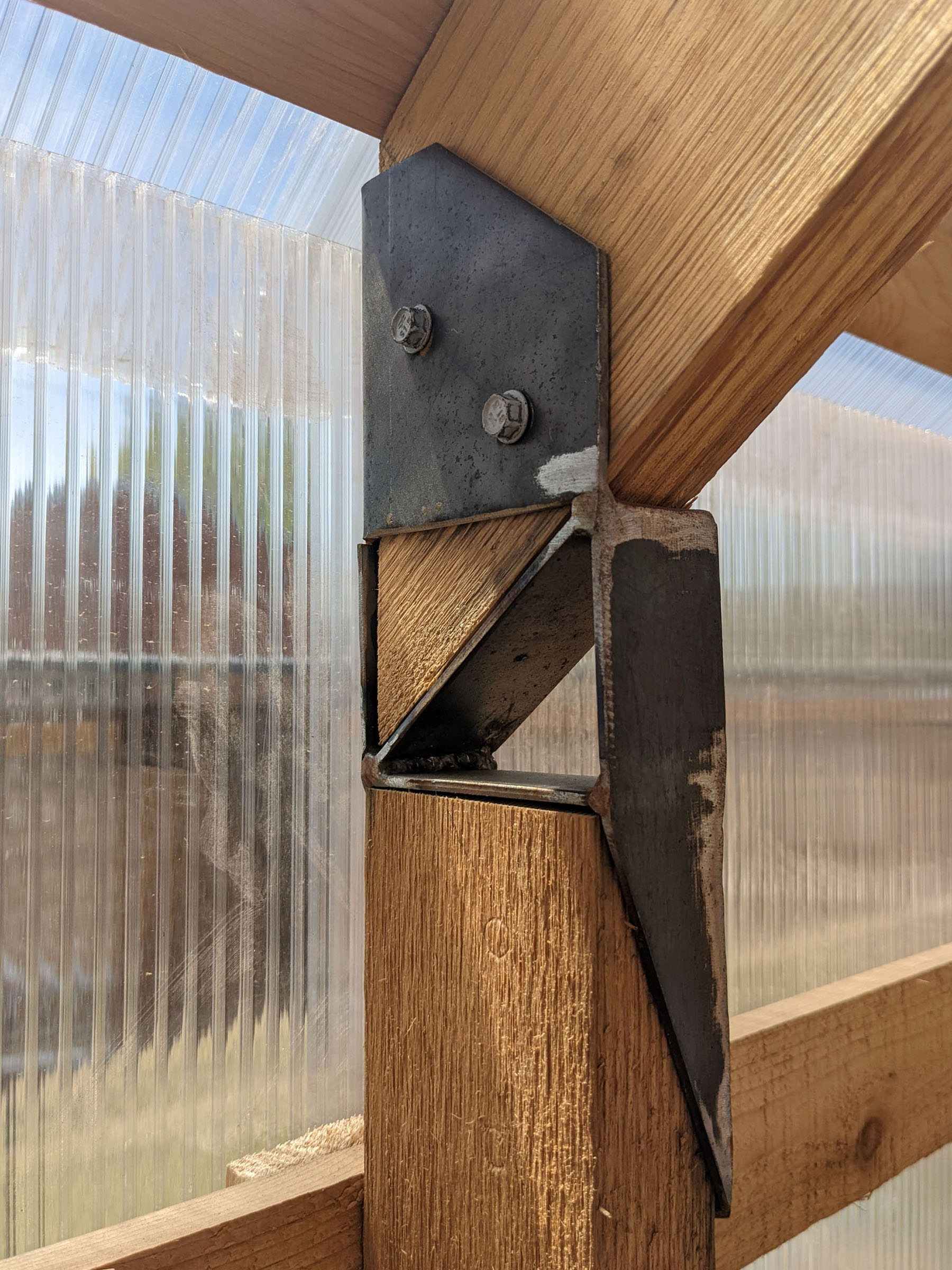
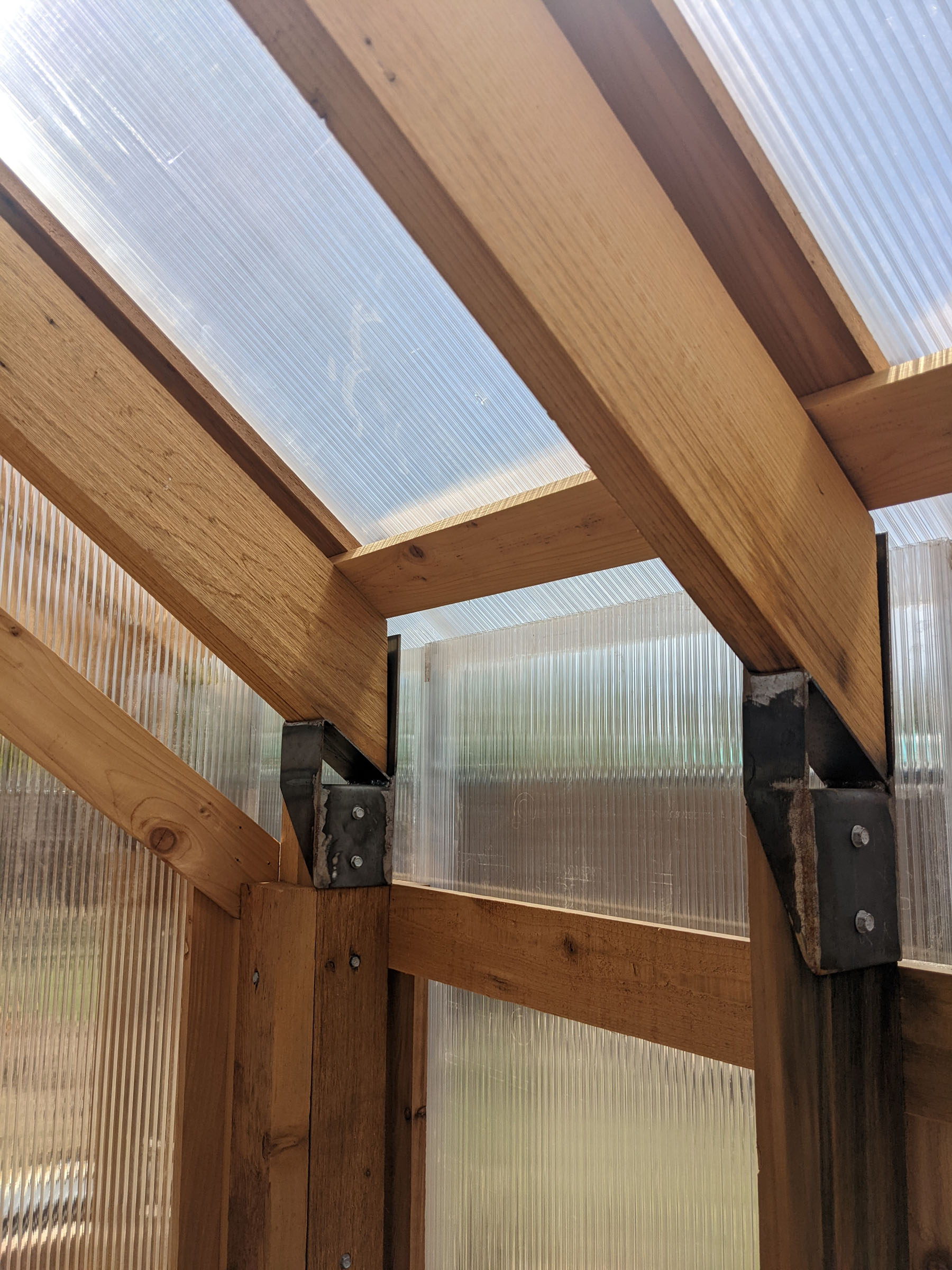
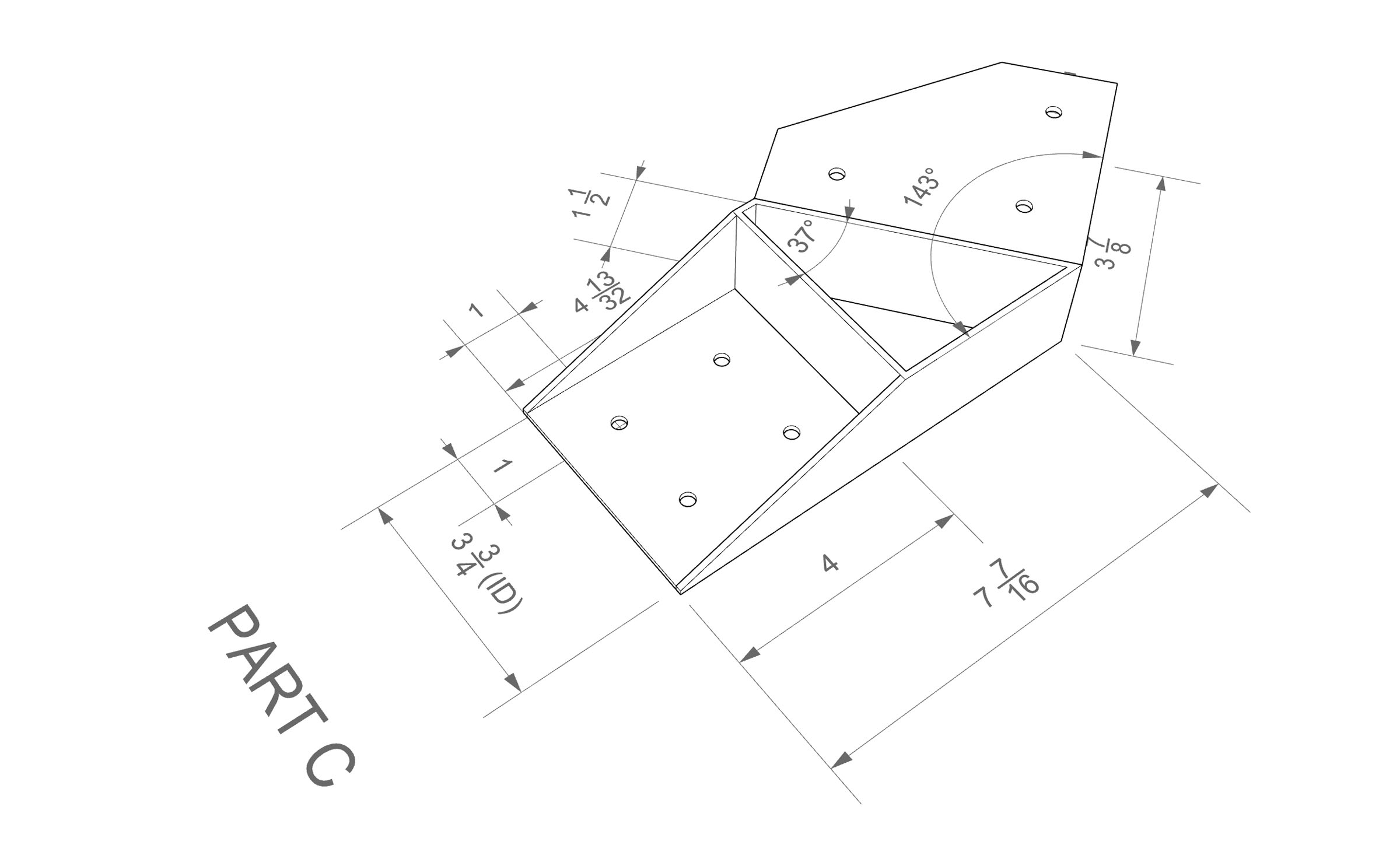
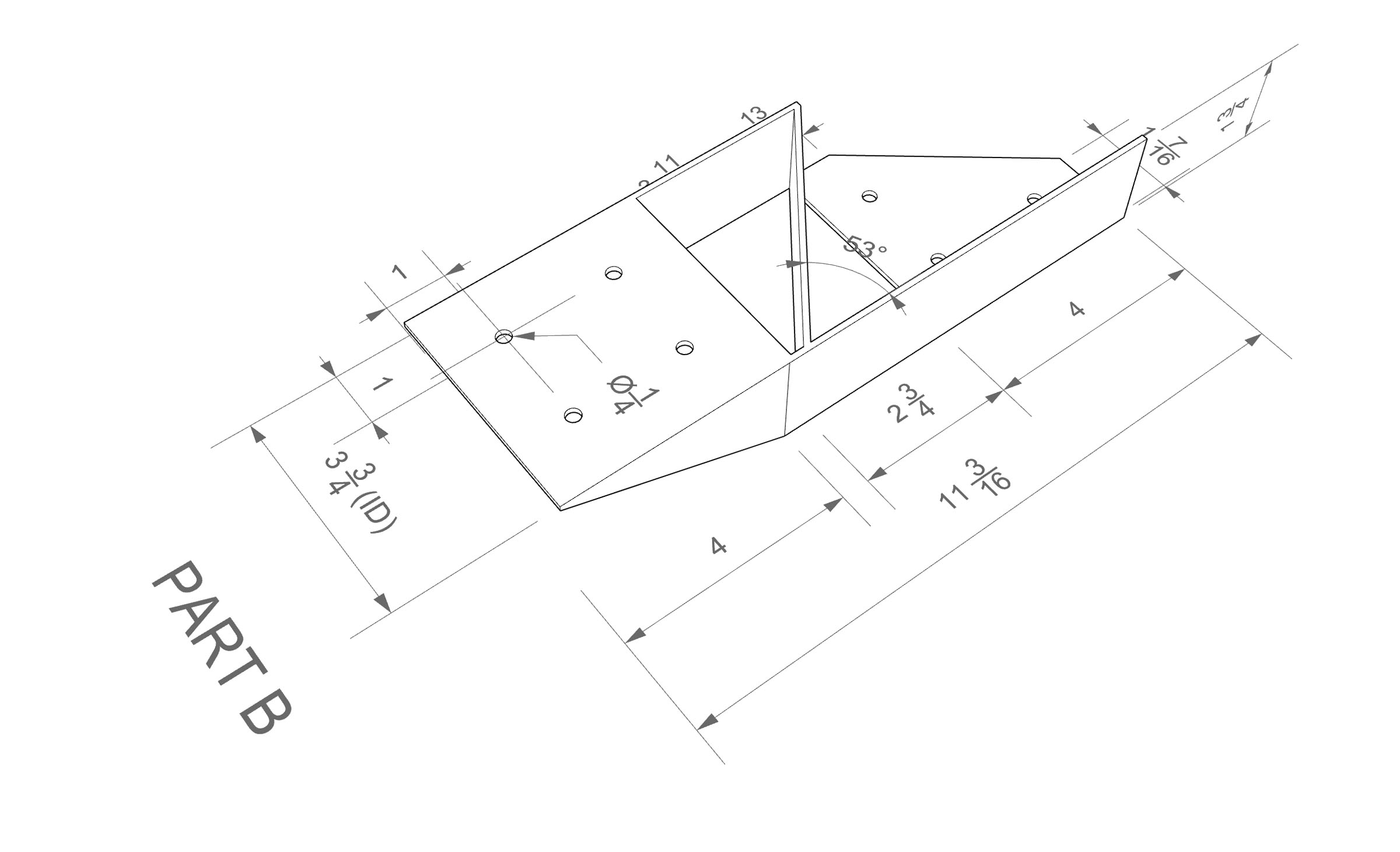
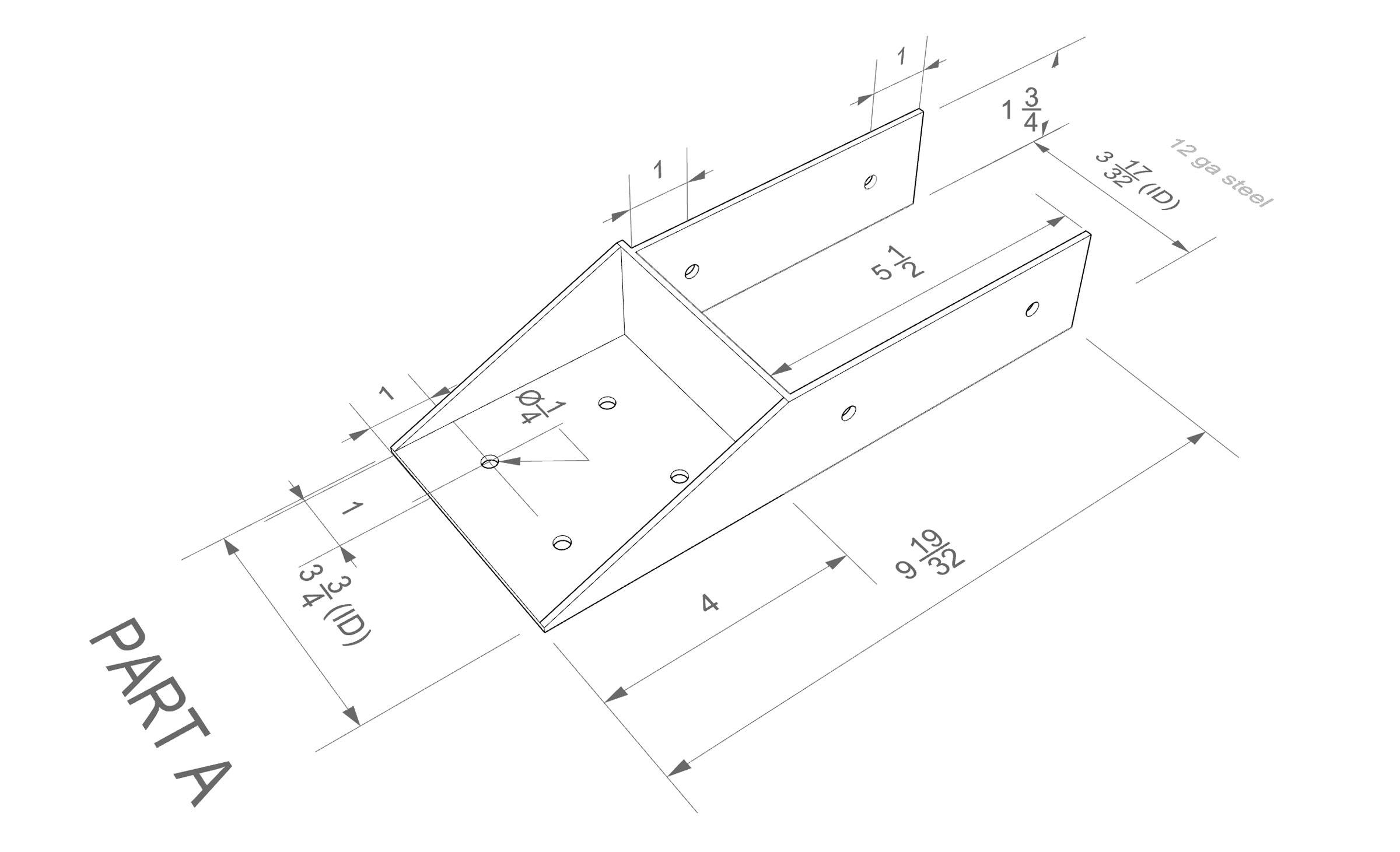
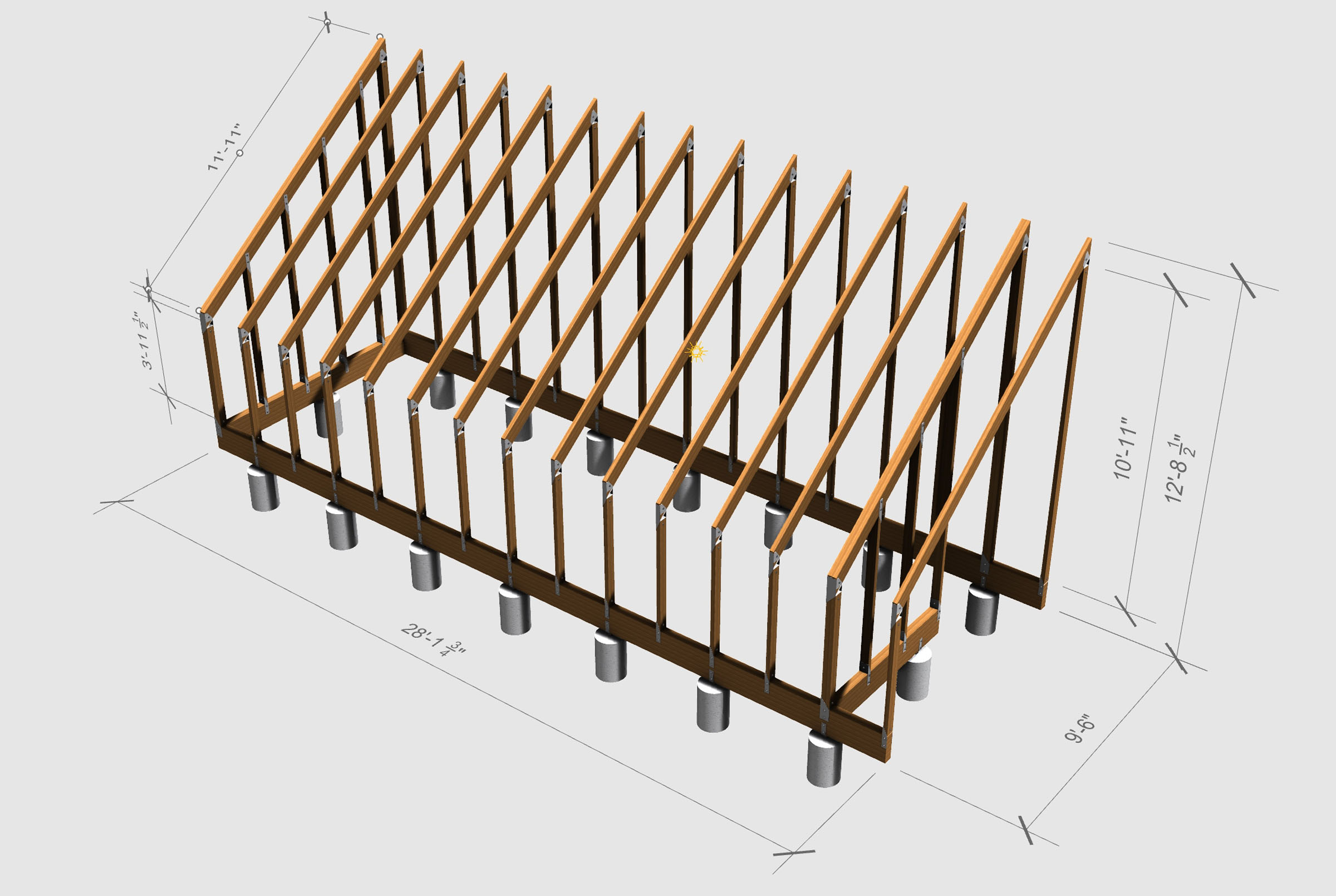
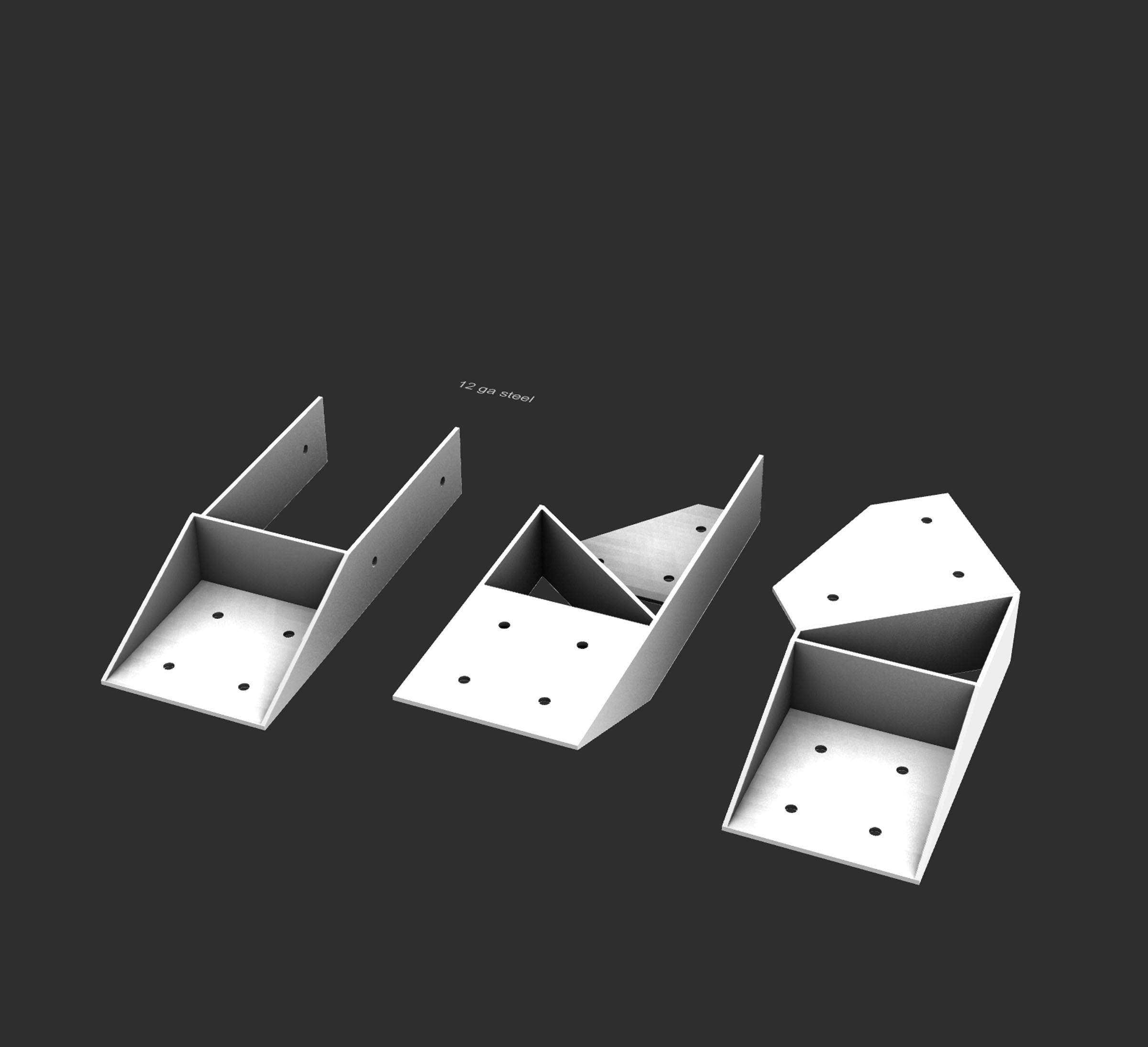
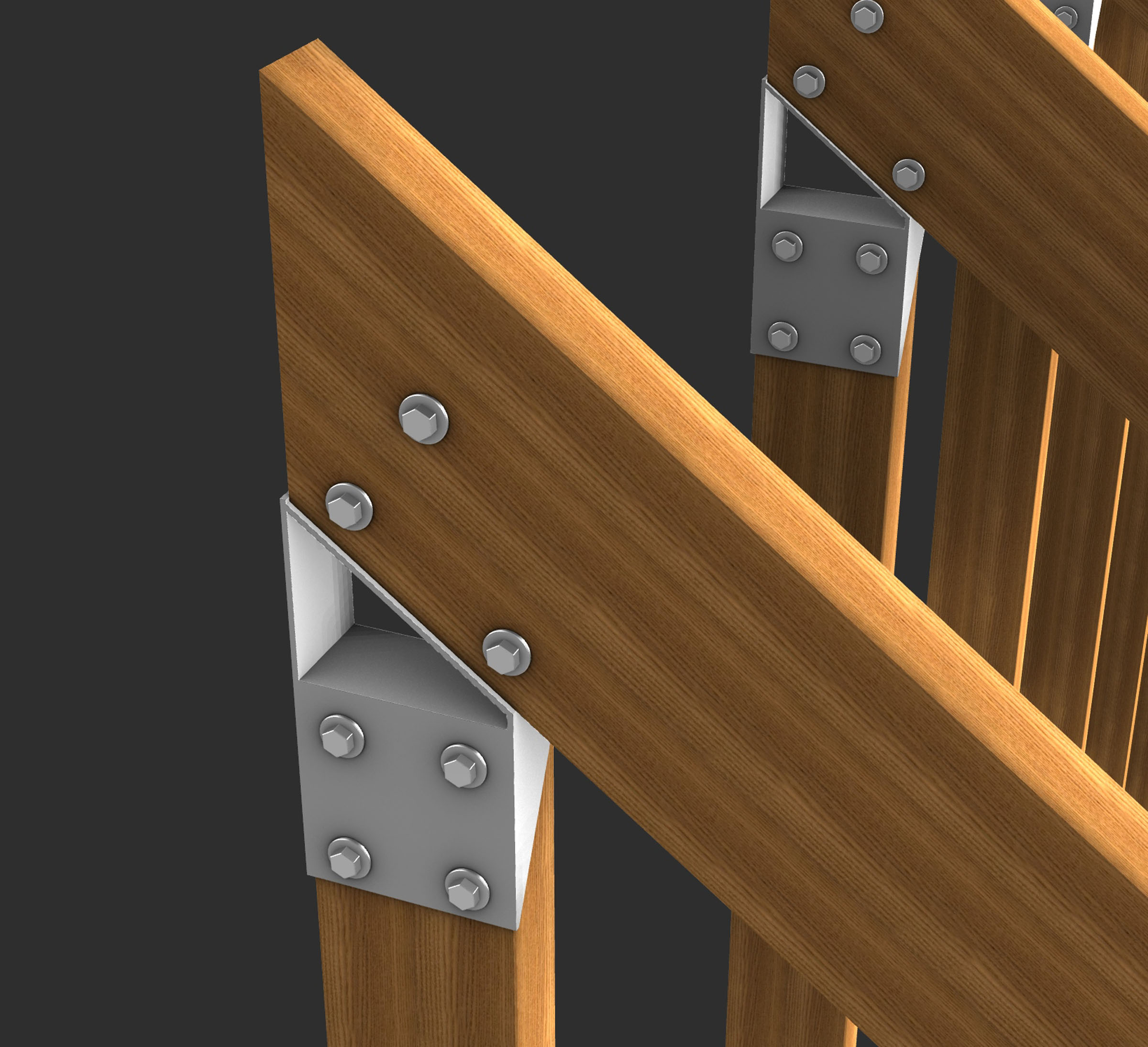
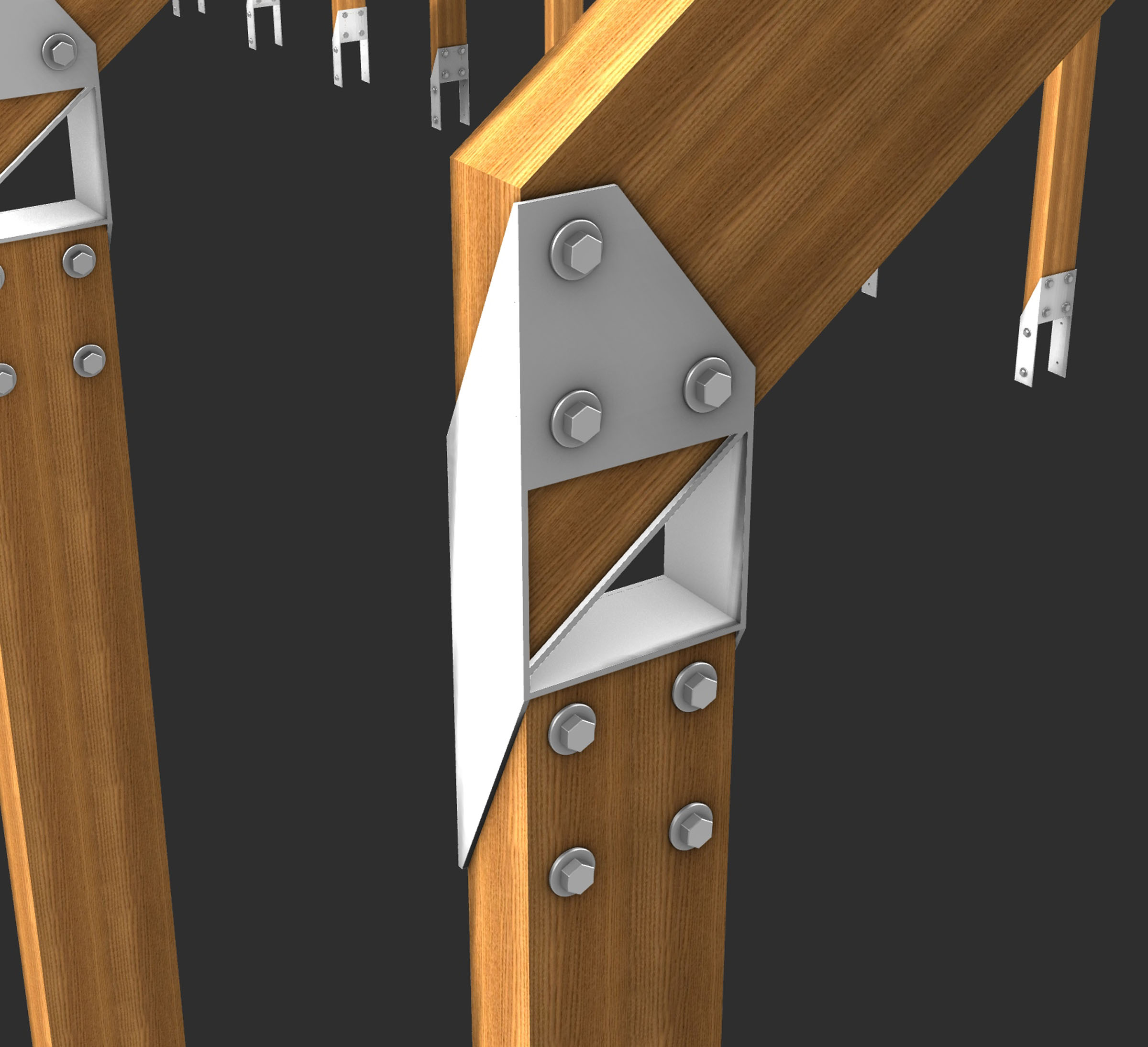
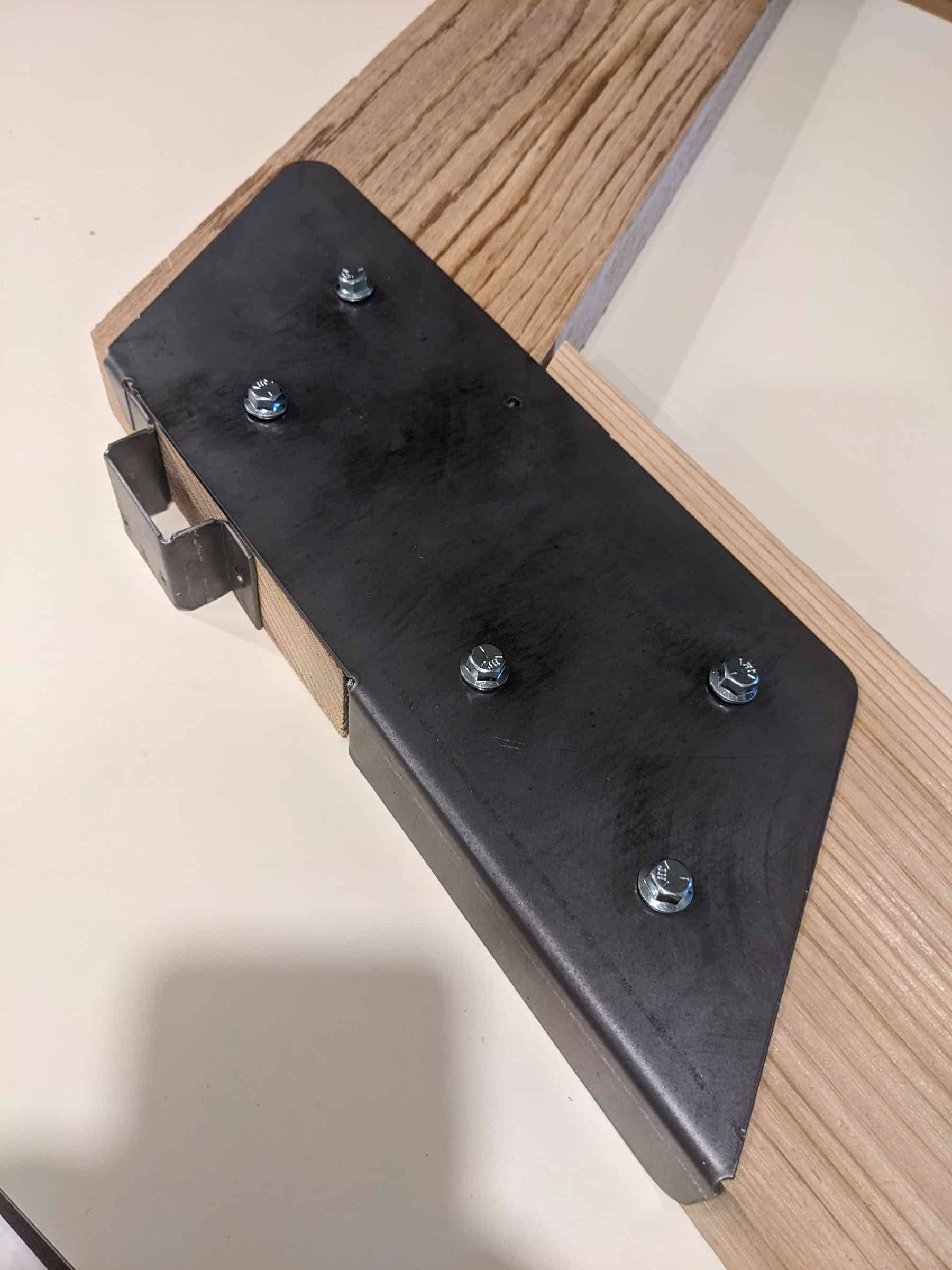
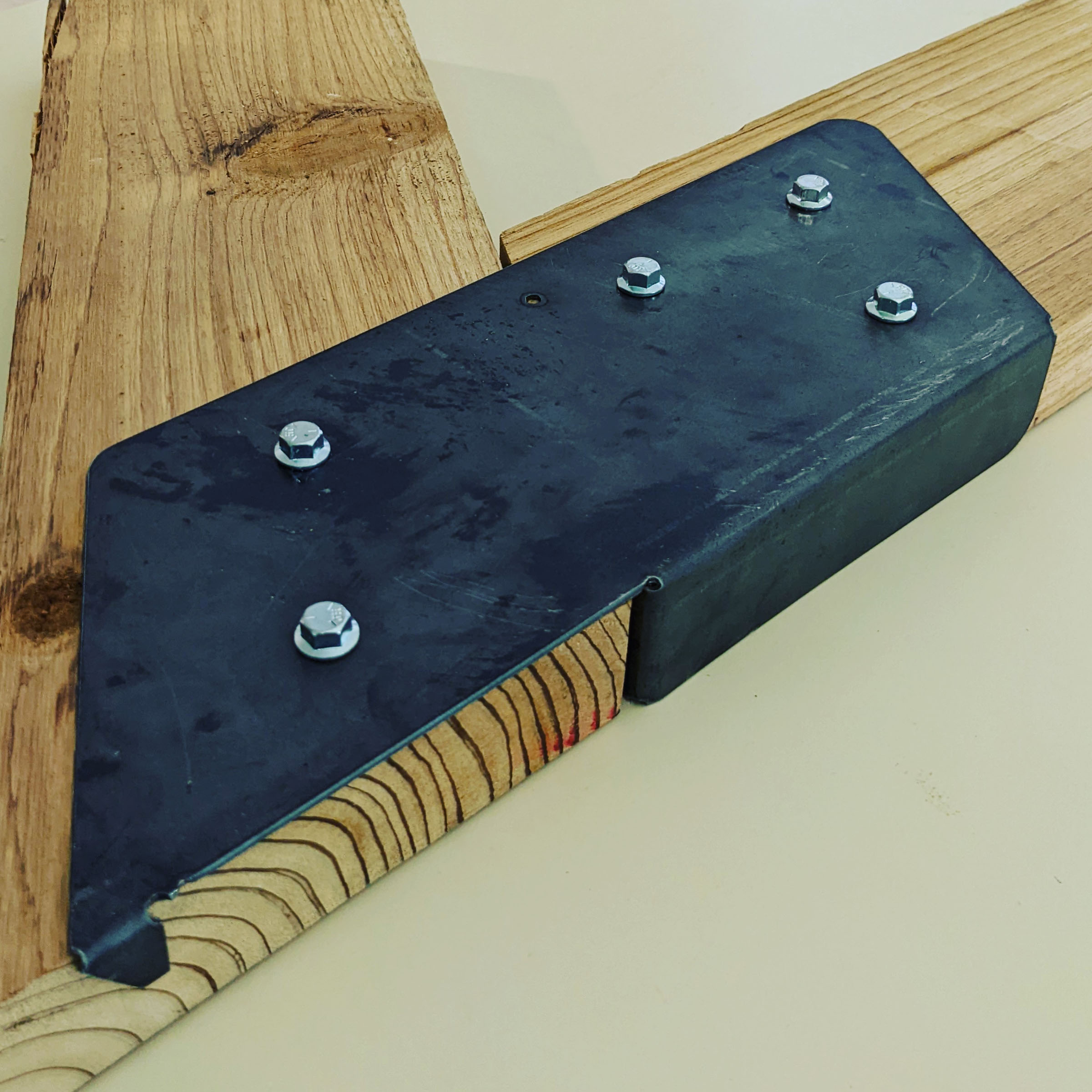
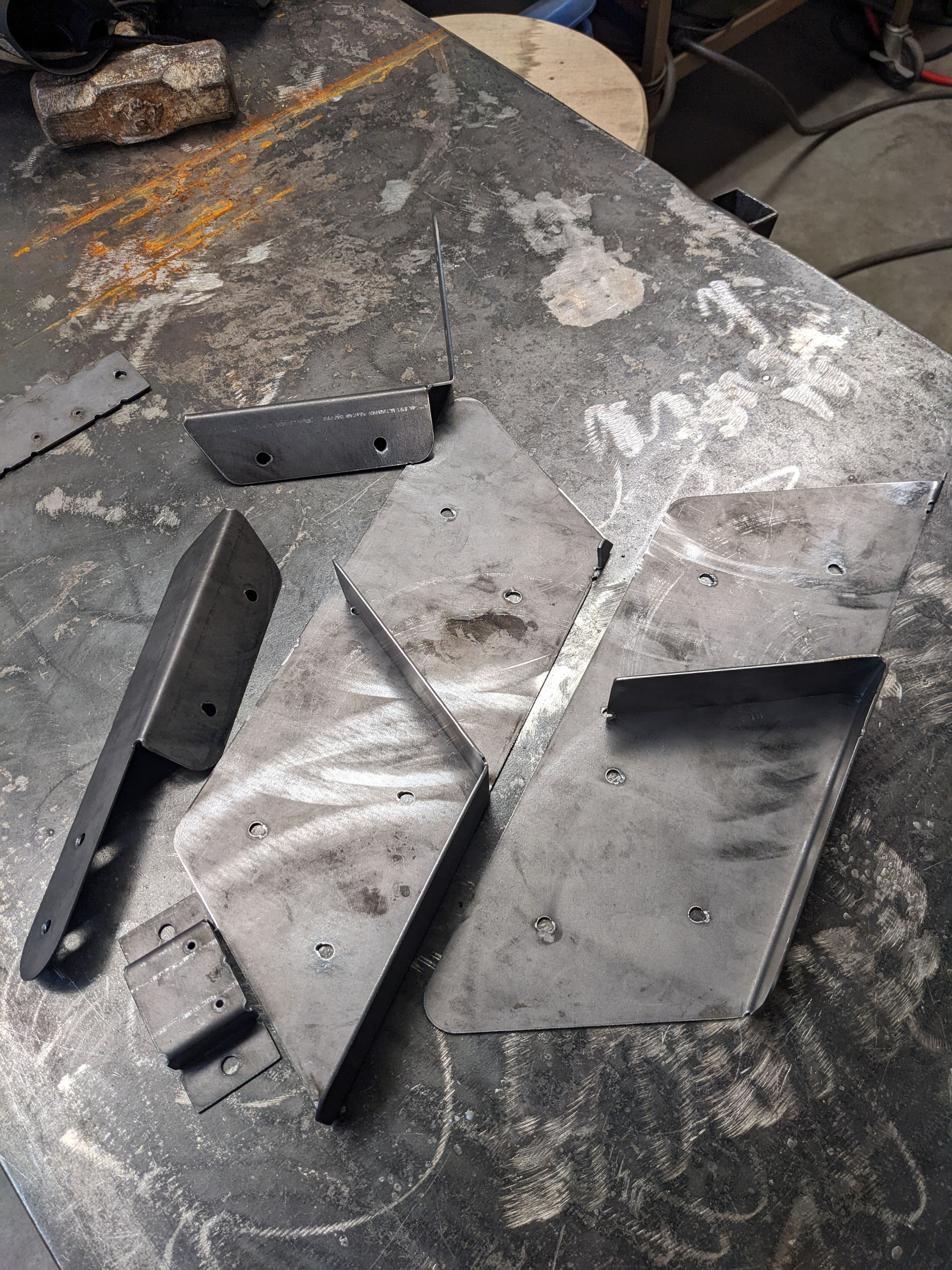
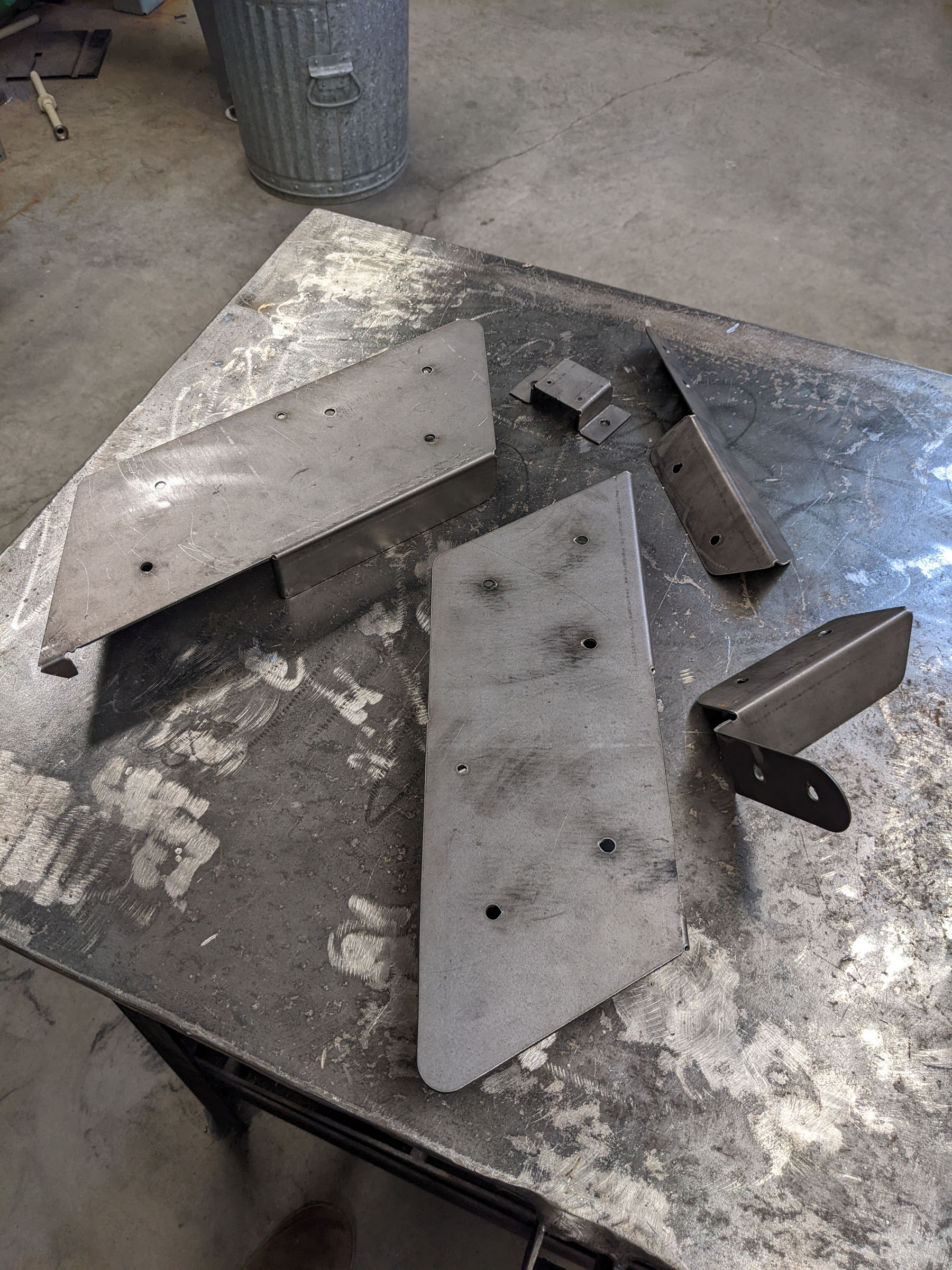
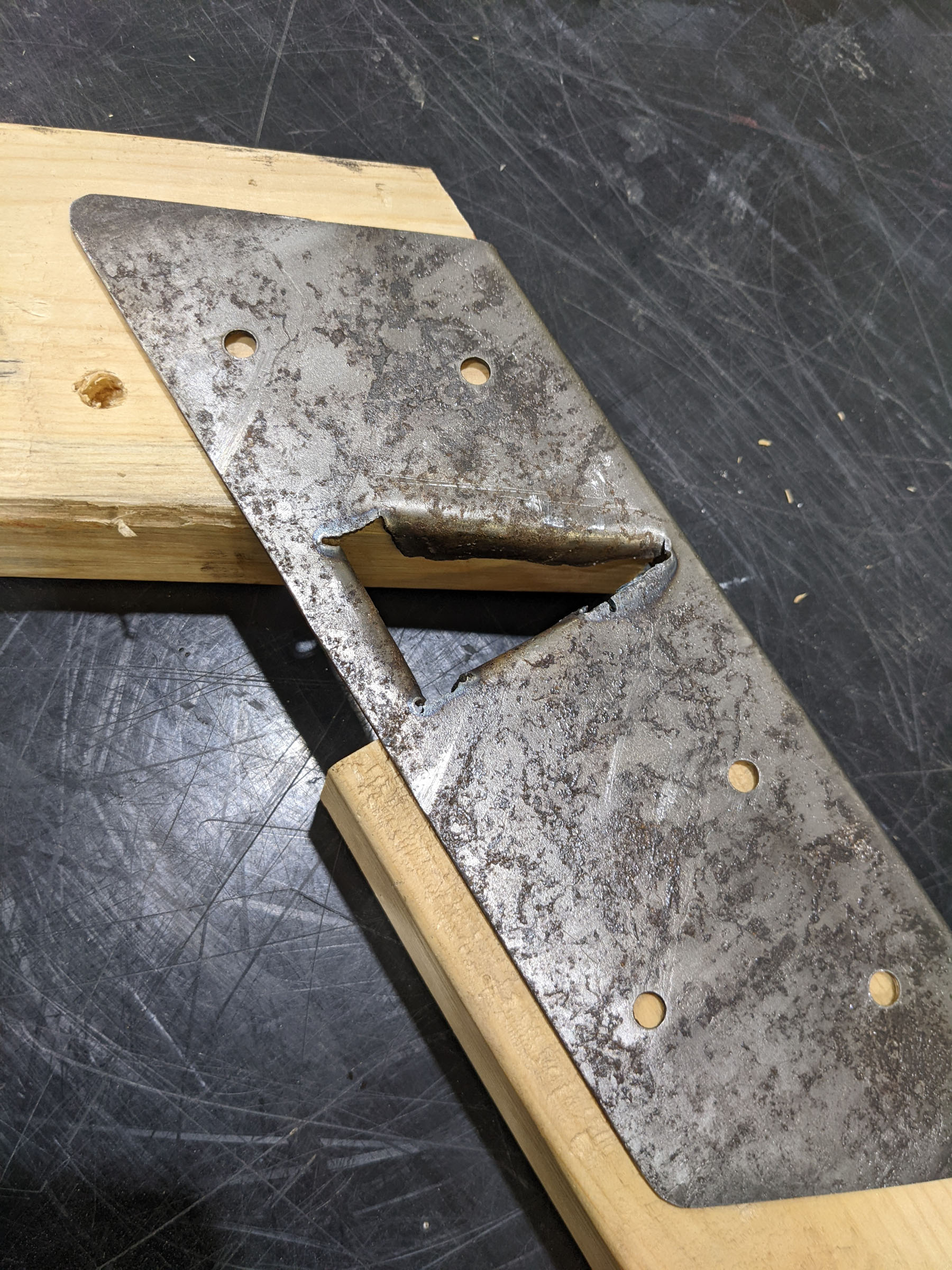
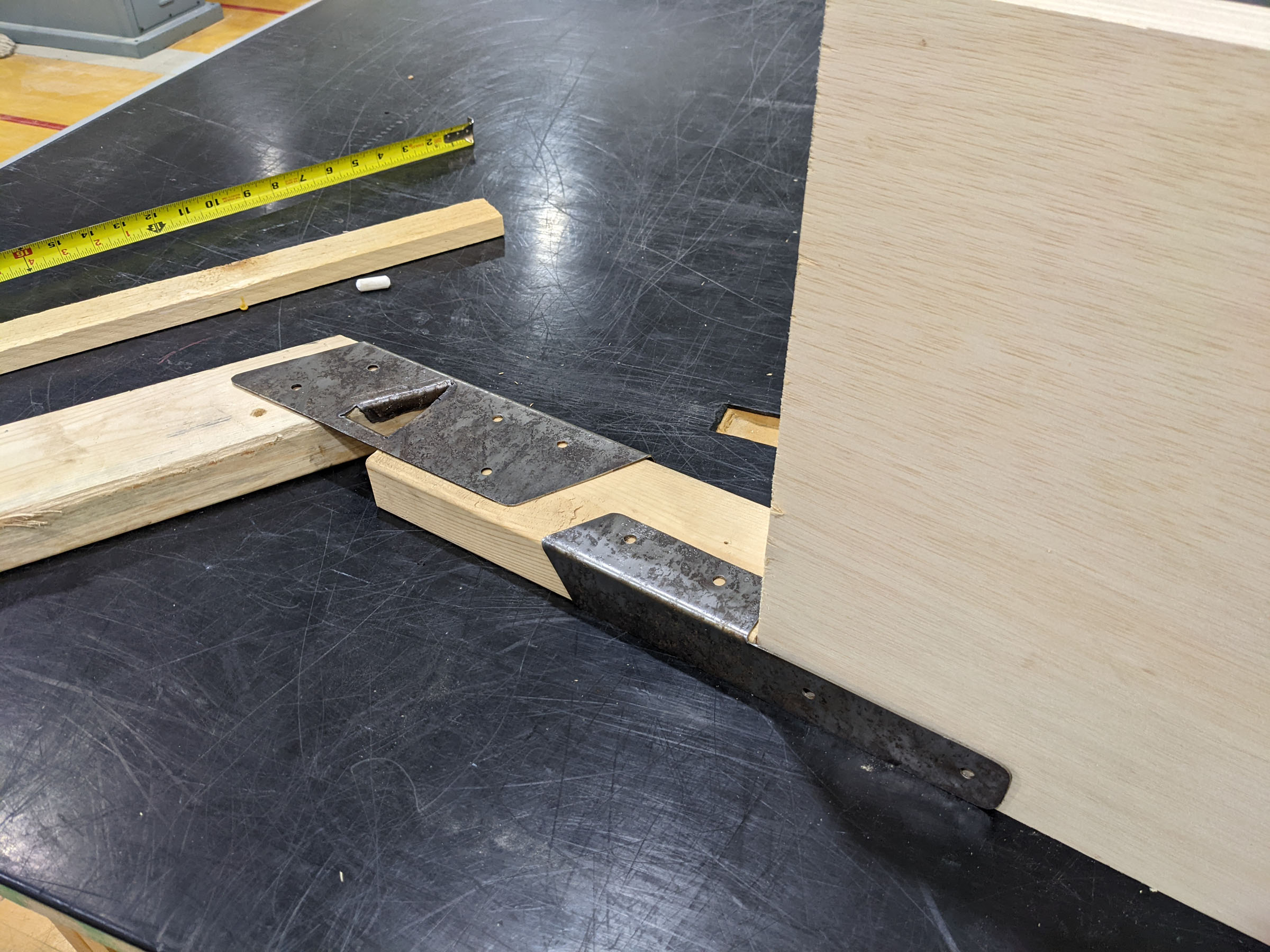
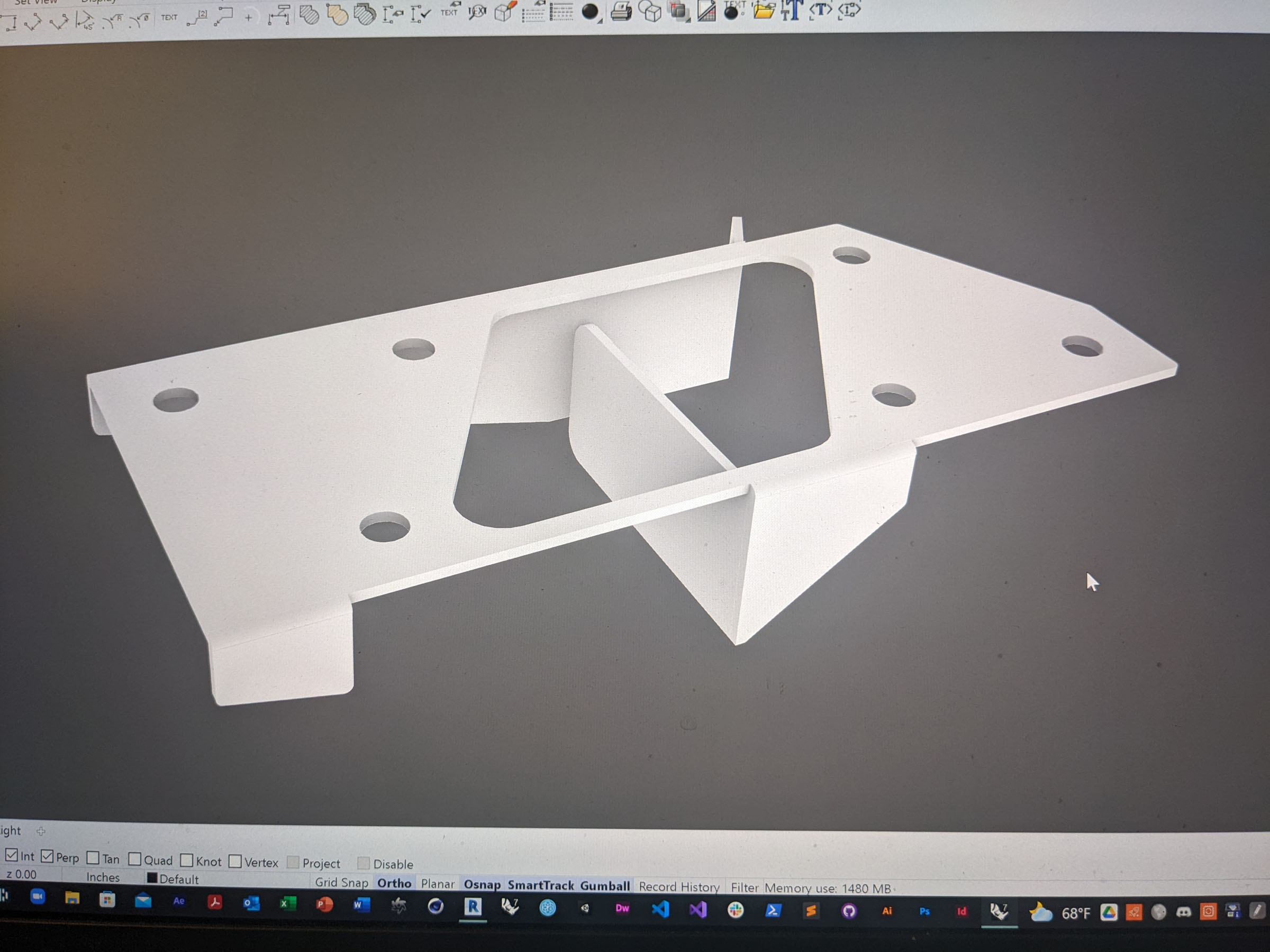
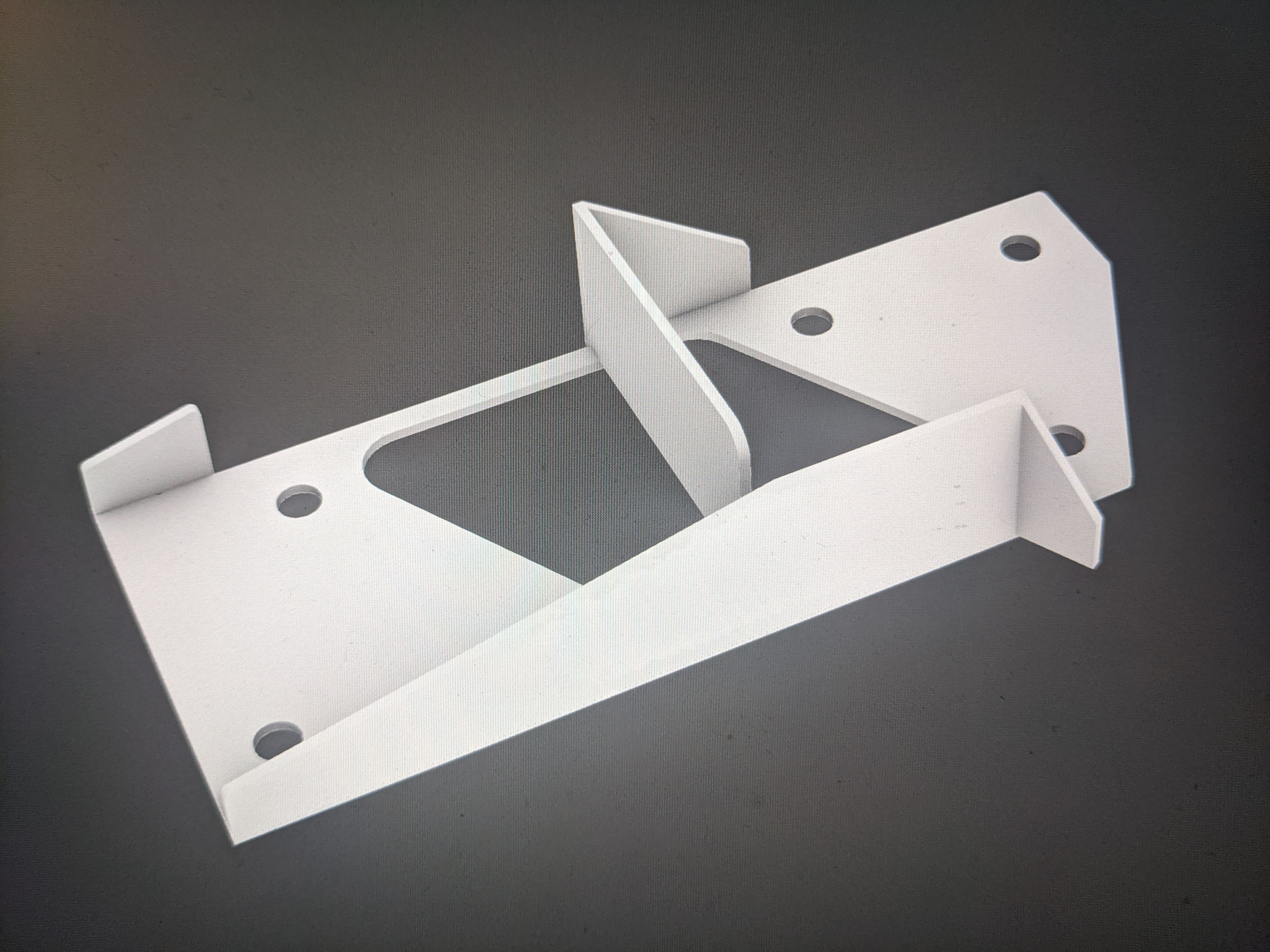
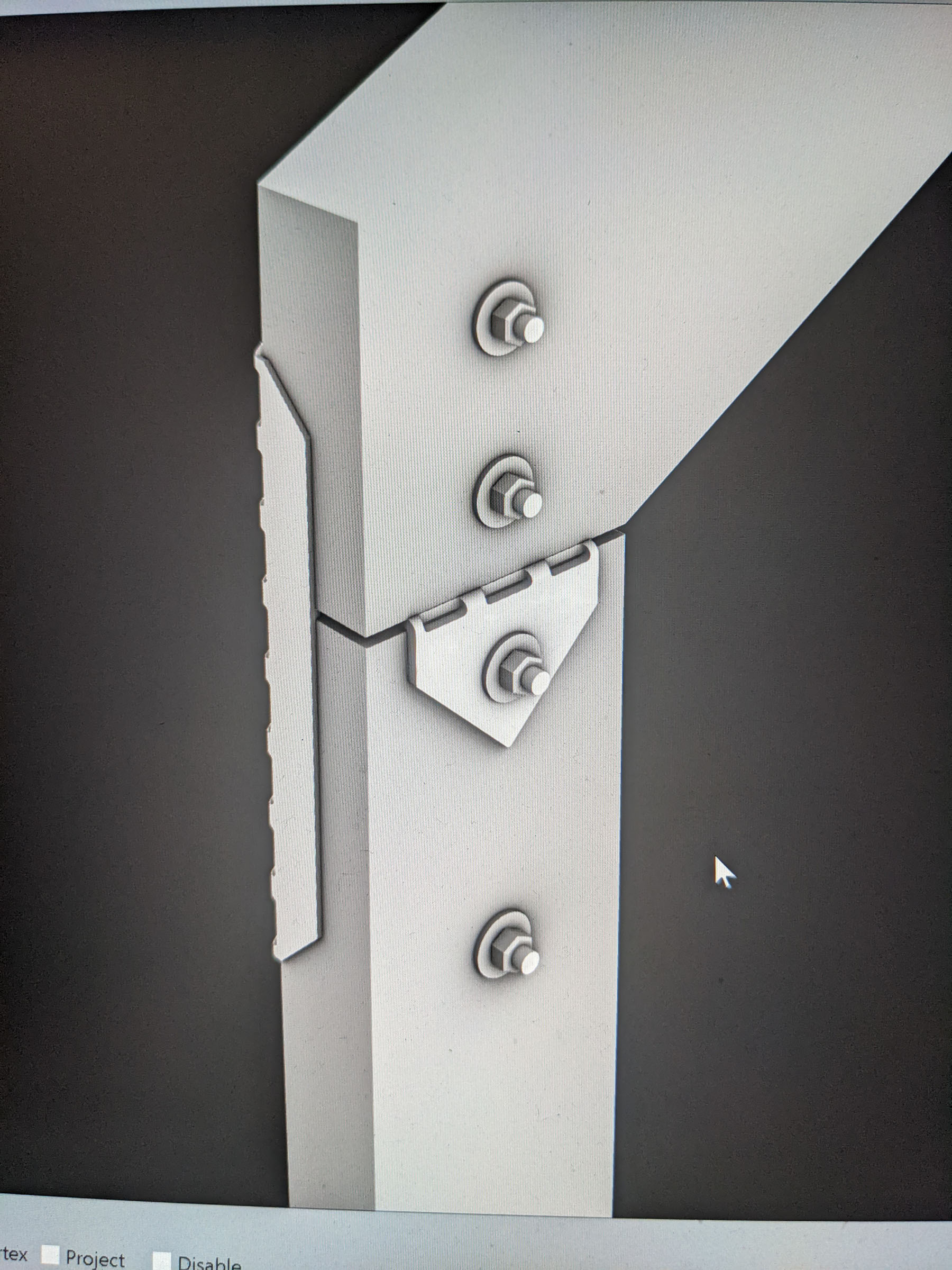
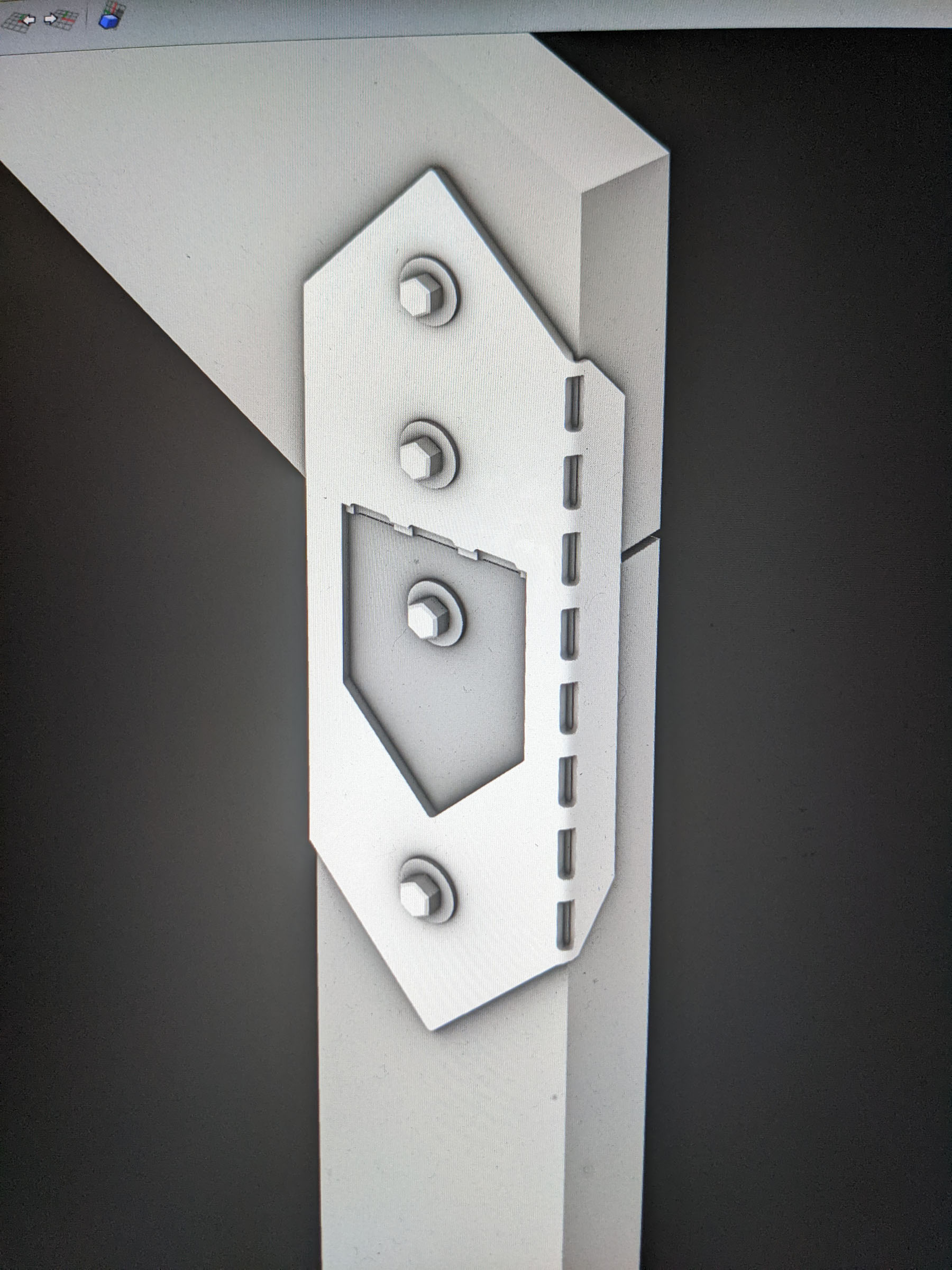
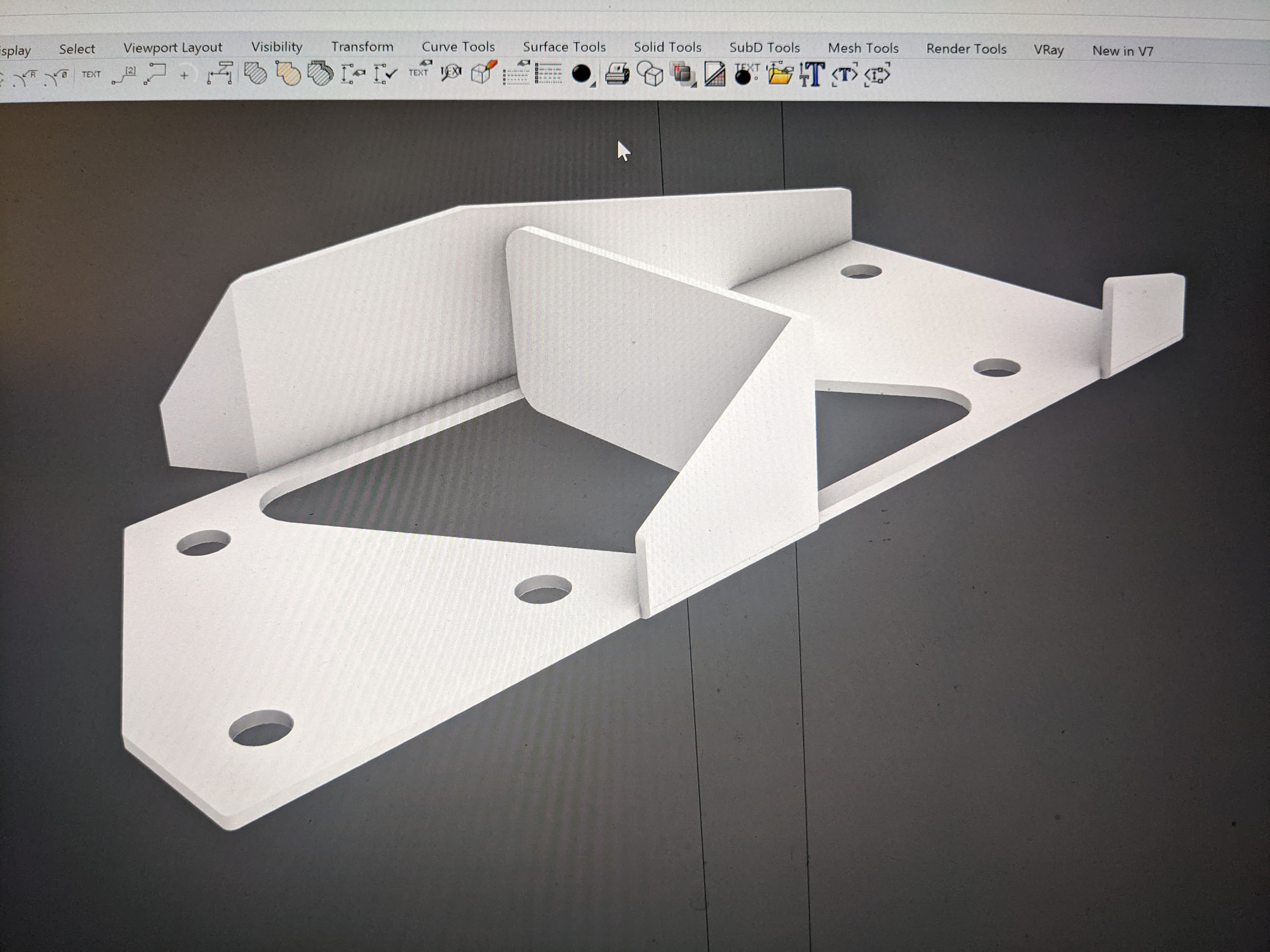
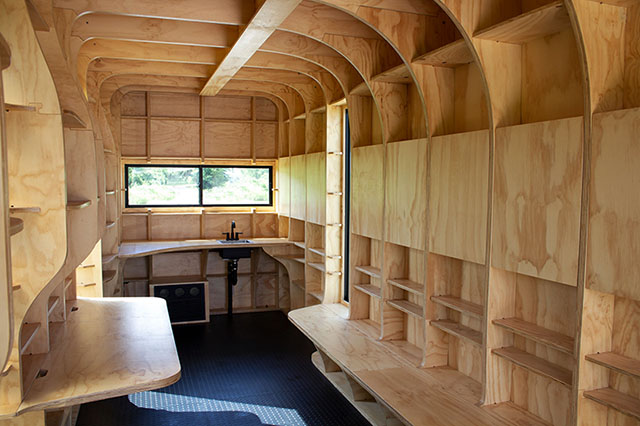
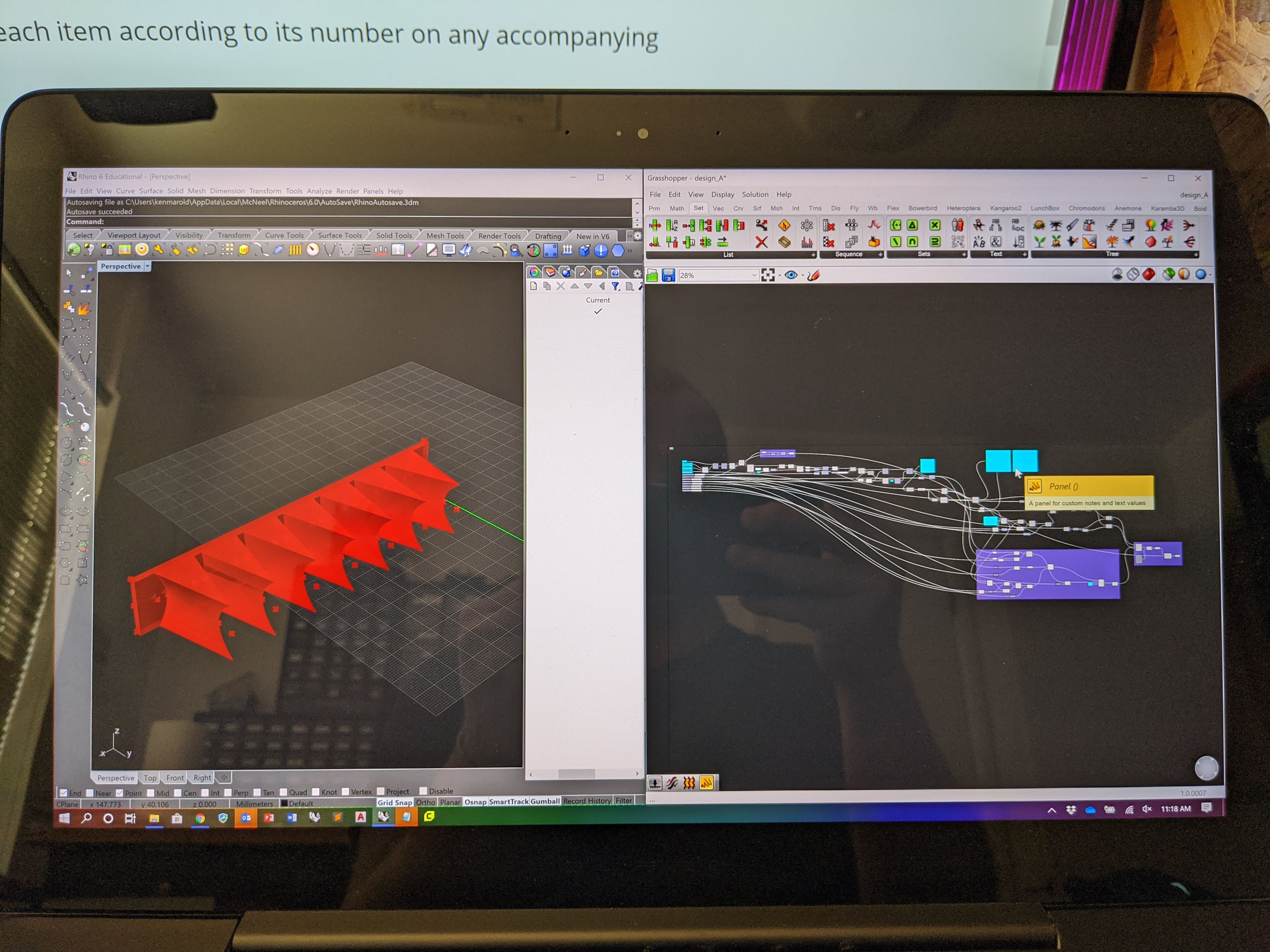
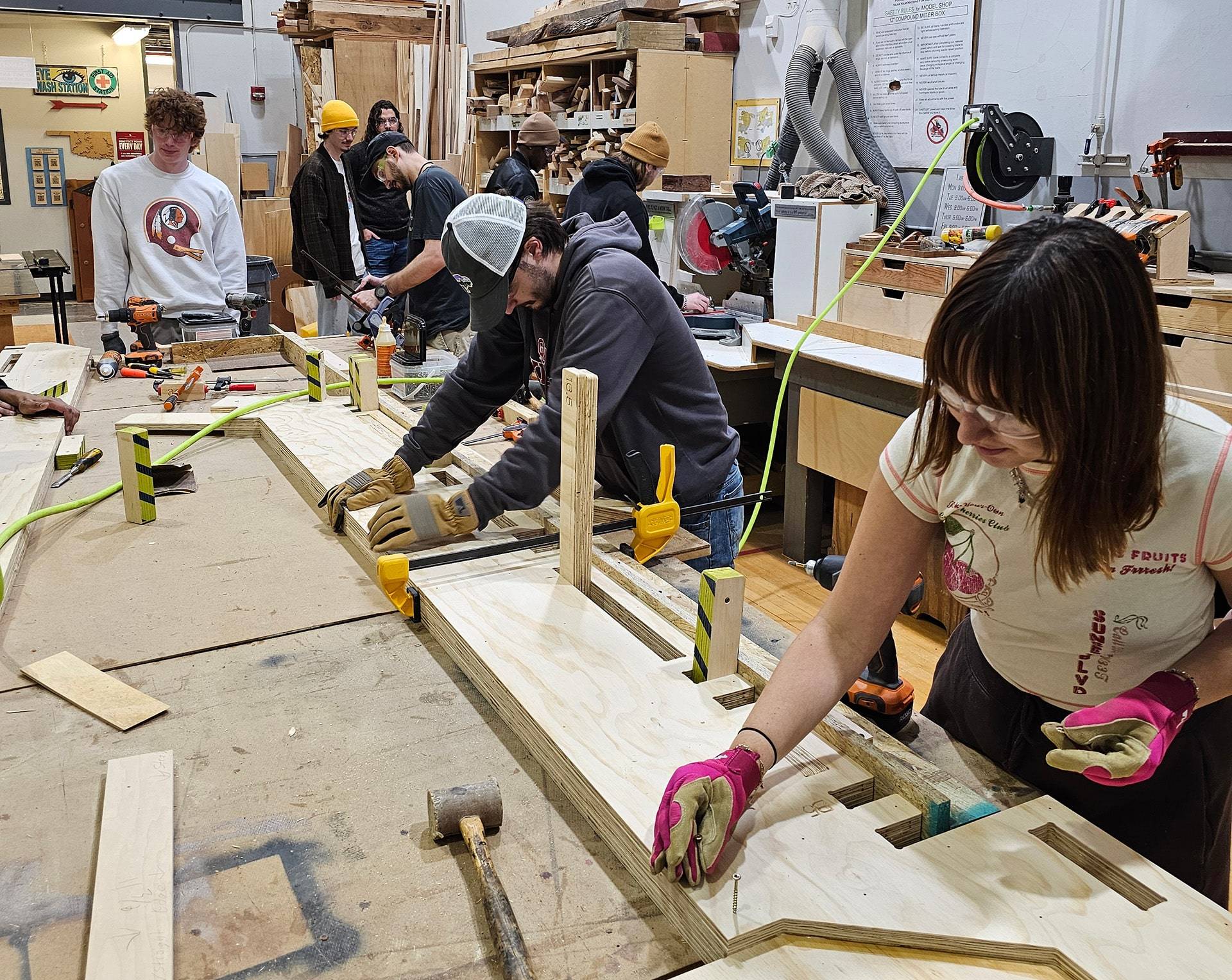
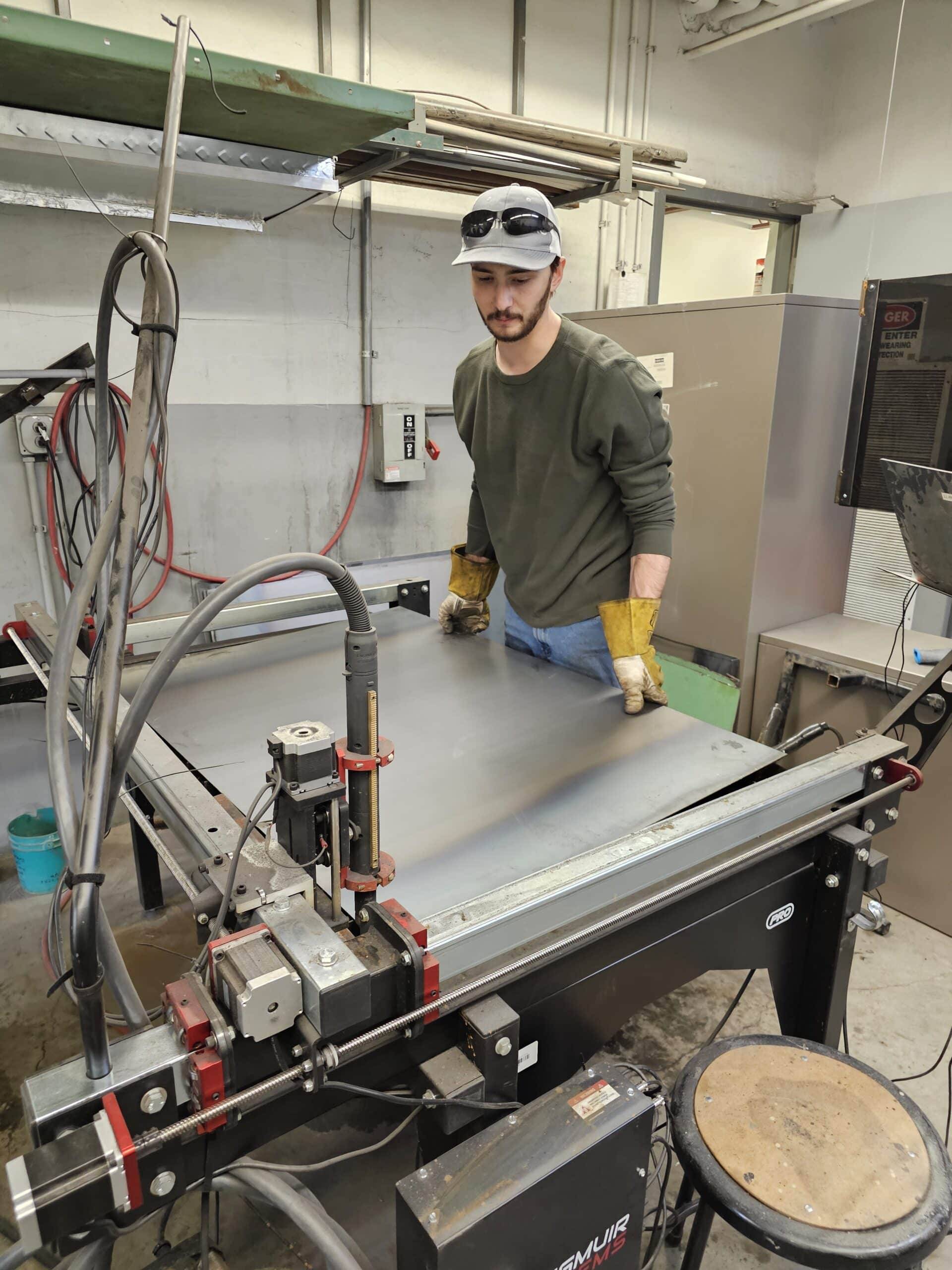
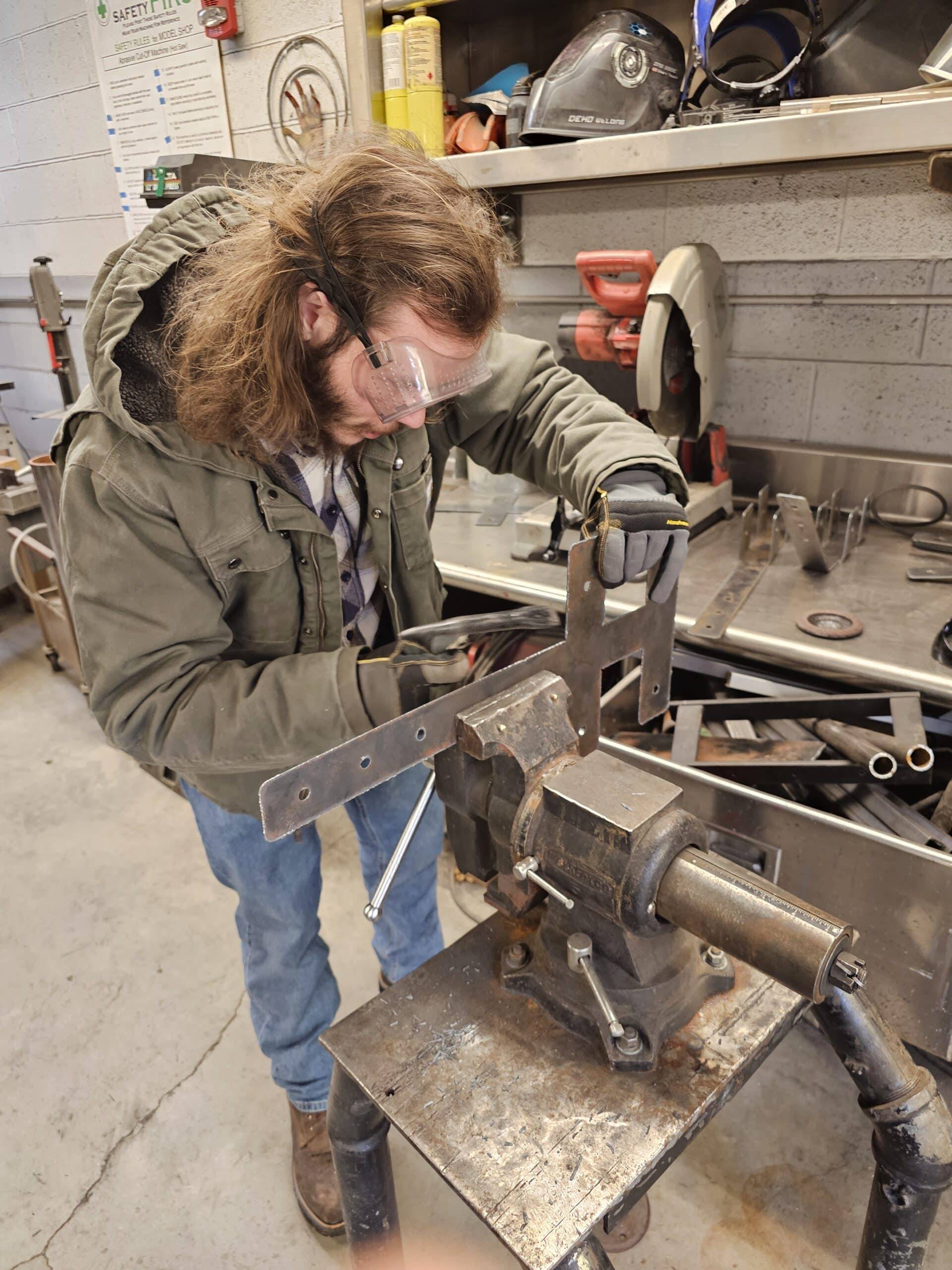
Students used Rhino, Grasshopper, RhinoCAM, and Revit to generate parametric models, toolpaths, and construction documents. CNC-milled plywood, CNC-plasma-cut steel, and modular polycarbonate assemblies were fabricated and constructed by the team.
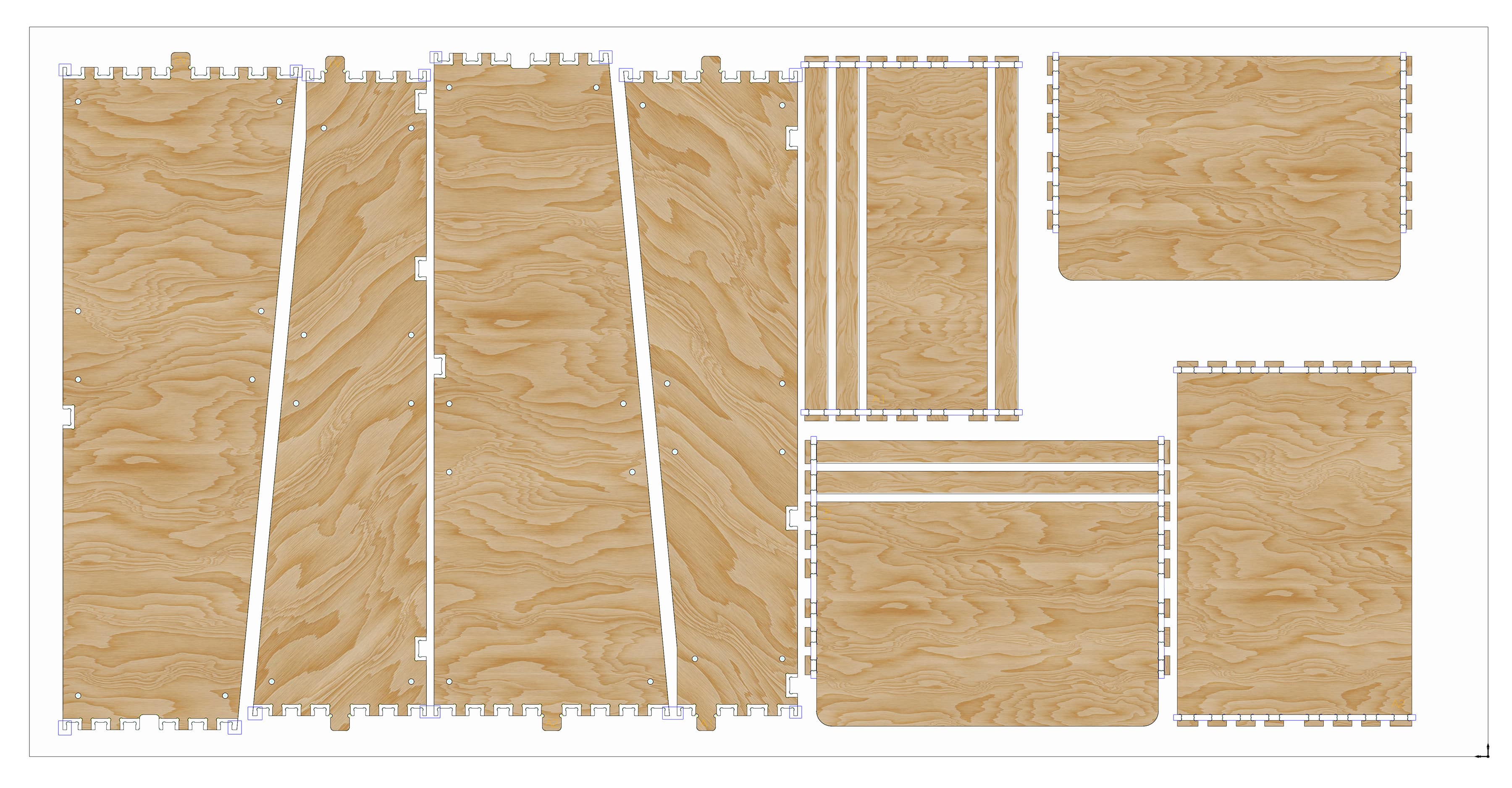
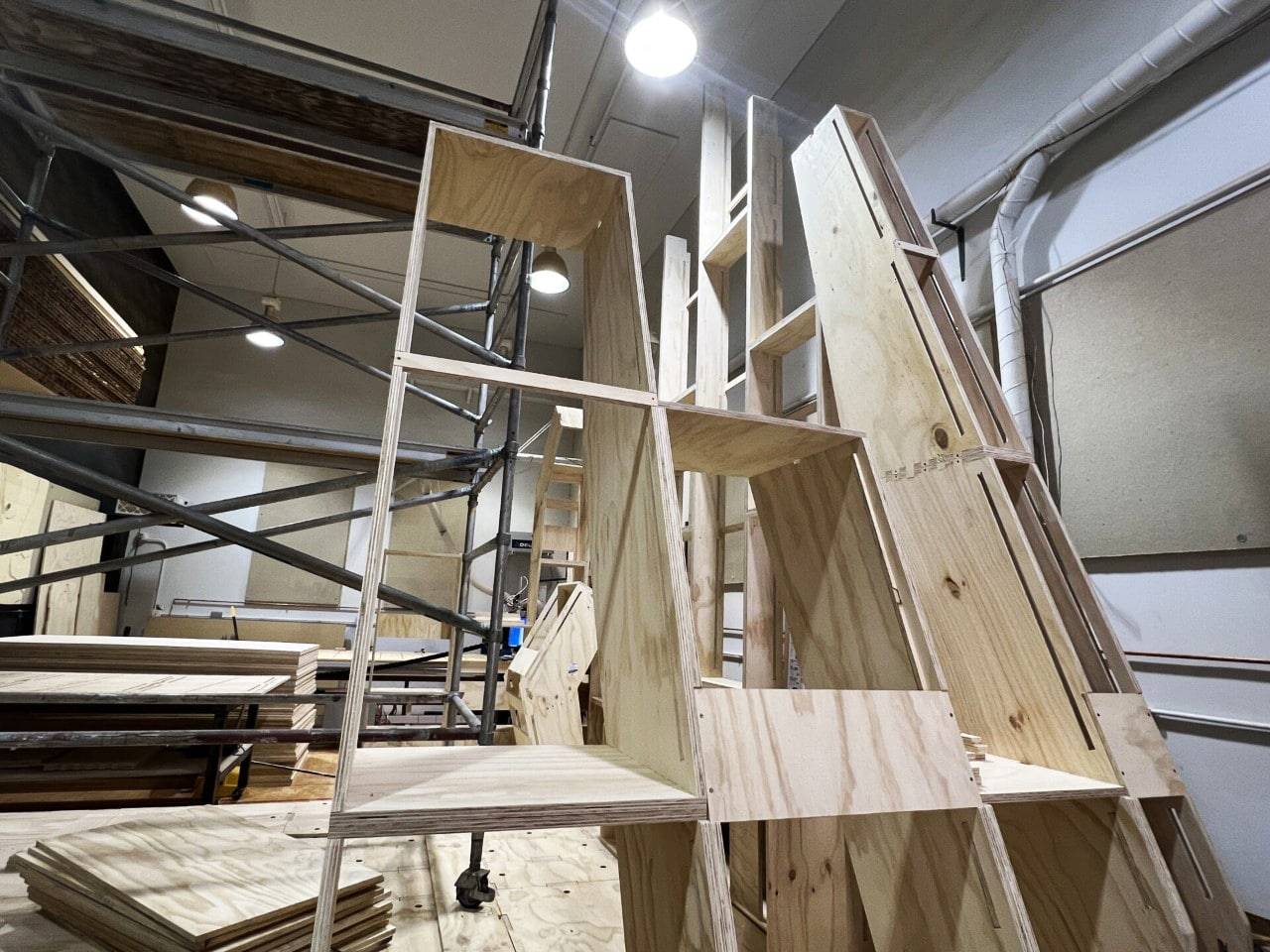
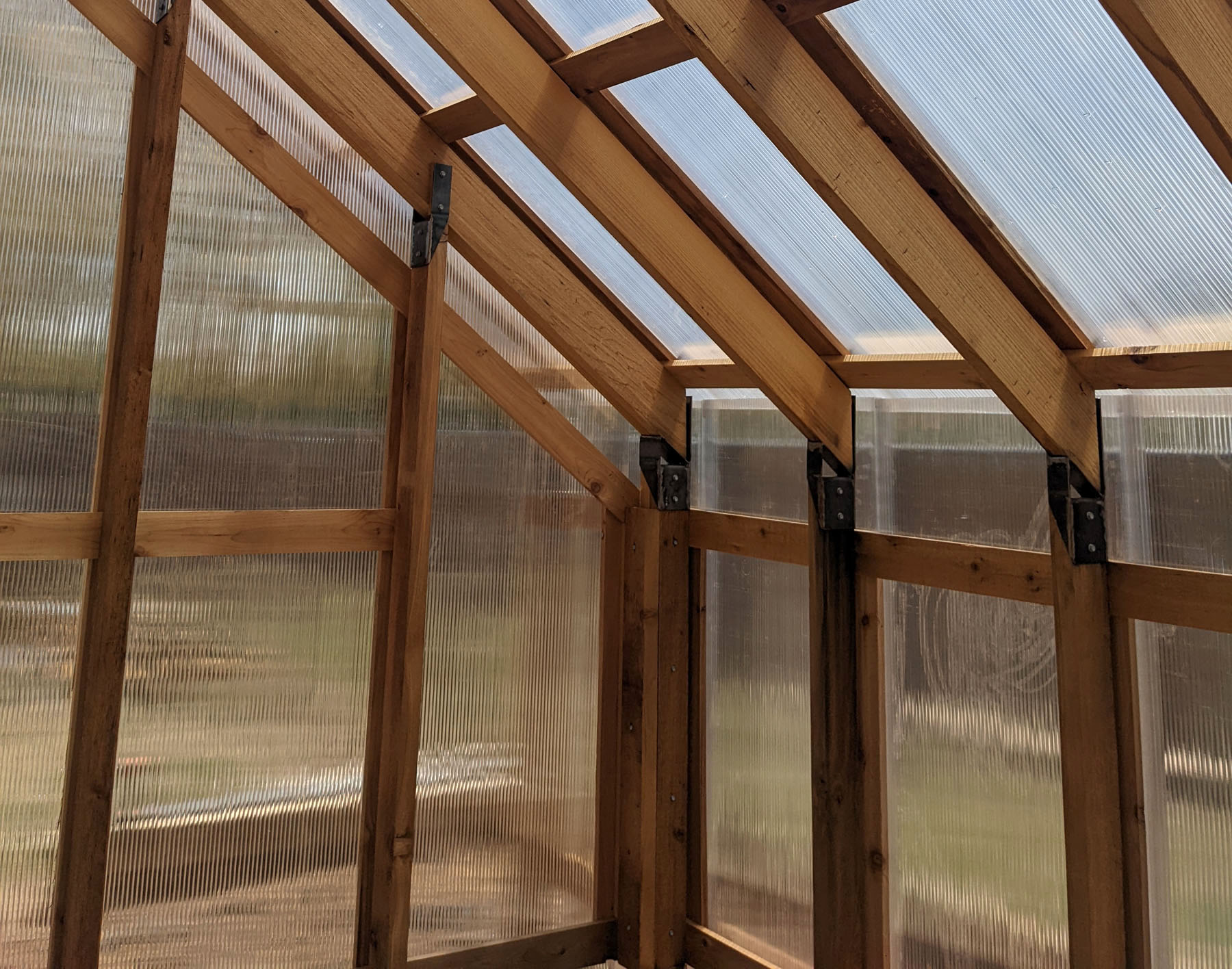
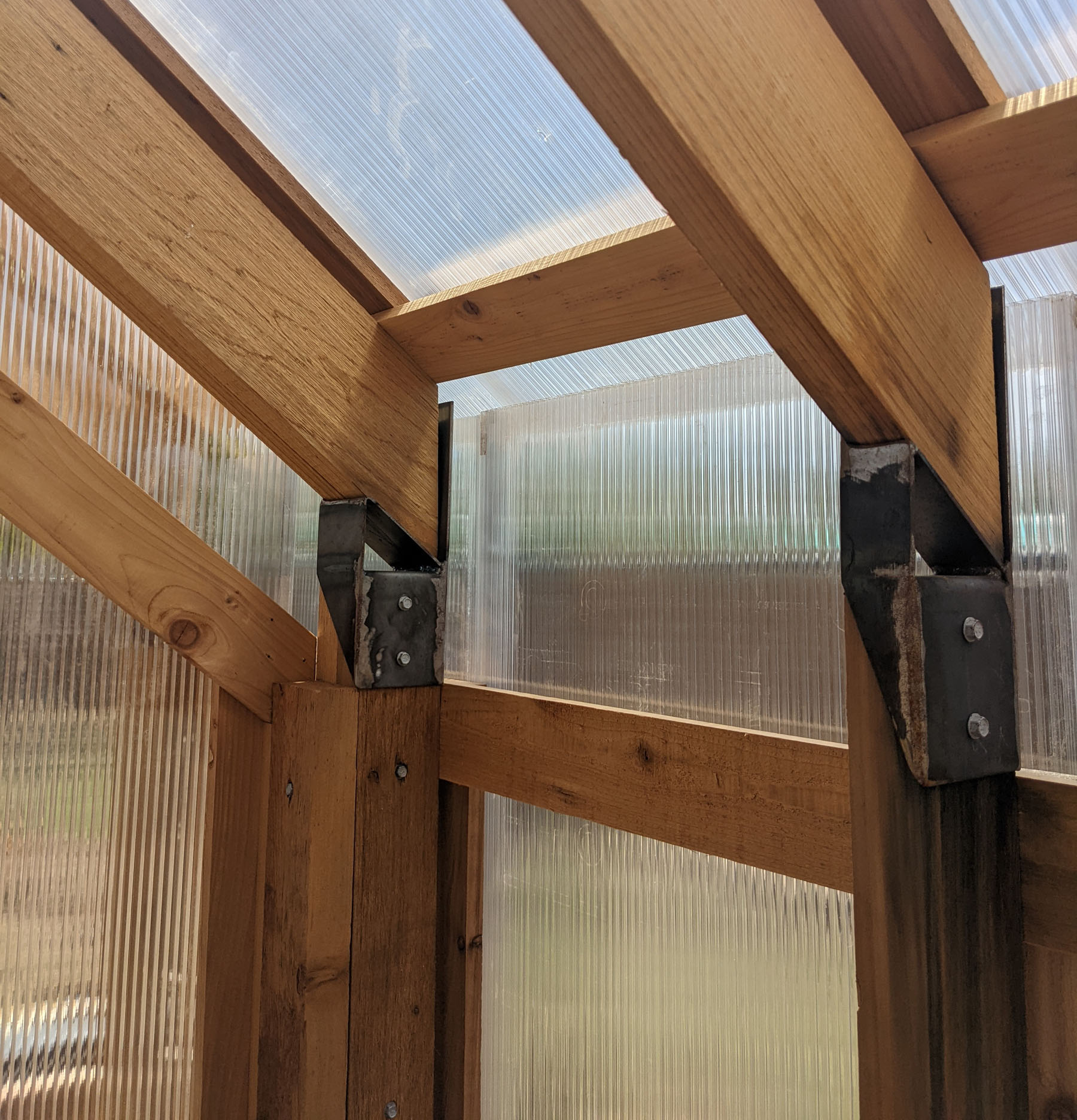
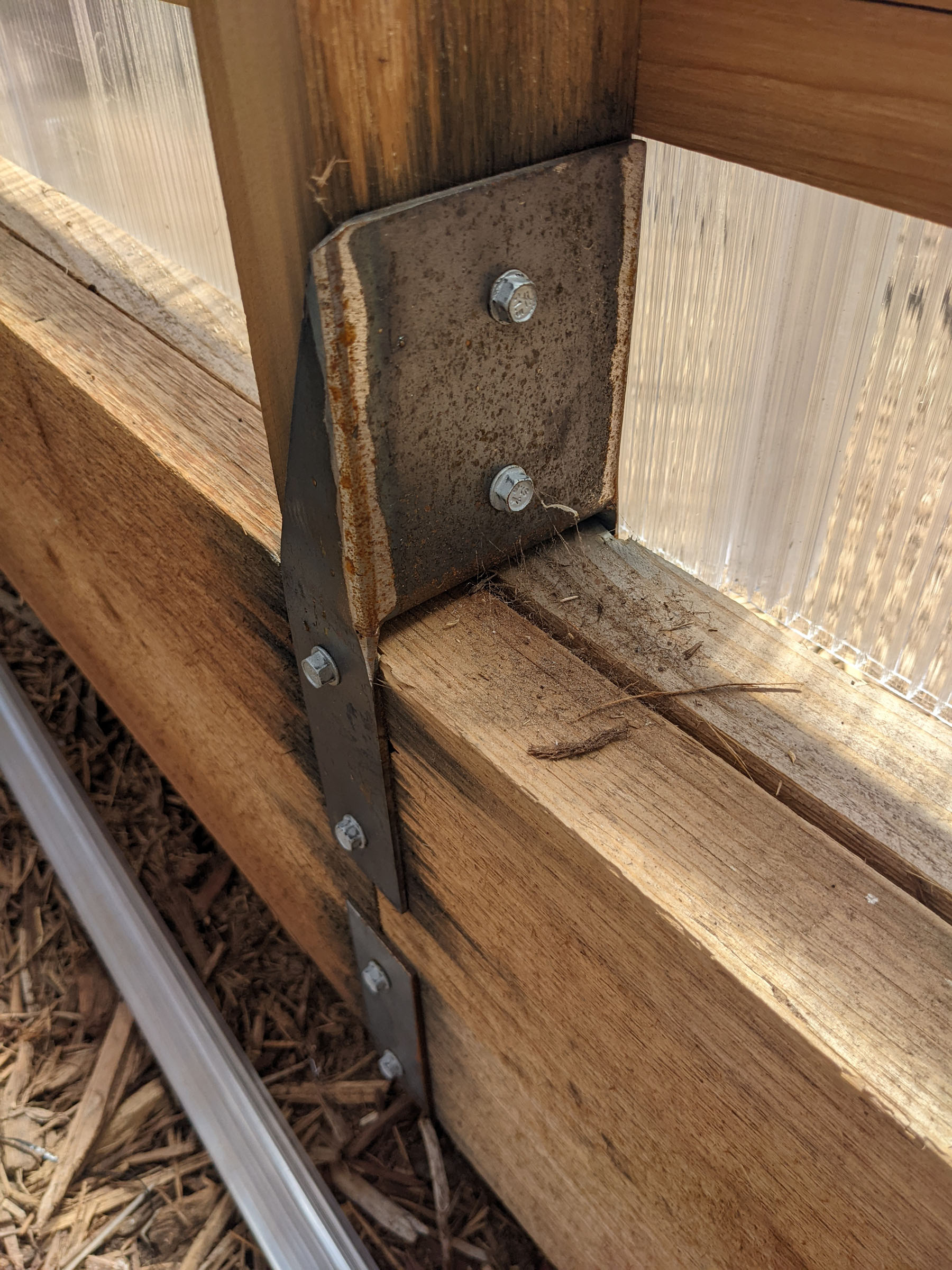
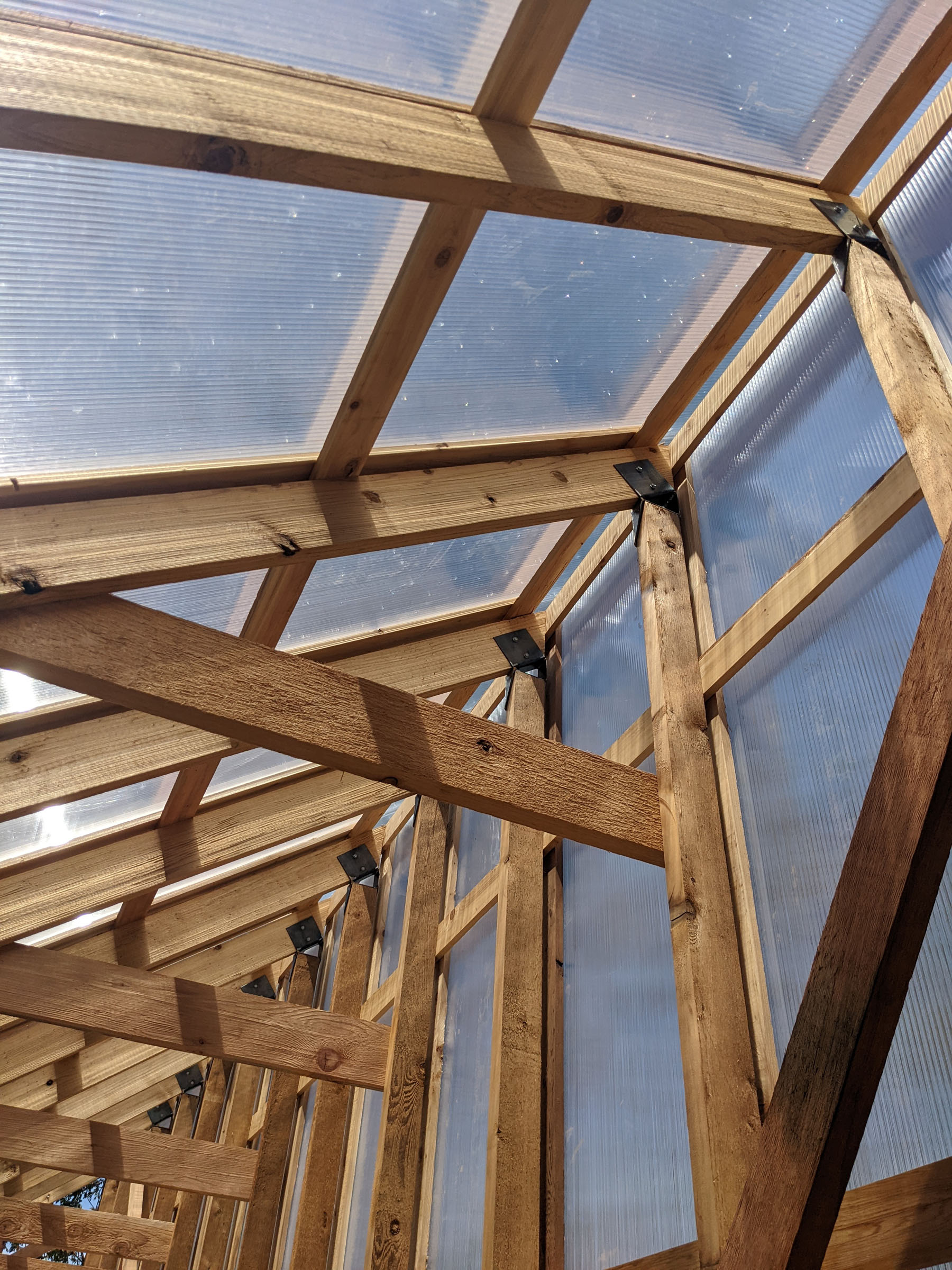
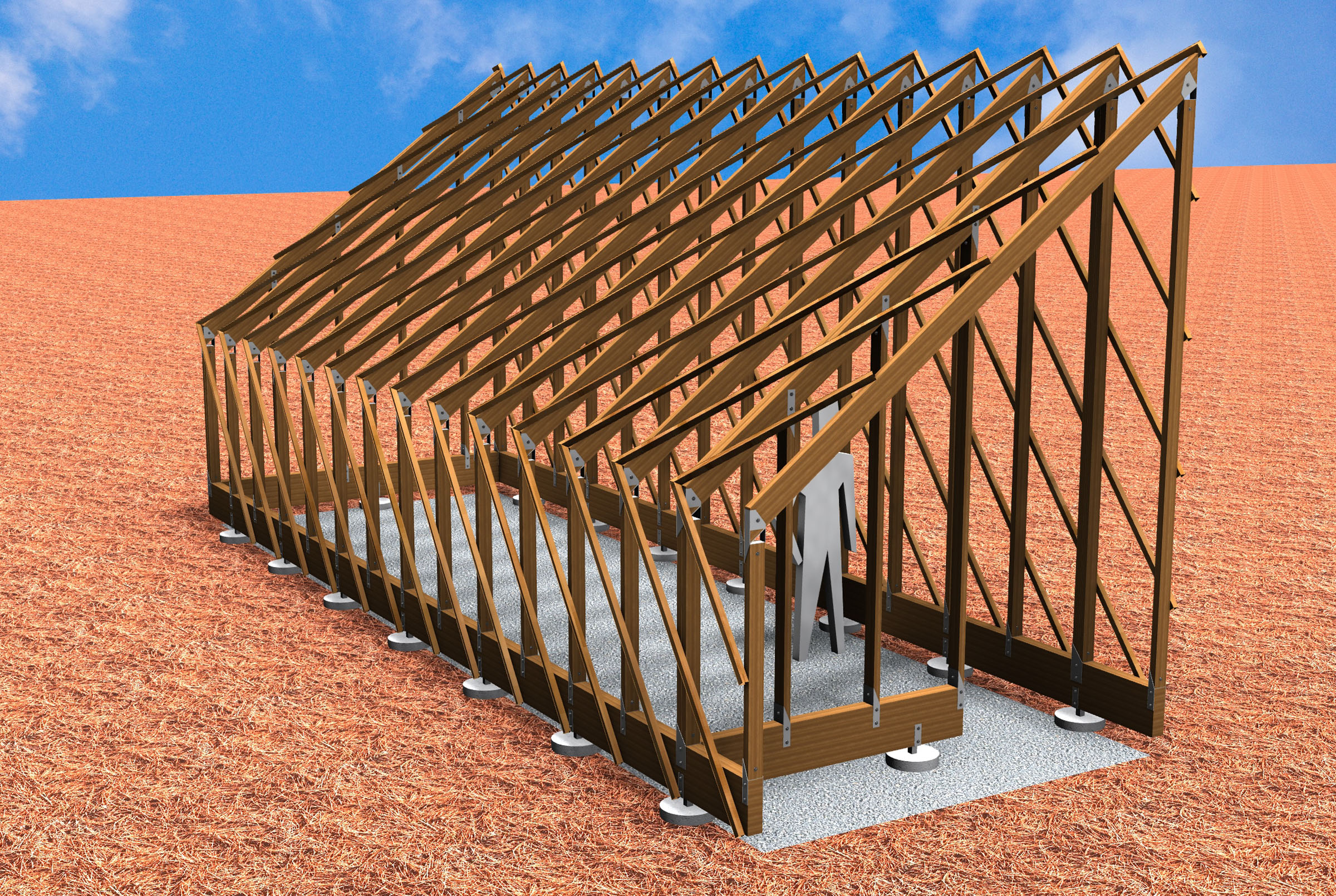
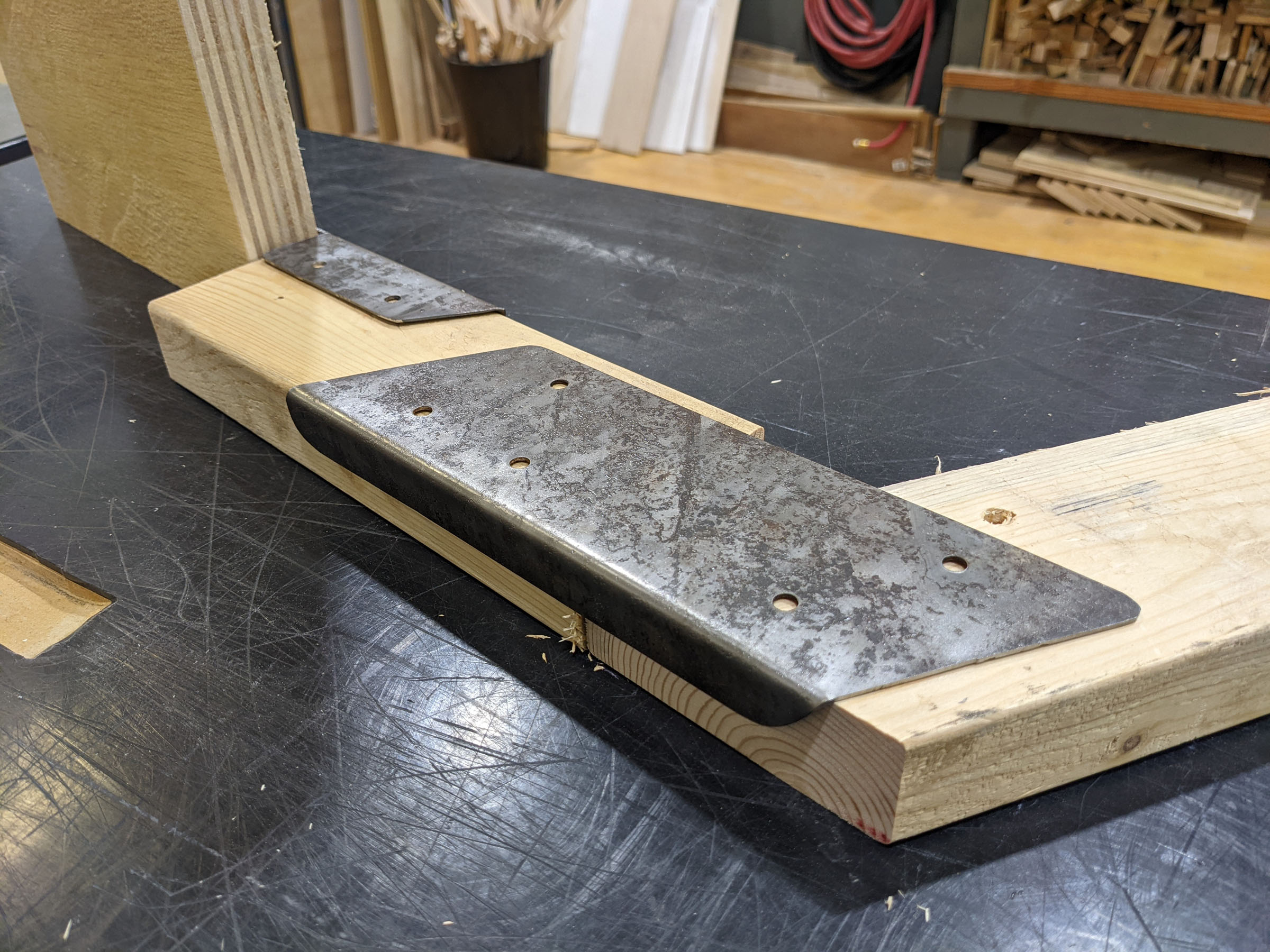
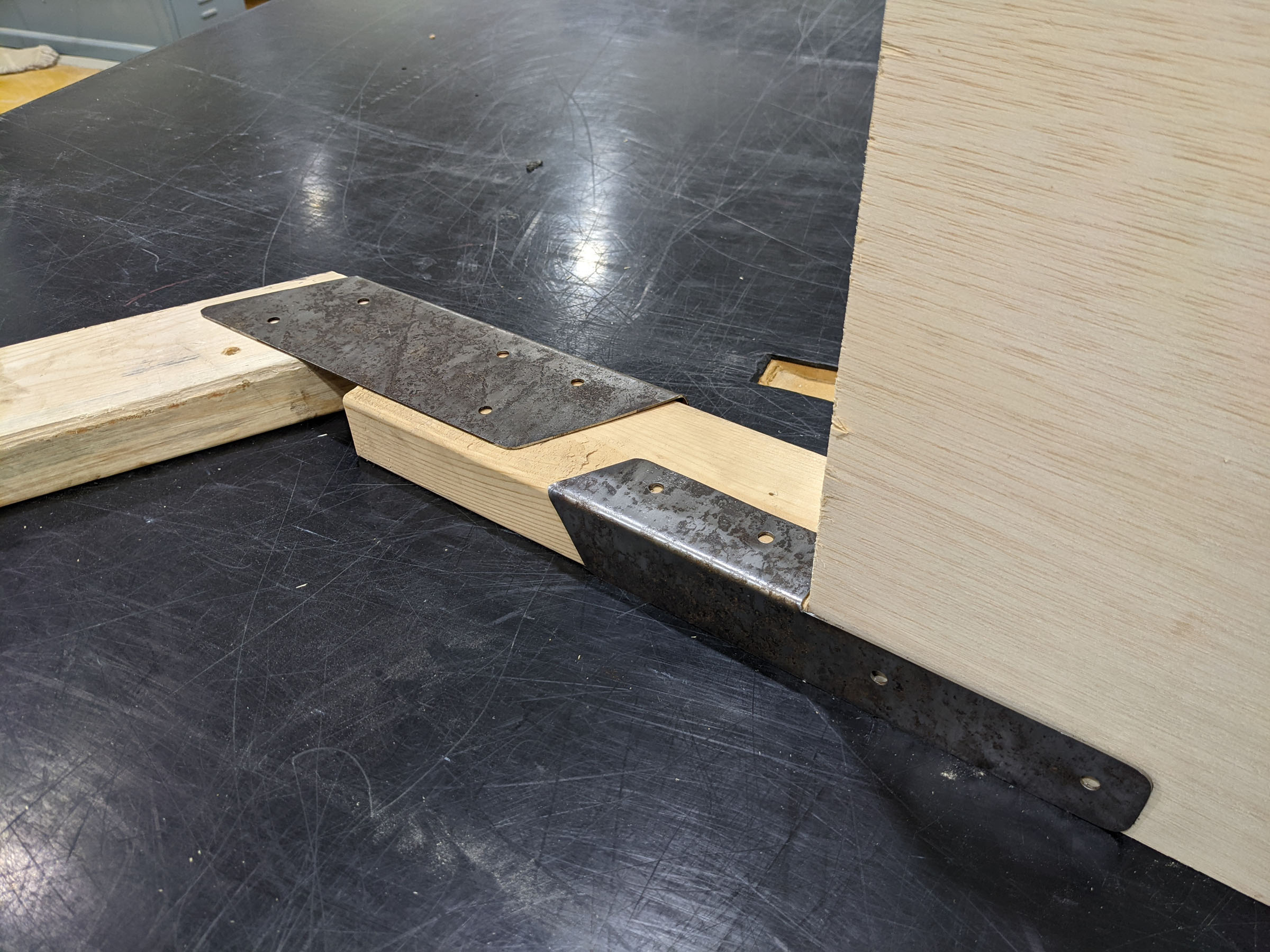
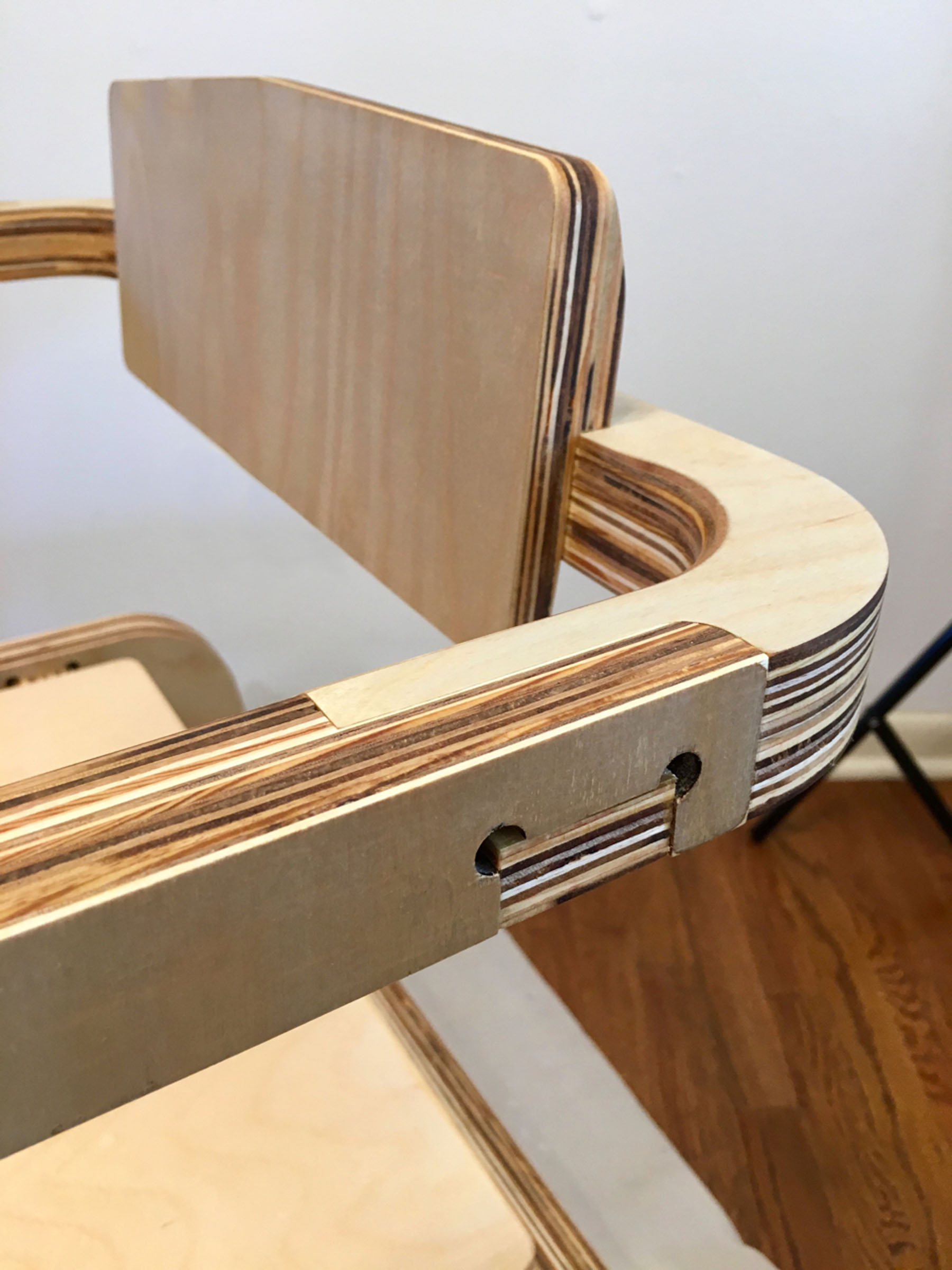
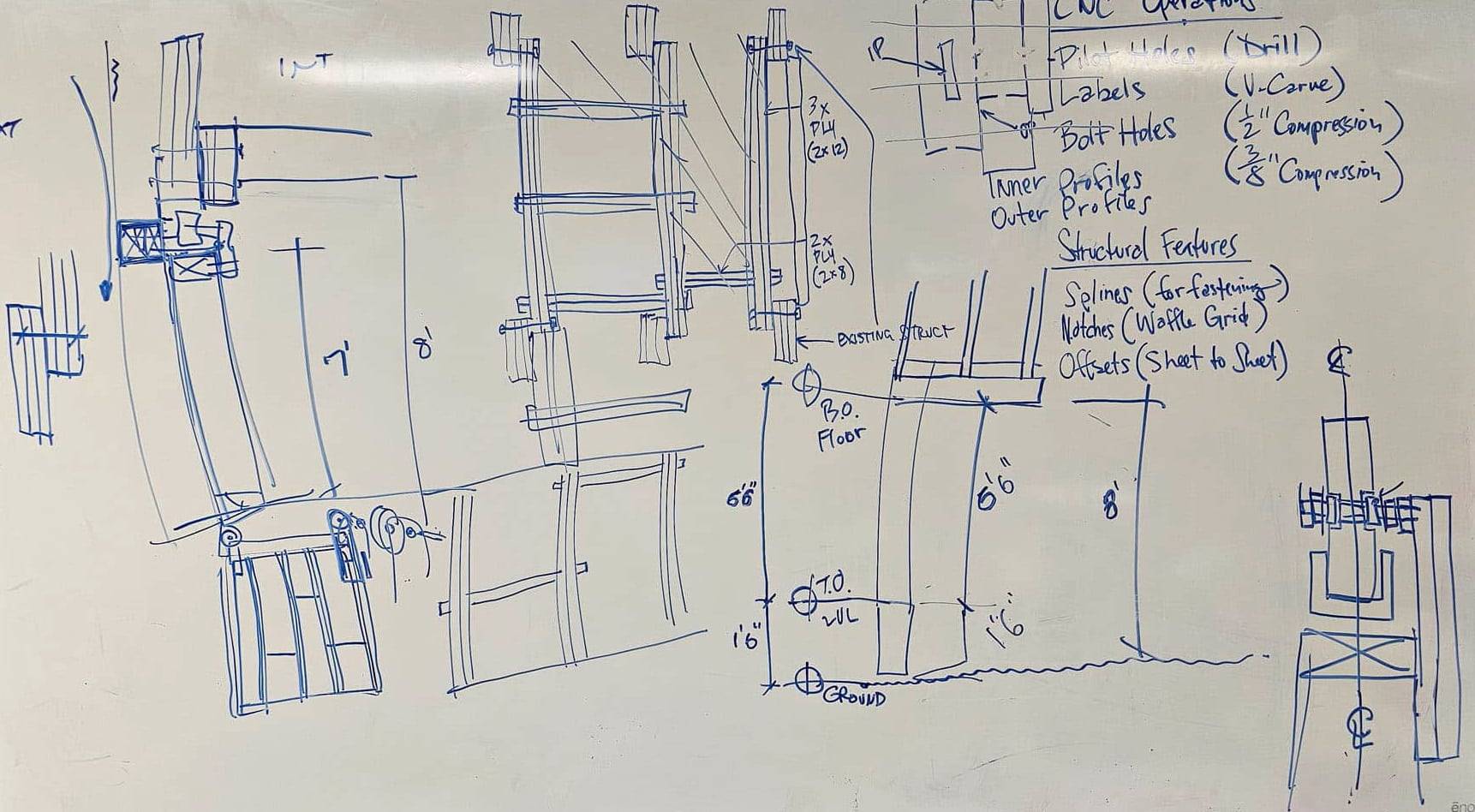
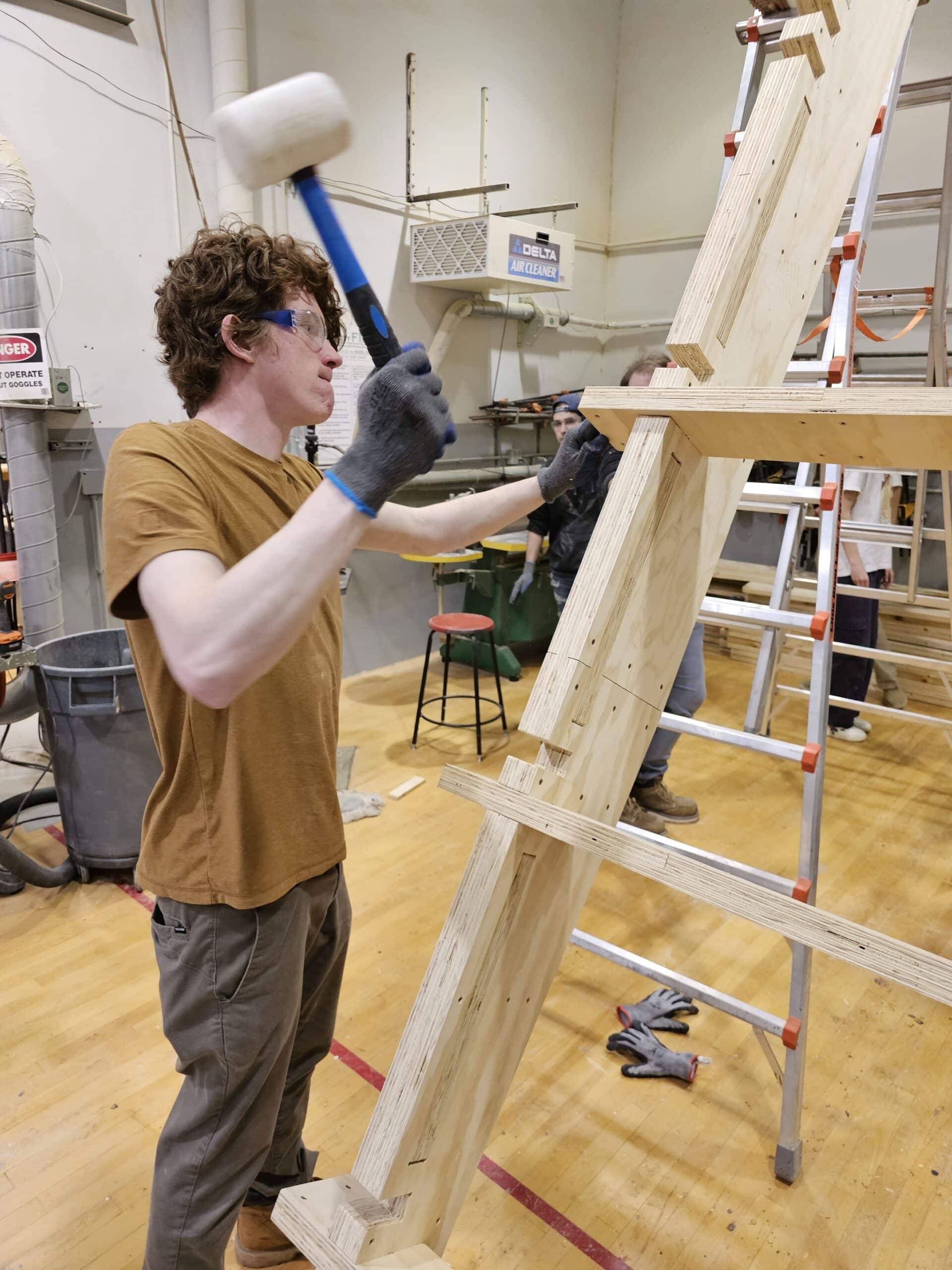
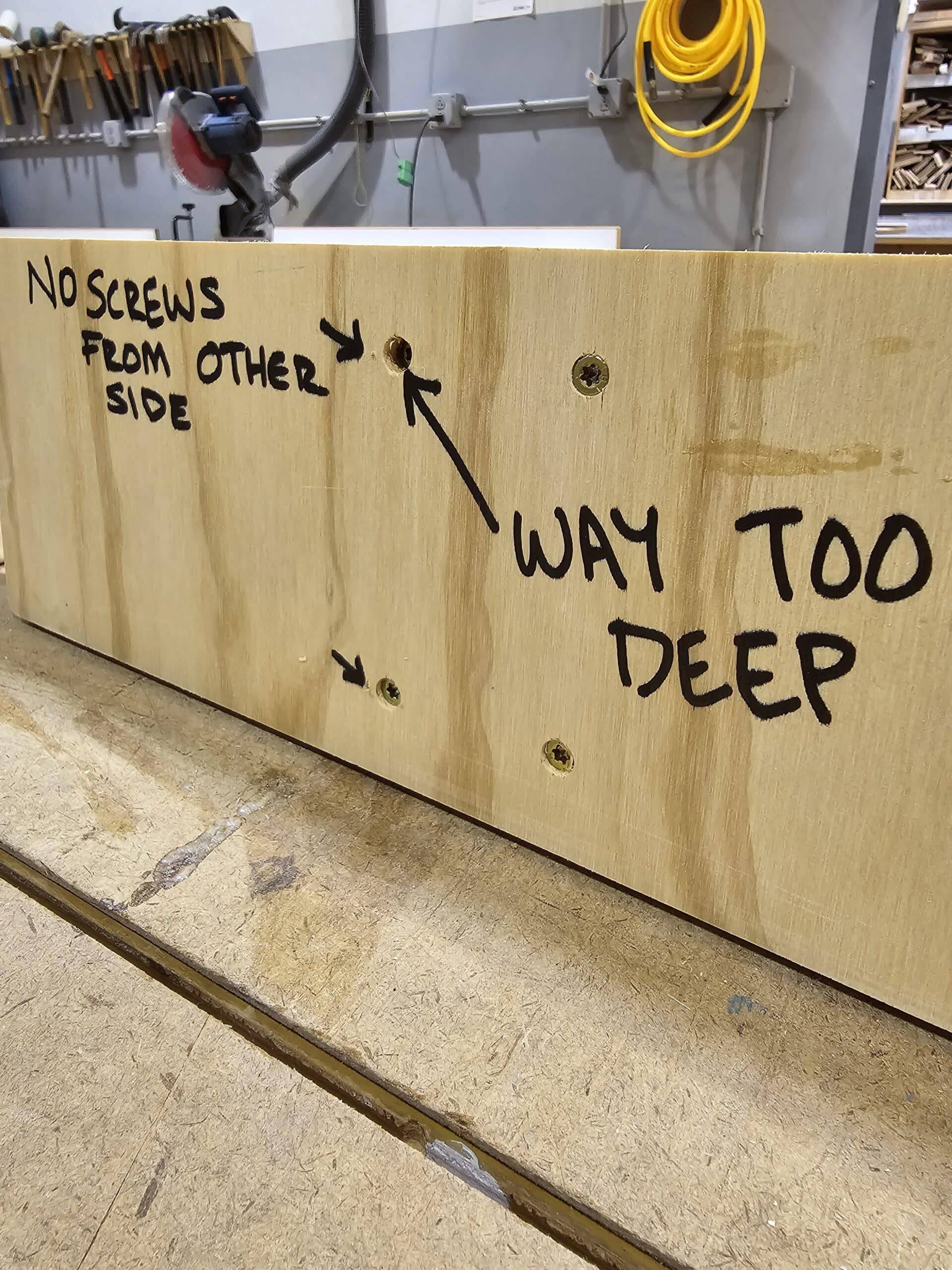
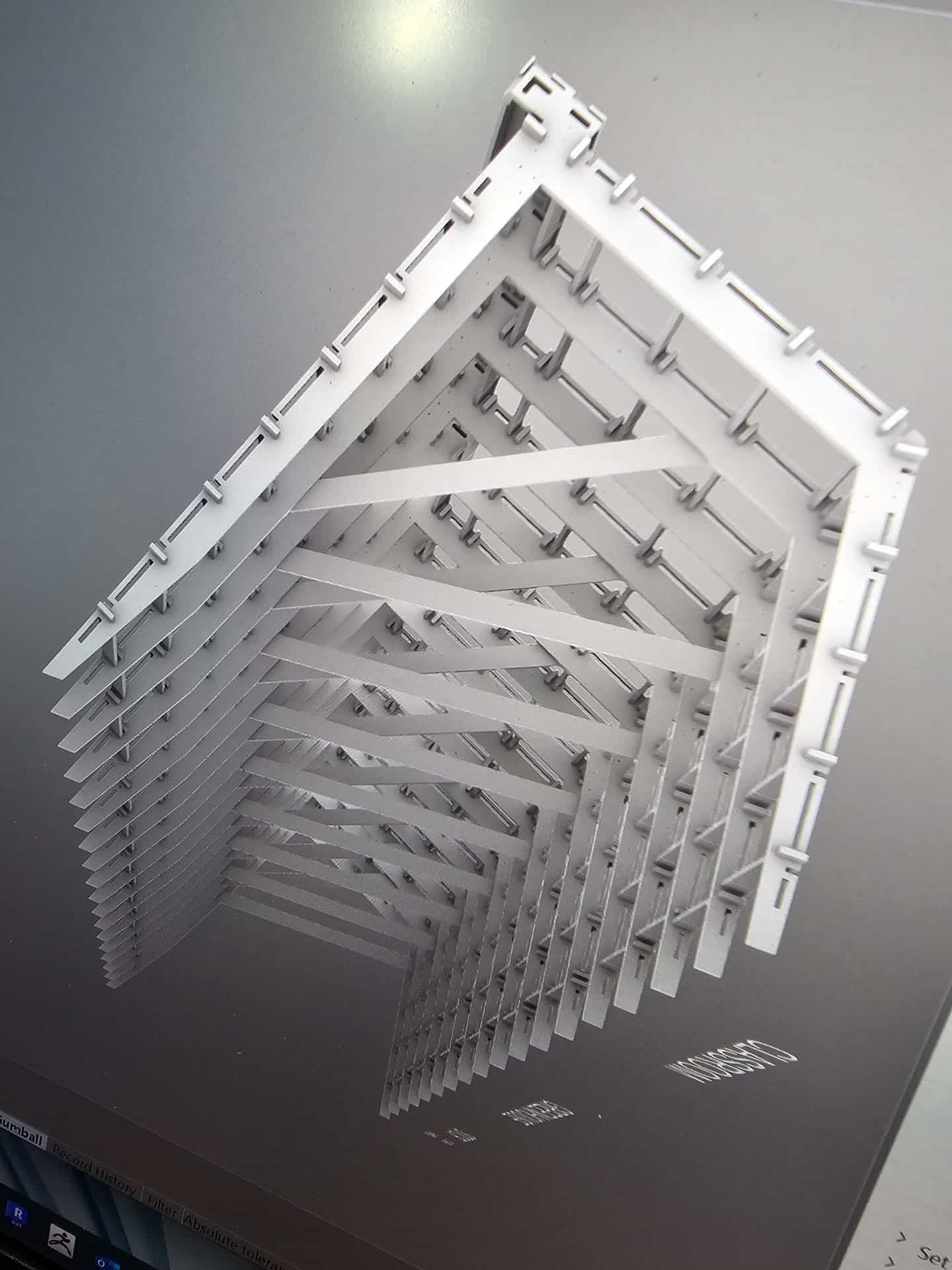
The greenhouse’s modular framework relied on a system of integral interlocking structural components. CNC precision enabled sub-millimeter tolerances, giving students firsthand experience with digital accuracy, craftsmanship, and material logic. This precision allowed assemblies to slot cleanly without field adjustments, reinforcing lessons in design intent, structural performance, and execution.
Students translate parametric models into CNC-milled plywood and modular polycarbonate components, aligning computational precision with material craft.
Iterative Design and Collaborative Problem-Solving
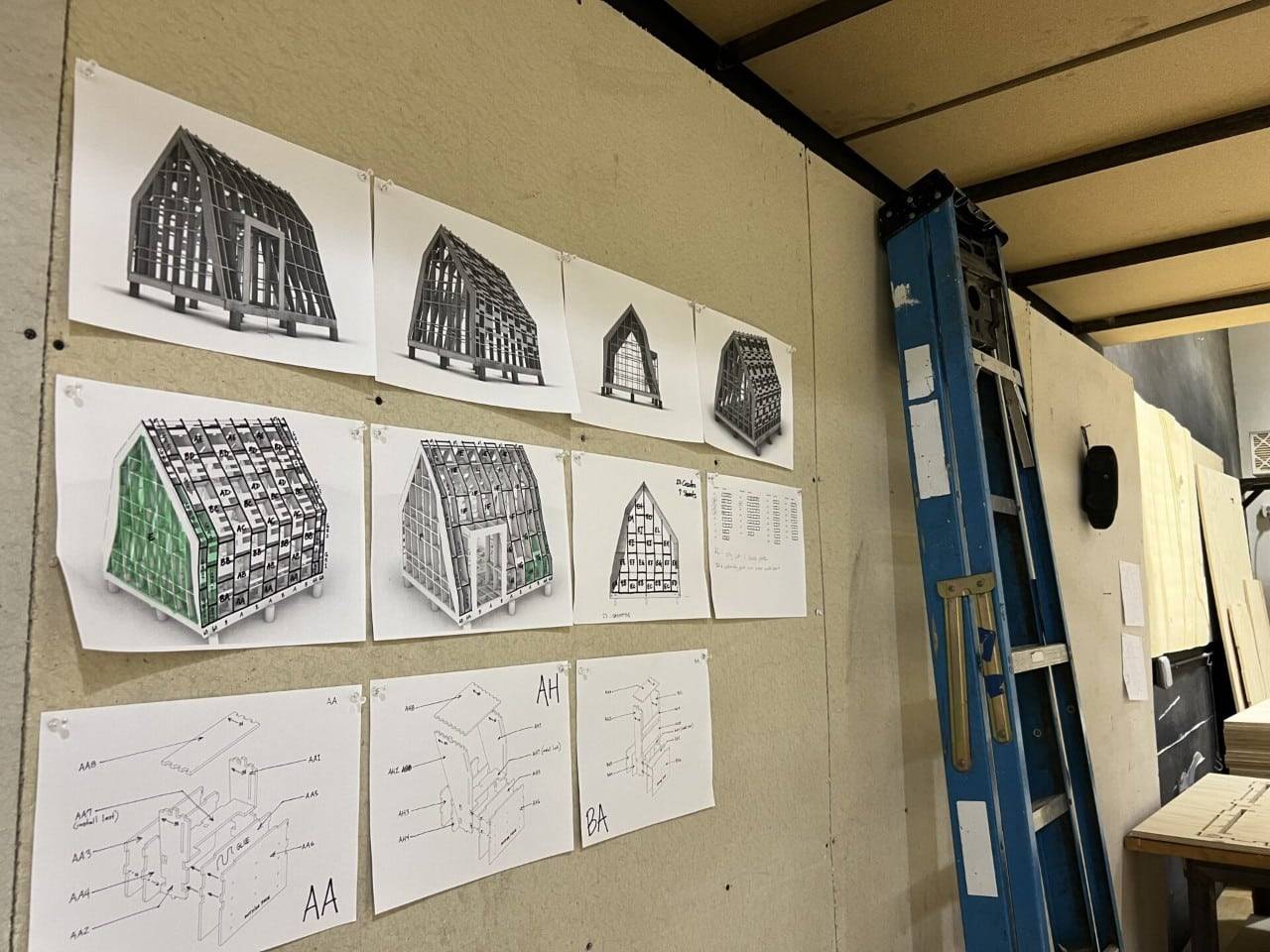
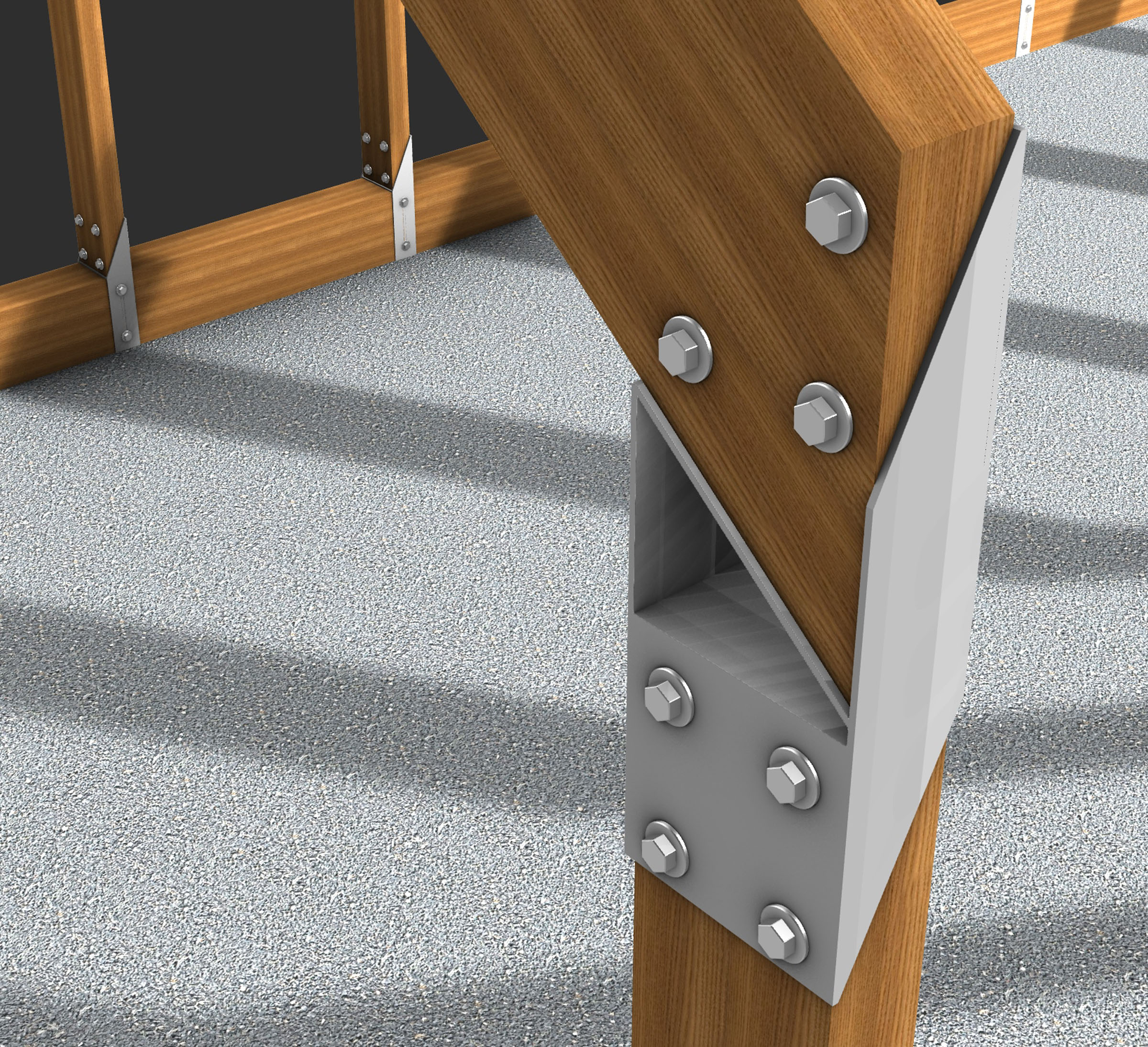
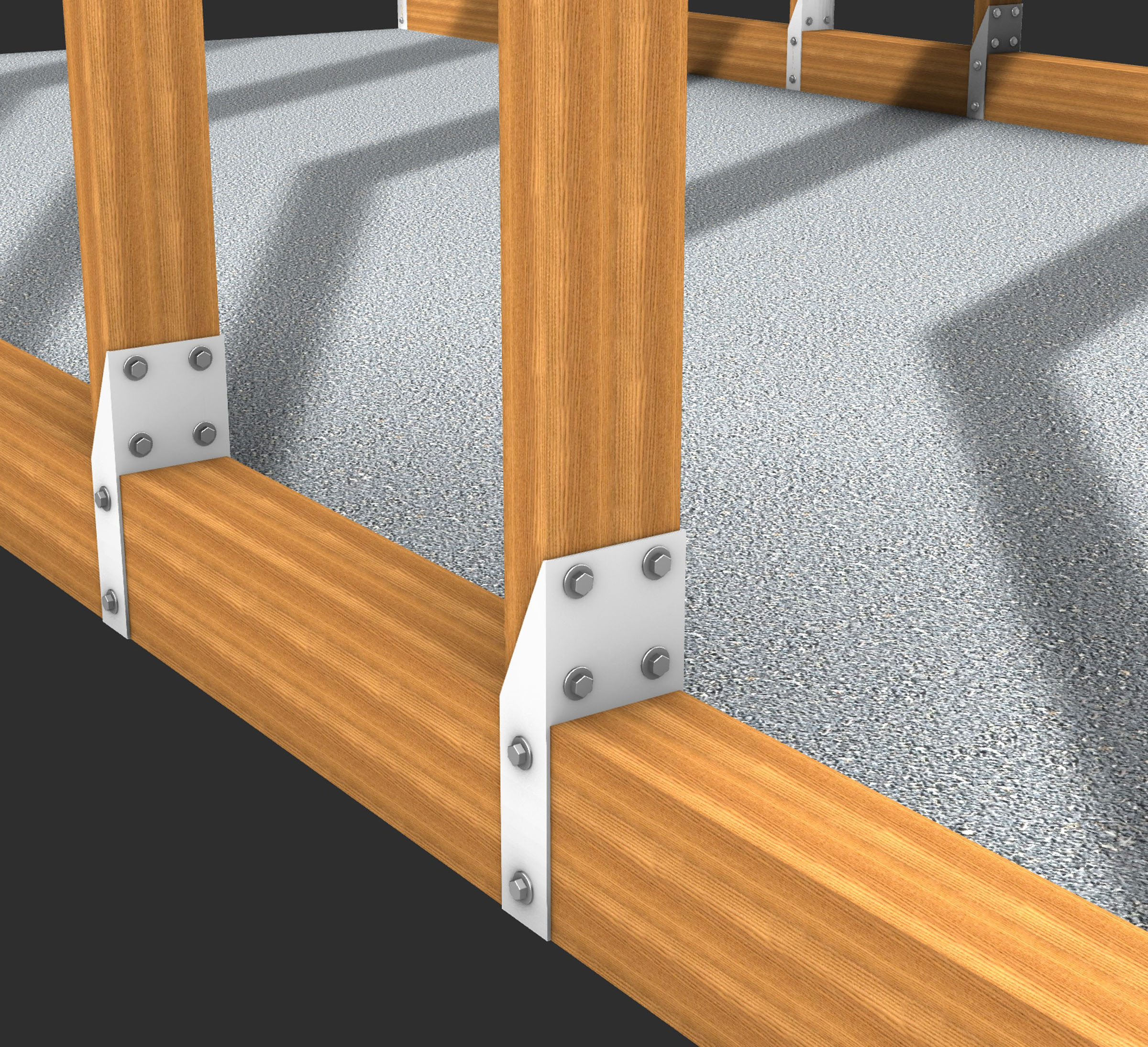
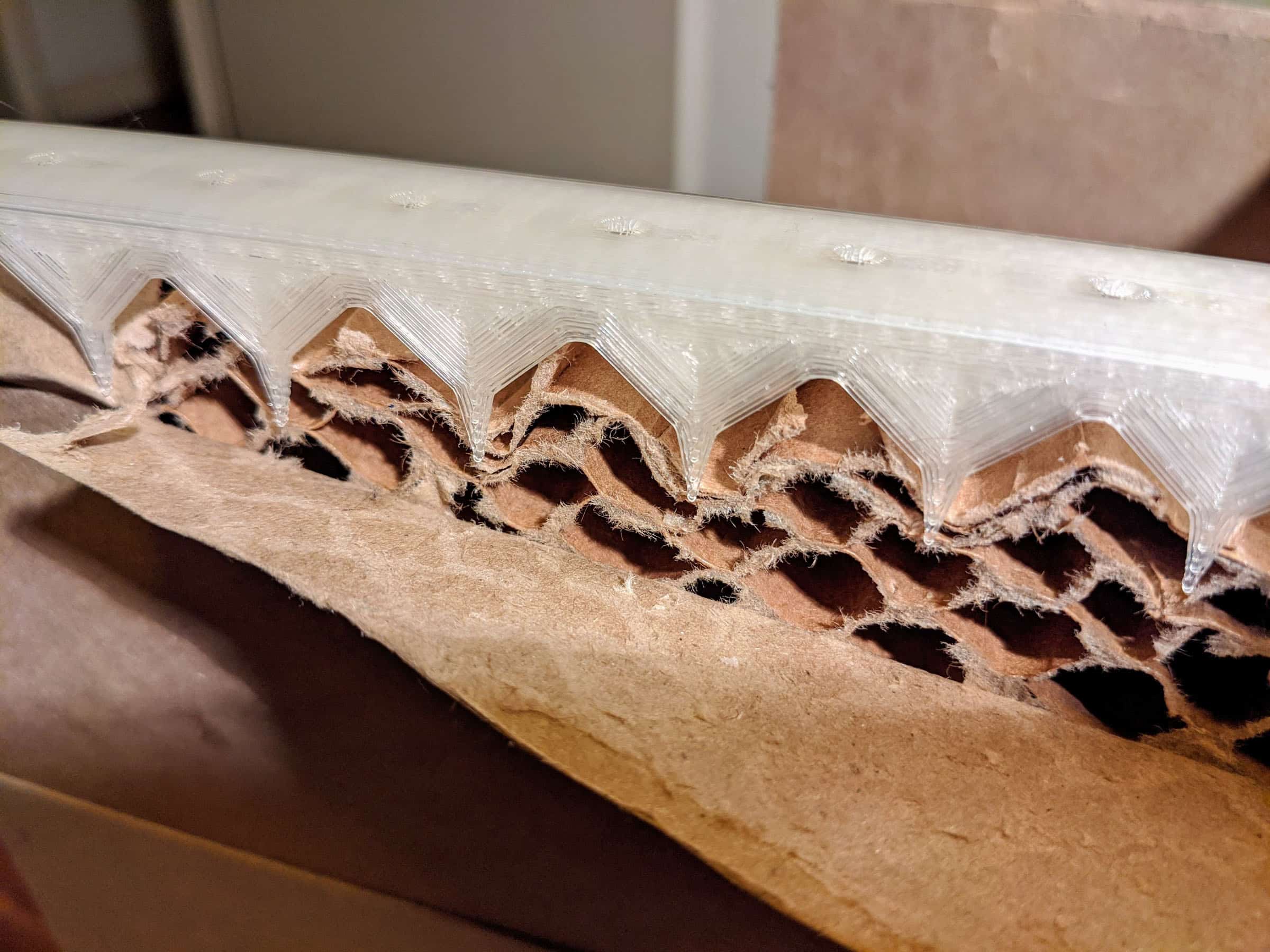
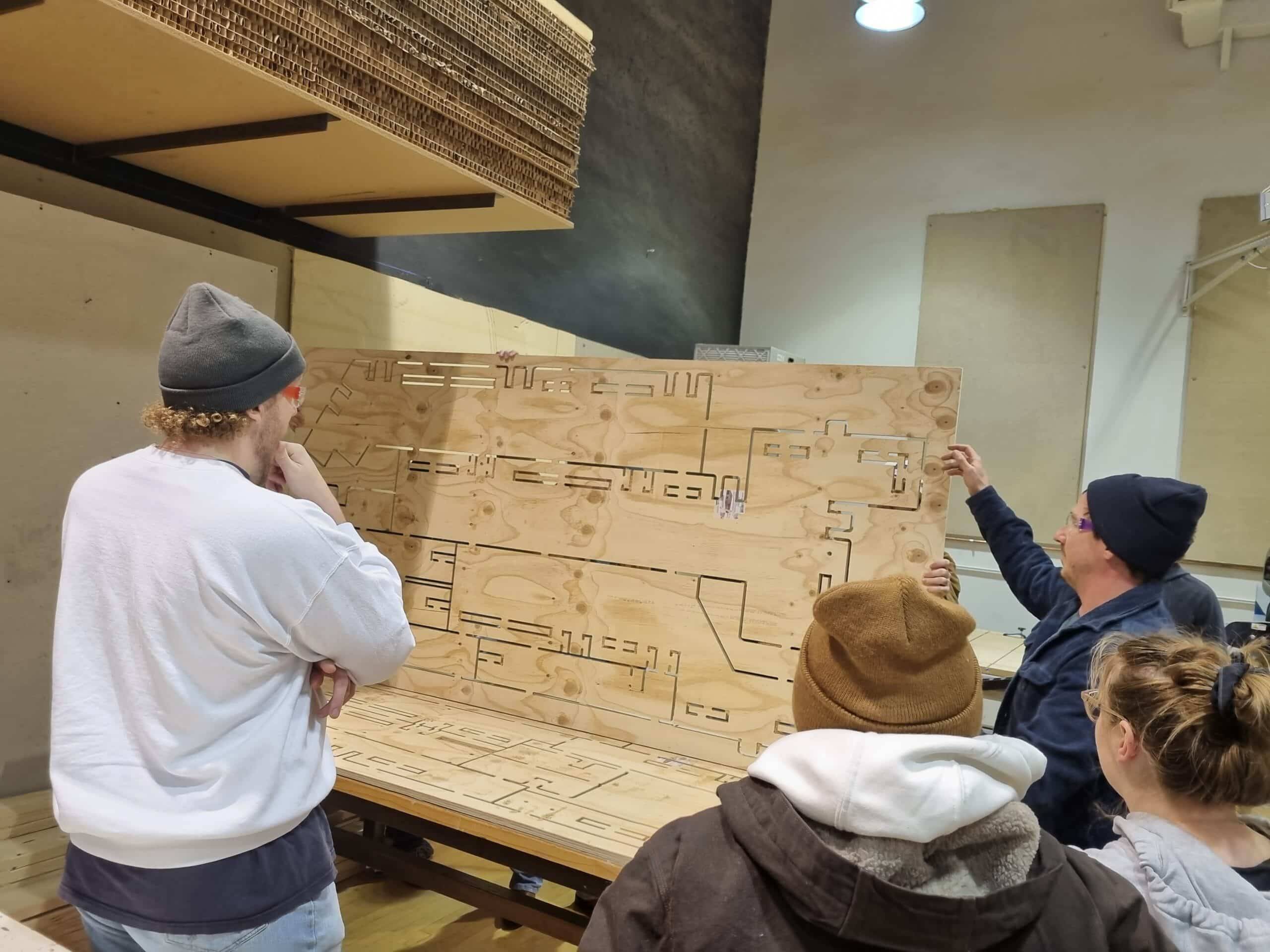
Connection details, fabrication workflows, and prototyping required students to iterate and refine modular assemblies and details. This process fostered problem-solving, adaptability, and collaboration. Peer critique assessed teamwork as students reconciled tolerances, sequencing, and assembly logic.
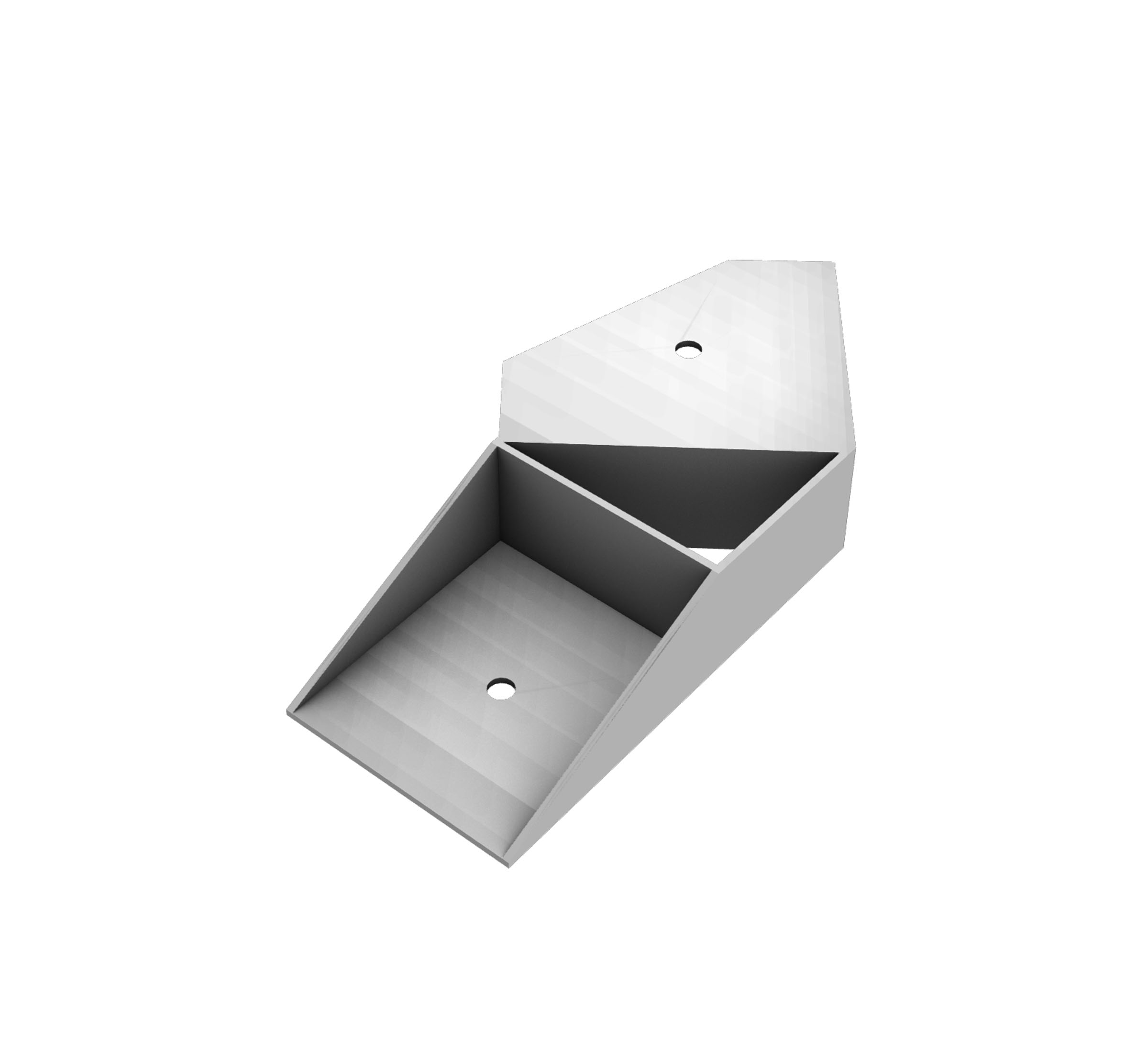
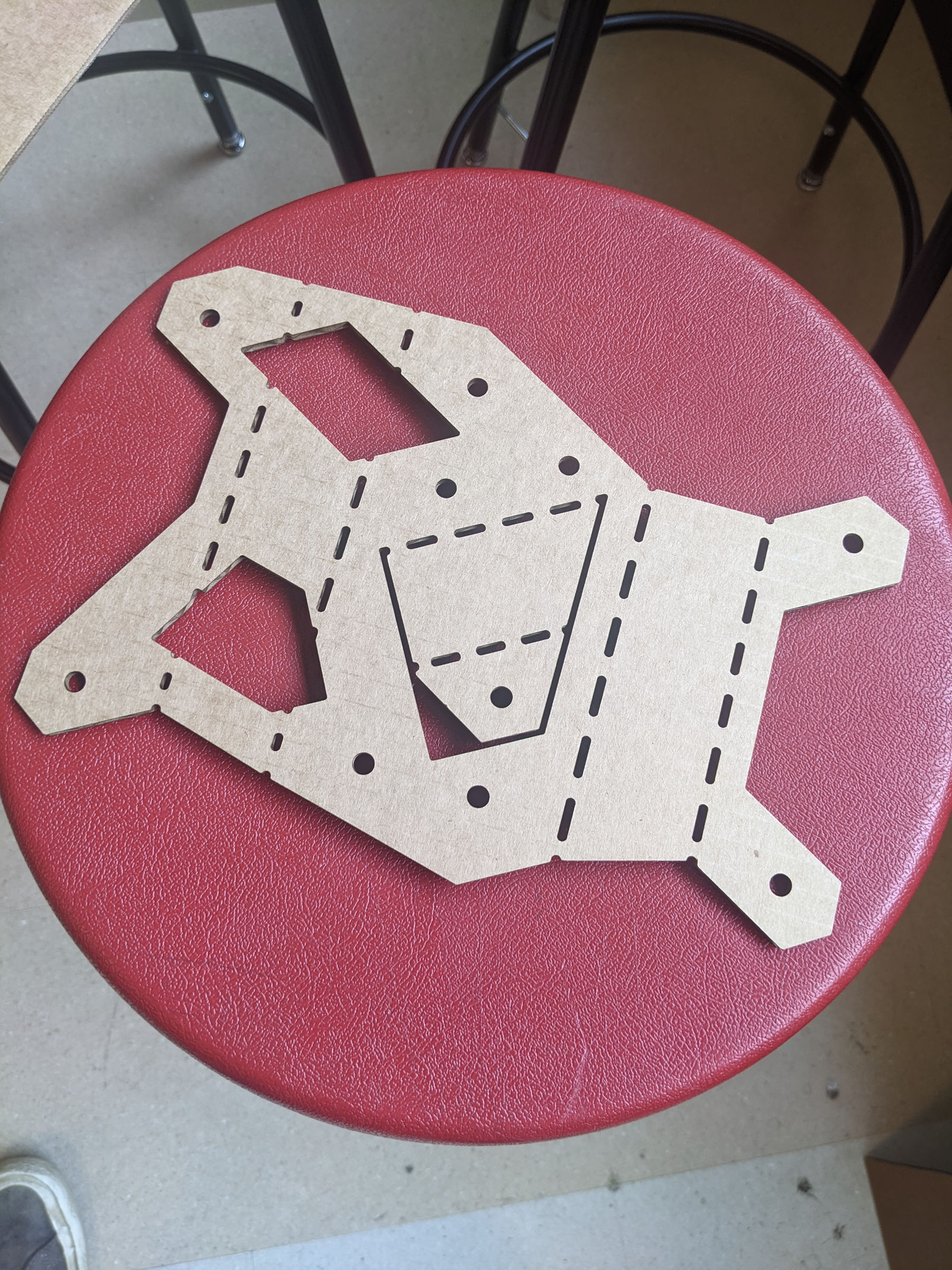
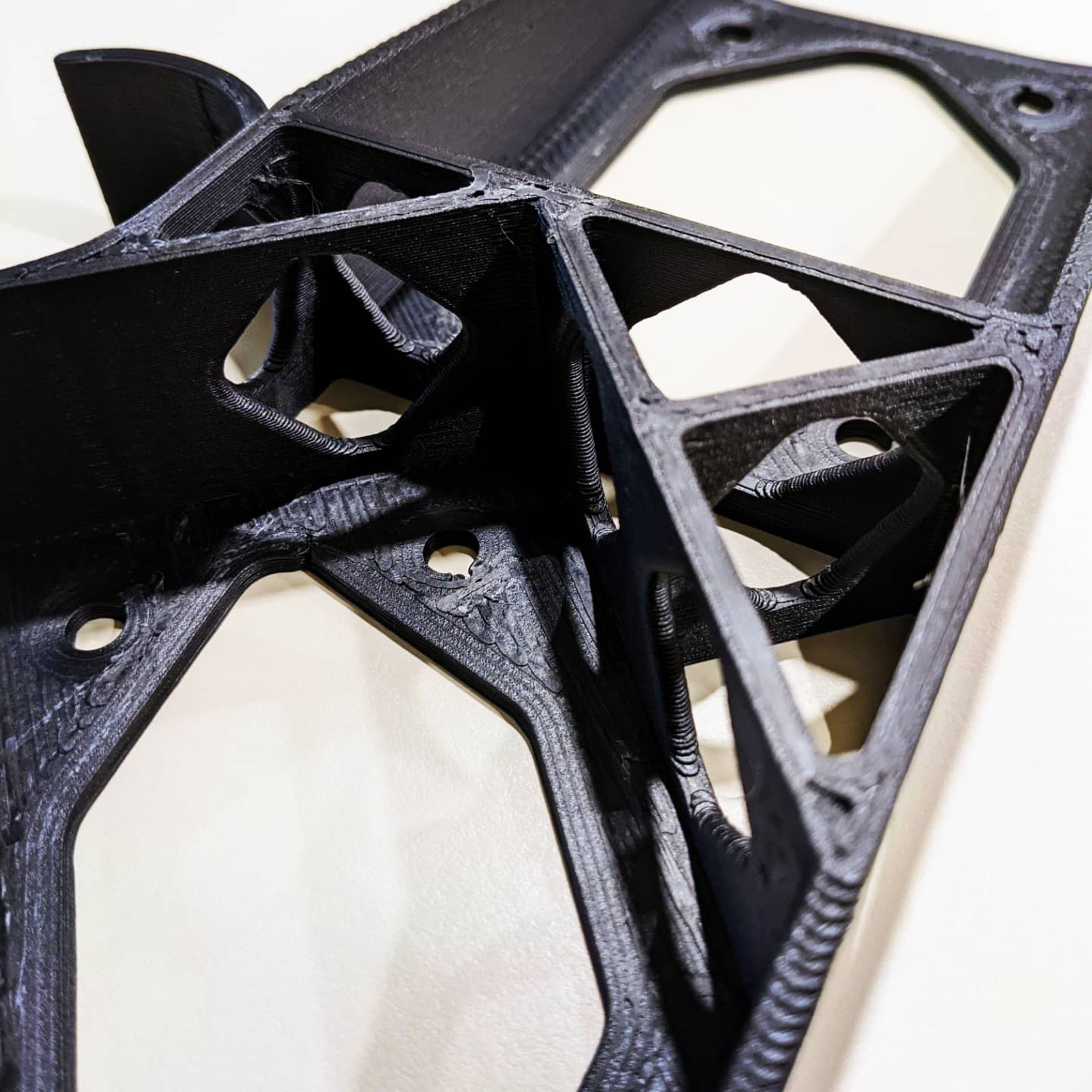
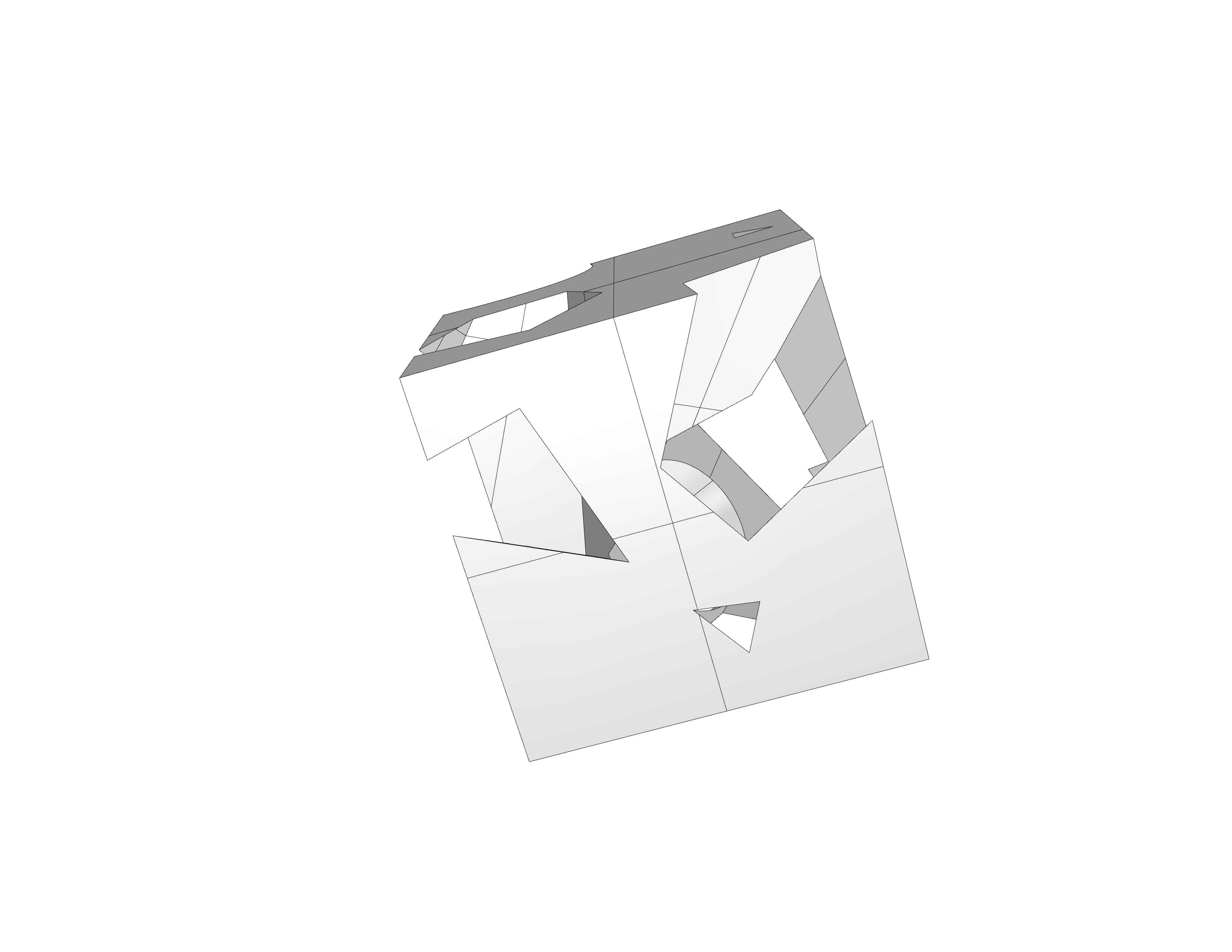
Parametric models embedding constructibility and connectivity, guiding CNC-milled components and modular assemblies optimized for precision and on-site efficiency.
Systems Thinking and Material Integration
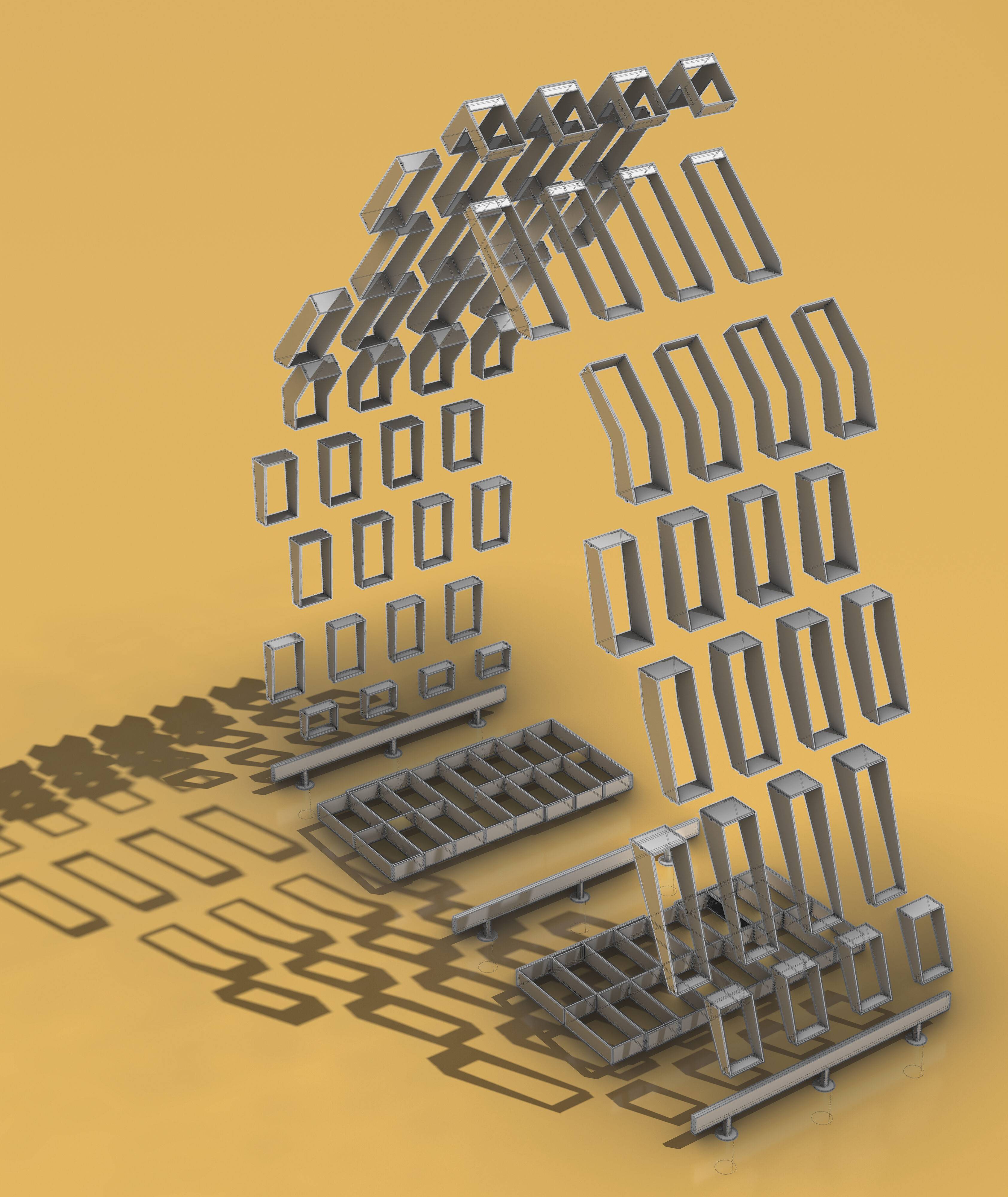
Material strategies for the Urban Learning Greenhouse were guided by a systems-thinking framework emphasizing modularity, efficiency, and environmental responsiveness. The building was conceived as a network of interdependent systems—structure, enclosure, and landscape—each calibrated to influence performance and assembly. Structural rhythm aligned with material module size, joinery precision reinforced fabrication efficiency, and cladding transparency supported daylighting and thermal control.
Students coordinated structure, fabrication, and construction as an integrated loop between digital modeling and field application. CNC-milled plywood ribs, translucent polycarbonate, and steel joinery were designed to function as adaptive systems rather than discrete parts, balancing environmental performance with tectonic clarity. Evaluation prioritized the synthesis of modeling and construction, reduction of material waste, and the performance of assemblies as responsive ecological infrastructure—demonstrating that systemic thinking can transform design-build projects into living, adaptive frameworks for sustainability.
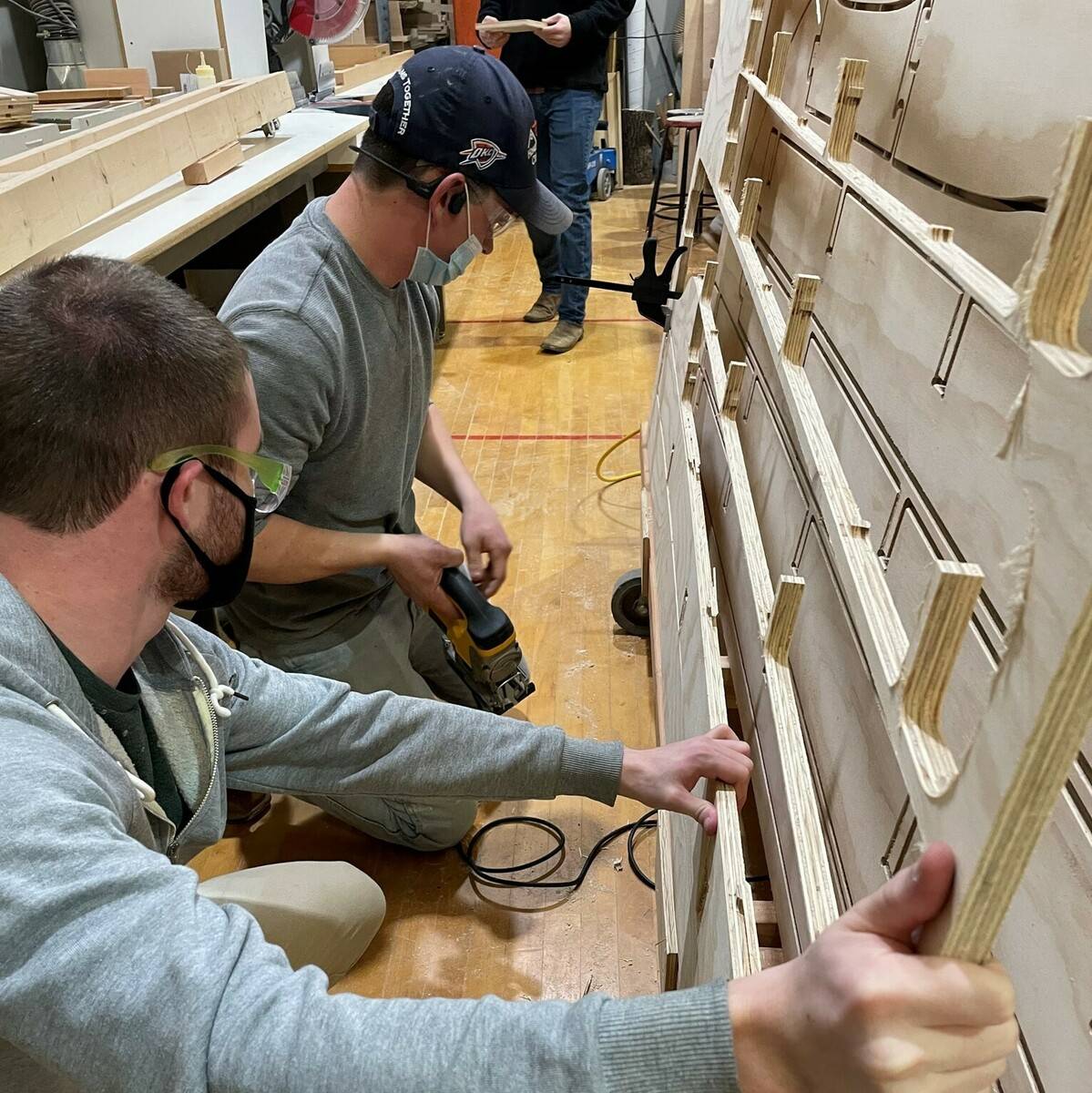
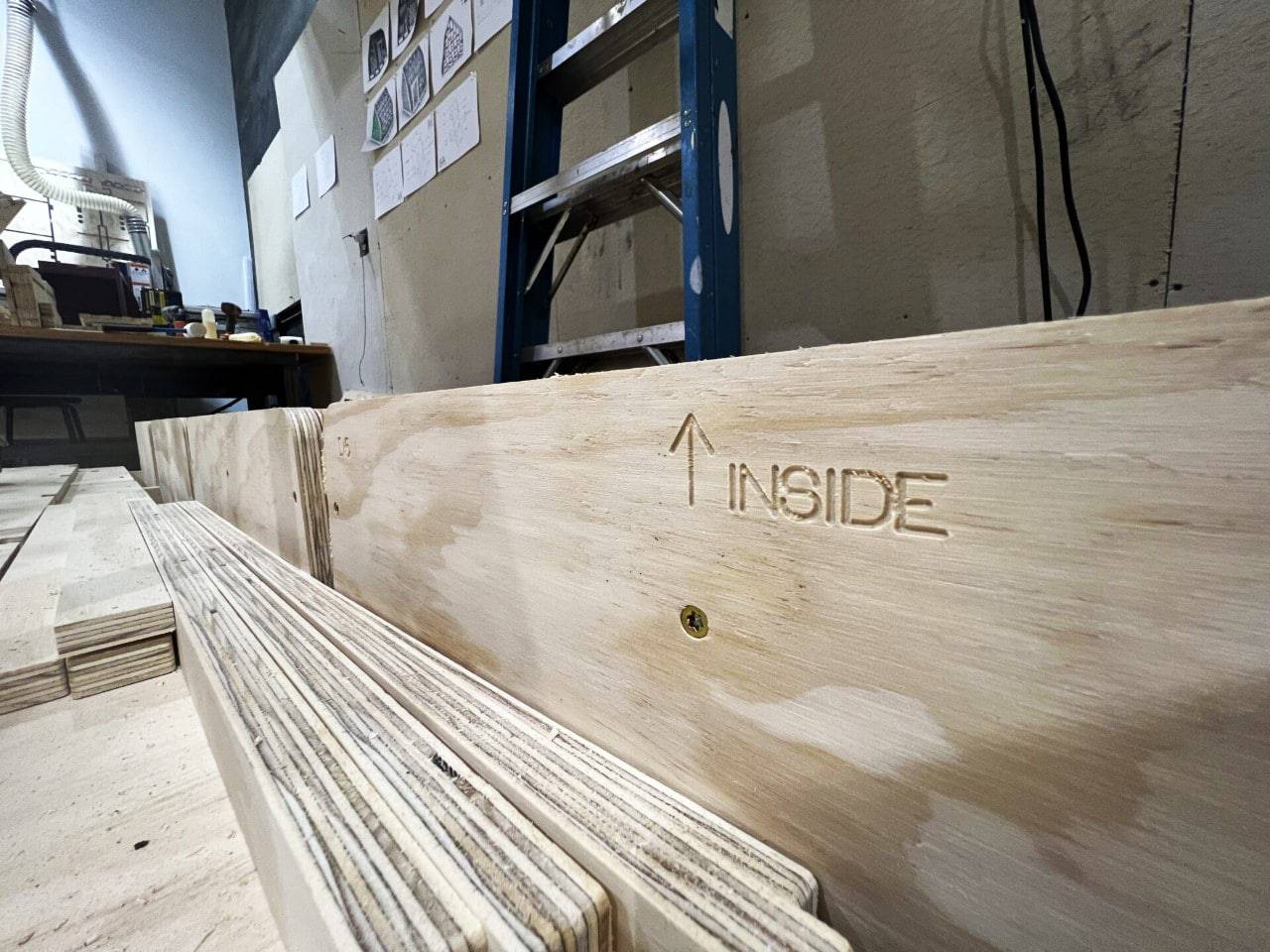
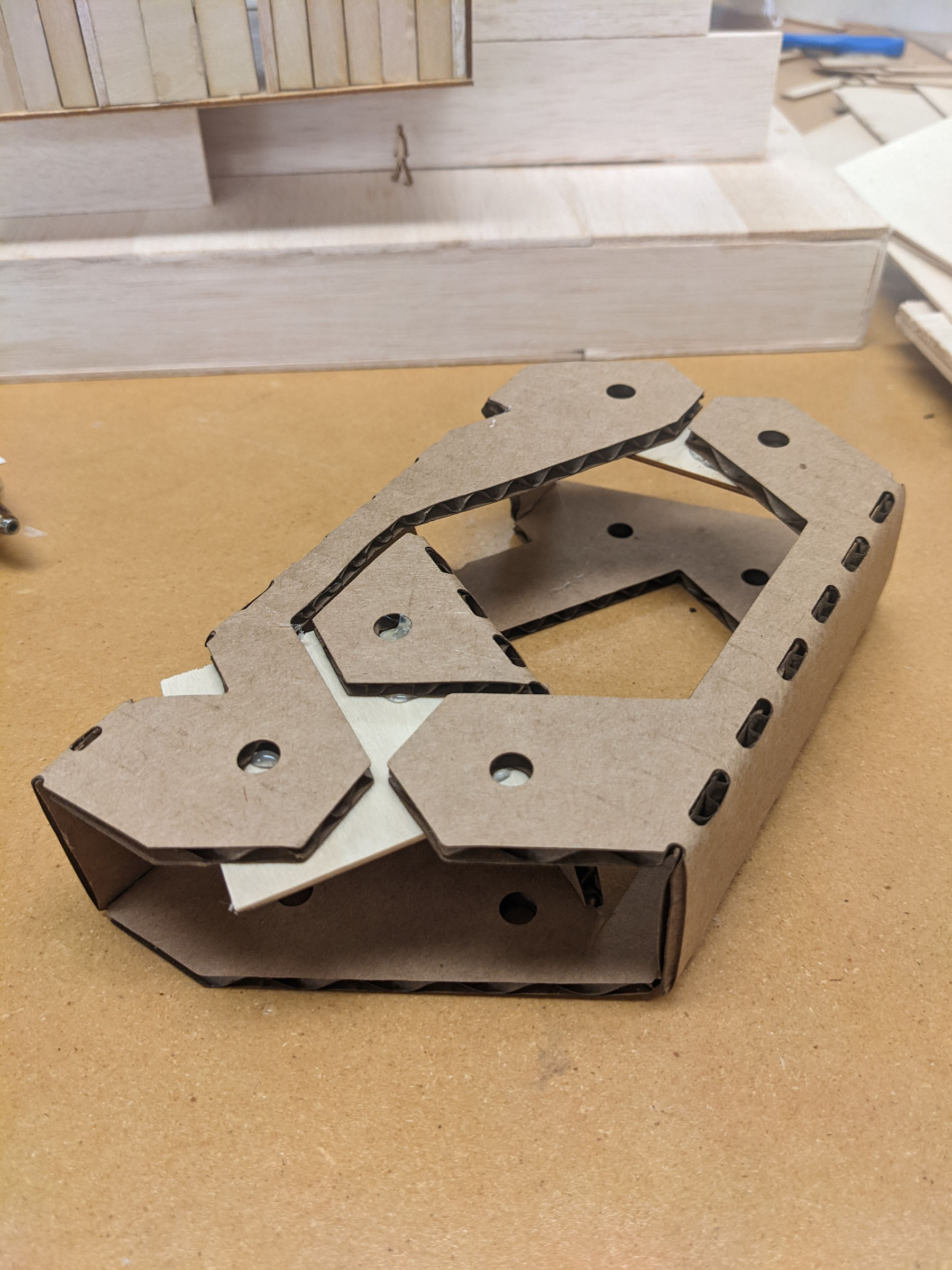
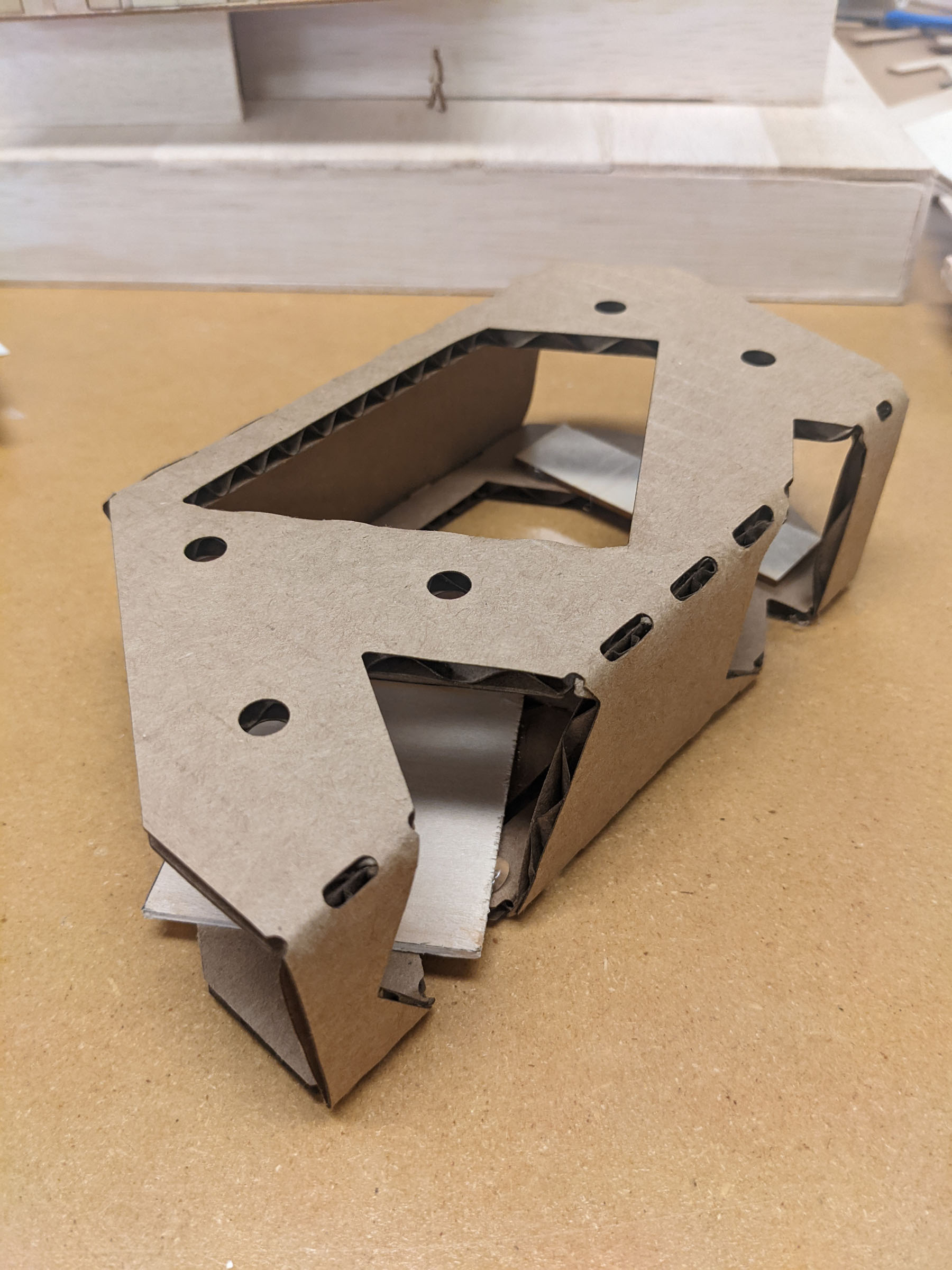
Students evaluate fabrication optimization, modular assemblies and connection details, reinforcing systems thinking as economy, material, assembly, and structure, inform one another.
Construction Management and Field Leadership
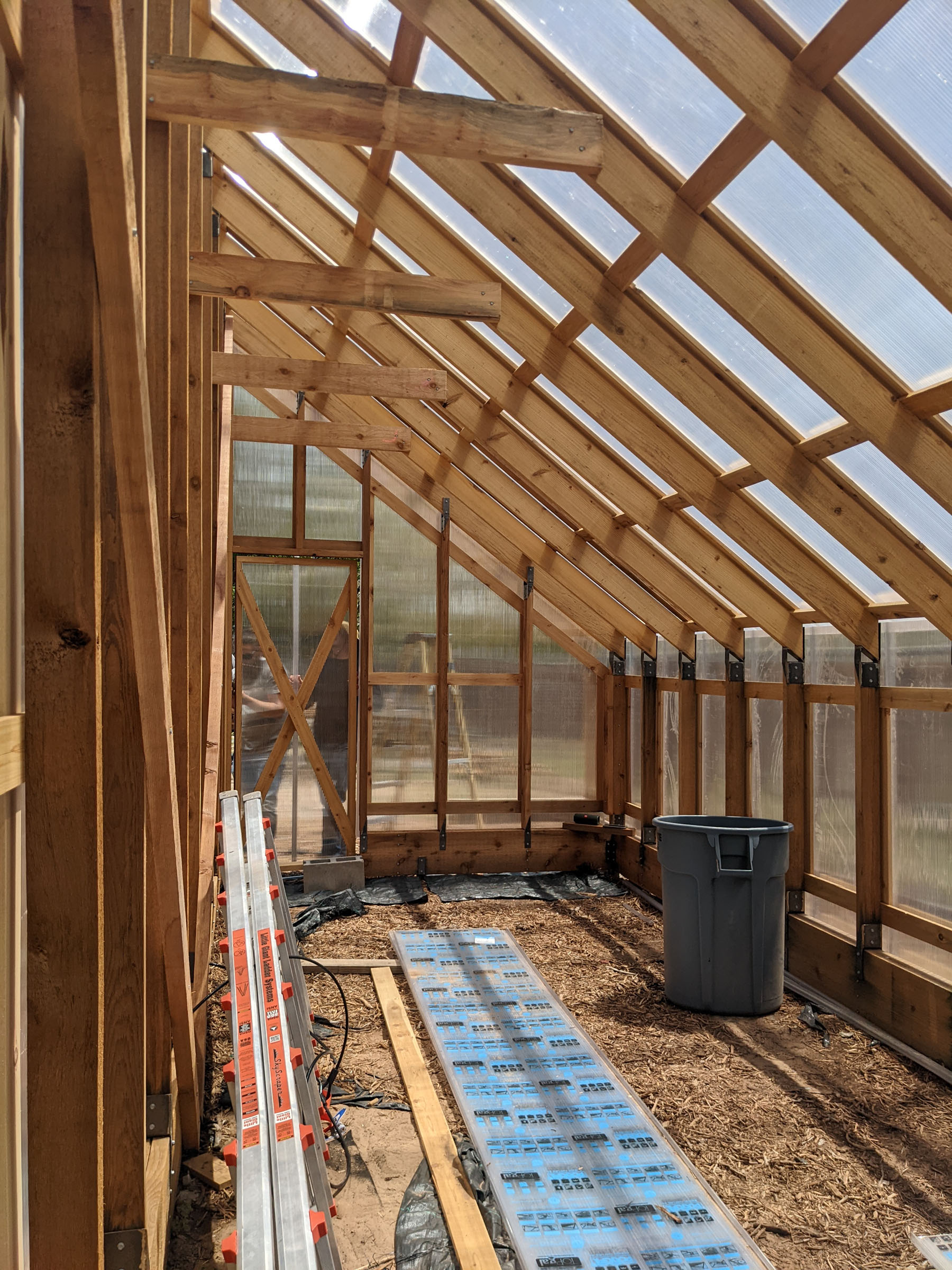
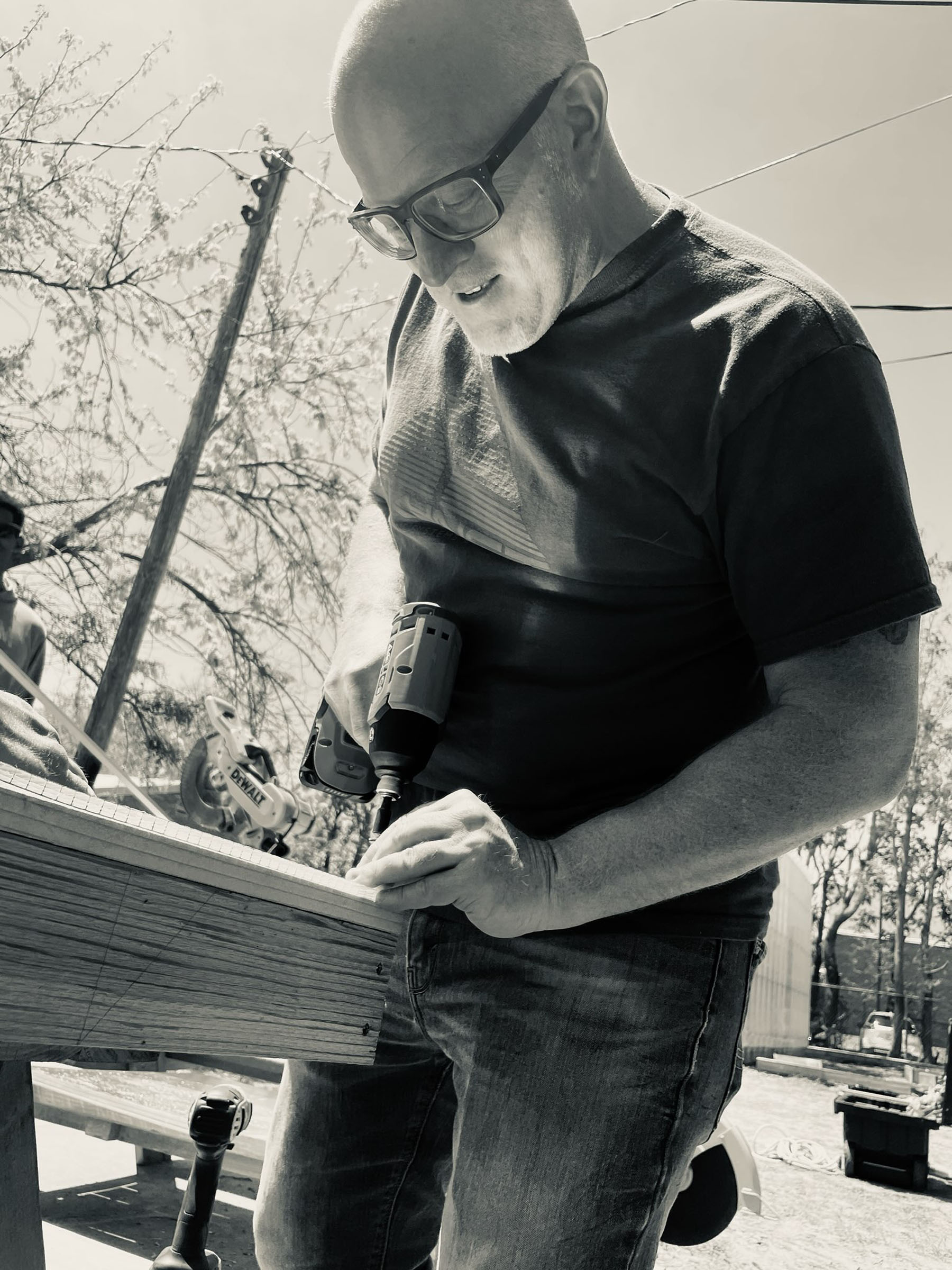
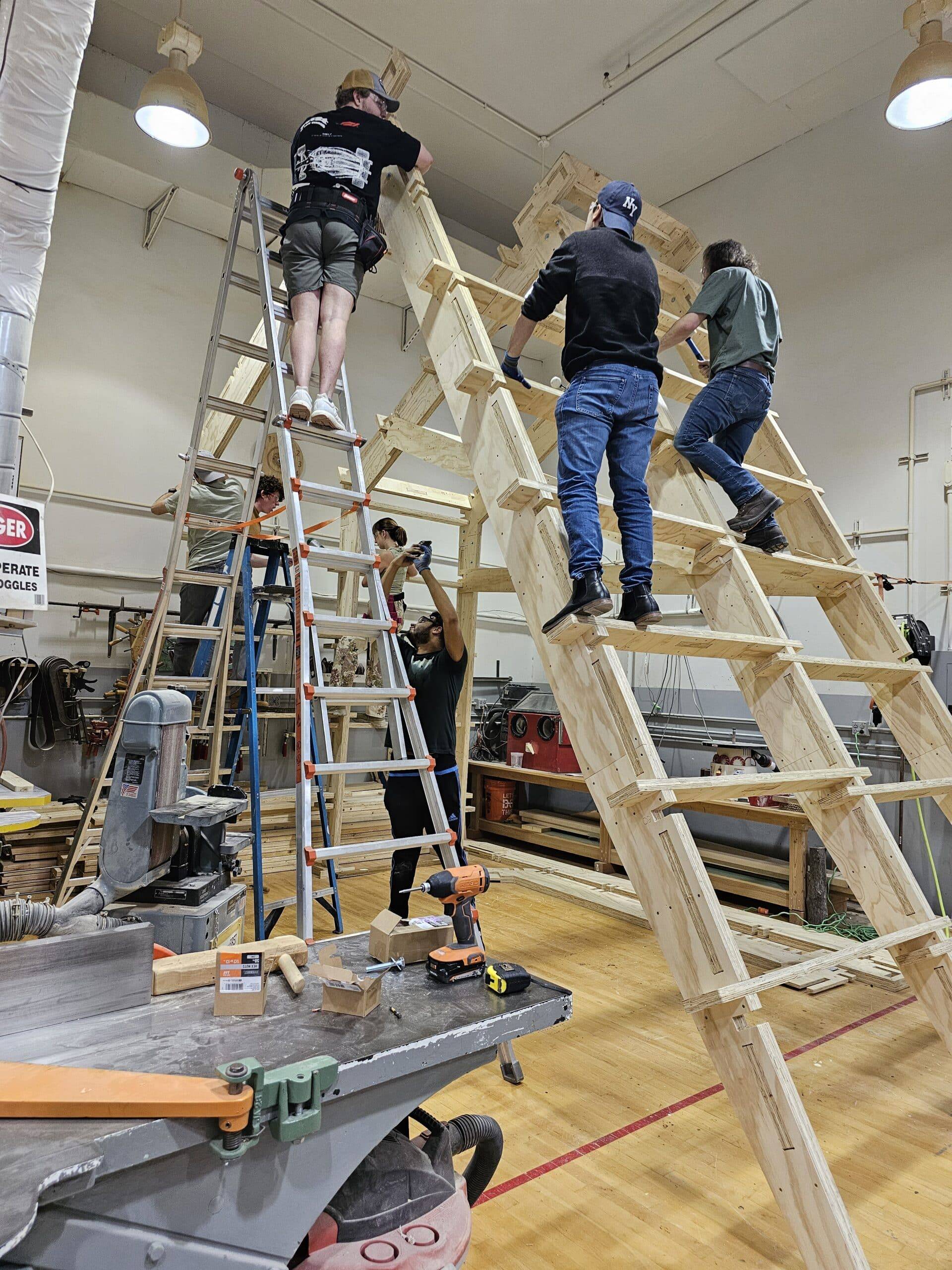
On-site construction became a living classroom for collaboration and management. Students led daily operations including sequencing, quality control, and safety coordination, gaining first-hand experience in field management and problem-solving. Faculty guidance emphasized adaptability, requiring the team to respond to site conditions, weather shifts, and logistical challenges in real time.
By bridging digital precision with manual assembly, the project demonstrated how design-build education cultivates both technical fluency and leadership. Students experienced the full project arc—designing, fabricating, and building an environment that will serve the community long after their semester ended.
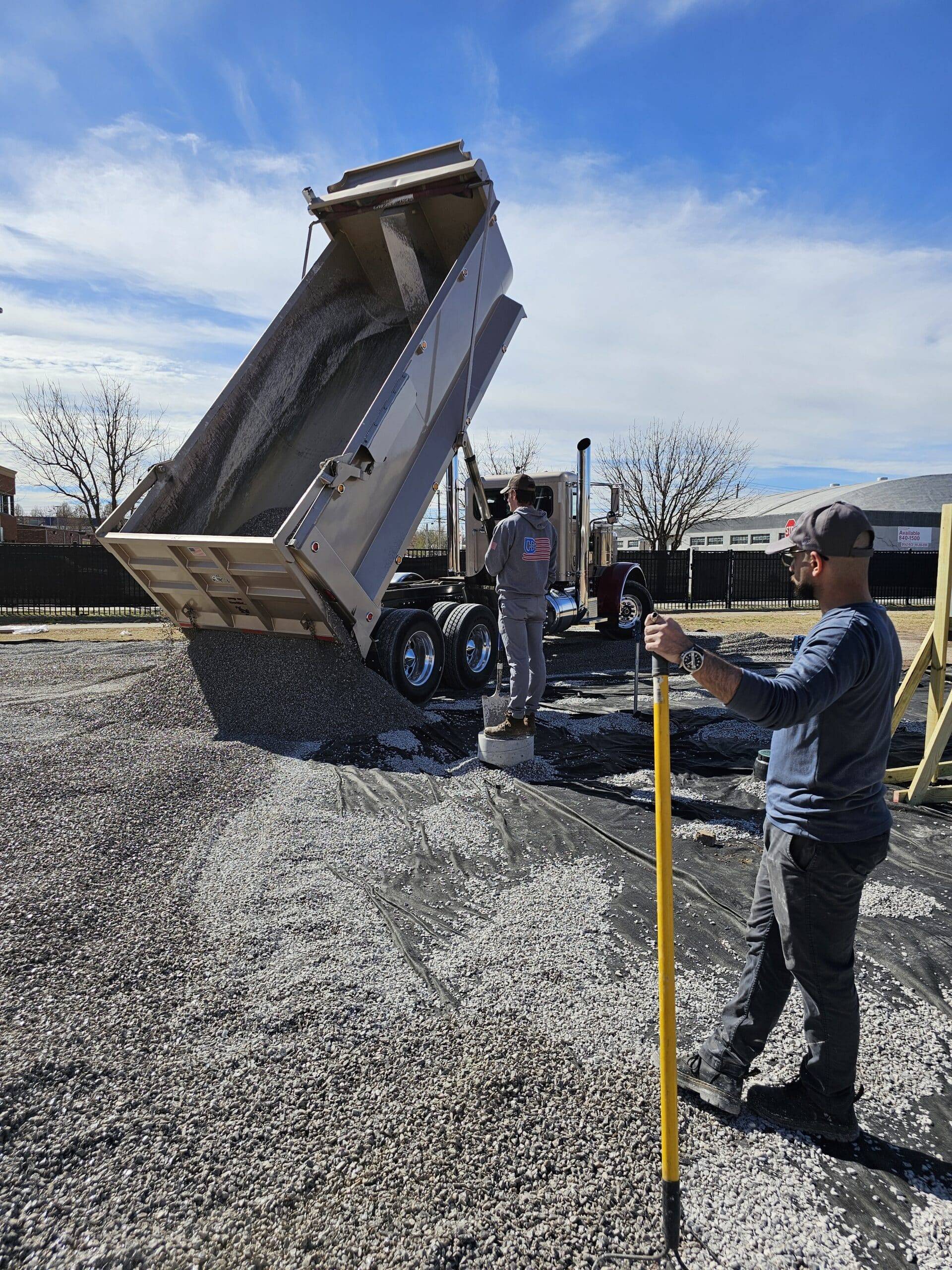
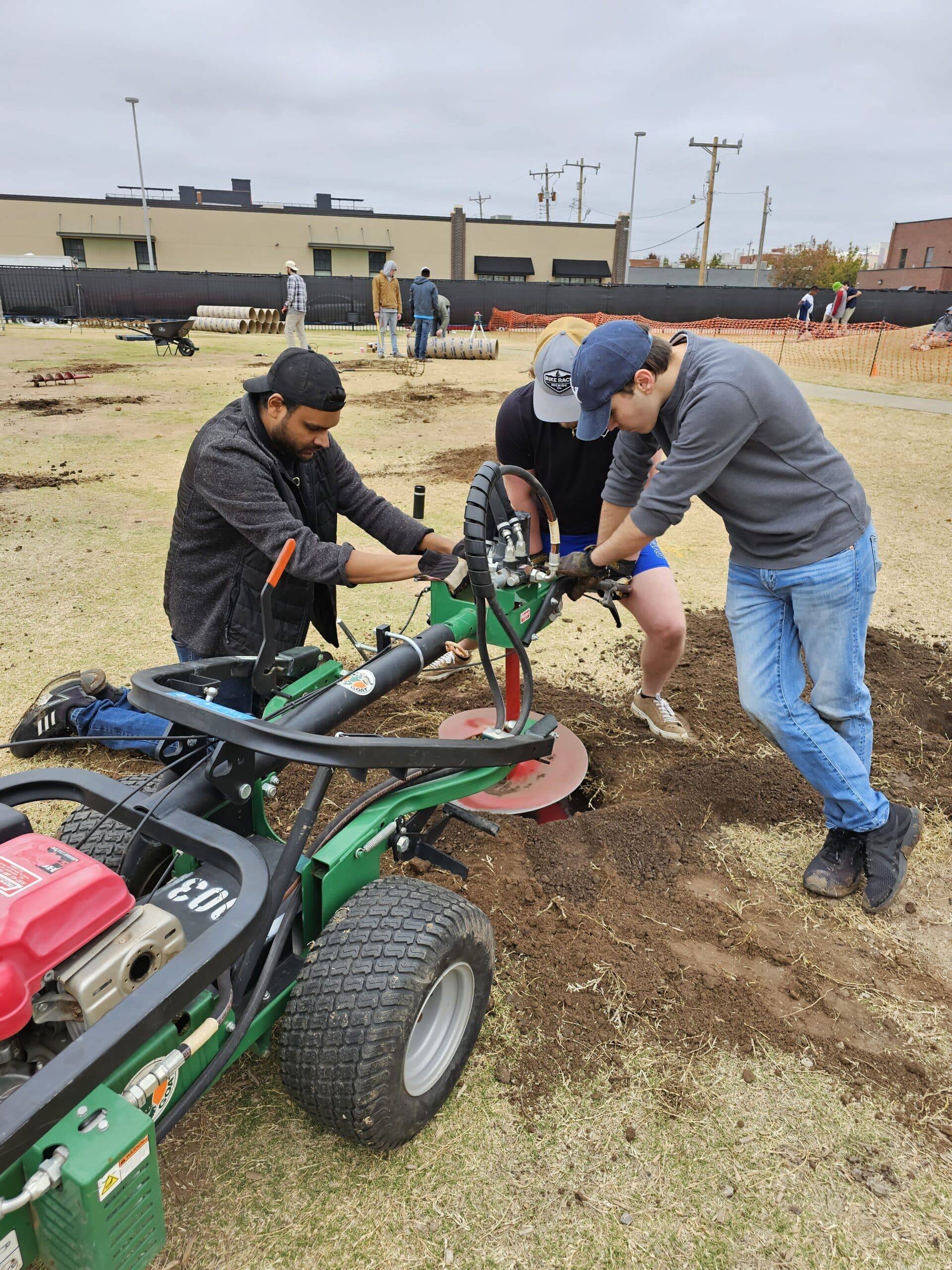
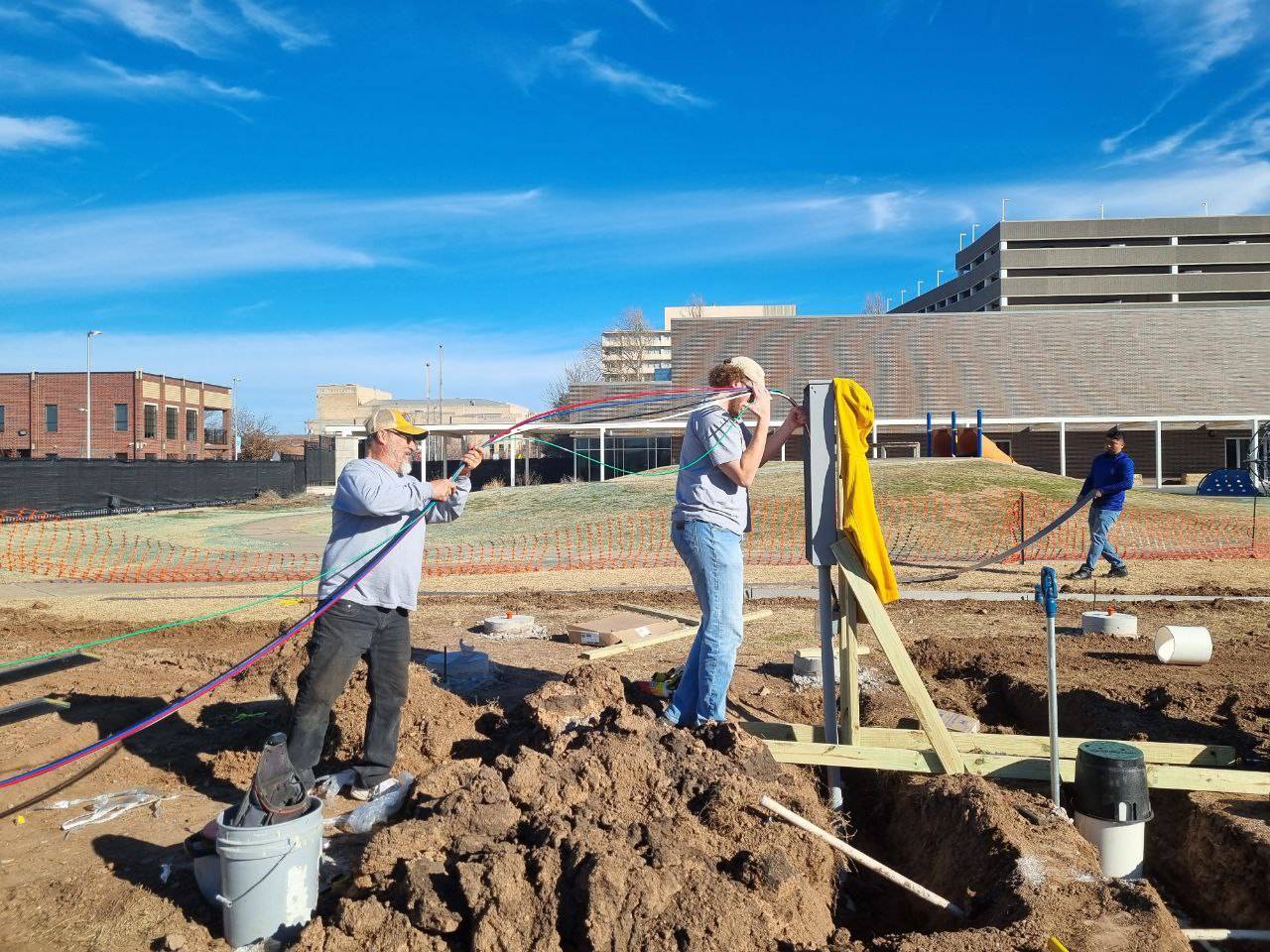
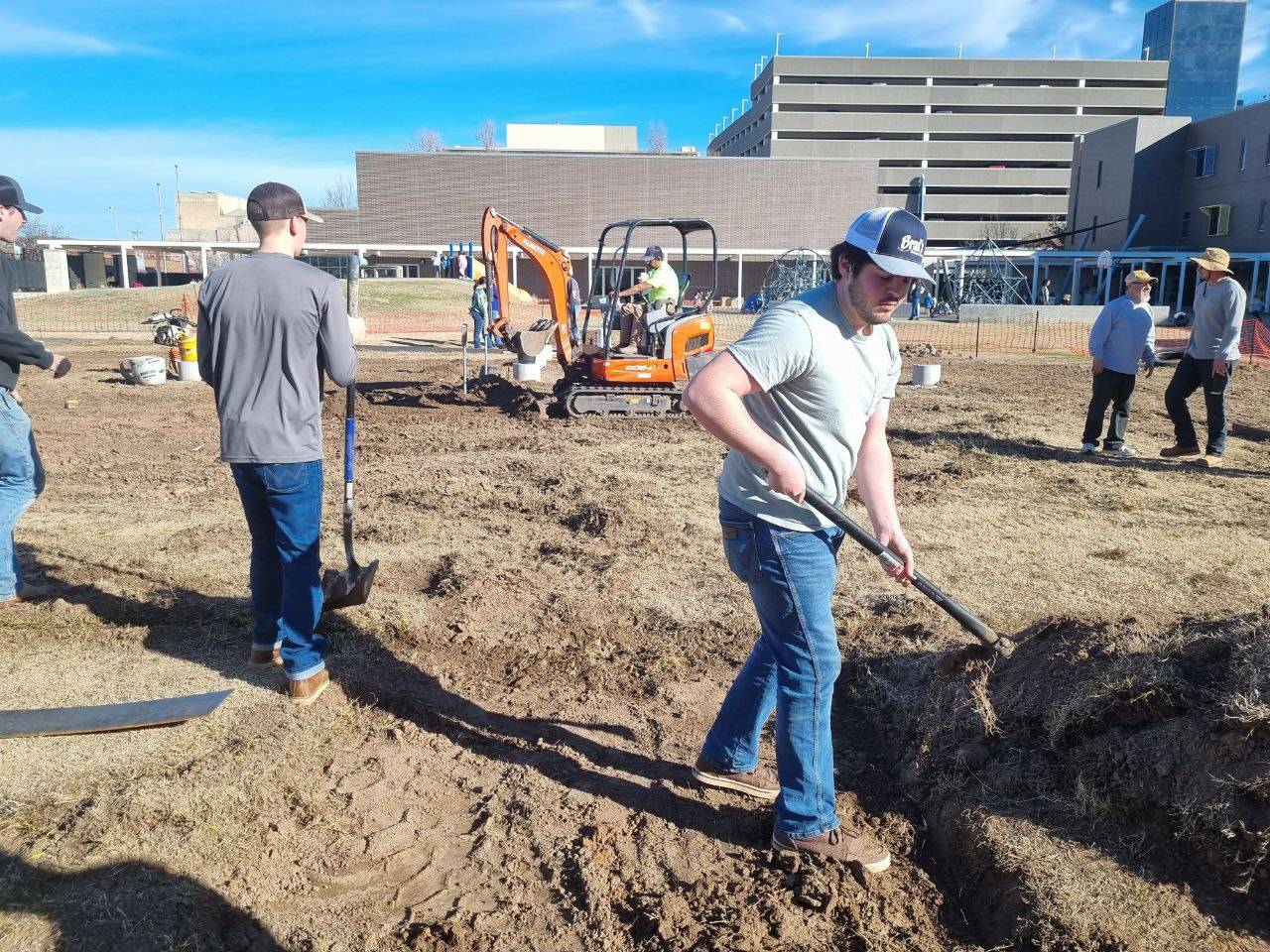
Students managed scheduling, budgeting, and field coordination, translating classroom planning into real-time construction leadership.
Interdisciplinary Collaboration and Team Learning
Students from architecture and construction science worked side by side through every phase of the Urban Learning Greenhouse—from research and design to fabrication and field assembly. The course framework emphasized shared responsibility over disciplinary hierarchy, requiring participants to understand the interconnectedness of design intent, digital modeling, material performance, and construction management. Architecture students contributed modeling and detailing expertise, while Construction Science students led scheduling, cost analysis, and field coordination. The overlap between these roles created an environment where collaboration functioned as both a design process and a professional skill.
Team learning was reinforced through peer assessment, documentation, and cross-disciplinary communication exercises emphasizing clarity, adaptability, and mutual respect. Instead of dividing work along conventional lines, students engaged directly with each other’s knowledge, developing a shared vocabulary for design and construction. Faculty evaluation prioritized leadership, communication, and problem-solving as measurable indicators of success, reinforcing teamwork as a critical and transferable learning outcome.
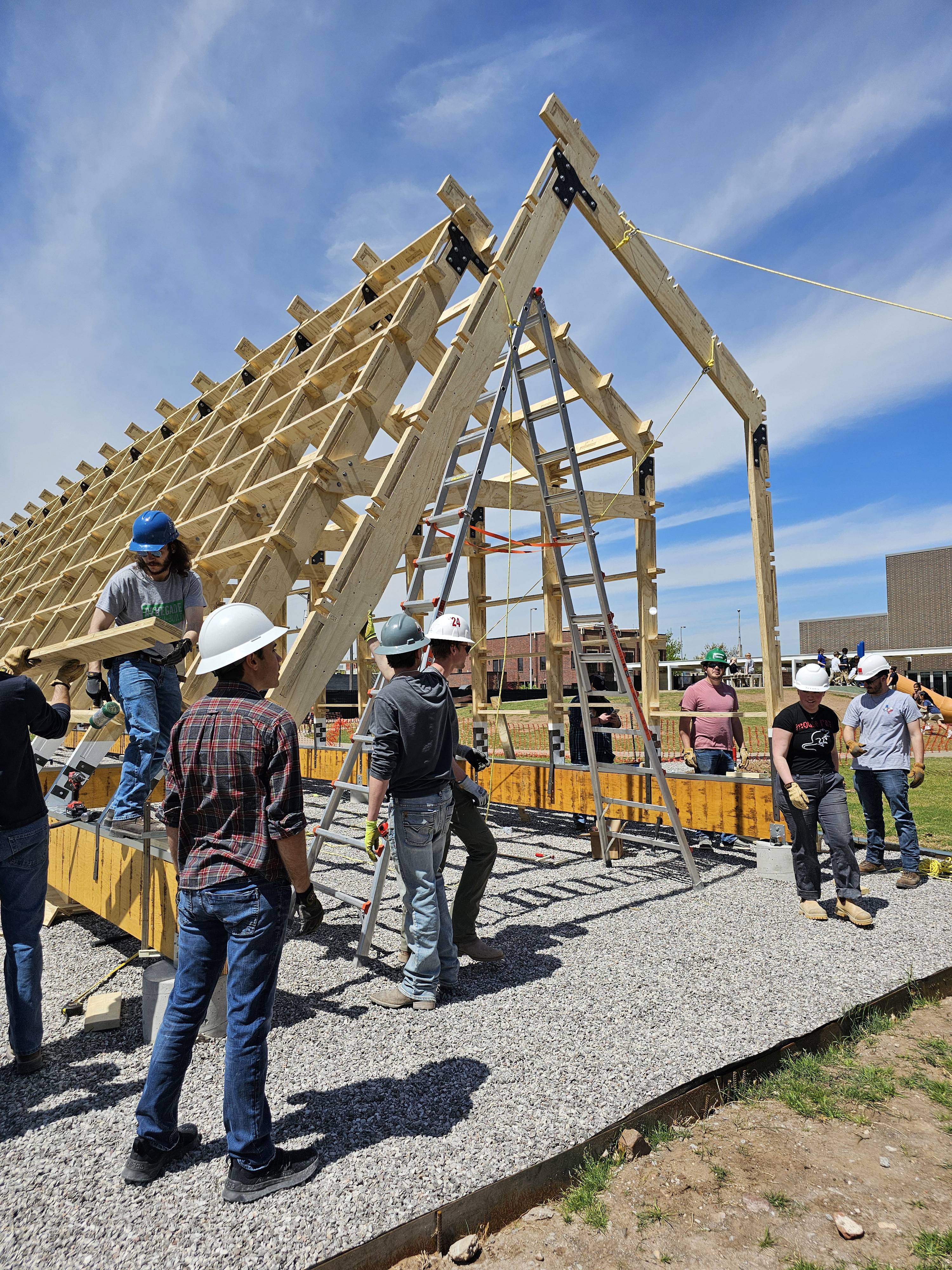
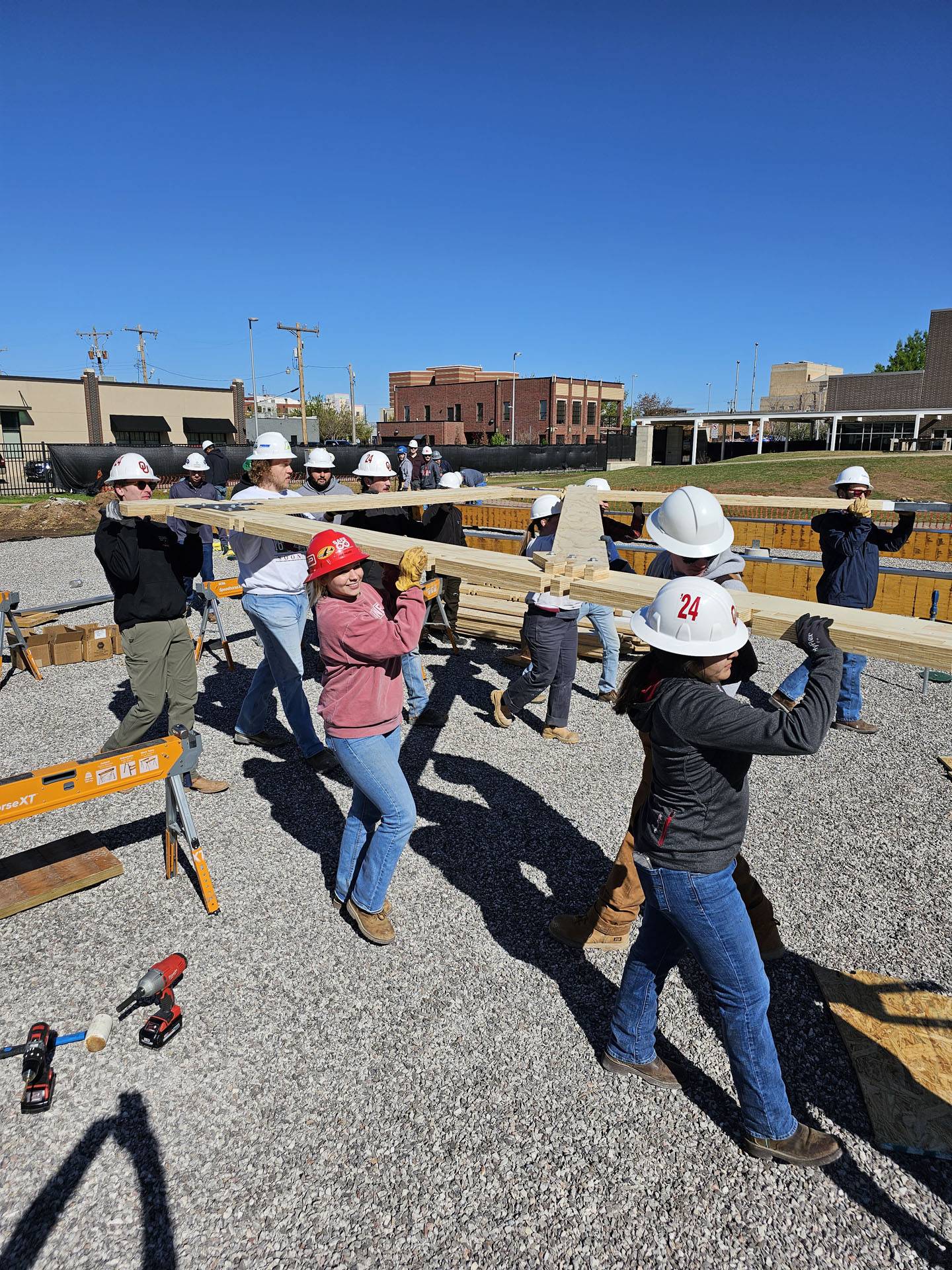
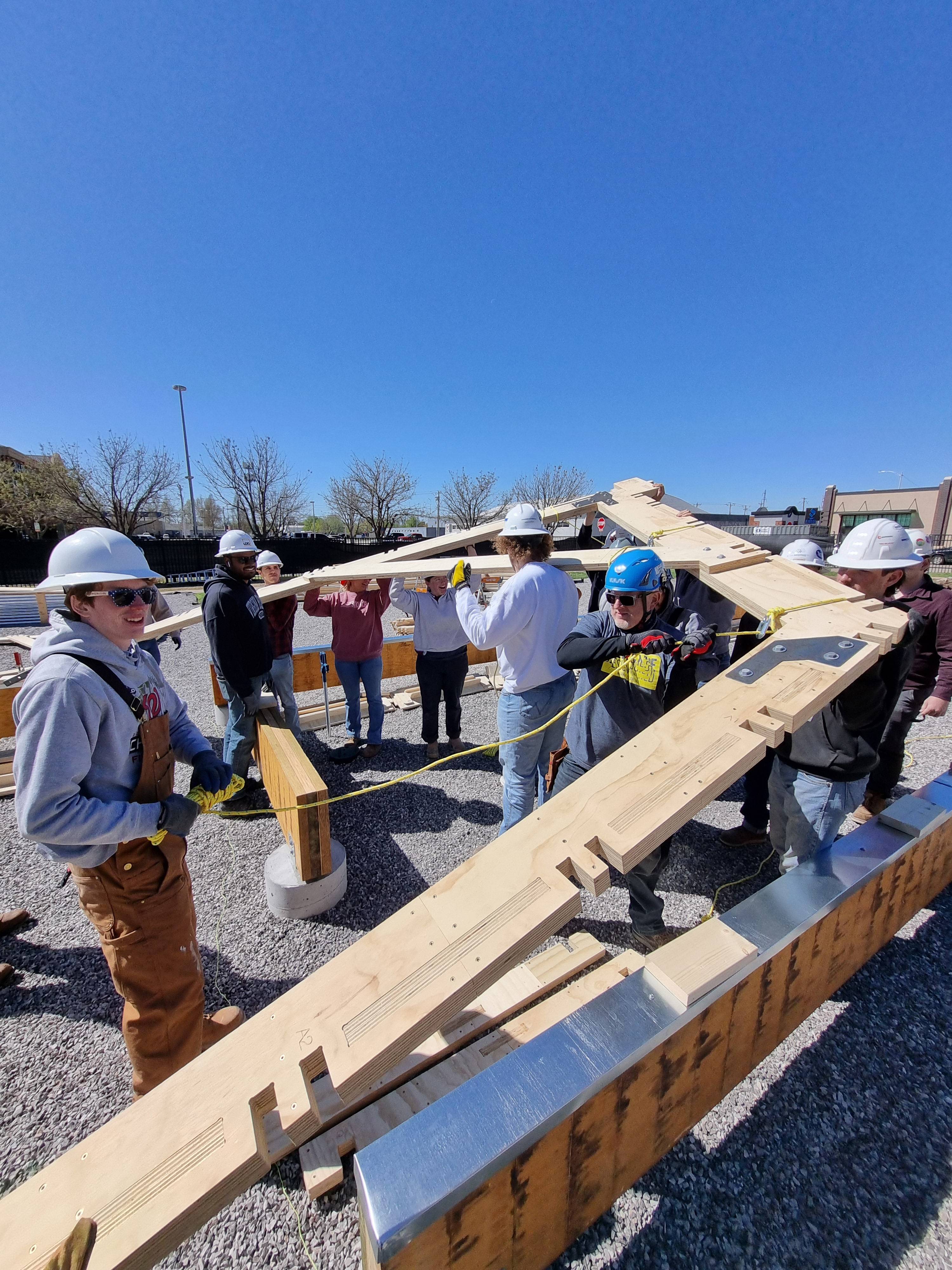
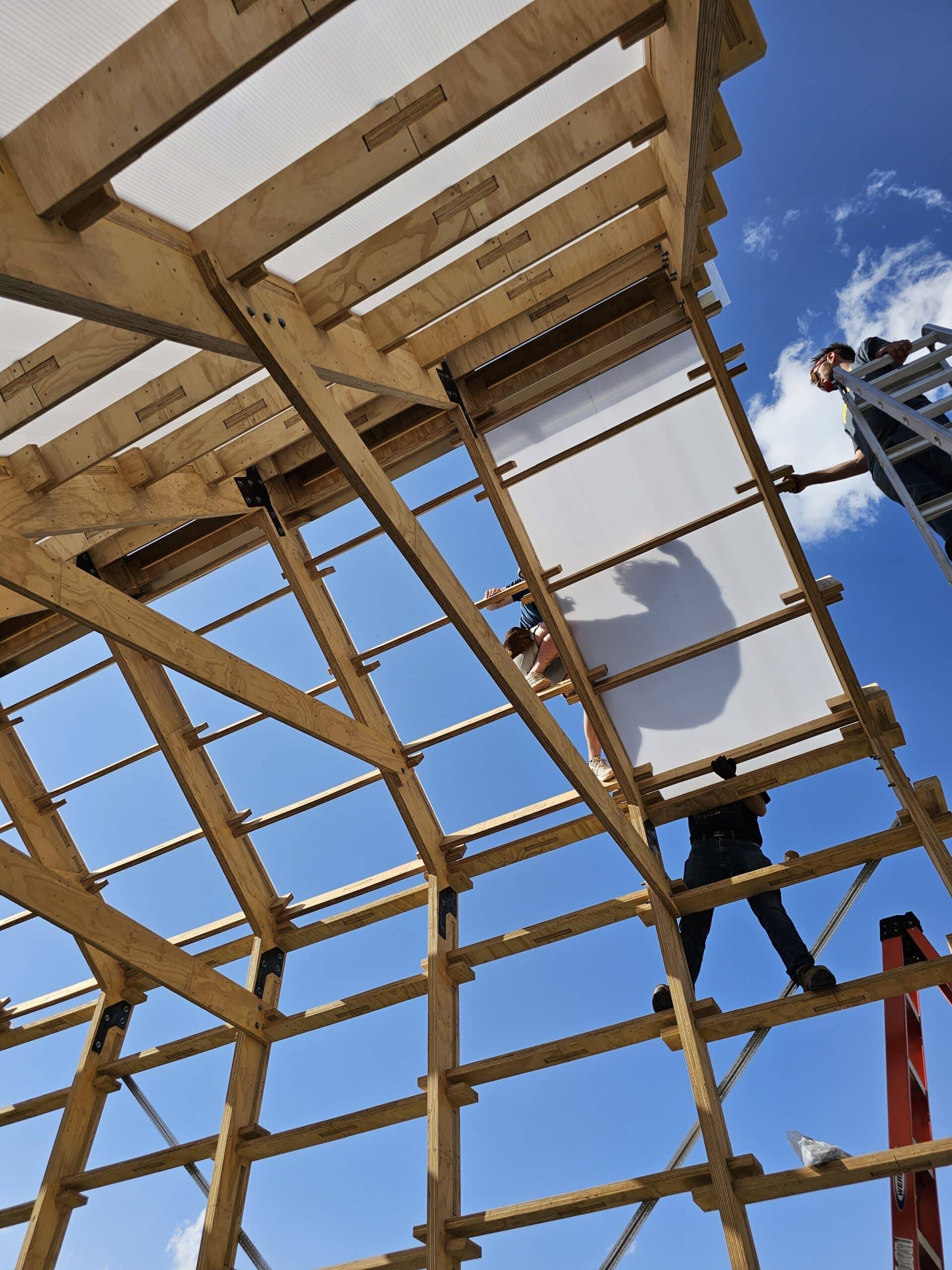
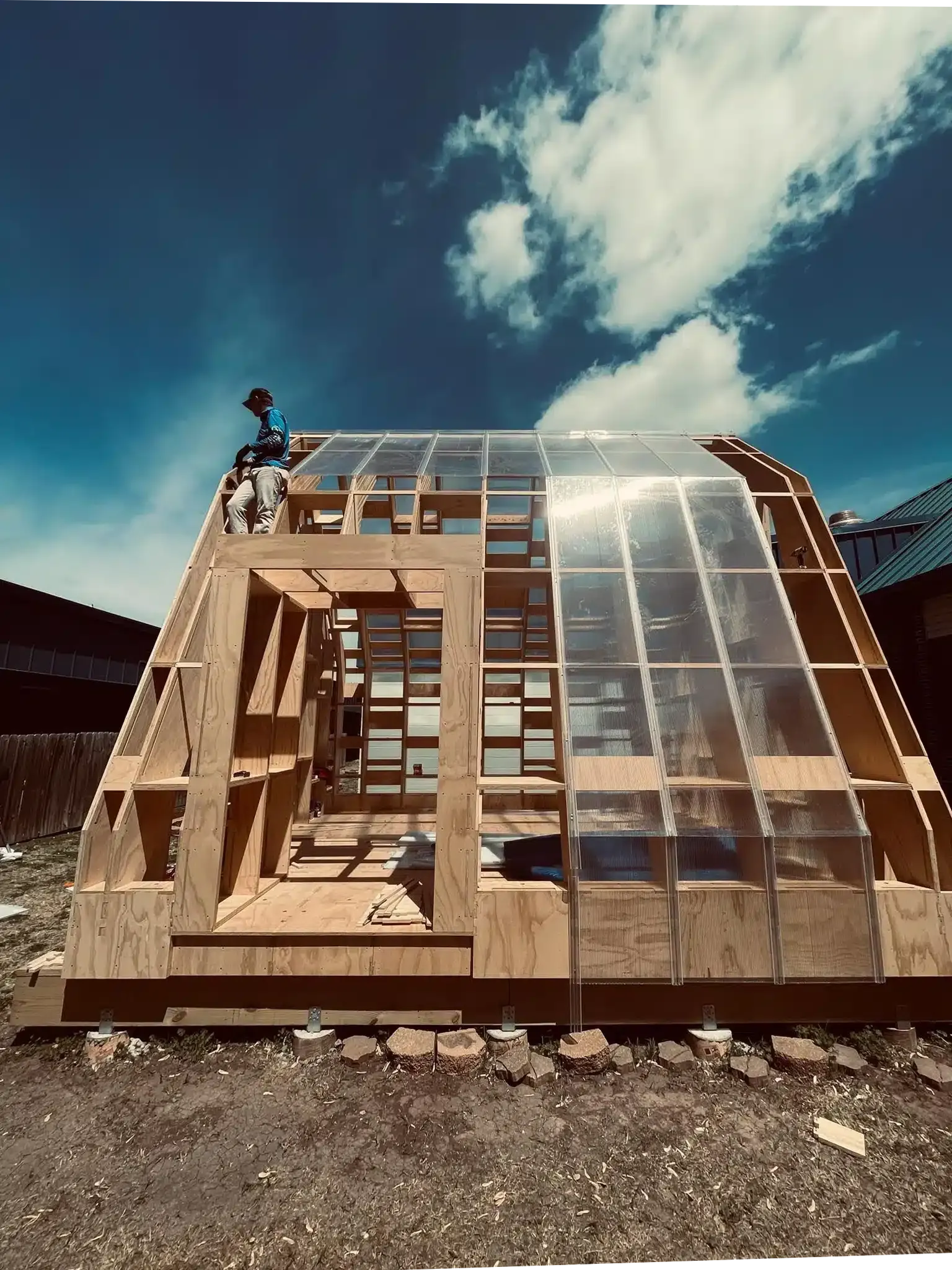
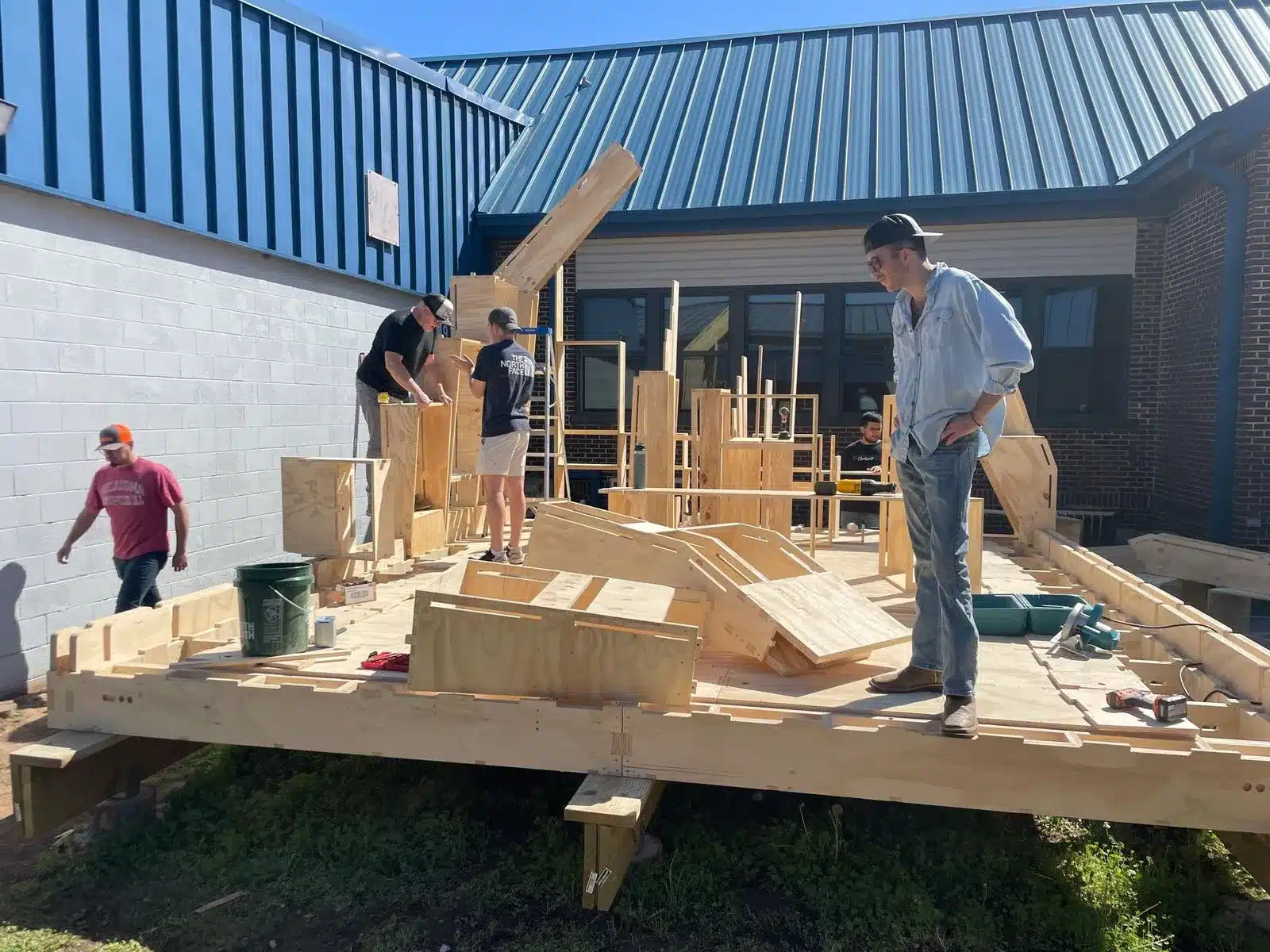
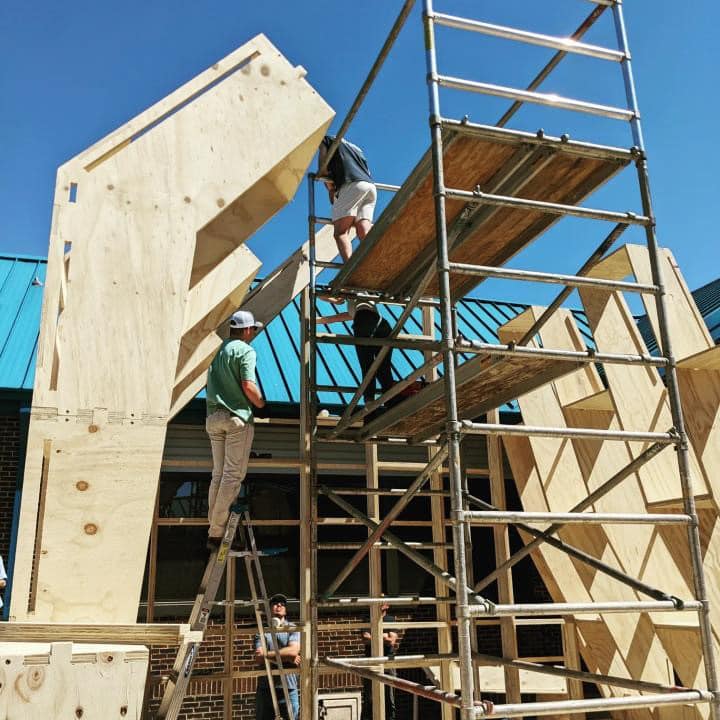
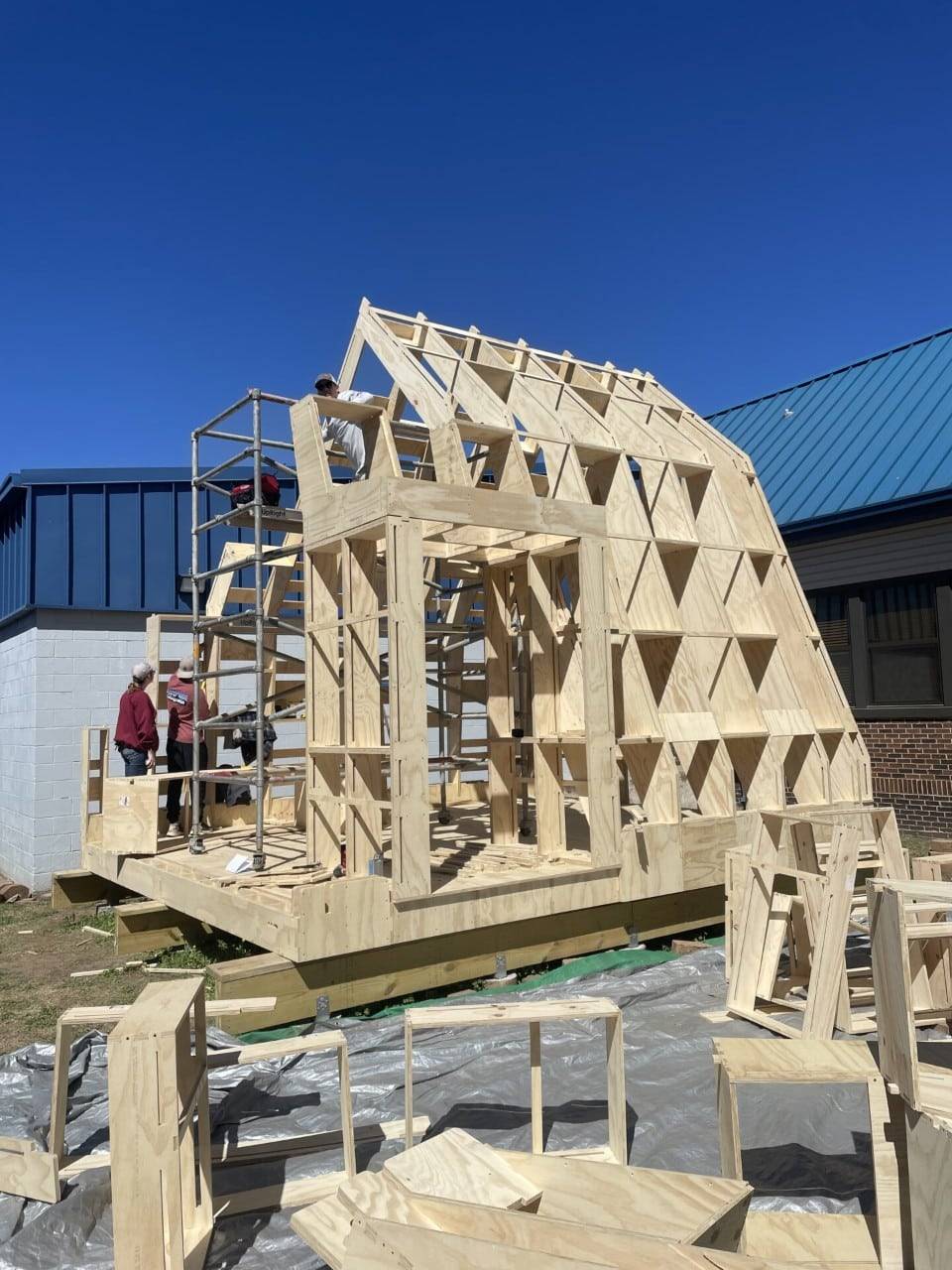
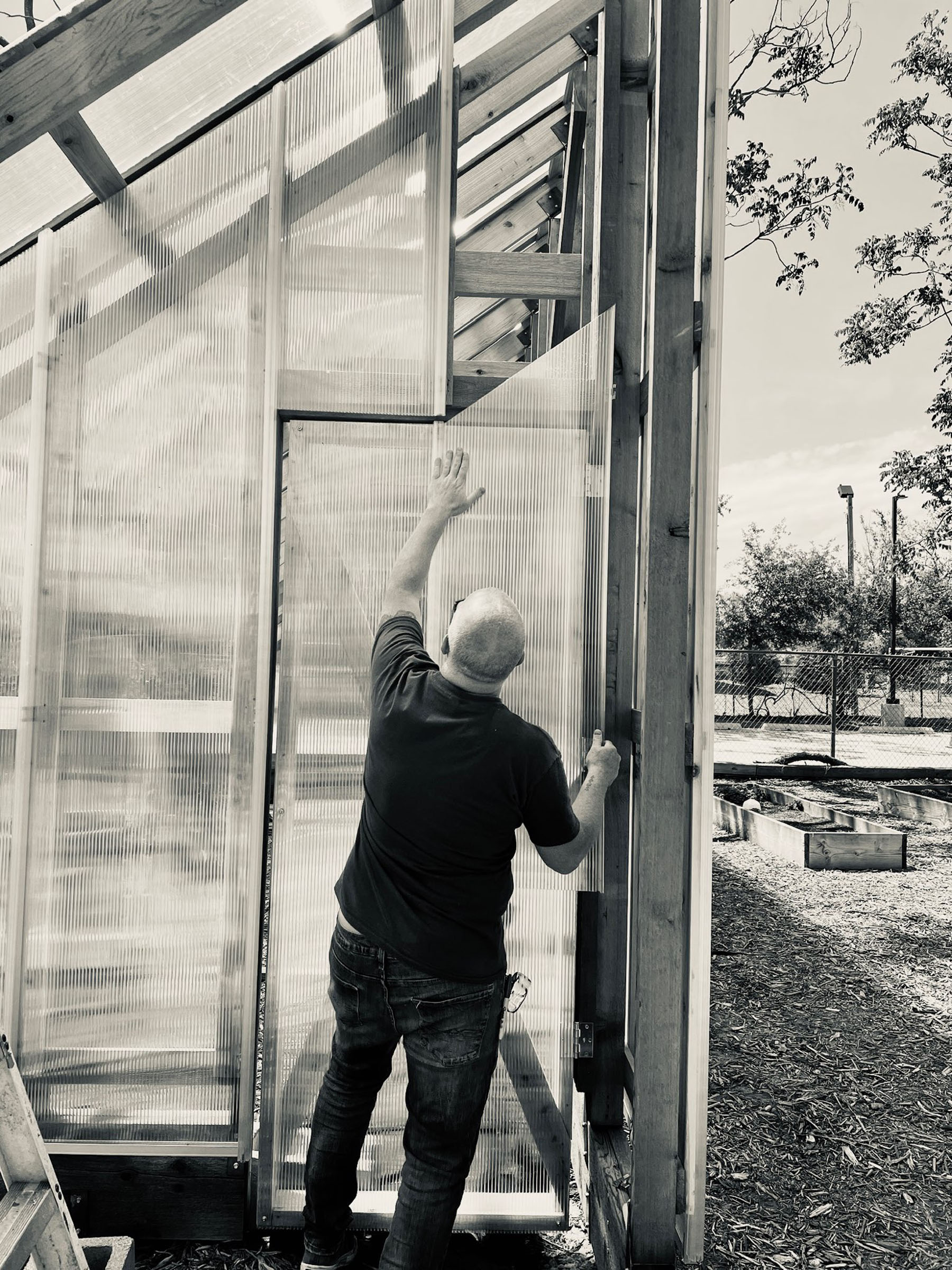
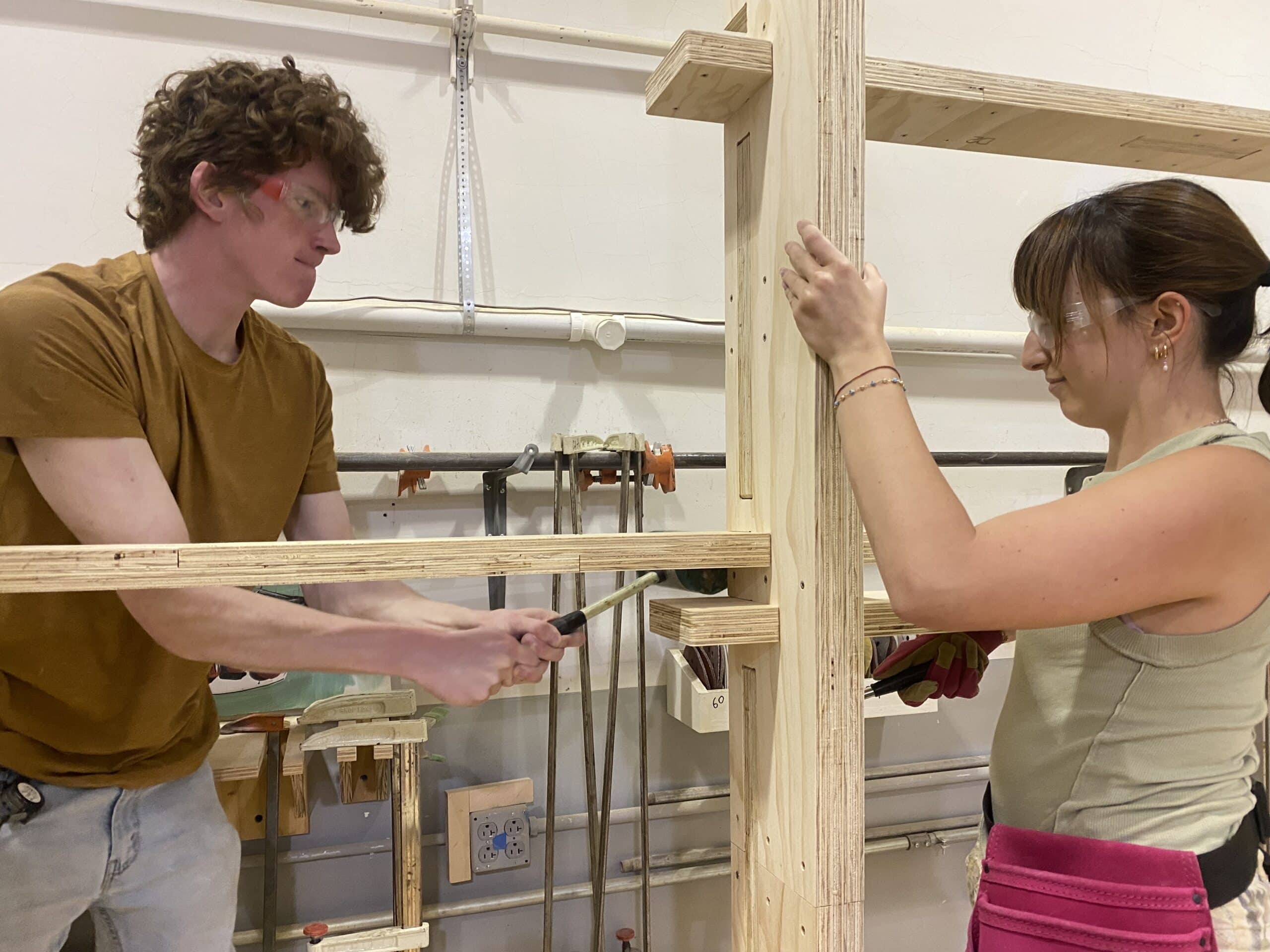
Students assemble and raise the frame, aligning prefabricated components with precision learned through digital modeling and precision fabrication methods.
Reflection and Legacy
The Urban Learning Greenhouse marks a key moment in OU’s evolving Design+Build pedagogy. It unites research, computation, and construction within a real-world framework that demonstrates architecture’s capacity to serve communities while advancing academic inquiry.
Through its synthesis of interdisciplinary education, digital fabrication, and civic engagement, the project stands as both artifact and methodology—a built testament to the idea that architecture’s most enduring lessons emerge not from drawings alone, but from the shared act of making.
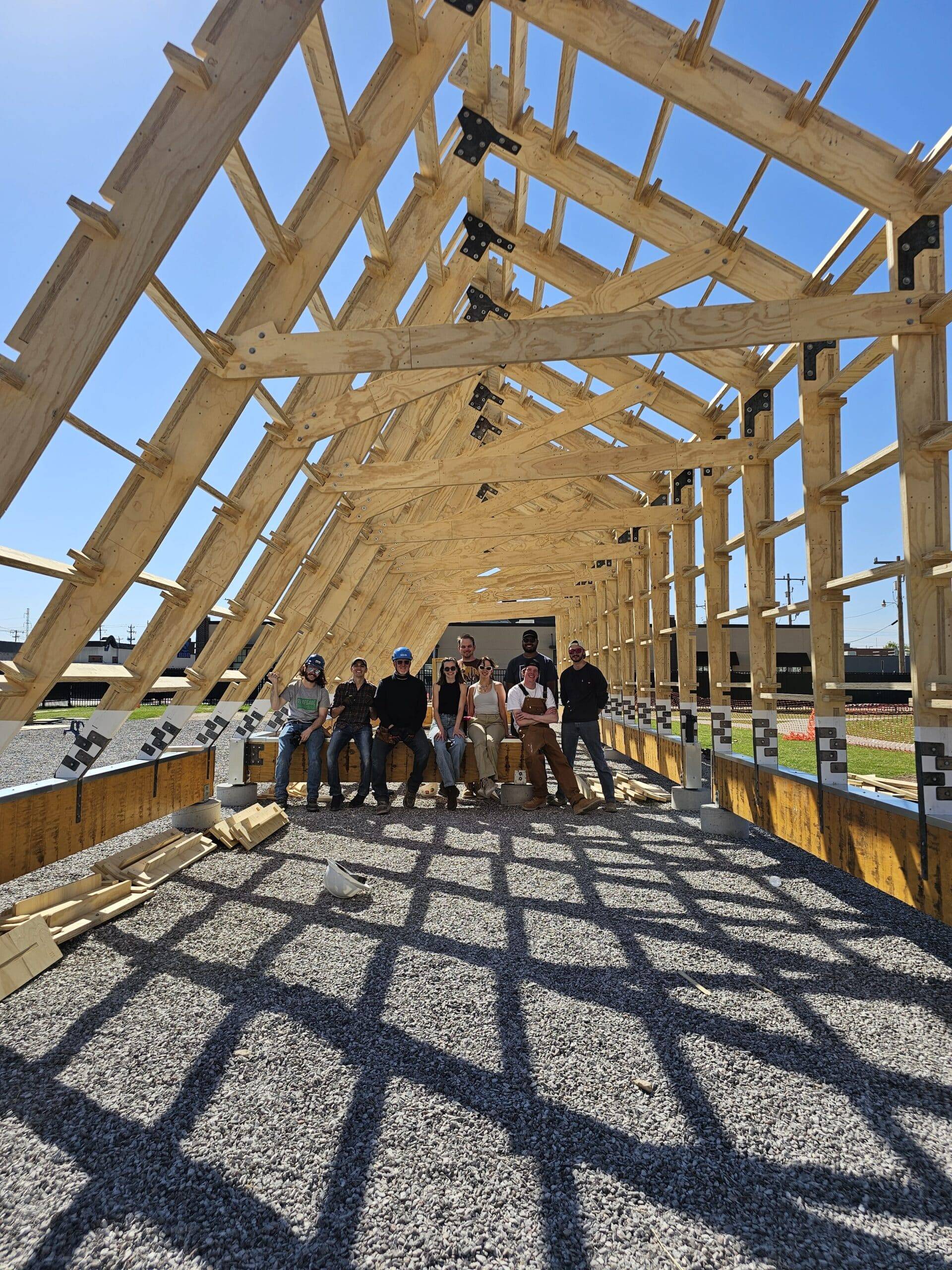
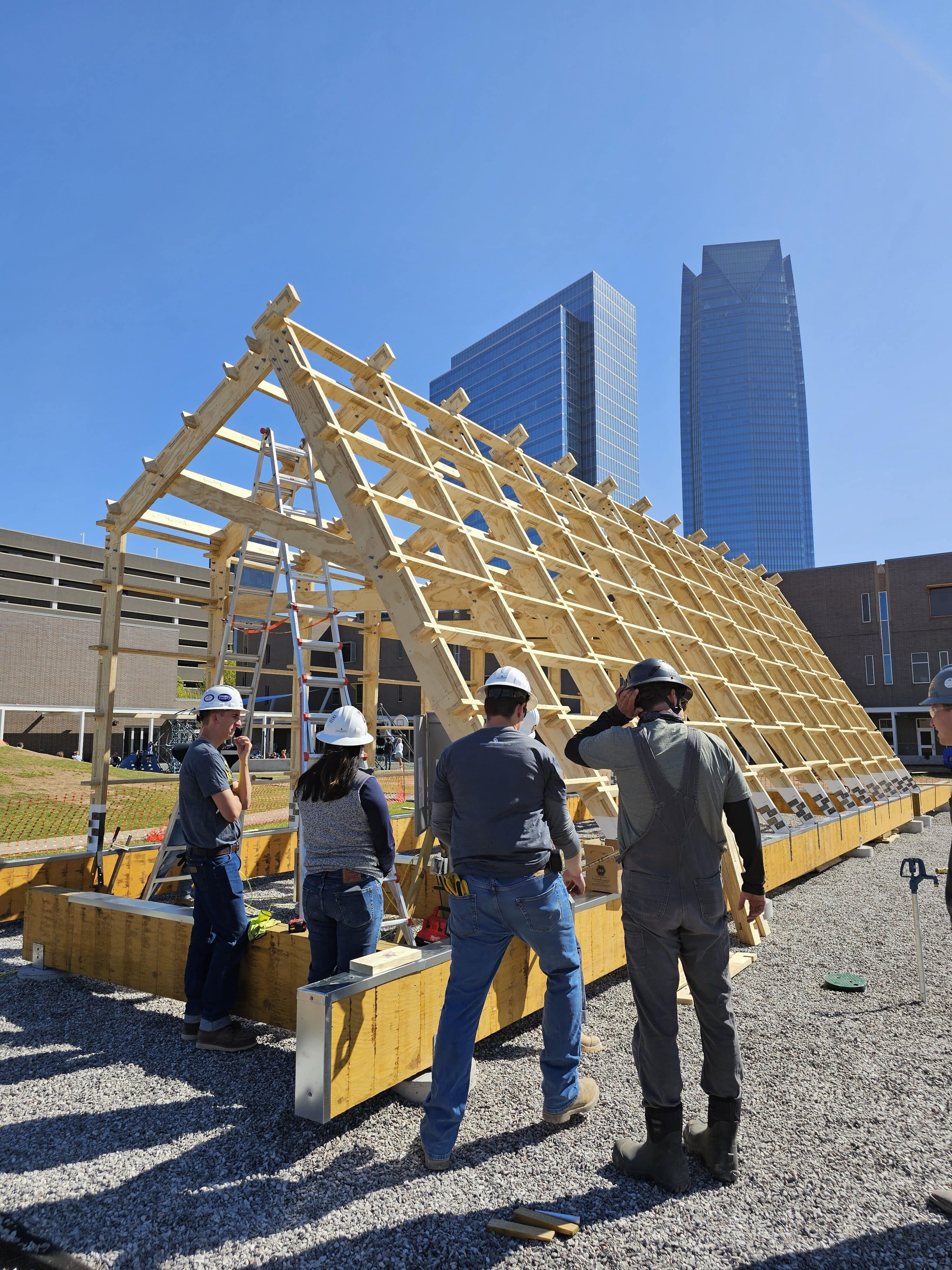
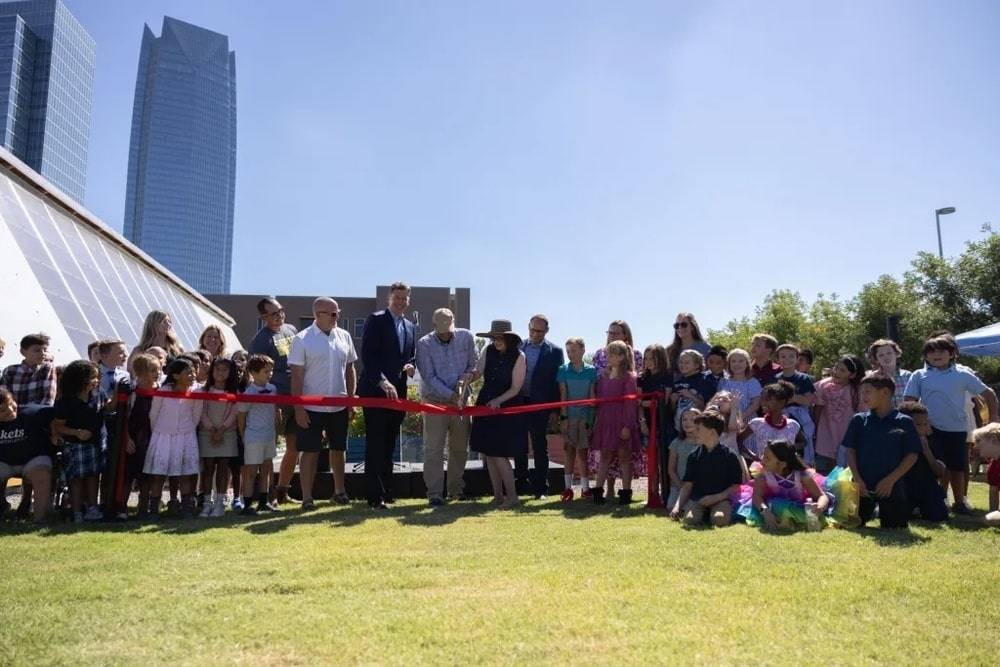
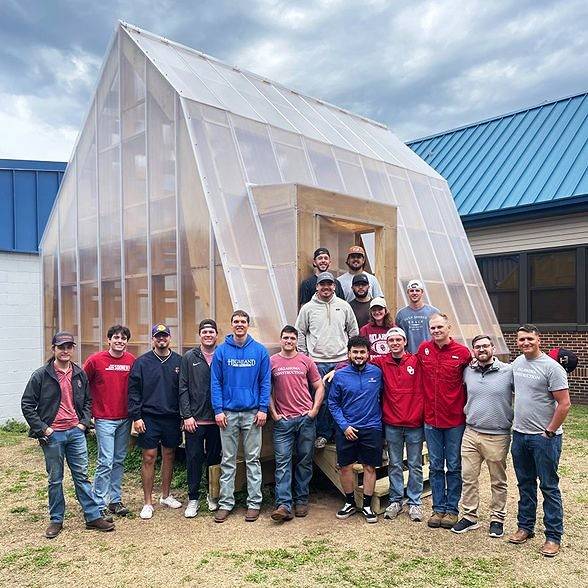
From university student builders to elementary learners, the ribbon-cutting ceremony with Oklahoma City leaders and the mayor celebrated a collective investment in design, ecology, and education.